

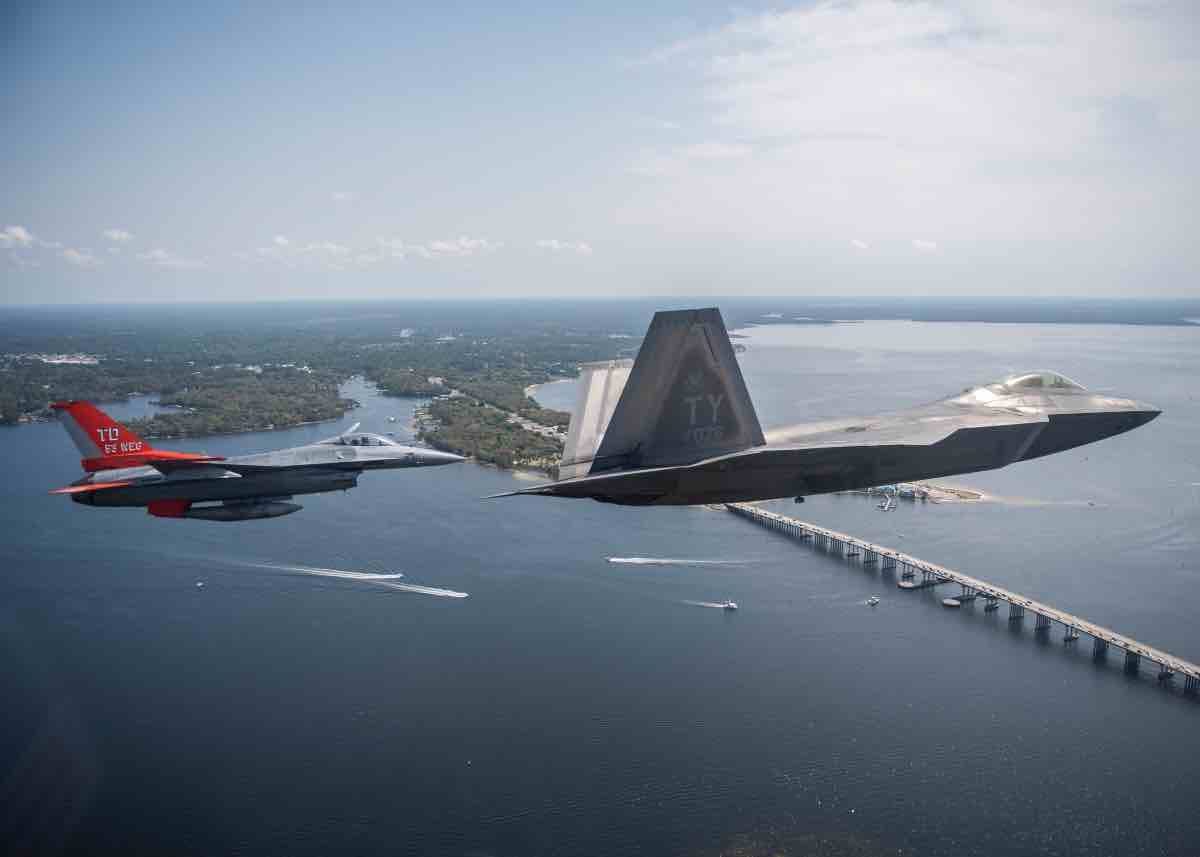
The Fastest Military Jets in History
F-100 Super Sabre USAF The F-100 Super Sabre was America’s answer to the future of air-to-air superiority in the mid-1950s. Equipped with…
michael-trent··19 min read

The 54th Massachusetts Infantry, one of the first African American regiments in the Union Army, leads a courageous frontal assault on Fort Wagner outside Charleston, South Carolina. Nearly half the regiment is killed, wounded, or captured, including Colonel Robert Gould Shaw.
The 54th Massachusetts Infantry, one of the first African American regiments in the Union Army, leads a courageous frontal assault on Fort Wagner outside Charleston, South Carolina. Nearly half the regiment is killed, wounded, or captured, including Colonel Robert Gould Shaw.
After U.S. troops attack Nez Perce bands refusing forced relocation to an Idaho reservation, the tribe's warriors under Chief Joseph and other leaders begin a 1,170-mile fighting retreat toward the Canadian border.
French, American, and British forces launch a massive counterattack against the German salient at the Marne, marking the beginning of the Hundred Days Offensive that would end World War I. The Germans never regained the initiative.
The 1st and 2nd U.S. Divisions, including the 5th and 6th Marines, spearhead the Allied counterattack at Soissons as part of the Aisne-Marne offensive. The Marines' aggressive assault helped break the German line.
Nationalist military officers under General Francisco Franco launch a coup against the Spanish Republic, beginning the three-year civil war that served as a rehearsal for World War II, with Germany and Italy supporting Franco and the Soviet Union backing the Republic.
The Messerschmitt Me 262, the world's first operational jet fighter, makes its first flight under jet power alone at Leipheim, Germany. The revolutionary aircraft would enter combat in 1944, though too late and in too few numbers to change the war's outcome.
The Fastest Military Jets in HistoryGeneral Hideki Tojo resigns as Prime Minister of Japan following the fall of Saipan, acknowledging that the war situation had turned decisively against Japan. His resignation signaled the beginning of the end for Japan's military government.
British Second Army launches Operation Goodwood, the largest armored offensive of the Normandy campaign, committing three armored divisions east of Caen to pin German panzer reserves and facilitate the American Operation Cobra breakout.
President Dwight Eisenhower meets Soviet Premier Nikolai Bulganin, British Prime Minister Anthony Eden, and French Premier Edgar Faure at Geneva for the first postwar summit between the wartime Allies, shaping the early Cold War military balance.
Apollo 11 enters lunar orbit after a three-day coast from Earth, with military test pilots Neil Armstrong, Buzz Aldrin, and Michael Collins preparing for the next day's lunar landing attempt.
Wear the Timeline
11 military events occurred on July 18, spanning multiple centuries. Key events include: 54th Massachusetts Storms Fort Wagner (1863), Allied Counteroffensive at the Second Battle of the Marne (1918), Spanish Civil War Erupts (1936).
The most significant military event on July 18 is 54th Massachusetts Storms Fort Wagner (1863). The 54th Massachusetts Infantry, one of the first African American regiments in the Union Army, leads a courageous frontal assault on Fort Wagner outside Charleston, South Carolina. Nearly half the regiment is killed, wounded, or captured, including Colonel Robert Gould Shaw.
Notable military figures born on July 18 include John Glenn (1921–2016), Vidkun Quisling (1887–1945).
Events on July 18 span the Civil War, World War I, the Interwar Period, World War II, the Cold War, covering 11 events across 2 centuries of military history.
Events on July 18 involve 4 branches of the U.S. and allied armed forces, reflecting the global scope of military operations throughout history.
Explore military history from the day you were born.
June 6
The Allied invasion of Normandy, the largest amphibious assault in history.
December 7
Japan attacks the U.S. Pacific Fleet, bringing America into World War II.
September 11
The deadliest terrorist attack in history transforms U.S. national security.
August 6
The first atomic bomb is dropped on a city, ushering in the nuclear age.
May 8
Nazi Germany surrenders unconditionally, ending World War II in Europe.
November 11
Armistice Day marks the end of World War I and honors all who served.
June 4
The turning point of the Pacific War as the U.S. Navy destroys four Japanese carriers.
July 4
The Declaration of Independence is adopted, sparking the American Revolution.
F-100 Super Sabre USAF The F-100 Super Sabre was America’s answer to the future of air-to-air superiority in the mid-1950s. Equipped with…
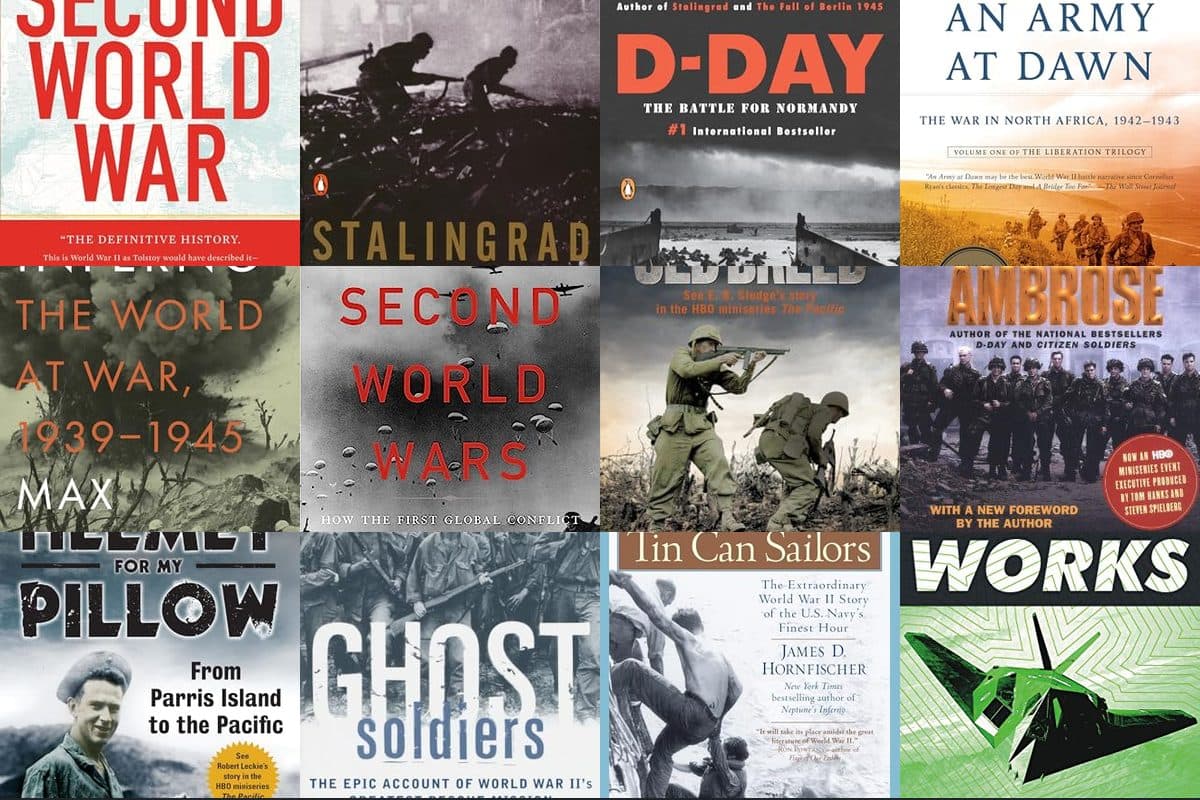
15 essential WW2 books covering every theater. Narrative histories, memoirs, and visual references ranked.
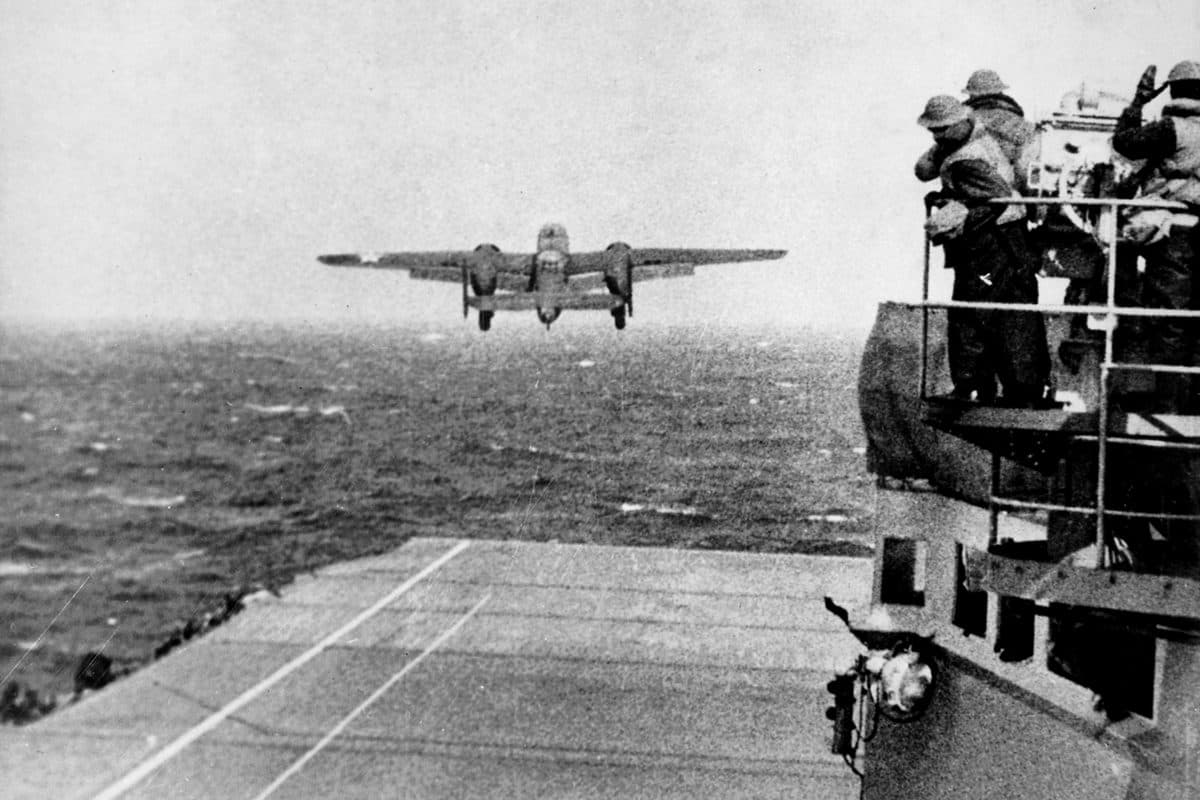
On April 18, 1942, sixteen B-25 Mitchell bombers did something no one thought possible: they launched from the deck of an aircraft carrier, flew 650 miles to Japan, and bombed Tokyo. Every aircraft was lost. The damage was negligible. The consequences changed the war.
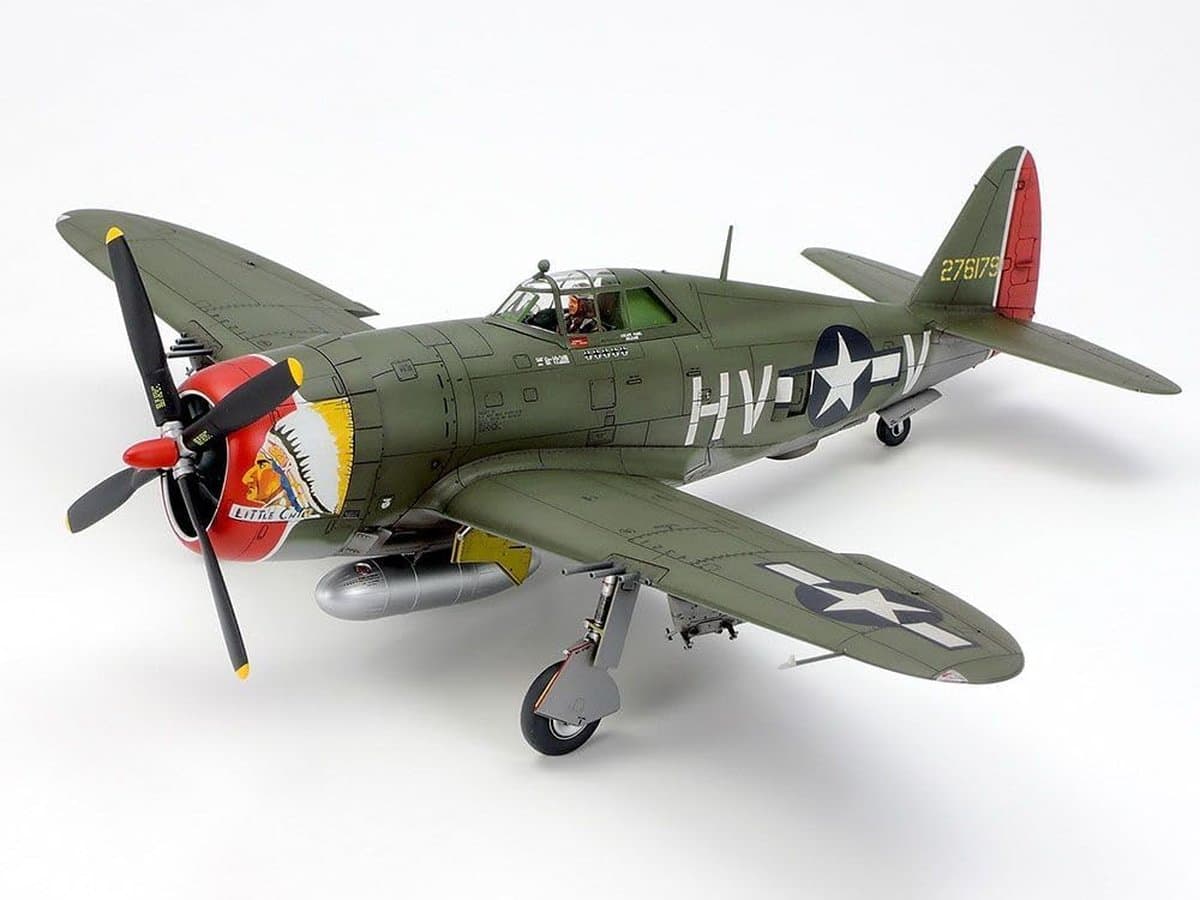
Compare 85+ WW2 scale model kits across aircraft, tanks, and ships. Beginner builds from $9 to museum-grade showpieces at $580. Covers Tamiya, Eduard, HK Models, Trumpeter, and more with honest reviews, trade-offs, and pricing.