

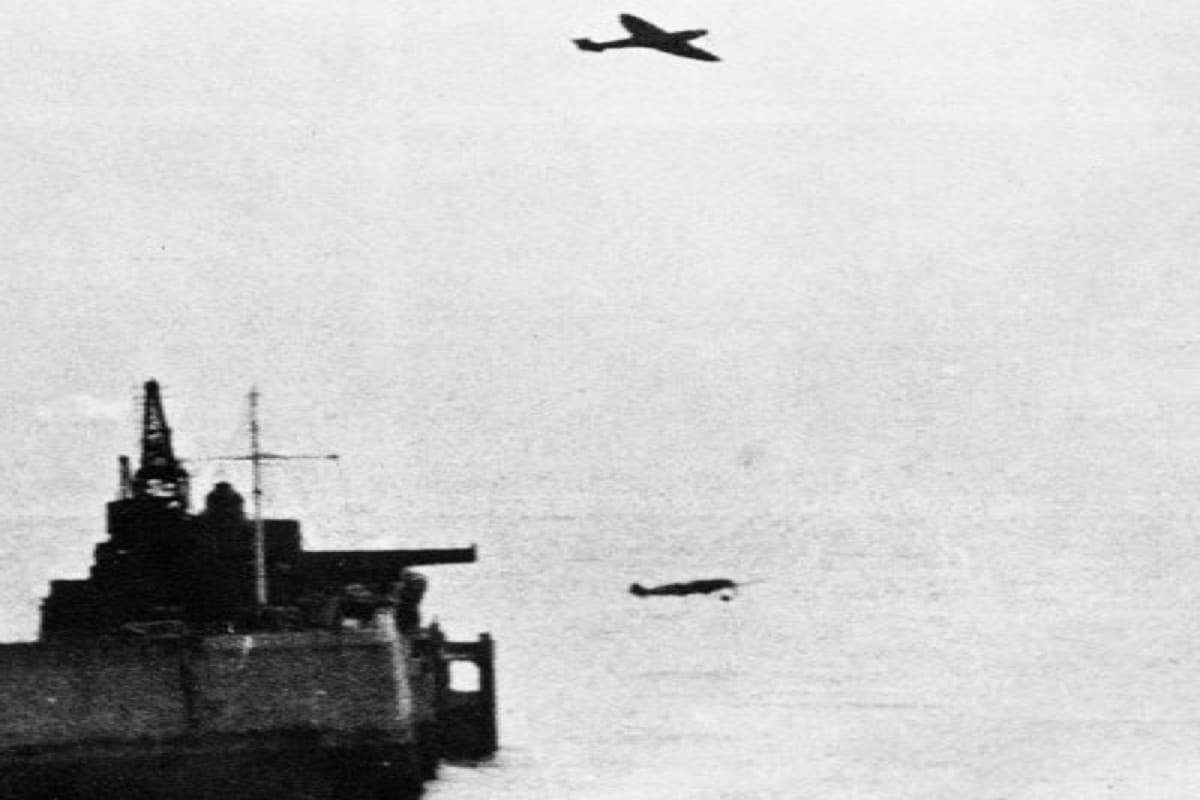
Supermarine Spitfire - Savior of Britain
The Spitfire is more than just the most iconic fighter in British history. In the bleak days early days of WWII when the UK stood alone against the Nazi’s, the…
michael-trent··4 min read

President Harry Truman, Prime Minister Winston Churchill, and Premier Joseph Stalin convene at Cecilienhof Palace in Potsdam, Germany, to determine the post-war order of Europe and the final strategy for defeating Japan, the last great wartime summit.
Brigadier General Irvin McDowell's Union army marches from Washington toward Manassas Junction in northern Virginia, beginning the campaign that would produce the First Battle of Bull Run four days later.
President Lincoln signs the Militia Act of 1862, authorizing the enlistment of African Americans in the Union Army for the first time, paving the way for the United States Colored Troops that would number nearly 180,000 by war's end.
Spanish forces surrender the city of Santiago de Cuba following the American naval victory at Santiago Bay and land battles at San Juan Hill and El Caney, effectively ending Spanish resistance in Cuba during the Spanish-American War.
Bolshevik forces execute Czar Nicholas II and his entire family in Yekaterinburg during the Russian Civil War, eliminating any possibility of a monarchist restoration and solidifying Bolshevik control.
Nationalist military officers led by General Francisco Franco launch a coordinated uprising against the Spanish Republican government, beginning the Spanish Civil War and a proving ground for German, Italian, and Soviet military technology.
British RAF Spitfires strafe Field Marshal Erwin Rommel's staff car near Vimoutiers, France, severely wounding Germany's most capable field commander in Normandy. His injuries removed him from command during the critical Allied breakout period.
Supermarine Spitfire: Savior of BritainU.S. submarines coordinate attacks on the Japanese convoy MI-11 in the South China Sea, sinking multiple tankers and transport ships as part of the submarine campaign that strangled Imperial Japan's war economy.
President Harry Truman, Prime Minister Winston Churchill, and Premier Joseph Stalin convene at Cecilienhof Palace in Potsdam, Germany, to determine the post-war order of Europe and the final strategy for defeating Japan, the last great wartime summit.
Disneyland opens in Anaheim with active military consultation on Tomorrowland exhibits, including the TWA Moonliner sponsored by aerospace industry partners supporting the U.S. Air Force's missile and space programs.
A bloodless coup by Ba'ath Party officers led by Ahmed Hassan al-Bakr overthrows the Iraqi government, bringing to power the regime that would reshape Middle East geopolitics and become Saddam Hussein's base of power.
American Apollo and Soviet Soyuz spacecraft dock in orbit, marking the first international space mission and a symbolic thaw in Cold War tensions. The crews, including military test pilots from both nations, shook hands in space.
Wear the Timeline
11 military events occurred on July 17, spanning multiple centuries. Key events include: Potsdam Conference Opens (1945), Execution of the Russian Imperial Family (1918), Militia Act of 1862 Signed (1862).
The most significant military event on July 17 is Potsdam Conference Opens (1945). President Harry Truman, Prime Minister Winston Churchill, and Premier Joseph Stalin convene at Cecilienhof Palace in Potsdam, Germany, to determine the post-war order of Europe and the final strategy for defeating Japan, the last great wartime summit.
Notable military figures born on July 17 include Erle Stanley Gardner (1889–1970).
Events on July 17 span World War II, World War I, the Interwar Period, the Cold War, the Civil War, covering 11 events across 2 centuries of military history.
Events on July 17 involve 3 branches of the U.S. and allied armed forces, reflecting the global scope of military operations throughout history.
Explore military history from the day you were born.
February 2
1943
February 3
1943
February 4
1945
February 5
1945
June 6
The Allied invasion of Normandy, the largest amphibious assault in history.
December 7
Japan attacks the U.S. Pacific Fleet, bringing America into World War II.
September 11
The deadliest terrorist attack in history transforms U.S. national security.
August 6
The first atomic bomb is dropped on a city, ushering in the nuclear age.
May 8
Nazi Germany surrenders unconditionally, ending World War II in Europe.
November 11
Armistice Day marks the end of World War I and honors all who served.
June 4
The turning point of the Pacific War as the U.S. Navy destroys four Japanese carriers.
July 4
The Declaration of Independence is adopted, sparking the American Revolution.
The Spitfire is more than just the most iconic fighter in British history. In the bleak days early days of WWII when the UK stood alone against the Nazi’s, the…
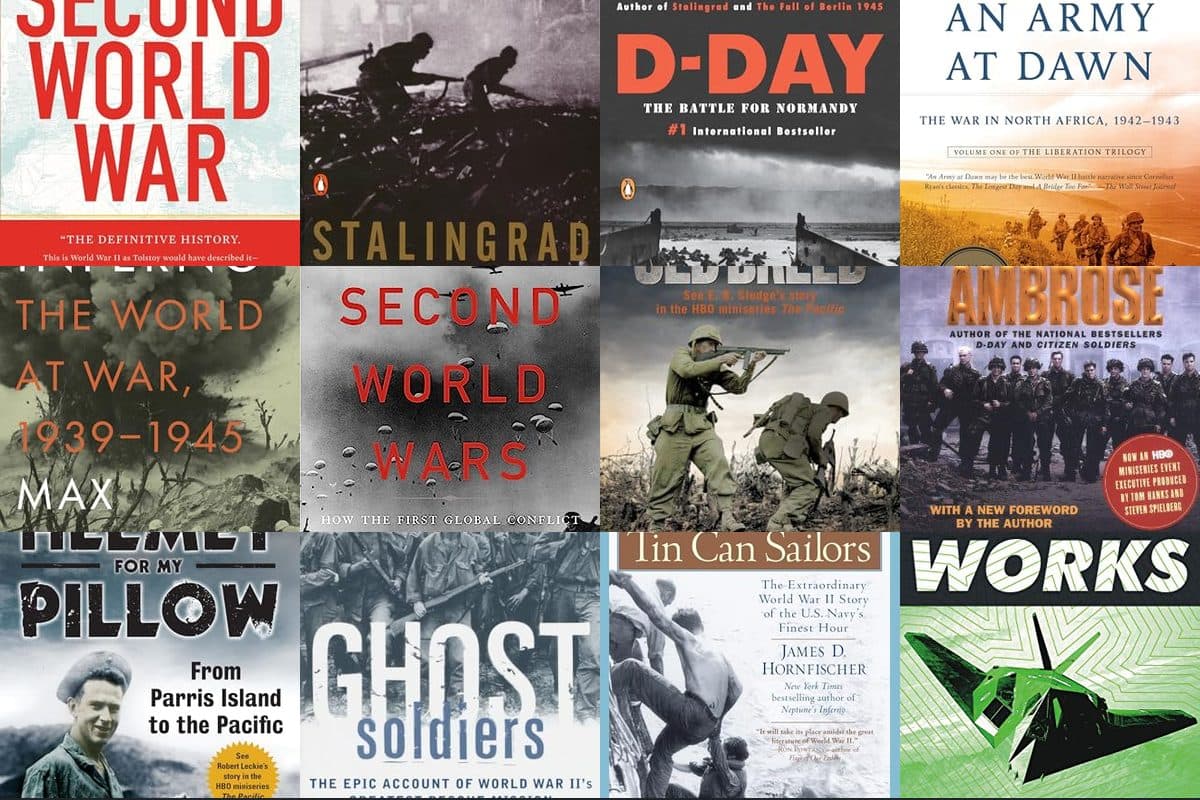
15 essential WW2 books covering every theater. Narrative histories, memoirs, and visual references ranked.
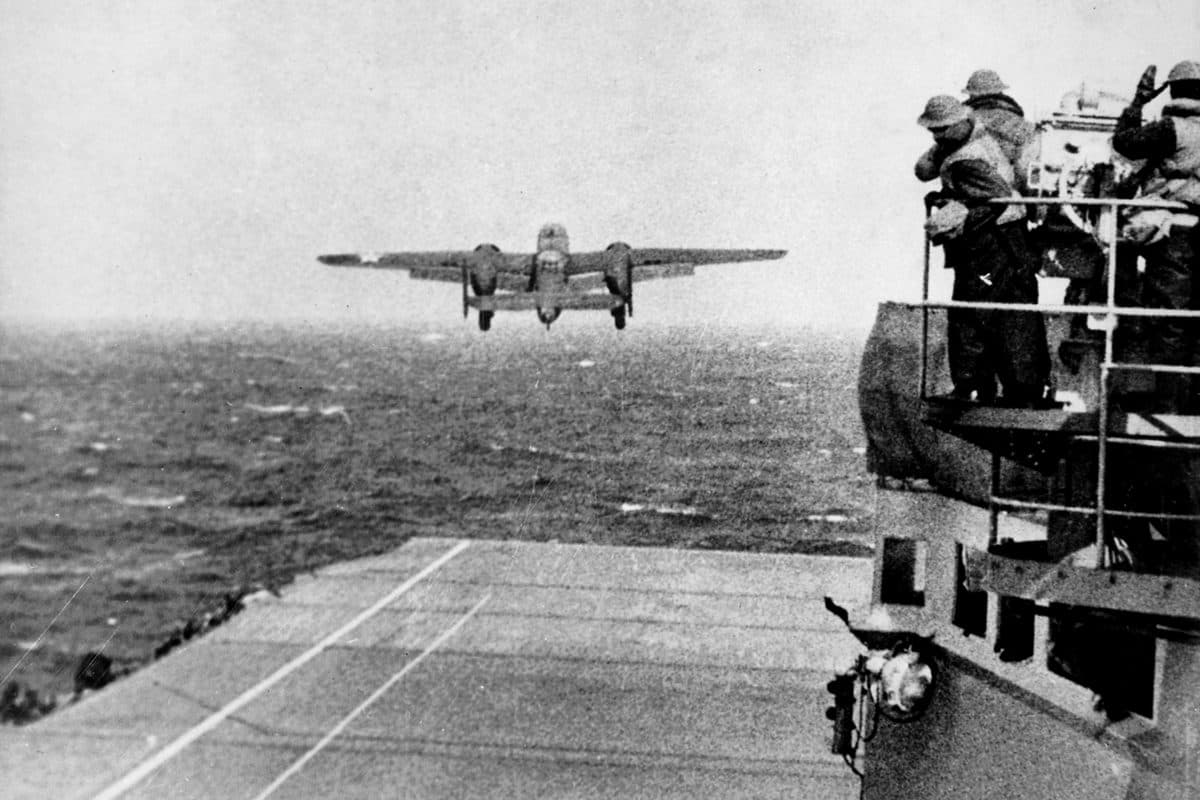
On April 18, 1942, sixteen B-25 Mitchell bombers did something no one thought possible: they launched from the deck of an aircraft carrier, flew 650 miles to Japan, and bombed Tokyo. Every aircraft was lost. The damage was negligible. The consequences changed the war.
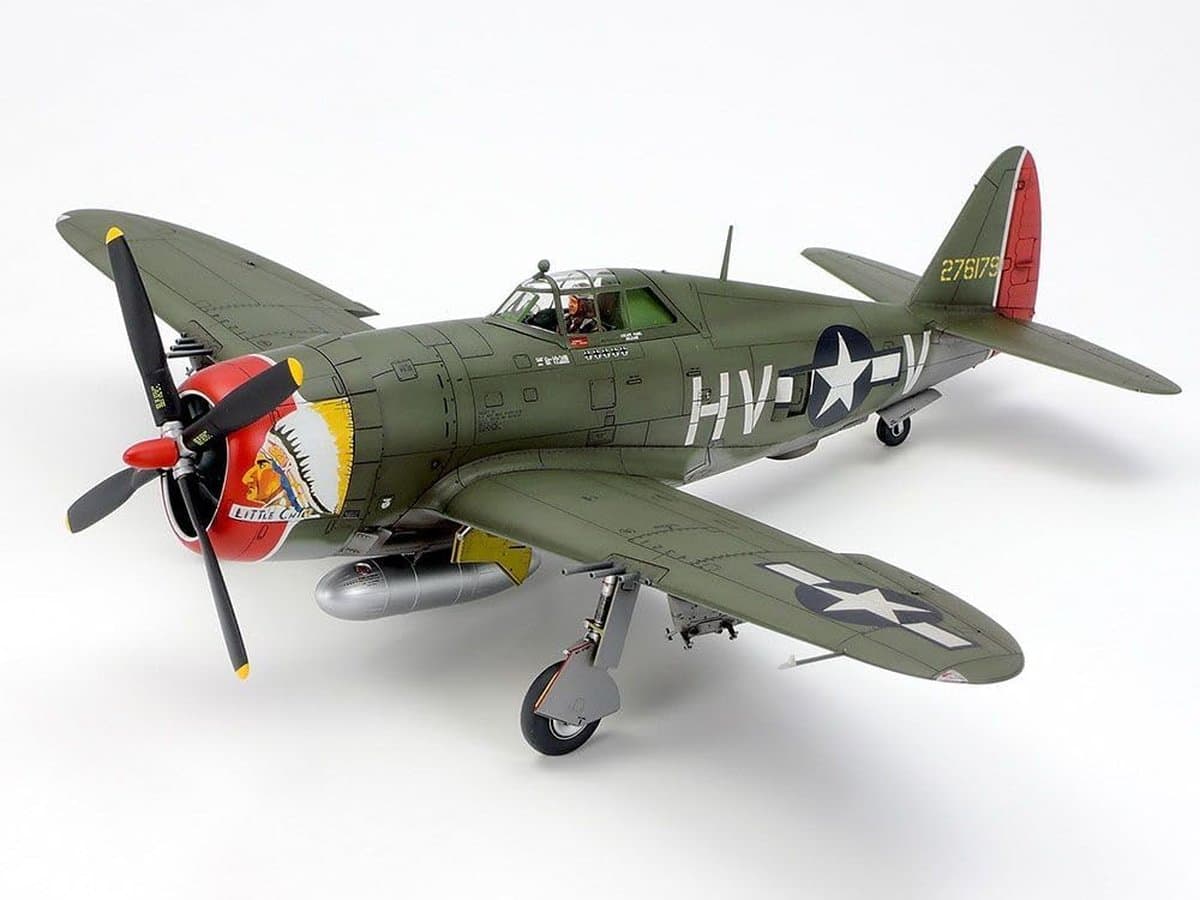
Compare 85+ WW2 scale model kits across aircraft, tanks, and ships. Beginner builds from $9 to museum-grade showpieces at $580. Covers Tamiya, Eduard, HK Models, Trumpeter, and more with honest reviews, trade-offs, and pricing.