

50 Military Decisions That Quietly Shaped Modern Warfare
Decisions that shaped modern military power across history.
ryan-caldwell··45 min read

The Army of the Potomac under Major General George B. McClellan attacked Robert E. Lee's Army of Northern Virginia near Sharpsburg, Maryland, in the bloodiest single day in American military history. Approximately 22,717 soldiers were killed, wounded, or missing in twelve hours of savage fighting. The battle was a tactical draw but a strategic Union victory that halted Lee's invasion of the North and gave Lincoln the political leverage to issue the Emancipation Proclamation.
Decisions That Shaped WarfareDelegates to the Constitutional Convention in Philadelphia signed the United States Constitution, establishing the framework of civilian control of the military that has governed American armed forces for over two centuries. The Constitution made the President commander-in-chief, gave Congress the power to declare war, and established the principle that the military serves under civilian authority.
Approximately 22,717 soldiers were killed, wounded, or missing in twelve hours of savage fighting at Antietam. The strategic Union victory halted Lee's invasion and enabled the Emancipation Proclamation.
Decisions That Shaped WarfareThe Union's strategic victory at Antietam gave President Lincoln the political leverage he needed. Five days later, on September 22, he would issue the preliminary Emancipation Proclamation, declaring that all enslaved people in Confederate states would be freed as of January 1, 1863. The proclamation transformed the character of the war.
Lieutenant Thomas Selfridge of the U.S. Army Signal Corps became the first person killed in a powered airplane crash when a Wright Flyer piloted by Orville Wright broke up during a demonstration flight at Fort Myer, Virginia. The accident permanently changed military aviation safety practice and triggered the first crash investigation in aviation history.
The Soviet Red Army crossed Poland's eastern border, as secretly agreed in the Molotov-Ribbentrop Pact signed the previous month. Over 800,000 Soviet troops advanced against minimal resistance, as the Polish army was already engaged with the Germans in the west. The invasion completed the partition of Poland between Nazi Germany and the Soviet Union.
The Allies launched Operation Market Garden, the largest airborne operation in history. Over 35,000 paratroopers of the U.S. 82nd and 101st Airborne Divisions and the British 1st Airborne Division dropped behind German lines in the Netherlands to seize bridges along a 64-mile corridor. While American paratroopers secured most objectives, the British at Arnhem were cut off and destroyed, the bridge that became "a bridge too far."
Egyptian President Anwar Sadat and Israeli Prime Minister Menachem Begin signed the Camp David Accords after thirteen days of negotiations mediated by President Jimmy Carter. The agreement led to the 1979 Egypt-Israel peace treaty, removed Egypt from the Arab military coalition facing Israel, and reshaped the strategic balance of the Middle East for decades.
The first class to include women graduated from the Army Aviation School at Fort Rucker, Alabama, producing the Army's first female helicopter pilots qualified for operational flying duties. Their assignments expanded the pool of rotary-wing crews available for air assault, medical evacuation, and special operations missions.
Estonia, Latvia, and Lithuania were admitted to the United Nations, formalizing their independence after fifty years of Soviet occupation. Their admission set the stage for the demilitarization of former Soviet Baltic bases and the eventual NATO enlargement that reshaped European security architecture.
Protesters established a camp in Zuccotti Park near Wall Street in New York City, launching the Occupy movement that spread to cities worldwide. The movement's criticism of economic inequality and military-industrial spending influenced policy debates about defense budgets and veteran services.

Major General
Prussian military officer who served as Inspector General of the Continental Army at Valley Forge, where he wrote the army's first drill manual and transformed Washington's ragged troops into a disciplined fighting force. His training methods became the foundation of American military professionalism.

British racing driver whose father and grandfather both served in the British military during the World Wars. Moss served in the Royal Army Service Corps during National Service and later applied his driving skills to military vehicle testing.

Field Marshal
The "Desert Fox" who commanded the Afrika Korps with distinction before leading German defenses in Normandy. Implicated in the July 20 plot against Hitler, he was forced to commit suicide on October 14, 1944, but his legend as a chivalrous warrior endured. (Note: While Rommel died October 14, his connection to the September 17 Market Garden battle is significant.)
Wear the Timeline
10 military events occurred on September 17, spanning multiple centuries. Key events include: Battle of Antietam, Bloodiest Day in American History (1862), U.S. Constitution Signed (1787), Operation Market Garden Begins (1944), Soviet Union Invades Eastern Poland (1939), Camp David Accords Signed (1978).
The most significant military event on September 17 is Battle of Antietam, Bloodiest Day in American History (1862). The Army of the Potomac under Major General George B. McClellan attacked Robert E. Lee's Army of Northern Virginia near Sharpsburg, Maryland, in the bloodiest single day in American military history. Approximately 22,717 soldiers were killed, wounded, or missing in twelve hours of savage fighting. The battle was a tactical draw but a strategic Union victory that halted Lee's invasion of the North and gave Lincoln the political leverage to issue the Emancipation Proclamation.
Notable military figures born on September 17 include Friedrich von Steuben (1730–1794), Stirling Moss (1929–2020).
Events on September 17 span the Civil War, the Colonial & Revolutionary era, World War II, the Modern Era, the Cold War, World War I, covering 10 events across 4 centuries of military history.
Events on September 17 involve 4 branches of the U.S. and allied armed forces, reflecting the global scope of military operations throughout history.
Explore military history from the day you were born.
June 6
The Allied invasion of Normandy, the largest amphibious assault in history.
December 7
Japan attacks the U.S. Pacific Fleet, bringing America into World War II.
September 11
The deadliest terrorist attack in history transforms U.S. national security.
August 6
The first atomic bomb is dropped on a city, ushering in the nuclear age.
May 8
Nazi Germany surrenders unconditionally, ending World War II in Europe.
November 11
Armistice Day marks the end of World War I and honors all who served.
June 4
The turning point of the Pacific War as the U.S. Navy destroys four Japanese carriers.
July 4
The Declaration of Independence is adopted, sparking the American Revolution.
Decisions that shaped modern military power across history.
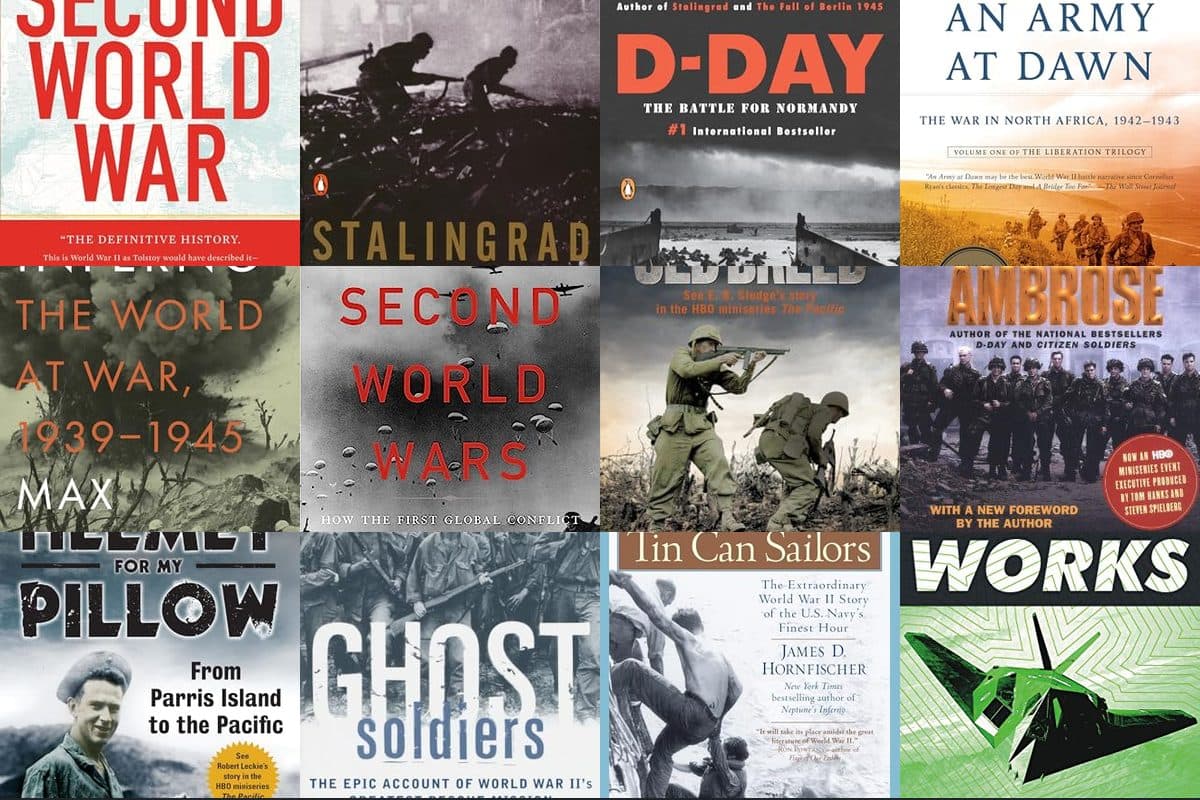
15 essential WW2 books covering every theater. Narrative histories, memoirs, and visual references ranked.
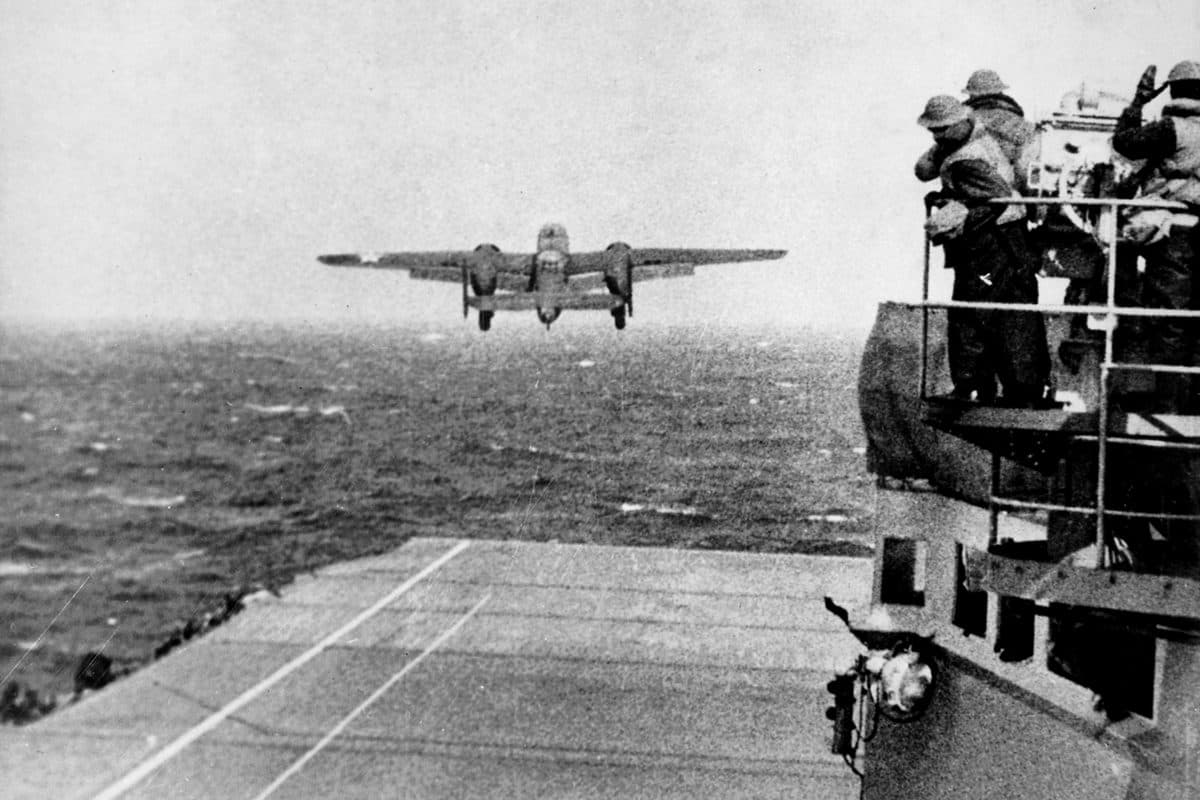
On April 18, 1942, sixteen B-25 Mitchell bombers did something no one thought possible: they launched from the deck of an aircraft carrier, flew 650 miles to Japan, and bombed Tokyo. Every aircraft was lost. The damage was negligible. The consequences changed the war.
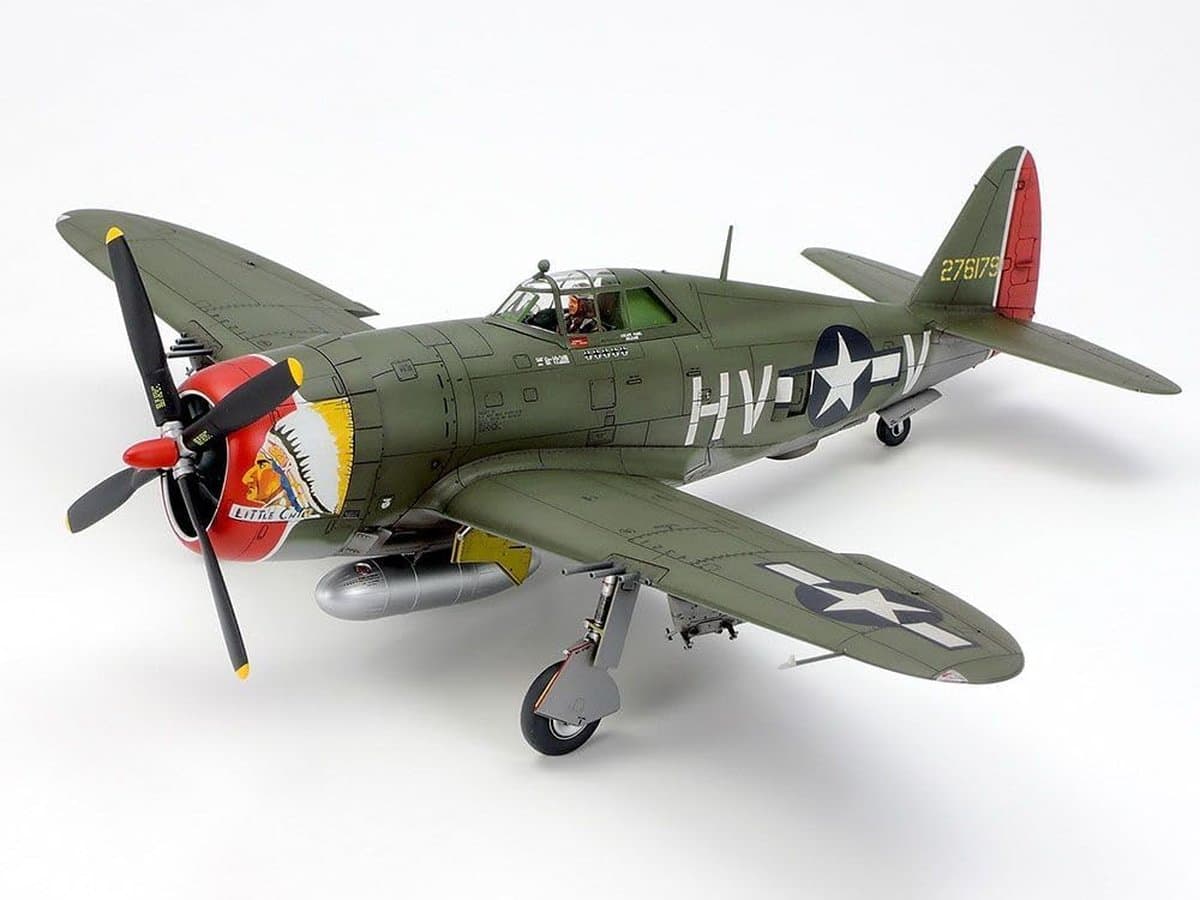
Compare 85+ WW2 scale model kits across aircraft, tanks, and ships. Beginner builds from $9 to museum-grade showpieces at $580. Covers Tamiya, Eduard, HK Models, Trumpeter, and more with honest reviews, trade-offs, and pricing.