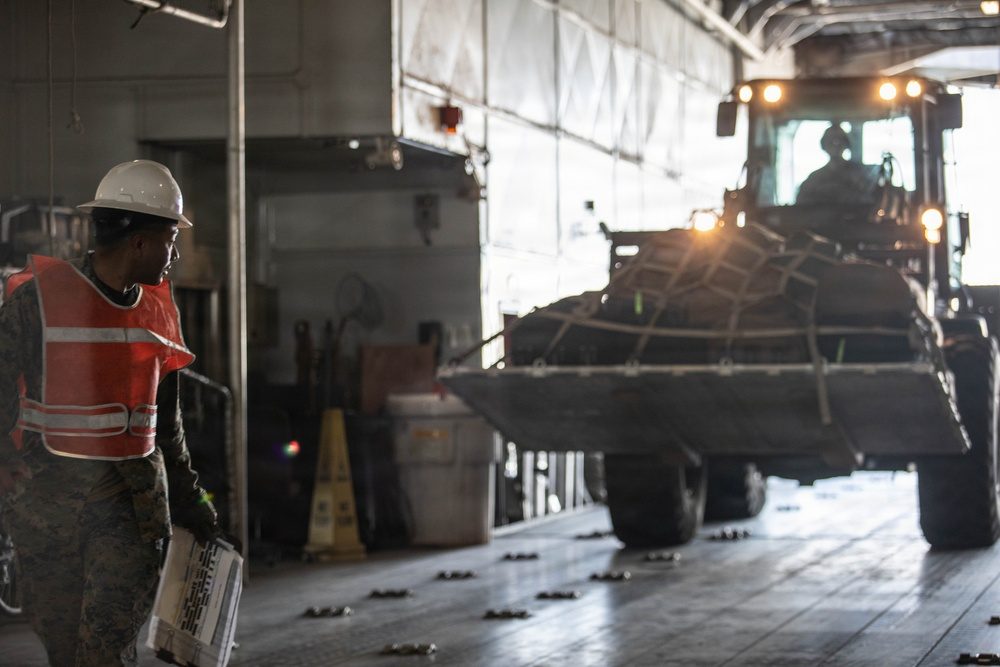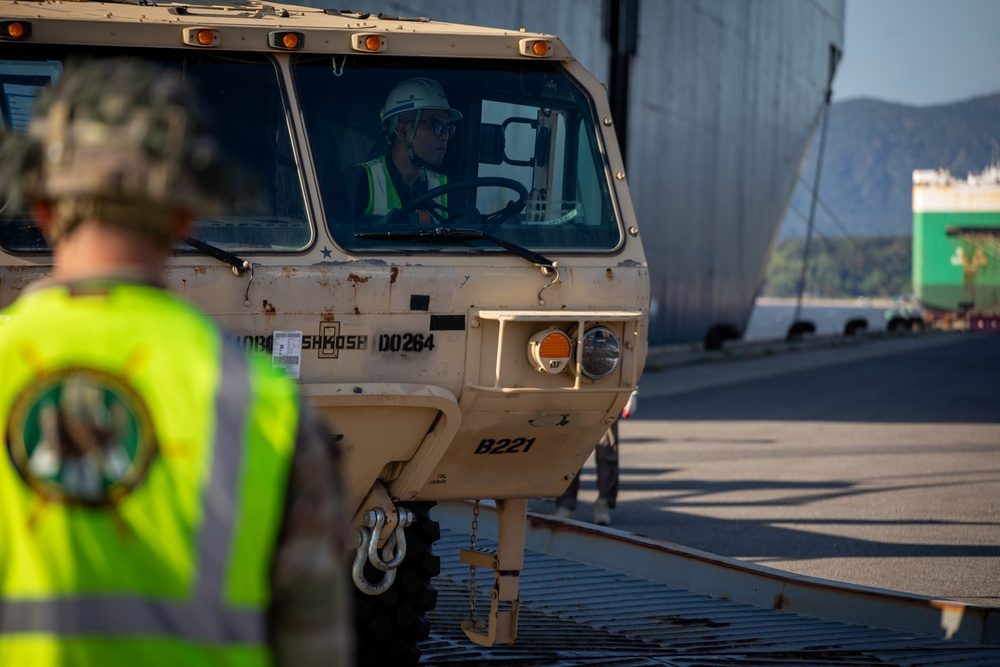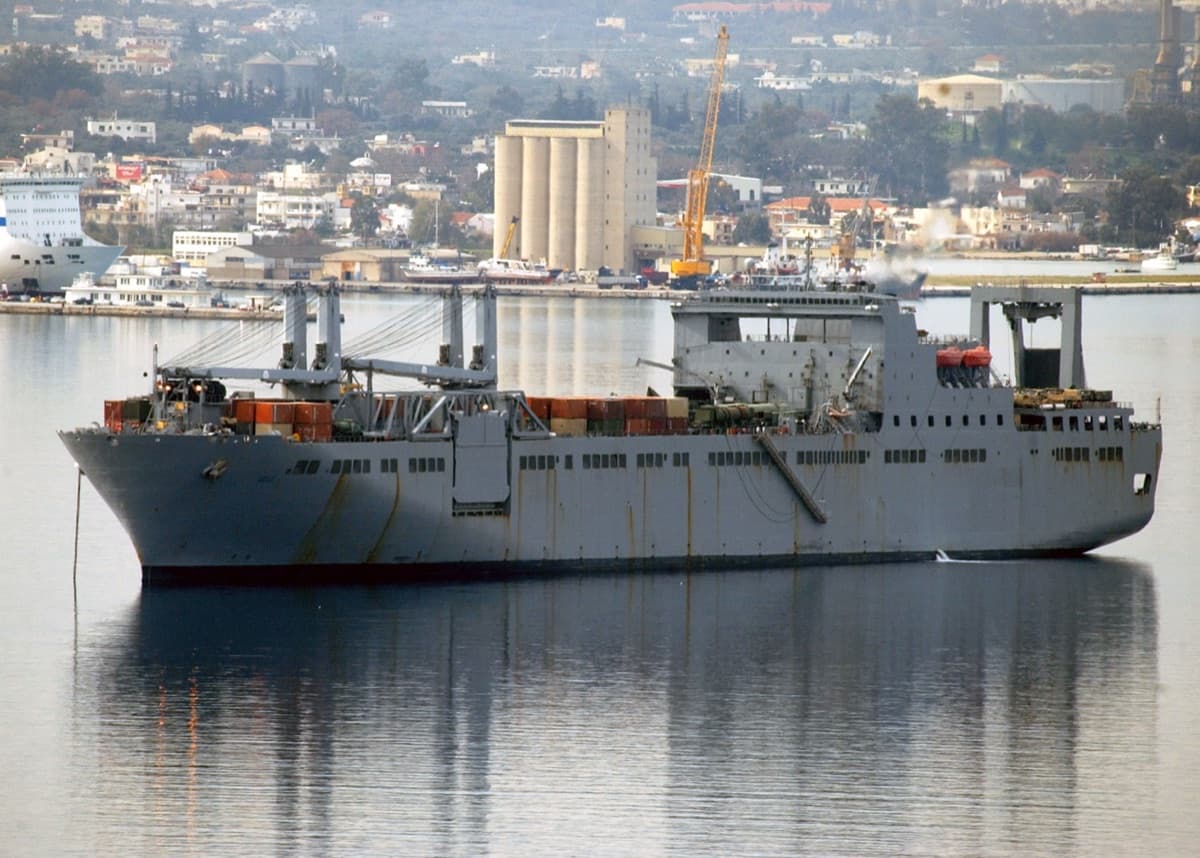

An M1A2 Abrams main battle tank weighs 73 tons. A full armored division fields approximately 250 of them, along with hundreds of Bradley fighting vehicles, Paladin self-propelled howitzers, HIMARS rocket launchers, engineer vehicles, fuel trucks, ammunition carriers, and the full logistics tail that keeps a 17,000-soldier formation fighting. Moving all of it from Fort Stewart, Georgia, to a railhead in Poland requires an operation so vast and so precisely choreographed that most Americans, and even most soldiers, have never seen it described in full. The entire process involves rail, truck, port, ship, and air movements coordinated across three continents, and the math behind it reveals both the staggering capability and the alarming fragility of American power projection.
The Scale of the Problem
A U.S. Army armored division, such as the 1st Armored Division or 3rd Infantry Division, deploys with roughly 15,000 vehicles and equipment pieces and approximately 50,000 short tons of cargo. That cargo includes not just the combat platforms, but the trucks that carry fuel, the containers that hold ammunition, the generators that power command posts, the medical equipment that staffs field hospitals, and the spare parts that keep everything running. None of it fits on an airplane.
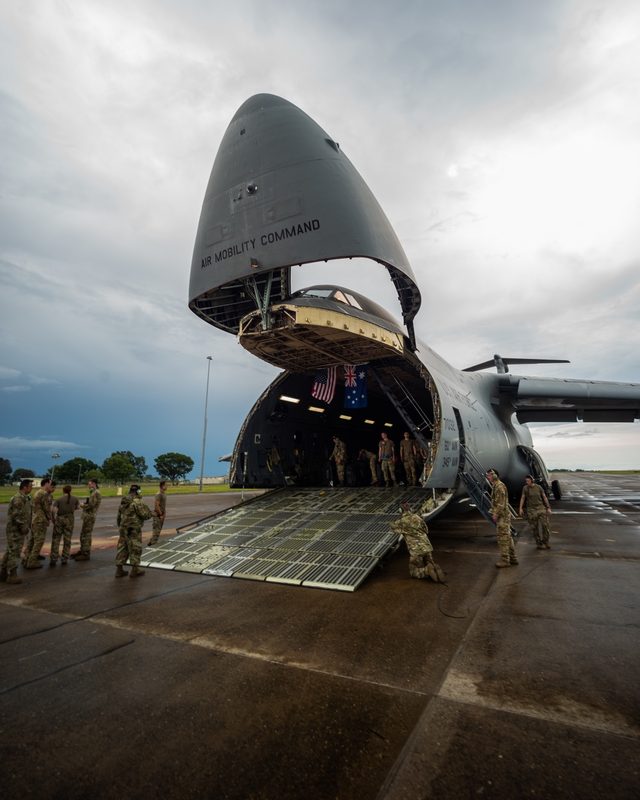
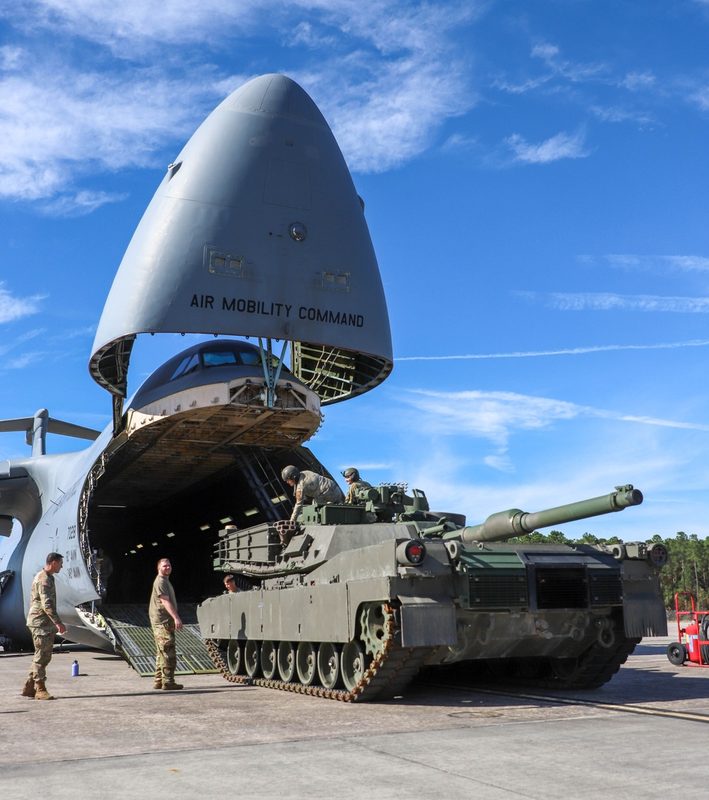
The U.S. Air Force's largest transport aircraft, the C-5M Super Galaxy, can carry one M1 Abrams. One. A single tank fills the entire cargo bay. To move 250 Abrams tanks by air would require 250 C-5 sorties, and the entire active C-5 fleet consists of only 52 aircraft, each of which needs maintenance, crew rest, and fuel stops. Air transport of heavy equipment is physically possible but operationally impractical at division scale.
This is why heavy forces move by sea. It has always been this way. The same logistical reality that governed the D-Day buildup in 1944 governs NATO reinforcement in 2026. Soldiers can fly to Europe in 10 hours. Their equipment follows on ships over 10 to 14 days. The gap between personnel arrival and equipment arrival is one of the most critical vulnerabilities in American defense planning.