Skip to content
April 26:The Bombing of Guernica89yr ago

10 Weapons That Instantly Made Something Else Obsolete

Charles Bash · · 14 min read
Save
Share:
F/A-18F Super Hornets conducting flight operations aboard USS Gerald R. Ford, representing how aircraft carriers made battleships obsolete
Charles Bash
Charles Bash

Military Culture & Global Defense Writer

Charles Bash covers military culture, global defense forces, and the human side of armed services around the world. His work explores how militaries shape the lives of the men and women who serve in them.

Military history is a graveyard of dominant weapons that became worthless in a single afternoon. A technology that ruled the battlefield for decades, sometimes centuries, can be rendered obsolete by a single innovation that changes the fundamental math of warfare. What makes these moments so devastating isn't just the new weapon's capability. It's the realization that everything built, trained, and planned around the old weapon is suddenly, irrevocably worthless. Here are 10 weapons systems that didn't just win battles, they erased entire categories of military equipment from relevance.

1. HMS Dreadnought (1906): Made Every Other Battleship Obsolete Overnight
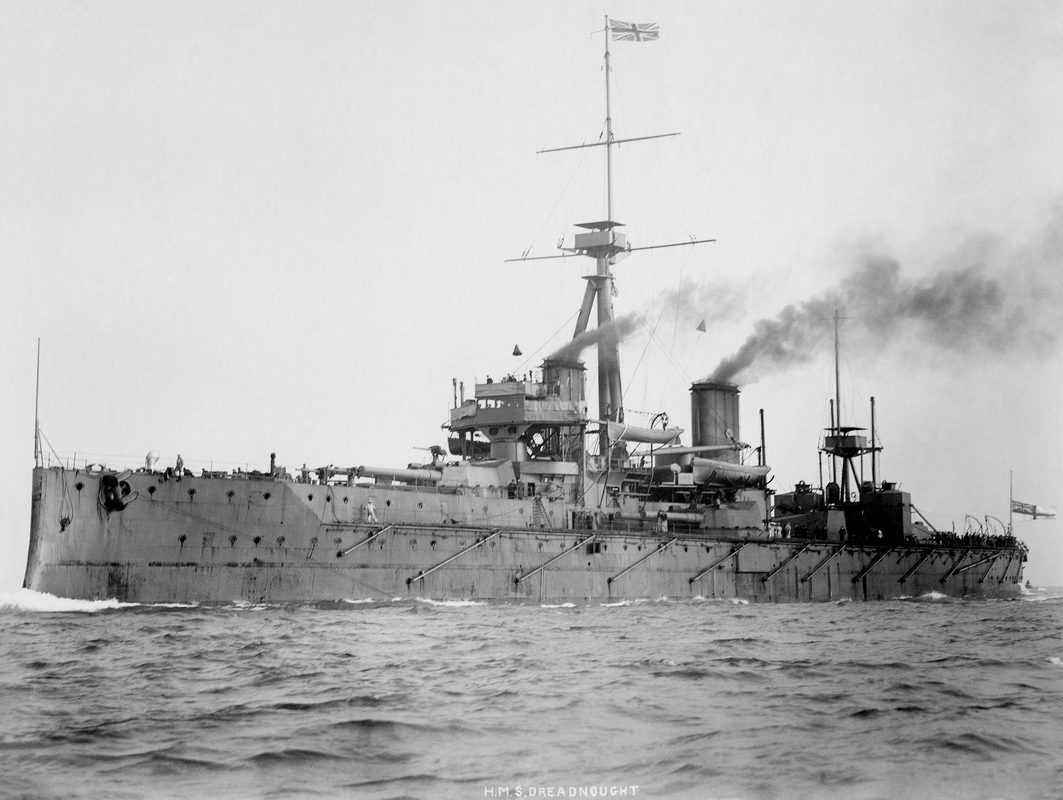
HMS Dreadnought at sea in 1906, the revolutionary battleship whose all-big-gun design made every other warship in the world obsolete
HMS Dreadnought in 1906. Her launch was so transformative that every battleship built before her became known as a "pre-dreadnought," a polite way of saying obsolete. (U.S. Naval History and Heritage Command)

When HMS Dreadnought launched on February 10, 1906, she didn't just introduce a new warship. She rendered every capital ship in every navy on earth, including Britain's own, instantly obsolete. The concept was devastatingly simple: an all-big-gun armament. Pre-dreadnought battleships carried a mixed battery of two to four large guns supplemented by a dozen smaller guns of various calibers, creating a nightmare of fire control at long range. Dreadnought carried ten 12-inch guns and nothing else of consequence, allowing her to deliver a crushing broadside at ranges where smaller-caliber weapons were useless.

The effect on global naval power was seismic. Britain had spent decades and fortunes building the world's largest fleet of pre-dreadnought battleships. Overnight, those ships were reduced to second-line status. But every other navy was equally affected. Germany, France, Japan, and the United States all saw their existing fleets devalued. The naval arms race reset to zero. First Sea Lord Jackie Fisher, who championed the design, understood this perfectly and accepted that making his own fleet obsolete was the price of ensuring Britain built the next generation first.

2. Nuclear Weapons (1945): Made Conventional Strategic Bombing Campaigns Irrelevant
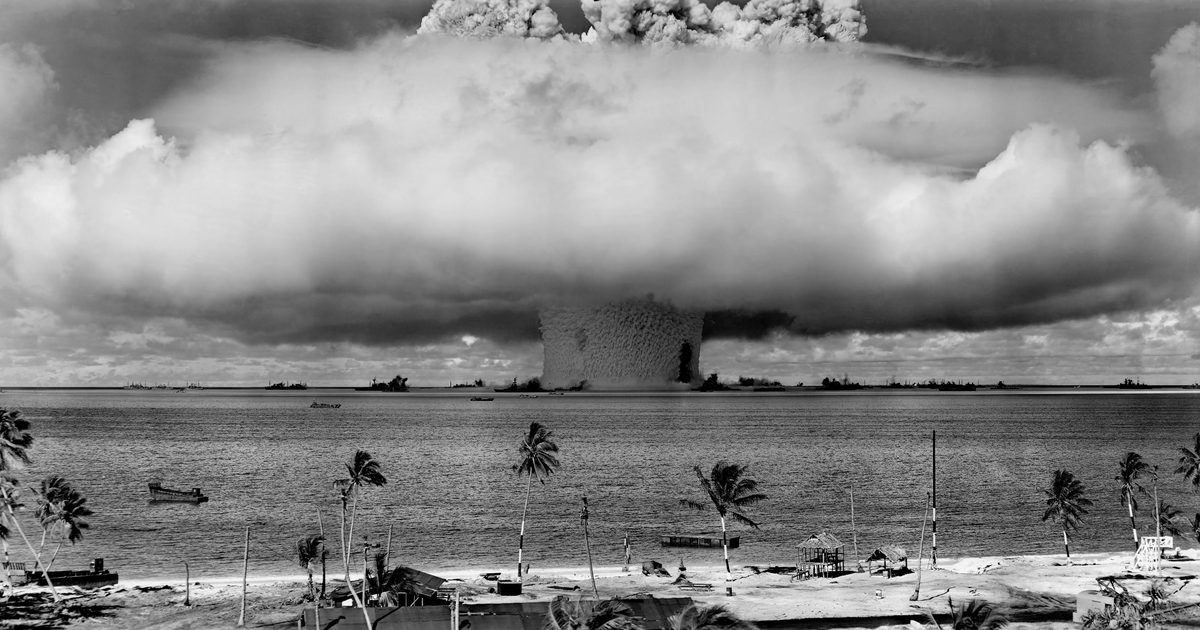
The Baker nuclear test explosion at Bikini Atoll during Operation Crossroads in 1946, with a massive water column rising above the lagoon and target ships
The Baker test detonation during Operation Crossroads at Bikini Atoll, July 25, 1946. The underwater blast contaminated every target ship in the lagoon and demonstrated that nuclear weapons had fundamentally changed naval warfare. (U.S. Department of Defense)

The strategic bombing campaigns of World War II required thousands of aircraft, tens of thousands of aircrew, months of sustained operations, and the acceptance of catastrophic losses to destroy an adversary's industrial capacity. The Combined Bomber Offensive against Germany consumed over 160,000 Allied airmen killed or captured, destroyed thousands of bombers, and took years to achieve its objectives. On August 6, 1945, a single B-29 carrying a single weapon accomplished more destruction over Hiroshima than 1,000 bombers could have achieved in a conventional raid.

Nuclear weapons didn't make bombers obsolete. They still needed something to deliver them. But they made the concept of sustained conventional strategic bombing campaigns against nuclear-armed adversaries pointless. Why send 500 bombers over 50 missions when one bomber with one weapon achieves the same result? The massive fleets of strategic bombers that the U.S., Britain, and the Soviet Union maintained through the 1950s and 1960s gradually shrank as missiles became the preferred delivery vehicle, and the survivors shifted to tactical and conventional roles.

3. Guided Missiles (1960s): Made Gun-Armed Interceptors Obsolete

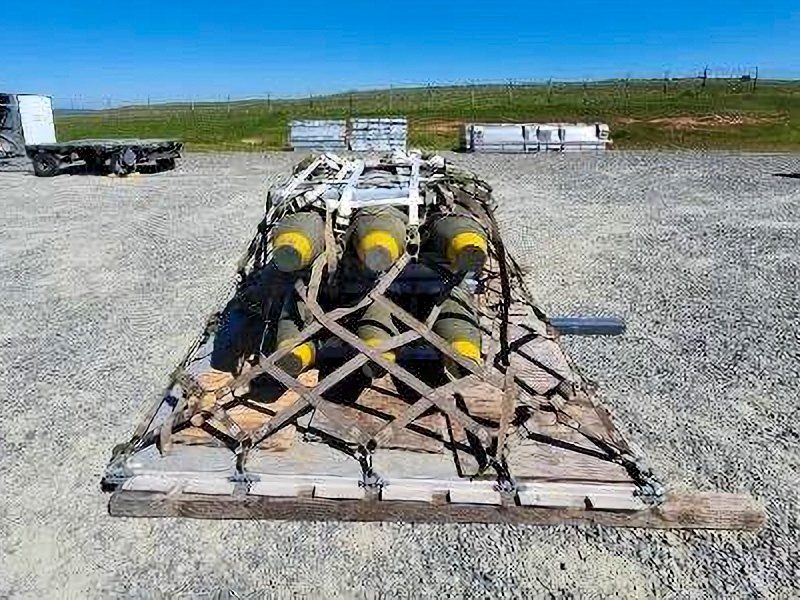
GBU-56 Laser Joint Direct Attack Munition being assembled at the Air Force Combat Ammunition Center, Beale Air Force Base
A GBU-56 Laser JDAM at the Air Force Combat Ammunition Center. Precision-guided munitions evolved from the same missile technology that made gun-armed interceptors obsolete in the 1960s. (U.S. Air Force / DVIDS)

Through the Korean War and into the late 1950s, air-to-air combat was primarily a gun fight. Fighters closed to visual range and maneuvered for a firing solution using machine guns and cannons. The introduction of reliable air-to-air missiles, the AIM-9 Sidewinder (infrared) and AIM-7 Sparrow (radar-guided), changed the engagement geometry entirely. Targets could be engaged at ranges measured in miles, not hundreds of meters.

The U.S. Air Force was so confident in the missile's dominance that the original F-4 Phantom II was designed without an internal gun, a decision that proved premature in Vietnam, where missiles of the era had poor reliability in close-range engagements. But the broader trend was correct. By the 1970s, dedicated gun-armed interceptors had disappeared from every major air force. Modern fighters carry guns as backup weapons, but their primary armament is missiles. The gun dogfight became a contingency rather than the plan.

4. FPV Drones (2022-Present): Making Unprotected Armored Vehicles Obsolete

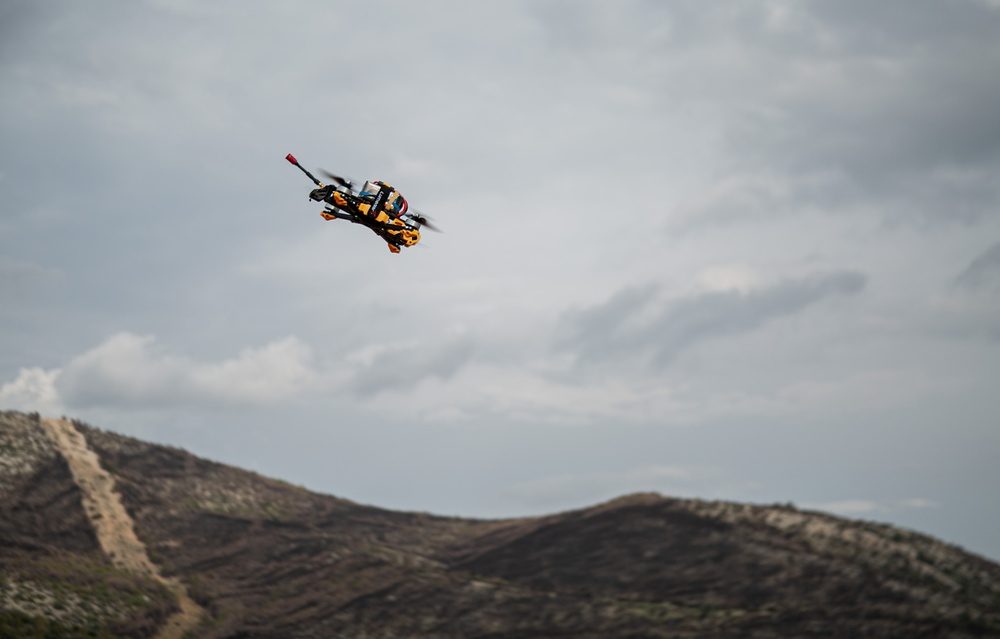
A first-person view drone in flight during a Special Forces exercise near Nea Peramos, Greece
A first-person view drone in flight during Exercise Trojan Footprint near Nea Peramos, Greece, March 2024. FPV drones costing as little as $500 are destroying armored vehicles worth millions in Ukraine. (U.S. Special Operations Command Europe / DVIDS)

The weapon that may define the 2020s costs less than a smartphone. First-person view drones, small commercial quadcopters modified to carry grenades or shaped charges, have emerged from the Ukraine war as devastatingly effective anti-vehicle weapons. A $500 FPV drone carrying a $50 modified RPG warhead can destroy a $500,000 armored personnel carrier or disable a $4 million tank. The operator, sitting in a trench with a pair of goggles and a radio controller, guides the drone directly into the target's weakest point.

The implications are still unfolding, but the trend is clear: any armored vehicle operating without active protection systems, electronic warfare countermeasures, and drone-detection capability is unacceptably vulnerable. Armies worldwide are scrambling to field counter-drone systems, electronic jammers, and drone-resistant vehicle modifications. The era of armored vehicles operating openly on the battlefield without overhead protection may be ending, killed not by a peer weapons system but by a commercial drone that costs less than a round of tank ammunition.

5. USS Monitor's Turret (1862): Made Broadside Sailing Warships Obsolete

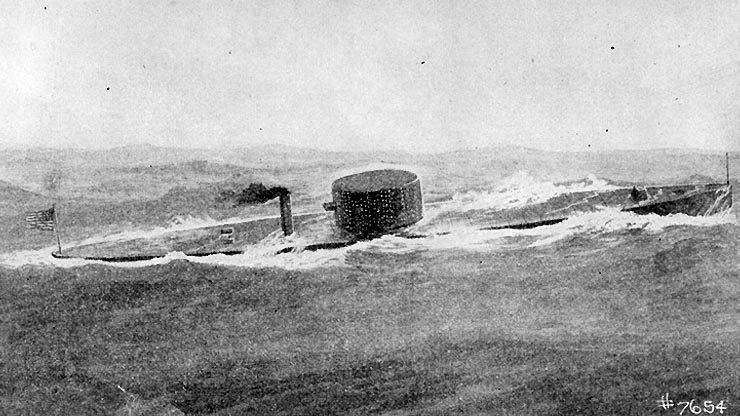
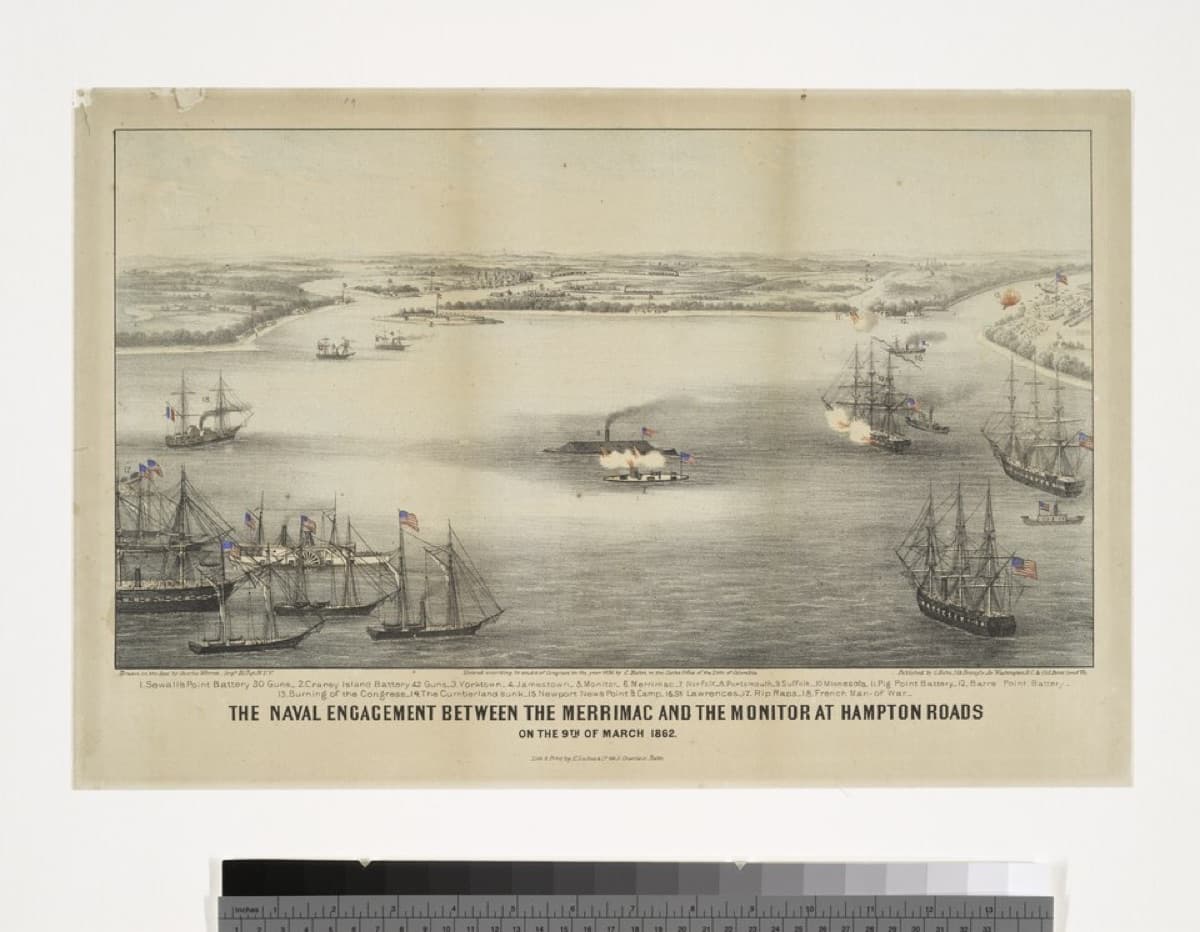
Drawing of USS Monitor at sea, showing the revolutionary ironclad's low-profile design with its distinctive rotating gun turret
USS Monitor at sea. Her revolving turret, housing two 11-inch Dahlgren guns that could fire in any direction, made the concept of the broadside warship obsolete after centuries of dominance. (U.S. Naval History and Heritage Command)

For centuries, naval warfare was defined by the broadside: a ship presented its side to the enemy and fired banks of guns simultaneously. The concept shaped everything from ship design (long hulls to carry more guns) to tactics (line-of-battle formations). On March 9, 1862, USS Monitor demonstrated that the entire paradigm was finished. Her revolving turret, steam-powered and carrying two 11-inch Dahlgren smoothbore guns, could fire in any direction without maneuvering the ship. Combined with iron armor that shrugged off cannon fire, the Monitor proved that a small, armored vessel with a rotating turret could fight a much larger wooden warship to a standstill.

The Battle of Hampton Roads between Monitor and CSS Virginia (Merrimack) ended inconclusively, but the strategic conclusion was immediate. Every wooden warship in every navy was suddenly obsolete. Every ship-of-the-line that had defined naval power for 300 years was now kindling against iron and revolving guns. Within a decade, every major navy was building turret-armed ironclads. The age of sail ended not with a whimper but with the groan of iron plate deflecting cannonballs.

6. The Machine Gun (1914): Made Cavalry Charges Obsolete

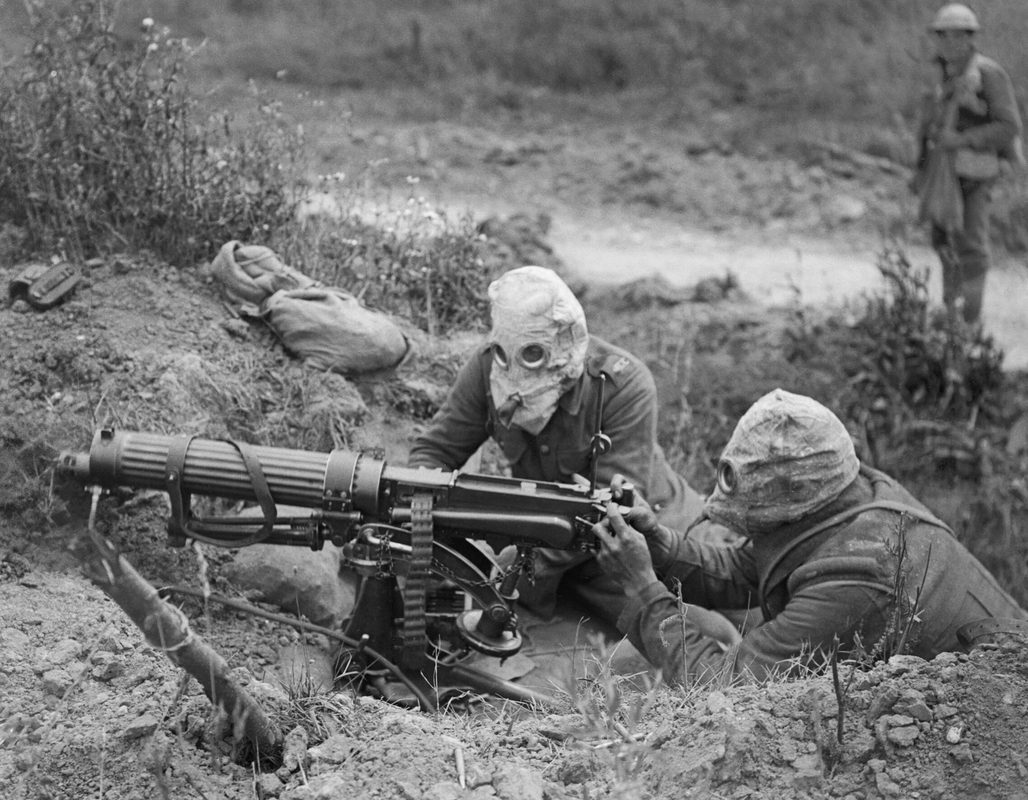
British Vickers machine gun crew wearing gas masks while operating their weapon, Western Front, World War I
A British Vickers machine gun crew wearing gas masks on the Western Front. The machine gun's ability to deliver sustained automatic fire across open ground made massed infantry and cavalry attacks suicidal. (Imperial War Museum / Wikimedia Commons)

The machine gun existed before World War I. The Maxim gun had been used in colonial campaigns since the 1880s. But European military establishments largely dismissed its implications for conventional warfare between peer armies. Cavalry remained the elite arm. Infantry doctrine emphasized mass, momentum, and the bayonet charge. The opening campaigns of 1914 destroyed those assumptions with industrial efficiency.

At the Battle of the Somme on July 1, 1916, British forces suffered 57,470 casualties in a single day, the bloodiest day in British military history. German machine gunners, firing Maxim MG 08s from prepared positions, cut down advancing infantry waves at ranges that made return fire from rifles ineffective. Cavalry charges, the backbone of offensive doctrine for millennia, became mass suicide. The mounted charge survived in marginal theaters, but on the Western Front, the machine gun killed the horse soldier as a decisive military force.

7. The Submarine (World War I): Made Surface Blockade Obsolete

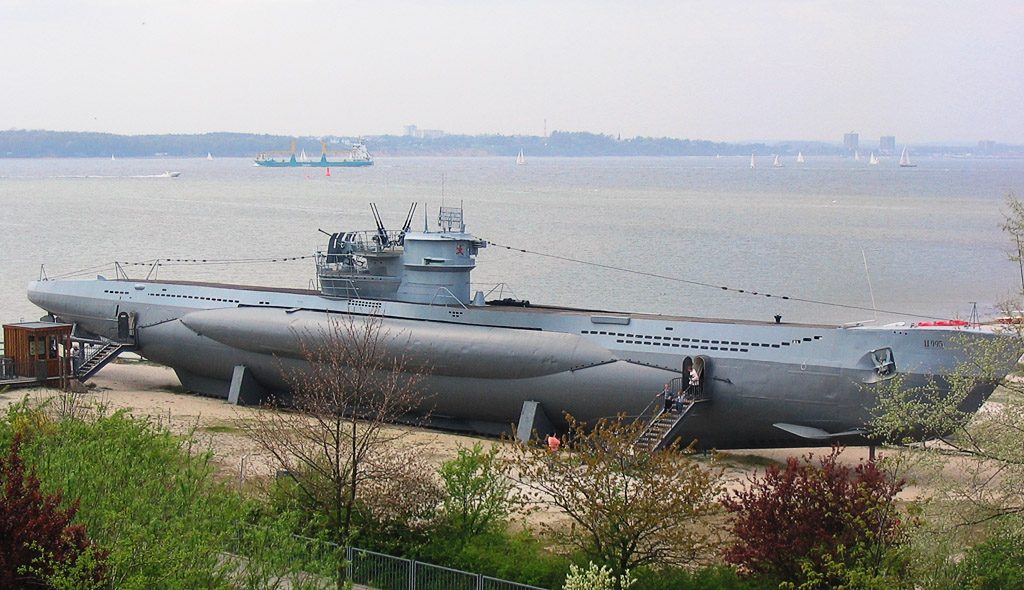
German Type VII U-boat preserved at the Naval Memorial in Laboe, Germany, showing the submarine's characteristic hull form
A preserved German U-boat at the Naval Memorial in Laboe, Germany. Submarines made traditional surface blockades, where warships physically patrolled a coastline, untenable by introducing an invisible threat that surface vessels could not reliably detect or counter. (Wikimedia Commons)

For centuries, naval blockade meant stationing warships in visible formation off an enemy's ports, physically preventing merchant ships from entering or leaving. The blockading fleet had to be present and visible, since its deterrent power lay in the certainty that any ship attempting to break the blockade would be intercepted. The submarine made that model suicidal.

Germany's U-boat campaigns of World War I demonstrated that a relatively small force of submarines could impose a devastating commerce war without ever being seen by the ships they attacked. Between 1914 and 1918, German U-boats sank over 5,000 Allied merchant ships totaling nearly 13 million tons. The traditional response of patrolling warships was ineffective because submarines could simply dive beneath the surface patrol line. The convoy system, anti-submarine warfare technology, and depth charges were all invented in response, but the fundamental concept of the visible surface blockade was dead. Any blockading fleet that lingered on the surface became a target rather than a threat.

8. The Aircraft Carrier (1940s): Made Battleships Obsolete

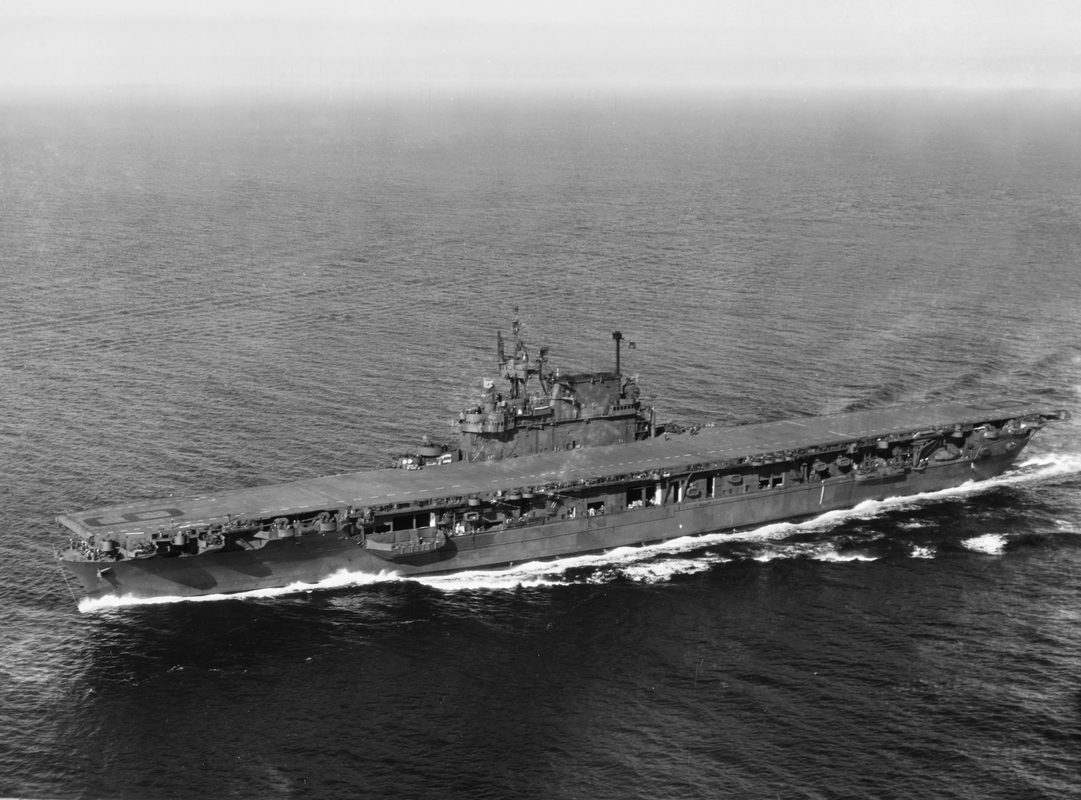
USS Enterprise (CV-6) at Puget Sound Navy Yard in September 1945, the most decorated warship of World War II
USS Enterprise (CV-6), the most decorated U.S. Navy warship of World War II, at Puget Sound in 1945. Enterprise and her sister carriers proved that aircraft could destroy battleships from beyond visual range, ending the battleship era. (U.S. Navy)

The battleship had been the supreme arbiter of naval power since Dreadnought. The nation with the most battleships dominated the seas. That paradigm survived World War I intact. It did not survive Pearl Harbor. On December 7, 1941, Japanese carrier-based aircraft sank or damaged eight battleships in port, demonstrating that a carrier striking force could project power hundreds of miles beyond the range of any gun.

The confirmation came at Midway in June 1942, where four Japanese aircraft carriers were sunk by U.S. carrier aircraft in a battle where neither fleet's surface ships ever sighted the other. The engagement range of carrier aviation, hundreds of miles, made the battleship's 20-mile gun range irrelevant. By 1945, battleships had been reduced to shore bombardment platforms and carrier escorts. No nation has commissioned a new battleship since the end of World War II.

9. Precision-Guided Munitions (1991): Made Carpet Bombing Obsolete

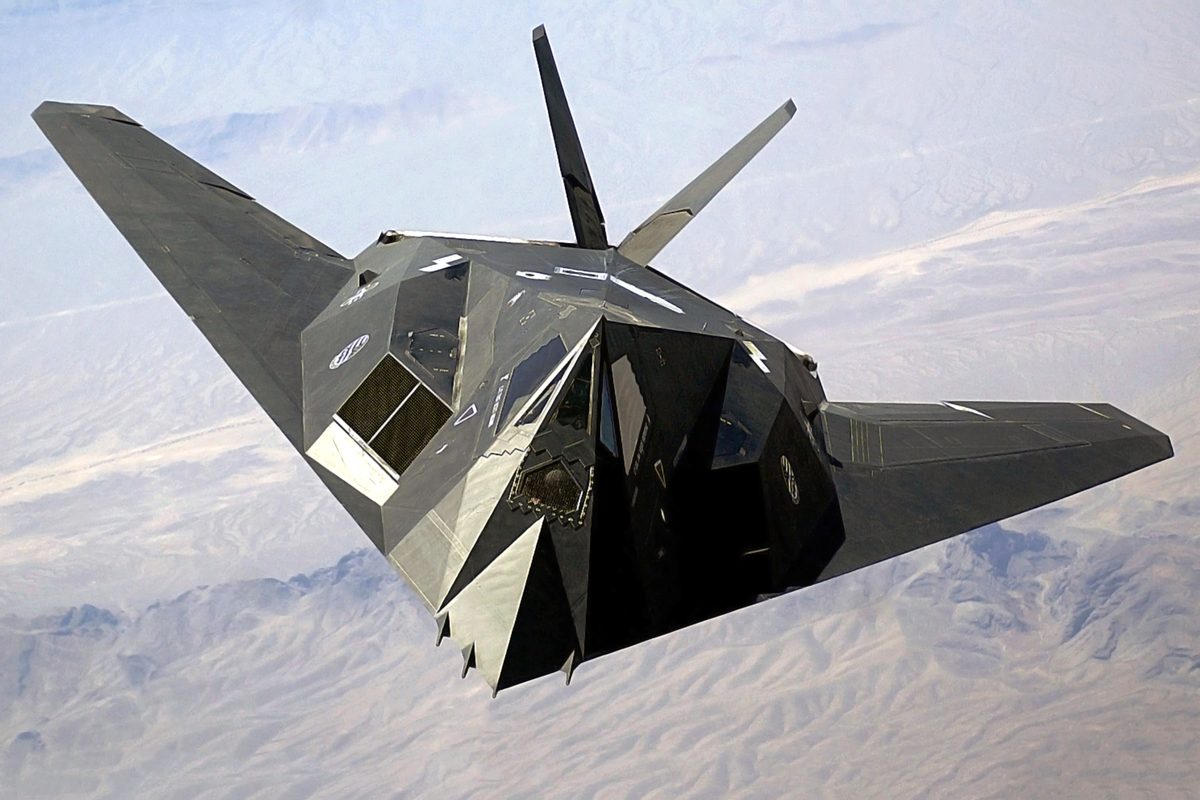
F-117 Nighthawk stealth attack aircraft, the first operational stealth aircraft designed to deliver precision-guided munitions
The F-117 Nighthawk pioneered the use of precision-guided munitions in stealth operations during Desert Storm. A single F-117 sortie could destroy a target that would have required dozens of conventional bombers in earlier conflicts. (U.S. Air Force / Wikimedia Commons)

During World War II, destroying a single bridge typically required hundreds of bomber sorties dropping thousands of unguided bombs, accepting a circular error probable measured in hundreds of meters. Strategic targets like factories required sustained campaign-length efforts spanning weeks or months. Desert Storm in 1991 demonstrated a new paradigm: one aircraft, one bomb, one target destroyed.

Laser-guided bombs and the first GPS-guided munitions achieved accuracies measured in meters rather than hundreds of meters. An F-117 Nighthawk could deliver two laser-guided bombs through the ventilation shaft of a hardened bunker, a target that would have required an entire bomber wing to attack conventionally. The JDAM (Joint Direct Attack Munition), introduced in the late 1990s, added GPS guidance to dumb bombs for roughly $25,000 per kit, making precision strikes affordable at scale. Carpet bombing, the area saturation of a target zone with hundreds of unguided bombs, became militarily unnecessary and politically unacceptable virtually overnight.

10. MANPADS: The Stinger (1980s) Made Low-Altitude Attack Runs Suicidal

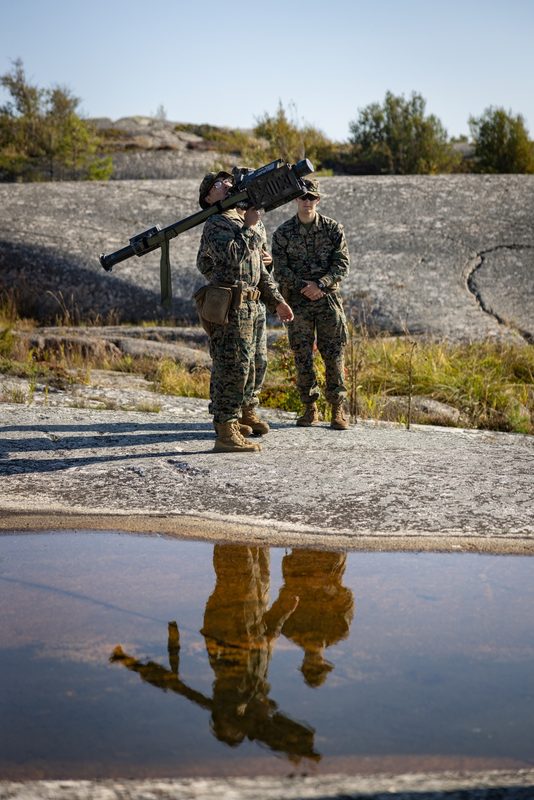
U.S. Marine Corps low altitude air defense gunner conducting fire rehearsal drills with a Stinger missile system in Sweden
A Marine LAAD gunner drills with a Stinger missile system during a live-fire exercise in Sweden, September 2024. The shoulder-fired Stinger created a lethal envelope around infantry formations that made low-level attack runs by aircraft and helicopters extremely dangerous. (U.S. Marine Corps / DVIDS)

Through the Vietnam War and into the early 1980s, attack aircraft and helicopters routinely operated at low altitudes over the battlefield, strafing, bombing, and providing close air support at treetop level. Ground-based air defenses existed, but they were generally vehicle-mounted radar-guided systems that could be avoided through terrain masking and speed. The man-portable air-defense system, or MANPADS, changed that calculation permanently.

The FIM-92 Stinger, fielded in 1981, gave a single infantry soldier the ability to engage and destroy aircraft at ranges up to five kilometers and altitudes up to 11,500 feet. The infrared seeker tracked the target's heat signature autonomously after launch, a true fire-and-forget capability. In Afghanistan, CIA-supplied Stingers in the hands of Mujahideen fighters destroyed an estimated 269 Soviet aircraft between 1986 and 1989, transforming the Soviet Air Force's ability to operate with impunity over the battlefield. Soviet helicopters that had previously loitered over engagements were forced to higher altitudes, reducing their effectiveness dramatically.

The proliferation of MANPADS worldwide has made low-altitude flight over contested airspace one of the most dangerous activities in modern warfare. Attack helicopters now fire from standoff ranges using guided missiles rather than making close gun runs. Fixed-wing attack aircraft release precision munitions from medium altitude rather than diving to low level. The era of the low-level strafing run, iconic from World War II through Vietnam, is effectively over.

The Pattern That Never Changes

Each of these weapons shares a common thread: they didn't just outperform the existing system. They changed the underlying logic of warfare in a way that made the old system permanently irrelevant. Monitor didn't just beat wooden ships; she made the concept of the broadside obsolete. Dreadnought didn't just outgun pre-dreadnoughts; she reset the entire naval arms race. FPV drones aren't just destroying tanks; they're rewriting the economics of armored warfare.

The lesson is always the same, and military establishments always learn it the same way: the hard way. The weapon you built your doctrine around, invested billions in, and trained generations to operate can become worthless between sunrise and sunset. The only question is which current weapons system is about to join this list. History suggests someone is building it right now.

Share this article

Share:

Recommended

Ace of The Skies: Can You Identify These Military Aircraft Throughout The Years?
Test Yourself

Ace of The Skies: Can You Identify These Military Aircraft Throughout The Years?

Can you identify these aircraft?

Take the Quiz

On This Day in Military History

April 6

United States Declares War on Germany (1917)

After months of German unrestricted submarine warfare and the revelation of the Zimmermann Telegram, the U.S. House of Representatives voted 373-50 to declare war on Germany, four days after the Senate voted 82-6. The entry of American industrial might and two million fresh troops tipped the balance decisively against the Central Powers.

1862, Battle of Shiloh Begins

1865, Battle of Sailor's Creek

1941, Germany Invades Yugoslavia and Greece

See all 11 events on April 6

Get Military News & History in Your Inbox

Join thousands of readers receiving our weekly digest of military technology, history, and analysis.

Test Your Knowledge