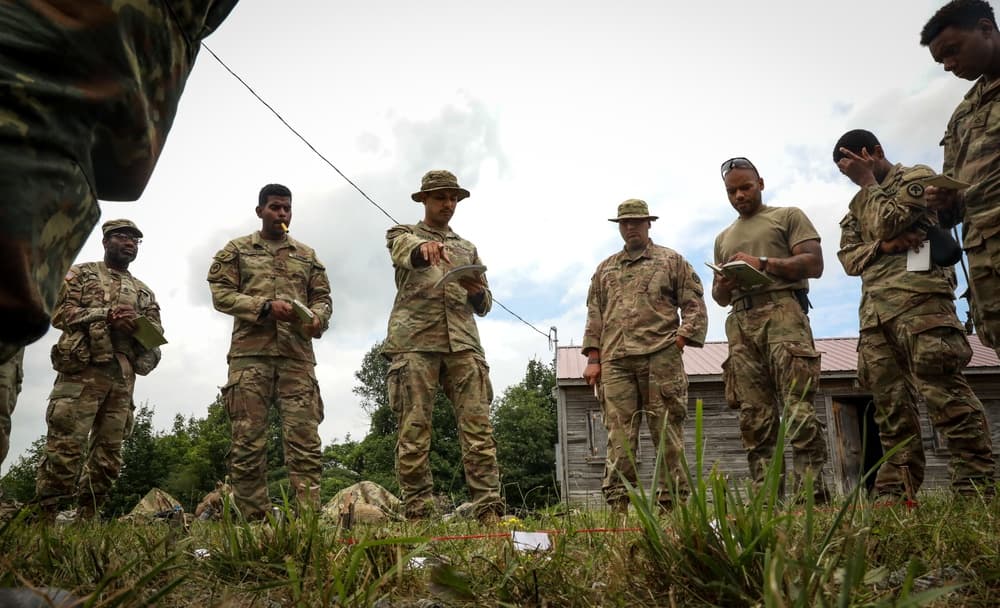
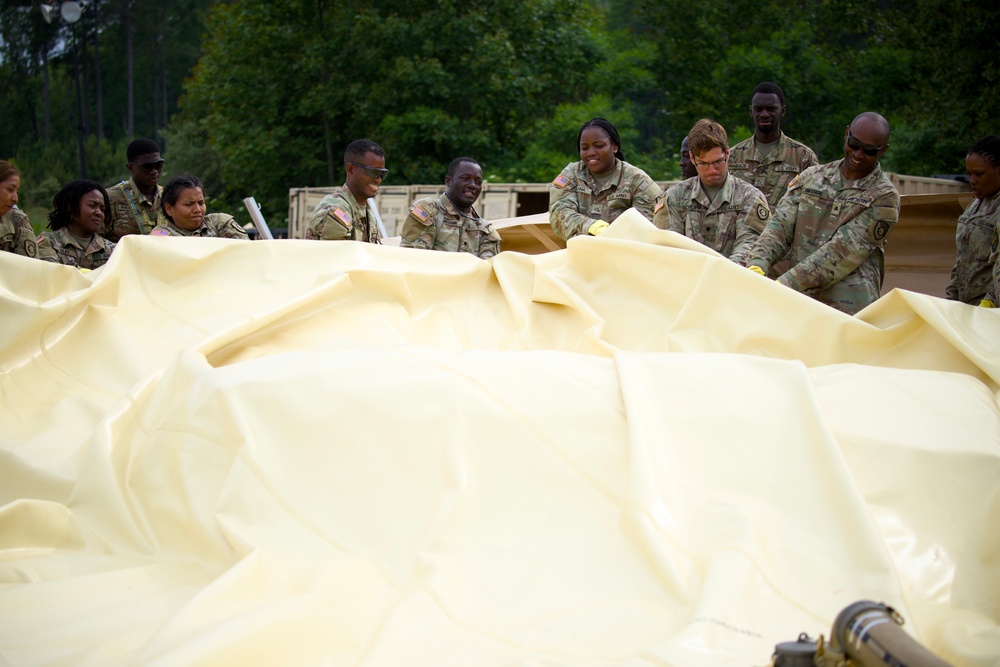
The focus here is on concepts and patterns rather than exhaustive historical detail. Specific examples illustrate broader principles, but the goal is to explain why logistics repeatedly proves decisive, not to provide a comprehensive history of military supply chains. The aim is clarity about a subject that too often gets lost in either technical minutiae or romantic notions of combat.
What Military Logistics Actually Includes
The term "logistics" covers far more than most people realize. It encompasses every activity required to generate, move, and sustain military forces. This includes the obvious - ammunition, fuel, food, and water - but extends far beyond these basics to include activities that rarely enter public consciousness.
Supply chain management involves procuring materials, managing inventories, and distributing resources across potentially global networks. Military supply chains must function under conditions that would cause commercial systems to fail: contested transportation routes, unpredictable demand spikes, and adversaries actively trying to disrupt them. The complexity of tracking millions of items across thousands of locations while ensuring the right materials reach the right units at the right time is staggering.
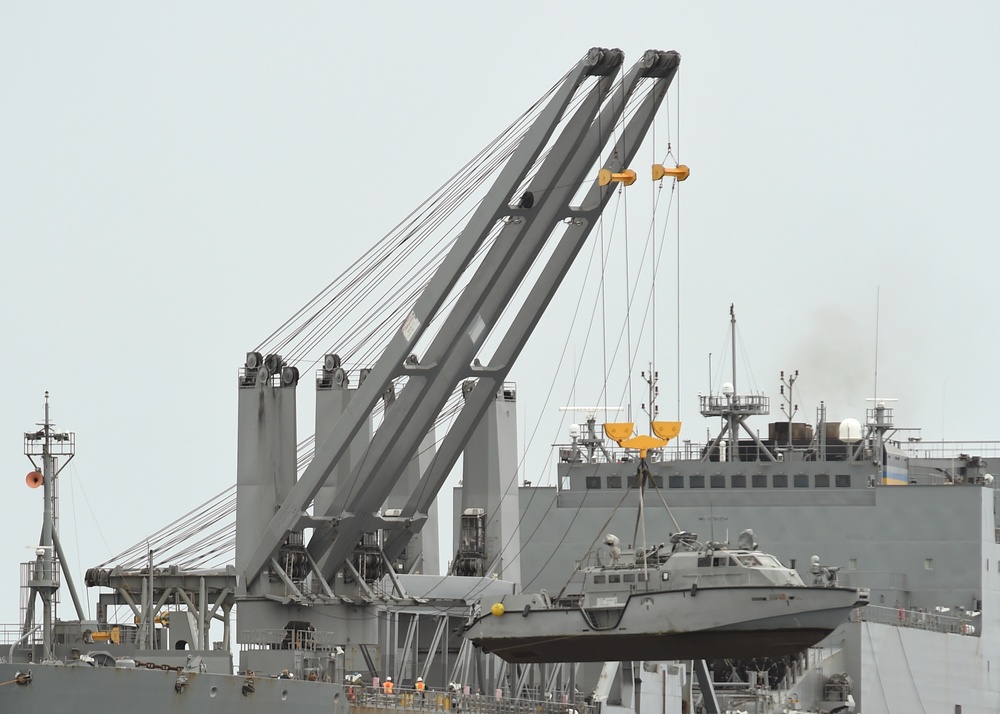
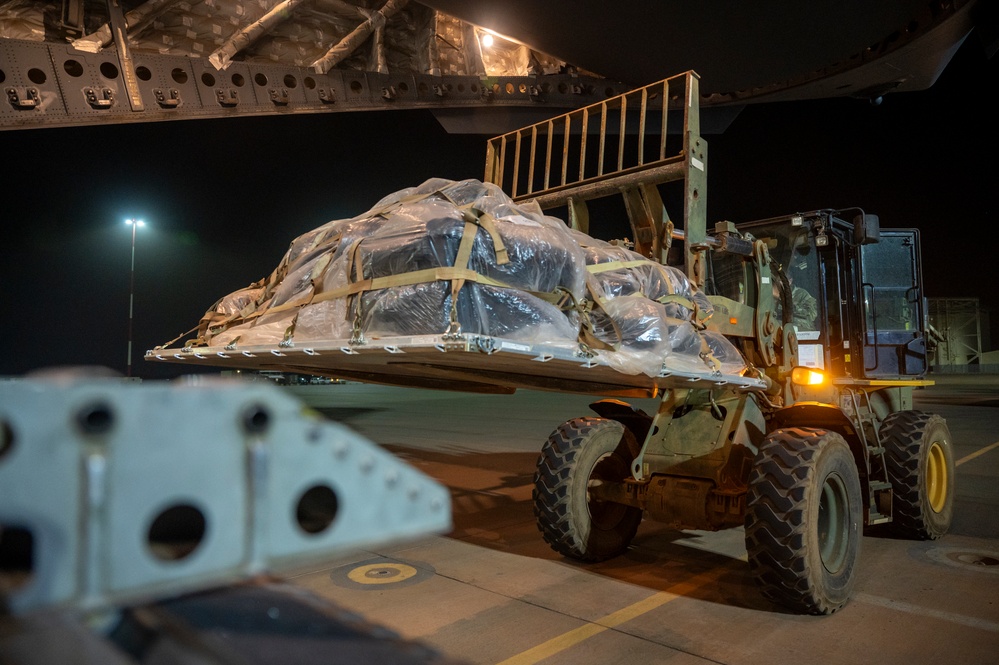
Transportation includes everything from strategic airlift and sealift that moves forces across oceans to the tactical trucks that deliver supplies the last few miles to combat units. Each mode has different capacities, speeds, vulnerabilities, and costs. Coordinating these modes into coherent distribution networks requires sophisticated planning and constant adaptation.
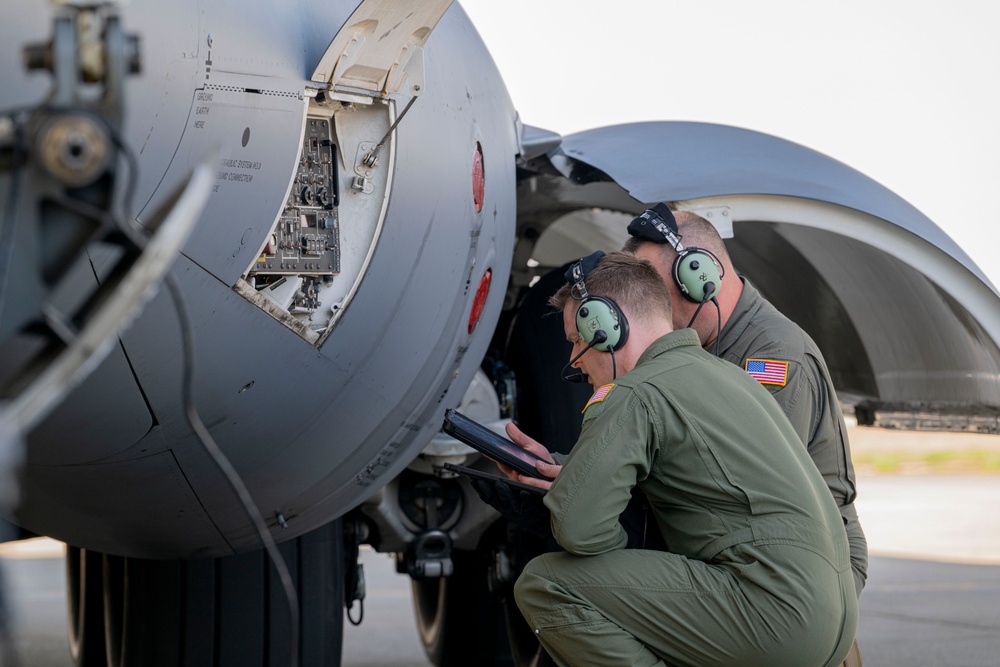
Maintenance and repair consume enormous resources. Modern military equipment is extraordinarily complex, requiring constant attention to remain operational. Aircraft need inspections after every flight. Vehicles require regular servicing. Electronics fail and must be replaced. The maintenance burden often surprises those unfamiliar with military operations - the ratio of support personnel to combat personnel in modern forces is typically several to one.
Medical support, personnel management, communications infrastructure, engineering capabilities, and administrative functions all fall under the logistics umbrella. Each requires specialized personnel, equipment, and supply chains of its own. The aggregate demand is immense, and any significant failure cascades through the entire force structure.
Perhaps most importantly, logistics includes industrial capacity - the ability to produce, repair, and replace equipment and munitions over time. Initial stockpiles matter, but wars that last more than a few weeks depend on production rates. The factory floor is as much a part of military logistics as the supply convoy.
Sustainment vs Initial Combat Power
Military forces possess two fundamentally different kinds of capability: what they can do on the first day of a conflict, and what they can sustain over weeks, months, or years. These are not the same thing, and the distinction matters enormously.
Initial combat power reflects the forces available at the start of hostilities. This includes ready units, equipment in working condition, trained personnel, and stockpiled supplies. Most military analyses focus on this dimension - counting tanks, aircraft, and ships to compare capabilities. Such comparisons are not wrong, but they are incomplete.
Sustainment capacity determines how long forces can continue operations and how quickly they can recover from losses. This includes production rates for munitions and equipment, the depth of spare parts inventories, the capacity to train replacement personnel, and the resilience of supply networks. A force with high initial combat power but poor sustainment will deplete rapidly; a force with moderate initial power but strong sustainment can outlast and ultimately defeat a nominally stronger opponent.
History provides stark examples of this dynamic. Germany in 1941 launched the largest land invasion in history with initial combat power that appeared overwhelming. Yet German logistics could not sustain operations at the necessary scale. Trucks wore out on Russian roads. Fuel consumption exceeded delivery capacity. The railroad gauge difference with Soviet railways created bottlenecks. Within months, the Wehrmacht's operational reach exceeded its logistical grasp, and the initiative began shifting despite continued tactical superiority.