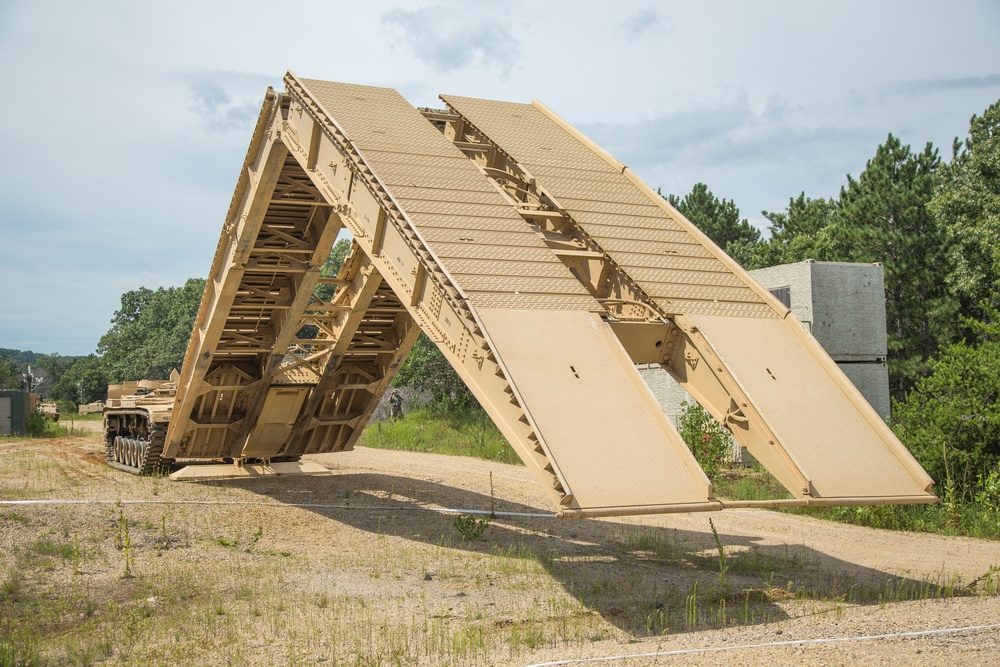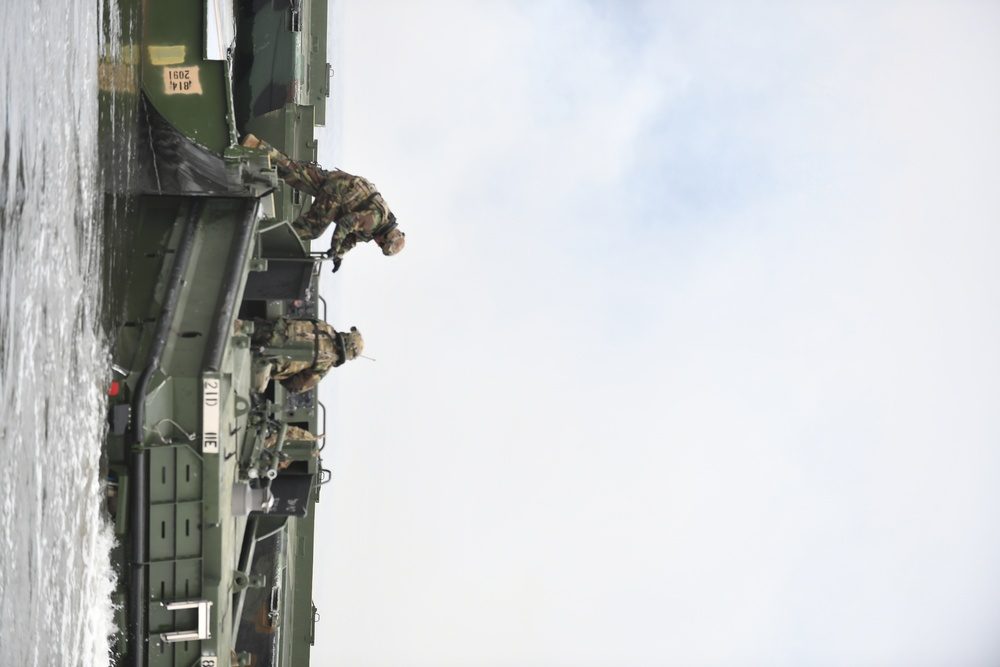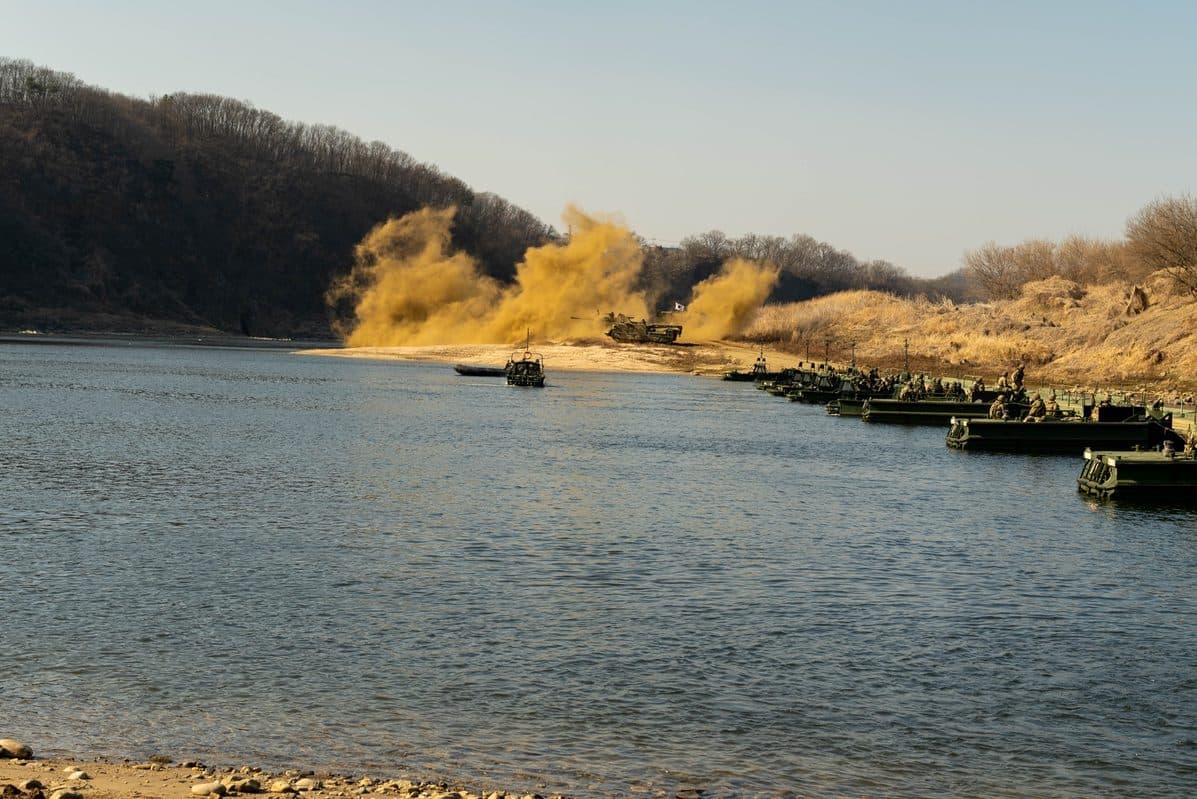

On the night of April 3, 2003, soldiers from the 299th Multi-Role Bridge Company began dropping aluminum pontoon bays into the Euphrates River south of Baghdad. The highway bridge at Objective Peach, near Al Musayyib, had been partially destroyed, not enough to block it entirely, but enough that the 3rd Infantry Division's commanders didn't trust it to carry the weight of dozens of 70-ton M1 Abrams tanks rolling across in rapid succession during the final push toward the Iraqi capital.
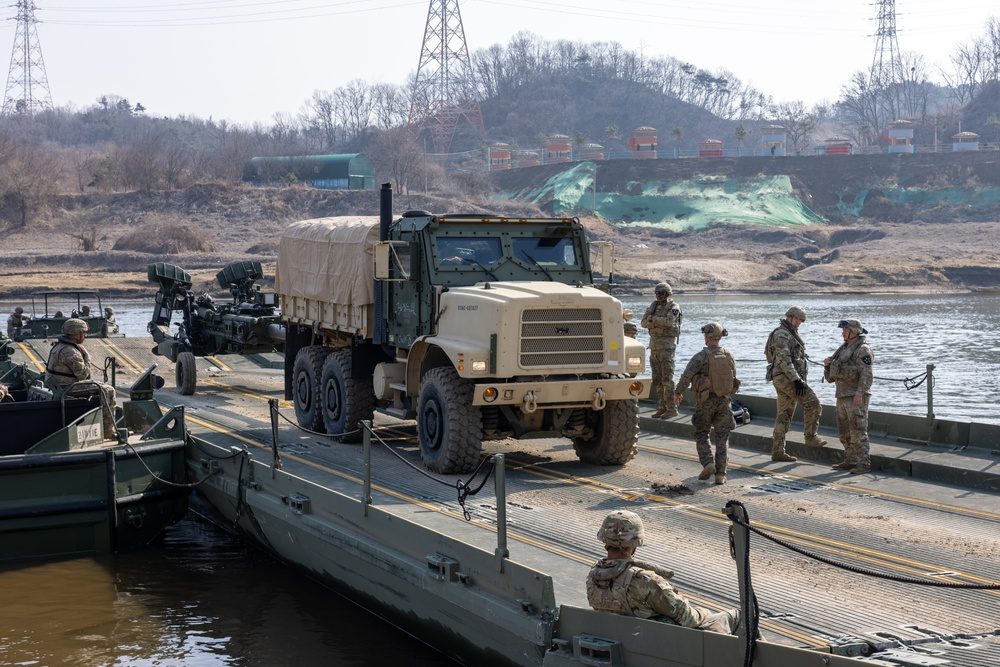
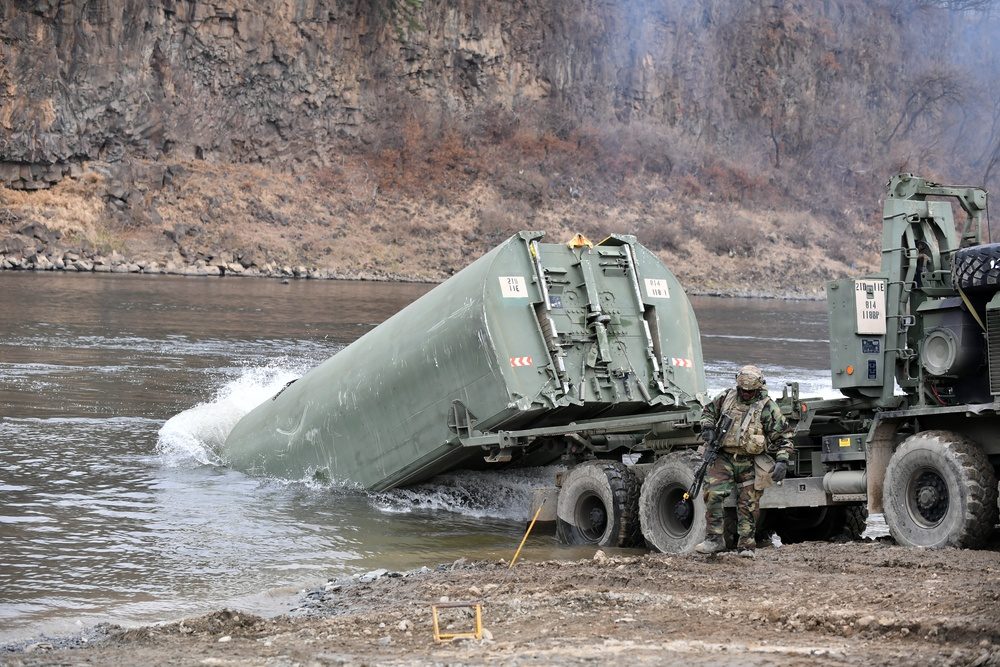
Working through the night to minimize exposure to enemy observation, the engineers assembled a 185-meter floating bridge from modular aluminum sections that unfolded from the backs of trucks directly into the river. By dawn, M1 Abrams tanks, M2 Bradley fighting vehicles, and heavy logistics trucks were rolling across the Euphrates on a bridge that hadn't existed twelve hours earlier. The 299th's bridge at Objective Peach was the first American assault river crossing since the Vietnam War, and it helped make possible the fastest armored advance in military history.
This is the story of how the U.S. military crosses rivers, and why the unglamorous engineering behind floating bridges has shaped the outcome of wars for centuries.
The Improved Ribbon Bridge: Aluminum Origami on an Industrial Scale
The Improved Ribbon Bridge (IRB) is the U.S. military's primary wet gap crossing system for heavy forces. Manufactured by General Dynamics European Land Systems, the IRB is a modular floating bridge composed of two types of sections: interior bays and ramp bays. Understanding how these components work reveals an elegant engineering solution to one of warfare's oldest logistical problems.