
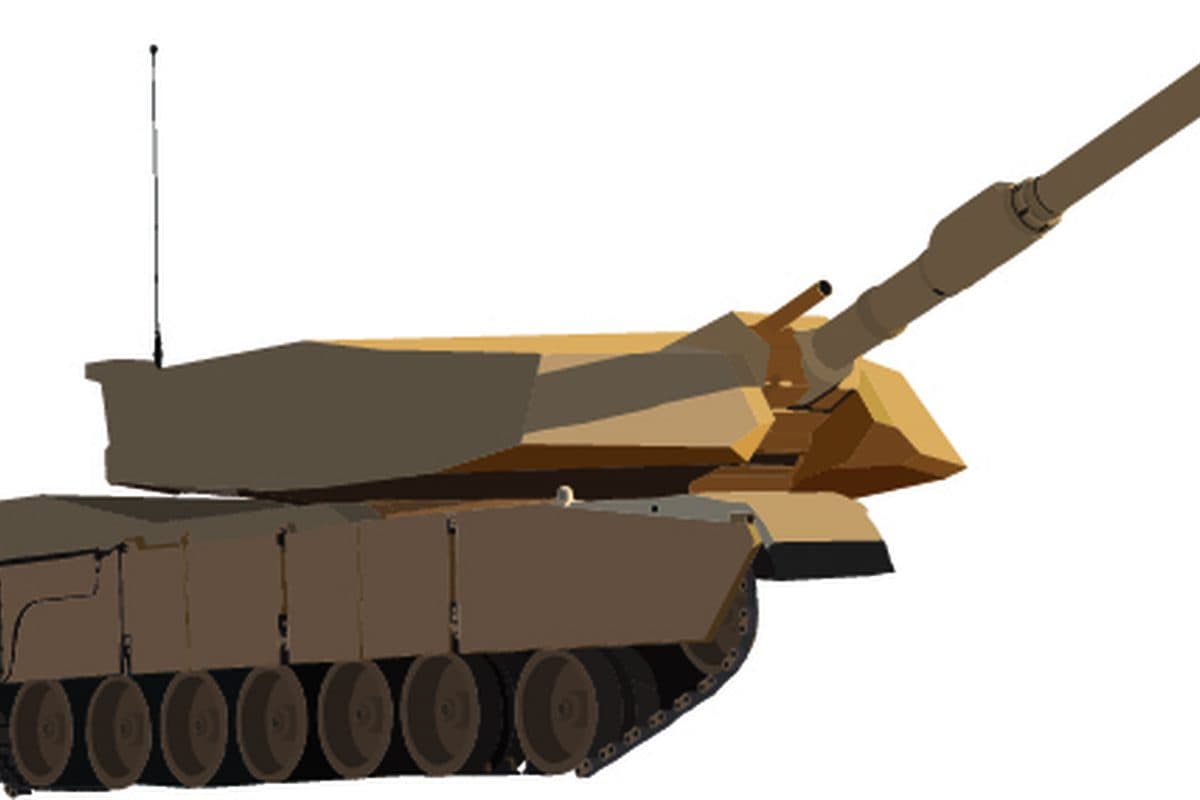
The M1 Abrams Premier Battle Tank
The M1 Abrams is the backbone of American armored warfare. Named after General Creighton Abrams, this 70-ton main battle tank combines heavy firepower, advanced armor, and gas turbine speed.

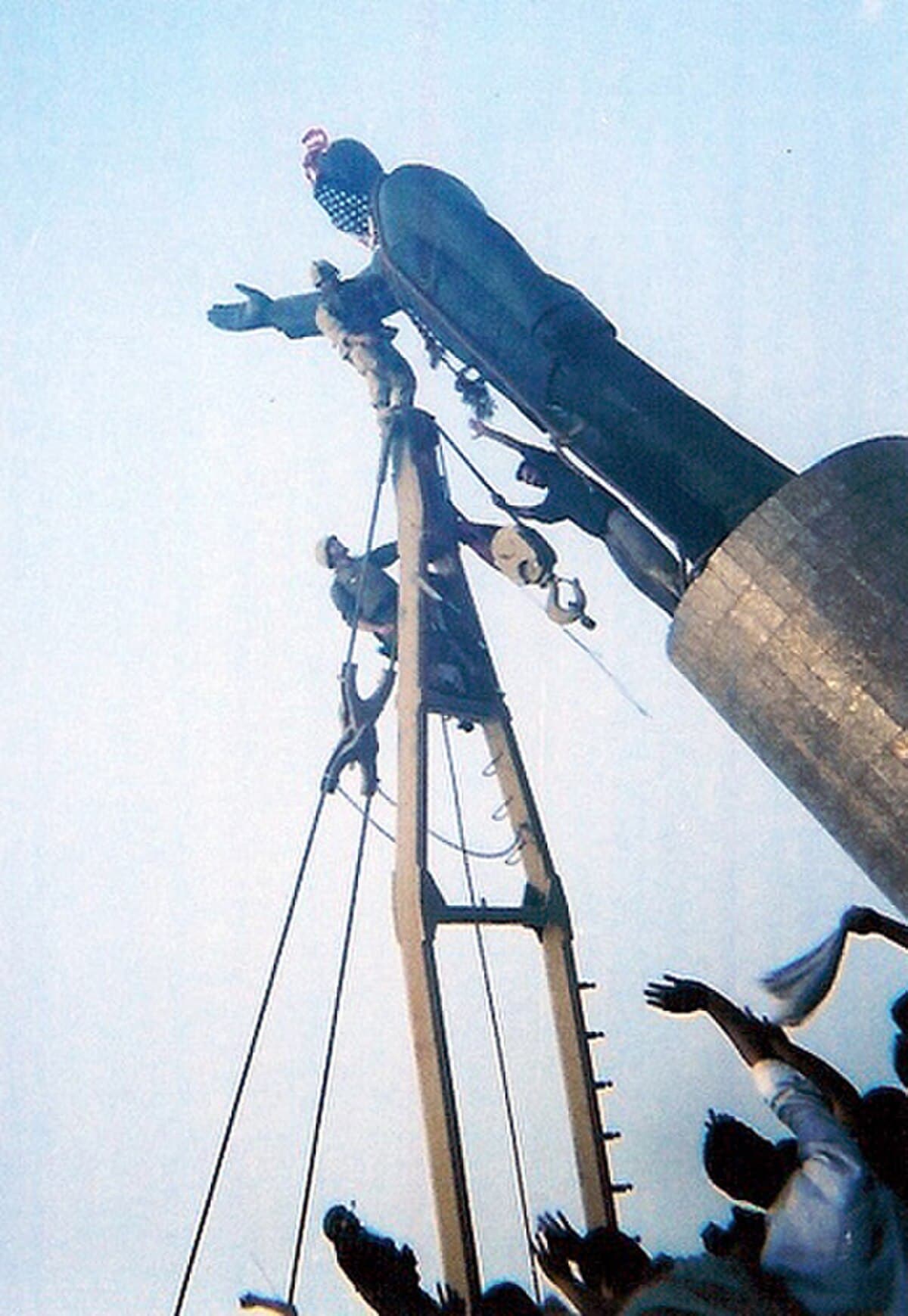
U.S. Army forces from the 3rd Infantry Division seized key government buildings, Saddam Hussein's palaces, and the Green Zone in central Baghdad following dramatic "Thunder Run" armored thrusts. The fall of the Iraqi capital effectively ended organized military resistance after just three weeks of combat.
Sauk leader Black Hawk led roughly 1,200 followers, including 600 warriors, across the Mississippi River into Illinois to reclaim ancestral lands ceded under a disputed 1804 treaty. Illinois militia and U.S. Army regulars mobilized within days, beginning a brief but consequential war that shaped frontier military doctrine.
Confederate General Richard Taylor routed a larger Union force under Major General Nathaniel Banks during the Red River Campaign in Louisiana, inflicting 2,200 casualties and capturing over 200 supply wagons, the last major Confederate victory of the war.
Union cavalry under General Sheridan raced ahead of Lee's retreating army and blocked his line of retreat near Appomattox Station, capturing Confederate supply trains. With Grant's infantry closing from behind, Lee was effectively surrounded.
British Foreign Secretary Lord Lansdowne and French Ambassador Paul Cambon signed the Entente Cordiale in London, settling colonial disputes across Africa and Asia and reorienting British strategic alignment from Germany toward France. The agreement laid the diplomatic foundation for the Triple Entente that would face the Central Powers in 1914.
The second phase of the German Spring Offensive struck the British and Portuguese sectors north of the La Bassee Canal. Stormtrooper infiltration tactics and artillery gas barrages nearly broke through to the Channel ports before exhausted attackers ran out of fresh reserves.
Mussolini's forces invaded Albania with 22,000 troops supported by 600 aircraft and a naval task force. King Zog fled into exile, and Albania was absorbed into the Italian Empire as a protectorate.
President Harry Truman issued Executive Order 10340, ordering Commerce Secretary Charles Sawyer to seize and operate the nation's steel mills to prevent a strike that would have cut off production of ammunition, vehicles, and ships for the Korean War. The Supreme Court struck down the seizure two months later in Youngstown Sheet & Tube v. Sawyer.
The Army's first operational Nike Hercules air defense battery was activated at Franklin Lakes, New Jersey, giving North American air defense its first nuclear-capable surface-to-air missile system. Hercules replaced the earlier Nike Ajax on a rolling basis and eventually deployed to more than 130 U.S. sites and forward positions across Europe and Asia.
South Vietnamese forces of the 18th Division began a desperate 12-day defense against three North Vietnamese divisions at Xuan Loc, the last major defensive position before Saigon, the final major battle of the Vietnam War.
U.S. Army forces seized the Iraqi capital following dramatic "Thunder Run" armored thrusts, ending organized resistance after just three weeks of combat.
Related articleGet daily military history, analysis, and technology delivered to your inbox.
11 military events occurred on April 8, spanning multiple centuries. Key events include: Fall of Baghdad (2003), Battle of Mansfield (Sabine Crossroads) (1864), Lee's Retreat Cut Off Near Appomattox (1865).
The most significant military event on April 8 is Fall of Baghdad (2003). U.S. Army forces from the 3rd Infantry Division seized key government buildings, Saddam Hussein's palaces, and the Green Zone in central Baghdad following dramatic "Thunder Run" armored thrusts. The fall of the Iraqi capital effectively ended organized military resistance after just three weeks of combat.
Notable military figures born on April 8 include Timur (Tamerlane) (1336–1405).
Events on April 8 span the Modern Era, the Civil War, the Cold War, the Vietnam War, World War II, World War I, the Korean War, the Colonial & Revolutionary era, covering 11 events across 3 centuries of military history.
Events on April 8 involve 4 branches of the U.S. and allied armed forces, reflecting the global scope of military operations throughout history.
Explore military history from the day you were born.
June 6
The Allied invasion of Normandy, the largest amphibious assault in history.
December 7
Japan attacks the U.S. Pacific Fleet, bringing America into World War II.
September 11
The deadliest terrorist attack in history transforms U.S. national security.
August 6
The first atomic bomb is dropped on a city, ushering in the nuclear age.
May 8
Nazi Germany surrenders unconditionally, ending World War II in Europe.
November 11
Armistice Day marks the end of World War I and honors all who served.
June 4
The turning point of the Pacific War as the U.S. Navy destroys four Japanese carriers.
July 4
The Declaration of Independence is adopted, sparking the American Revolution.
The M1 Abrams is the backbone of American armored warfare. Named after General Creighton Abrams, this 70-ton main battle tank combines heavy firepower, advanced armor, and gas turbine speed.
The FIM-92 Stinger helped win the Cold War by turning Afghan mujahideen into a credible anti-aircraft threat. By 2023, the United States almost ran out of them, because Raytheon stopped making them for 13 years, and the first 10 months of Ukraine support burned through the remaining stockpile.
Amateurs study tactics. Professionals study logistics. The most quoted military truism is also the most ignored. From WWII's industrial avalanche to Russia's 40-mile traffic jam in Ukraine, every major conflict proves the same lesson, and the U.S. military's just-in-time supply model may not survive a real fight.
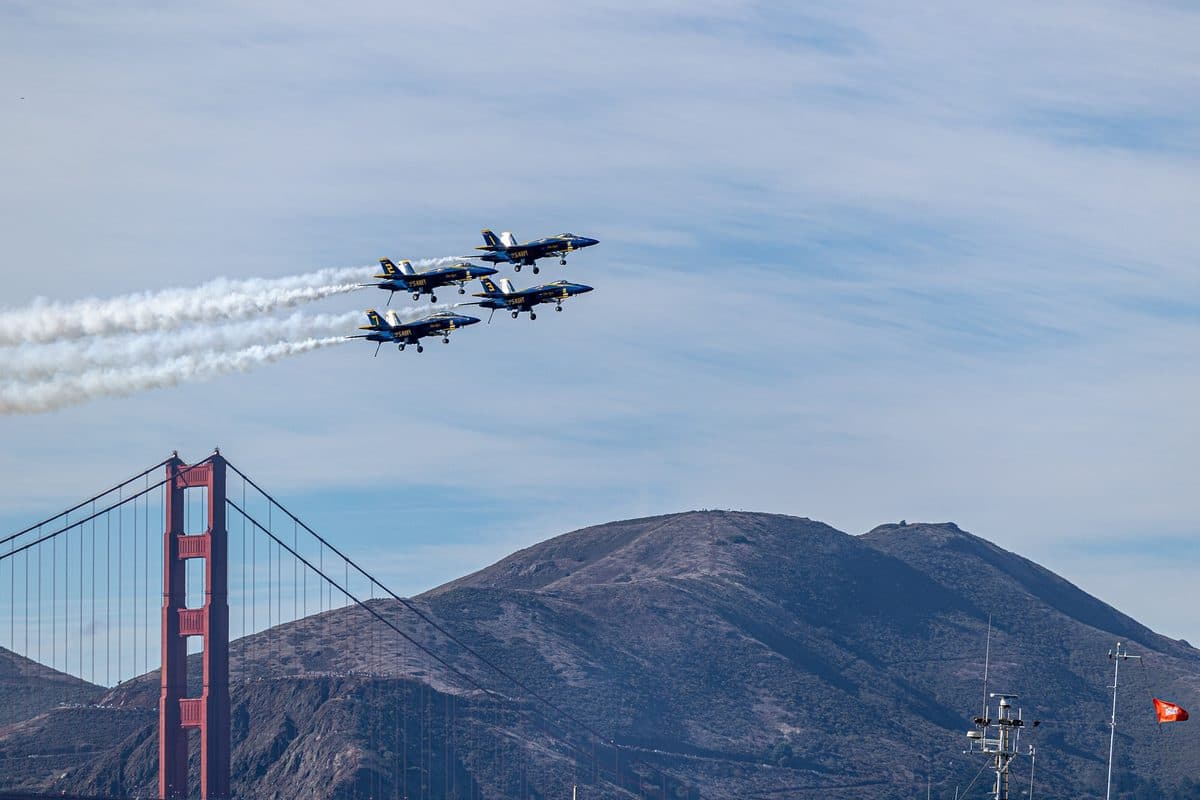
Eighteen inches. At 400 mph. The margin for error is less than the length of your forearm. How the Blue Angels and Thunderbirds train their pilots to fly in formation so tight that one flinch would be catastrophic, and why the military considers air show teams a combat-relevant mission.