
Your first airshow is overwhelming in the best possible way. Afterburner heat from 200 feet away. The crack of a fighter jet breaking the sound barrier overhead. Six hours on sun-baked tarmac surrounded by aircraft you have only seen in photos. It is one of the best days you will have all year, but only if you pack correctly.
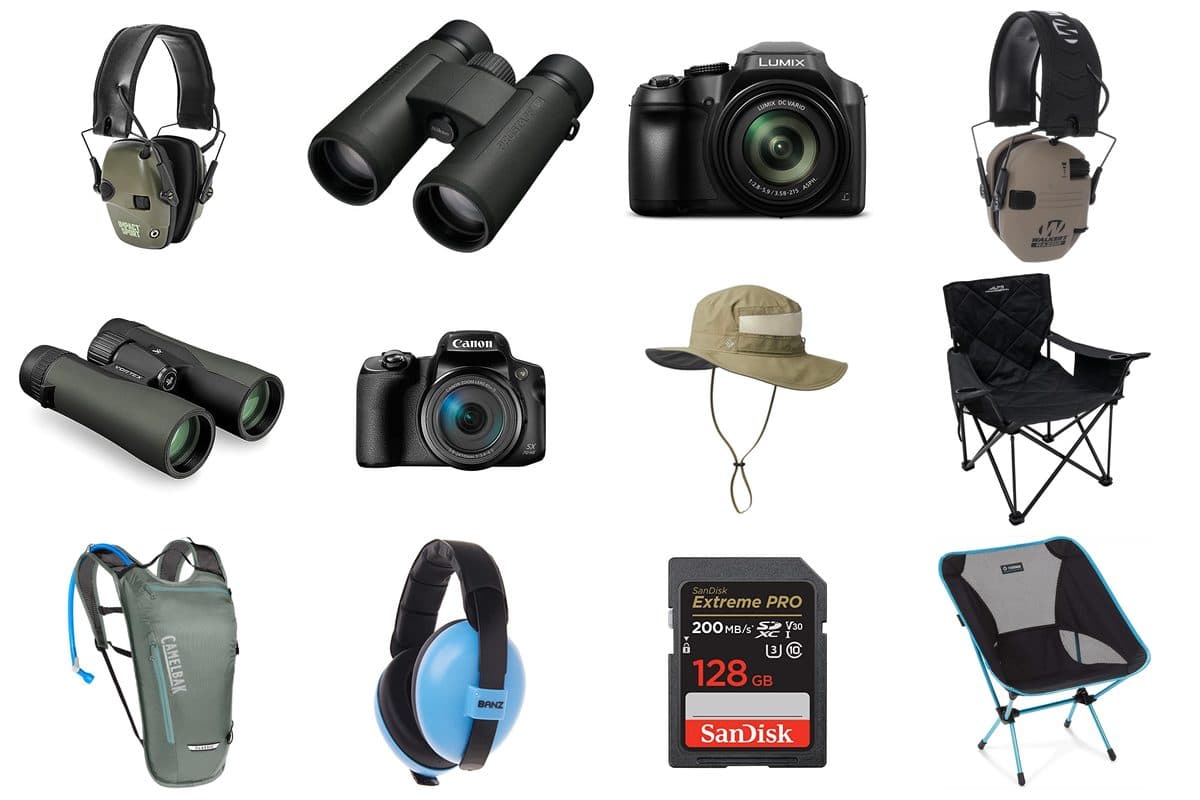
Show up without hearing protection and you will spend the ride home with ringing ears. Forget sunscreen and you will look like a lobster by the Blue Angels finale. Bring the wrong chair and security will make you haul it back to the car. This guide covers 21 gear picks across five categories so you spend your day watching aircraft instead of wishing you had packed smarter. Every recommendation comes from real airshow experience, and every product links to its best current price.
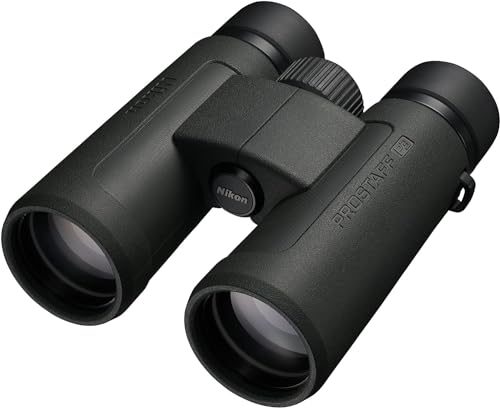
Nikon Prostaff P3 8x42
~$130


Hearing Protection for Airshows (Non-Negotiable)
This is not optional. A military fighter jet at full afterburner produces 130+ decibels from the flight line. That is loud enough to cause permanent hearing damage in seconds. Even civilian aerobatic acts hit 100-110 dB. Bring hearing protection for every person in your group, including kids. If you forget everything else on this list, do not forget this.
For the best experience, pair foam earplugs underneath electronic muffs. The earplugs handle raw decibel reduction while the electronic muffs let you hear PA announcements and conversation between passes. This double-protection setup drops exposure by 35-40 dB and is what most aviation photographers use at major shows.
Howard Leight Impact Sport Electronic Earmuffs
~$52 on Amazon
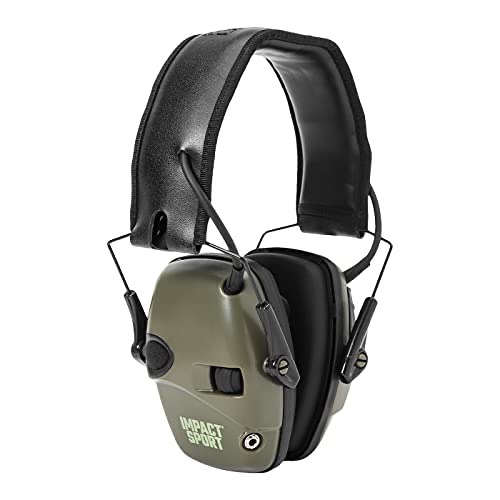
Over 70,000 Amazon reviews and the go-to electronic muff for shooters and airshow regulars alike. Amplifies conversation and PA announcements at safe volumes, then compresses instantly when jet noise exceeds 82 dB. A 3.5mm AUX input lets you plug in an aviation scanner to follow the action on ATC frequencies.
Best for: Anyone who wants to hear announcements and talk between passes without removing protection
These have been the standard recommendation in shooting and aviation communities for over a decade, and for good reason. The electronic amplification picks up conversation clearly at normal volume, and the compression kicks in fast enough that even a surprise low pass does not catch you unprotected. Auto-shutoff after four hours saves batteries, though bringing spares is still smart for a full-day show.
The main limitation is NRR 22, which is moderate when an F/A-18 is running a high-speed pass at full afterburner. For those moments, you will want foam earplugs underneath (see the Mack's recommendation below). Some users also report a slight background hiss at higher volume settings, though it is not noticeable once the show starts. If you want an aviation scanner setup, check our aviation radio scanner guide for compatible radios.
Walker's Razor Slim Electronic Muffs
~$45 on Amazon
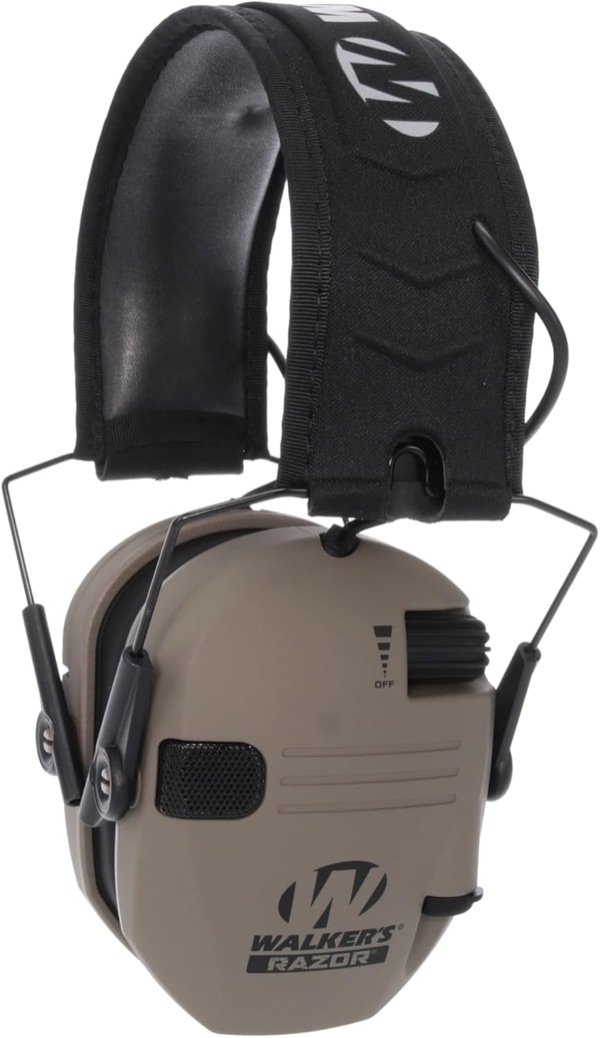
Thinnest electronic muff on the market with a 0.02-second reaction time on sound compression. HD speakers deliver clear audio, and the whole unit folds flat for packing. Available in multiple colors and patterns, including an American flag design that fits the airshow vibe.
Best for: People who find bulky earmuffs uncomfortable, especially in hot weather
Walker's slim profile makes a real difference during a six-hour airshow. Standard earmuffs press against sunglasses and hat brims, creating pressure points that get annoying by mid-afternoon. The Razor's low-profile cups sit closer to your head and interfere less with other gear. The 0.02-second compression time is actually slightly faster than the Howard Leight, though both are fast enough that you will never notice a delay in practice.
Two drawbacks to know about. The battery compartment uses a small screw that can be fiddly to open, so swap in fresh AAAs the night before rather than fighting it on the tarmac. And like all over-ear muffs, the cups trap heat against your ears in summer weather. For July and August shows in the South, you may prefer foam plugs during the hottest part of the day and save the muffs for the headline demo.
3M Peltor X5A Passive Earmuffs
~$34 on Amazon
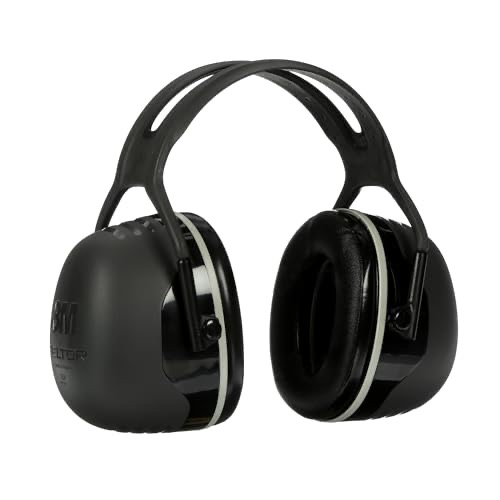
Highest NRR rating in a standard earmuff at 31 dB. No batteries, no electronics, nothing to fail. Twin-cup design with liquid-filled cushions creates a deep seal. When the Thunderbirds delta is screaming overhead at 400 knots, these deliver the most raw decibel reduction you can get without going custom-molded.
Best for: Maximum noise blocking when you do not need to hear conversation
The X5A is the brute-force option. Where the Howard Leight and Walker's use electronics to let you hear selectively, the Peltor just blocks everything. That NRR 31 rating is the highest you will find without going to custom-molded plugs, and the liquid-filled cushions maintain their seal even when you move your jaw to talk or eat.
The trade-off is obvious: you cannot hear anything while wearing these. PA announcements, your friend pointing out an incoming pass, the narrator explaining what aircraft is next - all of it is muffled to near-silence. They are also physically large and noticeably heavier than electronic alternatives. Consider these as a backup pair for the loudest demos (afterburner passes, pyrotechnic finales) and use electronic muffs the rest of the time. Or pair them over foam earplugs for the maximum possible protection at a military jet demo.
Mack's Ultra Soft Foam Earplugs (50-Pack)
~$11 on Amazon
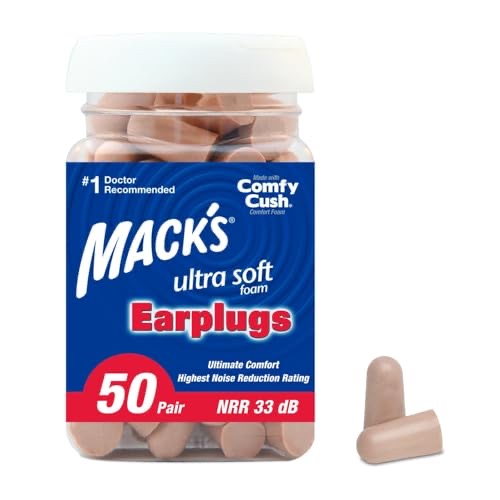
NRR 33 dB, the highest noise reduction rating available in any ear protection format. Fifty pairs for $11 means you can hand them out to everyone in your group and still have a box left over for next season. Toss a few pairs in your pocket as backup even if you are wearing electronic muffs.
Best for: Budget protection for groups, or doubling up under earmuffs for maximum reduction
Foam earplugs are the most underrated airshow accessory. At $0.22 per pair, they cost less than a stick of gum and deliver more raw noise reduction than any electronic muff on this list. Roll them tight, insert them deep, and wait 30 seconds for them to expand. When fitted correctly, NRR 33 makes even an afterburner pass feel manageable.
They block all sound indiscriminately, which means you will miss announcements and conversation. That is why the smart move is to wear them under electronic muffs: the foam handles the dangerous decibels while the electronic amplification pipes in conversation at a safe level. Keep a few pairs in your pocket for friends who show up unprepared. At every airshow, someone in your group will forget their hearing protection.
Baby Banz Earmuffs (Infant & Kids Sizes)
~$20 on Amazon
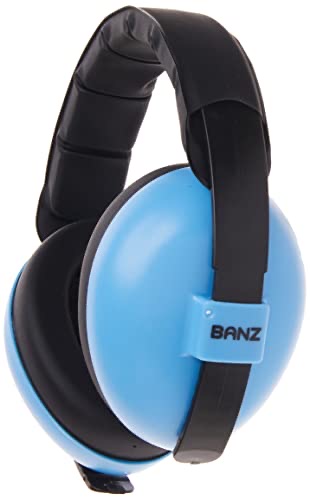
Purpose-built hearing protection for little heads. The infant version (0-2 years) uses a soft elastic headband with NRR 31. The kids version (2+) switches to a padded headband with NRR 25. Both come in bright fun colors that kids actually want to wear.
Best for: Babies, toddlers, and young kids at their first airshow
Children's hearing is more vulnerable to noise damage than adults, and airshows are loud enough to cause permanent harm to unprotected young ears. Baby Banz has been the default recommendation from audiologists and parenting communities for over a decade. The infant version's elastic headband stays on surprisingly well, even on squirmy babies, and the cups are lightweight enough that most kids forget they are wearing them after a few minutes.
The main challenge is keeping them on an uncooperative toddler. Kids between 18 months and 3 years are the hardest age group since they are strong enough to pull them off but too young to understand why they need to keep them on. Bring a backup pair of foam earplugs in case the muffs come off during a loud demo. For kids 5 and older with average-sized heads, adult electronic muffs (like the Walker's Razor above) may fit and offer the advantage of letting them hear the narration.
Best Binoculars and Optics for Airshows
Half the action at an airshow happens too far away for the naked eye. High-altitude passes, distant formation work, and reading tail numbers on the static line all benefit from magnification. You do not need to spend $500 on premium glass, but bringing some kind of optic will transform your experience. For airshows, 8x magnification is the sweet spot since it is strong enough to pick out cockpit details but forgiving enough to track a fast-moving jet.
Nikon Prostaff P3 8x42
~$130 on Amazon
Wide 377-foot field of view at 1,000 yards makes tracking fast-moving jets forgiving. Multilayer-coated lenses pull in plenty of light. Waterproof and fogproof construction survives rain delays and humid tarmac mornings. At 8x magnification, hand shake is minimal even when standing.
Best for: First-time binocular buyers who want reliable airshow optics without overspending
Nikon's Prostaff line has been the go-to mid-range binocular for birders and outdoor enthusiasts for years, and the P3 8x42 is the current sweet spot. The 42mm objective lens gathers enough light for clear views even late in the afternoon when the sun drops low. Multilayer coatings reduce glare, which matters when you are staring upward into a bright sky for hours.
Edge sharpness does not match $300+ binoculars from Vortex Viper or Nikon Monarch. You will notice some softening at the periphery if you look for it, though the center of the image is crisp. Some airshow regulars also find that 8x feels insufficient for high-altitude passes at 15,000+ feet, where 10x gives you more reach. But for the majority of airshow flying, which happens between 500 and 5,000 feet, 8x is plenty and much easier to hold steady while standing.
Vortex Crossfire HD 10x42
~$150 on Amazon
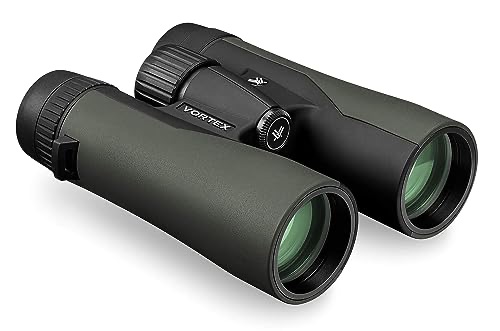
HD glass delivers sharper images than most binoculars at this price point. Comes with a GlassPak binocular harness that distributes weight across your chest instead of your neck. Vortex's unconditional lifetime warranty covers accidental damage with no questions asked, no receipt needed.
Best for: People who want extra magnification and a warranty that covers everything
Vortex has built a cult following around their warranty program, and the Crossfire HD is where most people enter the brand. Send in a pair with a cracked lens from being dropped on concrete and they will repair or replace it free. No receipt. No registration. No limit on how many times you use the warranty. For a product you are taking to dusty, crowded outdoor events, that peace of mind is worth the $20 premium over the Nikon.
At 10x, you get noticeably more detail on distant aircraft compared to 8x binoculars. The trade-off is real, though: 10x amplifies hand shake and narrows your field of view, making it harder to find and track a fast jet crossing the sky. If you can brace your elbows against your body or sit in a chair while glassing, 10x works great. Standing with arms unsupported in a crowd, you may wish you had gone with 8x instead.
Nikon Monarch M5 10x42
~$275 on Amazon
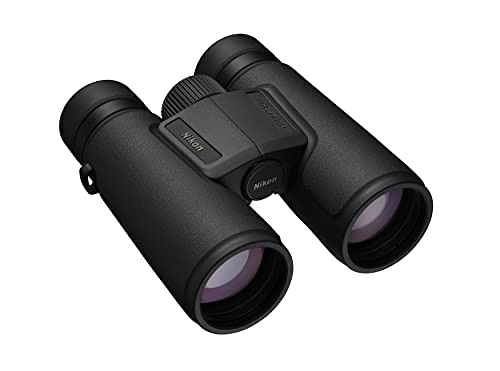
ED (Extra-low Dispersion) glass eliminates the purple fringing you see in cheaper optics when pointing toward bright sky. Dielectric prism coating maximizes light transmission. Close focus down to 8.2 feet means these pull double duty on static displays, letting you read instrument panels through cockpit glass.
Best for: Serious enthusiasts who attend multiple airshows per year
Chromatic aberration, that purple-blue fringe around high-contrast edges, is the main optical flaw you notice when glassing aircraft against a bright sky. The Monarch M5's ED glass virtually eliminates it, producing a cleaner image than either the Prostaff or Crossfire at any magnification. The dielectric prism coating also transmits more light, which translates to brighter, more natural colors even in flat overcast conditions.
At $275, you are paying a premium for optical quality that casual attendees will not fully appreciate. If you go to one airshow every few years, the Prostaff P3 at $130 delivers 85% of the image quality for less than half the price. The Monarch makes sense if you attend multiple events per year, use binoculars for birding or sports, or simply want the best sub-$300 glass Nikon makes. For occasional use, it is more optic than most people need.
Gosky 12x55 Monocular
~$35 on Amazon
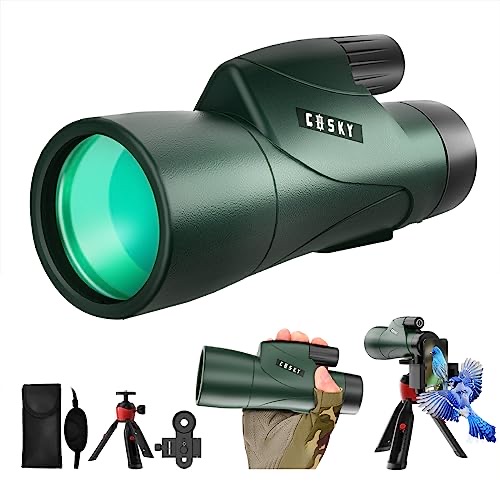
One-handed operation leaves your other hand free for a camera or cold drink. Includes a smartphone adapter for snapping quick photos through the eyepiece. IPX7 waterproof rating handles rain or accidental drops in a puddle. At $35, it costs less than a parking pass at most major airshows.
Best for: Tight budgets or people who want optics but not the bulk of binoculars
A monocular is the compromise pick: lighter and cheaper than binoculars, easier to pull out for a quick look, and it slips into a cargo pocket. The smartphone adapter is a nice bonus for capturing static display details, though do not expect DSLR-quality digiscoping shots of jets in flight.
At 12x, hand shake is a real problem when using one hand. You lose the natural stability that two-handed binocular grip provides, and 12x amplifies every wobble. Tracking fast-moving jets is noticeably harder than with 8x or 10x binoculars. Optical quality also falls short of proper binoculars at this price. Use it as a supplement when you want a quick closer look, not as your primary optic for the full day. If your budget allows $130, the Nikon Prostaff above is a far better airshow experience.
Best Cameras and Gear for Airshow Photography
Photographing aircraft in flight is one of the hardest genres in photography. Your subject is moving at 300-600 mph, often against a blown-out sky, at distances that make even a 200mm lens feel inadequate. Phone cameras cannot do it. You need reach, which means either a superzoom bridge camera or a DSLR/mirrorless body with a long telephoto lens. Here are the best options at three price points, plus the memory card that will keep up with burst shooting and 4K video.
Panasonic LUMIX FZ80 (60x Zoom)
~$375 on Amazon
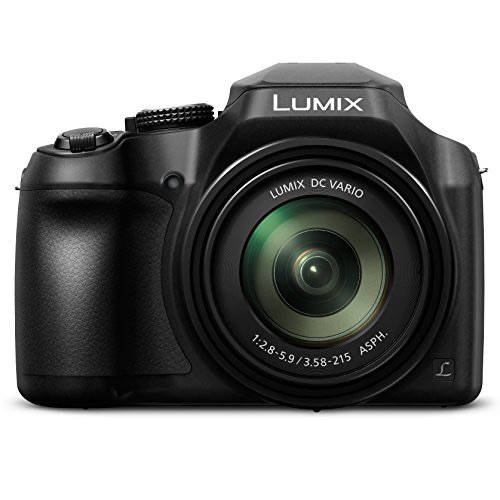
60x optical zoom covers 20-1200mm equivalent, enough to fill the frame with a fighter jet at altitude. 4K Photo mode lets you shoot 30fps video and extract 8MP stills from any frame after the fact. Touch-enabled LCD for quick focus adjustments. All-in-one package with no extra lenses to buy.
Best for: First-time airshow photographers who want maximum zoom at the lowest price
The FZ80 is the entry point for serious airshow photography. That 1200mm equivalent reach means you can fill the frame with a Blue Angels or Thunderbirds jet during a high-altitude pass that would be a speck through binoculars. The 4K Photo mode is particularly useful for beginners: shoot video of the entire pass, then go back and pull the best frame as a still image. It takes the timing pressure out of burst shooting.
Image quality cannot match the Canon SX70 or Nikon P950 below, particularly in low light or at maximum zoom where noise becomes visible. Battery life is also below average; budget for at least one spare battery for a full airshow day. But at $375 with no additional lens purchases required, it delivers more zoom-per-dollar than anything else on this list. If this is your first show and you are not sure how deep the photography rabbit hole goes, start here.
Canon PowerShot SX70 HS (65x Zoom)
~$600 on Amazon
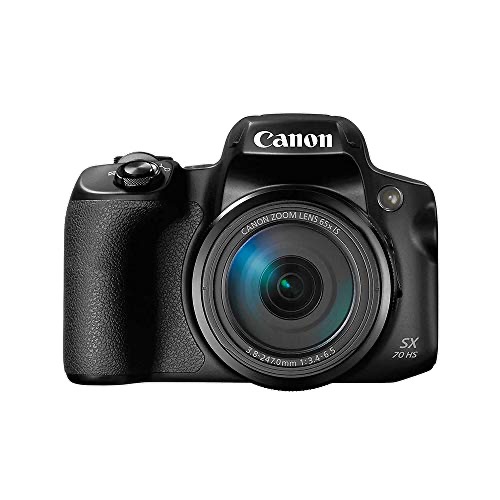
65x zoom reaches 1365mm equivalent with Canon's mature autofocus system. 10 fps burst mode captures fast-moving jets with minimal shutter lag. The swivel LCD flips up for overhead shots when aircraft are directly above, and RAW shooting gives you more editing headroom than JPEG alone.
Best for: Intermediate photographers who want better image quality and Canon's color science
Canon's image processing and autofocus tracking have a decade of refinement behind them, and it shows in the SX70's ability to lock onto a moving aircraft and hold focus through a pass. The 10 fps burst mode captures enough frames that you are almost guaranteed a sharp shot of a knife-edge pass or high-G pull-up. RAW shooting, missing on the FZ80, gives you the latitude to recover blown highlights from a bright sky in post-processing.
The sensor is still a small 1/2.3-inch chip, same as the FZ80 and P950, which means image quality will never match an interchangeable-lens camera with an APS-C or full-frame sensor. The electronic viewfinder resolution is also mediocre by 2026 standards, making it harder to judge focus in bright conditions. At $600, you are in range of used DSLR bodies that would deliver better per-pixel quality, but you would then need a $500+ telephoto lens on top. The SX70 keeps things simple.
Nikon COOLPIX P950 (83x Zoom)
~$775 on Amazon
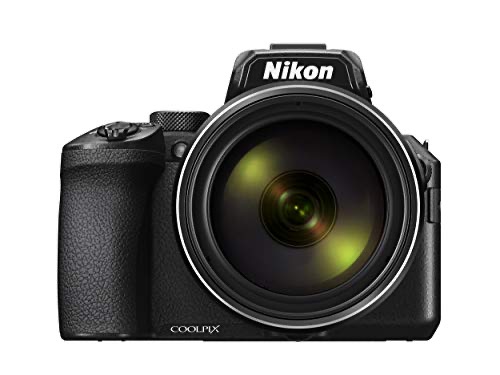
83x optical zoom reaches an absurd 2000mm equivalent, enough to read tail numbers at distances where other cameras see only dots. Dual Detect VR stabilization keeps things usable even at extreme magnification. A dedicated Bird Mode optimized for tracking small, fast subjects against sky backgrounds works just as well for fighter jets as it does for hawks.
Best for: Dedicated airshow photographers who want maximum reach from a single camera
2000mm equivalent zoom is borderline ridiculous, and at an airshow it is glorious. You can fill the frame with a fighter jet during a high-altitude pass that looks like a silver speck to the naked eye. The Bird Mode, designed for wildlife photography, tracks small fast subjects against a featureless sky, which is exactly the challenge of airshow photography. Pair it with Dual Detect VR stabilization and you get usable handheld shots at focal lengths that would require a tripod on any other system.
Three limitations to understand before buying. First, the small 1/2.3-inch sensor introduces visible noise at ISO 400 and above, which means late-afternoon shooting or overcast days push image quality downhill quickly. Second, at 1.5 pounds it is noticeably heavier than the FZ80 or SX70, and your arms will feel it after six hours of shooting. Third, there is no weather sealing, so rain delays mean putting the camera away. At $775, you are investing in zoom reach above all else. If that is your priority, nothing else in this price range comes close.
Tamron 18-400mm f/3.5-6.3 Di II VC HLD
~$550 on Amazon
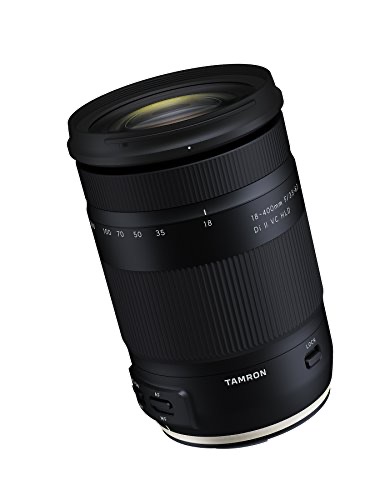
22.2x zoom range in a single lens covers everything from wide-angle static display shots at 18mm to tight in-flight framing at 400mm (640mm equivalent on APS-C). VC stabilization, HLD autofocus motor, and no need to change lenses all day on a dusty tarmac. Available in Canon and Nikon mount.
Best for: DSLR owners who want one lens for the entire airshow instead of swapping glass
If you already own a Canon or Nikon APS-C DSLR, this lens turns it into an airshow machine without carrying a bag full of glass. At 18mm you can photograph entire formation flyovers and static displays. Zoom to 400mm and you are pulling in solo demos from across the field. No lens changes means no dust on your sensor, which matters on a tarmac where jet blast kicks up grit constantly.
The compromise is aperture. At 400mm you are limited to f/6.3, which demands good light for fast shutter speeds. Late-afternoon demos or overcast days will push your ISO higher than you would like. Image quality at the extremes (18mm and 400mm) is also softer than dedicated prime or shorter zoom lenses. And of course you need a compatible camera body to mount it on, which adds $500+ if you do not already own one. For existing DSLR owners, though, this is the most practical single-lens airshow solution available.
SanDisk Extreme PRO 128GB SDXC Card
~$20 on Amazon
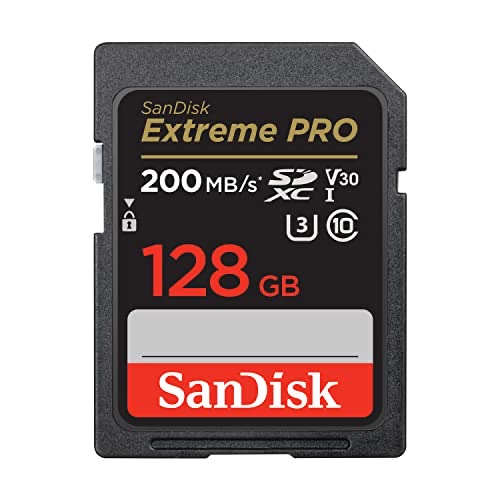
200MB/s read and 90MB/s write speeds keep up with 4K video and continuous burst shooting without buffer stalls. Shockproof, waterproof, and X-ray proof. At $20, grabbing two cards for an airshow is cheaper than missing a shot because your storage filled up.
Best for: Any airshow camera that takes SD cards
Nothing kills an airshow photography session faster than a full memory card during the headline demo. At 128GB, you can shoot roughly 6,000 RAW photos or 2+ hours of 4K video before filling up. The 90MB/s write speed clears the camera buffer quickly during burst shooting, so you are not waiting for the camera to catch up between passes.
One card may not be enough if you shoot 4K video of every demo. A full day of mixed stills and video can push past 128GB, especially shooting RAW. Bring a second card and swap at the lunch break. Format the card in your camera (not on a computer) before the show for best compatibility. At $20 per card, storage is the cheapest piece of your photography kit.
Comfort, Sun Protection, and Hydration
The gear above is about enjoying the show. This section is about surviving it. Most airshows run six to eight hours on exposed concrete or grass with zero shade. Summer shows in the South regularly hit 95+ degrees on the tarmac. Heat exhaustion, sunburn, and dehydration are the most common reasons people leave early. Pack for comfort and you will still be enjoying the twilight demo when half the crowd has already retreated to their cars.
Columbia Bora Bora Booney Hat
~$30 on Amazon
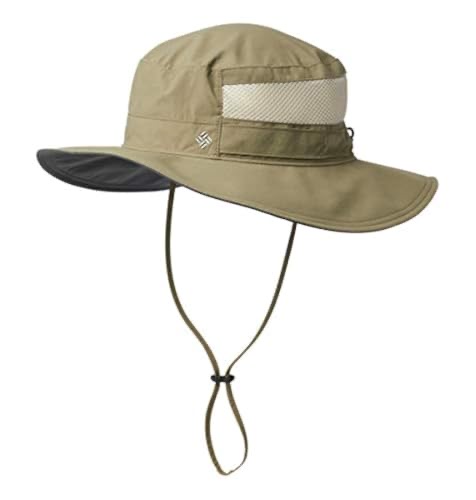
UPF 50 sun protection built into the fabric, not sprayed on. Mesh ventilation panels keep airflow going. Adjustable chin strap stays put when tarmac wind picks up. Wide brim covers ears and neck, the two areas most people forget to sunscreen.
Best for: All-day sun protection without constant sunscreen reapplication on your head and neck
A baseball cap protects your forehead and nothing else. A booney hat covers your ears, neck, and the sides of your face, which are the areas that burn worst during a full day staring upward at the sky. Columbia's Omni-Shade UPF 50 blocks 98% of UV, and unlike sunscreen it does not wear off or need reapplication.
Strong tarmac winds can catch the wide brim and flip it around, which is annoying when you are trying to look through a viewfinder. The chin strap solves this, but some people find it uncomfortable. If you are primarily a photographer and need an unobstructed view through an EVF, a baseball cap may work better, paired with sunscreen on your ears and neck. For everyone else, the booney is the superior airshow hat.
ALPS Mountaineering King Kong Chair
~$80 on Amazon
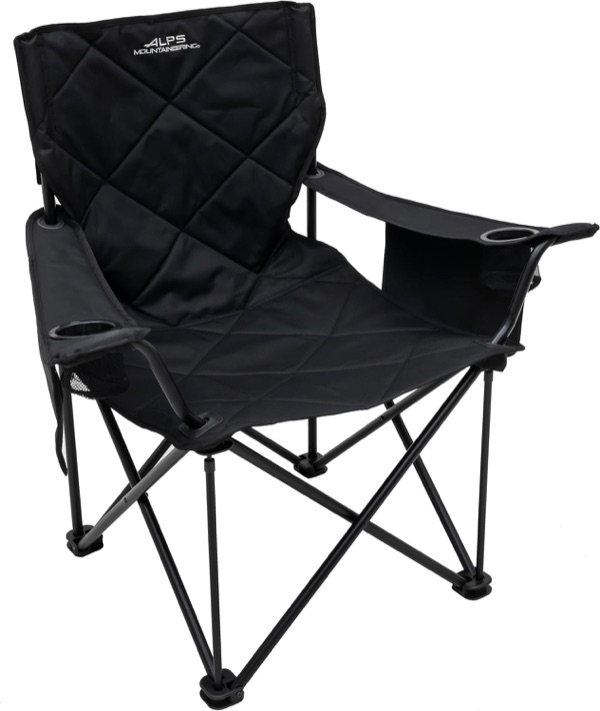
Built like a piece of furniture rather than a camp chair. 800-pound capacity means it supports any body type without flexing. Two cup holders, mesh side pockets for sunscreen and earplugs, and 600D polyester fabric that will outlast years of airshows. Sits higher than most camp chairs for easier standing up.
Best for: People who want real comfort and are willing to carry the weight
After four hours on your feet, a good chair changes your entire airshow experience. The King Kong sits at a normal chair height, unlike low-slung camp chairs that leave you struggling to stand back up when a surprise demo starts. The 800-pound capacity is not marketing fluff; the steel frame is overbuilt, and large adults will appreciate not hearing creaking from a chair rated for 225 pounds.
Weight is the downside. At 13 pounds, this is not a chair you want to carry half a mile from the parking lot. If you have a wagon or can park close, it is worth every ounce. Some airshows also restrict chair types or sizes in premium viewing areas, so check the venue rules before you go. For events with long walks or strict chair policies, the Helinox Chair One below is the lightweight alternative.
Helinox Chair One
~$110 on Amazon
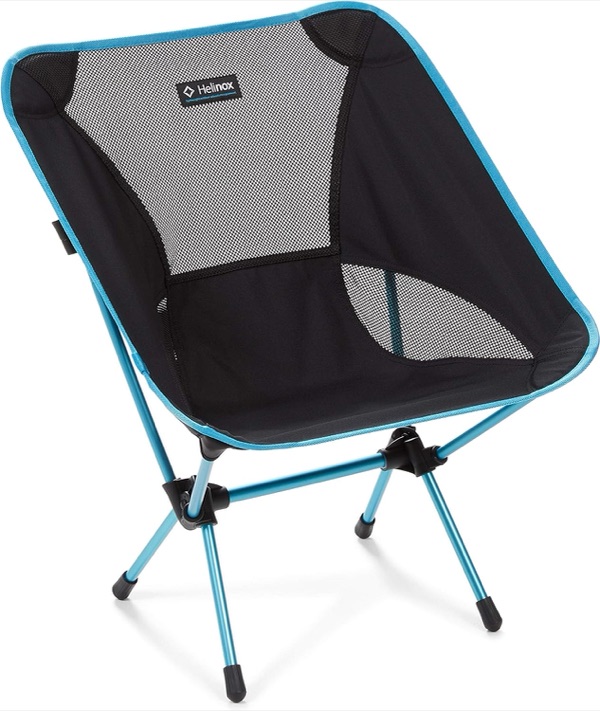
Packs down to 14 inches by 4.5 inches and weighs 2.1 pounds, lighter than most water bottles. Assembles in 30 seconds with shock-corded aluminum poles. Supports 320 pounds despite weighing almost nothing. Fits in a backpack or clips to the outside.
Best for: Long walks from parking to the flight line, or airshows with strict chair size limits
When the parking lot is a mile from the flight line and you are already carrying a camera bag, binoculars, and a cooler, chair weight matters. The Helinox fits inside or strapped to a backpack and you barely notice it is there. Assembly is intuitive with shock-corded poles that snap together like a tent frame. At 320 pounds capacity, it handles most adults without issue.
Two significant trade-offs to accept. It sits very low to the ground, which makes standing up quickly more difficult and puts your head below the crowd when seated. And there are no cup holders, side pockets, or armrests, which is a lot to give up at $110 when the ALPS chair above costs $30 less and has all of those things. You are paying purely for the weight savings. Worth it if you walk far. Not worth it if you park 100 yards away.
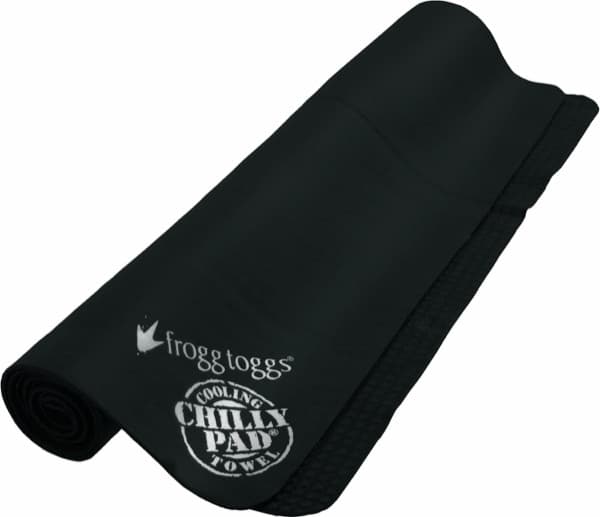
Frogg Toggs Chilly Pad Cooling Towel
~$10 on Amazon
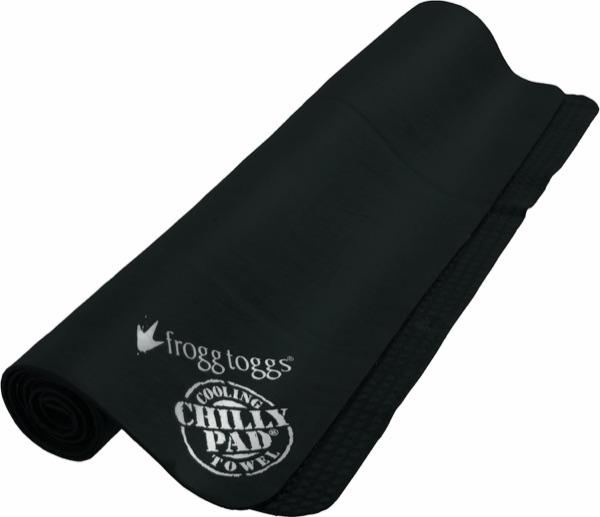
Soak it in water, wring it out, and drape it around your neck. Evaporative cooling drops the temperature up to 30 degrees below ambient. Reactivate anytime by re-wetting. Machine washable. Weighs almost nothing in your bag.
Best for: Summer airshows where heat is the main enemy
At $10, a cooling towel is the highest-impact-per-dollar item on this list for summer shows. Draping a wet towel around your neck drops your core temperature noticeably within minutes. At shows in the South where tarmac temperatures hit 130+ degrees, this is the difference between lasting through the headline demo and retreating to your car at 2 PM.
It needs water to function, which means either bringing extra water for re-wetting or finding a vendor. Once it dries out, it becomes stiff and loses all cooling effect until re-soaked. It also drips when freshly activated, so keep it away from camera gear. For $10, pack one for every person in your group.
Coppertone Sport SPF 50 Sunscreen (2-Pack Spray)
~$17 on Amazon
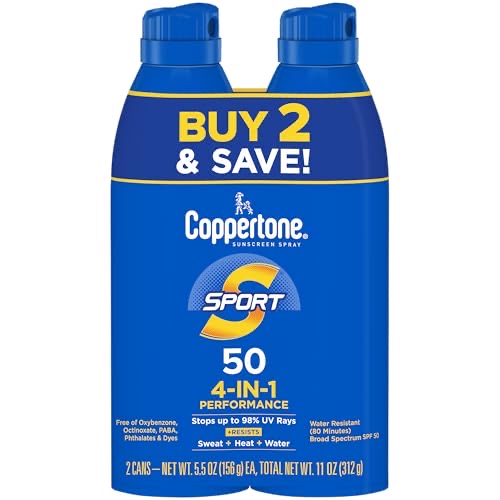
Spray application means no greasy hands on camera lenses and binocular eyepieces. Water-resistant for 80 minutes. Two cans last a full day with reapplication. SPF 50 blocks 98% of UVB rays.
Best for: Photographers and optics users who cannot afford greasy fingers
Spray sunscreen exists for exactly this scenario: applying protection without coating your hands in grease that then transfers to every piece of equipment you touch. Apply before you leave home (sunscreen needs 15-20 minutes to bind to skin) and reapply every two hours. Do not skip the tops of your feet if you are wearing sandals, and do not forget the back of your hands.
Some airshows prohibit aerosol cans in their security guidelines, so check the venue's prohibited items list before packing spray sunscreen. Wind also scatters spray application, which wastes product and annoys your neighbors. In windy conditions, spray into your palm and rub it on like lotion. Not as convenient, but it works.
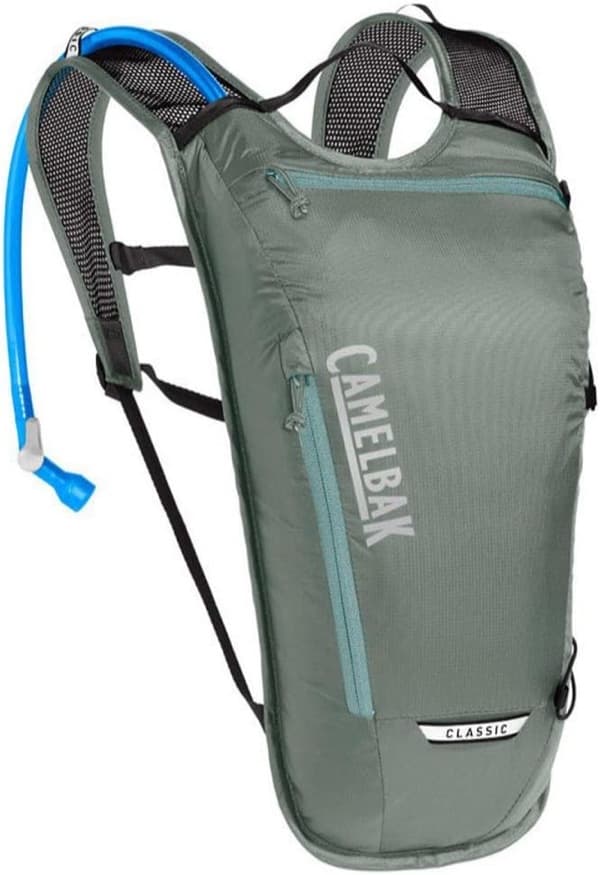
CamelBak Classic Light 70oz Hydration Pack
~$65 on Amazon
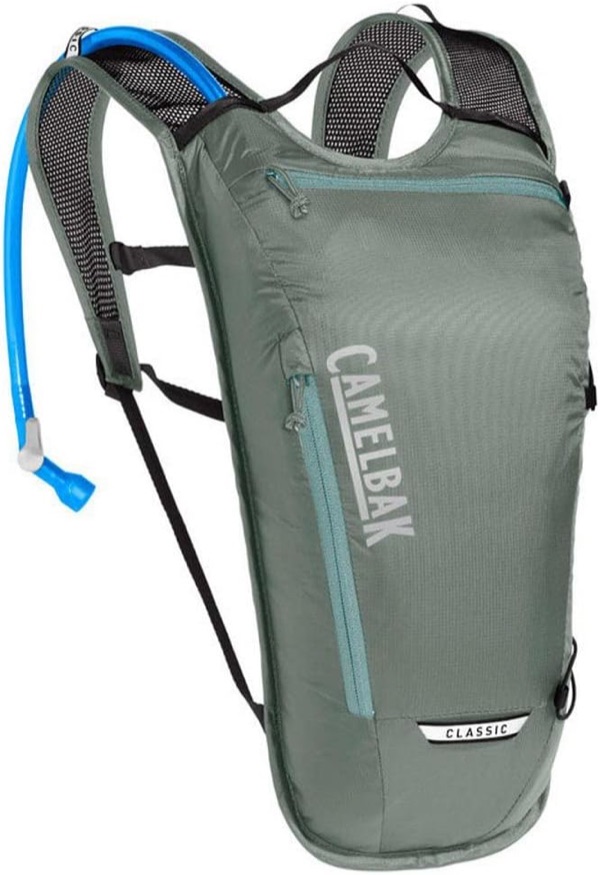
2-liter reservoir with a bite-valve hose for hands-free drinking. Quick-disconnect reservoir lifts out for easy filling and cleaning. Front pocket holds a phone and small essentials. Lightweight mesh back panel reduces sweat buildup.
Best for: Staying hydrated without putting down your camera or binoculars every 15 minutes
Dehydration sneaks up on you at airshows. You are focused on the flying, the sun is cooking you from above and reflecting off concrete below, and by the time you feel thirsty you are already behind on fluid intake. A hydration pack with a bite valve lets you sip constantly without putting down your gear or missing a second of the show. Freeze the reservoir halfway full the night before and add water in the morning for ice-cold hydration that lasts hours.
At 2 liters, this pack may not be enough for a full summer day. Plan to refill at least once if temperatures are above 85 degrees. Cargo space is also minimal since the reservoir takes up most of the pack, leaving just a small front pocket for essentials. If you need to carry snacks, extra batteries, and spare memory cards, a larger daypack with a hydration sleeve might be more practical. For pure hydration focus, though, the CamelBak's bite-valve system is the most convenient option at an airshow.
Nikon Lens Cleaning Cloth
~$8 on Amazon
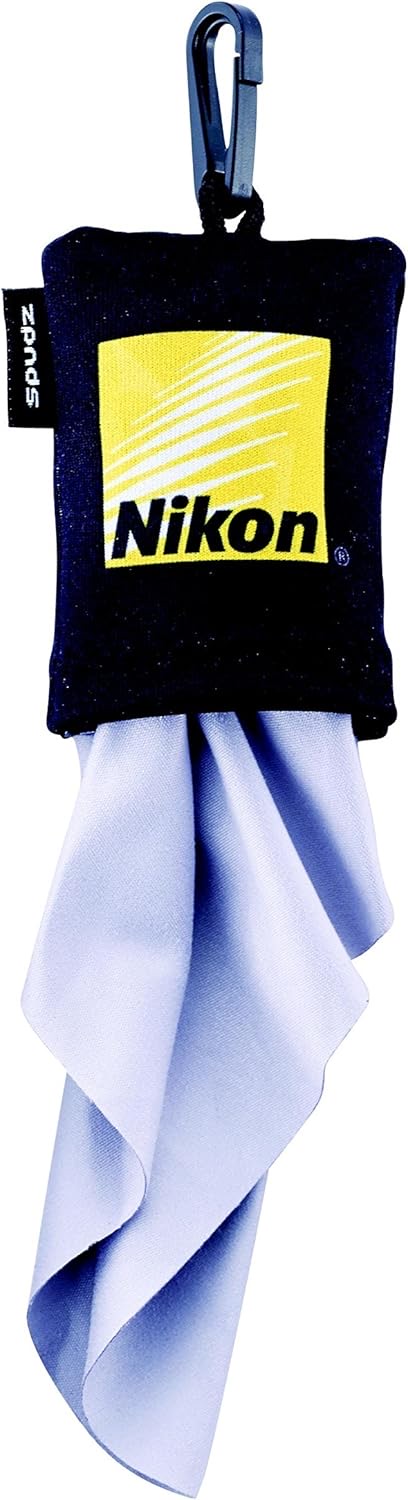
Microfiber cloth safely cleans coated optics without scratching. Works on camera lenses, binocular eyepieces, sunglasses, and phone screens. Compact enough to keep in a pocket all day.
Best for: Anyone bringing optics of any kind to an airshow
Airshows are dusty. Jet blast kicks grit across the tarmac, sunscreen transfers from your face to binocular eyepieces, and fingerprints accumulate on every optical surface you touch. A proper microfiber cloth handles all of it without scratching the coatings on your lenses.
Do not use a cotton t-shirt or paper towel on coated optics. Cotton fibers are abrasive enough to create micro-scratches over time, and paper towels are worse. At $8, a dedicated lens cloth is cheap insurance for your $130 binoculars and $375 camera. Keep it in a ziplock bag in your pocket so it stays clean between uses.
Airshow Day Packing Checklist
Print this list or screenshot it before your next show. Organized by priority so you pack the essentials first, even if you are running late.
Hearing Protection (Pack First)
- Electronic earmuffs (fresh batteries installed)
- Foam earplugs (2-3 pairs per person as backup)
- Kids earmuffs if bringing children
Optics and Photography
- Binoculars or monocular
- Camera with fully charged battery
- Spare camera battery (charged)
- Memory cards (formatted, 128GB+ recommended)
- Lens cleaning cloth in a ziplock bag
- Aviation scanner with charged batteries (see our scanner guide)
Sun and Heat Protection
- Sunscreen SPF 50+ (applied before arrival)
- Wide-brim hat or booney hat
- Sunglasses (polarized preferred)
- Cooling towel
- Light-colored, moisture-wicking clothing
Hydration and Food
- Hydration pack or 2+ water bottles (frozen overnight)
- Snacks (granola bars, trail mix, fruit)
- Cash for vendors (some do not take cards)
Comfort
- Folding chair (check venue rules on size)
- Comfortable broken-in shoes (you will walk miles)
- Light rain jacket (weather changes fast)
- Small backpack or bag to carry everything
Essentials
- Tickets (digital or printed)
- Phone with airshow app downloaded
- Portable charger / power bank
- ID (required at military base shows)
Do NOT Bring
- Drones (illegal within airshow TFRs, you will be arrested)
- Umbrellas (block views behind you, some venues prohibit them)
- Glass bottles (prohibited at most venues)
- Pets (extreme noise, heat, and crowds are dangerous for animals)
- Large coolers (many venues restrict cooler size)
- Laser pointers (federal crime to point at aircraft)
First-Timer Tips for Your First Airshow
Arrive early. Gates typically open 1-2 hours before the flying starts. Early arrival means closer parking, better viewing spots, and time to walk the static displays before the crowds build. At major shows like Oshkosh or the Miramar Air Show, the difference between arriving at gate-open versus an hour later can be a 30-minute walk from your car.
Check prohibited items before packing. Every airshow has its own rules. Military base shows are stricter than civilian airport events. Some ban backpacks over a certain size, folding chairs, or outside food. Look up the venue's FAQ page the week before and adjust your packing list.
Apply sunscreen before you leave home. Sunscreen needs 15-20 minutes to bond to your skin before it reaches full effectiveness. If you wait until you arrive, you are unprotected during setup and the walk from parking. Reapply every two hours regardless of the SPF rating.
Concrete tarmac amplifies everything. UV reflects off light-colored concrete, hitting you from below as well as above. Temperatures on the tarmac surface can run 30-40 degrees hotter than the air temperature. Wear shoes with thick soles and avoid sitting directly on the pavement.
Download the airshow app. Most major shows now have apps with real-time schedules, performer bios, maps, and push notifications for schedule changes. If there is no app, photograph the printed schedule at the entrance so you have it on your phone all day.
Pair a scanner with electronic muffs. Plug an aviation radio scanner into your earmuffs' 3.5mm AUX jack and you can listen to the pilots communicating with the air boss in real time. It adds an entirely new dimension to the show. Our aviation radio scanner guide covers the best options and which frequencies to program.
Photograph the static displays first. Once the flying starts, everyone crowds the flight line and the static display area empties out. Walk the static line early when it is uncrowded, photograph aircraft up close, and talk to the crews. By afternoon, the best static display photo opportunities are gone.
Airshow Gear FAQ
What ear protection do I need for an airshow?
At minimum, bring NRR 22+ earmuffs or NRR 33 foam earplugs for every person in your group. Military jet demonstrations produce 130+ decibels, which can cause permanent hearing damage in seconds. Electronic earmuffs like the Howard Leight Impact Sport (~$52) are the best option because they block dangerous noise levels while amplifying PA announcements and conversation. For maximum protection during afterburner passes, wear foam earplugs underneath electronic muffs.
Are binoculars worth bringing to an airshow?
Yes. Even at shows where jets fly low, half the action happens at distances where the naked eye misses details: tail numbers, formation spacing, cockpit details, and high-altitude passes. An 8x42 pair like the Nikon Prostaff P3 (~$130) is the sweet spot for airshows. The 8x magnification is easy to hold steady while standing, and 42mm lenses gather enough light for clear views all day. You will use them constantly and wonder how you ever went without.
What camera should I bring to an airshow?
Phone cameras cannot photograph aircraft in flight with useful results. You need at least 400mm of equivalent focal length, which means either a superzoom bridge camera or a DSLR/mirrorless with a telephoto lens. For beginners, the Panasonic LUMIX FZ80 (~$375) offers 60x zoom with no additional lens purchases. For DSLR owners, the Tamron 18-400mm (~$550) covers everything from static displays to flying demos in one lens. Shoot in burst mode and use the fastest shutter speed your light allows (1/1000s minimum for jets).
Can I bring a chair to an airshow?
Most airshows allow folding chairs, but check the venue rules first. Some restrict chair height, prohibit chairs in premium viewing areas, or ban chairs entirely in certain zones. Military base shows tend to be stricter. Low-profile chairs are the safest bet if rules are unclear. If chairs are not allowed, a folding blanket or sit pad takes up almost no space and keeps you off hot pavement during breaks.
How do I photograph fast-moving aircraft?
Use Shutter Priority mode (S or Tv) and set your shutter speed to at least 1/1000s for jets and 1/500s for propeller aircraft. For propeller planes, dropping to 1/250s creates a motion-blurred prop disc that looks more dynamic than a frozen prop, but this takes practice. Use continuous autofocus (AF-C) so the camera tracks the moving aircraft. Shoot in burst mode and take far more photos than you think you need. Out of 100 shots of a fast pass, 5-10 will be sharp. Delete the rest later.
Should I bring hearing protection for my kids?
Absolutely. Children's hearing is more sensitive to noise damage than adults, and airshow volumes are dangerous for unprotected ears of any age. For infants and toddlers, Baby Banz earmuffs (~$20) are designed for small heads and stay on well. For kids 5 and older, adult electronic muffs in the smallest setting usually fit. Do not rely on children to keep foam earplugs inserted properly since they tend to pull them out. Over-ear muffs are more reliable for kids.
What should I NOT bring to an airshow?
Never bring drones (illegal within airshow Temporary Flight Restrictions and will result in arrest and FAA fines). Leave pets at home since extreme noise, heat, and dense crowds are dangerous for animals. Skip umbrellas because they block views for people behind you and some venues prohibit them. Do not bring laser pointers, which are a federal crime to point at aircraft. Check the venue's prohibited items list for specifics on glass bottles, cooler sizes, and bag restrictions.
How early should I arrive at an airshow?
Plan to arrive when gates open, typically 1-2 hours before the flying program begins. Early arrival gets you closer parking (potentially saving a 30+ minute walk), first pick of viewing spots, and uncrowded access to static displays. At major shows like Oshkosh, the Sun 'n Fun Expo, or Miramar, arriving even 30 minutes after gate-open can mean significantly worse parking and viewing positions. Check the event website for gate times and plan your drive accordingly.
What should I wear to an airshow?
Light-colored, moisture-wicking clothing keeps you cooler than dark cotton. Wear comfortable broken-in shoes with thick soles since you will walk several miles on hot pavement. A wide-brim hat covers your ears and neck better than a baseball cap. Bring a light rain jacket even if the forecast looks clear because weather changes fast. Avoid open-toed sandals since your feet will burn on hot tarmac and you will regret it by afternoon.
Community Resources for Airshow Enthusiasts
Want to find upcoming shows near you or connect with other aviation fans? These are the best starting points.
- EAA AirVenture (Oshkosh) - The world's largest airshow. If you attend one aviation event in your lifetime, this is the one.
- ICAS (airshows.aero) - The International Council of Air Shows maintains the most complete airshow schedule and event database.
- r/aviation - Active Reddit community covering airshows, aircraft spotting, and aviation photography tips.
- r/airshowphotos - Dedicated subreddit for airshow photography with gear discussions and technique advice.
Related Guides
If you are building out your airshow kit, these related guides cover adjacent gear in more detail:
- Best Aviation Radio Scanners - Listen to pilot and ATC communications live during the show
- Best Gifts for Military Enthusiasts - More gear ideas for aviation and military fans
- Blue Angels vs. Thunderbirds - How the Navy and Air Force demo teams compare
- 50 Best Military Aircraft Ranked - Know what you are looking at during heritage flights