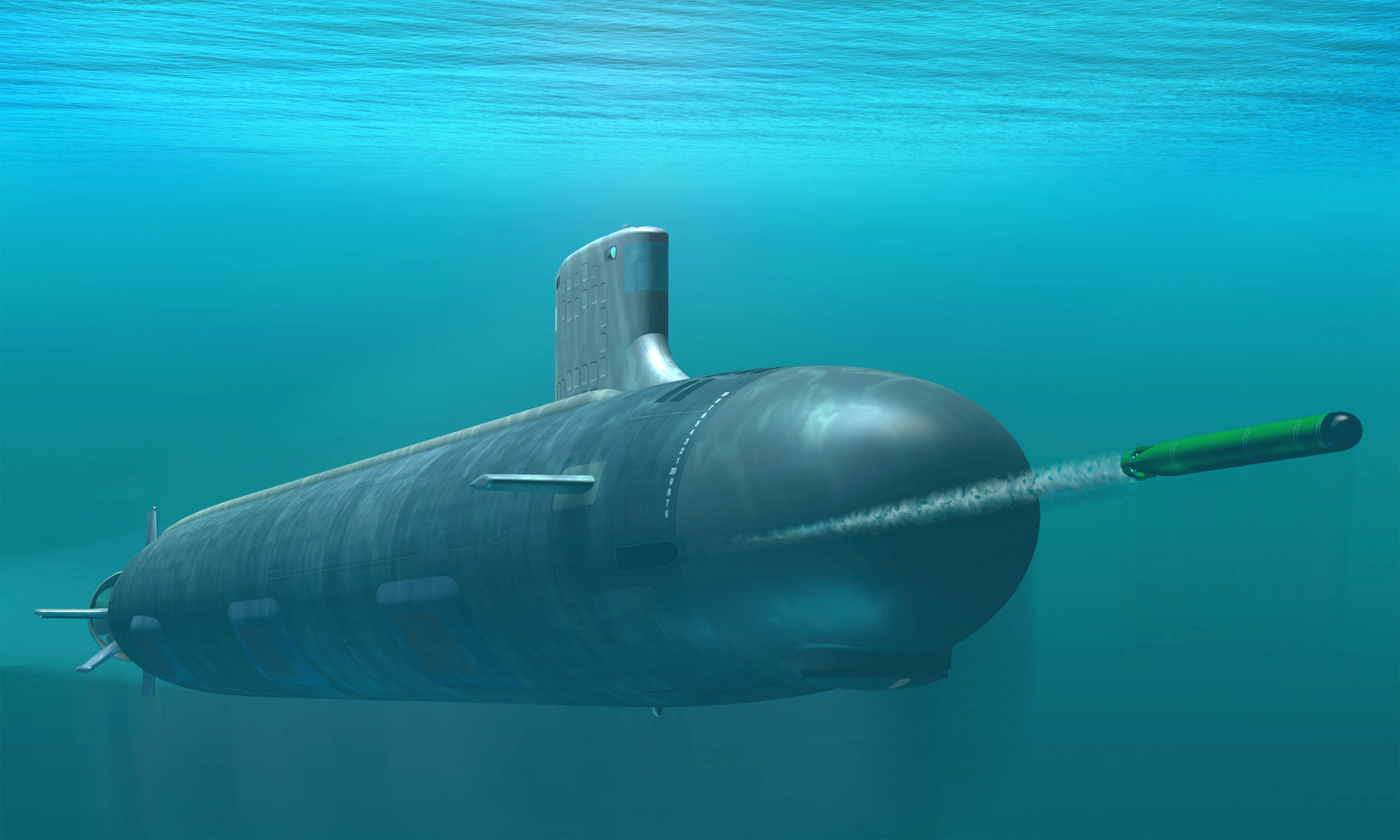
The Virginia class was designed to do everything. Hunt enemy submarines in deep water. Launch cruise missiles at targets a thousand miles inland. Deploy Navy SEAL teams through a lockout chamber. Gather intelligence in shallow coastal waters where larger submarines cannot safely operate. Insert unmanned underwater vehicles into denied areas. And do all of it more quietly than any submarine in history. Since the first Virginia-class boat, USS Virginia (SSN-774), was commissioned in 2004, the class has grown into the most versatile attack submarine platform ever built, and the Navy considers it the cornerstone of American undersea dominance for the next 50 years.
Why the Navy Needed a New Submarine
The Virginia class exists because of two realities that converged in the 1990s. First, the Seawolf class, the most capable attack submarine ever designed, was too expensive to build in the numbers the Navy needed. Each Seawolf cost approximately $3 billion in 1990s dollars, and only three were built before the program was terminated. Second, the Los Angeles class, which formed the backbone of the submarine fleet with 62 boats, was aging and needed a replacement that could operate in the post-Cold War environment of littoral (coastal) warfare, not just deep-ocean anti-submarine combat.
The Virginia class was designed from the outset to balance capability with affordability. General Dynamics Electric Boat and Huntington Ingalls Newport News Shipbuilding share construction, with each yard building alternating sections that are then assembled at Electric Boat in Groton, Connecticut. This dual-yard approach distributes work, maintains two industrial bases, and has steadily reduced construction time and cost.
The target price per boat was approximately $2 billion, a significant reduction from the Seawolf. As of recent boats, actual costs have risen above that target, but the Virginia class remains substantially cheaper than the Seawolf while providing most of its capability in a platform better suited to modern mission requirements.