


Why Bigger Militaries Don't Automatically Win Wars
Why military size doesn't guarantee victory in modern warfare.
james-holloway··32 min read
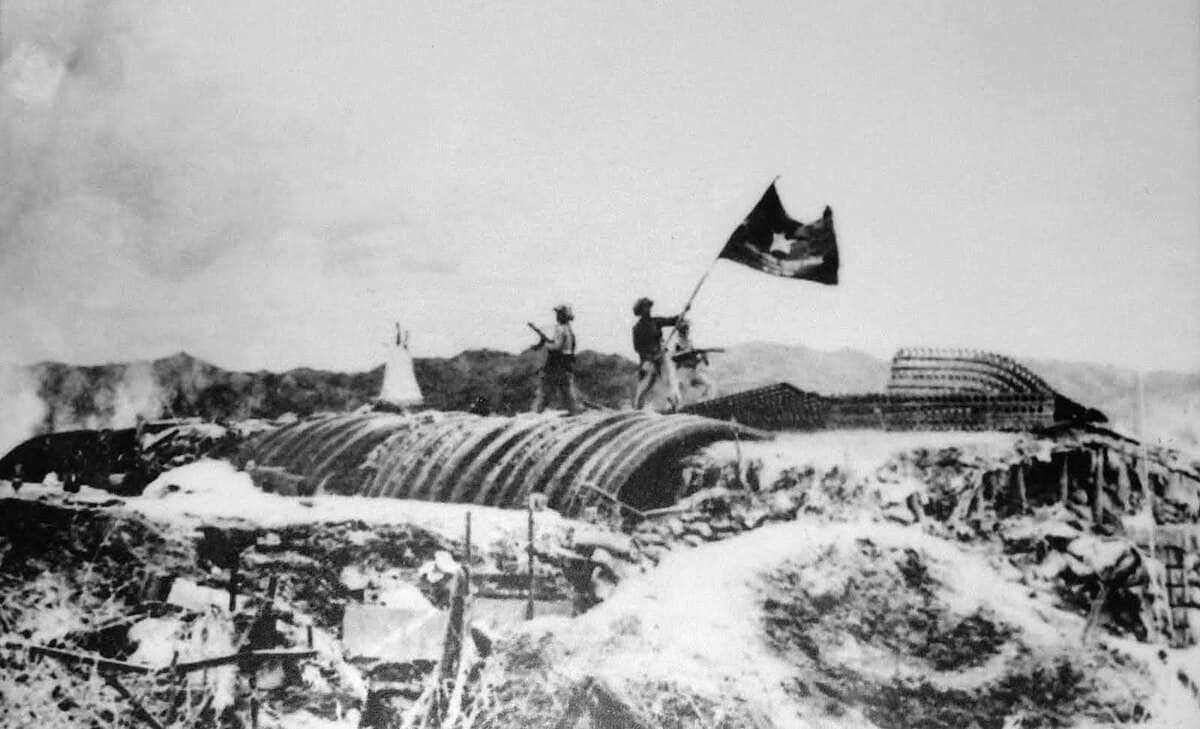
Viet Minh forces under General Vo Nguyen Giap launched the opening assault on the French fortified camp at Dien Bien Phu, bombarding Strongpoint Beatrice with artillery the French believed could never be hauled through the surrounding mountains. Beatrice fell in a single night, and the battle raged for 56 days until the French garrison surrendered, ending a century of French colonial rule in Indochina and setting in motion American involvement in Vietnam.
Related articleThe U.S. Congress passed a new Article of War forbidding Union Army officers from returning escaped slaves to their owners, effectively nullifying the Fugitive Slave Act within the military. The law was a critical step toward emancipation, nine months before the Emancipation Proclamation, and signaled the Union's evolution from fighting to preserve the Union to fighting against slavery.
Tsar Alexander II was mortally wounded when a bomb thrown by a member of the revolutionary group Narodnaya Volya exploded beneath his carriage in St. Petersburg. Alexander had abolished serfdom, modernized the Russian military after the Crimean War humiliation, and led Russia to victory in the Russo-Turkish War. His assassination triggered a reactionary crackdown that set the stage for the 1917 revolution.
Mahdist forces surrounded Khartoum, trapping British General Charles "Chinese" Gordon and the garrison inside the city. Gordon had been sent to evacuate Egyptian forces from Sudan but instead chose to defend the city against the Mahdi's army. The siege lasted 317 days, ending with the fall of the city and Gordon's death on January 26, 1885, two days before a British relief force arrived.
Italian Corpo Truppe Volontarie forces, approximately 35,000 troops sent by Mussolini to support Franco, launched an offensive toward Guadalajara during the Spanish Civil War. Republican forces, including the International Brigades, counterattacked and routed the Italians in one of the first major defeats of fascist forces in Europe, humiliating Mussolini and demonstrating that fascism could be beaten on the battlefield.
The Austrian government, now under Nazi control, formally proclaimed the union of Austria with the German Reich, completing the Anschluss that had begun with the military occupation the previous day. The annexation was ratified by a heavily manipulated plebiscite in April. The merger gave Germany control of central Europe and access to Austrian industrial and military resources.
The U.S. Army formally established its War Dog Program (K-9 Corps), designating dogs as part of the military force structure for sentry duty, scout patrols, messenger service, and mine detection. Over 10,000 dogs served in World War II. The program's descendants continue today, military working dogs have served in every subsequent conflict, including the Belgian Malinois that accompanied SEAL Team Six on the bin Laden raid.
SS Panzer Corps divisions launched their assault into Kharkov as part of Field Marshal Erich von Manstein's brilliant counteroffensive following the catastrophe at Stalingrad. The battle for the Soviet Union's fourth-largest city raged for days of savage street fighting as German forces fought to reverse the momentum of the Soviet winter offensive, widely considered one of the finest defensive counteroffensives in military history.
Related articleViet Minh forces under General Vo Nguyen Giap launched the opening assault on the French fortified camp at Dien Bien Phu, bombarding Strongpoint Beatrice with artillery the French believed could never be hauled through the surrounding mountains. Beatrice fell in a single night, and the battle raged for 56 days until the French garrison surrendered, ending a century of French colonial rule in Indochina and setting in motion American involvement in Vietnam.
Related articleThe New Jewel Movement, a Marxist-Leninist revolutionary group led by Maurice Bishop, overthrew the government of Prime Minister Eric Gairy in a nearly bloodless coup on the Caribbean island of Grenada. The revolution established a People's Revolutionary Government aligned with Cuba and the Soviet Union, setting the stage for the U.S. invasion of Grenada four years later.

Director of Central Intelligence
OSS officer during World War II who ran intelligence networks in occupied Europe. As CIA Director under President Reagan, he oversaw the covert war in Afghanistan against the Soviet Union, one of the most consequential intelligence operations of the Cold War that contributed to the Soviet Union's collapse.

Lieutenant, U.S. Navy
U.S. Navy officer who commanded submarine chasers during World War II. His wartime naval experience heavily influenced his later career as a science fiction writer and the founder of Scientology. His service record remains controversial, with sharp disagreements between official Navy records and his own accounts.

Emperor and Supreme Commander, Russian Imperial Forces
The "Tsar Liberator" who freed 23 million serfs, modernized the Russian military after the Crimean War, and led Russia to victory in the Russo-Turkish War of 1877-78. Assassinated by a revolutionary bomb in St. Petersburg. His death ended Russian reform and set the stage for the revolutions of 1905 and 1917.
Wear the Timeline
10 military events occurred on March 13, spanning multiple centuries. Key events include: The Siege of Dien Bien Phu Begins (1954), Third Battle of Kharkov: Manstein's Counteroffensive Reaches the City (1943), Confederate Congress Authorizes Arming Enslaved Men (1865), Congress Prohibits Military Return of Fugitive Slaves (1862), Siege of Khartoum Begins: Gordon Besieged by the Mahdi (1884).
The most significant military event on March 13 is The Siege of Dien Bien Phu Begins (1954). Viet Minh forces under General Vo Nguyen Giap launched the opening assault on the French fortified camp at Dien Bien Phu, bombarding Strongpoint Beatrice with artillery the French believed could never be hauled through the surrounding mountains. Beatrice fell in a single night, and the battle raged for 56 days until the French garrison surrendered, ending a century of French colonial rule in Indochina and setting in motion American involvement in Vietnam.
Notable military figures born on March 13 include William Casey (1913–1987), L. Ron Hubbard (1911–1986).
Events on March 13 span the Cold War, World War II, the Civil War, the Interwar Period, the Colonial & Revolutionary era, covering 10 events across 2 centuries of military history.
Events on March 13 involve 3 branches of the U.S. and allied armed forces, reflecting the global scope of military operations throughout history.
Explore military history from the day you were born.
June 6
The Allied invasion of Normandy, the largest amphibious assault in history.
December 7
Japan attacks the U.S. Pacific Fleet, bringing America into World War II.
September 11
The deadliest terrorist attack in history transforms U.S. national security.
August 6
The first atomic bomb is dropped on a city, ushering in the nuclear age.
May 8
Nazi Germany surrenders unconditionally, ending World War II in Europe.
November 11
Armistice Day marks the end of World War I and honors all who served.
June 4
The turning point of the Pacific War as the U.S. Navy destroys four Japanese carriers.
July 4
The Declaration of Independence is adopted, sparking the American Revolution.
Why military size doesn't guarantee victory in modern warfare.
Calvin Graham Was Youngest Decorated US Soldier at 12 Pearl Harbor Visitors Bureau “Green Boys” was a term given to soldiers who…
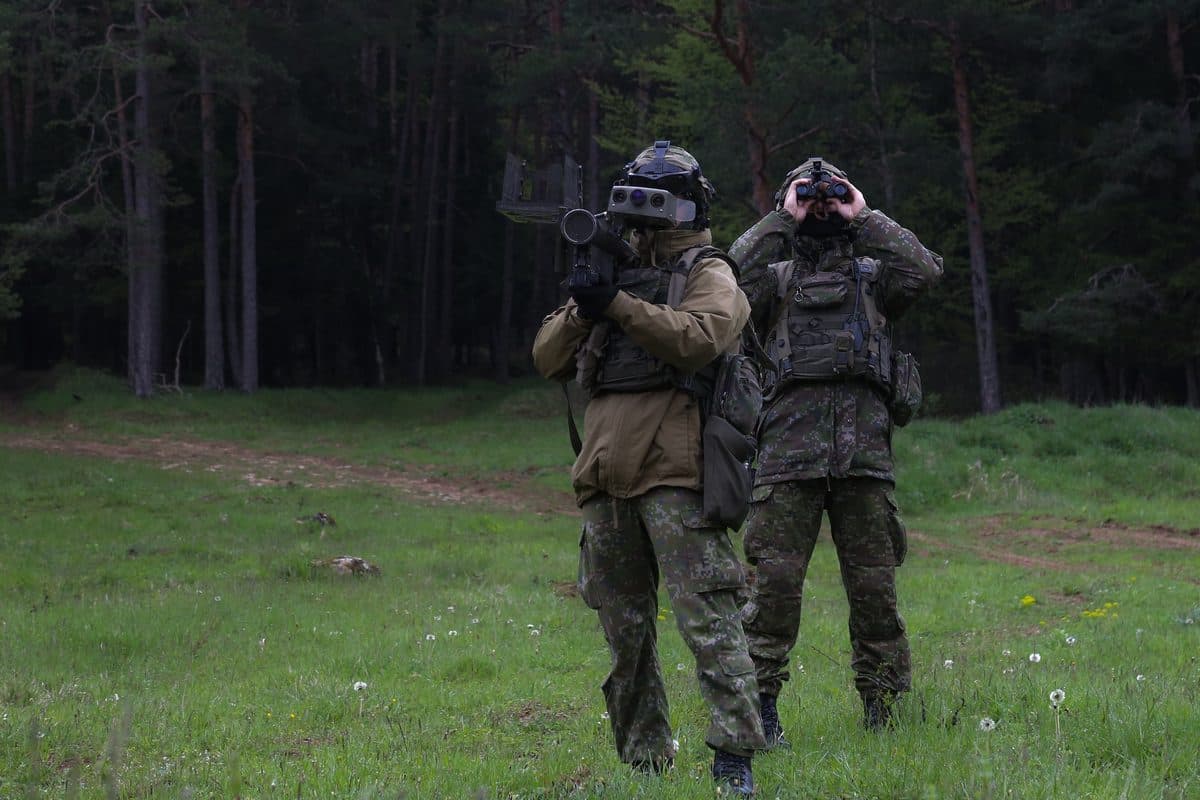
The FIM-92 Stinger helped win the Cold War by turning Afghan mujahideen into a credible anti-aircraft threat. By 2023, the United States almost ran out of them, because Raytheon stopped making them for 13 years, and the first 10 months of Ukraine support burned through the remaining stockpile.
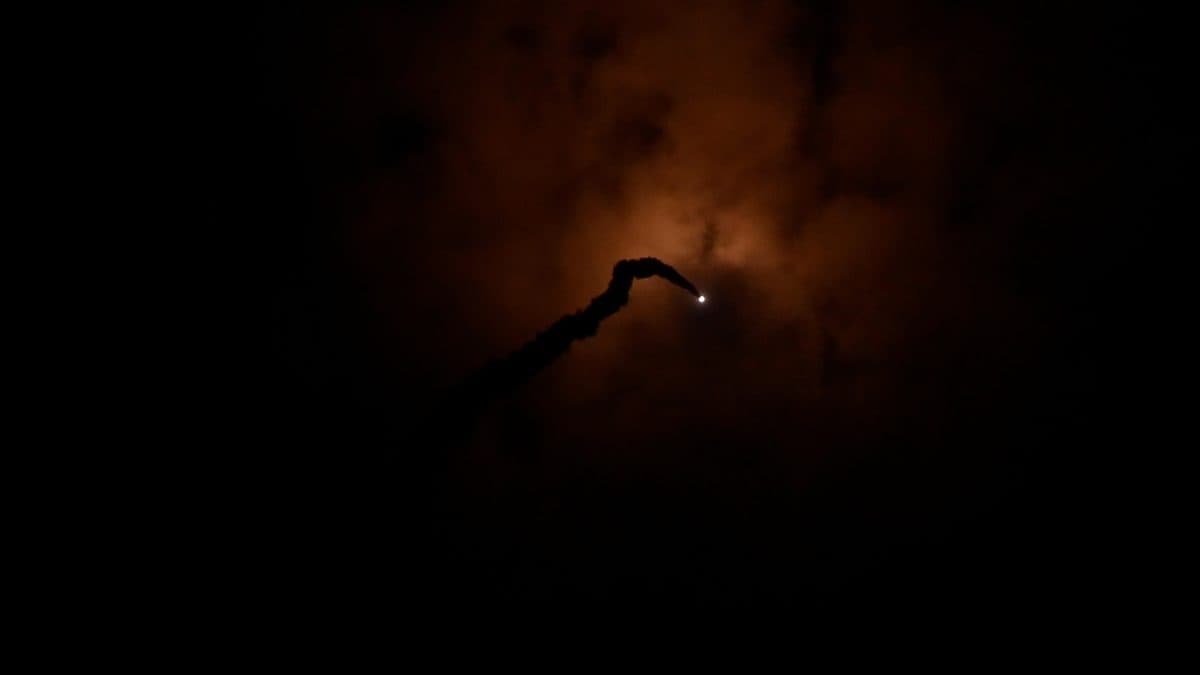
These weapons were built to fight a war that everyone prayed would never happen. The Minuteman III has been on alert since 1970. The Typhoon-class carried enough nuclear warheads to destroy a continent. The Davy Crockett could be fired by three soldiers. Most of them have been waiting for 40 years. Here are 10 Cold War weapons built exclusively for World War III.