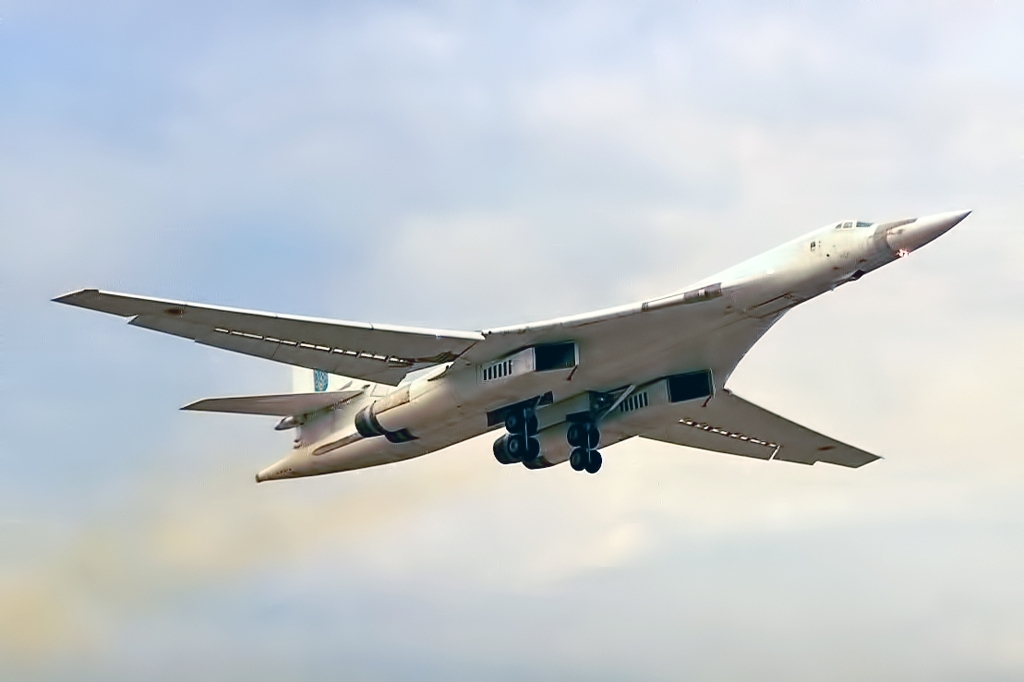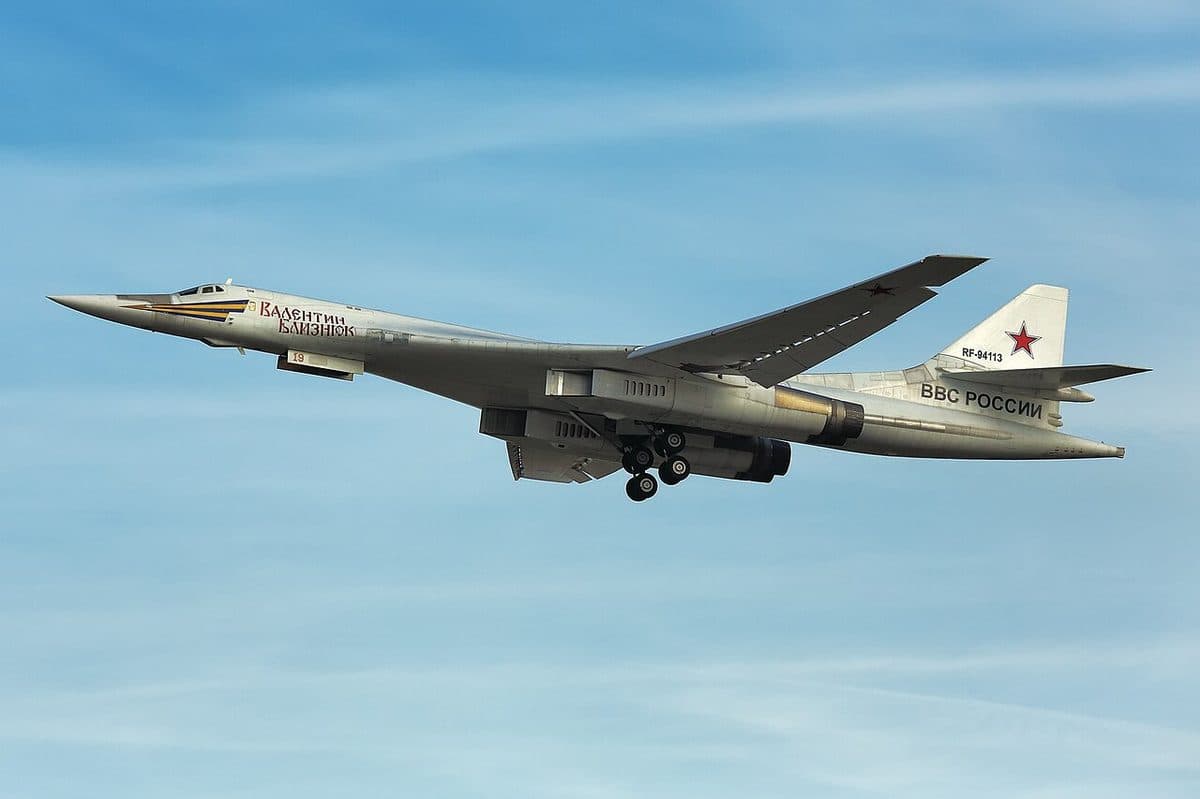

The Tupolev Tu-160 holds a collection of records that no other aircraft can match. It is the largest combat aircraft ever built. The heaviest combat aircraft ever built. The fastest strategic bomber in service. And the largest variable-sweep wing aircraft ever to fly. NATO calls it the Blackjack. Russian crews call it the White Swan, a name that suits the aircraft's distinctive all-white anti-flash paint scheme and surprisingly graceful lines for something that weighs 275 tons at takeoff. It is a Cold War machine that has outlived the Cold War, been modernized into the Tu-160M, returned to production, and launched cruise missiles in combat over Syria and Ukraine.
Cold War Origins
The Tu-160's development began in the early 1970s, when the Soviet Union recognized that its existing strategic bomber, the Tupolev Tu-95 Bear (a turboprop-powered holdover from the 1950s), could not survive against improving NATO air defenses. The Soviet military wanted a new strategic bomber that could penetrate enemy airspace at supersonic speeds and deliver nuclear weapons or cruise missiles against targets deep in the American homeland.
Two design bureaus competed for the contract. Myasishchev submitted the M-18, a blended wing-body design that bore some resemblance to the American B-1. Tupolev initially submitted a flying wing concept before pivoting to a more conventional variable-sweep wing design called the Aircraft 70, which would become the Tu-160. Sukhoi also submitted a proposal based on the T-4MS, a modified version of its Mach 3 reconnaissance aircraft. The Council of Ministers selected the Tupolev design in 1977, and the first prototype flew on December 18, 1981.
The timing is worth noting: the American B-1A had been cancelled by President Carter in 1977 and would not be revived as the B-1B until President Reagan took office. For a brief window, the Soviet Union was developing a supersonic strategic bomber while the United States had abandoned its own.