James Holloway writes about military readiness, logistics, and the practical limits of modern forces. His work focuses on how training, sustainment, and organizational decisions shape what militaries can actually do -- not just what they are designed to do on paper.
The modern military operates in a peculiar temporal paradox. On any given day, fifth-generation stealth fighters share airspace with bombers designed when propeller aircraft still dominated the skies. Soldiers deploy in armored vehicles conceived before the personal computer existed alongside robotic systems that would have seemed science fiction a decade ago. Aircraft carriers commissioned during one president's administration serve through half a dozen more. This simultaneity of eras, where cutting-edge systems operate alongside equipment their designers' grandchildren now maintain, represents not an anomaly or failure, but a fundamental characteristic of how military organizations actually function.
The civilian assumption tends toward straightforward replacement: new technology supersedes old, better systems replace inferior ones, modernization marches forward in predictable waves. This mental model works reasonably well for consumer products like smartphones, automobiles, and household appliances. Yet military equipment operates by different logic entirely, one shaped by factors that rarely appear in technology discussions: the irreplaceable value of proven performance, the hidden costs of transition, the inertia of institutional knowledge, and the strategic risks of wholesale change.
Understanding why militaries keep old equipment long after new systems exist requires examining this logic on its own terms. The answer reveals something important about how military organizations balance capability, risk, and operational continuity, and why the seemingly obvious choice to "just upgrade" often proves far more complex than it appears.
This analysis does not romanticize legacy systems or argue against modernization. Many platforms have genuinely exceeded their useful service lives. Some militaries cling to obsolete equipment for the wrong reasons: budget dysfunction, institutional politics, or simply inertia. The goal here is to explain the rational calculations that often underpin retention decisions, while acknowledging where those calculations can fail.
The persistence of legacy equipment stems from multiple interconnected factors: proven reliability in actual operating conditions, existing logistics and supply chain infrastructure, trained personnel whose expertise took years to develop, doctrine refined through decades of exercise and combat experience, and the enormous cost and risk of transition. Each factor alone might be surmountable. Together, they create a powerful gravitational pull toward retention that new systems must overcome with demonstrated superiority, not merely theoretical advantage.
What follows examines each dimension of this equation, from the myth of straightforward replacement through the risks of holding on too long. The patterns described appear across aircraft, ground vehicles, naval platforms, and support systems. They transcend national boundaries and organizational cultures. Understanding them illuminates not only why old weapons persist, but why this cycle will continue as long as militaries exist.
The Myth of Straightforward Replacement
Consumer technology conditions us to expect linear replacement cycles. When a better smartphone arrives, the previous model becomes obsolete. Newer cars offer improved safety, efficiency, and features. Software updates automatically supersede previous versions. This mental model of technological progress, in which new replaces old and better displaces worse, seems so natural that applying it to military equipment appears obvious.
The assumption breaks down almost immediately upon examination. Military systems are not products but capabilities embedded within complex organizational ecosystems. Replacing a fighter aircraft means replacing not just the airframe, but the training programs, maintenance procedures, logistics chains, weapons integration, communications protocols, and tactical doctrine developed around it. Each represents years of institutional investment that cannot simply be transferred to a new platform.
Consider what replacement actually entails. A new aircraft requires:
Pilot training programs developed from scratch, since cockpit layouts, flight characteristics, and systems differ fundamentally
Maintenance technician certification programs covering new powerplants, avionics, structures, and subsystems
New ground support equipment, test systems, and specialized tooling
Redesigned supply chains for parts that share nothing with existing inventory
Weapons integration testing to certify munitions compatibility
Updated doctrine reflecting new capabilities and limitations
Infrastructure modifications to hangars, fuel systems, and maintenance facilities
Each element requires time, money, and organizational attention. During transition, units operate at reduced readiness as personnel learn new systems. Maintenance efficiency drops as technicians develop familiarity. Supply chains strain to support both legacy and new platforms simultaneously. The "simple" act of replacement creates years of organizational turbulence.
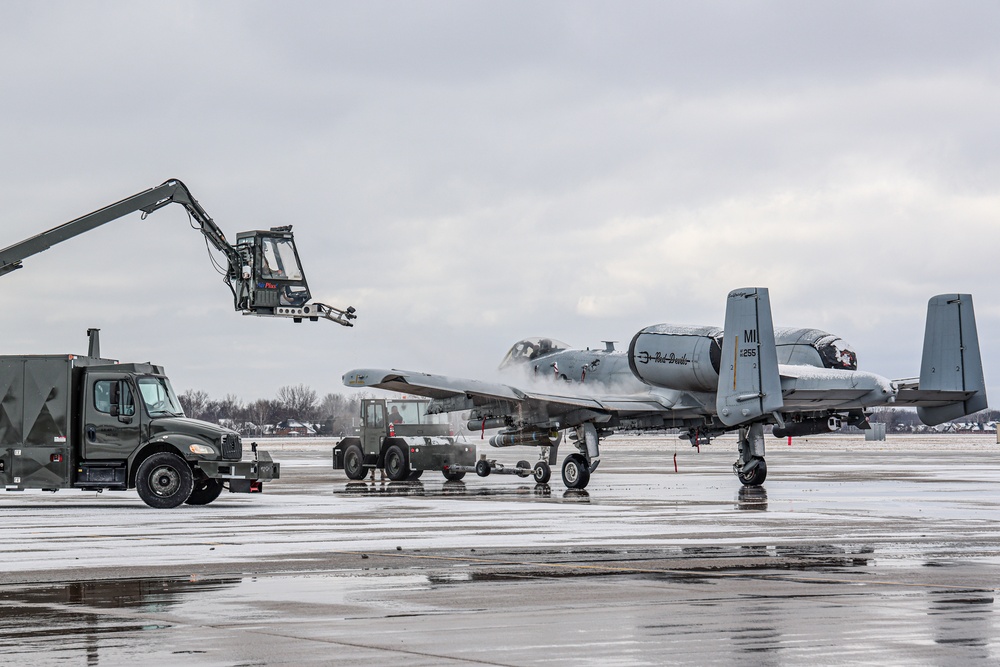
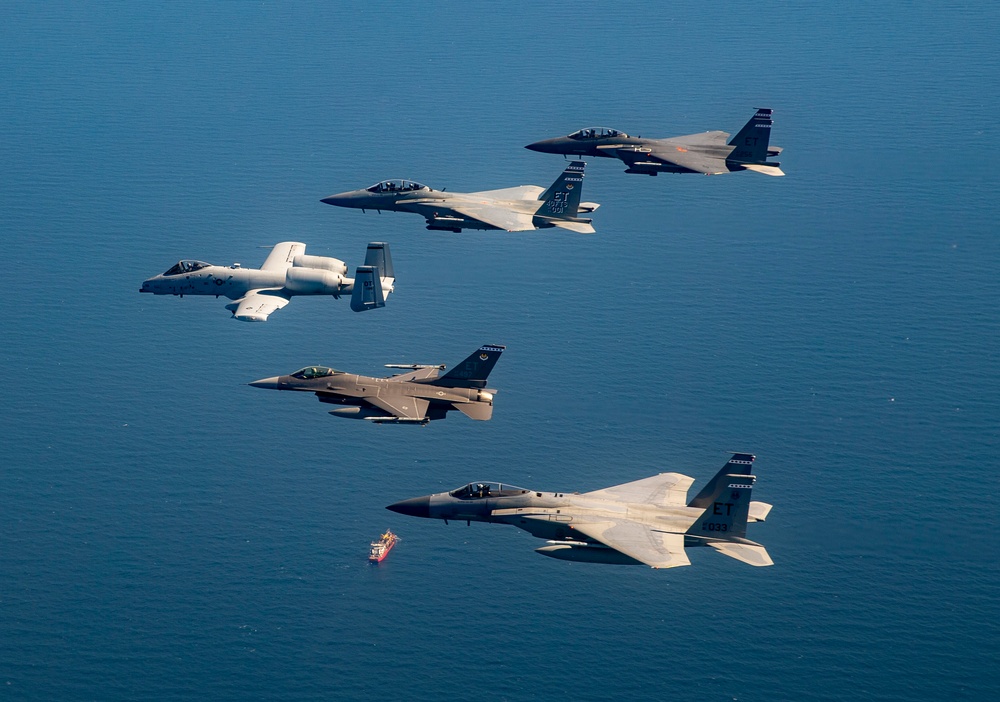
Aircraft maintenance requires specialized facilities, tooling, and trained personnel, all of which represent sunk investments that influence replacement decisions (U.S. Air Force photo)
New systems also create new dependencies. Cutting-edge avionics require specialized software support. Advanced materials demand novel repair techniques. Stealth coatings need controlled maintenance environments. Each "improvement" brings its own sustainment requirements. The legacy system being replaced, whatever its limitations, operated within a mature support ecosystem. Its replacement must build that ecosystem from scratch.
This reality explains why militaries often pursue incremental modernization rather than wholesale replacement. Upgrading existing platforms with new engines, modern avionics, and enhanced weapons preserves institutional knowledge while delivering improved capability. The airframe may be decades old, but the systems within it can approach current standards. This approach lacks the appeal of shiny new platforms, yet often represents the most efficient path to improved capability.
The myth of straightforward replacement also ignores opportunity costs. Resources devoted to one transition program cannot support others. A military replacing its fighter fleet simultaneously with its tanker fleet and its transport fleet faces compounding organizational strain. Sequencing replacement to manage transition burden means some platforms must remain in service longer than ideal, not from oversight, but from deliberate prioritization.
Reliability, Familiarity, and Proven Performance
Paper specifications tell only part of any weapon system's story. A fighter's rated speed, range, and payload matter, but so does how it actually performs when maintenance crews work in desert heat or arctic cold, when spare parts must arrive through contested logistics chains, when pilots fly fatigued after days of continuous operations. These operational realities rarely appear in brochures, yet they determine whether systems succeed or fail when tested.
Legacy systems offer something new platforms cannot: a track record. Decades of operational experience reveal how systems actually perform across the full range of conditions. Known failure modes allow preventive maintenance. Common problems have documented solutions. Performance characteristics are thoroughly understood. This predictability has military value independent of raw capability metrics.
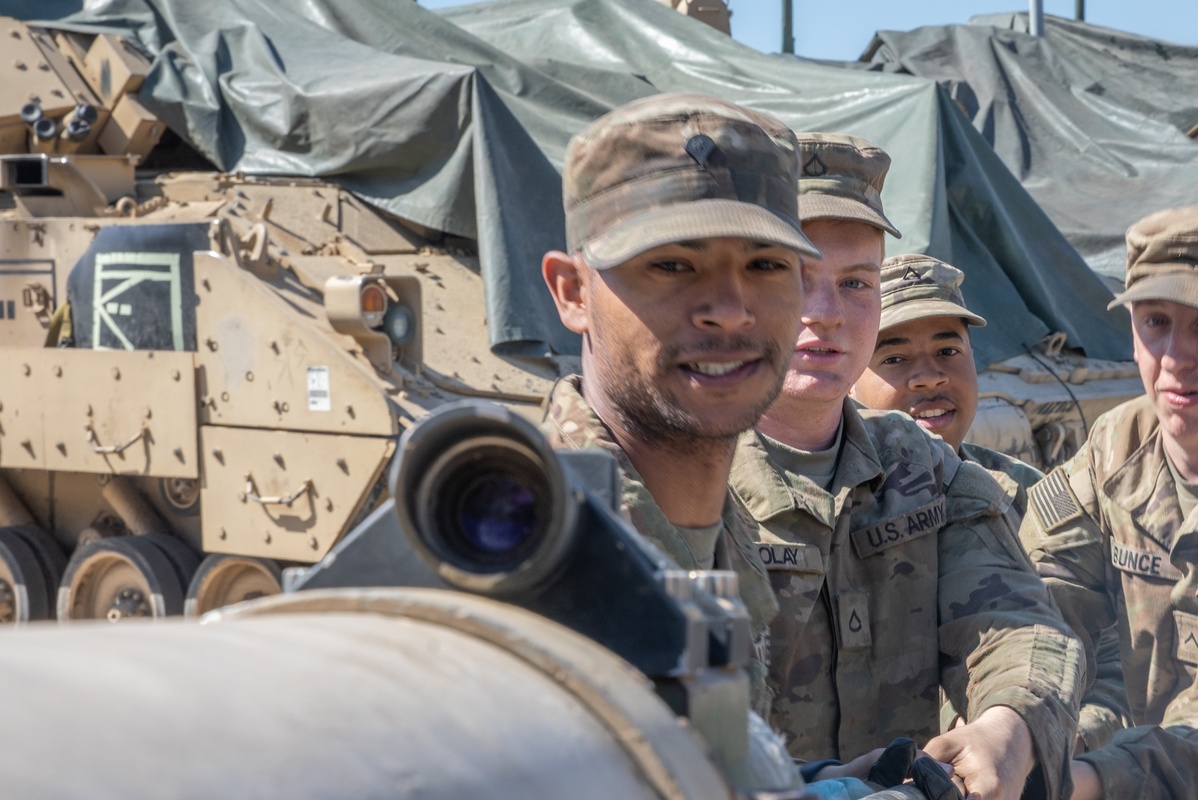
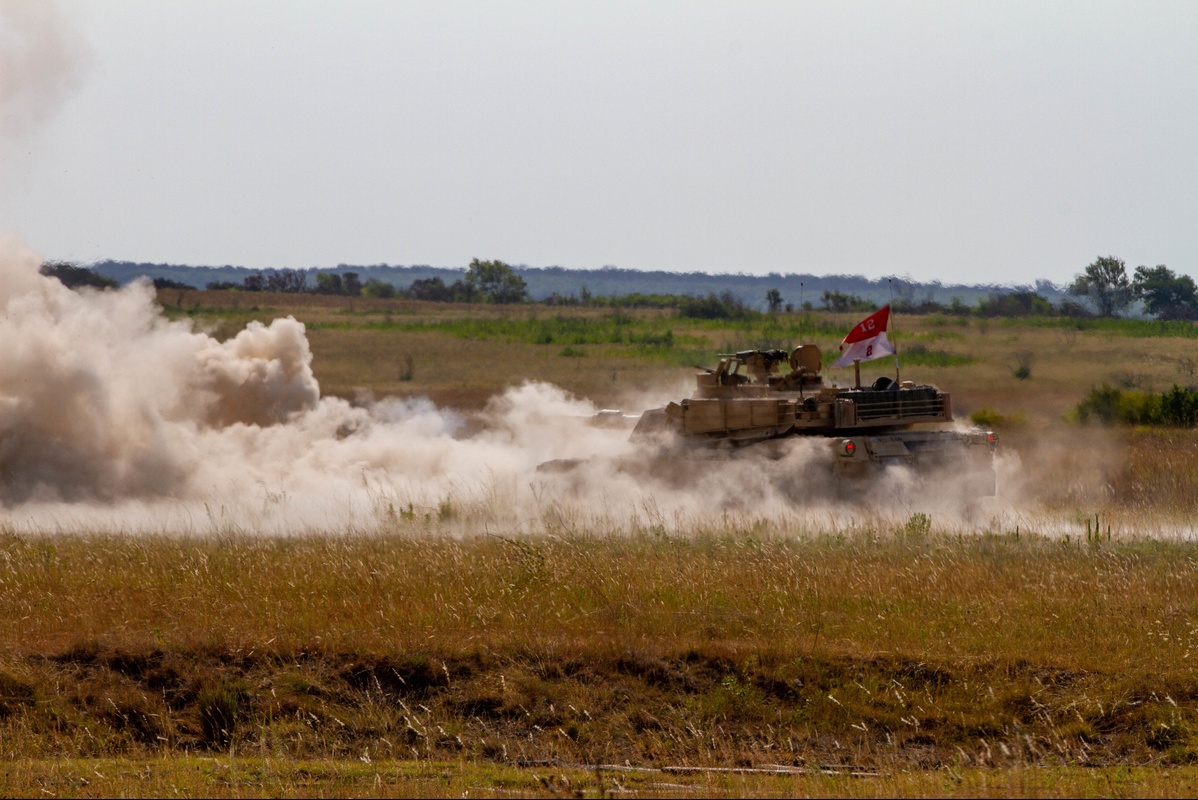
Tank crews develop intimate familiarity with their vehicles over years of training, knowledge that cannot be quickly transferred to new platforms (U.S. Army photo)
Consider reliability from a commander's perspective. A legacy aircraft might require more maintenance than its replacement, but its failure patterns are well-understood. Maintenance crews know which components to inspect closely, which warning signs precede problems, which workarounds exist for minor issues. This institutional knowledge, accumulated over decades, enables reliable mission generation even from aging equipment.
New systems, by contrast, present unknowns. Even thoroughly tested platforms reveal unexpected problems in operational service. Early production runs often require modifications as real-world use exposes design issues. Software systems need debugging that continues for years after initial fielding. The learning curve for new equipment includes discovering its quirks, limitations, and failure modes, knowledge that comes only through experience.
The military preference for proven performance reflects hard-won lessons. Systems that looked impressive in development have failed in combat. Technologies that worked in controlled conditions have collapsed under operational stress. The history of military procurement includes numerous examples of promising new systems that underperformed while legacy equipment they were meant to replace continued performing reliably.
This conservatism frustrates reformers who see legacy retention as bureaucratic inertia. Yet it reflects something important: when lives depend on equipment functioning correctly, theoretical superiority matters less than demonstrated reliability. The "good enough" legacy system that works predictably often beats the superior replacement that might work (or might not) in conditions never fully tested.
Familiarity compounds reliability advantages. Pilots who have flown thousands of hours in a particular aircraft understand its handling characteristics instinctively. Maintenance crews who have worked on the same platform for years diagnose problems faster. Operators who know their equipment's quirks extract performance beyond specification limits. This human dimension, the accumulated expertise of thousands of personnel, represents an asset that cannot transfer to new platforms overnight.
Training, Doctrine, and Human Capital
Military equipment does nothing without trained operators. A fighter aircraft is merely an expensive artifact until pilots learn to fly it, maintainers learn to service it, and controllers learn to direct it. The human capital invested in any weapon system (the collective expertise to operate it effectively) often exceeds the platform's purchase price many times over.
Training programs for major weapon systems require years to develop and refine. Initial qualification courses must be designed, instructor cadres must be trained, training devices and simulators must be acquired, and curriculum must be tested against actual student performance. A new aircraft program might require five to ten years between first flight and fully operational training capability.
Once established, training programs represent significant sunk investments. Simulators for legacy platforms, purchased at considerable expense, become worthless when the aircraft they emulate retire. Instructors who spent years mastering their systems must recertify on new platforms. Training bases configured for one aircraft type need reconfiguration for its replacement. These transition costs rarely appear in acquisition calculations but significantly affect total modernization expense.
Doctrine - the concepts governing how forces fight - evolves around available equipment. Tactics, techniques, and procedures (TTPs) develop through years of exercises, experiments, and sometimes combat. This doctrinal knowledge represents intellectual capital that must be rebuilt for new systems. How a new aircraft fits into established concepts of operation may require years of experimentation to fully understand.
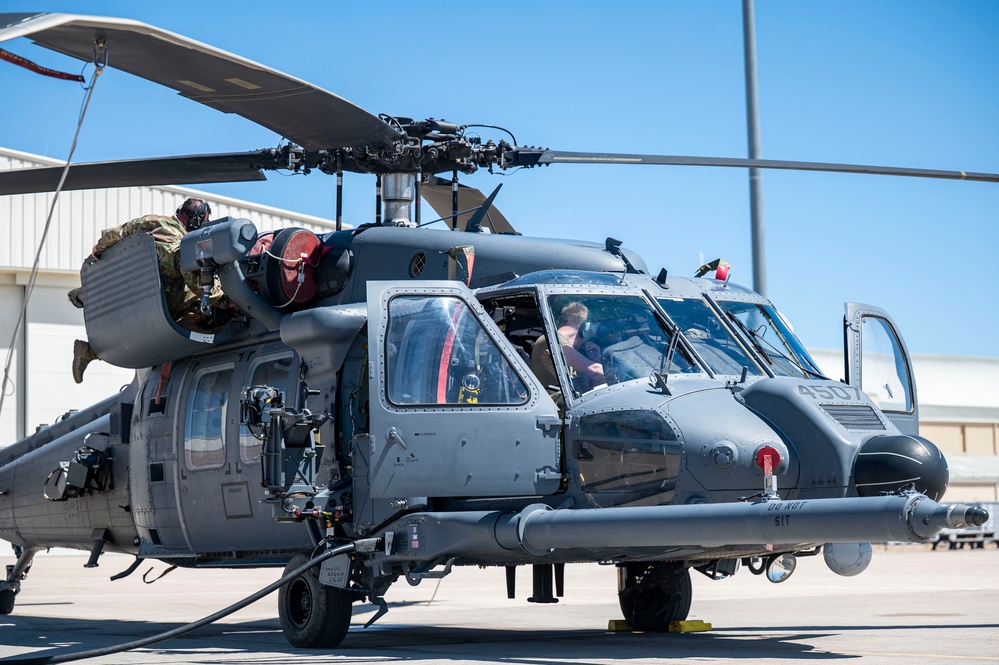
Maintenance expertise develops over years of hands-on experience, skills that cannot be instantly transferred when platforms change (U.S. Navy photo)
People ultimately represent the limiting factor. Even unlimited budgets cannot instantly create experienced operators. A pilot requires years of training before reaching combat-ready status. Maintenance technicians need extensive schooling followed by on-the-job learning. This human timeline constrains how quickly any transition can occur. The infrastructure to train personnel at scale takes years to establish and years more to reach peak effectiveness.
Military organizations increasingly recognize human capital as their scarcest resource. Recruiting, training, and retaining qualified personnel costs more and takes longer than procuring equipment. When a legacy platform retires, the expertise to operate it vanishes. This institutional knowledge cannot be preserved in manuals or databases; it exists only in the minds of those who gained it through experience. Each transition means losing irreplaceable expertise.
The doctrine lag deserves particular attention. New platforms often enable capabilities their predecessors lacked. Yet exploiting these capabilities requires doctrinal innovation, developing new ways to fight. This conceptual work proceeds slowly, hampered by institutional conservatism, limited experimentation opportunities, and the difficulty of thinking beyond established patterns. Many new systems spend their early years operated as expensive replacements for their predecessors, their unique capabilities underutilized.
Logistics and Sustainment Reality
Every military system exists within a logistics ecosystem: factories producing spare parts, warehouses storing them, transportation networks moving them, and maintenance facilities installing them. This ecosystem develops over decades and represents investment far exceeding the platforms it supports. The sunk cost of this infrastructure profoundly influences replacement decisions.
Spare parts supply chains for legacy platforms typically span the globe. Manufacturers maintain production lines or, when original production ends, support networks continue through licensed producers or reverse engineering. Warehouses around the world stock common components. Repair depots maintain capability to overhaul major assemblies. This network, built over decades, enables sustainment anywhere the platform operates.
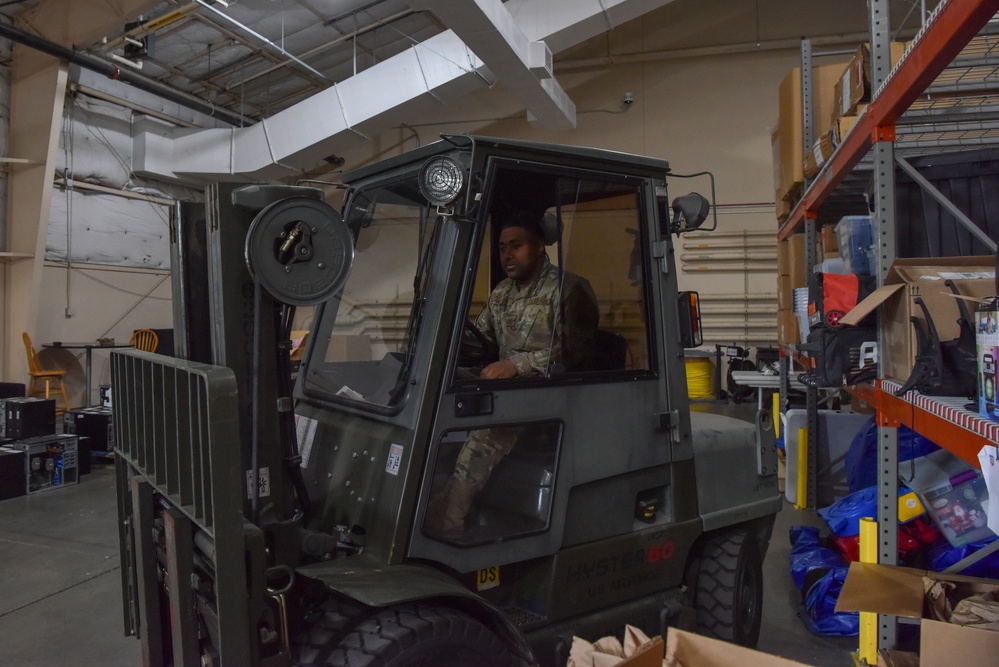
Military logistics infrastructure (warehouses, supply chains, distribution networks) represents decades of investment that influences equipment retention decisions (U.S. Army photo)
New systems lack this infrastructure. Supply chains must be established from scratch. Initial spare parts inventories must be purchased, often at premium prices during early production, without knowing actual demand rates. Maintenance facilities need new equipment and trained personnel. The logistics tail that makes operational capability possible takes years to fully develop.
Meanwhile, legacy logistics networks face their own challenges. As platforms age, original manufacturers discontinue parts production. Subcontractors go out of business. Technical drawings and specifications become difficult to locate. The military must either purchase lifetime buys of critical components, establish organic production capability, or accept increasing parts shortages. Each option carries costs and risks.
Maintenance tooling represents another lock-in factor. Specialized equipment for servicing legacy platforms, including test systems, ground support equipment, and calibration devices, represents significant investment. New platforms require new tooling that serves only them. During transition periods, units must maintain both sets of equipment, straining facilities and personnel. The physical infrastructure of maintenance often drives decisions as much as the equipment being maintained.
Interestingly, logistics considerations sometimes favor newer systems over legacy ones. As platforms age beyond their original design life, structural fatigue requires increasingly extensive inspection and repair. Older avionics depend on obsolete components that are difficult or impossible to procure. At some point, the total cost to sustain aging systems exceeds what newer, more efficient platforms would require. The challenge lies in identifying that crossover point accurately.
The logistics dimension explains why modernization often proceeds incrementally rather than through wholesale replacement. Upgrading engines, avionics, or weapons within existing airframes preserves established supply chains for structural components and major systems while introducing new elements gradually. This hybrid approach manages logistics transition more effectively than complete platform replacement.
Cost Is Not the Main Reason (But It Matters)
Budget constraints unquestionably influence equipment decisions. Yet framing legacy retention primarily as a cost issue misses important dynamics. The true picture involves complex calculations where immediate costs, long-term savings, operational risks, and capability requirements interact in ways that defy simple accounting.
Procurement costs, what appears in headlines when new systems are announced, represent only a fraction of total ownership expense. Sustainment typically costs three to five times the purchase price over a platform's service life. A "cheaper" legacy system requiring expensive maintenance may ultimately cost more than a "expensive" replacement with lower operating costs. Lifecycle cost analysis regularly shows counterintuitive results.
Lifecycle Cost Distribution: Legacy vs. New Platform
Legacy Platform (30+ Years)
Acquisition (Paid)$0
Annual SustainmentHigh ↑
Parts AvailabilityDeclining
Upgrade IntegrationComplex
Training InfrastructureEstablished
Transition RiskNone
New Platform (Year 0-10)
Acquisition CostVery High
Annual SustainmentLower ↓
Parts AvailabilityFull Production
Upgrade IntegrationDesigned-in
Training InfrastructureBuilding
Transition RiskSignificant
Total ownership costs depend heavily on factors beyond purchase price, including sustainment efficiency, parts availability, and transition burden
The procurement versus sustainment distinction matters because the funds come from different budget lines with different political dynamics. Buying new equipment concentrates spending in specific fiscal years, creating visible budget spikes that attract scrutiny. Sustainment costs spread across decades, appearing as routine expenses that attract less attention. This budgetary reality sometimes makes expensive-to-maintain legacy systems easier to fund than cheaper-to-operate replacements.
Opportunity costs further complicate analysis. Money spent replacing one system cannot modernize others. A military facing multiple aging platforms must prioritize, leaving some legacy systems in service longer than optimal while resources flow to higher priorities. These tradeoffs reflect strategic judgments about which capabilities matter most, judgments that reasonable people can dispute.
The cost argument also ignores what economists call option value. Delaying replacement preserves the option to incorporate newer technology when it matures. A platform replaced today might miss improvements available next year. This logic can justify indefinite delay (and sometimes does, irrationally) but contains a valid kernel: technology continues advancing, and timing replacement optimally means weighing current capability gaps against future technology availability.
The KC-135 tanker fleet, with some aircraft exceeding 60 years of service, exemplifies how platforms can remain operationally essential far beyond original design life when properly maintained (U.S. Air Force photo)
Ultimately, cost explanations for legacy retention, while partially valid, risk oversimplification. Militaries do not simply lack money to modernize. Rather, they face complex calculations balancing capability requirements, transition risks, opportunity costs, and available resources. Cost matters, but typically as one factor among many rather than the determining consideration.
Interoperability and Alliances
Modern military operations rarely occur in isolation. Coalition warfare has become the norm, with allied forces operating together in shared environments. This reality creates powerful pressure toward equipment standardization, and equally powerful barriers to unilateral modernization.
Interoperability extends beyond compatible communications. Allied forces sharing a theater of operations benefit when their aircraft can use each other's weapons, their vehicles can accept each other's fuel, their soldiers can fire each other's ammunition. Common platforms simplify logistics, enable mutual support, and reduce friendly fire risks. These benefits accumulate over decades of joint exercises and operations.
The interoperability investment constrains modernization choices. An alliance where members operate common equipment faces collective action problems when upgrading. No nation wants to break standardization by adopting different platforms, yet coordinating simultaneous replacement across multiple national procurement systems proves extraordinarily difficult. The result often involves extended legacy equipment service while allies negotiate future common systems.
The C-130 Hercules operates with dozens of air forces worldwide, creating standardization that facilitates coalition operations but complicates replacement timelines (U.S. Air Force photo)
Consider the alliance dynamics around tactical aircraft. Multiple nations operating the same fighter type benefit from shared training, combined exercises, and potential pooled logistics. When one nation transitions to a new platform, these benefits diminish. The first nation to modernize bears transition costs while losing interoperability benefits. Later adopters can learn from early experience but may lack urgency while legacy systems remain functional.
Export restrictions add another layer. Advanced military technology often comes with limitations on transfer, modification, or sharing. Nations operating cutting-edge systems may face constraints on coalition integration that wouldn't apply to legacy equipment. These considerations sometimes favor retaining older, less restricted platforms for certain missions even when superior systems are available domestically.
The interoperability dimension helps explain why certain platforms achieve exceptionally long service lives across multiple nations. When dozens of countries operate the same aircraft or vehicle, the collective investment in interoperability creates resistance to replacement that transcends any single nation's calculations. Each country's retention decision affects and is affected by allies' choices.
When Old Systems Still Fit the Mission
Military capability requirements are not uniform. Different missions demand different capabilities. The most advanced systems are not necessarily optimal for all tasks, and may be dramatically suboptimal for some. Legacy equipment often persists because it remains genuinely well-suited to particular roles.
Consider the relationship between threat environment and required capability. A nation facing peer adversaries with advanced air defenses needs stealth aircraft to penetrate contested airspace. Yet most military operations occur in permissive environments where legacy aircraft can operate effectively. Flying advanced stealth platforms in low-threat environments wastes their unique capabilities while accelerating airframe fatigue.
Self-propelled artillery like the M109 Paladin continues to perform its fire support mission effectively despite decades of service, illustrating how platform longevity correlates with mission stability (U.S. Army photo)
The "high-low" mix concept acknowledges this reality. Militaries deliberately maintain combinations of advanced and legacy systems, each optimized for different scenarios. Advanced platforms handle the most demanding missions. Legacy systems perform routine tasks, presence operations, and training. This mix maximizes capability per dollar while reserving premium assets for situations that genuinely require them.
Some missions have changed little over decades. Cargo aircraft still lift supplies. Tankers still refuel other aircraft. Trainers still prepare pilots. Artillery still provides fire support. When the fundamental task remains constant, platforms designed to perform it decades ago may remain effective. Upgrading avionics, engines, or weapons can extend capability without requiring entirely new designs.
The "good enough" concept deserves rehabilitation. Military culture emphasizes excellence, creating pressure toward maximum capability in every system. Yet optimizing for the most demanding scenarios may prove wasteful when most operations occur in less challenging conditions. A legacy platform that is "good enough" for 90% of missions at 30% of the cost of its replacement might represent superior value, provided those remaining 10% of missions can be covered by other means.
This calculus becomes complicated when threat environments shift unpredictably. Systems retained for low-threat missions may suddenly face more capable adversaries. The flexibility to operate across a range of scenarios argues against narrow optimization. Yet maintaining advanced capabilities across every platform regardless of likely employment seems equally suboptimal.
Case Patterns Across Platform Types
The patterns described operate across all military equipment categories, though specific dynamics vary by platform type. Understanding these variations illuminates why some systems serve for decades while others retire relatively quickly.
Strategic aircraft exhibit the longest service lives. Bombers like the B-52 and tankers like the KC-135 have served over sixty years because their basic missions - delivering weapons and transferring fuel - have not fundamentally changed. Large airframes accommodate upgrades easily. The relatively small fleet sizes reduce infrastructure investment in new platforms. The strategic mission's predictability allows planning far into the future.
Tactical aircraft typically serve 25-40 years, shorter than strategic platforms but longer than ground equipment. Evolving threat environments require more frequent capability updates. Higher flight hours accelerate structural fatigue. The larger fleet sizes and more varied mission sets create greater pressure toward modernization. Yet even tactical aircraft increasingly serve beyond original design lives through structural upgrades and avionics modernization.
Aircraft carriers exemplify platform longevity, with nuclear-powered vessels serving 50+ years through midlife refuelings and continuous modernization (U.S. Navy photo)
Ground vehicles present mixed patterns. Main battle tanks and armored fighting vehicles often serve 30-40 years because automotive technology evolves slowly and armor/firepower improvements can be retrofitted. Wheeled vehicles face shorter lives due to higher operational tempos and commercial automotive parts obsolescence. Support vehicles may serve indefinitely when commercial equivalents remain available.
Naval vessels combine long physical lifespans with expensive maintenance requirements. Surface combatants typically serve 30-40 years. Submarines serve 25-35 years, limited by reactor life and hull fatigue. Aircraft carriers, with their enormous investment, serve 50+ years with midlife refuelings. The concentration of capability in individual hulls makes each retirement particularly significant - and replacement particularly expensive.
Support systems - radars, communications equipment, logistics vehicles - often exhibit invisible longevity. These unglamorous systems attract less attention than combat platforms yet may serve equally long. Their replacement competes poorly for budgetary attention against higher-profile programs, ensuring extended service even when modernization would provide genuine benefits.
Helicopters occupy an interesting middle ground. Rotor systems and transmissions require intensive maintenance regardless of age. Airframe life extensions prove more challenging than for fixed-wing aircraft. Yet the specialized nature of rotary-wing operations creates resistance to platform transitions. Many helicopter designs have served 40+ years through progressive modernization.
The UH-60 Black Hawk has served since the 1970s through continuous evolution, demonstrating how successful designs can remain relevant across decades (U.S. Army photo)
Across all categories, certain factors correlate with extended service: stable mission sets, large airframe/hull sizes that accommodate upgrades, smaller fleet sizes that reduce transition costs, high replacement expense, and strong institutional investment in existing systems. Platforms exhibiting these characteristics consistently exceed original service life projections.
The Risks of Holding On Too Long
The analysis thus far has emphasized legitimate reasons for legacy retention. Yet this emphasis should not obscure genuine risks. Extending service life beyond prudent limits creates vulnerabilities that can prove catastrophic when tested. Recognizing these risks honestly is essential to sound decision-making.
Capability gaps accumulate as threats evolve faster than legacy modernization can address. An aircraft adequate against previous-generation air defenses may become unacceptably vulnerable to modern systems. A tank sufficient against earlier threats may face weapons that penetrate its armor reliably. The gap between legacy capability and current requirements may widen until no amount of upgrading can close it.
Survivability concerns intensify as adversaries develop countermeasures specifically targeting legacy systems. Platforms with known signatures, predictable performance envelopes, and established tactics face adversaries who have studied them for decades. The same familiarity that benefits operators also benefits opponents. At some point, operational employment of legacy systems transitions from "less capable" to "unacceptably risky."
Integration limitations emerge as legacy systems struggle to incorporate modern sensors, weapons, and networks. Older aircraft may lack the power generation, cooling capacity, or structural provisions to accept current systems. Vehicles designed before modern communications architectures may require extensive modification for network integration. These limitations constrain how effectively legacy platforms can contribute to modern combined arms operations.
Risk Category
Warning Indicators
Consequences of Delay
Capability Gap
Exercises reveal inability to achieve objectives; tactics become defensive
Mission failure; inability to deter or defeat adversaries
Survivability
Threat systems can reliably engage platform; countermeasures ineffective
Unacceptable loss rates; crew casualties
Integration
Cannot accept modern weapons/sensors; excluded from network operations
Reduced combined arms effectiveness; information disadvantage
Structural integrity degrades with age regardless of maintenance quality. Metal fatigues. Composites delaminate. Corrosion progresses despite treatment. At some point, the cost to ensure structural safety exceeds the value of continued operation. Fleet groundings following structural discoveries - cracks found during inspections, failures during operation - represent the most visible manifestation of this risk.
Supply chain collapse threatens platforms whose manufacturers have disappeared or whose components depend on obsolete technology. When the last subcontractor producing a critical part goes out of business, the clock starts ticking. Organic production, reverse engineering, or accepting parts shortages become the only options - none of them attractive.
Expertise attrition occurs as personnel with legacy system knowledge retire or transition to new platforms. At some point, the remaining expertise may prove insufficient to operate and maintain systems safely. This human dimension of obsolescence often receives less attention than material factors, yet can prove equally constraining.
The challenge lies in identifying when these risks have crossed the threshold from manageable to unacceptable. Warning signs often appear gradually. The temptation to defer difficult decisions - particularly when replacement options are expensive or immature - proves powerful. Yet delay that seems prudent one year may appear reckless in retrospect when circumstances change.
Why This Paradox Will Not Go Away
Understanding the forces producing legacy retention suggests something important: this pattern will recur as long as military organizations exist. The fundamental dynamics - transition costs, proven performance value, logistics lock-in, human capital investment, interoperability requirements - are not historical accidents. They reflect structural features of how military capability is developed, deployed, and sustained.
Institutional inertia favors continuation over change. Large organizations resist disruption. Personnel whose careers centered on particular systems have natural interests in their perpetuation. Bureaucratic processes designed to manage existing programs resist the uncertainty of new ones. These dynamics exist in all organizations but particularly affect militaries, where risk aversion is professionally rational.
Risk calculation systematically favors known over unknown. When lives depend on equipment functioning correctly, the appeal of proven systems over untested replacements is not irrational. The military profession rightly values reliability. This preference, aggregated across decisions, produces a bias toward retention that new systems must overcome with demonstrated - not theoretical - superiority.
Operational continuity demands that capability remain available throughout transition. Militaries cannot simply stop operating while transitioning between systems. The requirement to maintain operational capability while simultaneously introducing new equipment creates extended transition periods during which legacy systems must remain in service. The more critical the capability, the longer the transition.
Budget realities constrain the pace of modernization regardless of intentions. Even with unlimited political will to modernize, industrial capacity limits how quickly new systems can be produced. Training capacity limits how quickly personnel can transition. Physical infrastructure limits how quickly facilities can adapt. These real-world constraints ensure extended legacy equipment service even when decisions favor replacement.
Future technologies may accelerate some transitions - software-defined systems, modular designs, commercial technology insertion - but will not eliminate the fundamental dynamics. New systems will still require new training, new logistics, new doctrine. Personnel expertise will still require time to develop. Proven performance will still carry weight against theoretical capability. The technologies change; the organizational dynamics persist.
Common Misconceptions
Public discourse about military equipment retention frequently reflects misunderstandings worth addressing directly. These misconceptions, while understandable, obscure rather than illuminate the actual dynamics at work.
"They're too cheap to upgrade" misrepresents both the nature of budget constraints and the calculations involved. Military procurement budgets, while substantial, face competing demands. Prioritizing among multiple modernization needs means some programs must wait. The decision to retain a legacy system while funding higher-priority replacement elsewhere reflects strategic judgment, not stinginess. Moreover, lifecycle cost analysis sometimes shows that continued operation of legacy systems actually costs more than replacement - but different budget accounts and political dynamics obscure this reality.
"It's just bureaucracy" dismisses legitimate complexity as procedural dysfunction. Procurement processes are indeed cumbersome, often excessively so. Yet the underlying requirements - ensuring systems work as intended, managing public funds responsibly, coordinating across multiple stakeholders - are not bureaucratic inventions. Simplifying processes while maintaining accountability proves harder than critics assume. Some bureaucratic friction reflects genuine value rather than pure inefficiency.
"Old equals obsolete" conflates age with effectiveness. A platform's utility depends on whether it can accomplish its mission, not when it was designed. Many legacy systems have been continuously upgraded with modern subsystems. Others perform missions that haven't fundamentally changed. The question is not "how old is it?" but "can it do what we need?" - and the answer is often yes, even for platforms measured in decades.
"New systems automatically outperform old ones" ignores the complexities of operational effectiveness. New systems often take years to reach full capability as training, tactics, and support mature. Early production runs may have reliability issues. The theoretical performance advantage may not translate to practical superiority until well after introduction. Meanwhile, legacy systems operated by experienced crews with mature support networks may outperform on-paper-superior replacements for extended periods.
These misconceptions share a common thread: they assume simplicity where complexity exists. Military equipment decisions involve tradeoffs that resist easy solutions. Acknowledging this complexity is not defending every retention decision - some clearly reflect dysfunction rather than sound judgment - but rather recognizing that the issues are genuinely difficult.
Key Takeaways
1Military equipment replacement involves replacing entire ecosystems - training, logistics, doctrine, expertise - not merely swapping one machine for another.
2Proven performance in actual operating conditions carries weight that theoretical capability cannot match. Known reliability beats uncertain superiority.
3Human capital - trained operators, experienced maintainers, institutional knowledge - represents investment that cannot instantly transfer to new systems.
4Logistics infrastructure built over decades creates lock-in that new systems cannot immediately replicate, regardless of their technical merits.
5Cost considerations, while real, typically function as one factor among many rather than the primary driver of retention decisions.
6Interoperability with allies creates collective resistance to unilateral modernization, extending legacy equipment service across multiple nations.
7Not every mission requires the most advanced capability. Legacy systems may be genuinely optimal for less demanding roles.
8Extended service life carries real risks - capability gaps, survivability concerns, structural limits - that increase as adversary capabilities evolve.
9The forces producing legacy retention - transition costs, risk aversion, operational continuity requirements - are structural, not accidental, ensuring this pattern will recur.
10Common misconceptions - that retention reflects cheapness, bureaucracy, or ignorance - oversimplify genuinely complex decisions with legitimate competing considerations.
11Incremental modernization - upgrading subsystems within existing platforms - often provides better capability per dollar than wholesale replacement.
12The paradox of old and new operating simultaneously reflects not failure but a rational response to the genuine complexity of military capability development.
Conclusion
The coexistence of legacy and advanced military equipment reflects neither nostalgia nor negligence. It emerges from the structural realities of how military capability is developed, sustained, and employed. Transition costs, proven performance value, logistics lock-in, human capital investment, interoperability requirements, and mission fit considerations create rational pressure toward retention that new systems must overcome with demonstrated superiority.
This does not mean every retention decision is correct. Some platforms remain in service past the point of prudent operation. Bureaucratic dysfunction, political interference, and institutional parochialism all influence outcomes in ways that defy rational analysis. The argument here is not that legacy retention is always right, but that it is often more reasonable than critics assume.
For observers trying to understand military equipment decisions, the key insight is complexity. Simple narratives - they're too cheap to upgrade, new is always better, old means obsolete - obscure more than they illuminate. The real dynamics involve tradeoffs that reasonable people can weigh differently, uncertainties that cannot be resolved in advance, and consequences that play out over decades.
The pattern will continue. Future militaries will operate equipment designed by multiple generations, just as today's forces do. The technologies will change - autonomous systems, directed energy, hypersonics - but the organizational dynamics producing extended service lives will persist. Understanding those dynamics illuminates not only current decisions but the recurring challenges military organizations face whenever they try to translate technological possibility into operational reality.