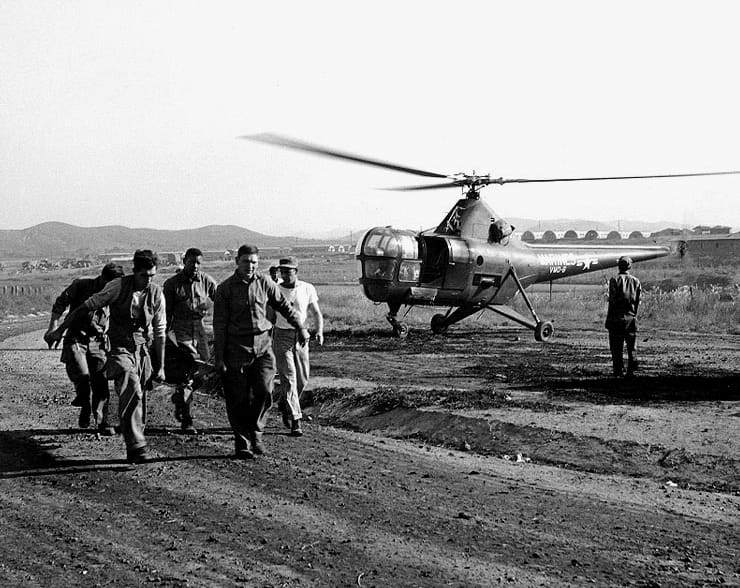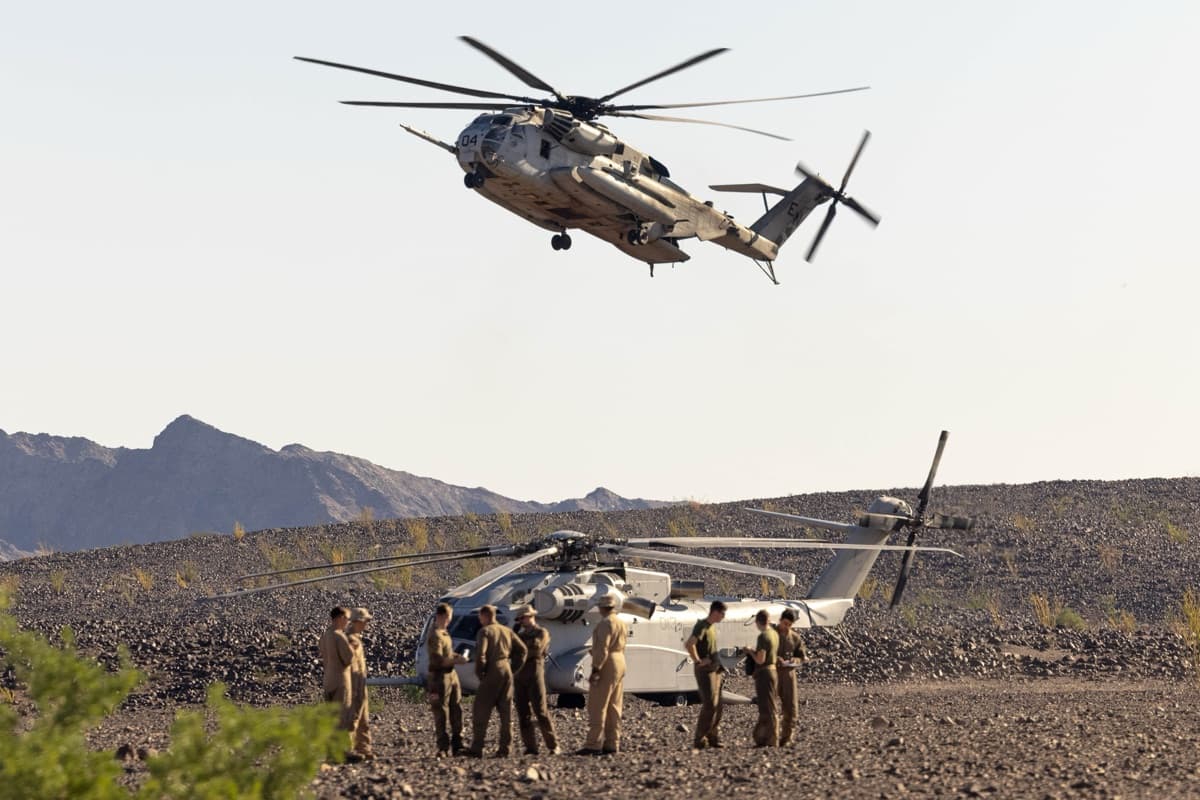

With the advent of the marine helicopter in the late 1930’s, there came this idea of “vertical envelopment.” That’s the ability to pick-up and drop-off equipment and troops in remote environments. Specifically, without a runway. This capability was quite appealing to the U.S. Marine Corps. Shortly after WWII, they began to develop their first rotary-wing program.
Marine Helicopter Pilots
Seasoned WWII fighter pilot Colonel John “Big John” LaVoy was selected to be one of the first Marine Corps pilots to be trained to fly these aircraft. A captain at the time, LaVoy joined the inaugural class of helicopter pilots in Pensacola, Fla. in 1944. All of the candidates were accomplished fixed-wing pilots. However, as they soon found out, helicopter flying was completely different than anything they had experienced before.
LaVoy and his fellow freshly-minted marine helicopter pilots joined Marine Observation Squadron 6 (VMO-6) shortly after North Korean forces invaded South Korea on June 25, 1950. The crew set off for East Asia. This squadron was the first one from the USMC to have helicopters attached to it. They were originally deployed on the escort carrier Badoeng Strait with four Sikorsky HO3S-1’s in tow.
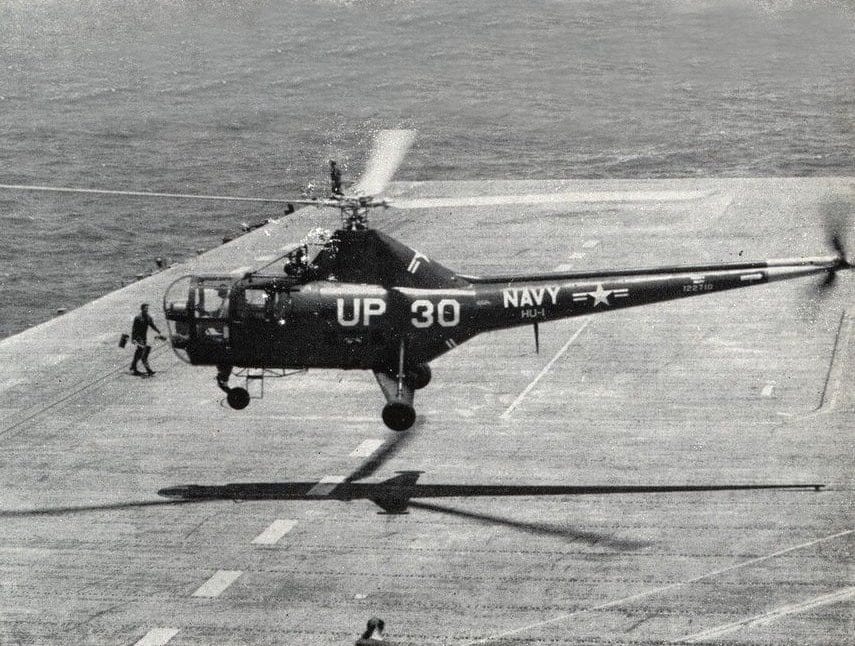
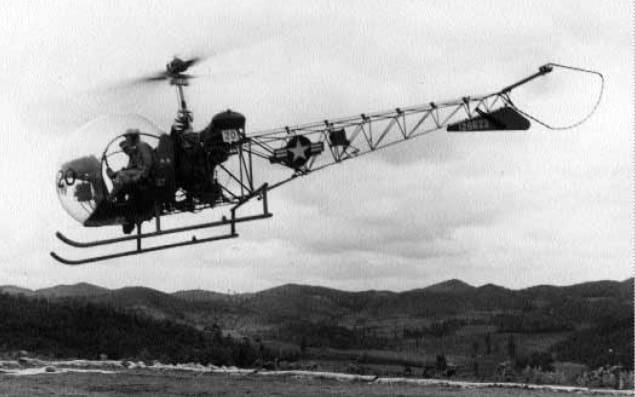
However, due to their poor in-flight stability, lack of cabin space for passengers and stretchers, and difficulty landing in rough terrain, the HO3S-1’s proved to be non-ideal for in-theater operations. Bell HTL-4’s – the helicopter popularized by the hit TV show M*A*S*H – soon replaced the Sikorsky’s.