
Military history books do something no documentary or podcast can match. They put you inside command tents, cockpits, and foxholes where the decisions that shaped the modern world were made under pressure and uncertainty. A good military history book changes how you see leadership, logistics, and the machinery of war long after you turn the last page.
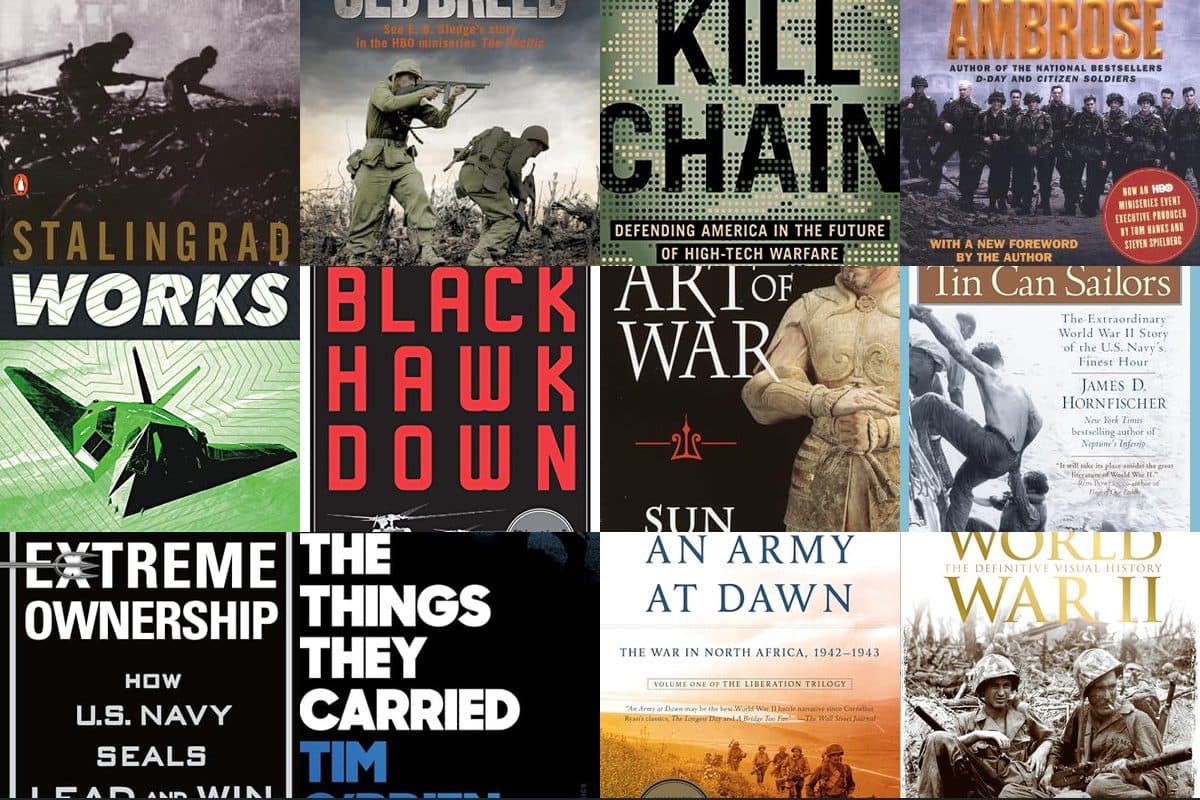
This list covers 27 books across seven categories, from the beaches of Normandy to the drone-warfare debates of the 2020s. Whether you are building out a personal library, buying a gift for the history enthusiast in your life, or just looking for your next great read, every pick here has earned its spot through quality writing, historical accuracy, and lasting influence. No filler, no padding.
Looking for physical gifts instead of books? Check out our gifts for military history buffs and Father's Day military gifts guides.
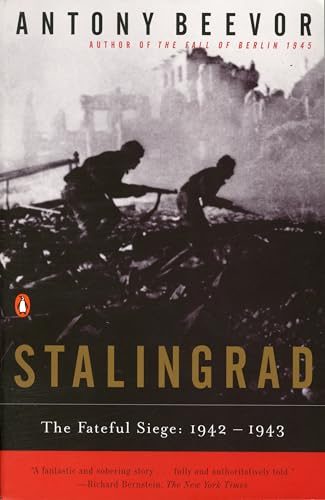
Stalingrad - Beevor
~$18


World War II (8 Books)
The Second World War remains the most written-about conflict in history, and for good reason. The scale, the moral stakes, and the sheer variety of theaters give authors enough material for a lifetime. These eight books cover the war from the command level down to the foxhole, across Europe and the Pacific. For more on the conflict, explore our World War II hub.
Stalingrad by Antony Beevor
~$18 on Amazon
Beevor's account of the Battle of Stalingrad draws on Soviet and German archives that were sealed for decades. The result is the most complete picture of the battle that broke the Wehrmacht's offensive capability on the Eastern Front.
Best for: Readers who want the definitive single-battle narrative of WW2's Eastern Front
Beevor alternates between the strategic decisions in Berlin and Moscow and the ground-level suffering of soldiers fighting over individual buildings. The pacing is excellent, though the sheer density of Soviet military units mentioned can be hard to track without a map nearby. Not the best starting point if you are new to WW2 history, but essential for anyone who wants to understand the Eastern Front.
The Second World War by Antony Beevor
~$19 on Amazon
A sweeping single-volume history of the entire war, covering every theater from the invasion of Poland to the atomic bombs. Beevor connects the European, Pacific, and North African campaigns into a single coherent narrative.
Best for: Readers who want one book that covers the full scope of WW2
At 880 pages this is a serious commitment, and the trade-off of covering everything is that some theaters get less depth than they deserve. The China-Burma-India theater in particular feels rushed. Still, no other single volume ties together all the fronts this effectively, and Beevor's prose stays sharp even across that page count.
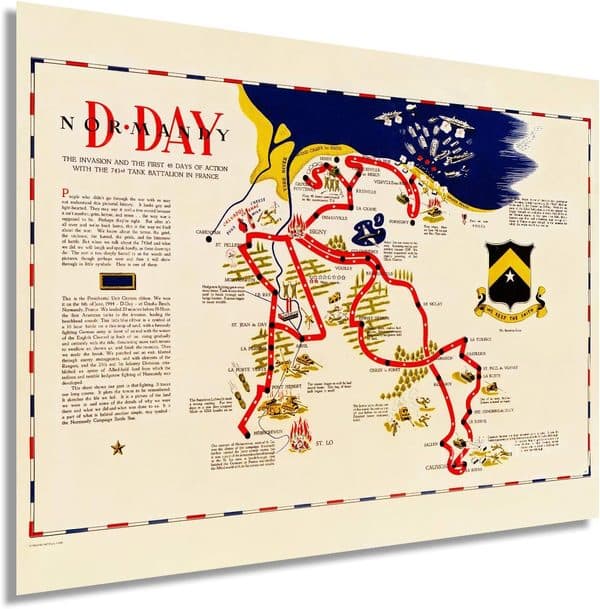
D-Day: The Battle for Normandy by Antony Beevor
~$18 on Amazon
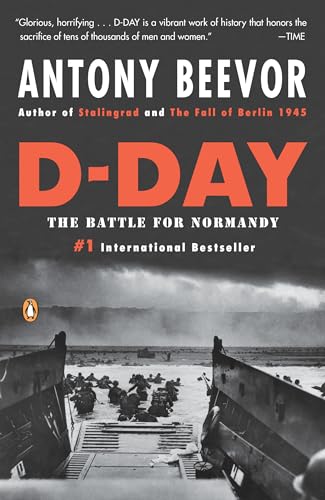
Covers not just June 6 but the entire Normandy campaign through August 1944. Beevor's research includes French civilian accounts that most D-Day books skip entirely, adding a dimension that changes how you see the liberation.
Best for: Anyone who wants to go beyond the beach landings and understand the full Normandy campaign
Three Beevor books on one list might seem excessive, but each serves a distinct purpose. This one stands apart for its treatment of the bocage fighting and the breakout that followed. The weakness is Beevor's critical portrayal of Montgomery, which some British readers find one-sided. If you want a more balanced take on Monty, pair this with Max Hastings' Overlord.
An Army at Dawn by Rick Atkinson
~$19 on Amazon
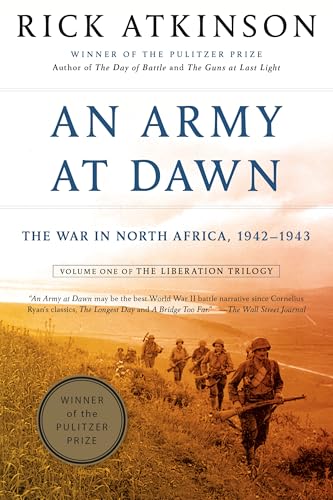
The Pulitzer Prize-winning first volume of Atkinson's Liberation Trilogy, covering the Allied invasion of North Africa in 1942-1943. Shows how a green American army learned to fight through costly mistakes in Tunisia and Algeria.
Best for: Readers interested in the early, messy phase of America's WW2 ground war
Atkinson writes with a novelist's eye for detail and a historian's commitment to accuracy. The North Africa campaign is often overlooked in favor of Normandy and the Pacific, which makes this book feel fresh even decades after publication. The downside is the dense cast of characters. Without a background in WW2 command structures, you may struggle to keep track of who reports to whom in the early chapters.
Band of Brothers by Stephen Ambrose
~$14 on Amazon
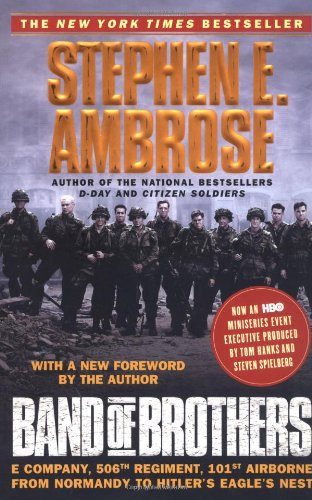
The story of Easy Company, 506th Parachute Infantry Regiment, from training at Camp Toccoa through the end of the war at Hitler's Eagle's Nest. Based on extensive interviews with the men who served.
Best for: Anyone who loved the HBO series and wants the original source material
Ambrose's writing pulls you into the company-level experience of the war better than almost any other book on this list. The major weakness is that Ambrose's later plagiarism controversies have cast a shadow over his research methods, and some veterans disputed specific details. Read it as a vivid oral history rather than a rigorous academic source, and it holds up well.
With the Old Breed by E.B. Sledge
~$10 on Amazon
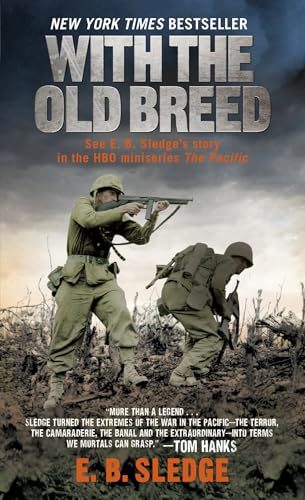
Sledge's raw memoir of Peleliu and Okinawa with the 1st Marine Division is widely considered the finest combat memoir to come out of WW2. Written from notes he kept hidden in his Bible during the fighting.
Best for: Readers who want an unvarnished, ground-level account of Pacific combat
Sledge writes without sentiment or heroic framing, which makes the brutality of the Pacific island campaigns hit harder than any novelist could manage. The drawback is that the relentless horror can be emotionally draining. This is not a book you pick up for a light weekend read, and the narrow focus on two battles means you will not get the broader Pacific war context here.
Helmet for My Pillow by Robert Leckie
~$10 on Amazon
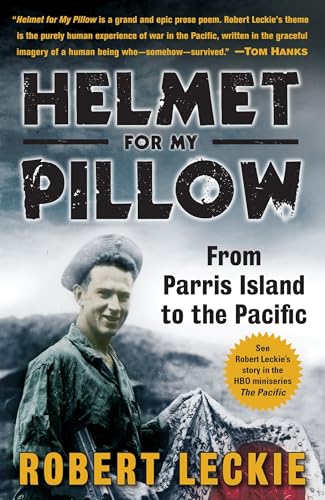
Leckie's memoir covers his service with the 1st Marine Division from Guadalcanal through Peleliu. More literary and sardonic than Sledge's account, offering a complementary view of the Pacific war.
Best for: Readers who want a Pacific memoir with more personality and dark humor
Leckie was a journalist before enlisting, and it shows. His prose has a literary quality that makes this one of the most readable WW2 memoirs ever written. The weakness is that his more colorful writing style occasionally makes you wonder how much is embellished. Some scenes read closer to novel than strict memoir. Pair it with Sledge for the full picture of the Pacific war.
World War II: The Definitive Visual History (DK)
~$25 on Amazon
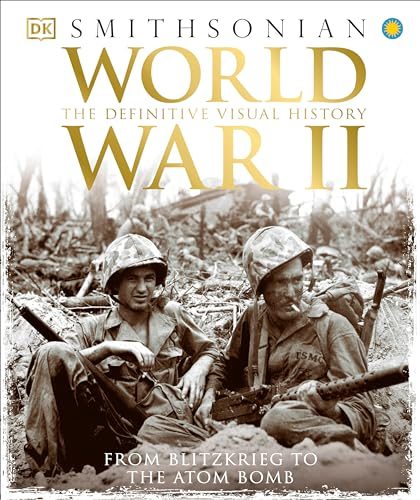
A lavishly illustrated 360-page reference covering the entire war with maps, photos, timelines, and infographics. DK's signature visual format makes complex campaigns easy to follow at a glance.
Best for: Coffee table display and quick-reference browsing
This is the book you leave on the coffee table and end up reading for two hours when you only meant to check a date. The visual format works especially well for understanding campaigns where geography mattered. The trade-off is depth: with 360 pages covering the entire war, no single battle or campaign gets more than a few spreads. Treat it as a companion to the narrative histories above, not a replacement.
Vietnam War (3 Books)
Vietnam produced some of the most powerful military writing of the 20th century. These three books represent the conflict from different angles: a novel rooted in lived experience, a journalist's fever-dream dispatch from the front, and a helicopter pilot's memoir that puts you in the cockpit over the Central Highlands. For more on this era, visit our Vietnam War hub.
The Things They Carried by Tim O'Brien
~$14 on Amazon
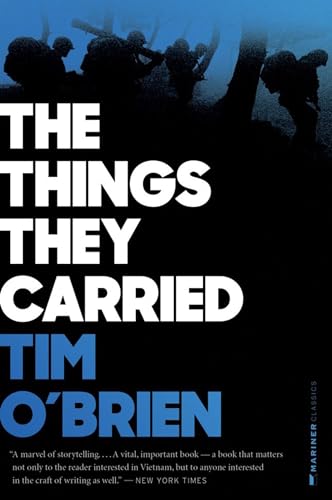
A collection of linked stories about an infantry platoon in Vietnam, blurring the line between fiction and memoir. O'Brien served in Vietnam and draws heavily on his own experience to explore memory, truth, and survival.
Best for: Readers who appreciate literary fiction and want to understand the emotional weight of combat
O'Brien deliberately blurs fact and fiction, which is both the book's strength and its limitation. If you want a factual account of Vietnam operations, this will frustrate you. If you want to understand what the war felt like to the men who fought it, nothing else comes close. The prose is among the best in any war literature, period.
Dispatches by Michael Herr
~$15 on Amazon
Herr's account of his time as a war correspondent during the Tet Offensive and the siege of Khe Sanh. The writing style influenced everything from Apocalypse Now to Full Metal Jacket, both of which Herr helped write.
Best for: Readers who want Vietnam through the eyes of a journalist in the thick of it
Herr's prose reads like rock and roll turned into sentences. It captures the chaos, fear, and dark humor of Vietnam better than any conventional journalism. The downside is that his stream-of-consciousness style can be disorienting, and readers looking for a structured narrative with clear timelines will find it frustrating. This is a mood piece, not a history textbook.
Chickenhawk by Robert Mason
~$18 on Amazon
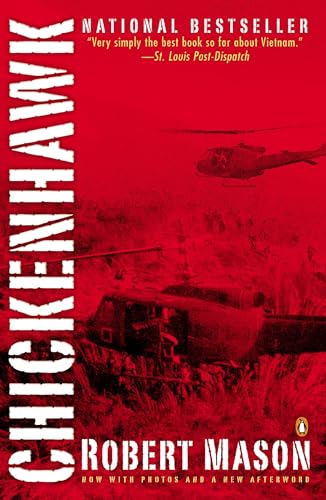
Mason flew over 1,000 combat missions as a Huey pilot in Vietnam. His memoir covers flight school through his final missions, providing the best first-person account of helicopter warfare ever written.
Best for: Aviation enthusiasts and anyone who wants to understand the helicopter war in Vietnam
Mason's flight descriptions are vivid enough to make your palms sweat. You feel the rotors, the ground fire, the weight of wounded soldiers in the back. The weakness is that Mason's post-war struggles, while honest, shift the tone significantly in the final chapters. Some readers find the ending deflating after the intensity of the combat narrative. Still, there is no better book about flying in Vietnam.
Cold War & Modern Warfare (3 Books)
From the decades-long standoff between superpowers to the emerging technologies reshaping how wars are fought today, these books cover the conflicts and strategic shifts that define our current era. For deeper reading on these periods, check out our Cold War hub.
The Cold War: A New History by John Lewis Gaddis
~$15 on Amazon
The dean of Cold War historians delivers a concise, readable overview of the entire conflict from 1945 to 1991. Written with the benefit of post-Soviet archival access that earlier histories lacked.
Best for: Anyone wanting a single, authoritative overview of the Cold War
Gaddis manages to cover 46 years of global confrontation in just over 300 pages without feeling rushed. His writing is clear and his arguments well-supported. The limitation is that brevity means some proxy wars and regional conflicts get barely a mention. Korea and Vietnam each get less space than you might expect. For those events, you will need dedicated books.
Black Hawk Down by Mark Bowden
~$16 on Amazon
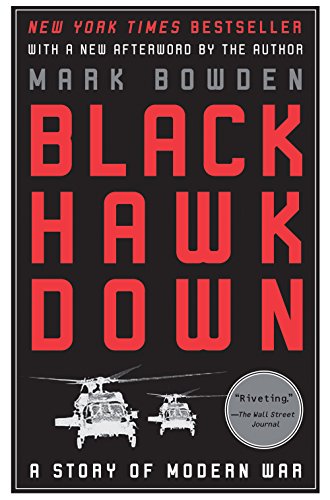
A minute-by-minute reconstruction of the 1993 Battle of Mogadishu, where a 30-minute special operations raid turned into a 15-hour street battle. Based on interviews with over 100 participants from both sides.
Best for: Readers who want an intense, action-driven account of modern urban combat
Bowden's tick-tock narrative style puts you on those streets in Mogadishu. The pacing is relentless and the research is thorough. The criticism is that with so many soldiers involved, the book can feel like a blur of names and callsigns, especially in the middle chapters. A second read usually helps. The broader political context also gets less attention than the tactical action.
The Kill Chain by Christian Brose
~$17 on Amazon
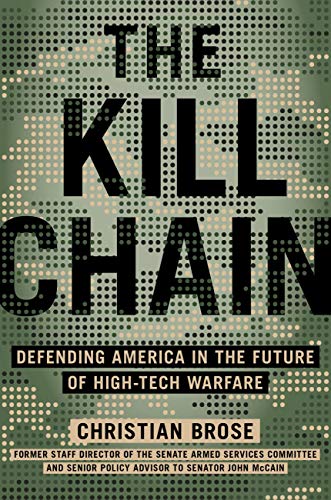
A former Senate Armed Services Committee staffer argues that the U.S. military's obsession with expensive legacy platforms is leaving it vulnerable to China's cheaper, networked approach to warfare. The most important defense book of the past five years.
Best for: Readers interested in where military technology and strategy are heading next
Brose writes with insider knowledge and a clear sense of urgency. His argument about the "kill chain" concept is compelling and well-supported. The weakness is that the book focuses heavily on the problem and is lighter on specific solutions, which can leave you feeling alarmed but unsure what comes next. Some critics also note that Brose's defense tech industry connections create a potential bias toward technology-driven answers.
Strategy & Leadership (4 Books)
These four books span 2,500 years of military thinking, from ancient China to the battlefields of Ramadi. Whether you are interested in timeless strategic principles or modern leadership under fire, each one has earned a permanent place on the shelf of serious military readers.
The Art of War by Sun Tzu (Shambhala Edition)
~$11 on Amazon
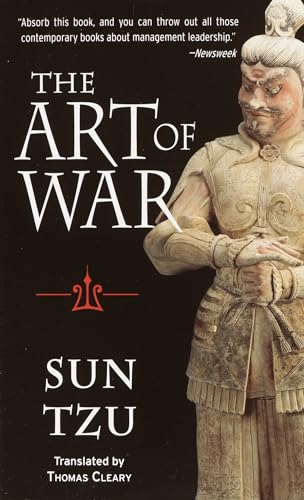
The foundational text on strategy, written around 500 BC and still studied at every major military academy in the world. The Shambhala pocket edition uses the Thomas Cleary translation, widely considered the best in English.
Best for: Anyone starting their military strategy education or wanting a quality pocket reference
There are hundreds of editions of this book, and translation quality varies wildly. The Cleary translation strikes the right balance between readability and fidelity to the original Chinese. The obvious limitation is that a 2,500-year-old text requires significant interpretation to apply to modern contexts. Many of the famous quotes are so abstract they can mean almost anything, which is why every business guru and self-help author has co-opted them.
On War by Carl von Clausewitz
~$25 on Amazon
The most important Western text on the philosophy of war, written by a Prussian general who fought against Napoleon. Concepts like the "fog of war," "friction," and "war as a continuation of politics" all originate here.
Best for: Serious students of military theory willing to invest real reading time
Every officer in NATO has read this, or at least claims to have. The ideas inside are foundational to how Western militaries think about conflict. The problem is that Clausewitz died before finishing the manuscript, and it shows. The writing is dense, repetitive in places, and often contradictory. At 732 pages, most readers are better off tackling the first three books rather than attempting the full work on a first pass.
Extreme Ownership by Jocko Willink & Leif Babin
~$17 on Amazon
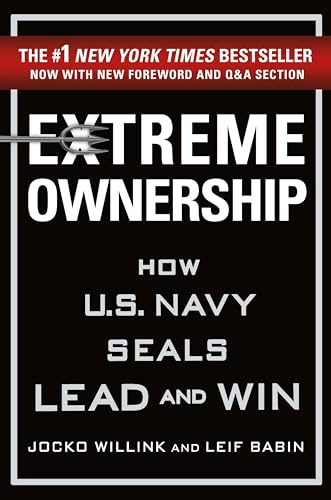
Two former Navy SEAL officers who led Task Unit Bruiser in Ramadi extract leadership principles from their combat experience and apply them to business and life. Each chapter pairs a war story with a practical framework.
Best for: Leaders in any field who want actionable principles tested under fire
The war stories are gripping and the leadership principles are clear enough to apply the next day at work. Willink and Babin write with military directness that keeps chapters short and punchy. The weakness is the business application sections, which can feel forced and repetitive. If you are reading purely for the military content, you may want to skim the corporate consulting anecdotes in each chapter's second half.
Call Sign Chaos by Jim Mattis & Bing West
~$11 on Amazon
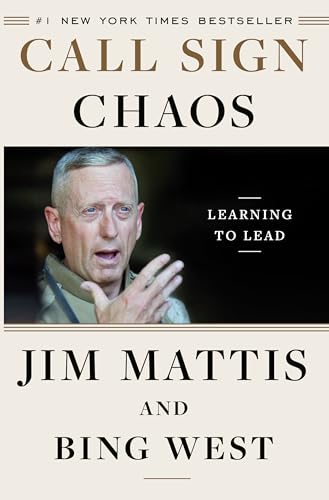
Mattis traces his career from platoon leader to CENTCOM commander, weaving in the reading and historical study that informed his decisions. Part memoir, part master class in how a warrior-scholar thinks about command.
Best for: Officers, NCOs, and military professionals looking for career-long leadership lessons
Mattis is one of the most well-read generals in modern American military history, and this book reflects that depth. He ties his battlefield experiences directly to historical lessons in a way that feels natural rather than academic. The drawback is that Mattis deliberately avoids discussing his time as Secretary of Defense, which means the most politically interesting chapter of his career is entirely absent. The book also reads as guarded in places, as you would expect from someone bound by classification concerns.
Air & Naval Warfare (3 Books)
These three books take you behind the scenes of some of the most ambitious and dangerous operations in military history. From the classified hangars of the Skunk Works to the desperate naval engagements off the Philippines, each one reveals a side of warfare that most people never get to see.
Skunk Works by Ben Rich & Leo Janos
~$16 on Amazon
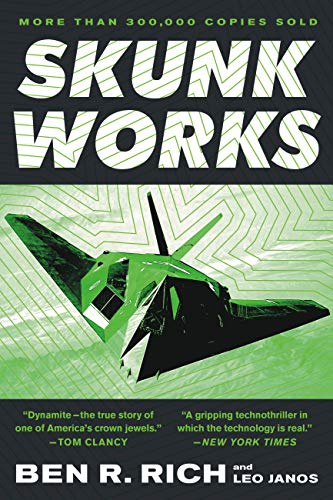
The inside story of Lockheed's Skunk Works division, told by Kelly Johnson's successor Ben Rich. Covers the development of the U-2, SR-71, and F-117 stealth fighter from inside the most secretive engineering operation in aviation history.
Best for: Aviation enthusiasts and anyone fascinated by classified military engineering
This is the rare military book that reads like a thriller. Rich's stories about evading Soviet radar and building aircraft that should not have been possible are endlessly entertaining. The weakness is that Rich is clearly writing to burnish the Skunk Works reputation, and critical perspectives on cost overruns or program failures are mostly absent. Take the Pentagon bureaucracy complaints with a grain of salt, but enjoy the engineering stories.
The Last Stand of the Tin Can Sailors by James Hornfischer
~$17 on Amazon
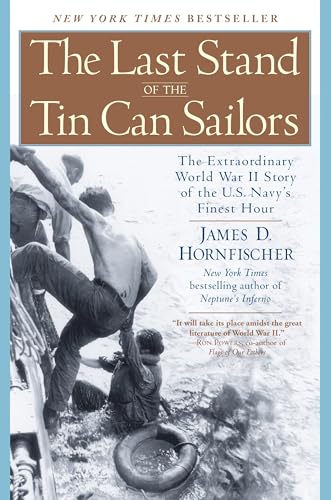
The true story of the Battle off Samar, where a handful of American destroyers and escort carriers took on the entire Japanese Center Force at the Battle of Leyte Gulf. One of the most lopsided naval engagements in history, told with the intensity it deserves.
Best for: Readers who want the most gripping naval combat story of WW2
Hornfischer's writing is superb, and the story itself borders on unbelievable. Destroyers charging battleships, pilots making runs without ammunition, sailors treading water for days. It reads like fiction but every detail is documented. The limitation is that the tight focus on Taffy 3 means you do not get much context about the broader Battle of Leyte Gulf or the strategic blunders that left these ships exposed.
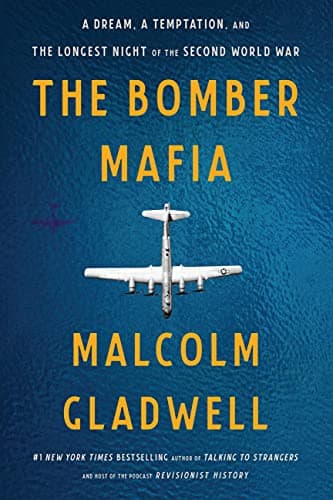
The Bomber Mafia by Malcolm Gladwell
~$15 on Amazon
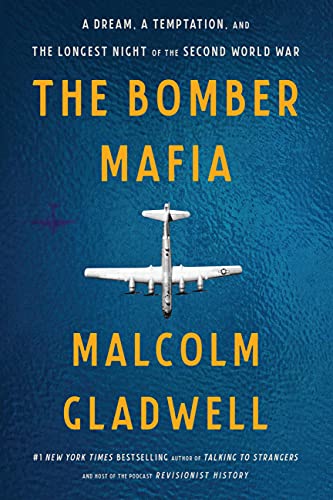
Gladwell explores the debate between precision bombing advocates and Curtis LeMay's area bombing campaign against Japan. A short, provocative look at how the U.S. Army Air Forces wrestled with the morality and effectiveness of strategic bombing.
Best for: Quick readers who want a thought-provoking take on WW2 air strategy
At 256 pages, this is the fastest read on the list and a solid entry point for people who do not usually read military history. Gladwell is a skilled storyteller and the central tension is compelling. The weakness is that military historians have criticized the book for oversimplifying the bombing debate and presenting a false binary. If you want deeper treatment of the topic, follow this with Conrad Crane's Bombs, Cities, and Civilians.
War on Terror (3 Books)
The post-9/11 wars in Afghanistan and Iraq produced a generation of military writing that is still being processed. These three books capture different facets of those conflicts, from the mountains of Afghanistan to the corridors of the Pentagon.
Lone Survivor by Marcus Luttrell
~$16 on Amazon
Luttrell's account of Operation Red Wings in 2005, where a four-man SEAL team was ambushed by Taliban fighters in the mountains of Afghanistan. He was the only survivor, rescued by Afghan villagers who risked their lives to protect him.
Best for: Readers drawn to survival stories and special operations
The survival sections are harrowing and the tribute to Luttrell's fallen teammates is deeply felt. The book's weakness is that several factual claims have been disputed by military journalists and other SEALs, particularly the number of enemy fighters involved. Some readers may also find the political commentary in the early chapters distracting from the combat narrative.
The Outpost by Jake Tapper
~$17 on Amazon
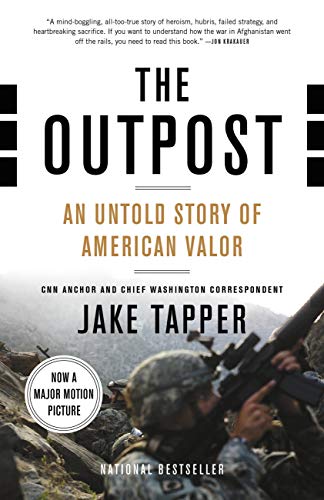
The story of Combat Outpost Keating, built at the bottom of three steep mountains in Afghanistan's Nuristan Province. Tapper traces how repeated warnings about the outpost's vulnerability went unheeded until a massive Taliban attack in 2009.
Best for: Readers interested in how institutional failures lead to battlefield disasters
Tapper's journalism background shows in the rigorous sourcing and balanced treatment of the command decisions that led to the disaster. He does an exceptional job connecting strategic confusion at higher levels to life-and-death consequences on the ground. The drawback is length: at 673 pages, the early chapters covering the outpost's history before the main attack can feel slow. The payoff is worth the patience.
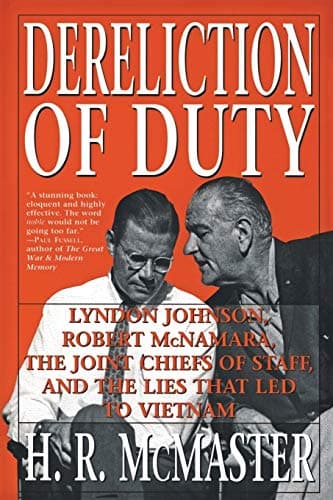
Dereliction of Duty by H.R. McMaster
~$16 on Amazon
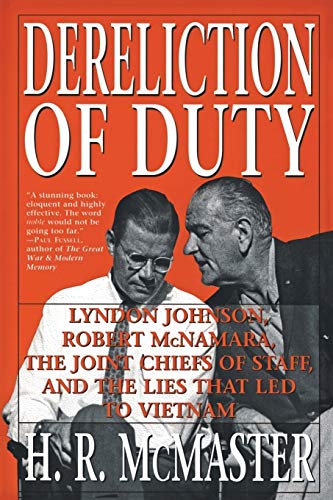
McMaster's doctoral dissertation turned book examines how the Joint Chiefs of Staff failed to challenge the Johnson administration's flawed Vietnam strategy. A devastating critique of what happens when military leaders prioritize career survival over honest counsel.
Best for: Anyone interested in civil-military relations and how wars go wrong at the strategic level
Written before McMaster became a three-star general and National Security Advisor, this book is bracingly honest about institutional cowardice at the highest levels of military command. The research is thorough and the argument is tightly constructed. The weakness is that the academic origins show in the prose, which can be dry and footnote-heavy compared to the narrative histories on this list. Worth the effort, but not a page-turner.
New & Recent Releases (3 Books)
These recent publications bring fresh research, new perspectives, and contemporary relevance to the military bookshelf. If you have read the classics and want something current, start here.
DOOM 34 by Lyndsey Morriss
~$29 Hardcover on Amazon
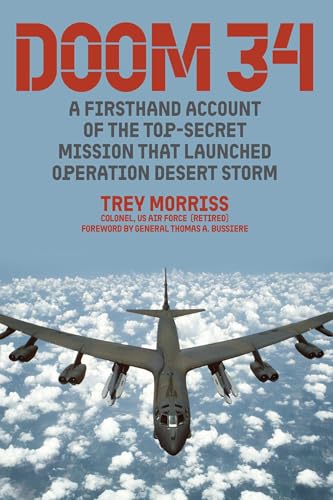
The untold story of an Army helicopter crew shot down during Operation Gothic Serpent in Mogadishu, Somalia. Morriss draws on newly declassified material and interviews with survivors to reconstruct the crew's ordeal and the rescue mission that followed.
Best for: Readers who loved Black Hawk Down and want the story from a different helicopter crew's perspective
This fills a significant gap in the Mogadishu story that Black Hawk Down only touched on briefly. The new source material adds real depth. As a hardcover-only release at $29, the price point is higher than most picks on this list, and the narrow scope means it works best as a companion to Bowden's broader account rather than a standalone introduction to the battle.
Annapolis by Craig Symonds
~$30 Hardcover on Amazon
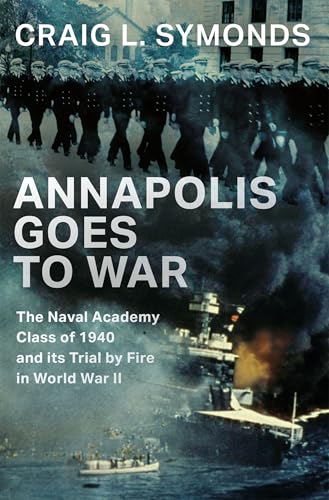
A comprehensive history of the United States Naval Academy from its founding in 1845 to the present day. Symonds, a retired professor who taught at Annapolis for 30 years, brings an insider perspective to the institution that shaped the U.S. Navy's officer corps.
Best for: Naval history enthusiasts, academy alumni, and anyone interested in military education
Symonds knows this institution better than almost any living historian, and it shows. The book traces how the Naval Academy evolved alongside the Navy itself, from sail to steam to nuclear power. The weakness is that institutional histories can feel niche. If you do not have a connection to the Navy or a specific interest in military academies, this may not grab you the way the combat narratives on this list will.
Ghost Fleet by P.W. Singer & August Cole
~$16 on Amazon
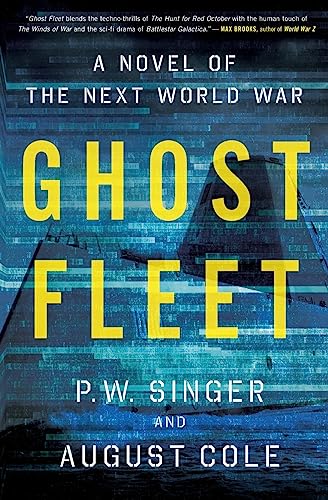
A novel depicting a near-future war between the United States and a Chinese-Russian alliance. Every weapon system, technology, and tactic in the book is based on real programs currently in development. Used as a training tool at the Pentagon and military academies.
Best for: Readers who enjoy military fiction grounded in real technology and strategy
The real-world research behind every detail sets Ghost Fleet apart from typical military thrillers. The footnotes alone are worth the price of admission, citing actual defense programs for every fictional weapon and system. The weakness is the character development, which takes a back seat to the technology and strategy. The human characters serve the plot more than they drive it. If you want a Clancy-style character-driven thriller, look elsewhere, but as a war-game-in-novel-form it is hard to beat.
How to Build Your Military Library
If you are starting from scratch, begin with one book from each category rather than diving deep into a single era. Stalingrad, The Things They Carried, The Art of War, and Skunk Works make an excellent foundation that covers different eras, perspectives, and writing styles. From there, follow your interest.
For gift-giving, hardcover editions and boxed sets make better presents than paperbacks. The DK Visual History is a strong choice for someone who might not read a 500-page narrative. And if the recipient already has a serious collection, the new releases section has titles they likely have not read yet.
Check out our gifts for military history buffs guide for non-book gift ideas, or our Father's Day military gifts list for seasonal recommendations.
Frequently Asked Questions
What is the best military history book for beginners?
Band of Brothers by Stephen Ambrose is the most accessible entry point. At 336 pages with clear, engaging prose and a famous HBO adaptation for context, it is the easiest book on this list to start and finish. Skunk Works is another strong starter if you lean toward aviation and technology.
What is the single best World War II book?
For a single-battle deep dive, Stalingrad by Antony Beevor is the pick. For a one-volume overview of the entire war, Beevor's The Second World War covers all theaters in 880 pages. Both are essential reading for any WW2 library.
Are military memoirs reliable as historical sources?
Memoirs are first-person accounts filtered through memory, emotion, and sometimes an agenda. Books like With the Old Breed are considered highly reliable because Sledge kept contemporaneous notes. Others, like Lone Survivor, have had specific claims disputed. Treat memoirs as valuable perspectives rather than definitive records, and cross-reference with academic histories when accuracy matters.
What military books do officers actually read?
Professional reading lists from the service academies and war colleges consistently include On War (Clausewitz), The Art of War (Sun Tzu), Dereliction of Duty (McMaster), and Call Sign Chaos (Mattis). The Kill Chain has become increasingly common on modern reading lists focused on great power competition.
What is the best book about the Vietnam War?
The Things They Carried is the most acclaimed Vietnam book overall, though it blends fiction and memoir. For a pure non-fiction account, Dispatches captures the war's chaos and absurdity better than anything else. Chickenhawk is the pick if you want a straightforward pilot's memoir.
Should I read paperback or hardcover editions?
Paperbacks are cheaper and easier to carry. Hardcovers last longer on a shelf and make better gifts. For books you plan to read once, paperback is fine. For books you expect to reference repeatedly or display, invest in the hardcover. The DK Visual History in particular is worth getting in hardcover for the photo quality.
What military book should I read after watching a war documentary?
Match the book to the documentary. After watching the HBO Band of Brothers series, read the Ambrose book, then follow with Sledge's With the Old Breed (which inspired The Pacific). After Black Hawk Down the movie, read Bowden's book for the full story, then DOOM 34 for a new angle on the same battle.
Are audiobook versions worth it for military history?
Audiobooks work well for narrative-driven military books like Black Hawk Down, Band of Brothers, and Skunk Works. They work less well for dense strategy texts like On War or visual references like the DK book. If you have a long commute, the memoir and narrative picks on this list translate well to audio format.