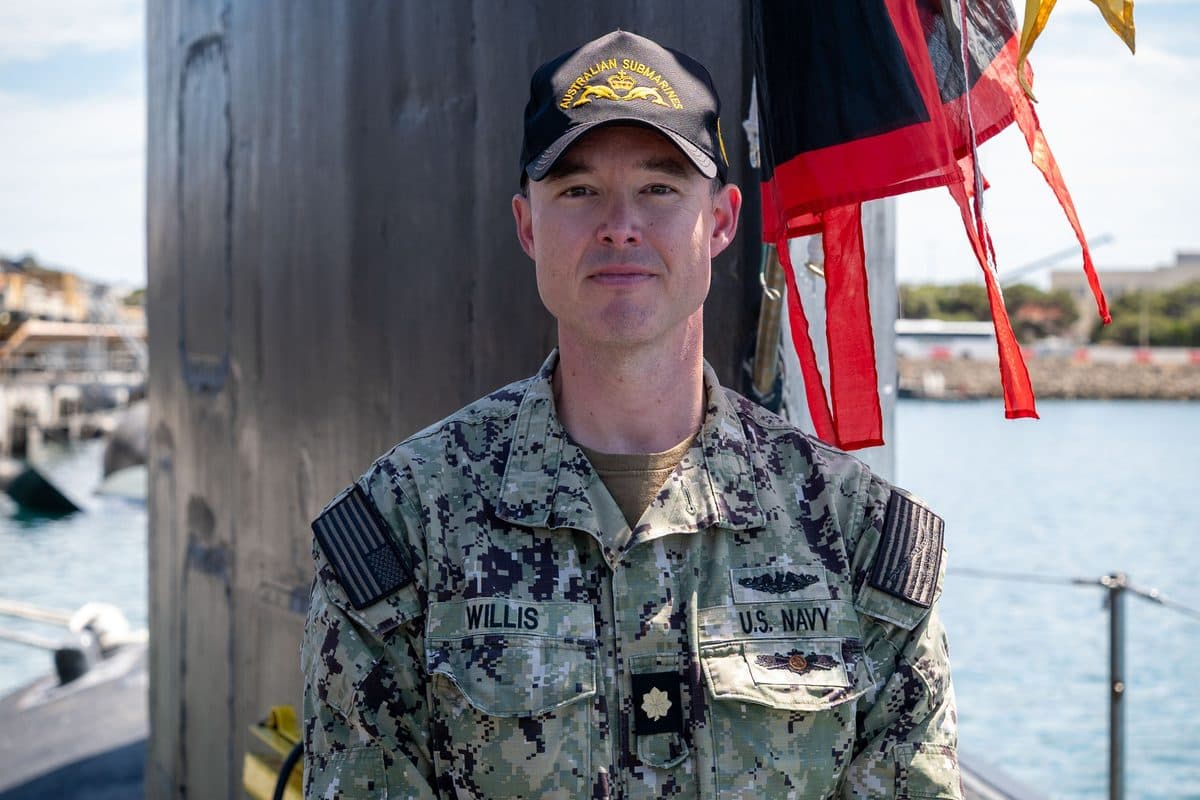

Three hundred and sixty-eight billion Australian dollars. That's AUD $368 billion, roughly USD $245 billion at current exchange rates. It is the most expensive military procurement program in the Southern Hemisphere's history, and one of the largest defense investments any nation has undertaken since the end of the Cold War. What does Australia get for that money? Nuclear-powered attack submarines it has never operated before, built using technology it doesn't currently possess, delivered on a timeline that stretches into the 2050s. And somehow, despite the staggering cost and complexity, the AUKUS submarine deal might be the most strategically rational defense decision Australia has made since World War II.
Why Australia Needs Nuclear Submarines
The answer is geography. Australia sits at the bottom of the Indo-Pacific, roughly 3,000 nautical miles from the South China Sea, the body of water that dominates the strategic calculations of every Pacific nation. Australia's current submarine fleet, six Collins-class diesel-electric boats built in the 1990s, has a range of approximately 11,000 nautical miles and a top speed of 20 knots submerged. That sounds impressive until you consider the distances involved.
A Collins-class submarine departing from HMAS Stirling in Western Australia takes approximately 10-14 days to reach operating areas in the South China Sea, depending on speed and route. It must snorkel regularly to recharge its batteries, creating vulnerability to detection. Once on station, it has limited endurance before it must return home. The round trip consumes a month or more, meaning that each submarine spends more time transiting than operating.
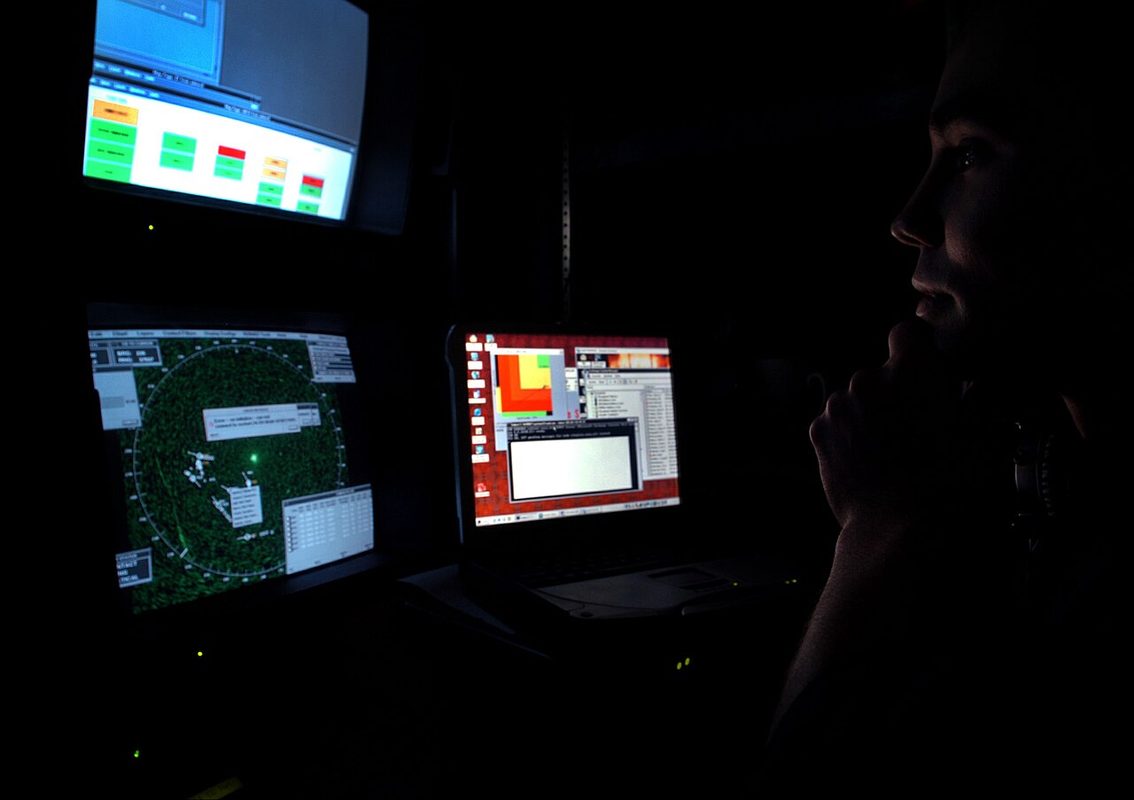
A nuclear-powered submarine changes this equation fundamentally. Nuclear boats don't need to surface to recharge batteries. They can transit at 25+ knots submerged continuously, reaching the South China Sea in roughly a week. They can remain on station for months, limited only by food supplies and crew endurance, without surfacing or snorkeling. A fleet of nuclear submarines gives Australia the ability to maintain a persistent submarine presence in distant operating areas, rather than the intermittent presence that diesel boats can sustain.