

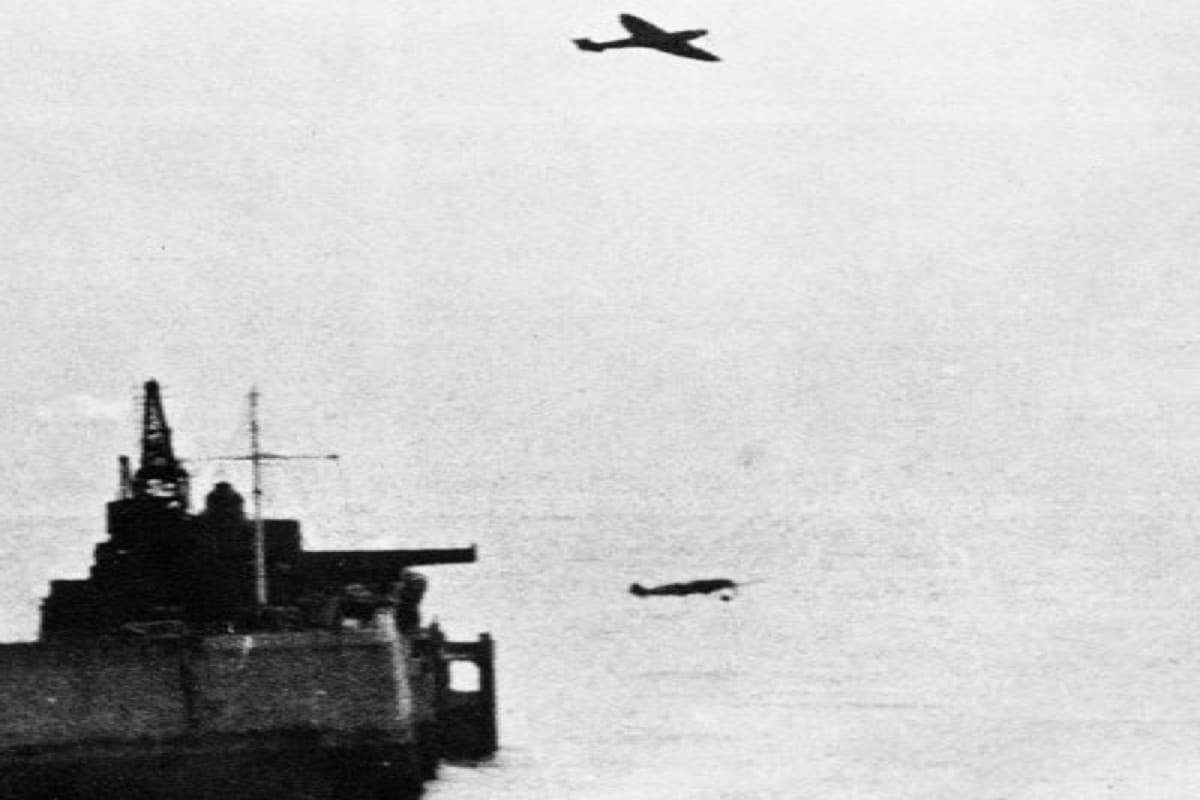
Supermarine Spitfire - Savior of Britain
The Spitfire is more than just the most iconic fighter in British history. In the bleak days early days of WWII when the UK stood alone against the Nazi’s, the…
michael-trent··4 min read

The German Luftwaffe launched a massive bombing campaign against London, sending 348 bombers and 617 fighters to pound the British capital. The attack, which killed 430 civilians and wounded 1,600, marked the beginning of the Blitz, fifty-seven consecutive nights of bombing that would kill over 43,000 British civilians and destroy large swathes of London, Coventry, and other cities. Paradoxically, the shift from bombing RAF airfields to cities saved Fighter Command from destruction.
The Supermarine SpitfireCrusader forces under Richard I of England defeated Saladin's Ayyubid army at Arsuf on the coast of Palestine during the Third Crusade. Richard's disciplined Hospitaller and Templar cavalry held their formation under hours of Turkish horse archery before executing a timed countercharge that broke the Muslim line. The victory secured the coastal road to Jaffa but could not recapture Jerusalem.
Sergeant Ezra Lee piloted David Bushnell's one-man submersible Turtle in the first submarine attack in military history, targeting the British flagship HMS Eagle in New York Harbor. Lee was unable to attach the explosive charge to the ship's copper-sheathed hull and was forced to withdraw, but the attempt demonstrated the potential of underwater warfare and is considered the birth of submarine combat.
Napoleon's Grande Armée fought the Russian army under Field Marshal Mikhail Kutuzov at Borodino, 75 miles west of Moscow, in one of the bloodiest single-day battles of the Napoleonic Wars. Over 70,000 soldiers were killed or wounded in a frontal assault that Napoleon later called his greatest battle. Though the French held the field, Kutuzov's army withdrew intact, and the pyrrhic victory set the stage for Napoleon's catastrophic retreat from Moscow.
Prince Regent Pedro of Brazil, on the banks of the Ipiranga stream near Sao Paulo, declared Brazil's independence from Portugal with the cry Independencia ou Morte. The subsequent War of Independence lasted 18 months and ended with Portuguese forces defeated at Salvador, Maranhao, and the Cisplatine province. Brazil became an empire under Pedro I and avoided the fragmentation that affected Spanish America.
Representatives of the Qing government and the Eight-Nation Alliance signed the Boxer Protocol in Peking, formally ending the Boxer Rebellion. China was required to pay 450 million taels of silver in reparations over 39 years, permit foreign troops to garrison the railway from the capital to the coast, and execute or exile officials who had supported the Boxers. The treaty effectively reduced the Qing dynasty to a client of the great powers.
The German Luftwaffe launched a massive bombing campaign against London, sending 348 bombers and 617 fighters to pound the British capital. The shift from bombing RAF airfields to cities paradoxically saved Fighter Command from destruction.
The Supermarine SpitfireFollowing the start of the Blitz, British Home Forces issued the codeword "Cromwell," indicating that a German invasion was imminent. Church bells were rung across southern England, the prearranged invasion warning signal, and Home Guard units manned their positions. No invasion came, but the false alarm reflected the genuine terror that Britain's darkest hour had arrived.
Australian forces completed the destruction of a Japanese naval landing force at Milne Bay on the eastern tip of New Guinea, marking the first time in the Pacific War that a Japanese amphibious invasion was decisively defeated on land. The Australian defenders, supported by P-40 Kittyhawk fighters, repelled two Japanese assault waves and killed or captured over 700 enemy troops.
Nikita Khrushchev was elected First Secretary of the Communist Party of the Soviet Union, beginning a decade of leadership that would include the de-Stalinization campaign, the Hungarian Uprising, the Berlin Crisis, and the Cuban Missile Crisis, the closest the Cold War came to nuclear war.
US President Jimmy Carter and Panamanian leader Omar Torrijos signed the Panama Canal Treaty and the Neutrality Treaty at OAS headquarters in Washington. The agreements committed the United States to transfer the canal and the Canal Zone to Panama by December 31, 1999, ending 75 years of American military and sovereign control. The Senate ratified both treaties in 1978 by the narrowest of margins.

Queen of England who led her nation through one of its greatest military crises, the Spanish Armada of 1588. Her famous speech at Tilbury ("I know I have the body but of a weak and feeble woman; but I have the heart and stomach of a King") rallied English forces. Under her reign, England became a major naval power.

General
U.S. Army general who commanded the 101st Airborne Division during the siege of Bastogne in the Battle of the Bulge. His one-word reply of "Nuts!" to the German surrender ultimatum became one of the most famous retorts in military history.

The sixth and last wife of Henry VIII and the first woman to publish a book under her own name in the English language. As Queen consort, she served as regent while Henry campaigned in France in 1544, effectively commanding England's home defenses during wartime.
Wear the Timeline
10 military events occurred on September 7, spanning multiple centuries. Key events include: The Blitz Begins, Germany Bombs London (1940), First Submarine Attack, Turtle vs. HMS Eagle (1776), Battle of Borodino (1812).
The most significant military event on September 7 is The Blitz Begins, Germany Bombs London (1940). The German Luftwaffe launched a massive bombing campaign against London, sending 348 bombers and 617 fighters to pound the British capital. The attack, which killed 430 civilians and wounded 1,600, marked the beginning of the Blitz, fifty-seven consecutive nights of bombing that would kill over 43,000 British civilians and destroy large swathes of London, Coventry, and other cities. Paradoxically, the shift from bombing RAF airfields to cities saved Fighter Command from destruction.
Notable military figures born on September 7 include Queen Elizabeth I (1533–1603), Anthony McAuliffe (1898–1975).
Events on September 7 span World War II, the Colonial & Revolutionary era, the Cold War, the Interwar Period, covering 10 events across 4 centuries of military history.
Events on September 7 involve 5 branches of the U.S. and allied armed forces, reflecting the global scope of military operations throughout history.
Explore military history from the day you were born.
June 6
The Allied invasion of Normandy, the largest amphibious assault in history.
December 7
Japan attacks the U.S. Pacific Fleet, bringing America into World War II.
September 11
The deadliest terrorist attack in history transforms U.S. national security.
August 6
The first atomic bomb is dropped on a city, ushering in the nuclear age.
May 8
Nazi Germany surrenders unconditionally, ending World War II in Europe.
November 11
Armistice Day marks the end of World War I and honors all who served.
June 4
The turning point of the Pacific War as the U.S. Navy destroys four Japanese carriers.
July 4
The Declaration of Independence is adopted, sparking the American Revolution.
The Spitfire is more than just the most iconic fighter in British history. In the bleak days early days of WWII when the UK stood alone against the Nazi’s, the…
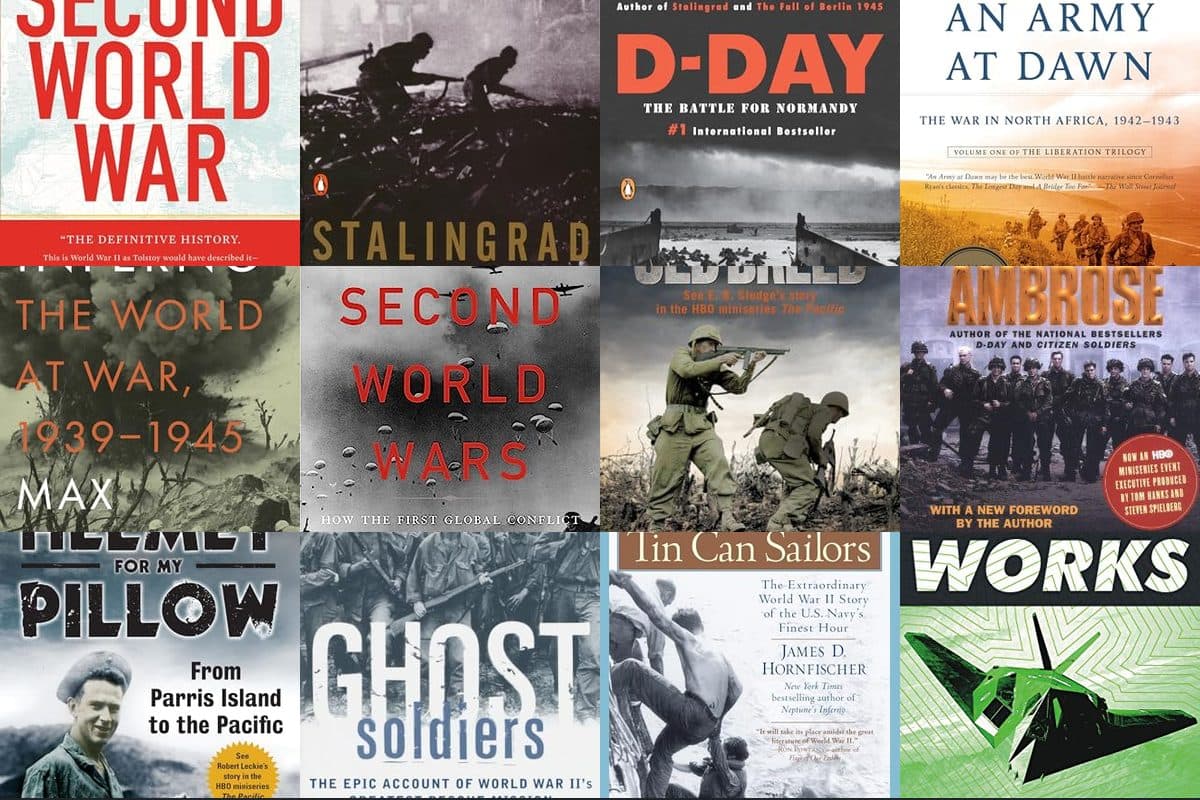
15 essential WW2 books covering every theater. Narrative histories, memoirs, and visual references ranked.
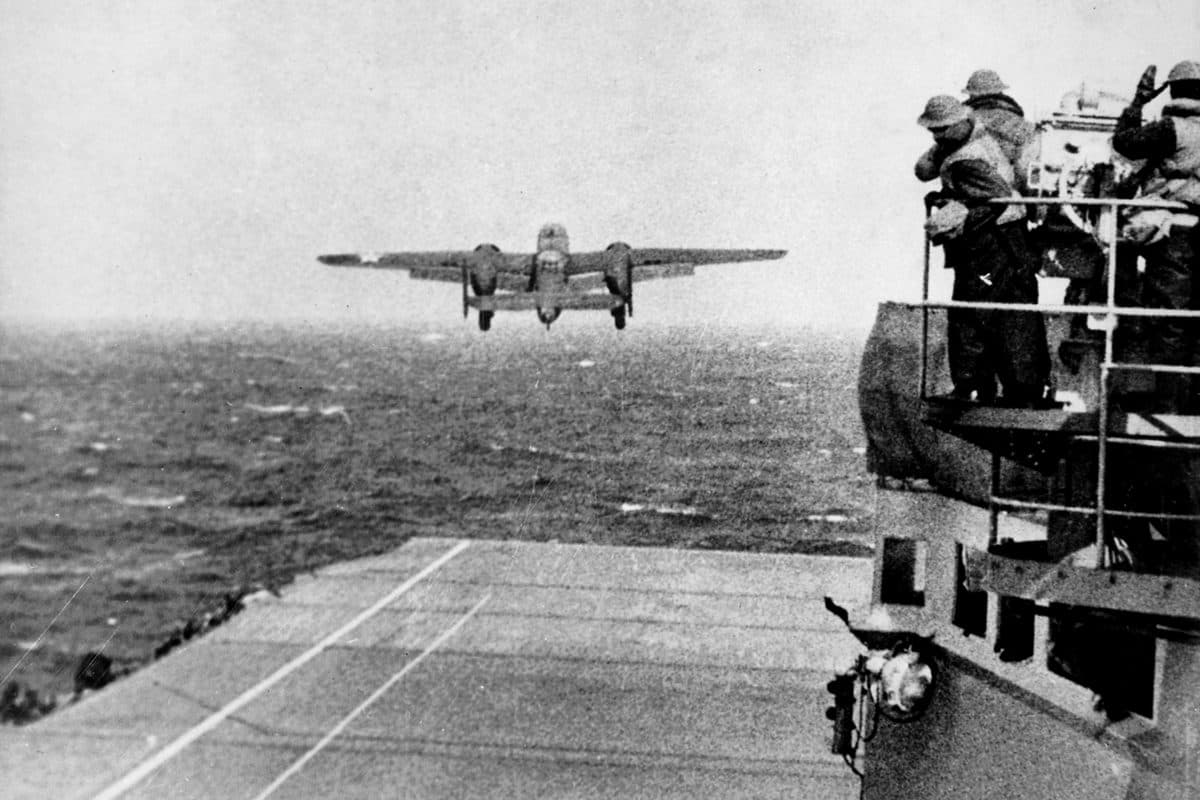
On April 18, 1942, sixteen B-25 Mitchell bombers did something no one thought possible: they launched from the deck of an aircraft carrier, flew 650 miles to Japan, and bombed Tokyo. Every aircraft was lost. The damage was negligible. The consequences changed the war.
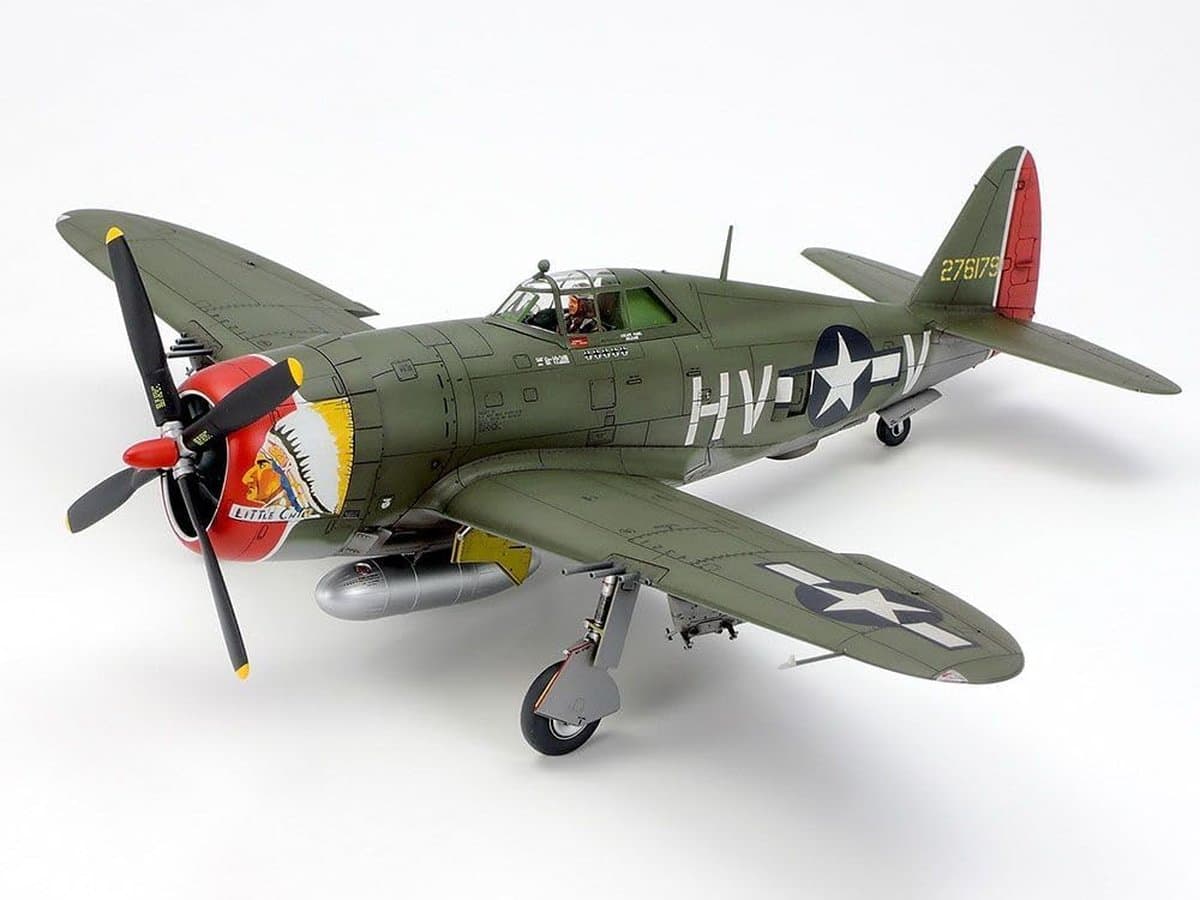
Compare 85+ WW2 scale model kits across aircraft, tanks, and ships. Beginner builds from $9 to museum-grade showpieces at $580. Covers Tamiya, Eduard, HK Models, Trumpeter, and more with honest reviews, trade-offs, and pricing.