


15 Best World War II Books for History Enthusiasts (2026)
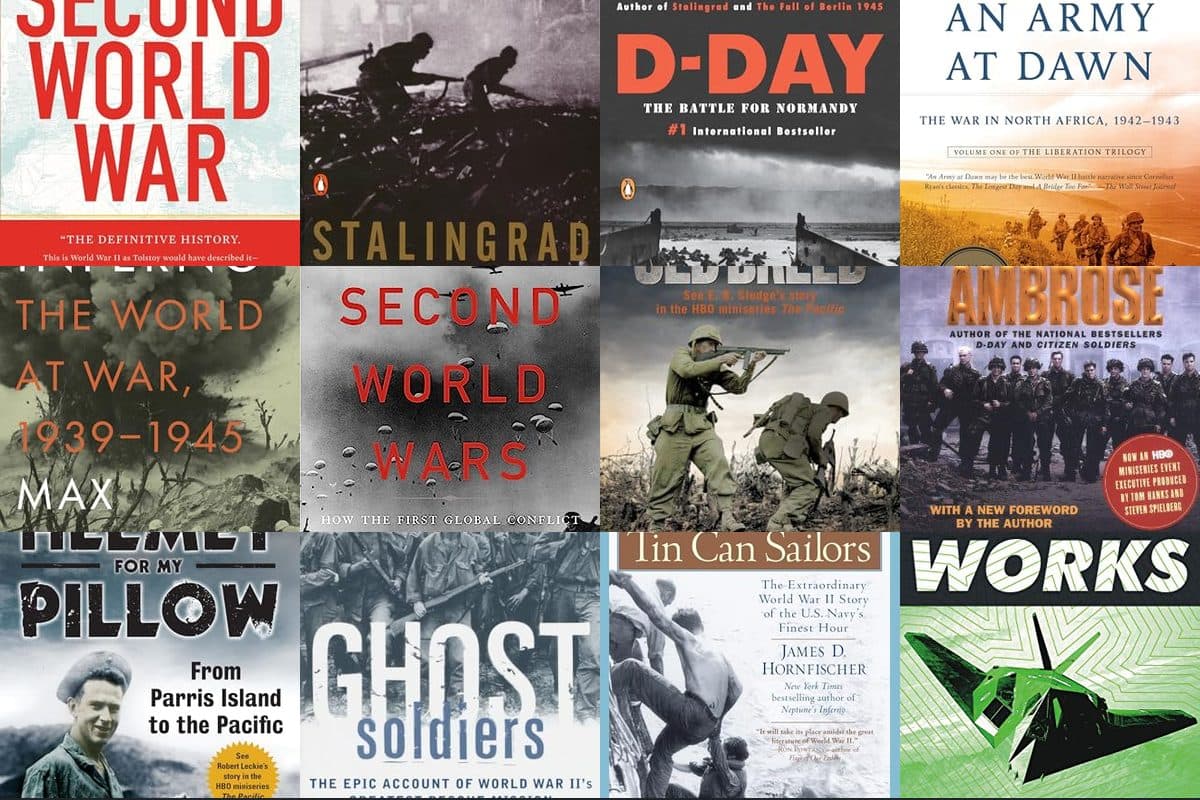
15 essential WW2 books covering every theater. Narrative histories, memoirs, and visual references ranked.
daniel-mercer··21 min read

General Dwight D. Eisenhower announced the unconditional surrender of Italy, which had been secretly negotiated five days earlier at Cassibile, Sicily. The Italian armistice pulled the third Axis power out of the war, but Germany had anticipated the betrayal. Within hours, Wehrmacht forces executed Operation Achse, seizing control of Italian-held territory from France to the Balkans, disarming Italian soldiers, and occupying Rome.
Russian forces under Grand Prince Dmitry Donskoy of Moscow defeated the Golden Horde army of Mamai on Kulikovo Field near the Don River. The battle was the first major Russian victory over the Mongol-Tatar forces that had dominated Russia for 140 years. It accelerated the shift of power from the Horde to the rising Muscovite state and established Dmitry as a national hero.
Spanish Admiral Pedro Menéndez de Avilés established St. Augustine, Florida, the oldest continuously occupied European settlement in the United States. Founded as a military outpost to defend Spanish interests against French Huguenot colonists to the north, St. Augustine served as the capital of Spanish Florida for over two centuries.
Director-General Peter Stuyvesant surrendered the Dutch colony of New Amsterdam to an English expedition under Colonel Richard Nicolls without a shot being fired. The colony was renamed New York in honor of James, Duke of York, who had sponsored the expedition. The bloodless conquest gave England control of the entire Atlantic seaboard from Maine to the Carolinas and triggered the Second Anglo-Dutch War.
The deadliest natural disaster in American history struck Galveston, Texas, when a Category 4 hurricane killed an estimated 8,000 to 12,000 people. U.S. Army troops from the nearby coastal defenses were among the first responders, and the military played a central role in relief operations, establishing martial law, clearing bodies, and preventing looting.
General Paulus's 6th Army broke through the last Soviet defensive line west of Stalingrad and advanced to the outer suburbs of the industrial city. Panzer spearheads seized the workers' settlements west of the Mamayev Kurgan and pushed patrols to the Volga. The Battle of Stalingrad as a city fight began the following week, a five month ordeal that destroyed the 6th Army.
General Eisenhower announced the unconditional surrender of Italy. Within hours, Wehrmacht forces executed Operation Achse, seizing control of Italian-held territory and disarming Italian soldiers.
Luftwaffe bombers attacked the Italian fleet as it sailed toward Allied ports following the armistice. A Fritz X radio-guided bomb, one of the world's first precision-guided munitions, penetrated the battleship Roma's magazine, causing a catastrophic explosion that killed 1,393 sailors. The attack demonstrated the revolutionary potential of guided weapons against warships.
A German V-2 ballistic missile struck Chiswick in west London, killing three people and injuring seventeen, the first V-2 attack on the British capital. Unlike the V-1 flying bomb, the V-2 arrived without warning at supersonic speed, making it impossible to intercept. Over the following months, 1,115 V-2s hit London, killing 2,724 people.
Forty-nine nations signed the Treaty of San Francisco with Japan, formally ending the state of war with the Allied Powers and restoring Japanese sovereignty. The treaty stripped Japan of its overseas possessions but imposed no reparations. A concurrent U.S.-Japan Security Treaty allowed American military bases to remain on Japanese soil, forming the foundation of the postwar Pacific security architecture.
US Air Force C-130 transports began airlifting food and medical supplies from Mombasa, Kenya into famine-stricken Somalia under Operation Provide Relief. The mission, ordered by President George H. W. Bush, delivered 28,000 metric tons of aid over five months. It laid the logistics and intelligence groundwork for the much larger Operation Restore Hope that followed in December.

King of England and one of the most celebrated warrior-kings of the medieval period. He led the Third Crusade and achieved notable victories at the Siege of Acre and the Battle of Arsuf against Saladin. Despite spending only six months of his ten-year reign in England, he became an enduring symbol of martial valor.

General
Erich Ludendorff, German general who alongside Hindenburg effectively ran Germany's war effort during the latter half of World War I. His Spring Offensive of 1918 came close to breaking the Allied line before the tide turned decisively against Germany.

British actor who served in the RAF during World War II as an entertainer with the Gang Shows. He later created the iconic military satire character Group Captain Lionel Mandrake in Stanley Kubrick's "Dr. Strangelove" (1964), one of the most influential anti-war films ever made.
Wear the Timeline
10 military events occurred on September 8, spanning multiple centuries. Key events include: Italy Surrenders, Armistice of Cassibile Announced (1943), Fritz X Sinks Battleship Roma (1943), First V-2 Rocket Strikes London (1944), San Francisco Peace Treaty with Japan (1951).
The most significant military event on September 8 is Italy Surrenders, Armistice of Cassibile Announced (1943). General Dwight D. Eisenhower announced the unconditional surrender of Italy, which had been secretly negotiated five days earlier at Cassibile, Sicily. The Italian armistice pulled the third Axis power out of the war, but Germany had anticipated the betrayal. Within hours, Wehrmacht forces executed Operation Achse, seizing control of Italian-held territory from France to the Balkans, disarming Italian soldiers, and occupying Rome.
Notable military figures born on September 8 include Richard I (the Lionheart) (1157–1199), Ludendorff (1865–1937).
Events on September 8 span World War II, the Colonial & Revolutionary era, the Interwar Period, the Cold War, the Modern Era, covering 10 events across 4 centuries of military history.
Events on September 8 involve 4 branches of the U.S. and allied armed forces, reflecting the global scope of military operations throughout history.
Explore military history from the day you were born.
June 6
The Allied invasion of Normandy, the largest amphibious assault in history.
December 7
Japan attacks the U.S. Pacific Fleet, bringing America into World War II.
September 11
The deadliest terrorist attack in history transforms U.S. national security.
August 6
The first atomic bomb is dropped on a city, ushering in the nuclear age.
May 8
Nazi Germany surrenders unconditionally, ending World War II in Europe.
November 11
Armistice Day marks the end of World War I and honors all who served.
June 4
The turning point of the Pacific War as the U.S. Navy destroys four Japanese carriers.
July 4
The Declaration of Independence is adopted, sparking the American Revolution.
15 essential WW2 books covering every theater. Narrative histories, memoirs, and visual references ranked.
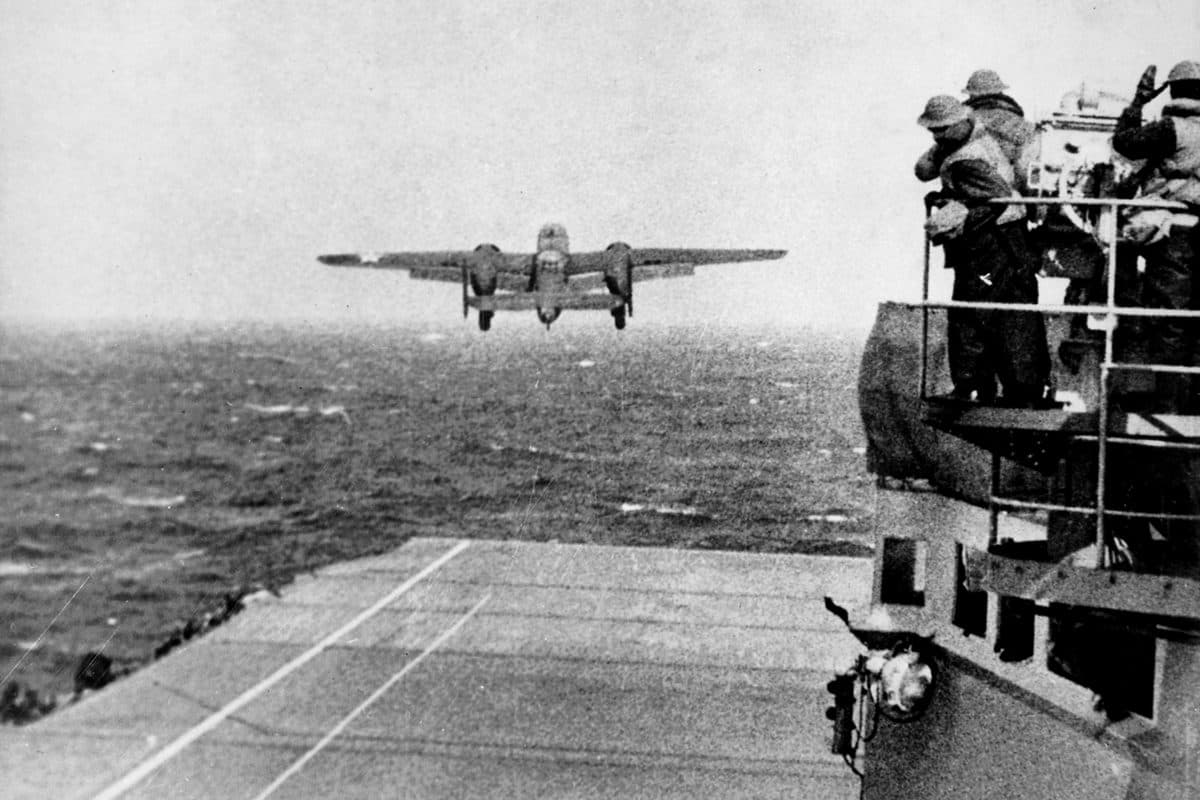
On April 18, 1942, sixteen B-25 Mitchell bombers did something no one thought possible: they launched from the deck of an aircraft carrier, flew 650 miles to Japan, and bombed Tokyo. Every aircraft was lost. The damage was negligible. The consequences changed the war.
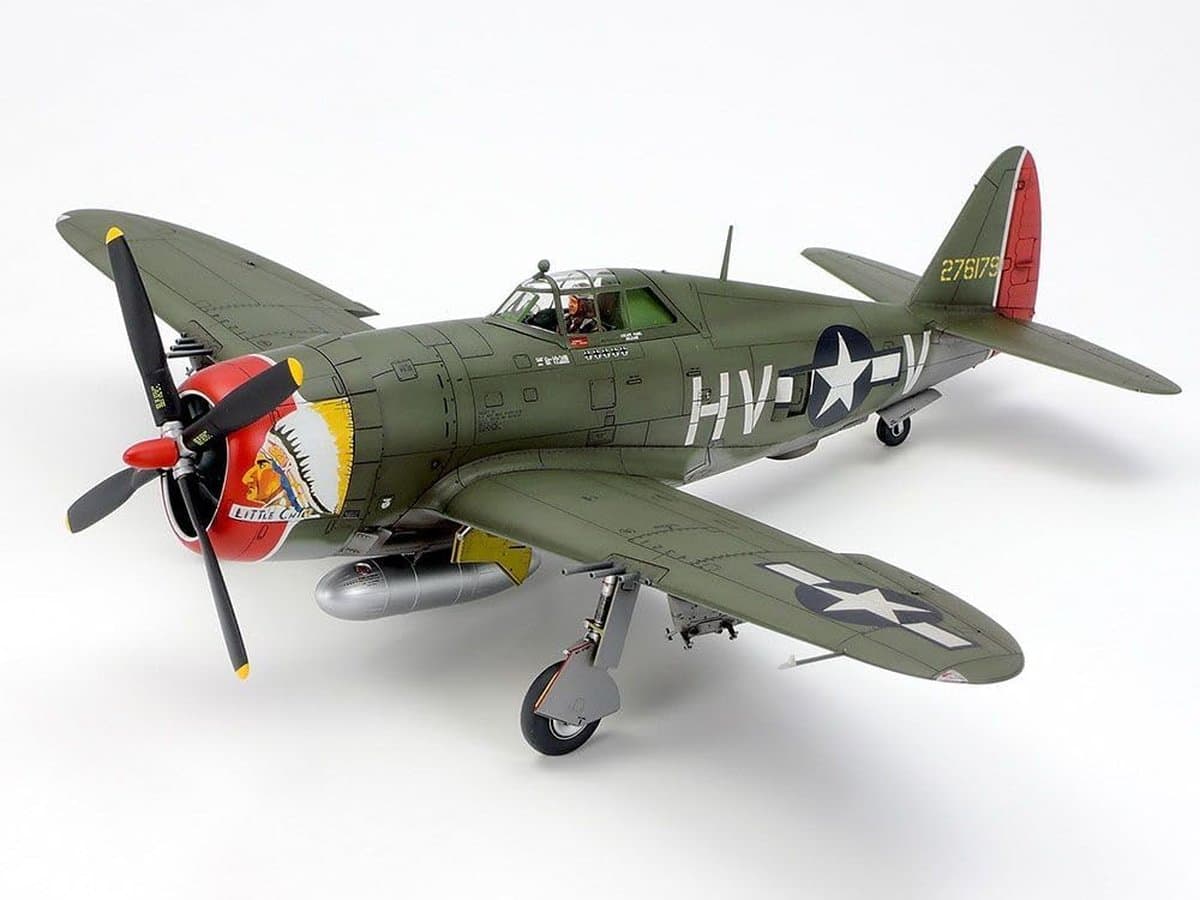
Compare 85+ WW2 scale model kits across aircraft, tanks, and ships. Beginner builds from $9 to museum-grade showpieces at $580. Covers Tamiya, Eduard, HK Models, Trumpeter, and more with honest reviews, trade-offs, and pricing.

On April 7, 1945, the Imperial Japanese Navy sent the largest battleship ever built on a one-way suicide mission to Okinawa. She never arrived. 386 American aircraft found her first, and sank her in under two hours.