


23 Military Rules That Exist Only Because Something Went Wrong Once
Every regulation has a backstory. These 23 rules trace directly to specific incidents.
ryan-caldwell··24 min read
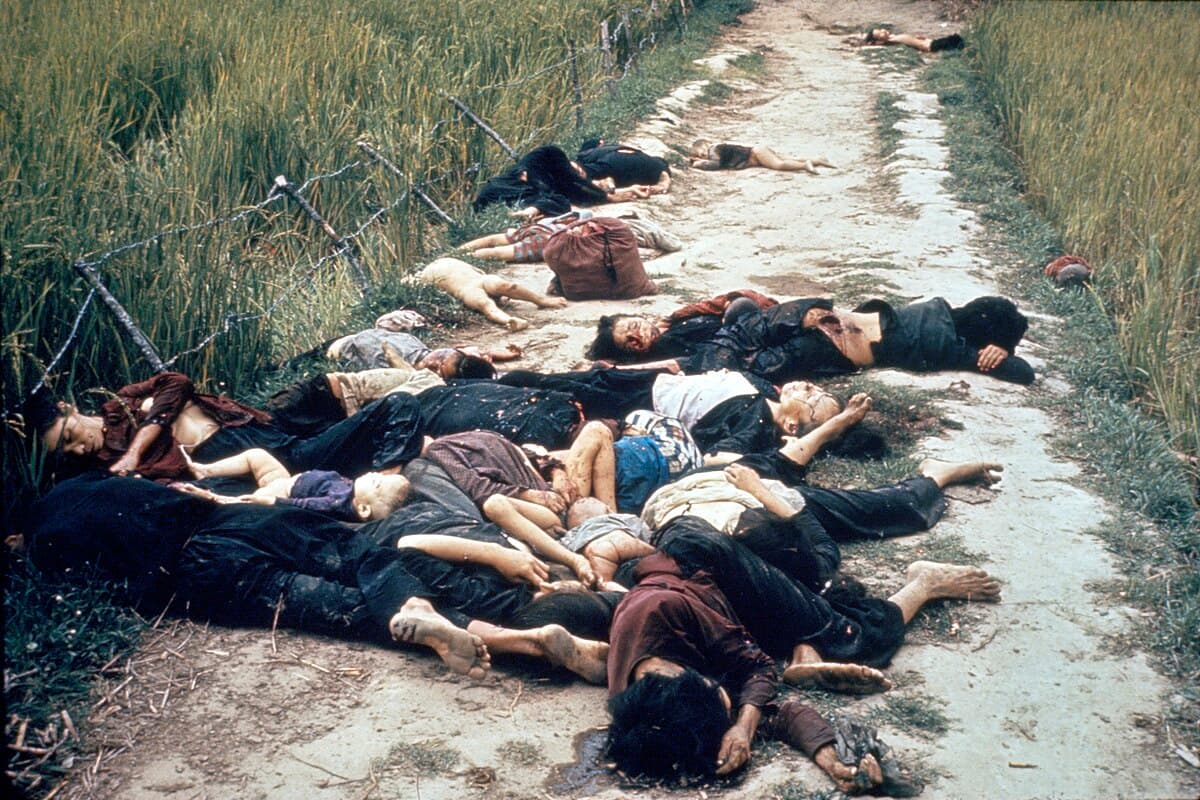
American soldiers of Charlie Company, 1st Battalion, 20th Infantry Regiment murdered between 347 and 504 unarmed Vietnamese civilians, including women, children, and elderly, in the hamlet of My Lai. The massacre was stopped only when helicopter pilot Warrant Officer Hugh Thompson Jr. landed between the soldiers and surviving villagers. The atrocity was covered up for over a year and became the defining symbol of the moral costs of the Vietnam War.
Related articleFerdinand Magellan's expedition reached the island of Homonhon in the Philippines, establishing the first European contact with the Philippine archipelago. The arrival initiated centuries of Spanish colonial military presence in Southeast Asia and ultimately made the Philippines a key strategic location in the Pacific, a role that shaped American military history from 1898 through World War II.
President Thomas Jefferson signed legislation establishing the United States Military Academy at West Point, New York. The academy has produced generations of military leaders including Grant, Lee, Sherman, Pershing, Eisenhower, MacArthur, and Patton. Jefferson created it partly to establish a corps of Republican-leaning officers to counter the Federalist tendencies of the existing officer corps.
Related articleRobert Goddard launched the world's first liquid-fueled rocket from his aunt's farm in Auburn, Massachusetts. The rocket flew for 2.5 seconds, reached 41 feet, and landed 184 feet away. The technology Goddard pioneered led directly to the V-2 missile, intercontinental ballistic missiles, and the entire era of strategic missile warfare that defined the Cold War nuclear standoff.
Related articleAdolf Hitler repudiated the military clauses of the Treaty of Versailles and announced the reintroduction of conscription and the creation of the Wehrmacht with a peacetime army of 36 divisions, roughly 550,000 men, over five times the Versailles limit. Britain, France, and Italy protested at the Stresa Conference but took no meaningful action, encouraging further German aggression.
Related articleApproximately 700 Japanese soldiers launched a final organized counterattack against U.S. Marine positions on Iwo Jima. The attack, led by Captain Samaji Inouye, achieved initial surprise but was repulsed after fierce fighting. It was among the last coordinated Japanese resistance on the island, which was declared secure on March 26.
Related articleNASA's Gemini 8, commanded by Navy pilot Neil Armstrong, achieved the first docking of two spacecraft in orbit, then nearly ended in disaster when a stuck thruster sent the capsule spinning at one revolution per second. Armstrong's cool, precise piloting under extreme conditions saved the crew and the mission, and was one of the key reasons he was later selected to command Apollo 11.
Navy planners in March 1966 began formal studies on retiring USS Nautilus (SSN-571), the world's first nuclear-powered submarine. After more than a decade of service, her S2W reactor and hull had accumulated enough operational hours to justify long-term preservation planning. The studies shaped how later first-of-class nuclear warships would transition from active fleet use to museum status.
American soldiers of Charlie Company, 1st Battalion, 20th Infantry Regiment murdered between 347 and 504 unarmed Vietnamese civilians, including women, children, and elderly, in the hamlet of My Lai. The massacre was stopped only when helicopter pilot Warrant Officer Hugh Thompson Jr. landed between the soldiers and surviving villagers. The atrocity was covered up for over a year and became the defining symbol of the moral costs of the Vietnam War.
Related articleIraqi forces under Saddam Hussein attacked the Kurdish town of Halabja with chemical weapons, mustard gas and the nerve agents sarin, tabun, and VX, killing an estimated 3,200 to 5,000 civilians and injuring up to 10,000 more. The attack was part of the Anfal campaign, a systematic genocide against the Kurdish people, and remains the worst chemical weapons attack against a civilian population in history.
Related articleA disputed referendum in Crimea, held under Russian military occupation, reported that 97% of voters favored joining Russia. Russia formally annexed the peninsula two days later, marking the first forcible annexation of European territory since World War II. The action triggered Western sanctions, shattered post-Cold War security assumptions, and foreshadowed Russia's full-scale invasion of Ukraine in 2022.

4th President of the United States / Commander-in-Chief
"Father of the Constitution" who established the principle of civilian control of the military. As Commander-in-Chief during the War of 1812, he witnessed the burning of Washington, D.C., in 1814, one of only two times a foreign enemy has attacked the American capital.

Major (retired), U.S. Army
The helicopter pilot who stopped the My Lai Massacre on March 16, 1968, by landing between American soldiers and Vietnamese civilians and ordering his crew to fire on the soldiers if they continued killing. Shunned and threatened for years, he was finally recognized with the Soldier's Medal in 1998, 30 years after his act of courage.

Civilian
Between 347 and 504 unarmed Vietnamese civilians, including women, children, infants, and elderly, were murdered by American soldiers of Charlie Company in the hamlet of My Lai on March 16, 1968. Only one soldier, Lieutenant William Calley, was convicted of the crime.
Wear the Timeline
10 military events occurred on March 16, spanning multiple centuries. Key events include: The My Lai Massacre (1968), United States Military Academy Established at West Point (1802), Hitler Announces German Rearmament, Violating the Treaty of Versailles (1935), Robert Goddard Launches the World's First Liquid-Fueled Rocket (1926), Halabja Chemical Attack: The Worst Chemical Weapons Attack on Civilians (1988).
The most significant military event on March 16 is The My Lai Massacre (1968). American soldiers of Charlie Company, 1st Battalion, 20th Infantry Regiment murdered between 347 and 504 unarmed Vietnamese civilians, including women, children, and elderly, in the hamlet of My Lai. The massacre was stopped only when helicopter pilot Warrant Officer Hugh Thompson Jr. landed between the soldiers and surviving villagers. The atrocity was covered up for over a year and became the defining symbol of the moral costs of the Vietnam War.
Notable military figures born on March 16 include James Madison (1751–1836), Warrant Officer Hugh Thompson Jr. (1943–2006).
Events on March 16 span the Vietnam War, the Colonial & Revolutionary era, the Interwar Period, the Modern Era, the Cold War, World War II, covering 10 events across 4 centuries of military history.
Events on March 16 involve 3 branches of the U.S. and allied armed forces, reflecting the global scope of military operations throughout history.
Explore military history from the day you were born.
June 6
The Allied invasion of Normandy, the largest amphibious assault in history.
December 7
Japan attacks the U.S. Pacific Fleet, bringing America into World War II.
September 11
The deadliest terrorist attack in history transforms U.S. national security.
August 6
The first atomic bomb is dropped on a city, ushering in the nuclear age.
May 8
Nazi Germany surrenders unconditionally, ending World War II in Europe.
November 11
Armistice Day marks the end of World War I and honors all who served.
June 4
The turning point of the Pacific War as the U.S. Navy destroys four Japanese carriers.
July 4
The Declaration of Independence is adopted, sparking the American Revolution.
Every regulation has a backstory. These 23 rules trace directly to specific incidents.
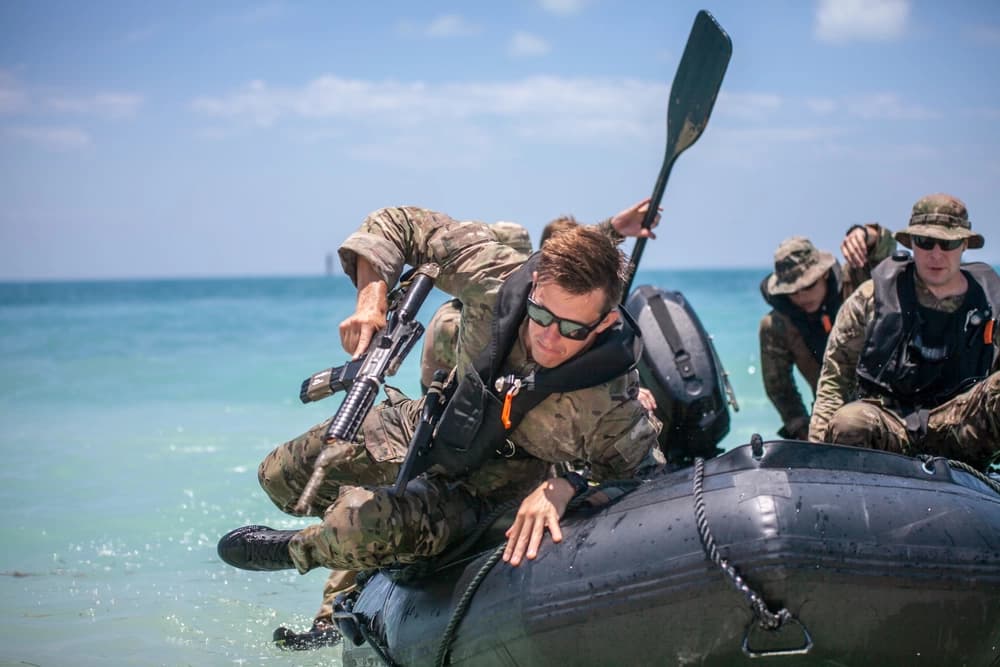
An in-depth look at the selection, qualification, and lifelong training that produces America's most capable special operations units.
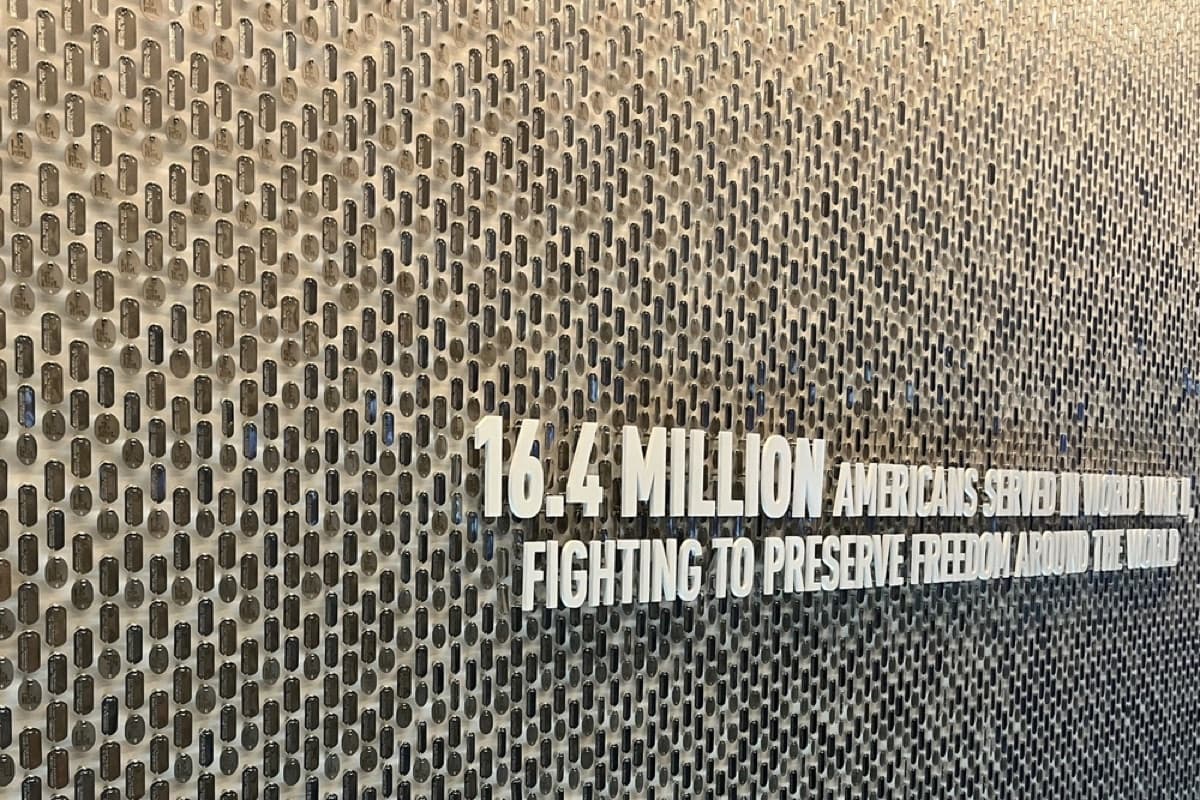
Calvin Graham Was Youngest Decorated US Soldier at 12 Pearl Harbor Visitors Bureau “Green Boys” was a term given to soldiers who…
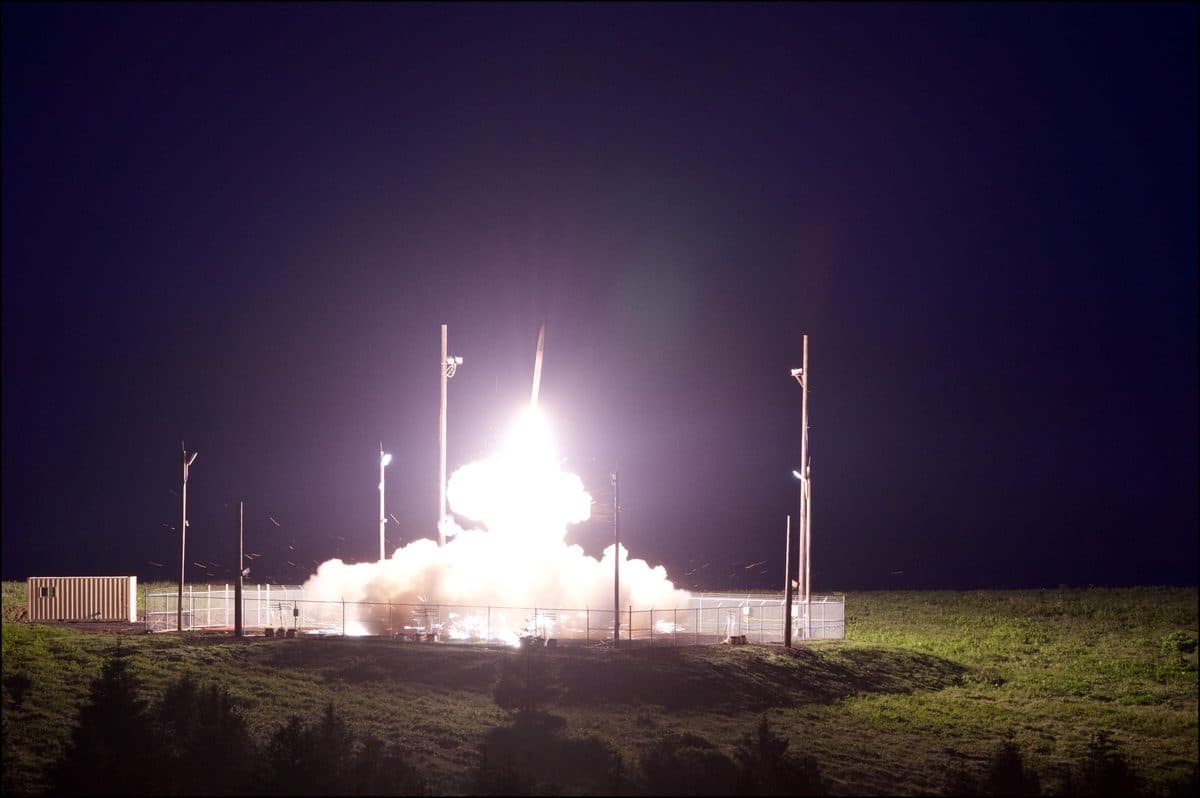
The U.S. Dark Eagle missed its 2025 deadline. Russia's Kinzhal was intercepted by a Patriot. China's DF-27 is nearing operational status. Here's where every major hypersonic program actually stands in 2026, with no hype and just verified data.