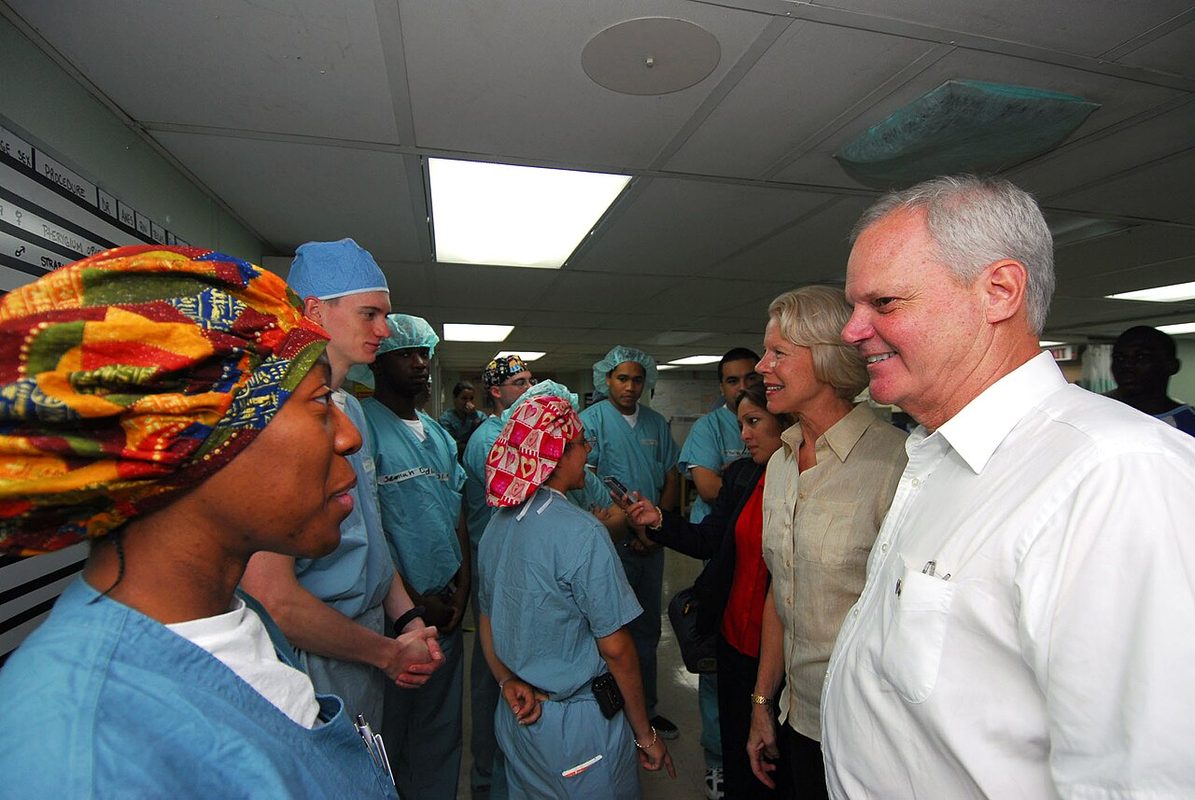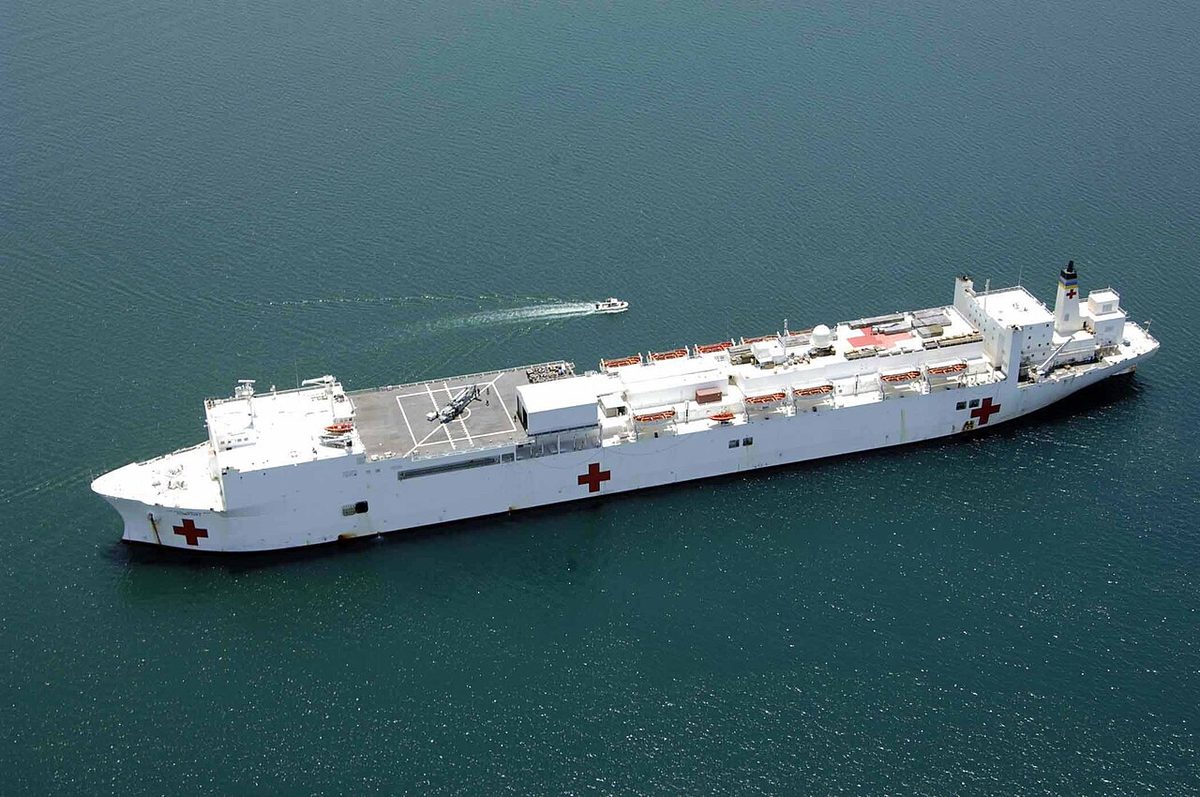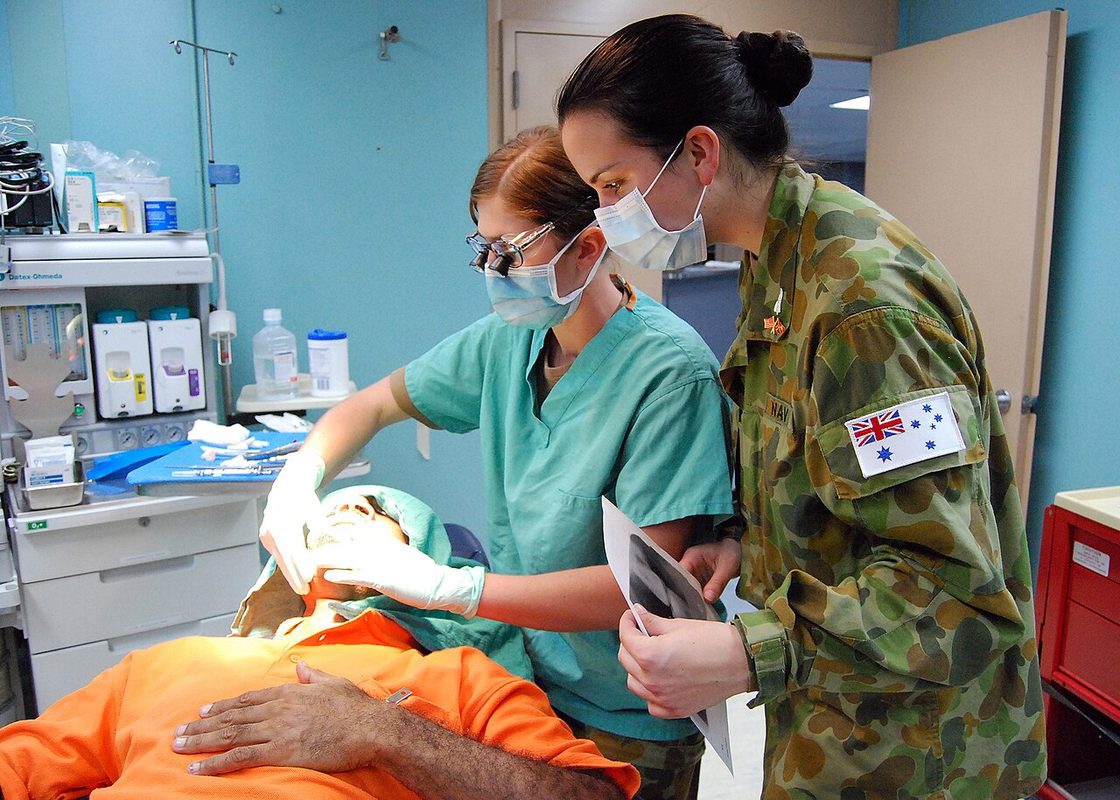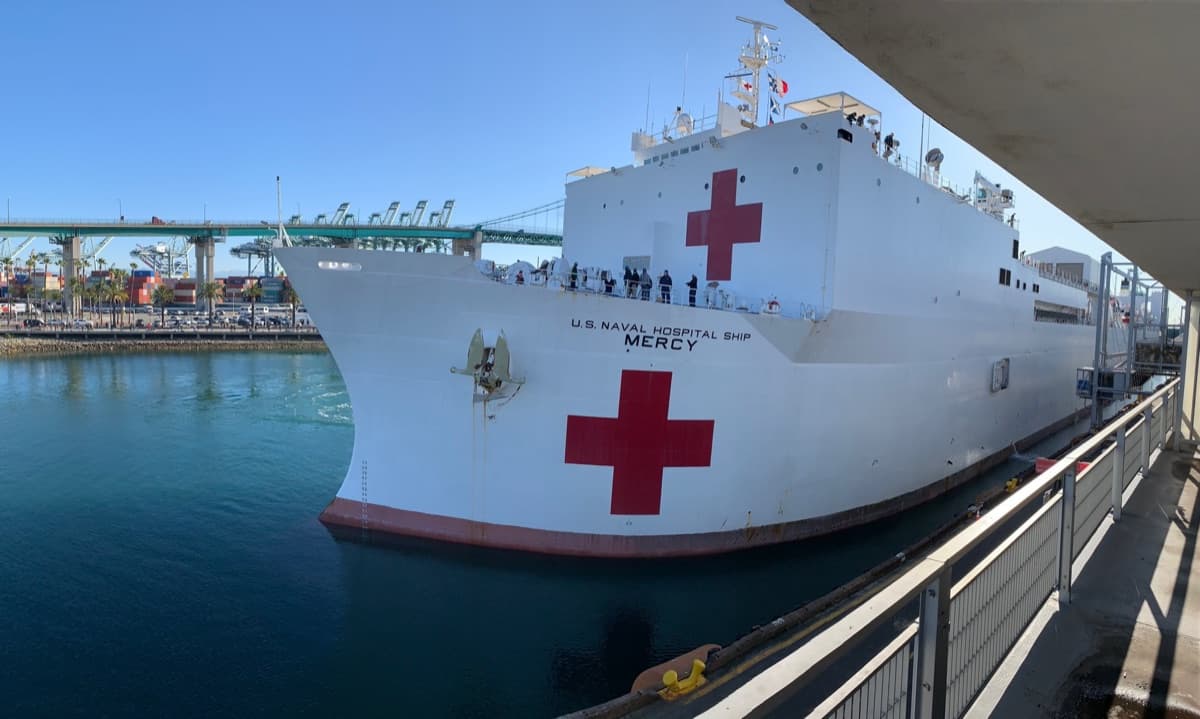

One thousand hospital beds. Twelve operating rooms. Four X-ray rooms. A CT scanner. A pharmacy. A blood bank. Dental suites. An optometry lab. A full pathology laboratory. Zero weapons. The U.S. Navy's two Mercy-class hospital ships, USNS Mercy and USNS Comfort, are the largest medical facilities afloat, and they are among the most unusual warships ever built. They carry no armament of any kind. Their white hulls are marked with enormous red crosses. And under the Geneva Conventions, attacking them is a war crime.
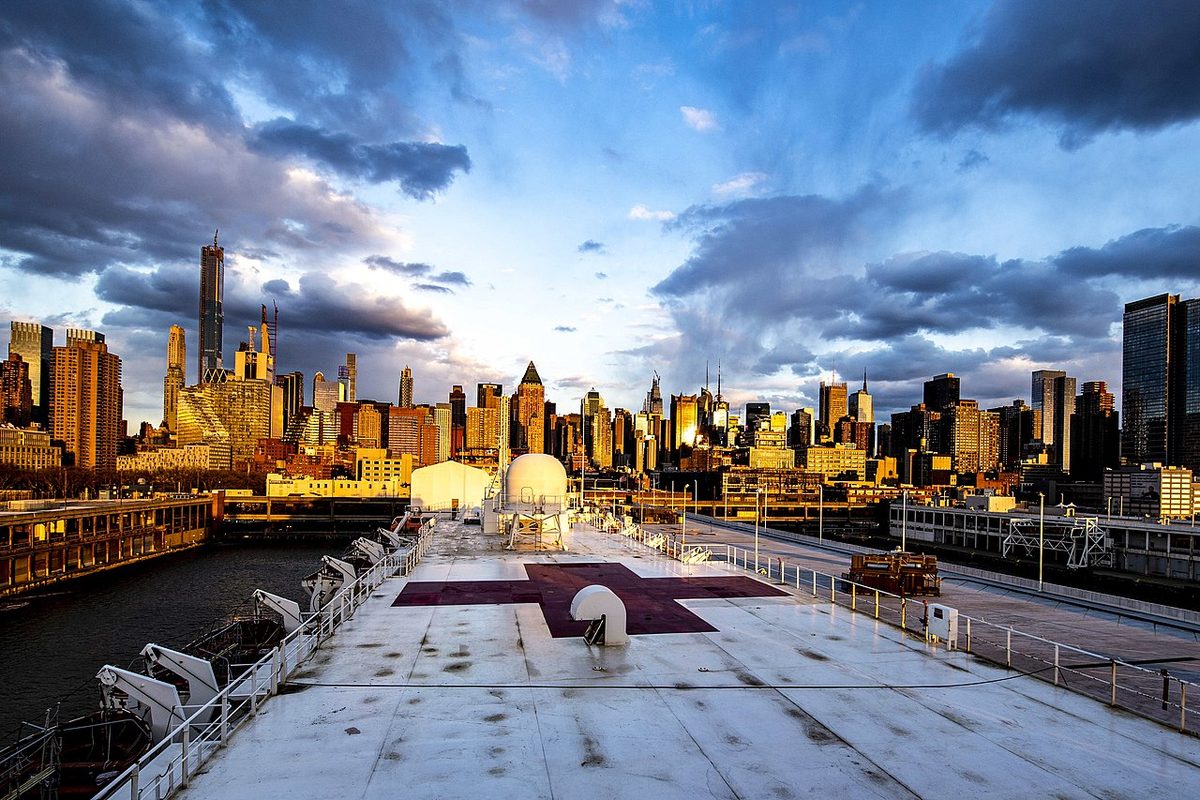
These 894-foot vessels, converted San Clemente-class supertankers, can deploy from reduced operating status to a crisis zone in five days, carrying a medical staff of up to 1,200 personnel. They have served in every major U.S. military operation since the 1991 Gulf War, responded to natural disasters from Haiti to Indonesia, and in 2020, anchored in the harbors of New York City and Los Angeles as floating hospitals during the COVID-19 pandemic.
The hospital ship is an unusual concept in an era of precision-guided weapons and networked warfare. A nearly 900-foot vessel with no defensive capability, moving at 17.5 knots through waters where anti-ship missiles can travel at Mach 3, might seem like an anachronism. But the mission these ships serve, providing massive surgical and medical capacity close to the point of injury, remains as relevant as it was when the first hospital ships sailed under the red cross in the 19th century.
From Supertanker to Floating Hospital
USNS Mercy (T-AH-19) and USNS Comfort (T-AH-20) were originally built as San Clemente-class oil tankers in the mid-1970s. The Mercy was commissioned as SS Worth in 1976; the Comfort as SS Rose City in 1976. The Navy acquired both ships in the early 1980s and converted them into hospital ships at the National Steel and Shipbuilding Company in San Diego.