#8: Yamato: The Largest Battleship That Ever Sailed
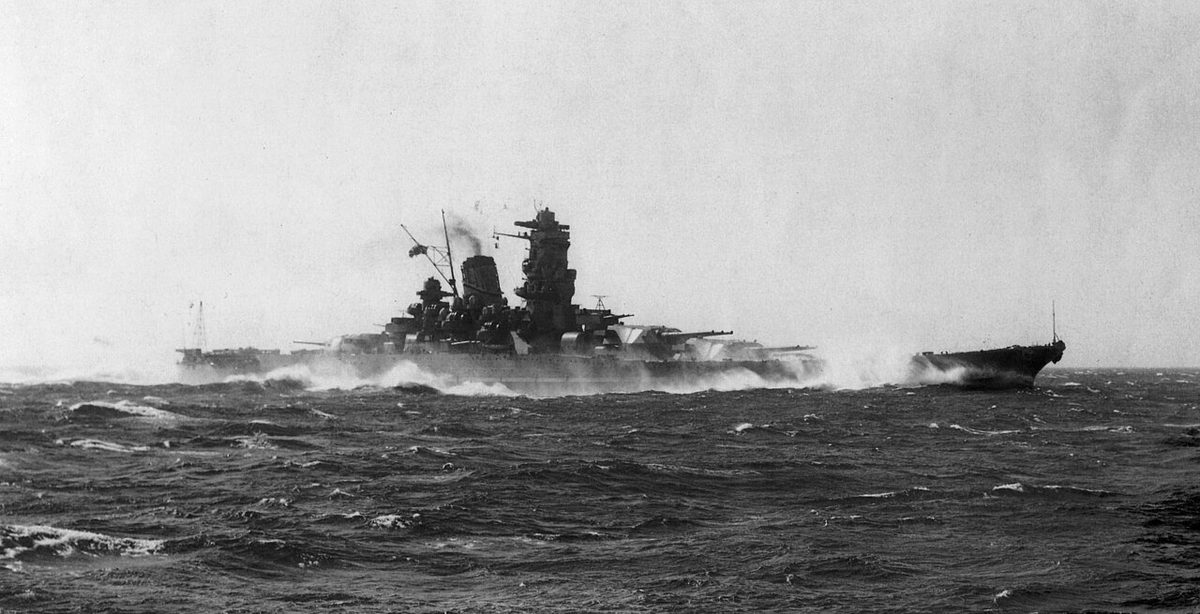
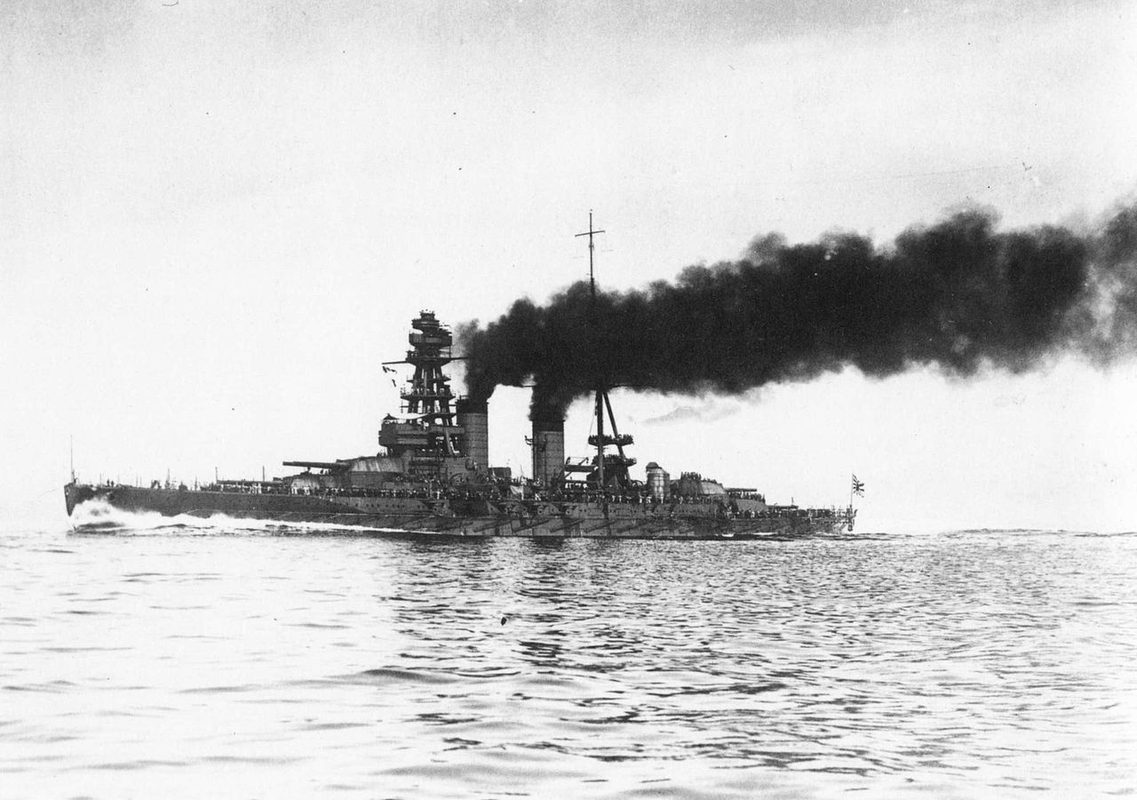
Yamato's nine 18.1-inch guns were the largest ever mounted on a warship, firing 3,220-pound shells, each one literally heavier than a small car, up to 26 miles. At 72,000 tons fully loaded, she was the heaviest battleship ever built, displacing more than some modern aircraft carriers. Her construction was so secret that the drydock at Kure was hidden behind massive sisal curtains.
Despite her overwhelming specifications, Yamato fired her main guns at enemy surface targets only once, at the Battle off Samar in 1944. She spent most of the war in port, too valuable and too fuel-hungry to risk casually. On April 7, 1945, Yamato was sent on Operation Ten-Go, a one-way suicide mission to beach herself at Okinawa and fight as a shore battery. She never got close. Nearly 400 American aircraft swarmed her in a two-hour attack, hitting her with at least 11 torpedoes and six bombs. She rolled over and exploded, killing 3,055 of her 3,332 crew. Yamato's fate proved that the age of the battleship was over, naval warfare now belonged to the aircraft carrier.
#7: USS Constitution: Old Ironsides Still Afloat After 228 Years
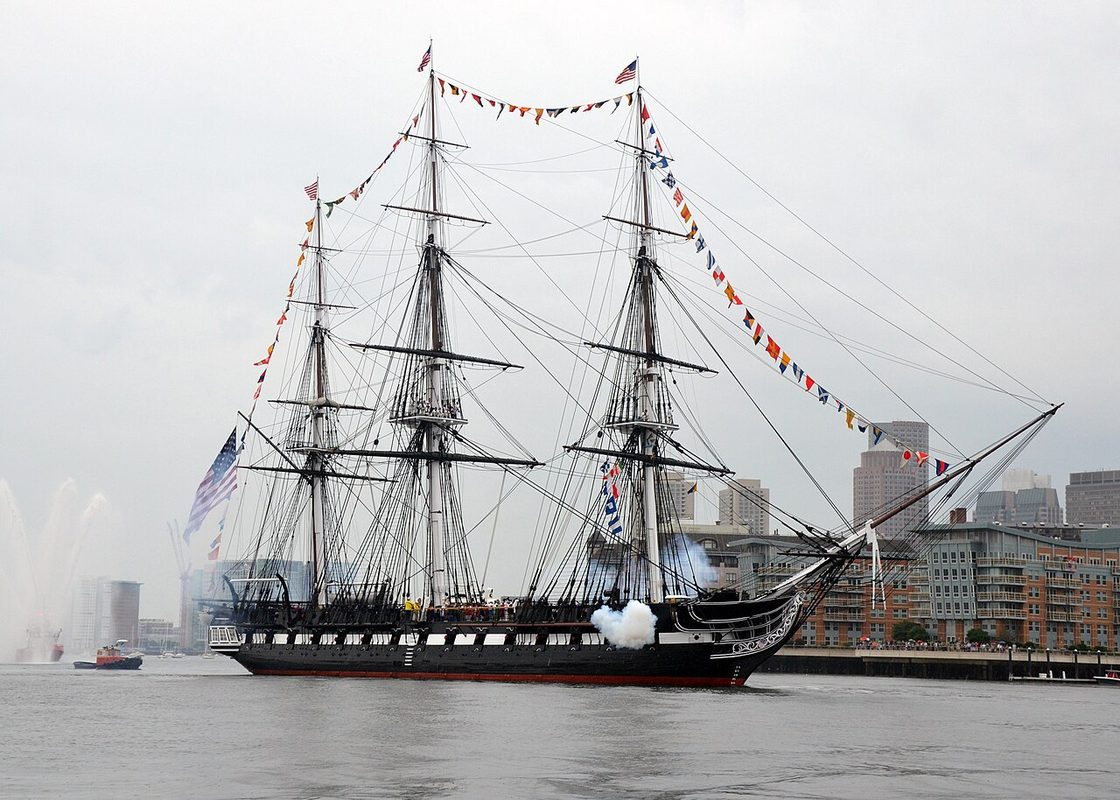
USS Constitution is the oldest commissioned warship still afloat anywhere in the world, launched on October 21, 1797, and still crewed by active-duty U.S. Navy sailors today. During the War of 1812, British cannonballs were seen bouncing off her 21-inch-thick oak hull, earning her the legendary nickname "Old Ironsides" that has endured for over two centuries.
Constitution defeated five British warships in ship-to-ship combat during the War of 1812, including HMS Guerriere, HMS Java, and HMS Cyane, at a time when the Royal Navy was considered virtually unbeatable. Her 44 guns and copper-sheathed hull (using copper provided by Paul Revere) made her faster and more powerful than any frigate she might encounter. In 1830, when the Navy considered scrapping her, Oliver Wendell Holmes' poem "Old Ironsides" sparked a nationwide preservation movement, one of the first in American military history. She is berthed at Charlestown Navy Yard in Boston and periodically sails under her own power, a living monument to the founding era of American naval warfare.
#6: Nimitz-class: Ten Supercarriers That Rule the Oceans
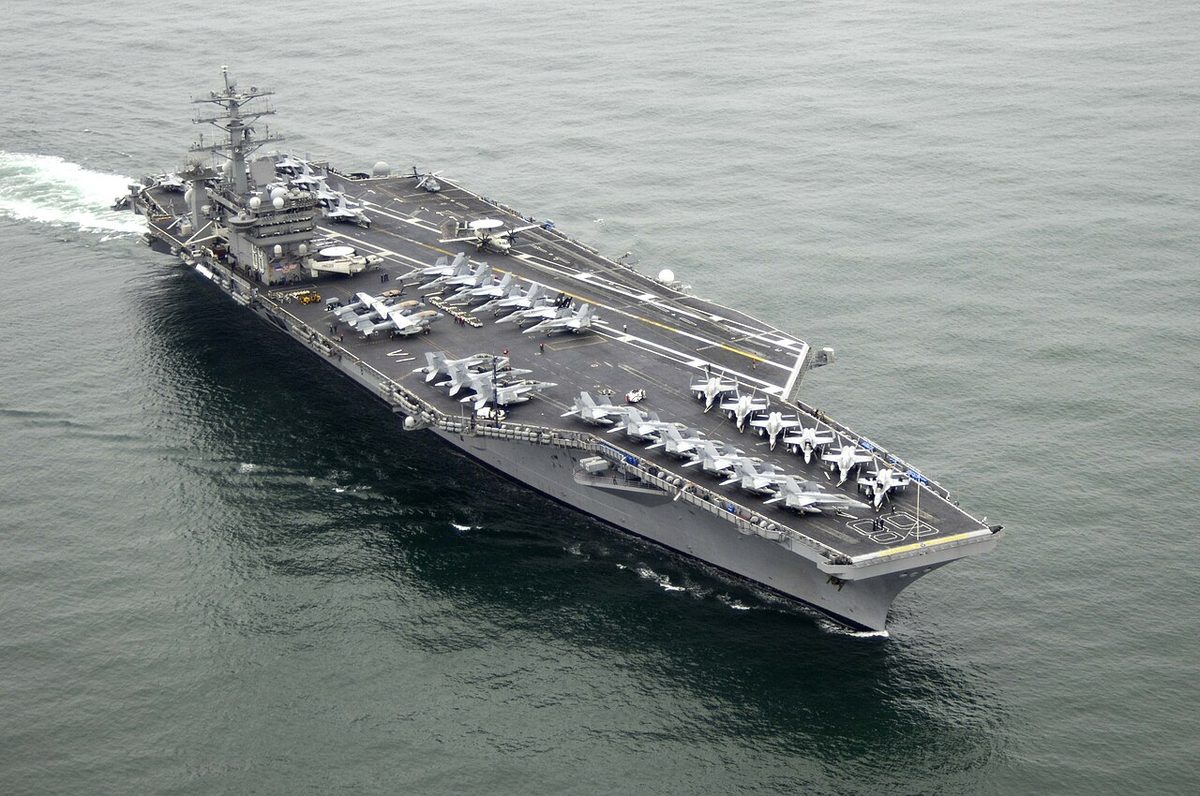
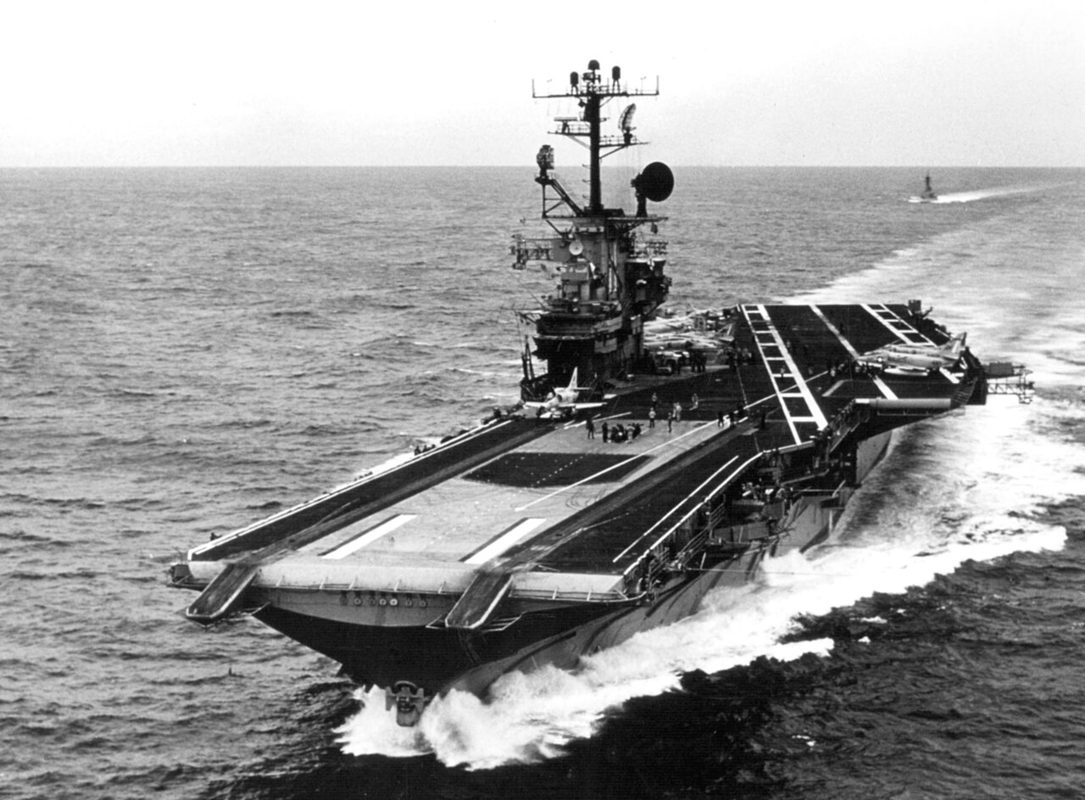
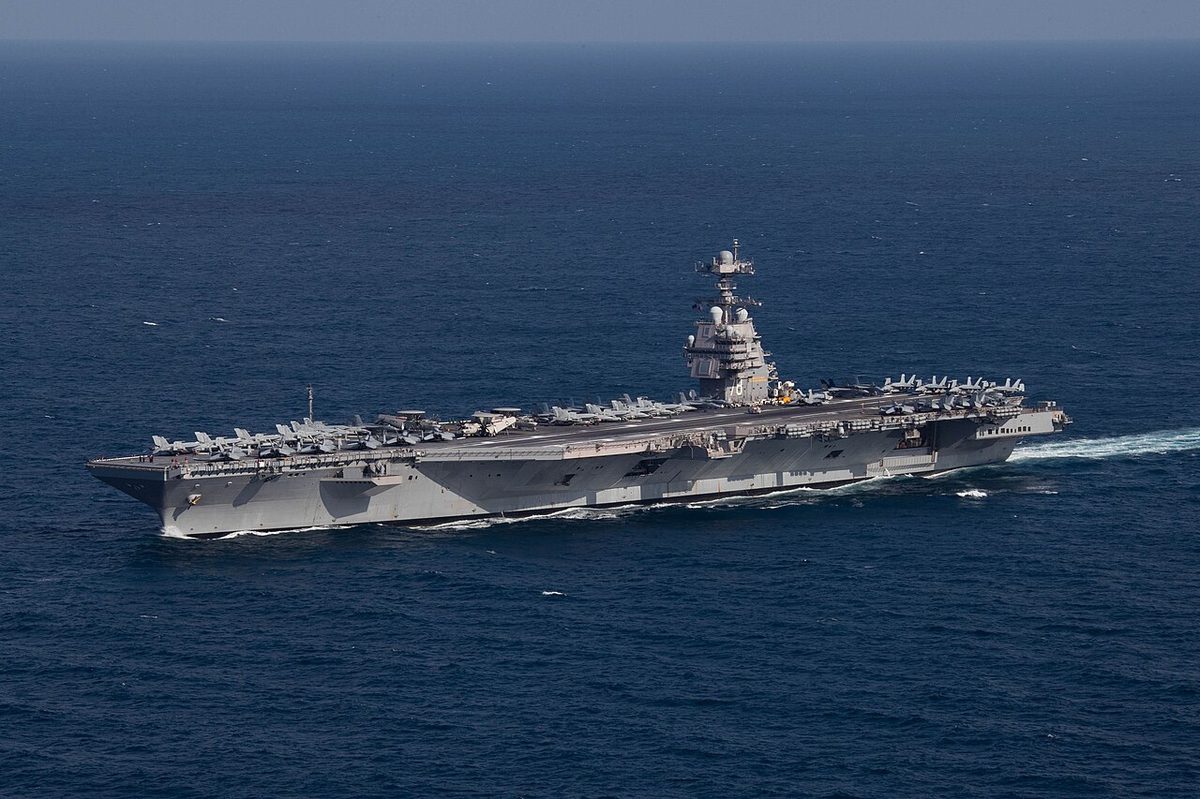
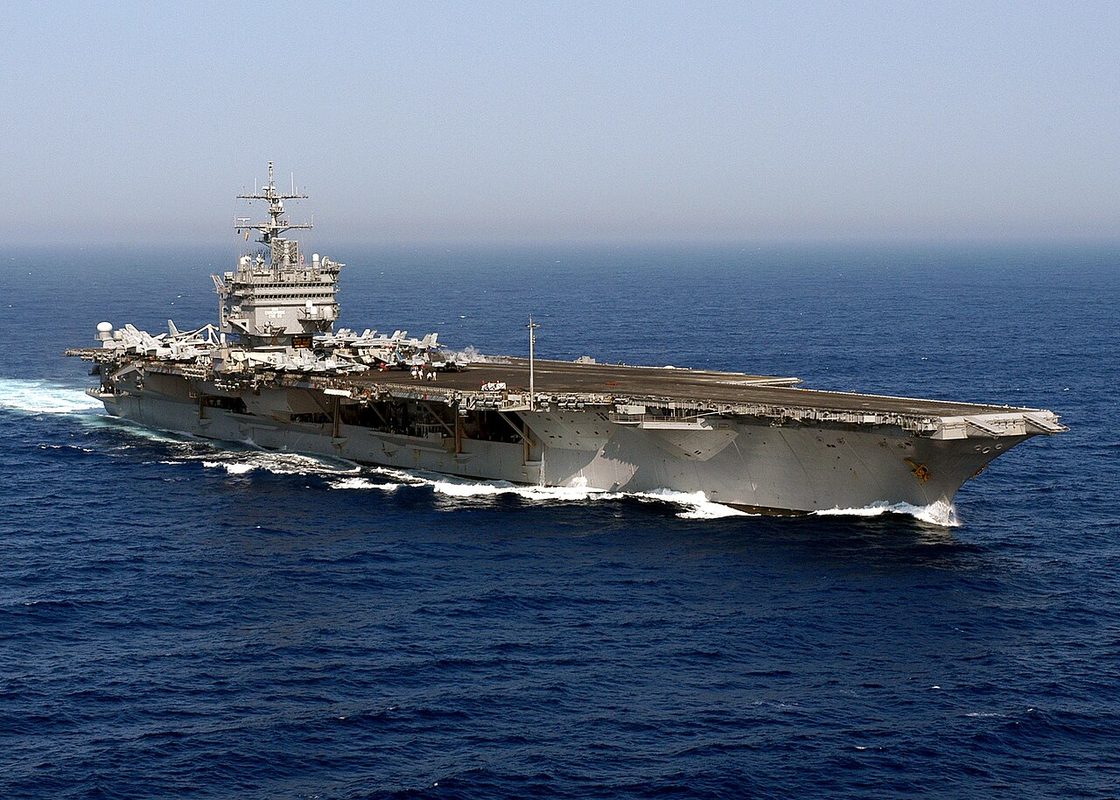
The ten Nimitz-class aircraft carriers represent the single greatest concentration of conventional military power in human history. Each one carries over 60 aircraft, displaces approximately 100,000 tons, and can project decisive combat power anywhere on Earth within days. When a Nimitz-class carrier enters a region, the geopolitical calculus changes instantly, presidents have been asking "Where are the carriers?" since the class entered service in 1975.
Powered by two nuclear reactors that can propel the ship at over 30 knots for 20 years without refueling, a Nimitz-class carrier generates enough electricity to power a small city. Her four catapults can launch an aircraft every 20 seconds, and her air wing can strike targets over 500 miles away. The flight deck covers 4.5 acres and manages one of the most dangerous workplaces on Earth, military training for deck crew is among the most intensive in any armed service. From Desert Storm to Afghanistan to maintaining freedom of navigation in the South China Sea, the Nimitz-class has been the backbone of American defense technology and global naval strategy for half a century.
#5: Bismarck: Eight Days That Shook the Royal Navy
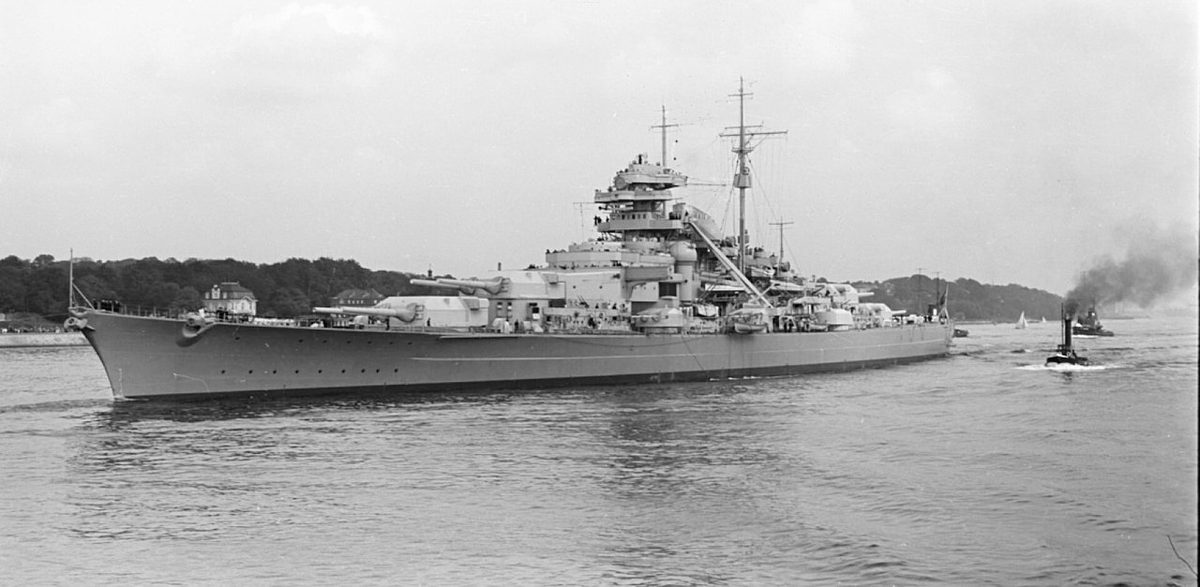
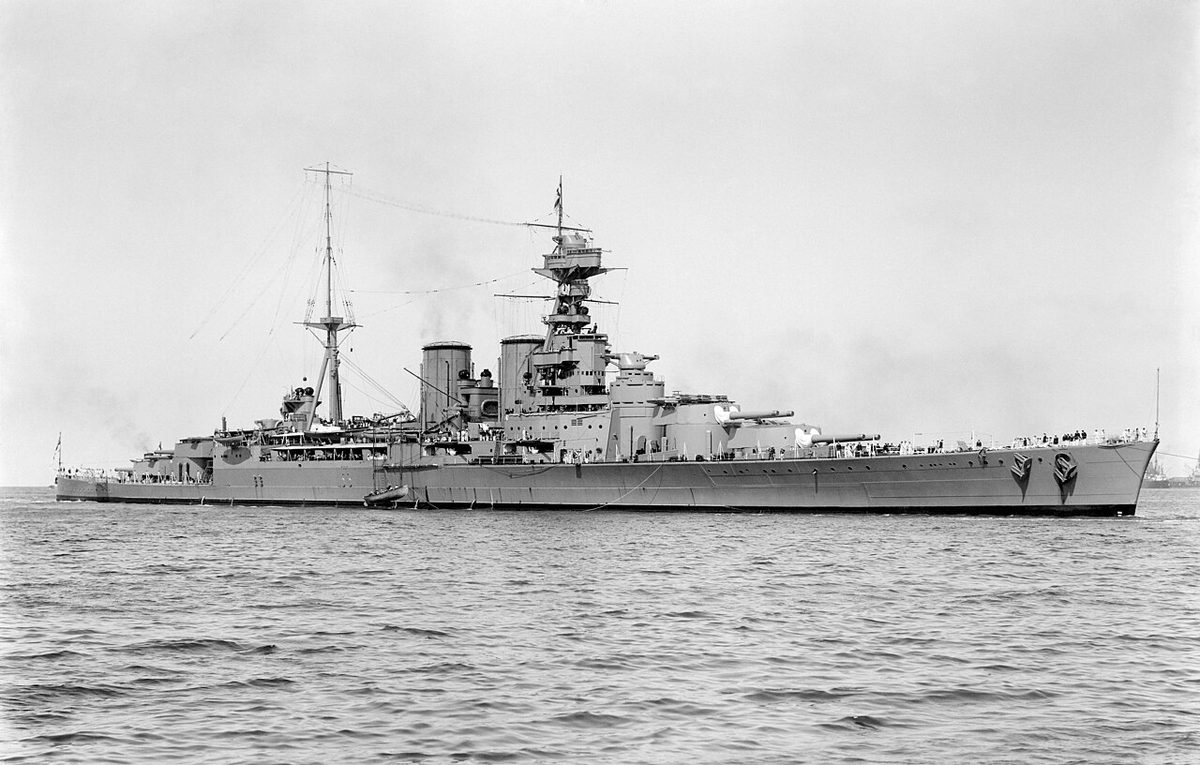
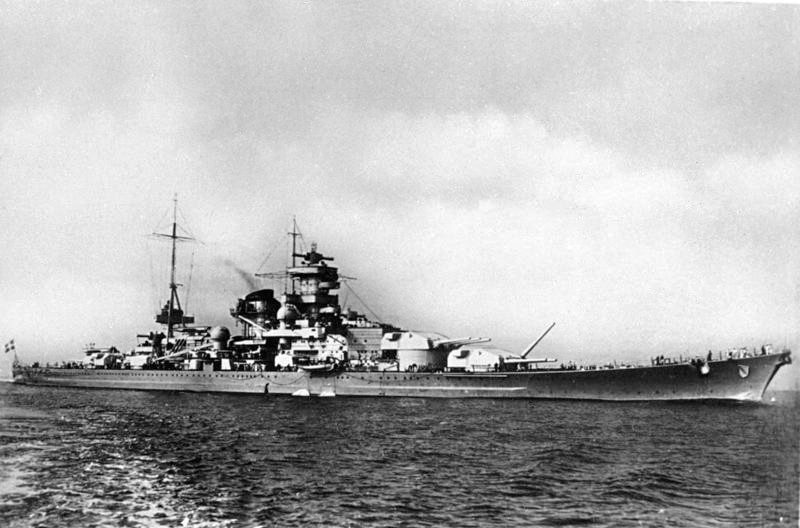
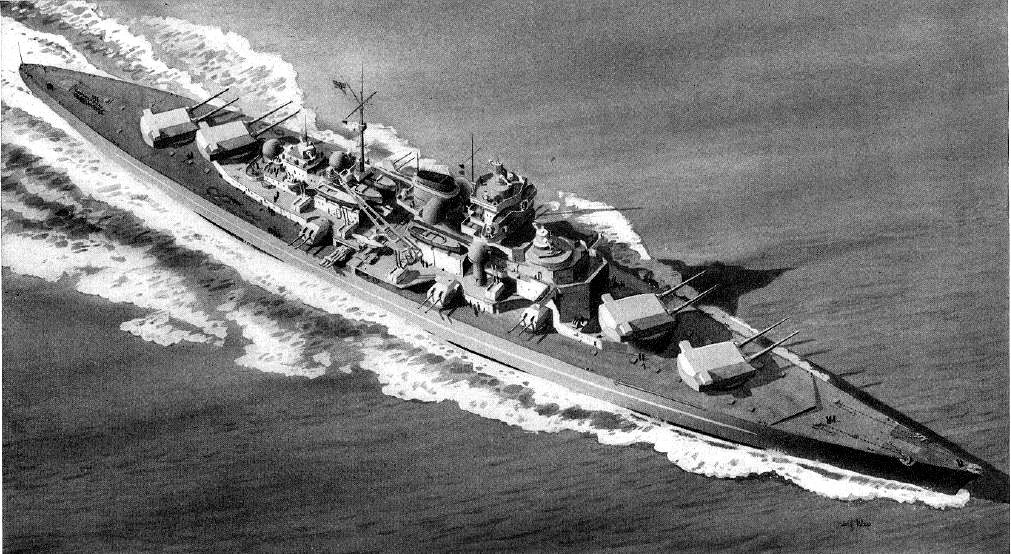
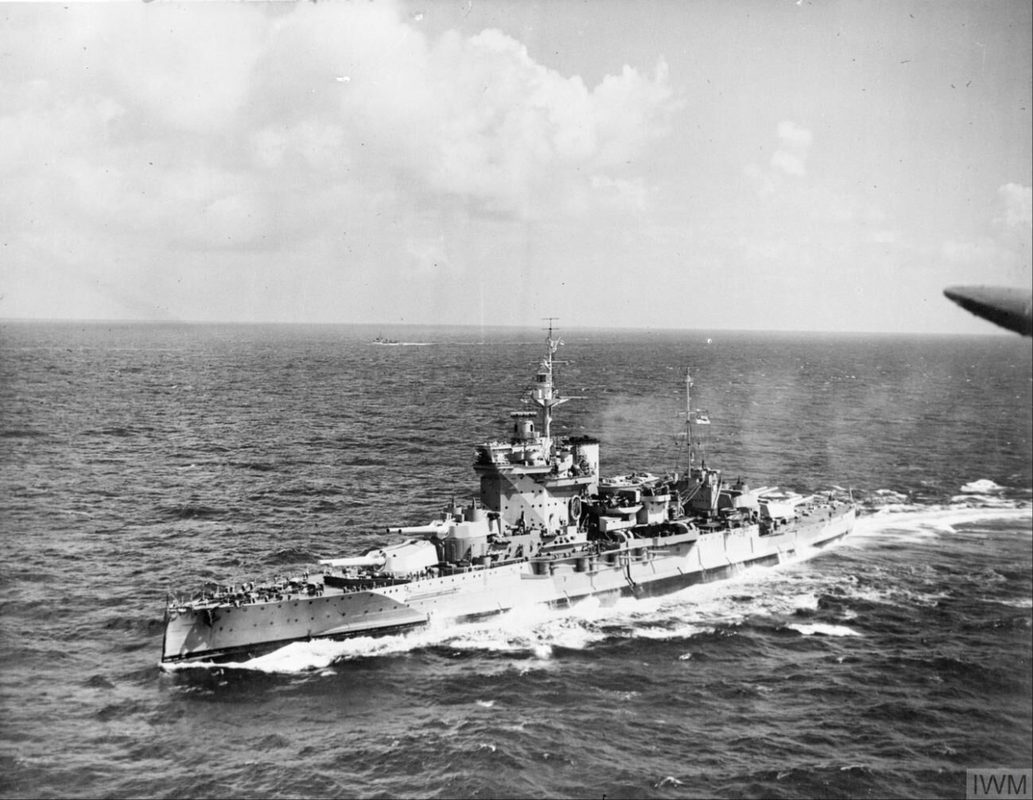
Bismarck's entire operational career lasted just eight days (from May 19 to May 27, 1941) yet in that single week, she destroyed the pride of the Royal Navy, triggered the largest naval manhunt in history, and became the most famous warship of World War II. Her fifth salvo against HMS Hood detonated the battlecruiser's magazine, killing 1,415 men in an explosion visible 30 miles away.
At 50,300 tons with eight 15-inch guns, Bismarck was the most powerful battleship in the Atlantic when she sortied on Operation Rheinübung. After sinking Hood, the entire Royal Navy mobilized to find and destroy her, six battleships, two aircraft carriers, thirteen cruisers, and twenty-one destroyers were involved in the chase. A lucky torpedo hit from a Swordfish biplane jammed her rudder, and on May 27, Bismarck was pounded by over 400 shells before sinking with 2,086 of her 2,221 crew. Her wreck lies upright at 15,700 feet, and the debate over whether she sank from battle damage or was scuttled by her own crew continues among naval warfare historians to this day.
#4: USS Missouri: The Battleship Where World War II Ended
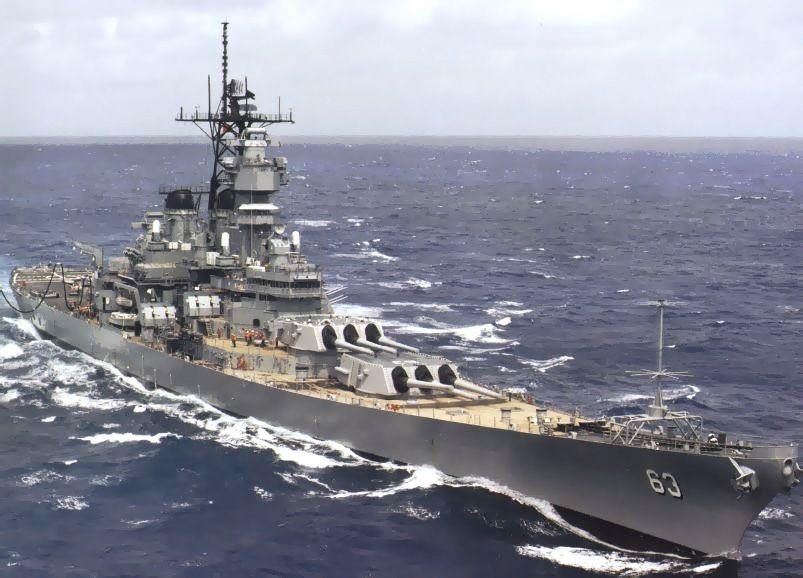
On September 2, 1945, the Japanese Instrument of Surrender was signed on the deck of USS Missouri in Tokyo Bay, officially ending the most devastating conflict in human history. General Douglas MacArthur, Fleet Admiral Chester Nimitz, and representatives of nine Allied nations stood on her teak deck as Japanese Foreign Minister Mamoru Shigemitsu and General Yoshijiro Umezu signed away an empire. That moment made Missouri the most historically significant warship of the 20th century.
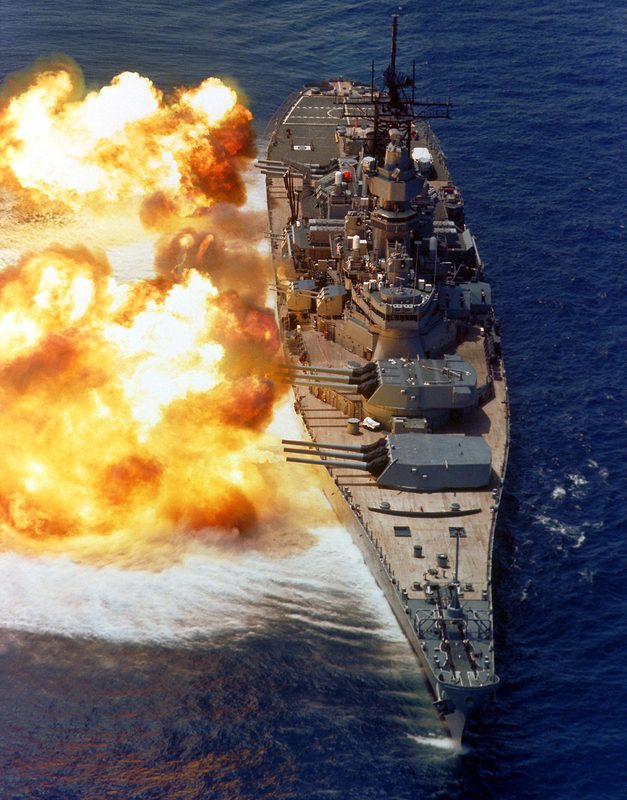
Missouri served in three wars: World War II, Korea, and the Gulf War. During the 1991 Gulf War, at nearly 50 years old, she launched Tomahawk cruise missiles at Iraqi targets and shelled the Kuwaiti coast with her 16-inch guns, the last time a battleship fired its main battery in anger. An Iowa-class battleship displacing 57,540 tons, she could make 33 knots and hurl nine 2,700-pound shells simultaneously at targets 24 miles away. Today, Missouri is preserved as a museum ship at Pearl Harbor, permanently moored near the wreck of USS Arizona, bookending America's Pacific War from first attack to final victory.
#3: HMS Victory: Nelson's Flagship at the Greatest Naval Battle Ever Fought
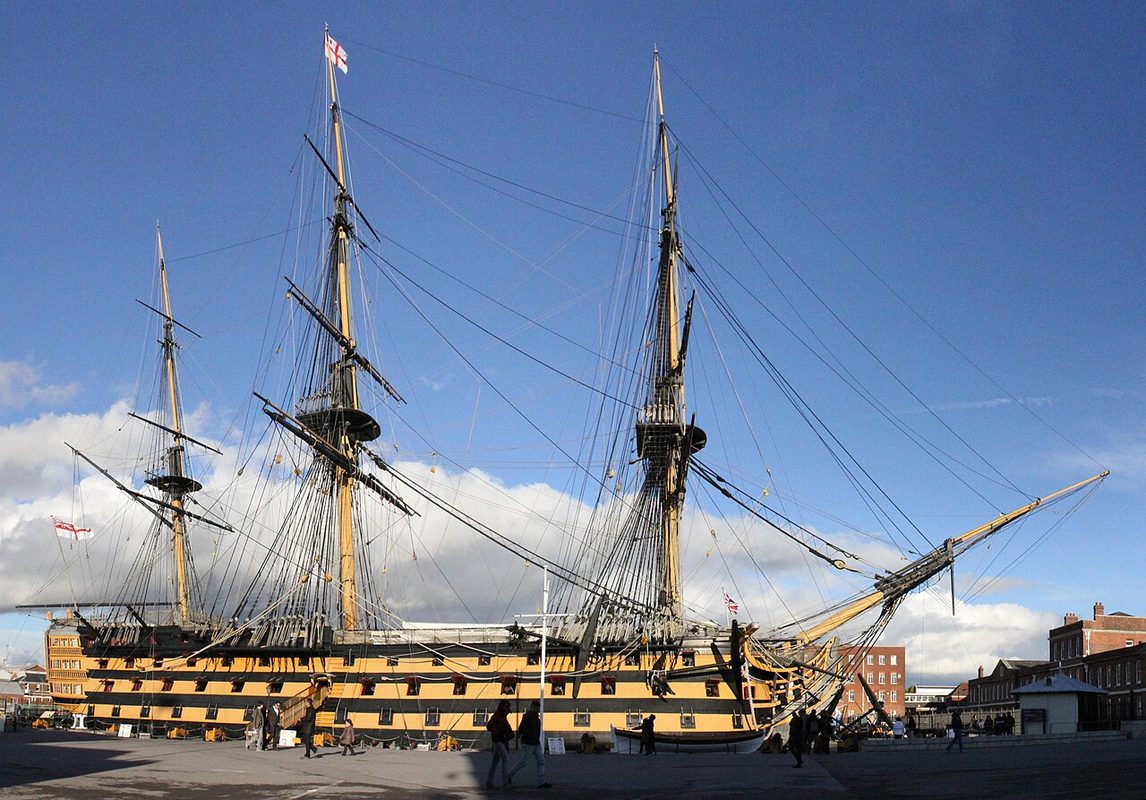
At the Battle of Trafalgar on October 21, 1805, HMS Victory led the British fleet directly into the combined French and Spanish line, enduring raking fire from multiple enemy ships at point-blank range. Admiral Horatio Nelson was shot by a French marksman and died below decks three hours later, but not before learning that his fleet had won one of the most decisive victories in the history of naval warfare, 22 enemy ships captured or destroyed without a single British vessel lost.
Victory is the world's oldest naval ship still in commission, launched in 1765, 32 years before USS Constitution. Her 104 guns spread across three decks could deliver a broadside weighing over half a ton. At Trafalgar, she was crewed by 821 men and suffered 57 killed and 102 wounded in the close-quarters carnage. Nelson's final signal, "England expects that every man will do his duty," became the most famous message in military history. Victory now sits in permanent dry dock at the Portsmouth Historic Dockyard, still flying the flag of the First Sea Lord. She is, quite simply, the most revered warship in existence.
#2: HMS Dreadnought: The Warship That Made Every Other Battleship Obsolete
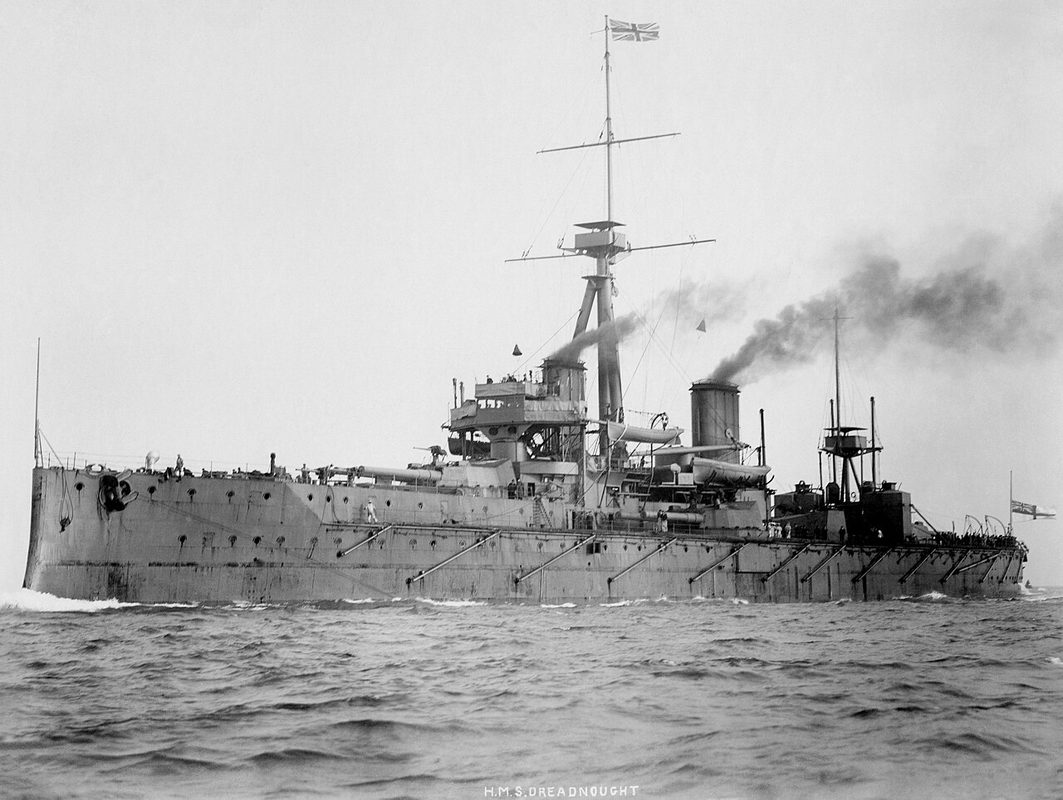
When HMS Dreadnought was commissioned on December 2, 1906, she instantly rendered every other battleship in the world, including Britain's own massive fleet, obsolete. Her ten 12-inch guns, steam turbine propulsion giving her 21 knots, and all-big-gun design were so revolutionary that every subsequent battleship was classified as either a "dreadnought" or a "pre-dreadnought." One ship reset the entire global naval arms race to zero.
Built in just 14 months under the driving force of Admiral Sir John "Jackie" Fisher, Dreadnought's design philosophy was devastatingly simple: if a battleship could hit targets at ranges where only the largest guns were effective, why carry smaller guns at all? Strip them out, add more big guns, and make the ship fast enough to choose its engagement range. The result triggered a naval arms race between Britain and Germany that helped set the stage for World War I. Every major battleship built after 1906, from the Yamato to the Iowa-class, descended from Dreadnought's revolutionary design. No single warship has had a greater impact on naval military technology.
#1: USS Enterprise (CV-6): The Most Decorated Warship in American History
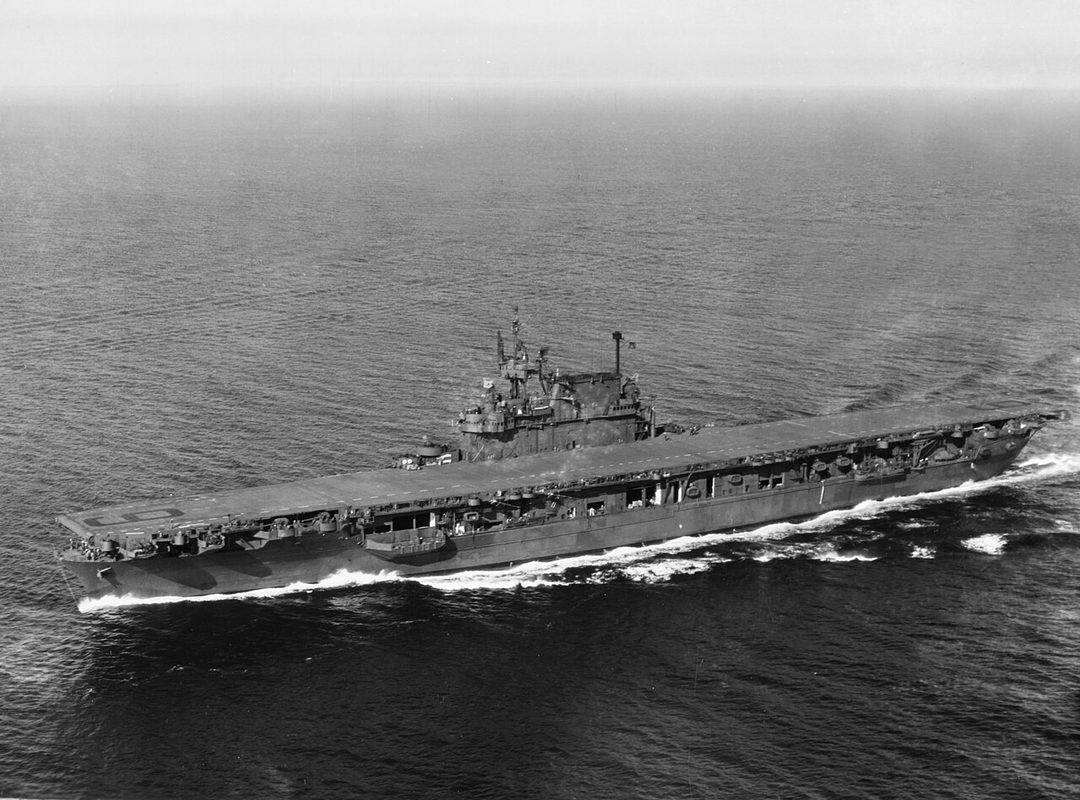
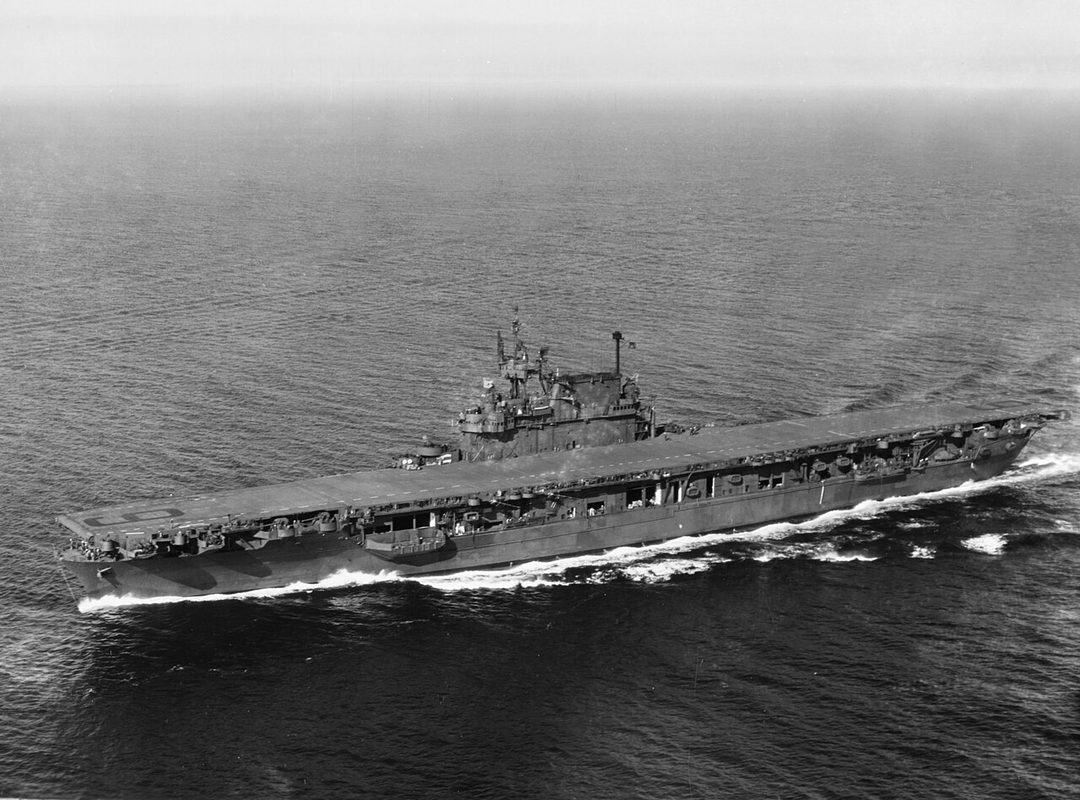
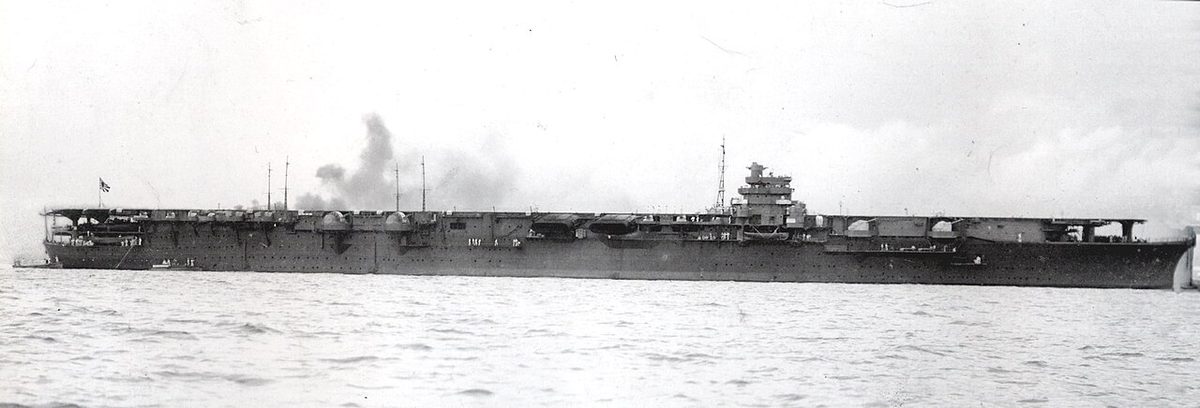
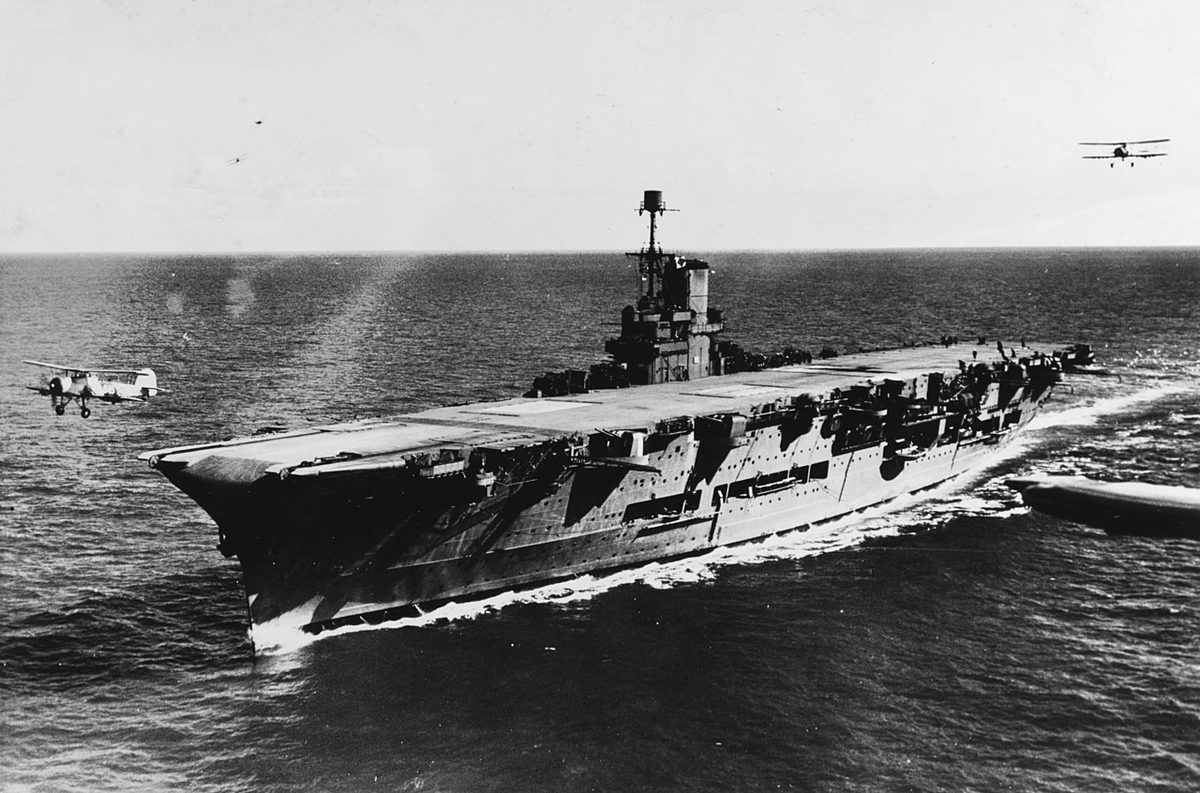
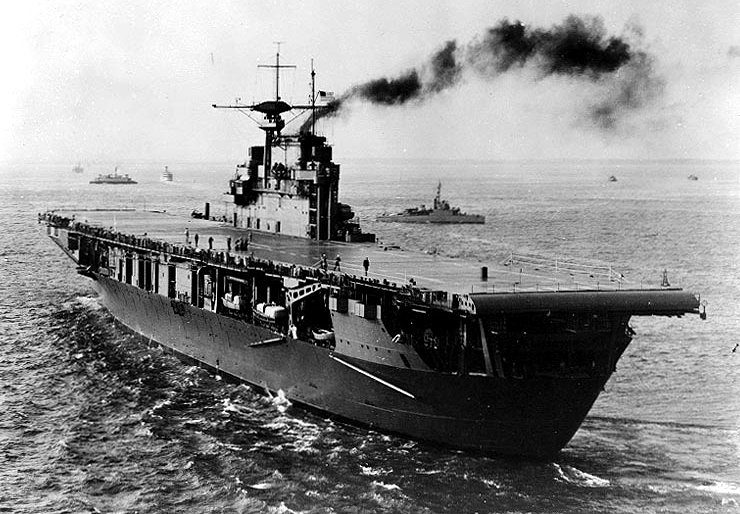
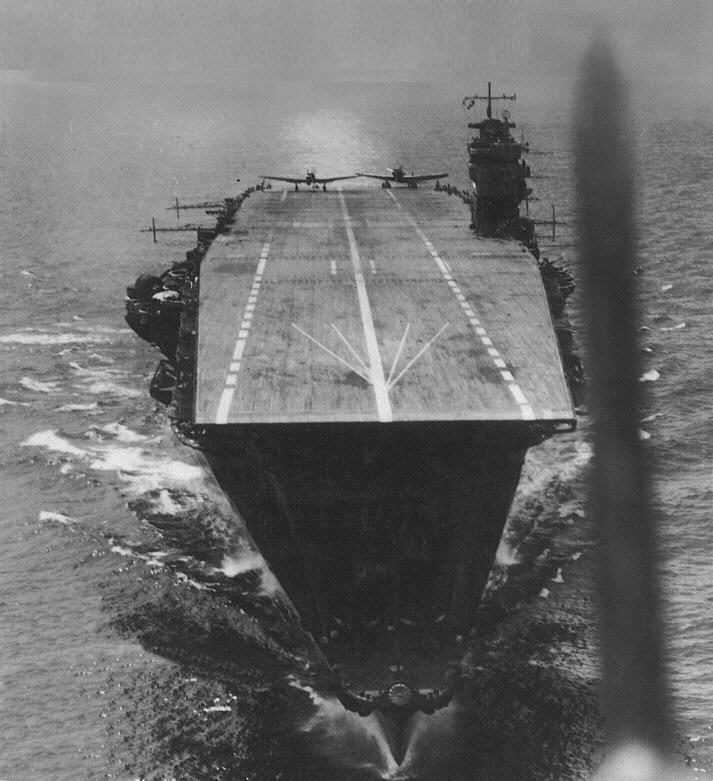
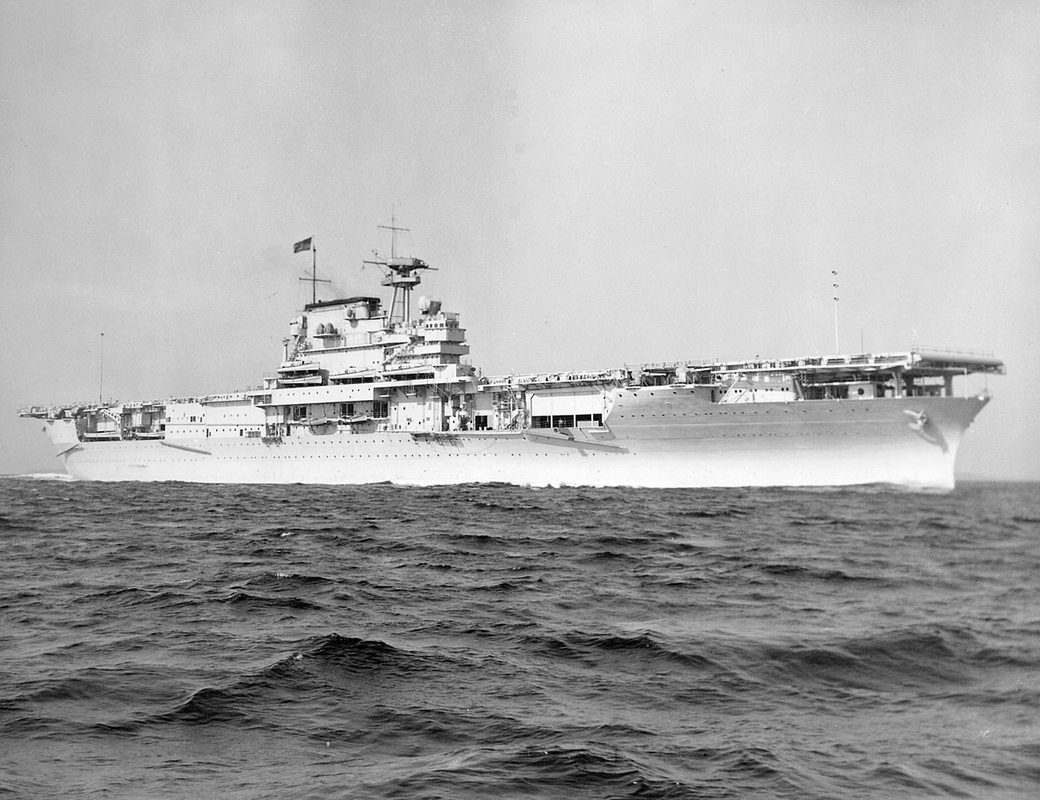
USS Enterprise (CV-6) participated in more major actions of the Pacific War than any other United States ship, 20 battle stars, the most of any U.S. Navy vessel in World War II. She fought at Midway, the Eastern Solomons, Santa Cruz, the Philippine Sea, Leyte Gulf, Iwo Jima, and Okinawa. At one critical point after the battles of 1942, Enterprise was the only operational American carrier in the entire Pacific, carrying the war virtually alone. Her crew hung a sign from the island: "Enterprise vs. Japan."
The "Big E" was a Yorktown-class carrier displacing 25,500 tons, capable of 32.5 knots, and carrying roughly 90 aircraft. Her air group sank or helped sink more than 70 enemy vessels and shot down 911 aircraft over the course of the war. She survived kamikaze hits, bomb damage, and near-misses that would have finished lesser ships. After Santa Cruz in 1942, when both Hornet and Yorktown were gone, Enterprise's air crews and damage-control teams kept the ship fighting through exhaustion and terrible casualties. She is the gold standard against which all warships are measured, the most battle-tested, most decorated, and most consequential aircraft carrier in the history of naval warfare. No ship has earned the title of most iconic warship more completely than the USS Enterprise.