

15 Best World War II Books for History Enthusiasts (2026)
15 essential WW2 books covering every theater. Narrative histories, memoirs, and visual references ranked.
daniel-mercer··21 min read
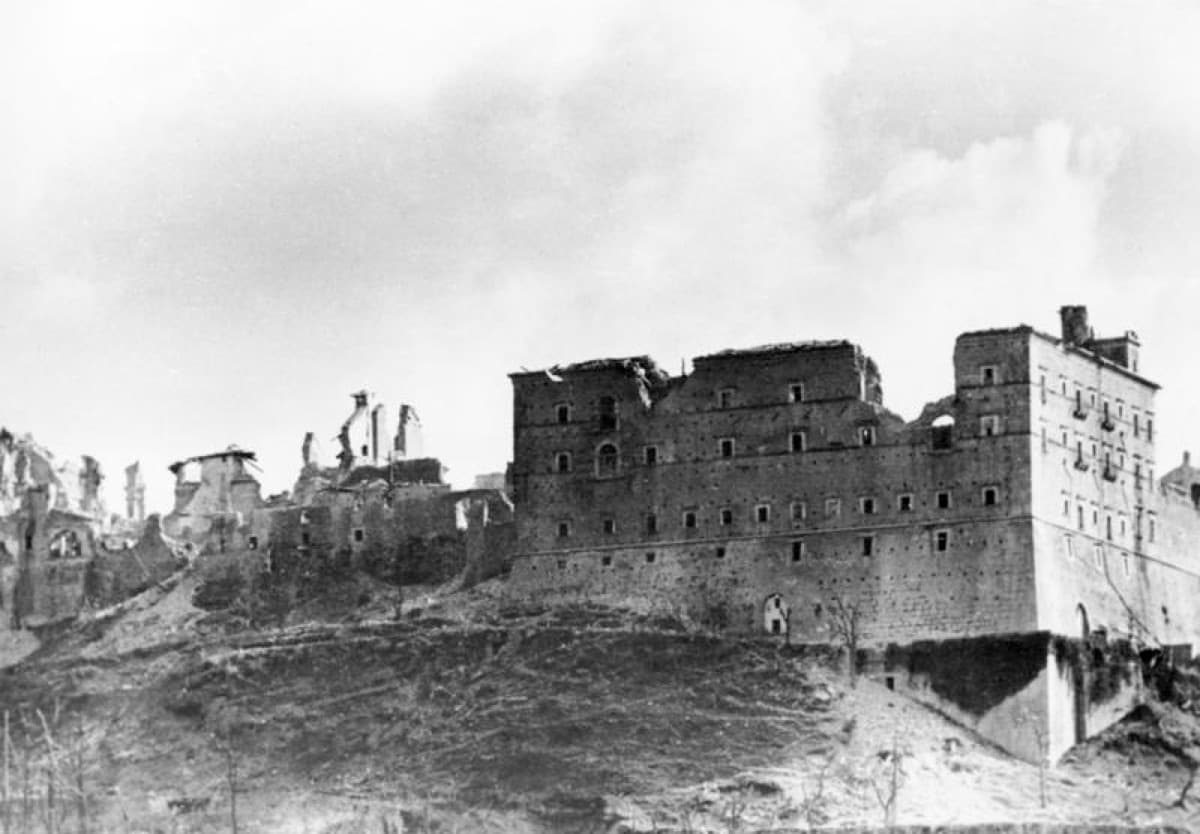
Polish forces of the II Corps raised their flag over the ruins of the Monte Cassino monastery, ending one of the bloodiest battles of the Italian Campaign. Four separate offensives over five months had been needed to break through the German Gustav Line, at a cost of approximately 55,000 Allied casualties.
An Ottoman armada of 40,000 troops besieged the 500 Knights Hospitaller and 6,000 soldiers defending Malta. The four-month siege, one of the most famous in military history, ended in Ottoman defeat and preserved Christian control of the central Mediterranean.
The French Senate adopted a resolution, later ratified by plebiscite, declaring Napoleon Bonaparte Emperor of the French. The proclamation transformed the Revolutionary Consulate into a hereditary empire and set the political stage for a decade of continuous European warfare.
After two failed assaults, Grant began the siege of Vicksburg, Mississippi, the Confederate fortress controlling the Mississippi River. The 47-day siege, combined with the fall of Port Hudson, would give the Union complete control of the river and split the Confederacy in two.
The last holdouts of the Tokugawa shogunate surrendered at Hakodate on the northern Japanese island of Ezo (Hokkaido), ending the Boshin War and confirming the Meiji Restoration. Japan's rapid military modernization in the decades that followed made it the first non-Western great power of the modern era.
President Wilson signed the Selective Service Act, establishing the draft for World War I. The law required all men aged 21-30 to register for military service, eventually expanding the age range to 18-45. Nearly 24 million men registered, and 2.8 million were inducted.
German troops entered Antwerp unopposed as the Belgian army retreated toward the coast in the face of the Wehrmacht's breakthrough into France and Belgium. The loss of the great Belgian port deprived the Allies of their most important logistical hub in northwestern Europe.
Polish forces raised their flag over Monte Cassino's ruins, ending five months of fighting that cost 55,000 Allied casualties.
U.S. Army troops of the 101st Airborne launched a ten-day assault on Ap Bia Mountain (Hill 937) in the A Shau Valley, Vietnam. The hill was captured on May 20 at the cost of 72 Americans killed, then abandoned days later, provoking public outrage that epitomized frustration with the war's strategy.
India detonated its first nuclear device at the Pokhran test range in Rajasthan, becoming the sixth nation to test a nuclear weapon. The test, codenamed "Smiling Buddha," was described as a "peaceful nuclear explosion" but alarmed Pakistan and accelerated nuclear proliferation in South Asia.
Mount St. Helens erupted with the force of roughly 24 megatons of thermal energy, the largest volcanic event in U.S. history, killing 57 people and devastating 230 square miles of forest. Army National Guard and Air National Guard units led a massive rescue and recovery response that reshaped American disaster-response doctrine.
Israeli Defense Forces concluded Operation Rainbow in the Rafah border area of the Gaza Strip, a two-week engineering campaign aimed at destroying tunnels used for arms smuggling from Egypt. The operation foreshadowed the massive counter-tunnel engineering programs that later defined IDF operations in Gaza.

Marshal
Brazilian military leader who served as Minister of War during WWII and led Brazil's participation in the Allied cause. He later served as President of Brazil (1946-1951) and helped integrate Brazil's military with Western defense structures during the early Cold War.

Born Karol Wojtyla in Wadowice, Poland, he lived through the Nazi occupation and later became a key figure in undermining Soviet communism. His support for the Solidarity movement in Poland helped trigger the collapse of communist rule in Eastern Europe.

Generalissimo
Russia's greatest military commander, who never lost a battle in his 40-year career. He won decisive victories against the Ottoman Empire, Poland, and France, and his crossing of the Alps in 1799 is considered one of the most remarkable military feats in history.
Wear the Timeline
11 military events occurred on May 18, spanning multiple centuries. Key events include: Battle of Monte Cassino Ends: Allies Break Through the Gustav Line (1944), Siege of Vicksburg Begins (1863), Great Siege of Malta Begins (1565), India Conducts First Nuclear Test (Smiling Buddha) (1974), Napoleon Proclaimed Emperor of the French (1804).
The most significant military event on May 18 is Battle of Monte Cassino Ends: Allies Break Through the Gustav Line (1944). Polish forces of the II Corps raised their flag over the ruins of the Monte Cassino monastery, ending one of the bloodiest battles of the Italian Campaign. Four separate offensives over five months had been needed to break through the German Gustav Line, at a cost of approximately 55,000 Allied casualties.
Notable military figures born on May 18 include Eurico Gaspar Dutra (1883–1974), Pope John Paul II (1920–2005).
Events on May 18 span World War II, the Civil War, the Colonial & Revolutionary era, the Cold War, World War I, the Vietnam War, the Modern Era, covering 11 events across 4 centuries of military history.
Events on May 18 involve 3 branches of the U.S. and allied armed forces, reflecting the global scope of military operations throughout history.
Explore military history from the day you were born.
June 6
The Allied invasion of Normandy, the largest amphibious assault in history.
December 7
Japan attacks the U.S. Pacific Fleet, bringing America into World War II.
September 11
The deadliest terrorist attack in history transforms U.S. national security.
August 6
The first atomic bomb is dropped on a city, ushering in the nuclear age.
May 8
Nazi Germany surrenders unconditionally, ending World War II in Europe.
November 11
Armistice Day marks the end of World War I and honors all who served.
June 4
The turning point of the Pacific War as the U.S. Navy destroys four Japanese carriers.
July 4
The Declaration of Independence is adopted, sparking the American Revolution.
15 essential WW2 books covering every theater. Narrative histories, memoirs, and visual references ranked.
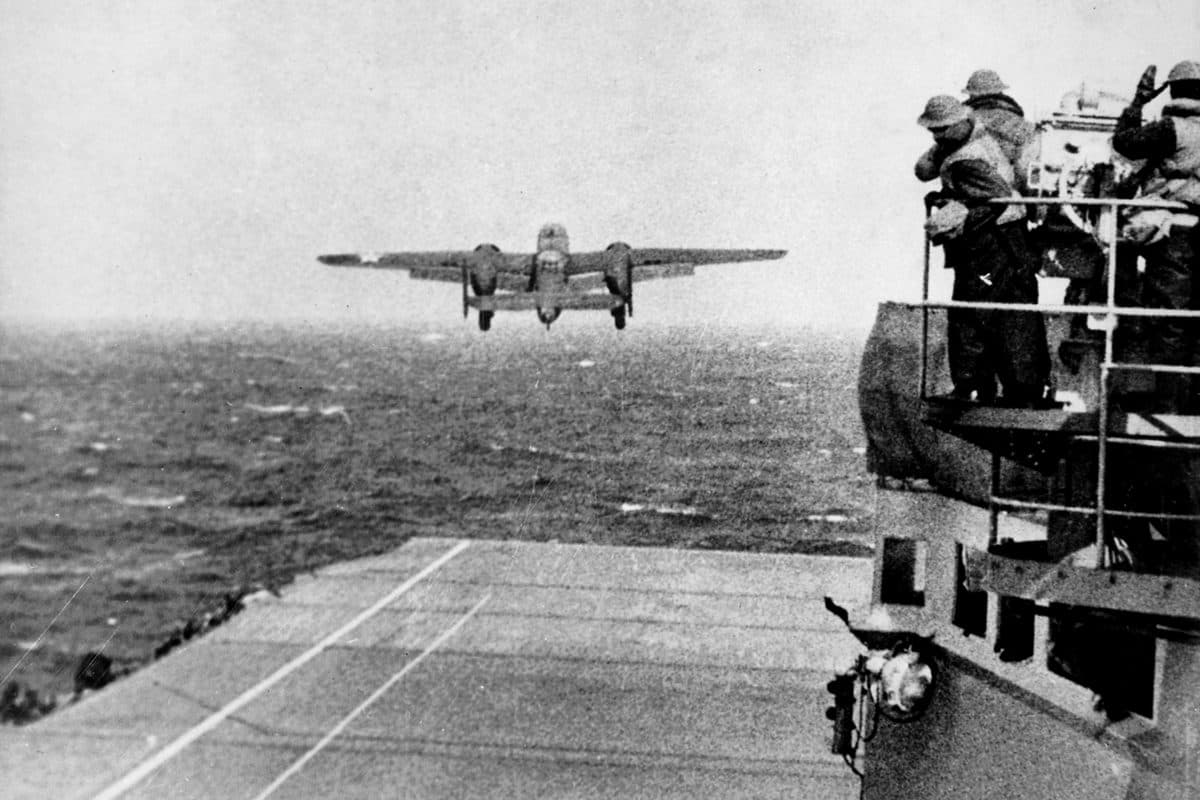
On April 18, 1942, sixteen B-25 Mitchell bombers did something no one thought possible: they launched from the deck of an aircraft carrier, flew 650 miles to Japan, and bombed Tokyo. Every aircraft was lost. The damage was negligible. The consequences changed the war.
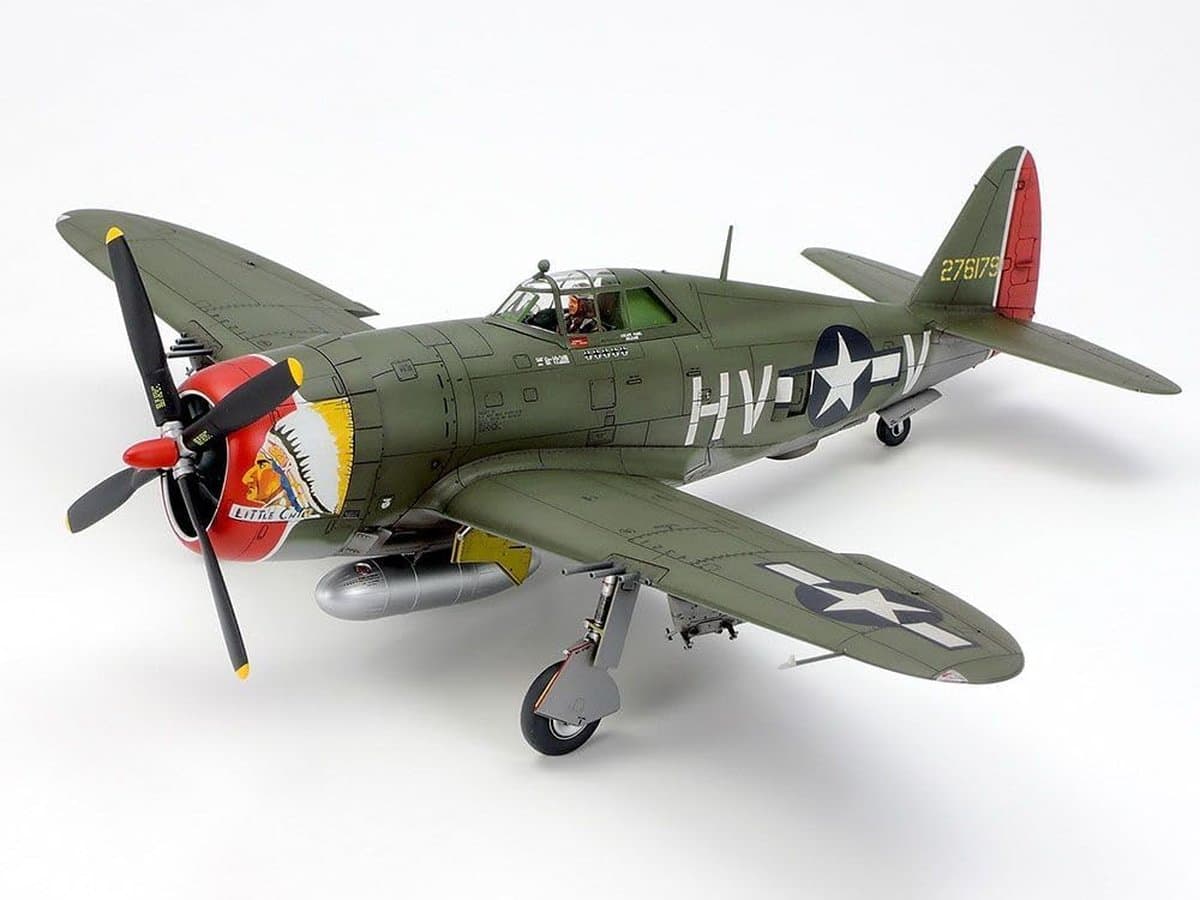
Compare 85+ WW2 scale model kits across aircraft, tanks, and ships. Beginner builds from $9 to museum-grade showpieces at $580. Covers Tamiya, Eduard, HK Models, Trumpeter, and more with honest reviews, trade-offs, and pricing.

On April 7, 1945, the Imperial Japanese Navy sent the largest battleship ever built on a one-way suicide mission to Okinawa. She never arrived. 386 American aircraft found her first, and sank her in under two hours.