

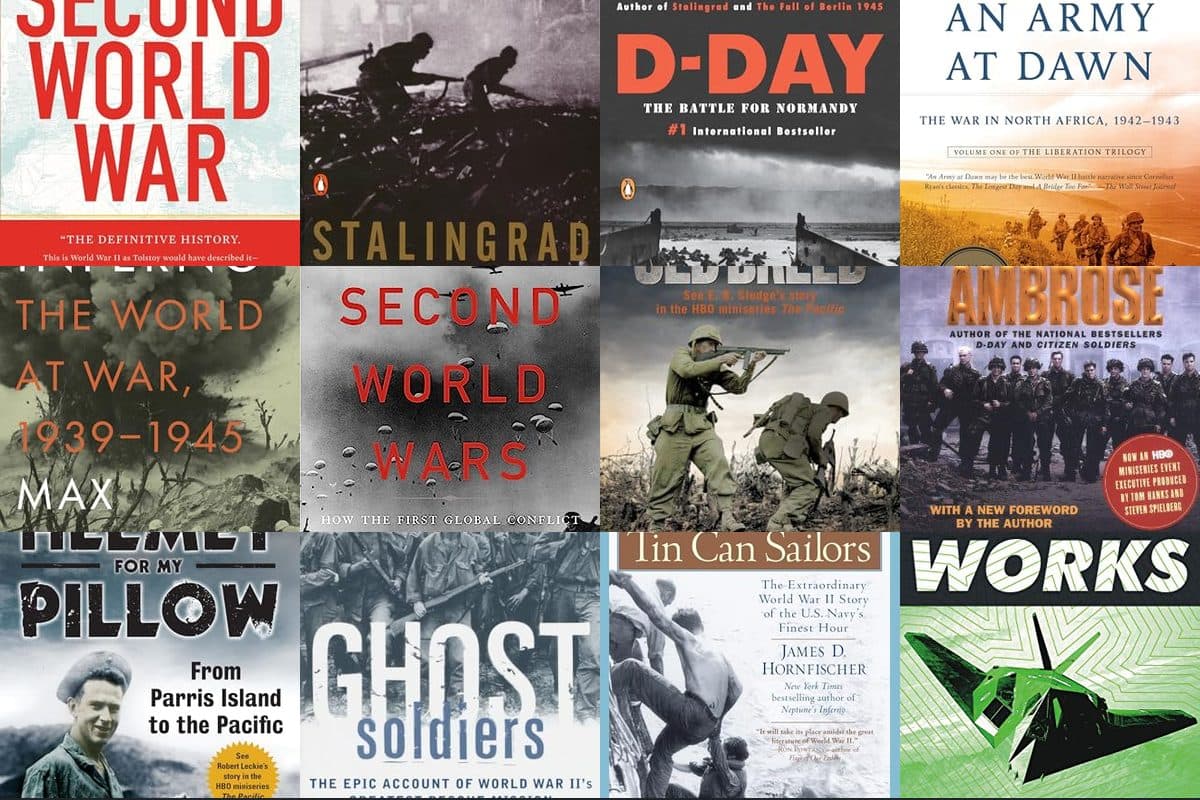
15 Best World War II Books for History Enthusiasts (2026)
15 essential WW2 books covering every theater. Narrative histories, memoirs, and visual references ranked.
daniel-mercer··21 min read
Britain formally declared war on France, beginning the Seven Years' War, the first truly global conflict, fought on five continents from North America to India to the Philippines. The war reshaped the world map, established British global supremacy, and planted the seeds of the American Revolution.
Britain declared war on France, beginning the first truly global conflict fought on five continents.
Napoleon issued a decree from the Austrian palace of Schonbrunn annexing the Papal States to the French Empire. The seizure triggered the imperial crisis with Pope Pius VII that would culminate in the Pope's arrest and a decade of conflict with the Catholic Church across Europe.
Union forces routed Confederate defenders at Big Black River Bridge, Mississippi, the final barrier before Vicksburg. The Confederate retreat was so hasty that men threw away weapons and equipment. Grant's army reached the Vicksburg defenses the next day, beginning the siege that would split the Confederacy.
A British relief column broke through to the besieged garrison town of Mafeking in South Africa after 217 days under siege by Boer forces. The defense, led by Colonel Robert Baden-Powell, made Baden-Powell a national hero and shaped his later founding of the Scout movement.
Congress passed the Selective Service Act, authorizing the federal draft for World War I. The act required all men aged 21-30 to register for military service and eventually raised an army of nearly 4 million. Registration Day on June 5 saw nearly 10 million men sign up.
German troops entered Brussels without resistance as Belgian forces fell back toward the coast. King Leopold III rejected Churchill's plea to fight on from exile and remained with his troops. Belgium surrendered on May 28, exposing the British Expeditionary Force's flank and accelerating the crisis that led to Dunkirk.
The B-17F Flying Fortress Memphis Belle and its crew finished their 25th combat mission over Nazi-occupied Europe, becoming one of the first American heavy bombers to reach that milestone. The aircraft and crew returned to the United States to fly a publicity tour supporting war bond sales.
Nine Catholic activists, including priests Daniel and Philip Berrigan, took 378 draft files from the Selective Service office in Catonsville, Maryland, and burned them in the parking lot using homemade napalm. The protest became one of the defining acts of civil resistance against the Vietnam War.
Loyalist paramilitaries detonated car bombs in Dublin and Monaghan, killing 33 civilians and an unborn child, the deadliest attacks of the Northern Ireland Troubles. Strong evidence linked the attackers to British intelligence, though no one was ever convicted. The bombings remain among the most controversial events of the conflict.
Israel and Lebanon signed a bilateral withdrawal agreement at Khalde, ending the state of war that had existed since 1948 and providing for a phased Israeli withdrawal from Lebanon. The agreement collapsed within a year under Syrian pressure and domestic Lebanese opposition.
The U.S. Navy continued rescue operations aboard the heavily damaged frigate USS Stark, struck the previous day by two Iraqi Exocet missiles that killed 37 sailors. The incident led to tighter rules of engagement for U.S. naval forces in the Persian Gulf during the Iran-Iraq War.

Colonel
Continental Army officer who fought at the capture of Crown Point and commanded the Green Mountain Boys after Ethan Allen's capture. His rearguard action at Hubbardton (1777) during the Saratoga Campaign is considered one of the finest defensive actions of the Revolutionary War.

Field Marshal
British cavalry commander who led the charge of the heavy cavalry at Waterloo, where he lost a leg to cannon fire. In a famous exchange with Wellington, he reportedly said, "By God, sir, I've lost my leg!" to which Wellington replied, "By God, sir, so you have!"

Major General
The youngest Vice President in U.S. history (under Buchanan) who became a Confederate general and the last Confederate Secretary of War. He led troops at Shiloh, Stones River, Chickamauga, and New Market before organizing the government's final evacuation from Richmond.
Wear the Timeline
11 military events occurred on May 17, spanning multiple centuries. Key events include: Seven Years' War Begins: Britain Declares War on France (1756), Selective Service Act Passed (1917).
The most significant military event on May 17 is Seven Years' War Begins: Britain Declares War on France (1756). Britain formally declared war on France, beginning the Seven Years' War, the first truly global conflict, fought on five continents from North America to India to the Philippines. The war reshaped the world map, established British global supremacy, and planted the seeds of the American Revolution.
Notable military figures born on May 17 include Seth Warner (1743–1784), Henry Paget, 1st Marquess of Anglesey (1768–1854).
Events on May 17 span the Colonial & Revolutionary era, the Civil War, World War I, World War II, the Cold War, the Modern Era, the Vietnam War, covering 11 events across 3 centuries of military history.
Events on May 17 involve 3 branches of the U.S. and allied armed forces, reflecting the global scope of military operations throughout history.
Explore military history from the day you were born.
June 6
The Allied invasion of Normandy, the largest amphibious assault in history.
December 7
Japan attacks the U.S. Pacific Fleet, bringing America into World War II.
September 11
The deadliest terrorist attack in history transforms U.S. national security.
August 6
The first atomic bomb is dropped on a city, ushering in the nuclear age.
May 8
Nazi Germany surrenders unconditionally, ending World War II in Europe.
November 11
Armistice Day marks the end of World War I and honors all who served.
June 4
The turning point of the Pacific War as the U.S. Navy destroys four Japanese carriers.
July 4
The Declaration of Independence is adopted, sparking the American Revolution.
15 essential WW2 books covering every theater. Narrative histories, memoirs, and visual references ranked.
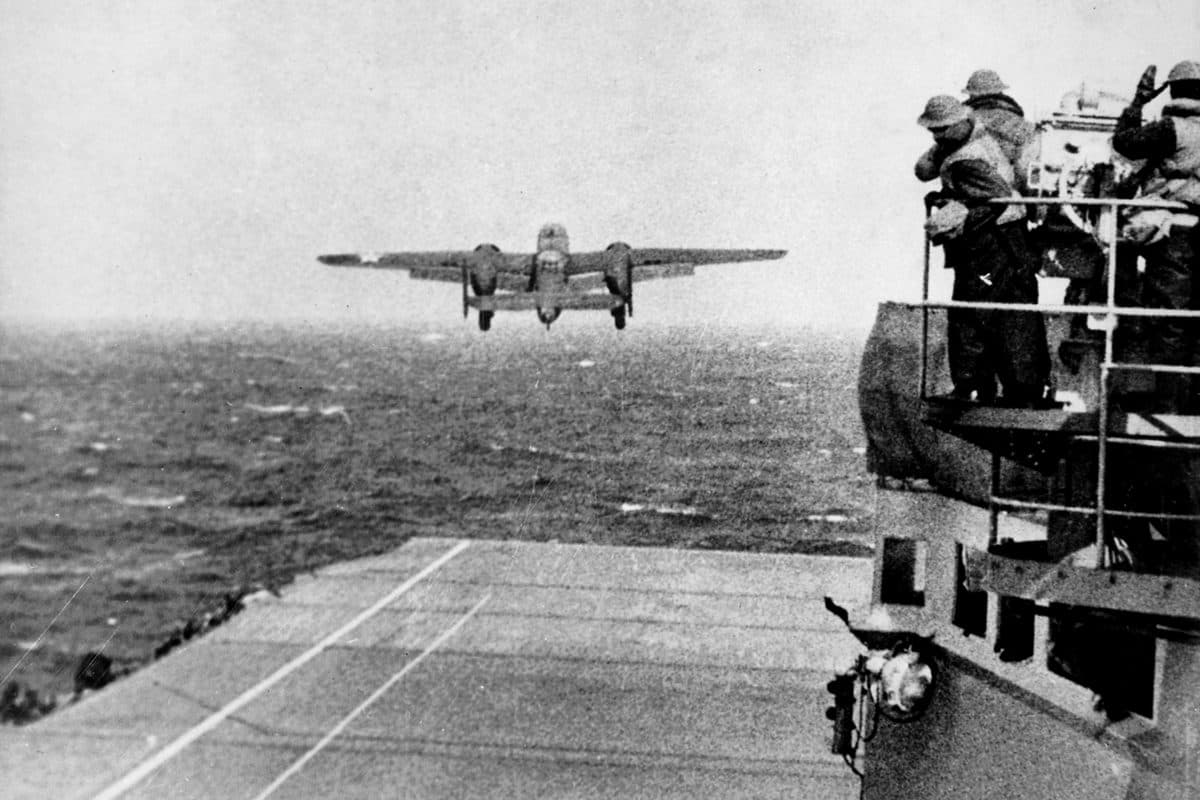
On April 18, 1942, sixteen B-25 Mitchell bombers did something no one thought possible: they launched from the deck of an aircraft carrier, flew 650 miles to Japan, and bombed Tokyo. Every aircraft was lost. The damage was negligible. The consequences changed the war.
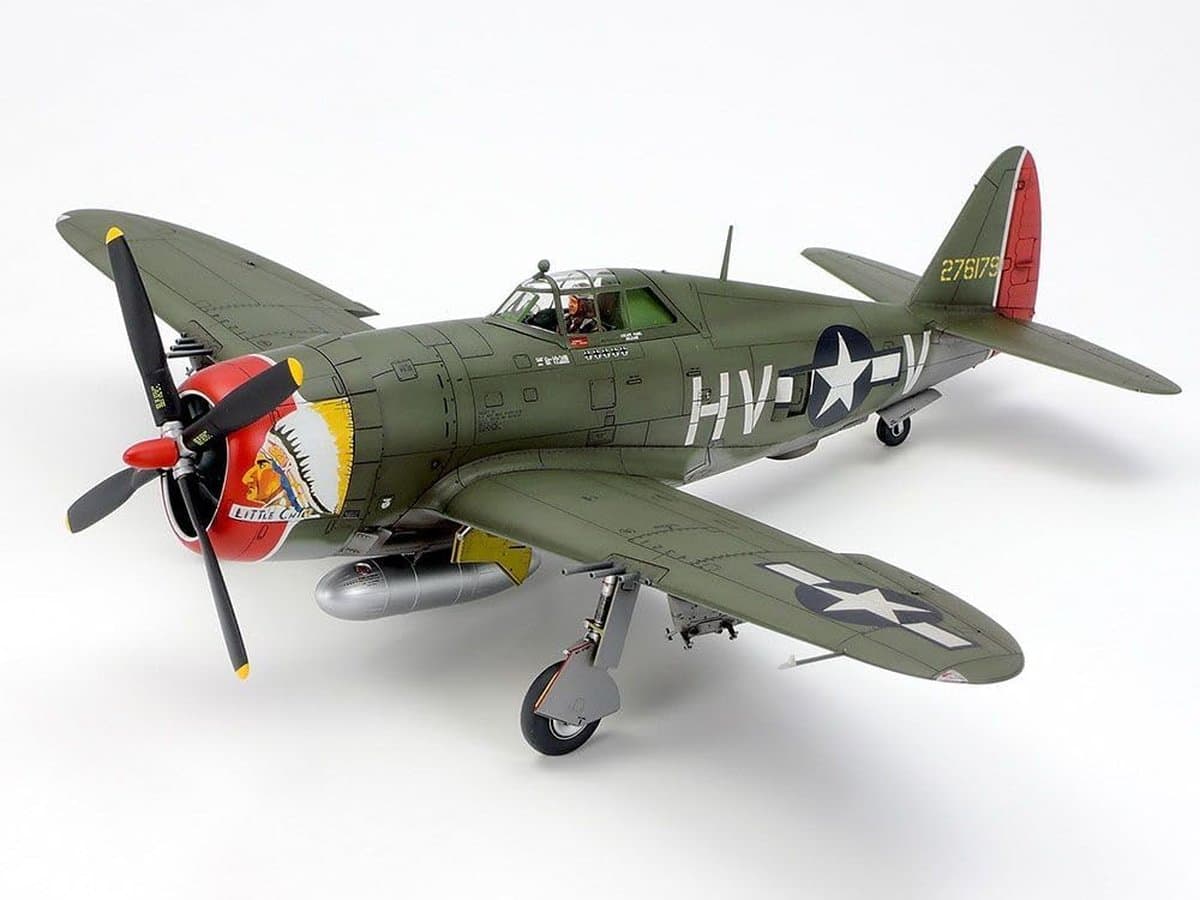
Compare 85+ WW2 scale model kits across aircraft, tanks, and ships. Beginner builds from $9 to museum-grade showpieces at $580. Covers Tamiya, Eduard, HK Models, Trumpeter, and more with honest reviews, trade-offs, and pricing.

On April 7, 1945, the Imperial Japanese Navy sent the largest battleship ever built on a one-way suicide mission to Okinawa. She never arrived. 386 American aircraft found her first, and sank her in under two hours.