

15 Best World War II Books for History Enthusiasts (2026)
15 essential WW2 books covering every theater. Narrative histories, memoirs, and visual references ranked.
daniel-mercer··21 min read
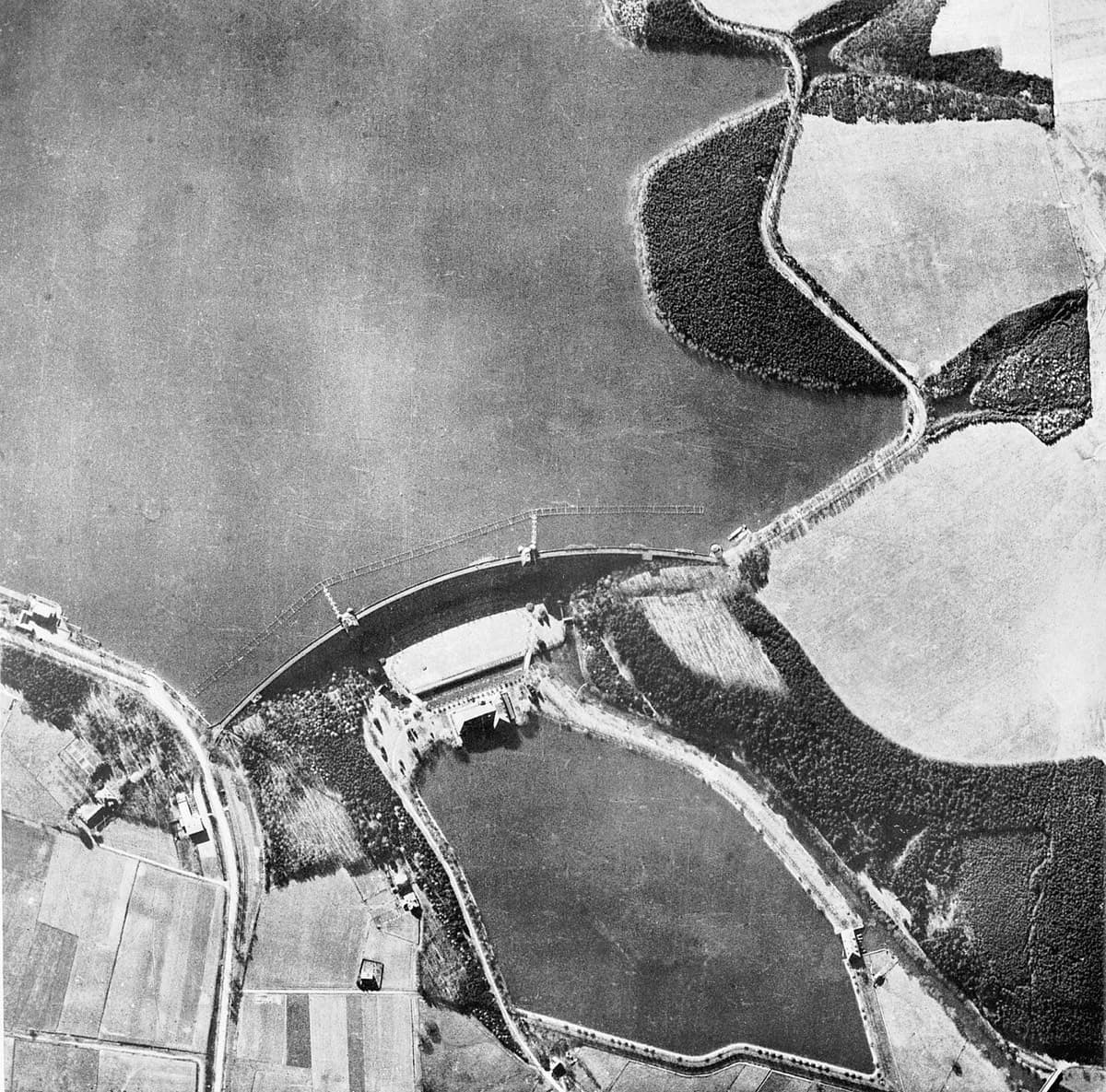
RAF 617 Squadron, using Barnes Wallis's revolutionary "bouncing bombs," attacked three major dams in Germany's Ruhr industrial heartland. The Mohne and Eder Dams were breached, unleashing catastrophic flooding that killed approximately 1,600 people, disrupted German war production, and forced the diversion of thousands of workers to repair efforts.
The marriage of Austrian Archduchess Marie Antoinette to the French Dauphin was a military-diplomatic alliance designed to secure peace between Austria and France. The alliance would shape European power politics for decades and its collapse contributed to the French Revolutionary Wars.
Grant defeated General John Pemberton's Confederate force at Champion Hill, Mississippi, in the decisive battle of the Vicksburg Campaign. The victory cut off Pemberton's line of retreat and forced him to fall back into the Vicksburg defenses, setting the stage for the 47-day siege that followed.
Britain and France secretly agreed to divide the Ottoman Empire's Middle Eastern territories into spheres of influence after World War I. The agreement, which contradicted British promises to the Arabs, drew arbitrary borders that created many of the region's enduring conflicts and remains a source of deep resentment.
Congress passed the Sedition Act of 1918, criminalizing disloyal speech against the American war effort in World War I. The law was used against socialists, pacifists, and labor organizers, and contributed to a postwar Red Scare that reshaped American military counter-intelligence practices.
The first Academy Awards ceremony named Wings, a silent epic about American fighter pilots in the Great War, as the inaugural Best Picture. Its aerial combat cinematography, filmed with real U.S. Army Air Service aircraft, set the technical template for aviation films for decades.
RAF 617 Squadron used bouncing bombs to breach the Mohne and Eder Dams in Germany's industrial heartland.
The Warsaw Ghetto Uprising, the largest act of Jewish resistance during the Holocaust, ended after nearly a month of fighting as the Germans destroyed the ghetto block by block. SS General Jurgen Stroop reported the uprising crushed and dynamited the Great Synagogue of Warsaw as a symbol of victory.
Japanese climber Junko Tabei became the first woman to reach the summit of Mount Everest, twelve days after an avalanche buried her team at Camp II. The climb drew on mountaineering techniques refined by military high-altitude programs and demonstrated the viability of small-team expeditionary logistics.
The guided-missile frigate USS Stark was struck by two Exocet missiles fired by an Iraqi Mirage F-1 fighter jet in the Persian Gulf, killing 37 sailors. Iraq claimed the attack was accidental. The incident highlighted the dangers of the naval escort mission during the Iran-Iraq War.
Endeavour lifted off on STS-134, its twenty-fifth and final spaceflight, carrying the Alpha Magnetic Spectrometer to the International Space Station. The mission closed out a vehicle that had flown more than 122 million miles over twenty years of service.

General
The last Confederate general to surrender, turning over the Trans-Mississippi Department on May 26, 1865, more than six weeks after Lee's surrender at Appomattox. His department had been so isolated that it earned the nickname "Kirby Smithdom."

Secretary of State under Lincoln who was stabbed by Lewis Powell in the same conspiracy that killed the President. He survived and orchestrated the purchase of Alaska from Russia in 1867, ridiculed as "Seward's Folly" but later recognized as one of the most strategically significant land acquisitions in American history.

Admiral
The first enlisted sailor to rise to the rank of Chief of Naval Operations. He died by suicide amid controversy over his wearing of combat valor decorations. His death sparked reforms in how the military handles service record disputes.
Wear the Timeline
10 military events occurred on May 16, spanning multiple centuries. Key events include: Operation Chastise: The Dambusters Raid (1943), Battle of Champion Hill (Vicksburg Campaign) (1863), Sykes-Picot Agreement Signed (1916), Warsaw Ghetto Uprising Ends (1943).
The most significant military event on May 16 is Operation Chastise: The Dambusters Raid (1943). RAF 617 Squadron, using Barnes Wallis's revolutionary "bouncing bombs," attacked three major dams in Germany's Ruhr industrial heartland. The Mohne and Eder Dams were breached, unleashing catastrophic flooding that killed approximately 1,600 people, disrupted German war production, and forced the diversion of thousands of workers to repair efforts.
Notable military figures born on May 16 include Edmund Kirby Smith (1824–1893), William H. Seward (1801–1872).
Events on May 16 span World War II, the Civil War, World War I, the Modern Era, the Colonial & Revolutionary era, covering 10 events across 4 centuries of military history.
Events on May 16 involve 3 branches of the U.S. and allied armed forces, reflecting the global scope of military operations throughout history.
Explore military history from the day you were born.
June 6
The Allied invasion of Normandy, the largest amphibious assault in history.
December 7
Japan attacks the U.S. Pacific Fleet, bringing America into World War II.
September 11
The deadliest terrorist attack in history transforms U.S. national security.
August 6
The first atomic bomb is dropped on a city, ushering in the nuclear age.
May 8
Nazi Germany surrenders unconditionally, ending World War II in Europe.
November 11
Armistice Day marks the end of World War I and honors all who served.
June 4
The turning point of the Pacific War as the U.S. Navy destroys four Japanese carriers.
July 4
The Declaration of Independence is adopted, sparking the American Revolution.
15 essential WW2 books covering every theater. Narrative histories, memoirs, and visual references ranked.
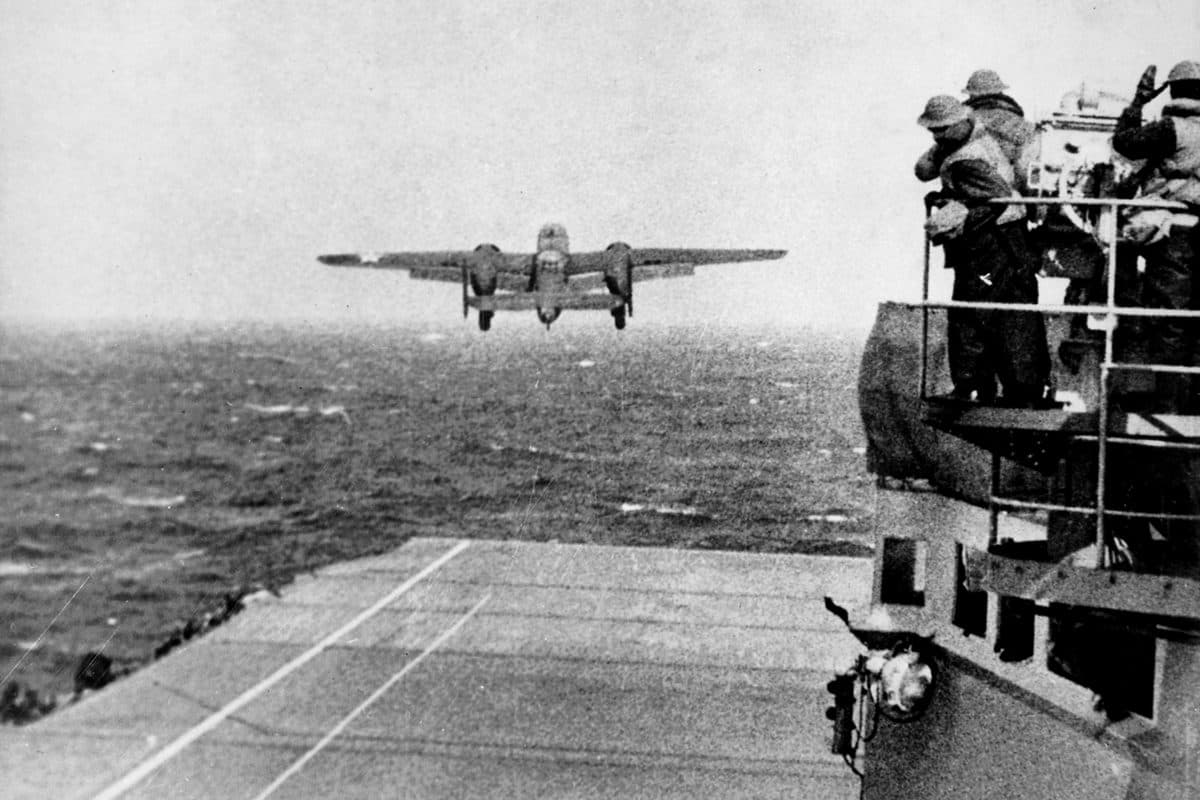
On April 18, 1942, sixteen B-25 Mitchell bombers did something no one thought possible: they launched from the deck of an aircraft carrier, flew 650 miles to Japan, and bombed Tokyo. Every aircraft was lost. The damage was negligible. The consequences changed the war.
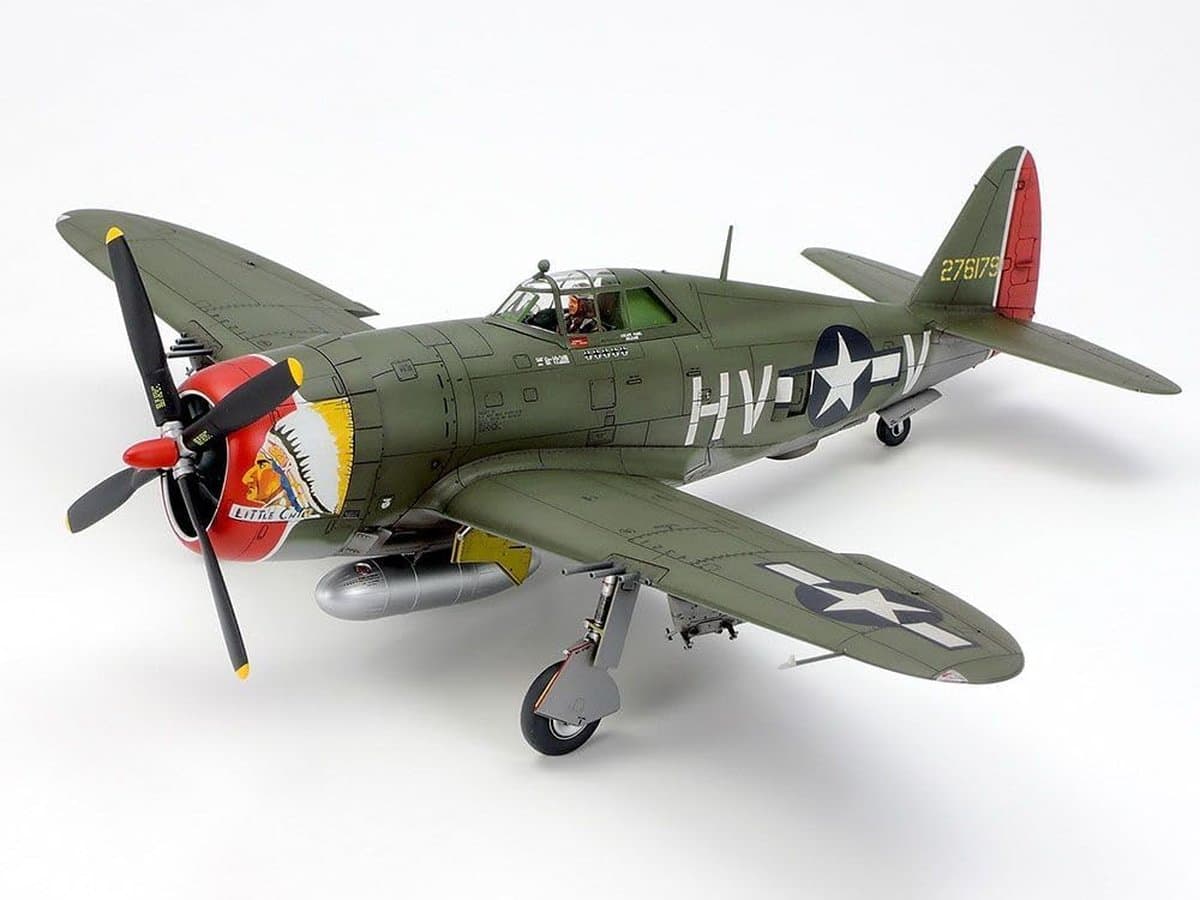
Compare 85+ WW2 scale model kits across aircraft, tanks, and ships. Beginner builds from $9 to museum-grade showpieces at $580. Covers Tamiya, Eduard, HK Models, Trumpeter, and more with honest reviews, trade-offs, and pricing.

On April 7, 1945, the Imperial Japanese Navy sent the largest battleship ever built on a one-way suicide mission to Okinawa. She never arrived. 386 American aircraft found her first, and sank her in under two hours.