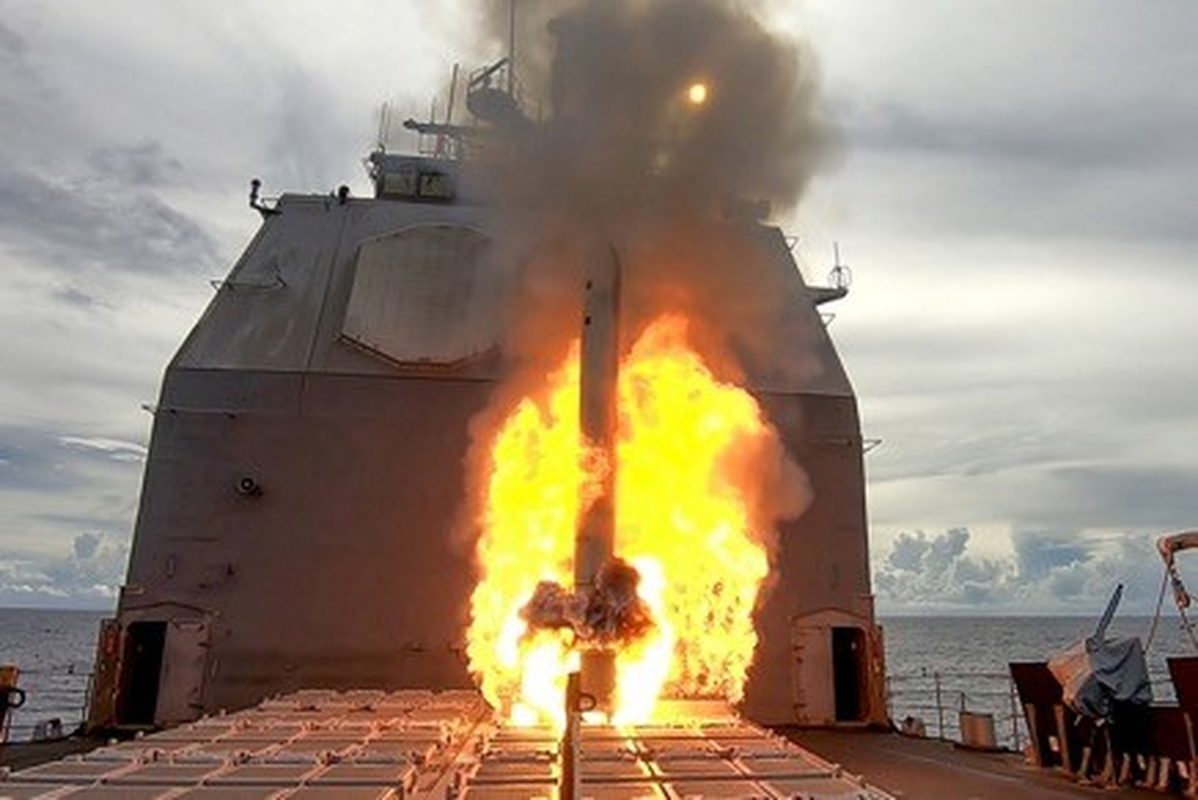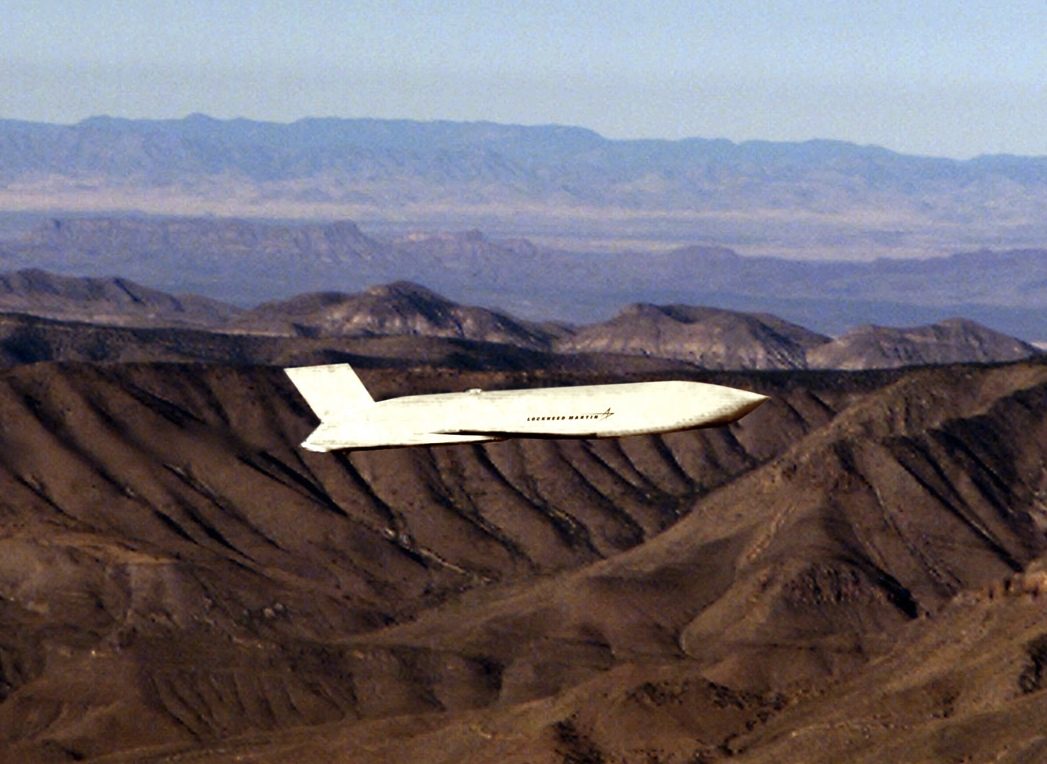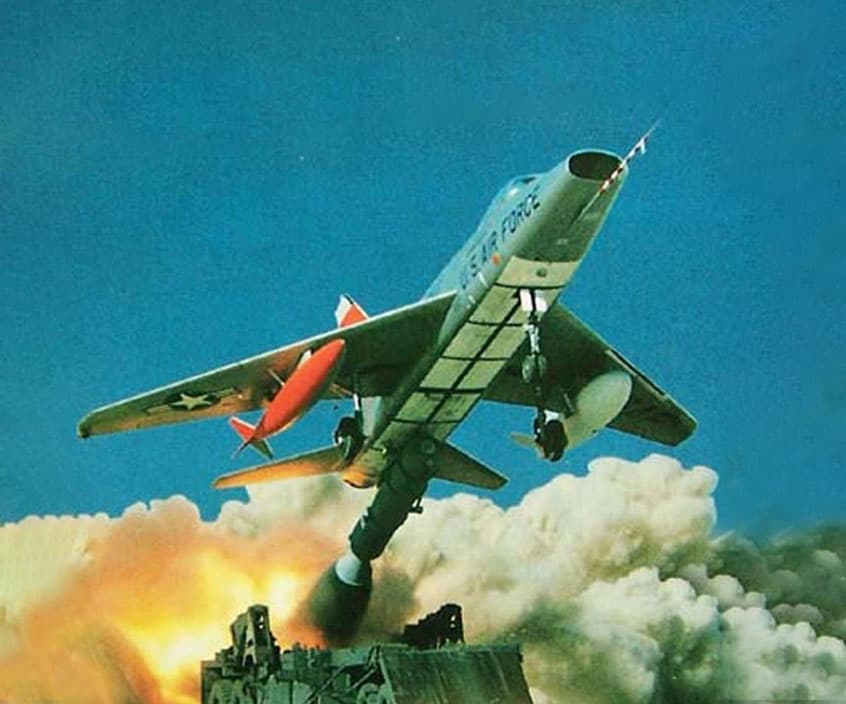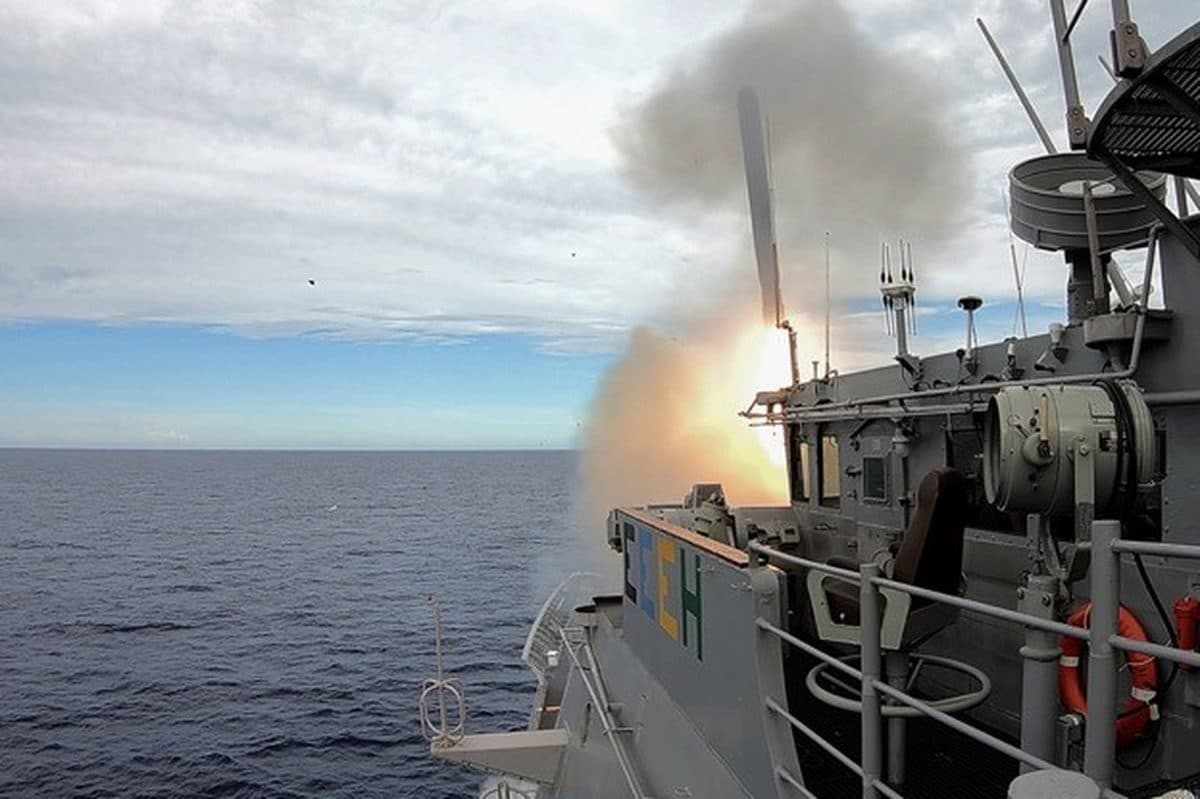

A Tomahawk cruise missile launches from a warship in the Mediterranean, flies 1,000 miles over open water and hostile territory, and hits a specific window on a specific floor of a specific building. The weapon has no pilot. It has no remote operator. Once it leaves the launch tube, it navigates entirely on its own using a sequence of guidance methods, each one compensating for the weaknesses of the last, that represent six decades of engineering refinement. Understanding how missile guidance works is understanding the single most important technology in modern warfare.
Phase 1: Inertial Navigation, The Unjammable Baseline
Every guided missile starts with inertial navigation. This is the foundation that everything else is built on, and it is the only guidance method that cannot be jammed, spoofed, or disrupted by an adversary.
An inertial navigation system (INS) measures the missile's movement from a known starting point using gyroscopes and accelerometers. Modern systems use ring laser gyroscopes, devices that split a laser beam into two beams traveling in opposite directions around a closed loop. When the missile rotates, the two beams travel slightly different distances, and the resulting interference pattern reveals the precise rate of rotation. Three gyroscopes mounted at right angles measure rotation around all three axes. Three accelerometers measure changes in velocity in each direction.
From the moment of launch, the INS continuously calculates the missile's position by integrating these acceleration and rotation measurements over time. If the missile accelerated at a certain rate for a certain duration in a certain direction, the system knows how far it has moved. No external signals are required. No GPS satellites, no radar beams, no radio contact with the launch platform. The missile is completely self-contained.