Skip to content
April 30:The Fall of Saigon51yr ago

10 Deadliest Combat Aircraft Still Flying Active Missions Today

Michael Trent · · 13 min read
Save
Share:
F-22 Raptor climbing through clouds during a high-performance demonstration flight
Michael Trent
Michael Trent

Defense Systems Analyst

Michael Trent covers military aircraft, weapons systems, and defense technology with an emphasis on cost, maintenance, and real-world performance. He focuses less on specifications and more on how systems hold up once they are deployed, maintained, and operated at scale.

These 10 aircraft have destroyed more enemy hardware than every other weapon system combined. Some have never lost an air-to-air engagement. Others have obliterated entire armored columns in a single sortie. They span five decades of aviation engineering, from Cold War-era bombers still carrying the largest conventional payloads in history to fifth-generation stealth fighters that make enemy radar operators question their own equipment. Every one of them is still flying active missions today.

1. F-22 Raptor

The F-22 Raptor has the most lopsided exercise record of any fighter aircraft in history. During Exercise Northern Edge 2006 in Alaska, F-22-led Blue Air forces achieved a combined kill ratio of 241 to 2 against aggressor aircraft flying F-15s and F-16s. The two Blue Air losses were not F-22s. They were F-15Cs flying in support. In other exercises, the Raptor has posted simulated kill ratios exceeding 100 to 0 against fourth-generation fighters.

The F-22 achieves this dominance through a combination of stealth, supercruise (sustained supersonic flight without afterburner), and the most advanced sensor fusion ever installed in a fighter. Its AN/APG-77 radar can detect and track targets at ranges well beyond 100 nautical miles while remaining effectively invisible to enemy radar. The aircraft sees everything; nothing sees it. In real combat, the F-22 has deployed to the Middle East and conducted air-to-ground strikes, but its primary value is air dominance, a role in which it remains unmatched by any operational fighter in the world.
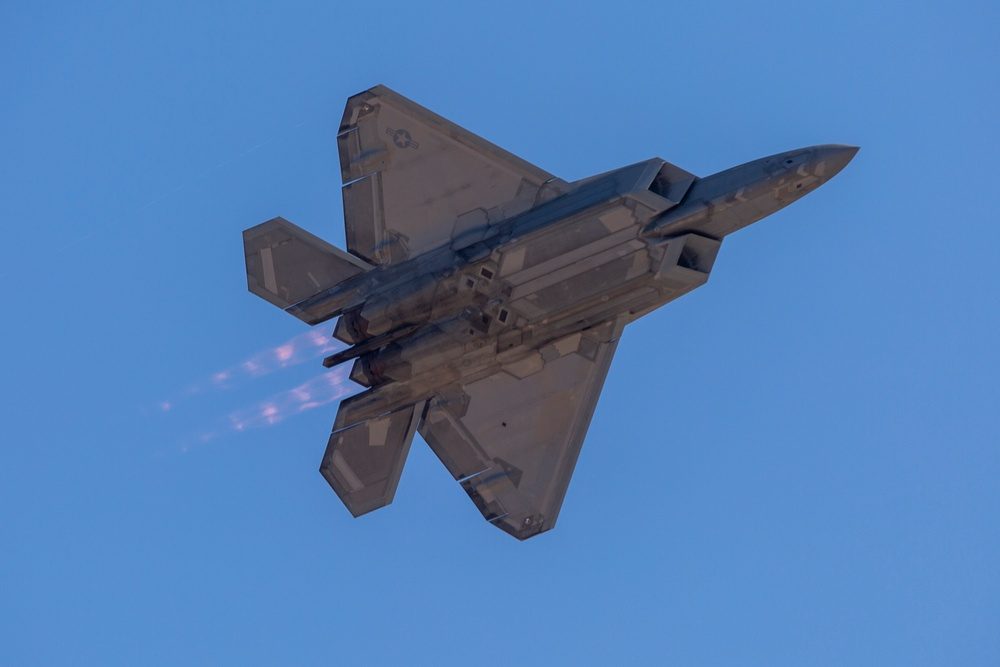
F-22 Raptor performing at an airshow demonstrating its maneuverability and thrust vectoring
An F-22 Raptor demonstrates its extraordinary maneuverability at the 2024 Miramar Airshow. The Raptor's thrust-vectoring nozzles allow it to perform maneuvers no other production fighter can match. (U.S. Air Force photo)

2. AH-64 Apache

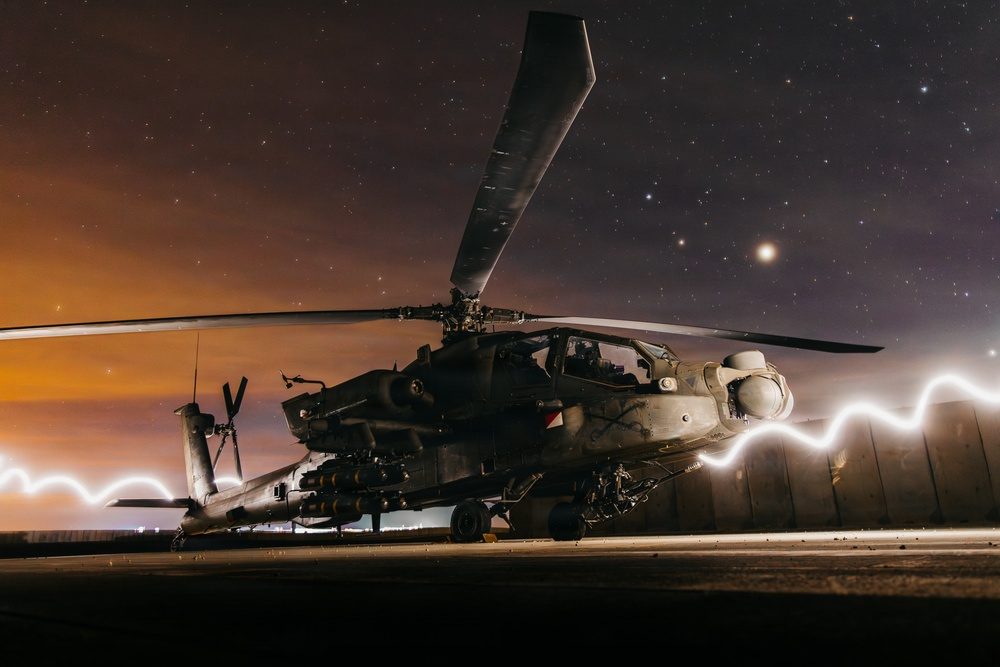
The AH-64 Apache is the most lethal attack helicopter ever built, and its combat record proves it. During the 1991 Gulf War, Apache helicopters destroyed more than 500 Iraqi tanks, armored personnel carriers, and vehicles, more armor kills than any other single weapons platform in the campaign. The war began, quite literally, with Apaches: a flight of AH-64s destroyed two Iraqi early warning radar sites in the opening minutes of Operation Desert Storm, creating the corridor through which coalition aircraft poured into Iraq.

The current AH-64E Guardian variant carries the Longbow fire control radar, which can detect, classify, and prioritize up to 128 targets simultaneously, then designate the 16 highest-priority targets for engagement, all in under 30 seconds. Its weapons load includes AGM-114 Hellfire missiles, Hydra 70 rockets, and a 30mm M230 chain gun. In recent counter-drone live fire testing, the Apache achieved 13 kills in 14 engagements against unmanned aerial systems, demonstrating that a helicopter designed to destroy tanks in the Fulda Gap can adapt to threats its designers never imagined.

AH-64 Apache attack helicopter armed with Hellfire missiles preparing for a mission
An AH-64E Apache attack helicopter armed for a mission. The Apache has accumulated over 5.3 million flight hours, with more than 1.3 million in combat. (U.S. Army photo)

3. AC-130J Ghostrider

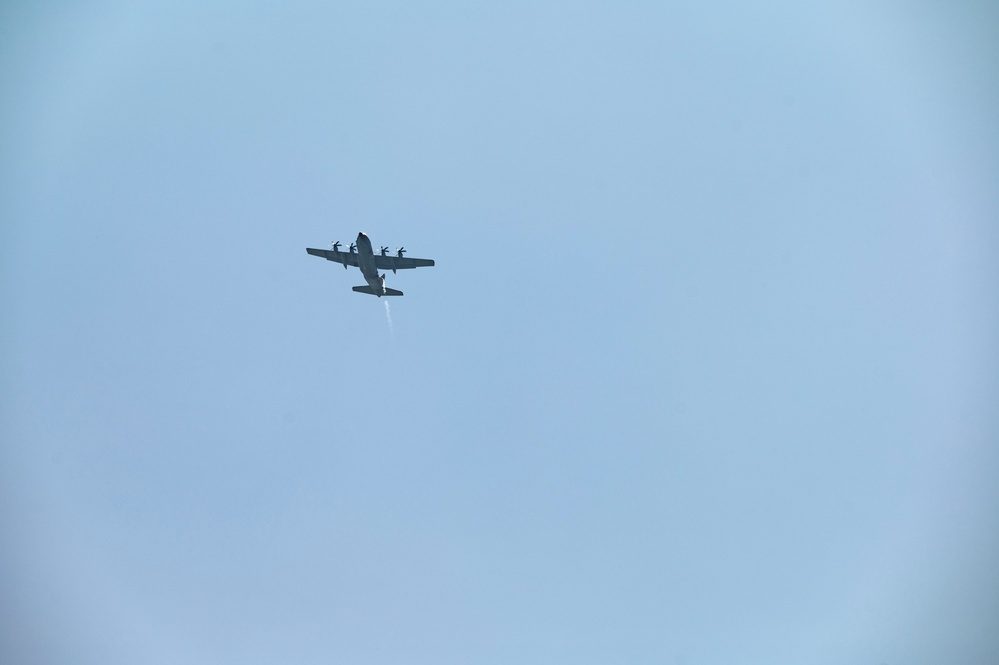
The AC-130J Ghostrider is a flying artillery battery. This heavily modified C-130 transport carries a 105mm howitzer, a 30mm Bushmaster cannon, precision-guided munitions, and advanced sensors that allow it to orbit a target area at night, identify targets through darkness and cloud cover, and deliver devastating firepower with surgical precision. It is the only fixed-wing aircraft in the world that carries a howitzer.

The AC-130 lineage stretches back to Vietnam, where earlier variants, the AC-130A Spectre and AC-130H, became legendary for their ability to loiter over the Ho Chi Minh Trail and destroy truck convoys for hours on end. The current Ghostrider variant adds stand-off precision munitions like the GBU-39 Small Diameter Bomb and AGM-176 Griffin missiles, allowing it to engage targets from greater distances. Special Operations Forces consider the Ghostrider their most important close air support platform: the aircraft that arrives when ground teams are in contact and need firepower that is both massive and precise.

AC-130J Ghostrider gunship in flight during a live fire training exercise
An AC-130J Ghostrider conducts live fire training over Pilsung Range, Republic of Korea, June 2024. The AC-130 series has flown over 2,170 combat sorties totaling more than 15,000 combat hours. (U.S. Air Force photo)

4. B-52 Stratofortress

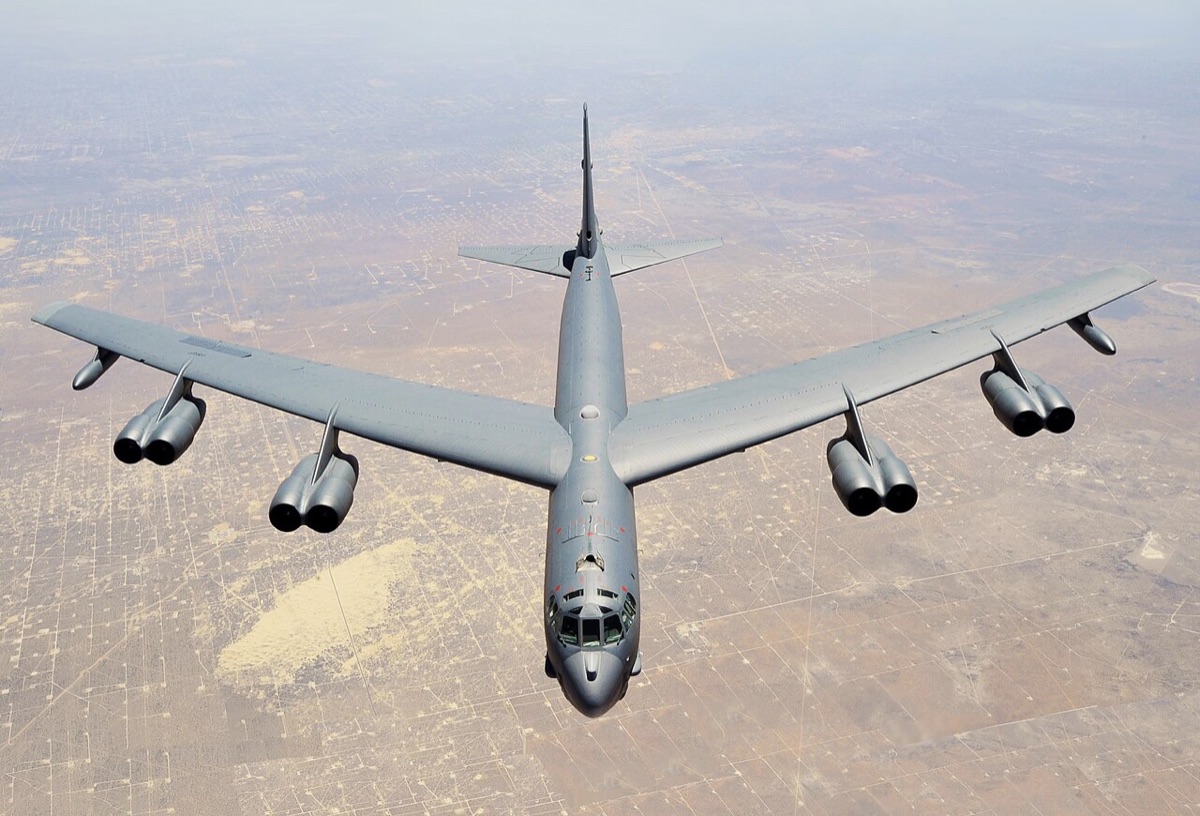
The B-52 has been in service since 1955, longer than any other combat aircraft in history. And it is not retiring. The current B-52H fleet is expected to serve until the 2050s, giving the airframe a projected service life approaching 100 years. No other weapon system in any branch of any military comes close to that longevity.

The Stratofortress carries the largest conventional weapons payload of any aircraft in the world: up to 70,000 pounds of ordnance, including gravity bombs, precision-guided munitions, cruise missiles, and naval mines. During Operation Desert Storm, B-52s dropped approximately 40 percent of all the weapons delivered by coalition forces. In Afghanistan, B-52s provided close air support by orbiting at high altitude and dropping GPS-guided Joint Direct Attack Munitions on Taliban positions identified by special operations teams on the ground, a mission the aircraft's original designers never conceived.

B-52H Stratofortress flying in formation over the U.S. Central Command area of responsibility
A B-52H Stratofortress flies alongside Royal Air Force Typhoons during a bomber task force mission over the U.S. Central Command area of responsibility, November 2024. (U.S. Air Force photo)

5. F-15E Strike Eagle

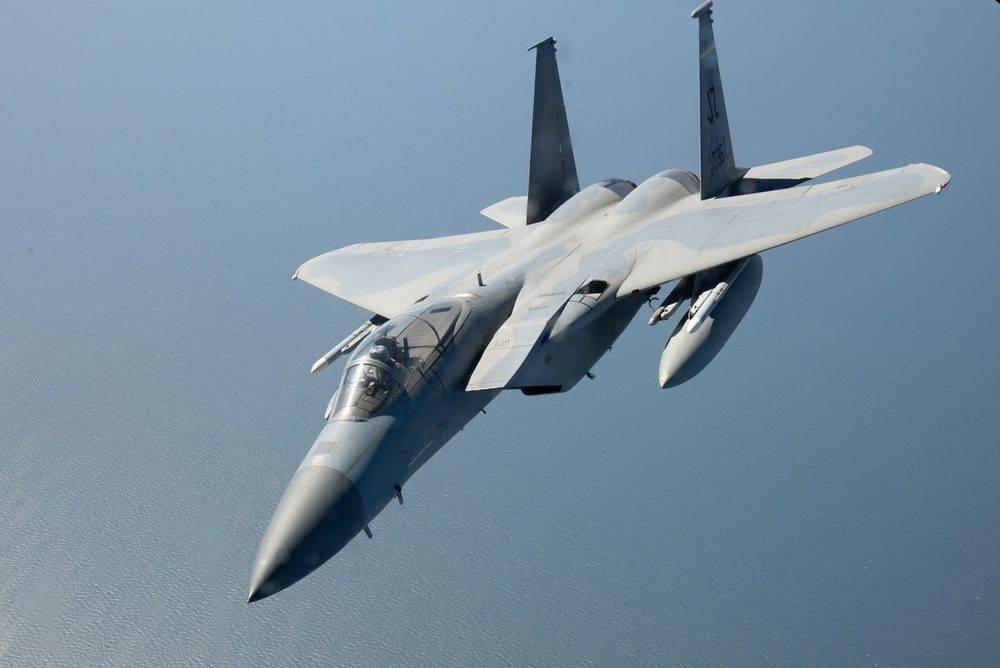
The F-15 family holds the most impressive air-to-air combat record of any fighter in history: 104 confirmed aerial victories with zero losses in air-to-air combat. The F-15E Strike Eagle variant takes that air superiority pedigree and adds a precision ground-attack capability that makes it one of the most versatile combat aircraft ever built. It carries a weapons load of up to 23,000 pounds across 15 hardpoints and can deliver laser-guided bombs, GPS-guided munitions, and air-to-air missiles on the same sortie.

During Desert Storm, F-15Es conducted deep interdiction missions into Iraq on the first night of the war, striking Scud missile launchers and airfields. In subsequent conflicts in Afghanistan and the Middle East, the Strike Eagle has become the Air Force's workhorse for precision strike missions. The AN/APG-82 active electronically scanned array radar, now being retrofitted across the fleet, gives the F-15E detection and tracking capability that approaches fifth-generation standards while retaining the raw speed and payload capacity that stealth fighters cannot match.

F-15E Strike Eagle in flight during operations over the southern United States
An F-15E Strike Eagle assigned to the 4th Fighter Wing flies during Southern Strike 2023. The F-15 family has achieved 104 air-to-air kills with zero losses. (U.S. Air Force photo)

6. A-10 Thunderbolt II

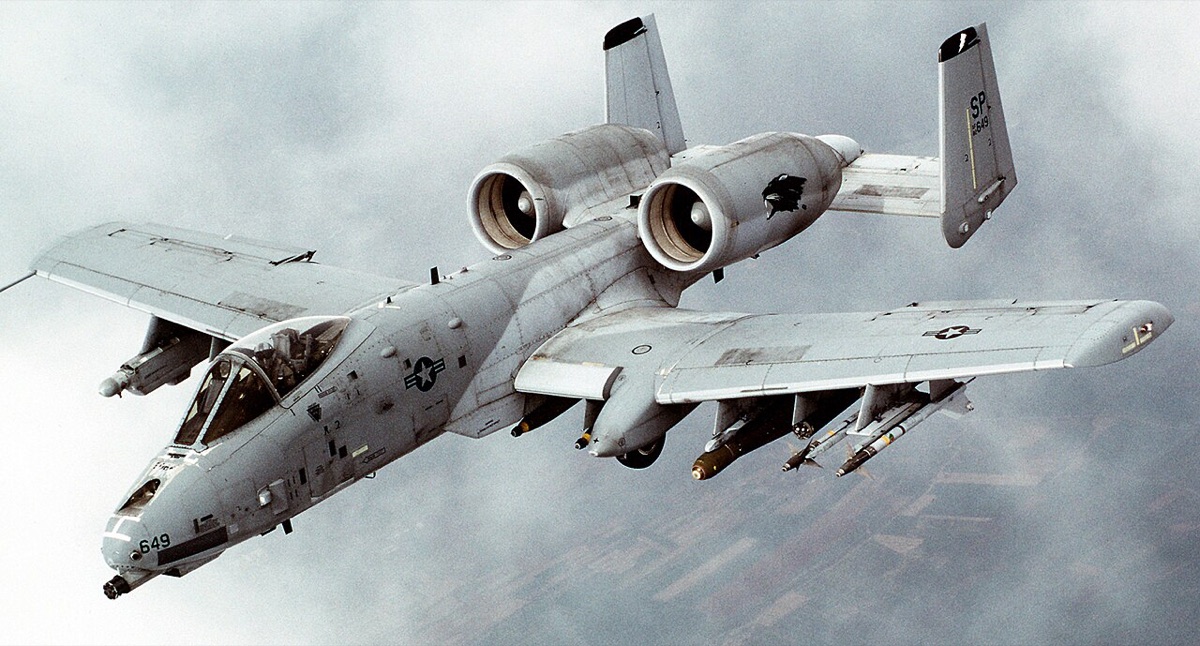
The A-10 was designed around its weapon: the GAU-8/A Avenger, a seven-barrel 30mm Gatling gun that fires depleted uranium rounds at 3,900 rounds per minute. The gun is so large that the aircraft was literally built around it. During Desert Storm, A-10s destroyed 987 tanks, 926 artillery pieces, 1,355 combat vehicles, and 10 fighters: the most devastating ground attack performance of any aircraft in the campaign.

The Warthog's survivability is legendary. Its titanium "bathtub" protects the pilot from ground fire up to 23mm. The aircraft can fly with one engine destroyed, one tail fin missing, and extensive damage to the fuselage. Multiple A-10s have returned to base with damage that would have destroyed any other aircraft. The Air Force has repeatedly tried to retire the A-10 since the 1990s, and Congress has repeatedly blocked the effort, largely because ground troops consider it the most effective close air support aircraft ever built and refuse to let it go without a proven replacement.

A-10 Thunderbolt II performing an aerial demonstration showing its distinctive twin-engine design
An A-10 Thunderbolt II performs a demonstration flight at the Battle Creek Field of Flight airshow, July 2024. The A-10 destroyed nearly 1,000 tanks during Operation Desert Storm. (U.S. Air Force photo)

7. F-35 Lightning II

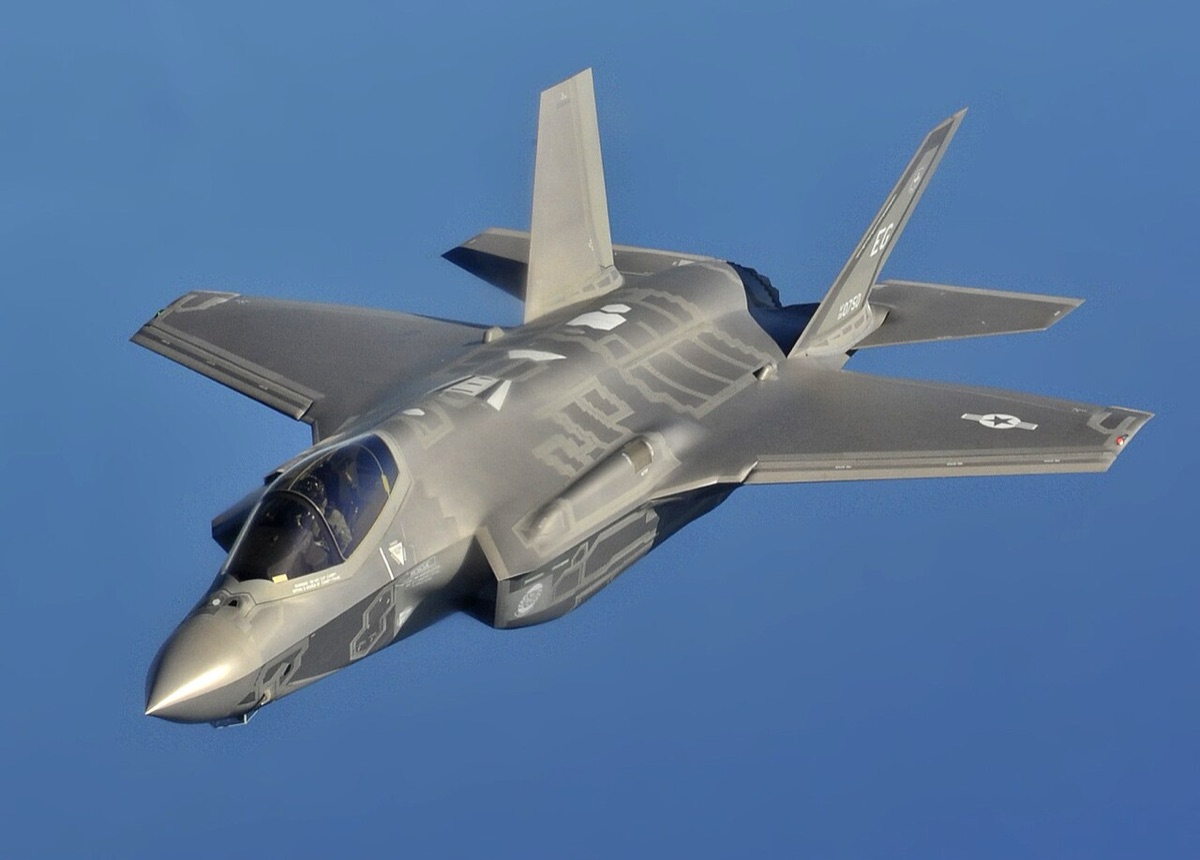
The F-35 is the most produced fifth-generation fighter in the world, with over 1,000 aircraft delivered across three variants to more than a dozen nations. It is also the most sensor-rich combat aircraft ever built. The AN/APG-81 AESA radar, the AN/AAQ-37 Distributed Aperture System (which provides 360-degree infrared coverage), and the Electro-Optical Targeting System give the pilot a fused picture of the battlespace that no fourth-generation aircraft can match.

Israel became the first country to employ the F-35 in combat in 2018, and the aircraft has since been used in multiple operations across the Middle East. In exercises against fourth-generation fighters, the F-35 has consistently achieved kill ratios exceeding 15 to 1. Its stealth profile is smaller than that of the F-22, optimized more for ground-based radar evasion than for air-to-air engagements. The F-35 is designed to be a node in a networked force, sharing its sensor data with every other platform on the battlefield in real time.

F-35A Lightning II in flight during Exercise Sentry Savannah air dominance training
An F-35A Lightning II from the Alabama Air National Guard flies during Exercise Sentry Savannah, May 2024. Over 1,000 F-35s have been delivered to operators worldwide. (U.S. Air Force photo)

8. B-2 Spirit

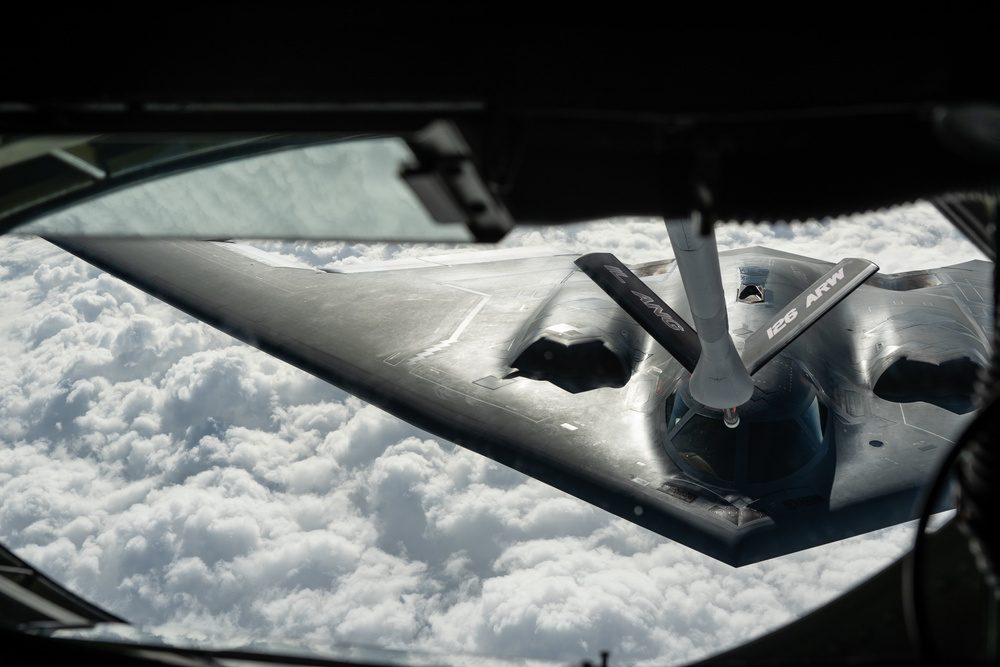
The B-2 Spirit is the only operational stealth bomber in the world. Its flying-wing design and radar-absorbent materials give it a radar cross-section reportedly smaller than a bird, allowing it to penetrate the most sophisticated integrated air defense systems on the planet. Only 21 were built (20 remain operational), making each aircraft worth approximately $2.1 billion in today's dollars.

The B-2 can carry up to 40,000 pounds of ordnance, including 80 GPS-guided 500-pound JDAMs or 16 B83 nuclear gravity bombs. In Operation Allied Force over Serbia in 1999, B-2s flew 30-hour round-trip missions from Whiteman Air Force Base in Missouri to Yugoslavia and back, the longest combat sorties in aviation history at the time. They delivered GPS-guided weapons through cloud cover that grounded other aircraft. In subsequent operations in Afghanistan, Iraq, and Libya, the B-2 has served as the opening-night weapon of choice, striking the most heavily defended targets before any other aircraft enters contested airspace.

B-2 Spirit stealth bomber photographed from above during aerial refueling operations
A B-2 Spirit stealth bomber during aerial refueling with a KC-135 Stratotanker. Only 20 B-2s remain operational, each worth over $2 billion. (U.S. Air Force photo)

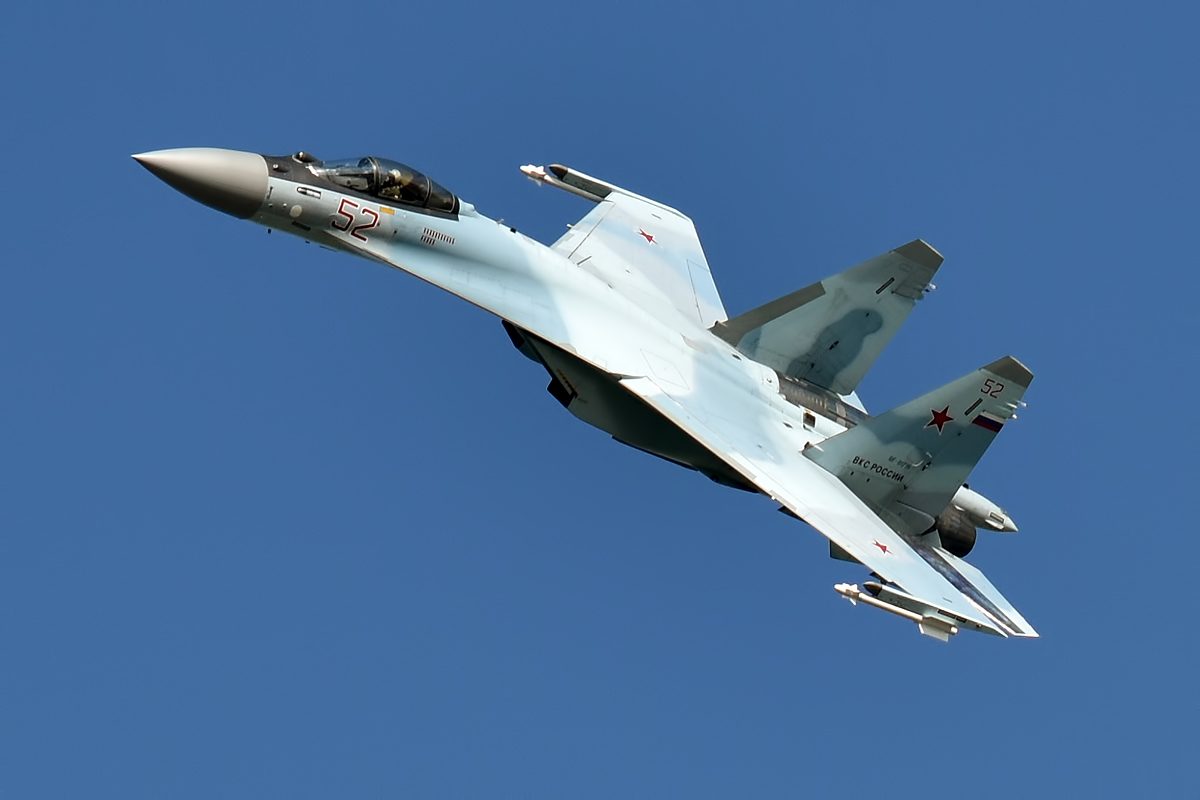
9. Su-35 Flanker-E

The Sukhoi Su-35 is the most capable non-stealth fighter aircraft in the world and the crown jewel of Russia's tactical air fleet. Powered by twin AL-41F1S engines with thrust-vectoring nozzles, the Su-35 possesses extraordinary agility that allows it to perform post-stall maneuvers, including the Pugachev Cobra and the Kulbit, that no Western fighter can replicate. The Irbis-E passive electronically scanned array radar can detect targets at ranges exceeding 400 kilometers against large radar cross-section targets.

The Su-35 carries up to 17,600 pounds of weapons across 12 hardpoints, including the R-77 active radar-homing missile, R-27 semi-active radar missiles, and short-range R-73 infrared-guided missiles. It has seen combat in Syria supporting Russian air operations and has been exported to China, Egypt, Indonesia, and other nations. While it lacks stealth, its combination of raw performance, sensor capability, and weapons load makes it the most dangerous adversary that any fourth-generation Western fighter is likely to face.

Russian Air Force Su-35S Flanker-E fighter aircraft in flight
A Russian Air Force Su-35S Flanker-E in flight. The Su-35's Irbis-E radar can detect large targets at ranges exceeding 400 kilometers. (Photo via Wikimedia Commons)

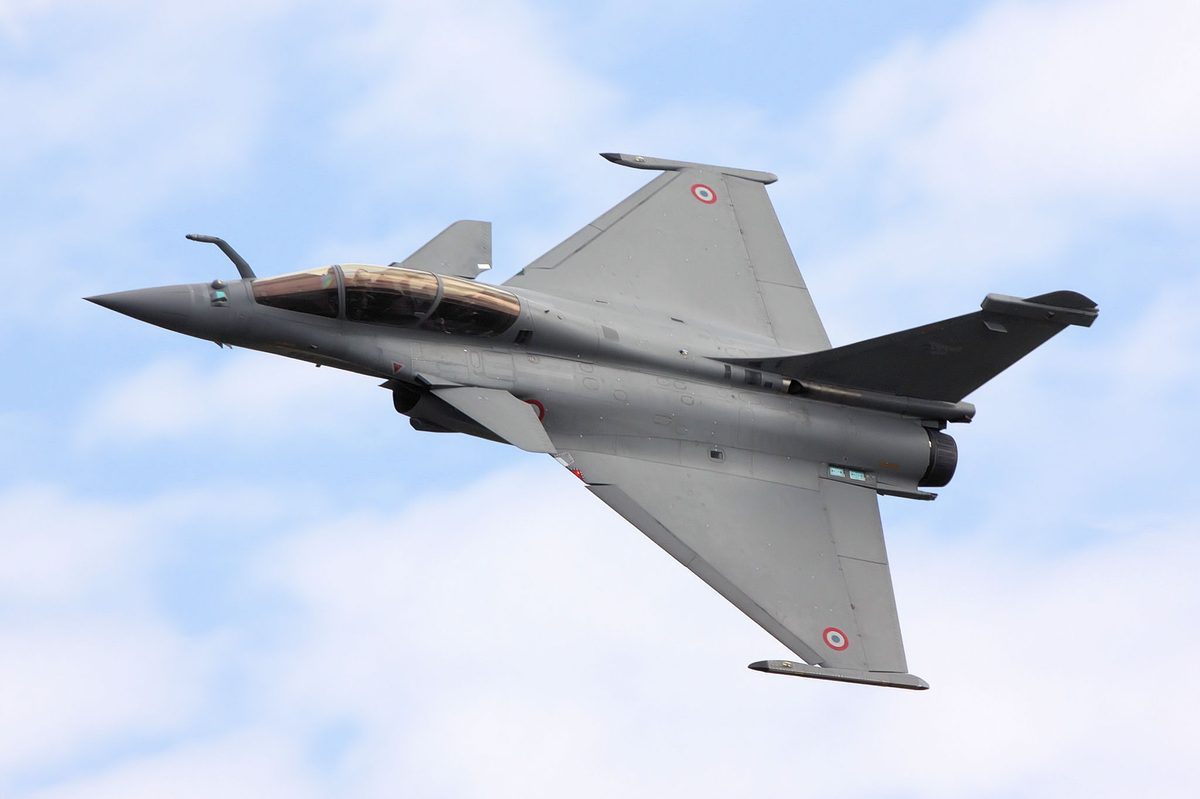
10. Dassault Rafale

The Rafale is the most combat-proven European fighter of its generation. France has deployed it in Libya (Operation Harmattan, 2011), Mali (Operation Serval, 2013), Iraq and Syria (Operation Chammal, 2014-present), and multiple other operations. It has dropped precision-guided munitions in active combat more frequently than any other European-built fighter, and it has done so from both land bases and aircraft carriers, with the Rafale M variant operating from France's nuclear-powered carrier Charles de Gaulle.

The Rafale carries the MBDA ASMP-A nuclear cruise missile, making it France's airborne nuclear deterrent. It also carries the Meteor beyond-visual-range air-to-air missile, SCALP/Storm Shadow cruise missiles, and the MICA infrared and radar-guided air-to-air missiles. The RBE2 AESA radar gives it detection ranges comparable to the best American fourth-generation fighters. What sets the Rafale apart is its operational tempo. France has consistently deployed Rafales to active combat zones and accumulated thousands of combat hours, proving the aircraft's reliability and lethality in sustained operations.

French Air Force Dassault Rafale fighter jet in flight at the Royal International Air Tattoo
A French Air Force Dassault Rafale B at the Royal International Air Tattoo. The Rafale is combat-proven across four continents and carries France's airborne nuclear deterrent. (Photo via Wikimedia Commons)

What Makes Them Deadly

These 10 aircraft share a common thread beyond their individual kill counts and exercise records: they are all weapons systems that have been continuously refined through decades of operational experience. The B-52 has been upgraded so extensively that it shares almost nothing with the aircraft that rolled off the production line in the 1960s. The Apache has evolved from a dedicated anti-armor platform into a multi-role attack helicopter that kills drones as effectively as it kills tanks. The F-22 and F-35 represent entire shifts in how air combat is conducted, moving from individual dogfighting to networked, sensor-driven warfare where the pilot with the best information wins before the adversary knows a fight has started.

Lethality in modern air combat is not just about weapons and speed. It is about sensors, data links, training, maintenance, and the institutional knowledge that comes from operating aircraft in real combat for real stakes. These 10 aircraft have all of that, and they are all still flying.

Share this article

Share:

Recommended

Ace of The Skies: Can You Identify These Military Aircraft Throughout The Years?
Test Yourself

Ace of The Skies: Can You Identify These Military Aircraft Throughout The Years?

Can you identify these aircraft?

Take the Quiz

On This Day in Military History

April 11

Truman Relieves General MacArthur (1951)

President Harry S. Truman relieved General of the Army Douglas MacArthur of all commands in Korea and the Far East, replacing him with General Matthew Ridgway. MacArthur had publicly contradicted administration policy by advocating for attacks on China. The firing was a landmark assertion of civilian control over the military.

1945, Liberation of Buchenwald Concentration Camp

See all 10 events on April 11

Get Military News & History in Your Inbox

Join thousands of readers receiving our weekly digest of military technology, history, and analysis.

Test Your Knowledge