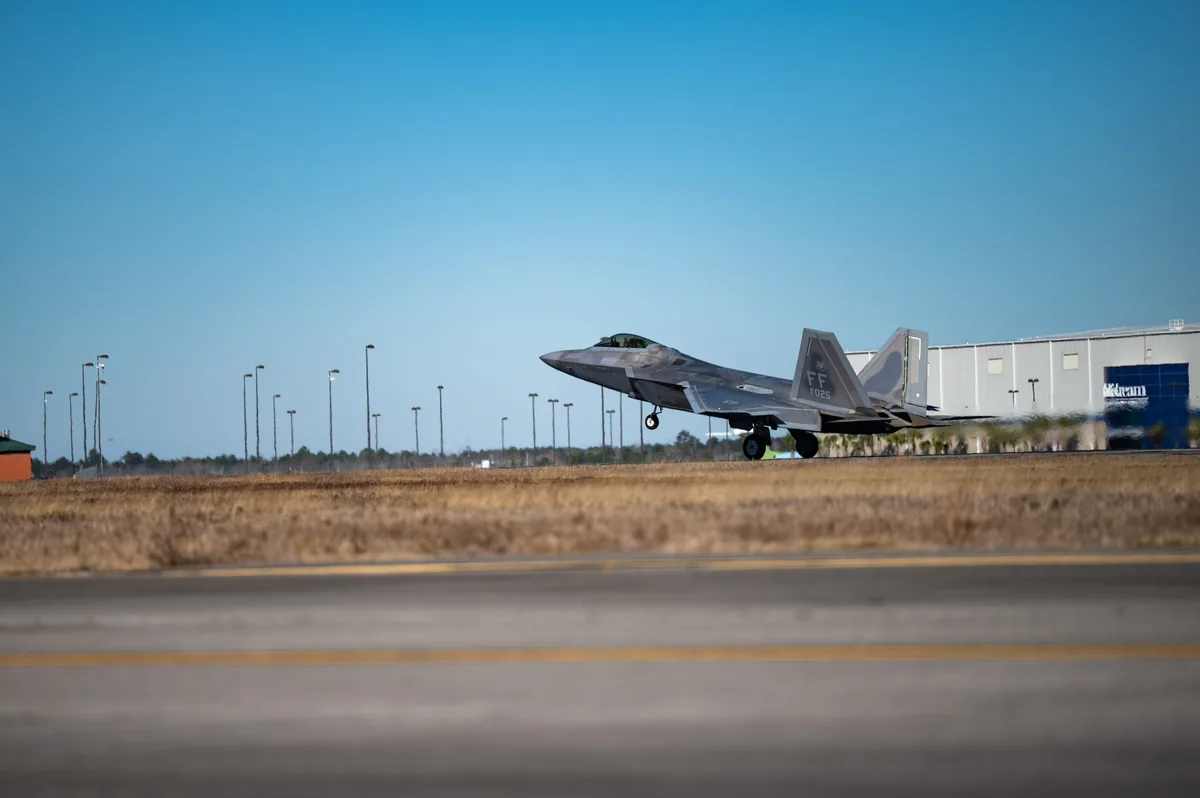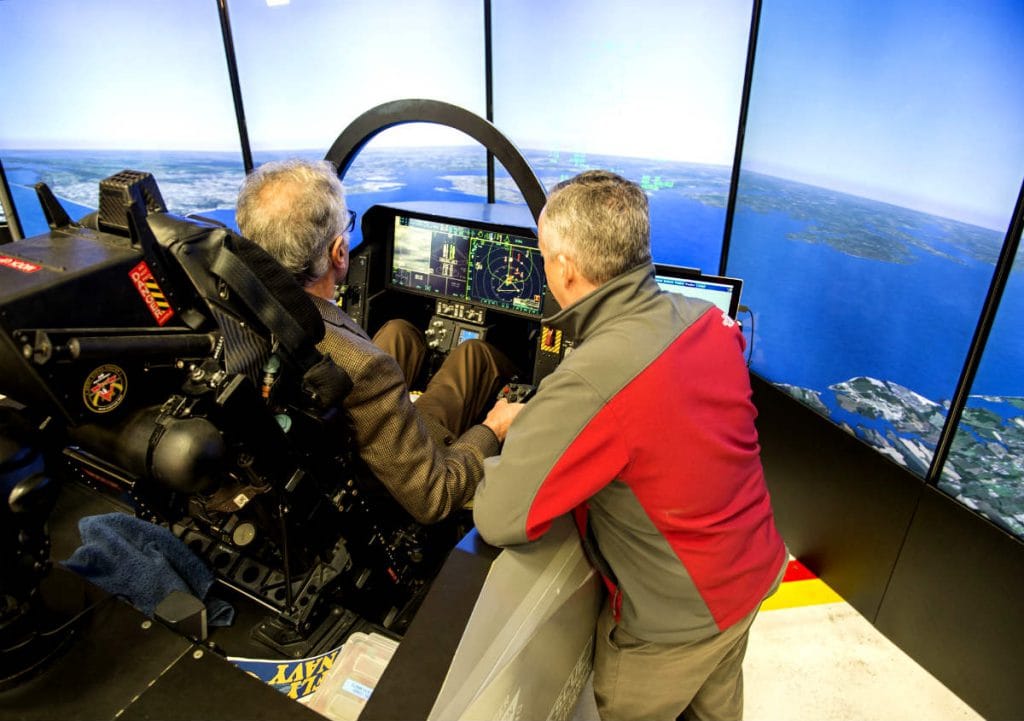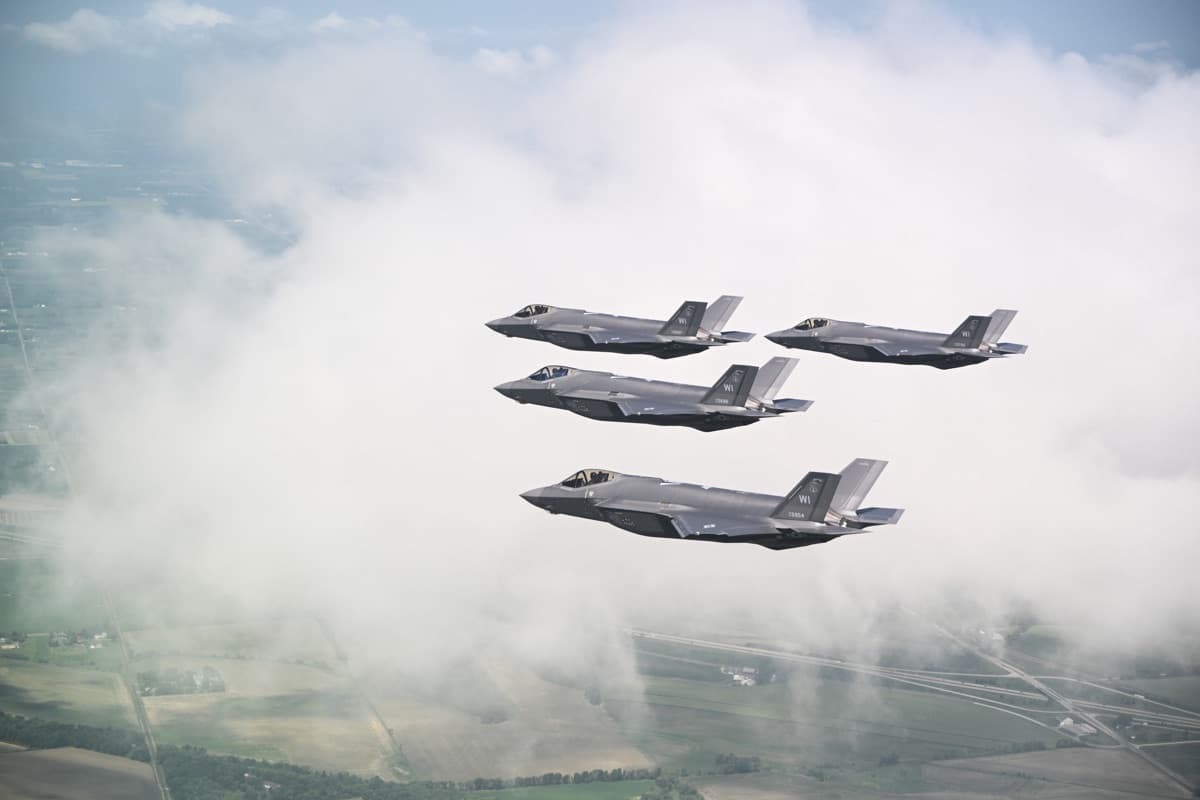

The F-35 Lightning II Joint Strike Fighter is more than just the most expensive weapons procurement program in world history. The goal is to bring science fiction to life and field the most advanced, game-changing combat aircraft capable of dominating the battlefield for generations to come. Despite the ample controversies, cost overruns and technical setbacks marring the F-35’s Joint Strike Fighter development, the Pentagon remains committed to rapidly fielding this high-tech war machine as quickly as possible. Even to the extent of shifting some funds away from maintaining current fighters and into procuring new F-35 Lightning aircraft.

Current Status
The F-35 program is quite unique, since full scale production is proceeding simultaneously with late-stage research and development. This approach is intended to reduce costs, under the assumption that it will be cheaper to upgrade an existing basic aircraft than to design a “perfect” one from scratch. As of January 2017, two of three variants are certified as “combat ready” by the US Air Force and US Marine Corps. U.S. Air Force F-35A standard takeoff & U.S Marine Corps F-35B vertical take off/landing are combat ready. The ‘C’ version is designed for carrier use for the US Navy and is not cleared for combat. In addition, the current fleet of 200 fighters have amassed more than 70k cumulative flight hours. There are 300 pilots trained to operate these futuristic warbirds.
Revolutionary Design
The F-35 Lightning’s most gamechanging feature isn’t its multi-role versatility nor even extreme stealth capabilities, but rather its next-generation, fully networked avionics systems. Equipped with a powerful AN/APG-81 Active Electronically Scanned Array radar, classified Advanced Electro-Optical Targeting System (EOTS), custom designed AN/ASQ-239 Barracuda electronic warfare system and AN/AAQ-37 Distributed Aperture System, among many other advanced features, the F-35’s sensors provide unprecedented 360 degree situational awareness. Both in the air and on the ground, as well as across most of the electromagnetic spectrum.
Full Mission Systems Coverage
Besides performing as an impressive reconnaissance aircraft in and of itself, the Lockheed Martin Joint Strike Fighter automatically communicates with every available land, sea, air and space sensor within range to gather and share new intelligence in real-time. According to Lockheed Martin, this seamless “fusion” of so many different sensors and communications systems requires more lines of code than the Space Shuttle’s operating system.