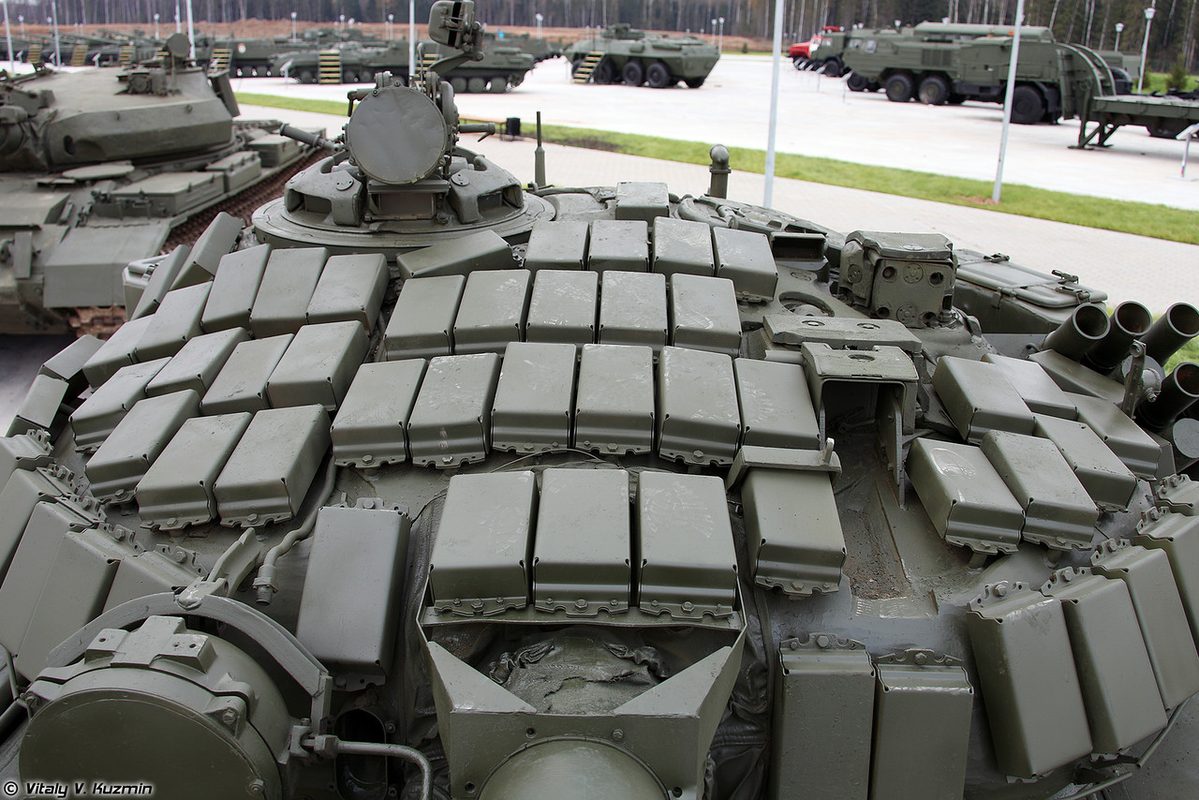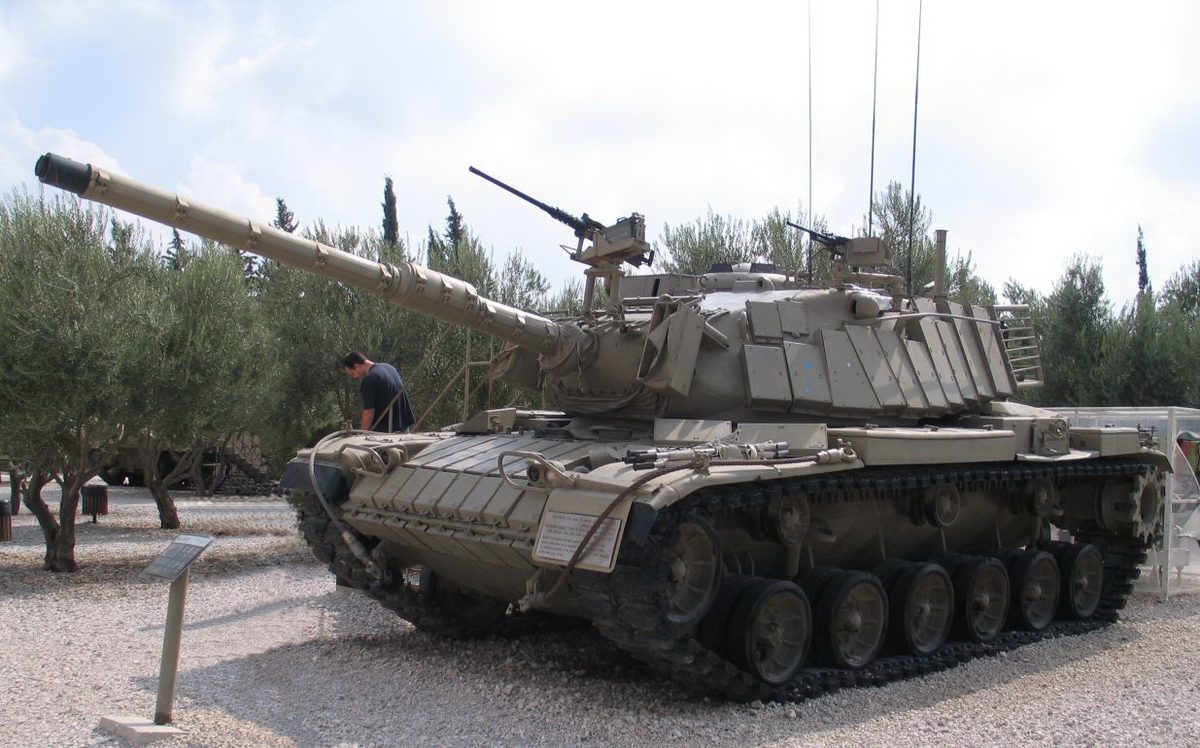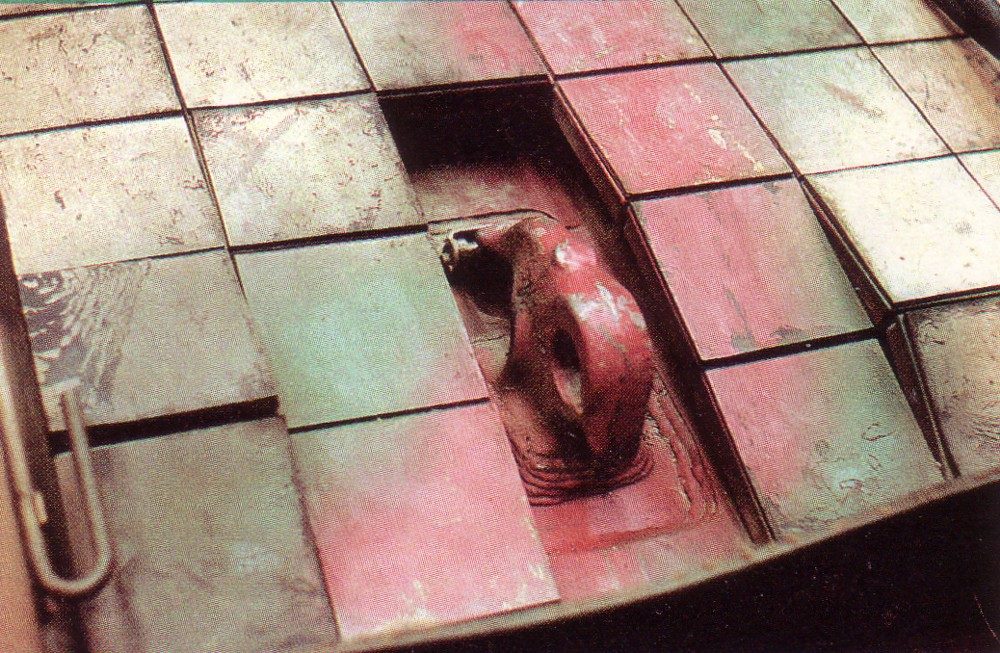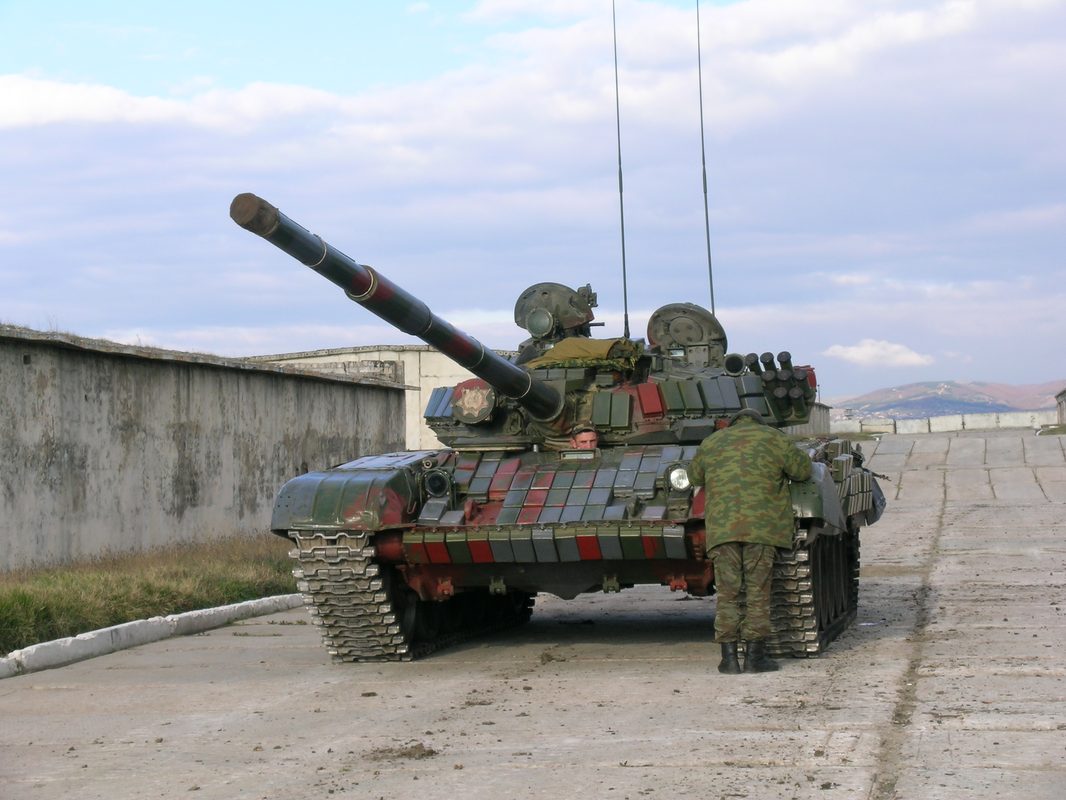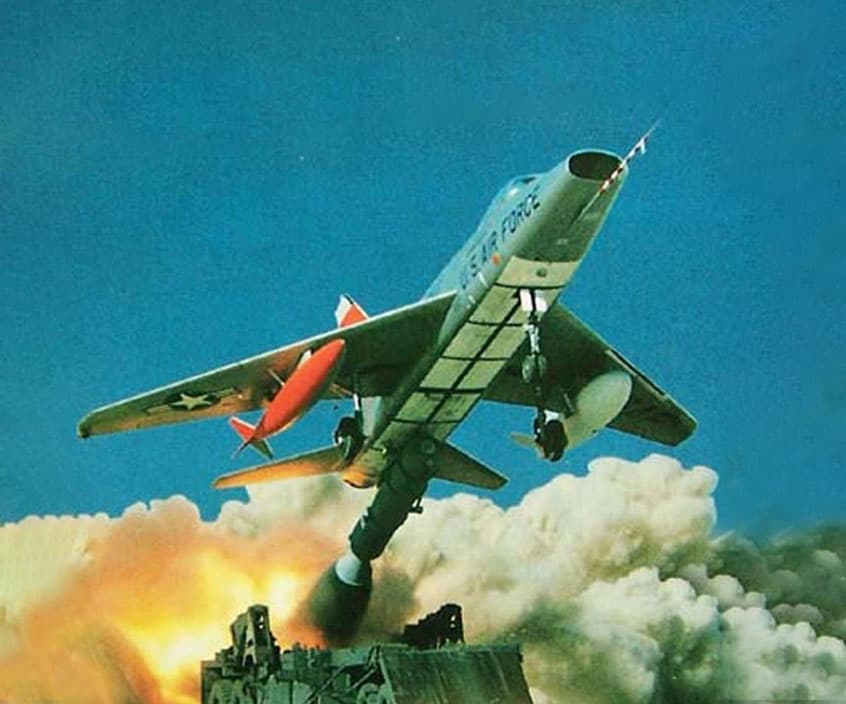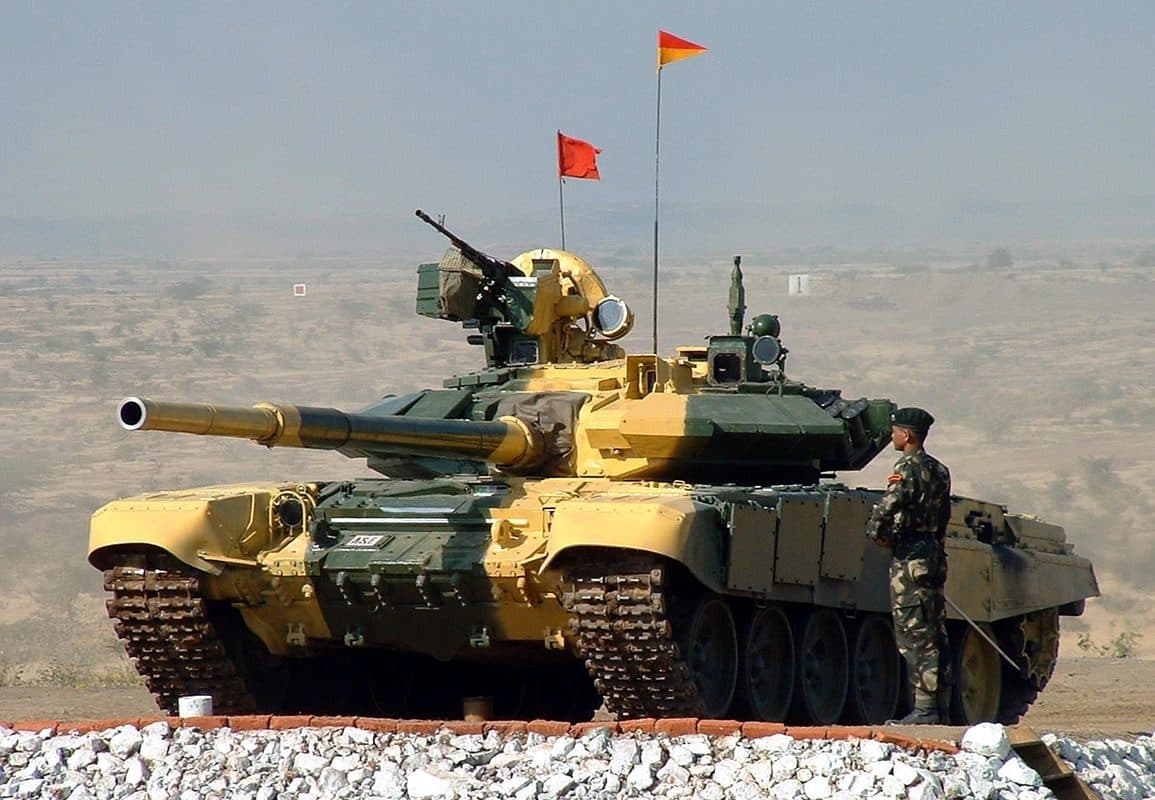

The armor detonates itself. On purpose. When an anti-tank missile strikes a tank equipped with explosive reactive armor, the impact triggers a precisely engineered explosion inside the armor block that disrupts the incoming warhead before it can penetrate the main hull. It is one of the most counterintuitive concepts in military engineering: using an explosion to stop an explosion. And it has saved more tank crews than any other armor technology developed in the past 50 years.
The Shaped Charge Problem
To understand why explosive reactive armor exists, you first need to understand the weapon it was designed to defeat. A shaped charge warhead, the type used in rocket-propelled grenades, anti-tank guided missiles, and many other anti-armor weapons, does not destroy a tank through brute explosive force. Instead, it uses a precisely shaped cone of metal, usually copper, lined inside a conical cavity in the explosive charge. When the explosive detonates, the metal liner collapses inward and forward, forming a superplastic jet of molten copper traveling at approximately 8,000 meters per second, roughly 25 times the speed of sound.
This jet is extraordinarily narrow and focused. It does not blow a hole in armor the way a conventional explosion would. Instead, it punches through steel armor by applying enormous pressure to an incredibly small cross-sectional area at pressures that exceed the yield strength of any armor steel. A modern anti-tank guided missile with a shaped charge warhead can penetrate 800 to 1,000 millimeters of rolled homogeneous armor equivalent, far more than the thickness of any tank's main armor plate.
Traditional steel armor, no matter how thick, struggles against shaped charges because the jet's penetration capability scales with its length and velocity rather than the armor's thickness. Making a tank's armor thick enough to stop a modern shaped charge would make the vehicle too heavy to move. A different approach was needed.