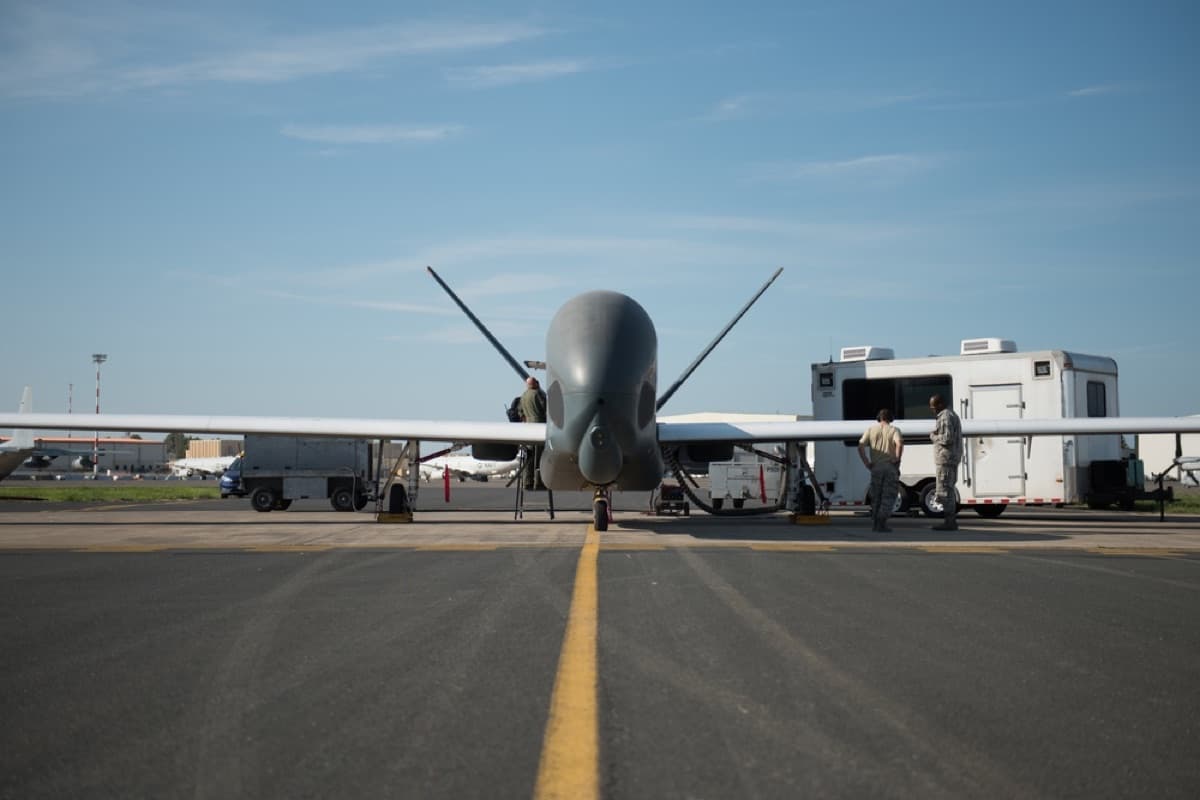

Anywhere in the world, in any given climate or condition, commanders continue to deploy the backbone of unmanned aerial vehicles: the RQ-4 Global Hawk. In the days before UAVs were mainstays of the modern military, pilots were subject to all sorts of hostile requirements in order to get battlefield commanders the intelligence necessary to make life-saving decisions.
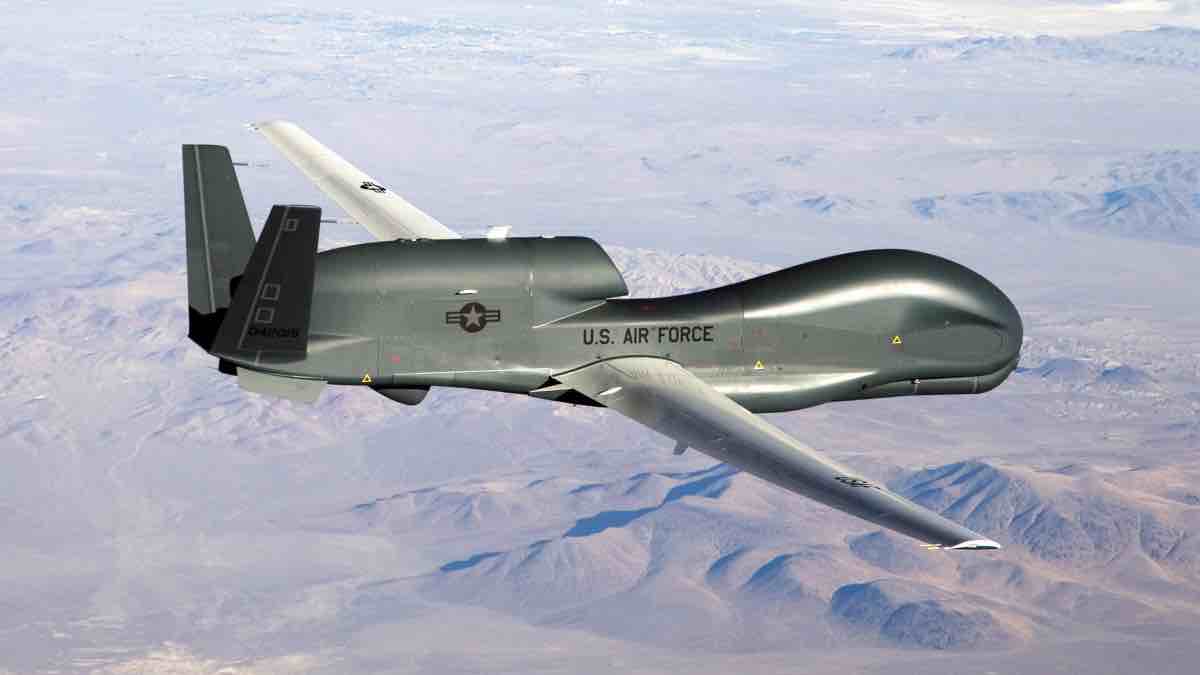
What sets apart the Global Hawk from slimmer, smaller UAVs is its ability to maintain altitude at 60-65,000 feet while providing continuous 24-hour on-station service. This is something that just isn’t feasible for one pilot alone. And now, the entire program is about to undergo a massive facelift.
The EQ-4, the RQ-4, and the U-2
The RQ-4 Global Hawk program launched officially in 1998. For almost twenty years, this unmanned craft has diligently served as a high-end watchdog for troops on the ground. Classified as a Tier II+ UAV by the U.S. Air Force, it can stay on-station for 24-hours, coordinate with other assets in the air, and seamlessly transmit real-time data down to ground commanders. The EQ-4 is a variant of the RQ-4 that is equipped with Battlefield Airborne Communications Node (BACN). So what’s changing with the EQ-4 versus the RQ-4?
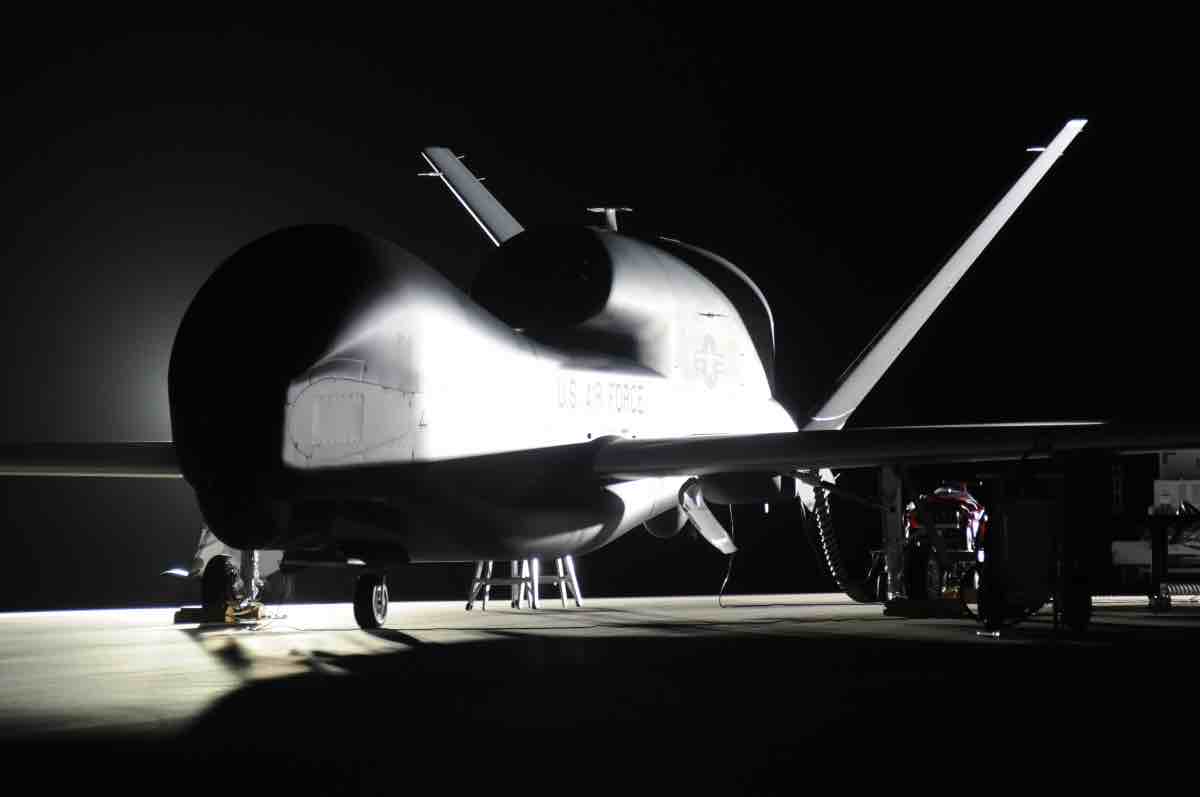
There’s one place where the Global Hawk hasn’t beaten the competition: the aging U-2 Dragon Lady. This conventional, manned high-altitude surveillance aircraft program is well over half a century old. On top of that, it’s a very difficult plane to fly. Pilots risk their lives and well-being to maintain constant focus on multiple jobs while manning the U-2. However, the U-2 is simply the more cost-effective option between the two. If the EQ-4 becomes cheaper to fly at such high altitudes as the U-2, it will save pilot’s lives and incredible amounts of money long-term. That’s what the EQ-4 is attempting to do.