
Blitzkrieg
A German military doctrine emphasizing rapid, concentrated attacks using armor, infantry, and close air support to break through enemy lines and encircle opposing forces before they can react.
Blitzkrieg, German for "lightning war," describes the combined arms doctrine that Nazi Germany used to devastating effect in the early years of World War II. The concept centered on concentrating tanks, mechanized infantry, and close air support at a narrow point in the enemy line, achieving a breakthrough, and then exploiting it with rapid armored advances deep into the enemy's rear before defenders could reorganize.
The doctrine was first demonstrated during the invasion of Poland in September 1939 and reached its most spectacular success during the Fall of France in May 1940, when German forces outmaneuvered the French and British armies in just six weeks. The key innovations were not individual weapons but the integration of combined arms, the delegation of tactical decision-making to field commanders, and the use of radio communications to coordinate fast-moving forces.
While the term "blitzkrieg" was largely a media creation rather than an official German military doctrine, the principles it describes, speed, concentration, combined arms, and exploitation of breakthroughs, remain fundamental to modern maneuver warfare. The U.S. military's AirLand Battle doctrine and its successor, multi-domain operations, draw directly from these concepts.
Related Terms
Combined Arms
A tactical approach that integrates different combat arms, infantry, armor, artillery, engineers, and aviation, so that each element compensates for the vulnerabilities of the others.
Close Air Support
Air action by fixed-wing and rotary-wing aircraft against hostile targets near friendly ground forces, requiring detailed coordination to avoid fratricide.
Related Articles
50 Military Decisions That Quietly Shaped Modern Warfare
Decisions that shaped modern military power across history.
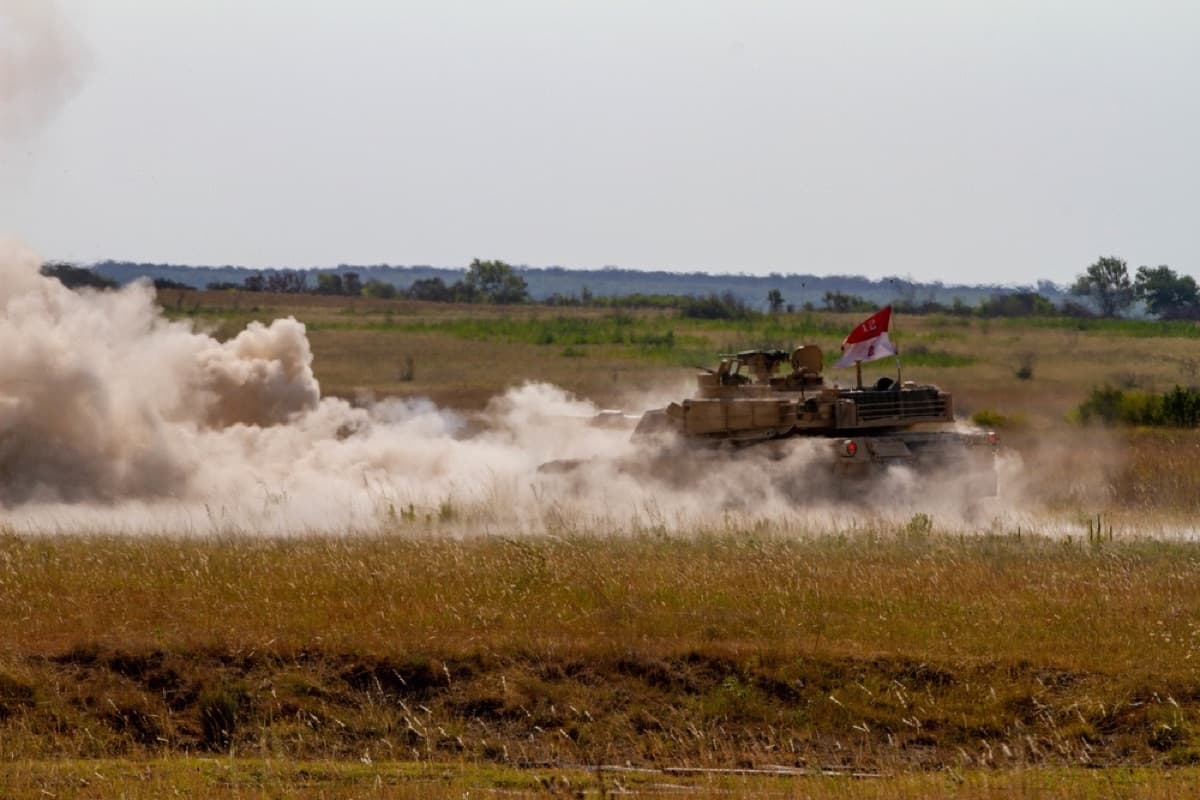
The Evolution of Modern Armor: How Tanks Changed Warfare from World War I to Today
The Evolution of Modern Armor: How Tanks Changed Warfare from World War I to Today For more than a century, the tank has been one of the most powerful…