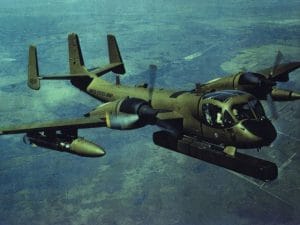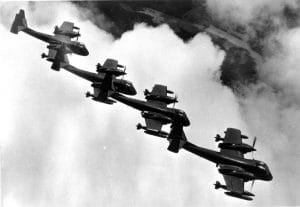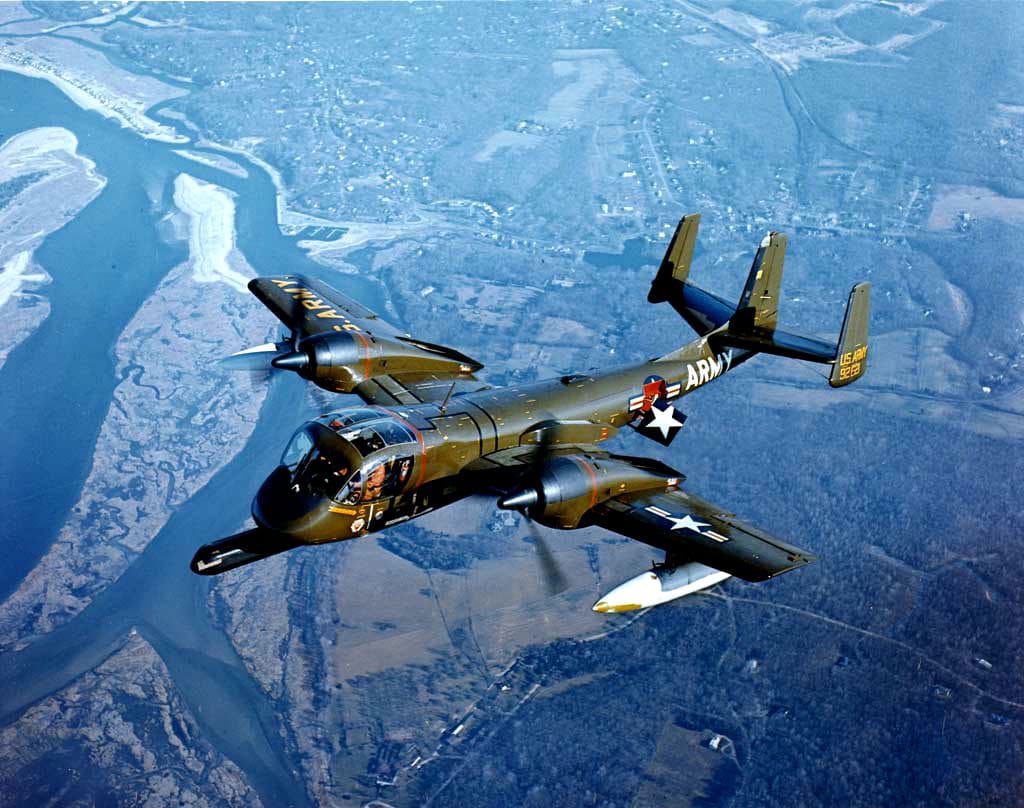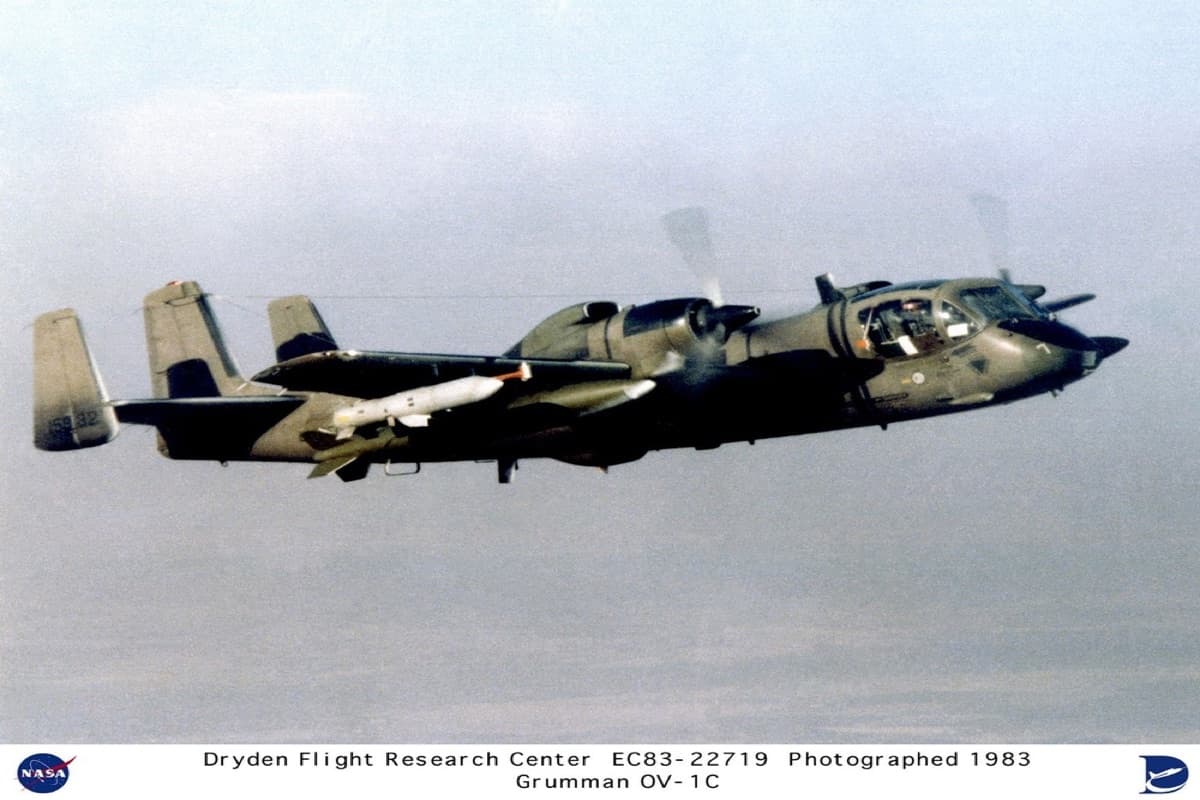

The bug-eyed OV-1 Mohawk was far more dangerous than the tame “observation aircraft” designation would suggest. As one of the rare fixed-wing aircraft operated by the US Army, Mohawks were busy hunting down guerillas in South Vietnam from the very first days of US involvement. Packing a pair of .50-caliber machine guns and several dozen 2.75-inch rockets, the OV-1 could leave a serious impression on fast moving targets when necessary, but that was just a bonus. The Mohawk’s primary and most lethal weapon was its long-range radio.
Cutting Through The Fog Of War:
In 21st century warfare, near-complete situational awareness on the battlefield is often taken for granted. Thanks to our elaborate modern network of integrated SIGNIT sensors, drones, satellites and tactical intranets, local commanders are usually drowning in real-time intelligence. In the 1960s though, gathering tactical intelligence was much more complicated. Especially in the impenetrable jungles of Southeast Asia.
Aerial reconnaissance back then required the Air Force to task a camera-equipped aircraft to conduct a high-speed fly over, return to base, develop the film, analyze the intel and then send relevant details to ground troops. The slow and ugly Mohawk cut through that fog of war and changed the whole tactical situation. Orbiting above friendly forces for hours, the dedicated observer onboard the OV-1 gathered visual and electronic intelligence and fed everything they learned straight to the on scene Army commander.