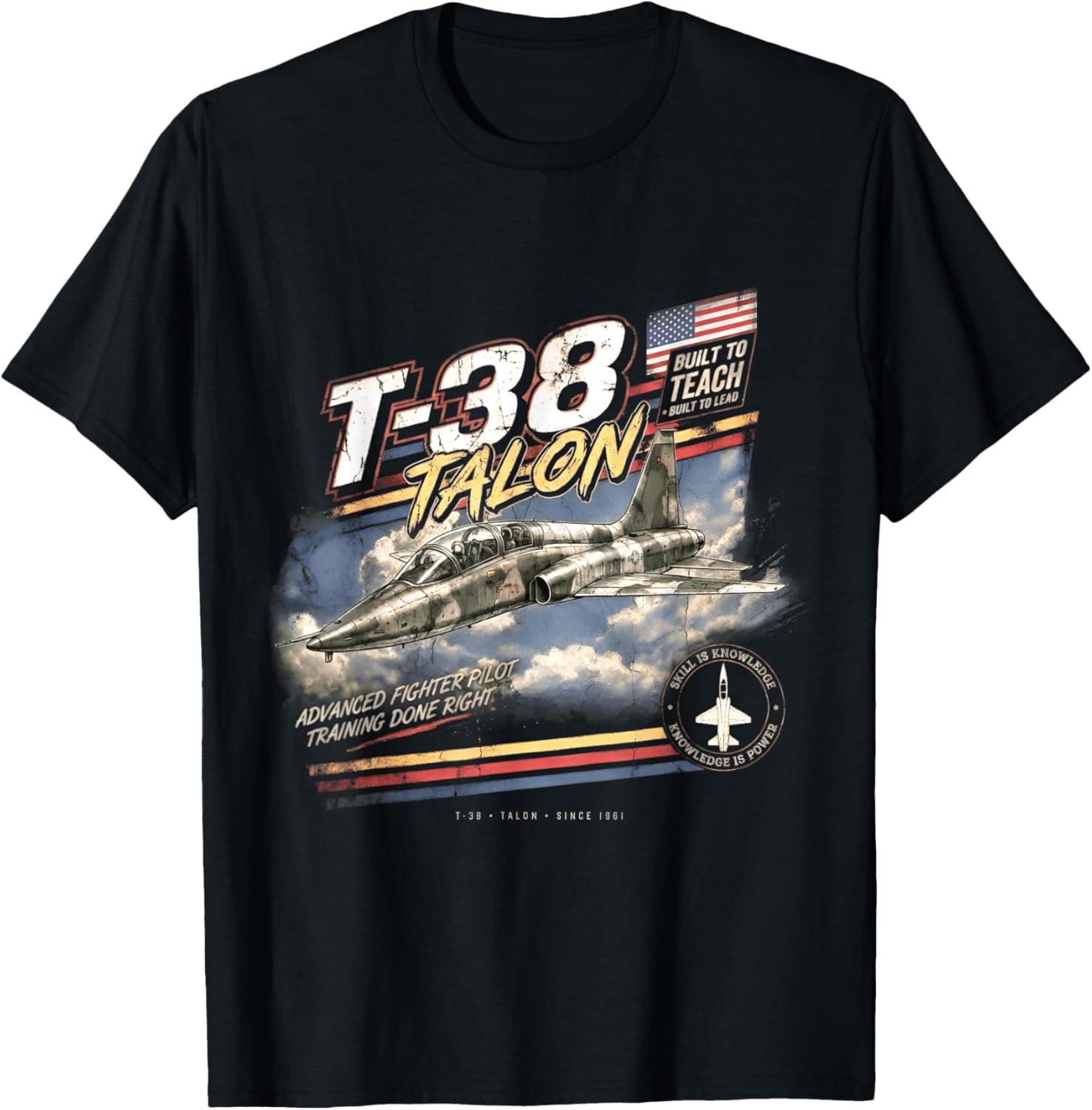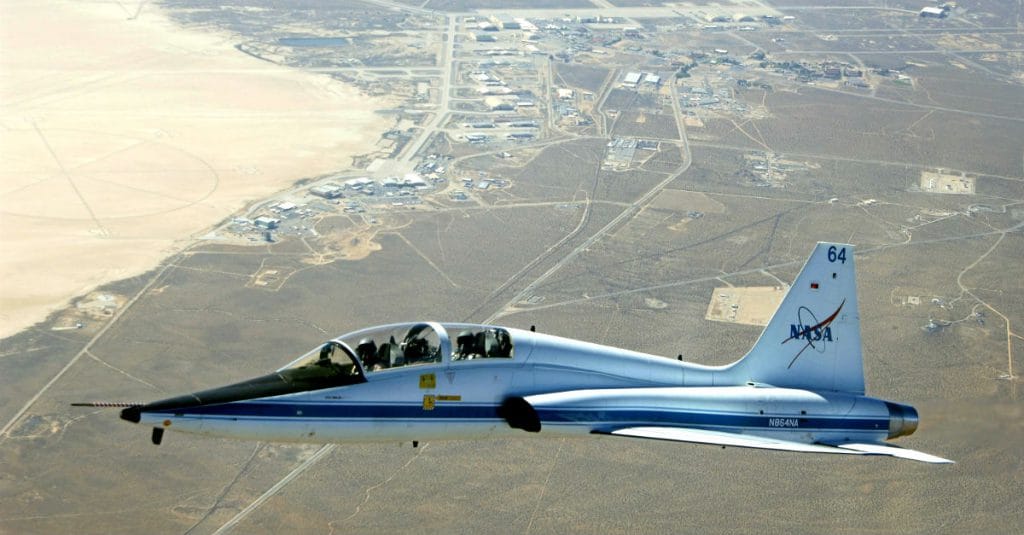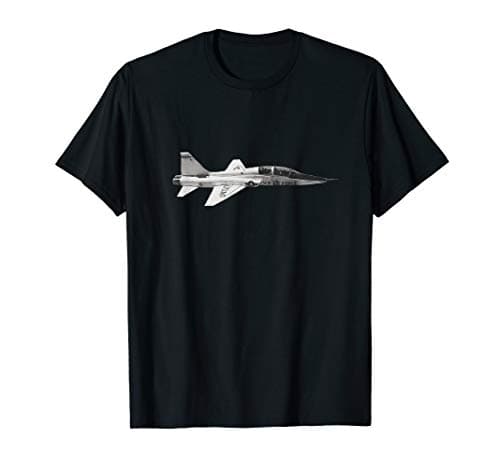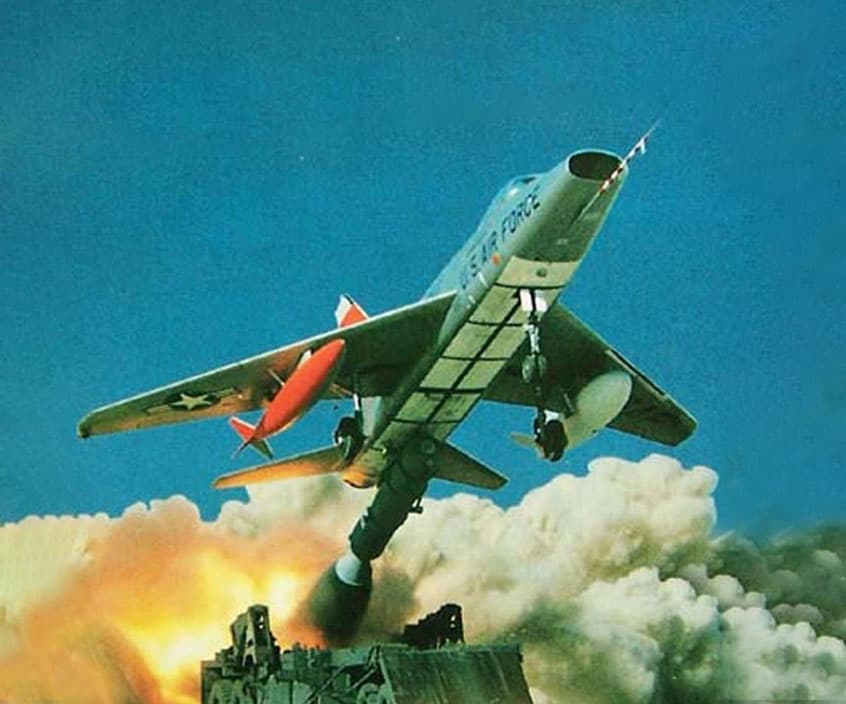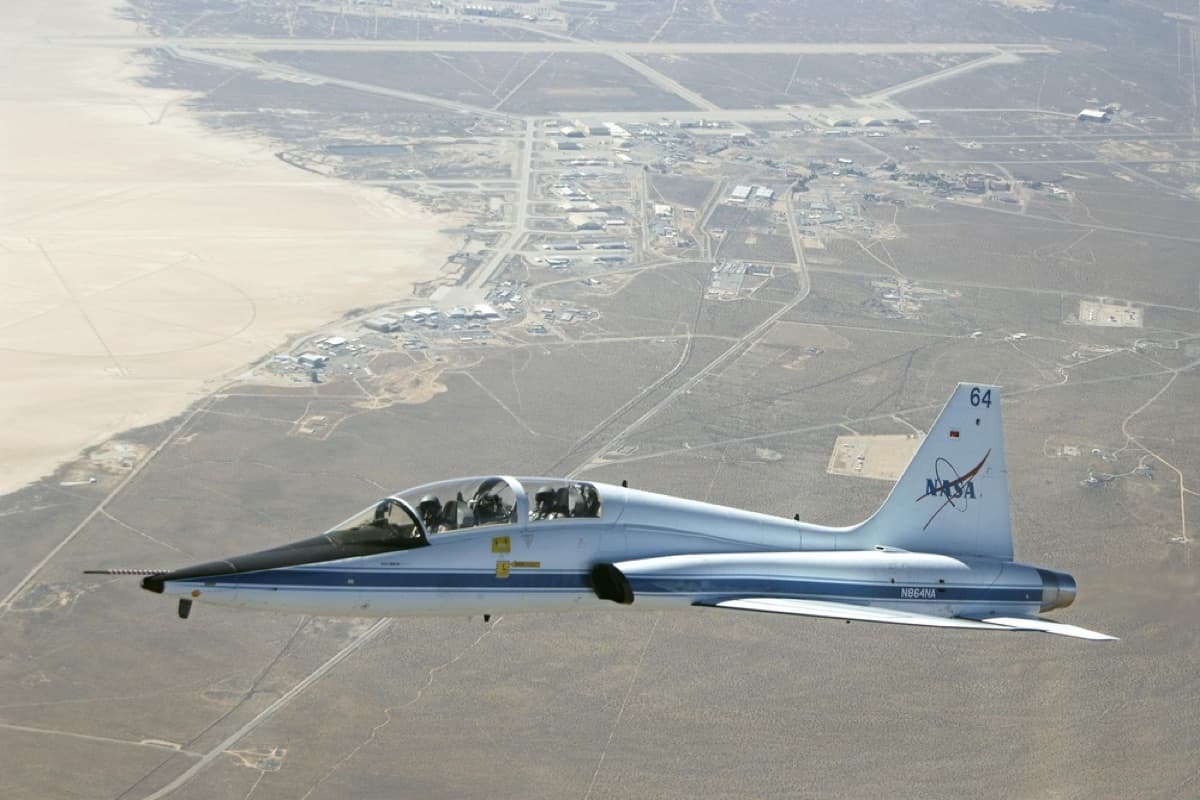

The Northrop Grumman T-38 Talon Jet Trainer is a twin-engine, high-altitude, supersonic jet trainer used primarily by the U.S. Air Force for joint specialized undergraduate pilot training. Between 1959 and 1972, the former Northrop Corporation produced 1,187 T-38s, around half of which remain in service today. Because of its maintenance-friendly design, low operating cost, high performance, and exceptional safety record, the T-38 is also used in a variety of roles by NASA, the U.S. Navy, and other air forces around the world. Since 1961, approximately 75,000 pilots have earned their wings in the T-38 and the aircraft is expected to remain in service until at least 2020.
Speed
The Air Force specs the T-38 at 812 mph (Mach 1.08 at sea level), but NASA claims it can fly up to Mach 1.6. How’s that for 1950s technology? The original T-38, powered by two General Electric J85-GE-5 turbojet engines, is capable of producing 2,050 pounds dry thrust and 2,900 pounds with afterburners. T-38Cs with an upgraded propulsion system crank out 2,200 pounds dry thrust and 3,300 pounds with afterburners.
Unique Technology
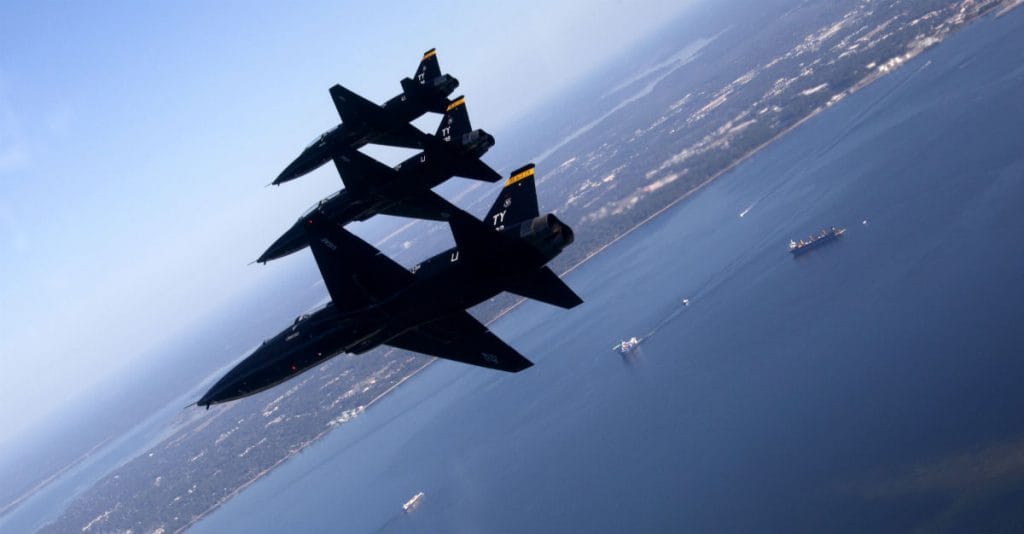
The T-38 is the world’s first and most produced supersonic trainer. It can climb from sea level to nearly 30,000 feet (9,068 meters) in a mere 60 seconds, wrenching its pilots through more than seven Gs, or seven times the force of gravity. Good luck lifting your hands, moving your head, or even breathing with those forces. The T-38C incorporates a “glass cockpit” with integrated avionics displays, head-up display, and an electronic “no drop bomb” scoring system. The AT-38B has a gun sight and practice bomb dispenser.
Cost
Each T-38 cost only $756,000 in 1961. That would make it roughly $6,000,000 in today’s money, a bargain by many standards. And not only that, every T-38 Talon built by Northrop was delivered on time and at or below the contract price.