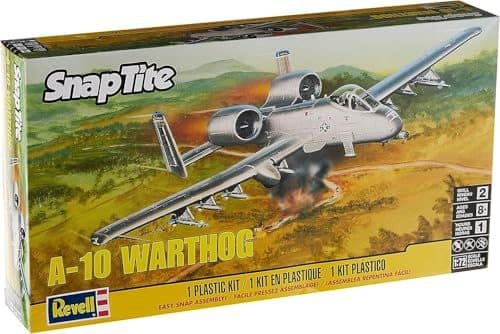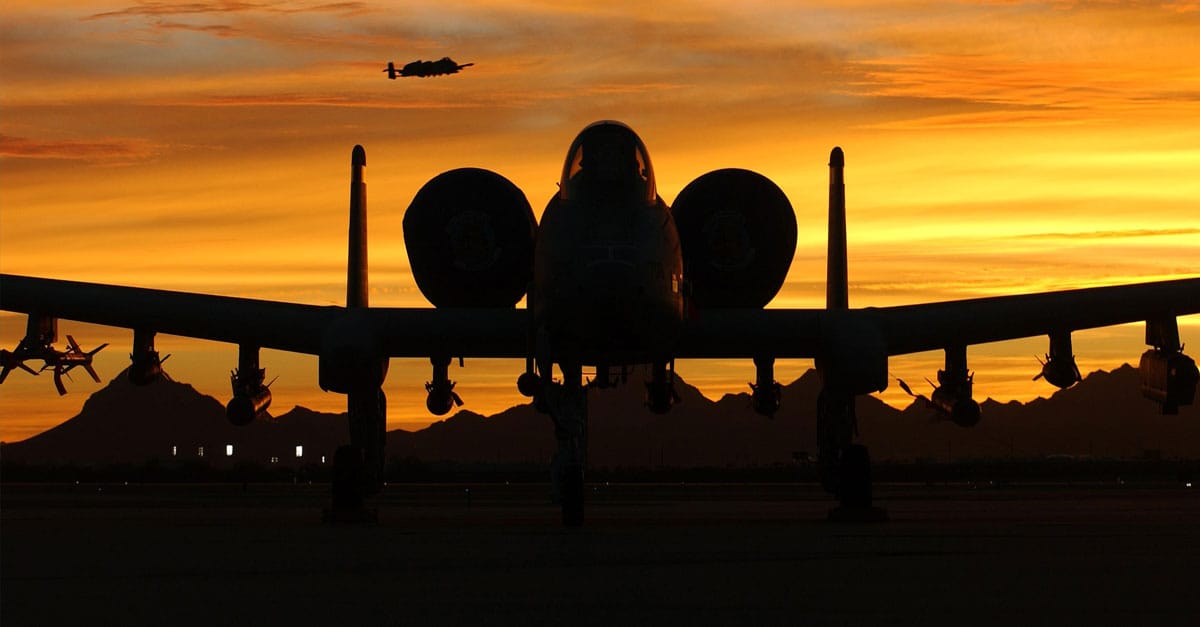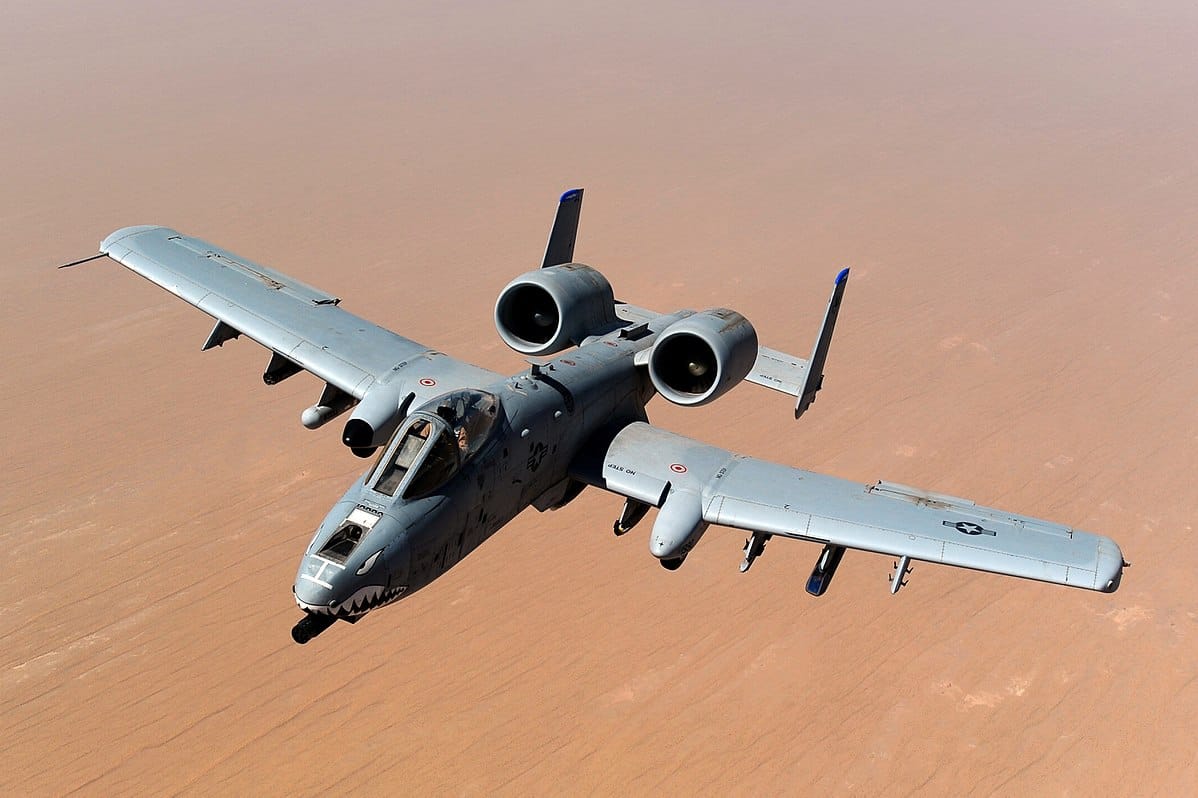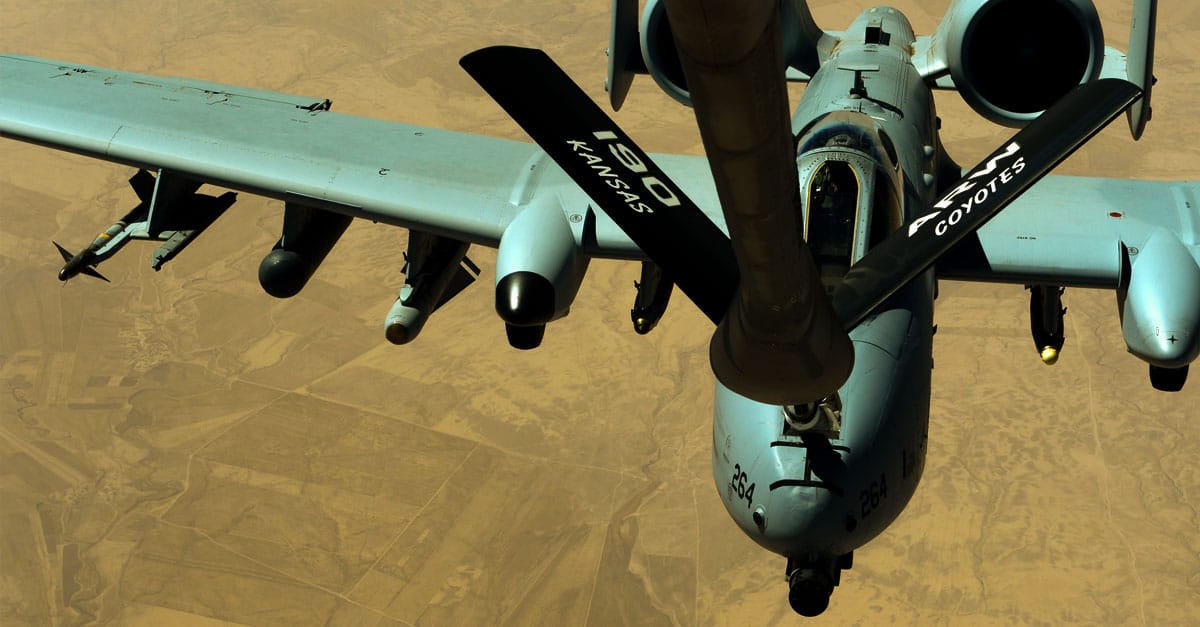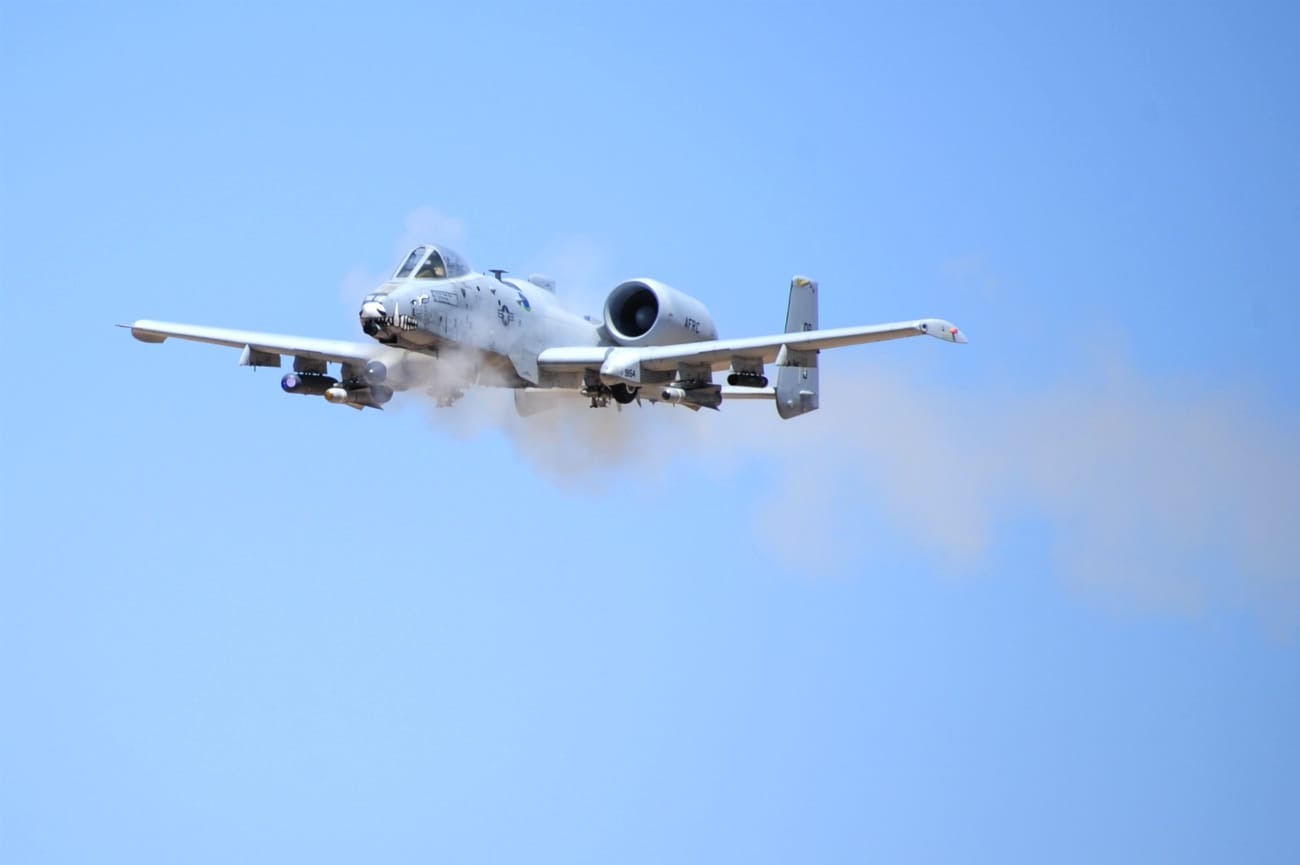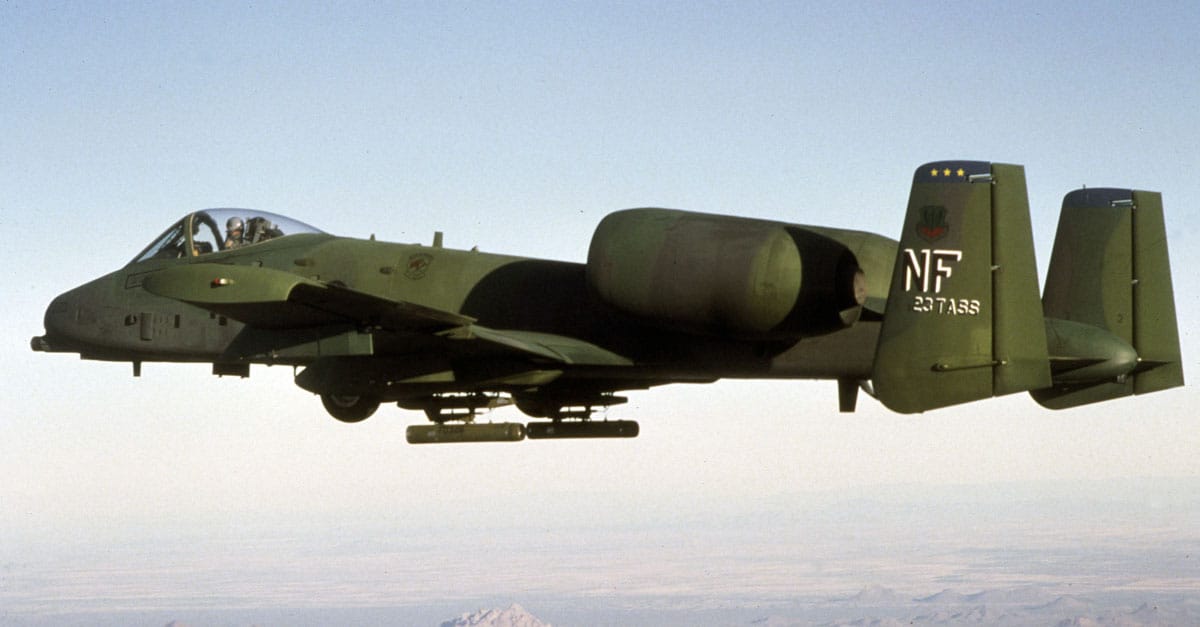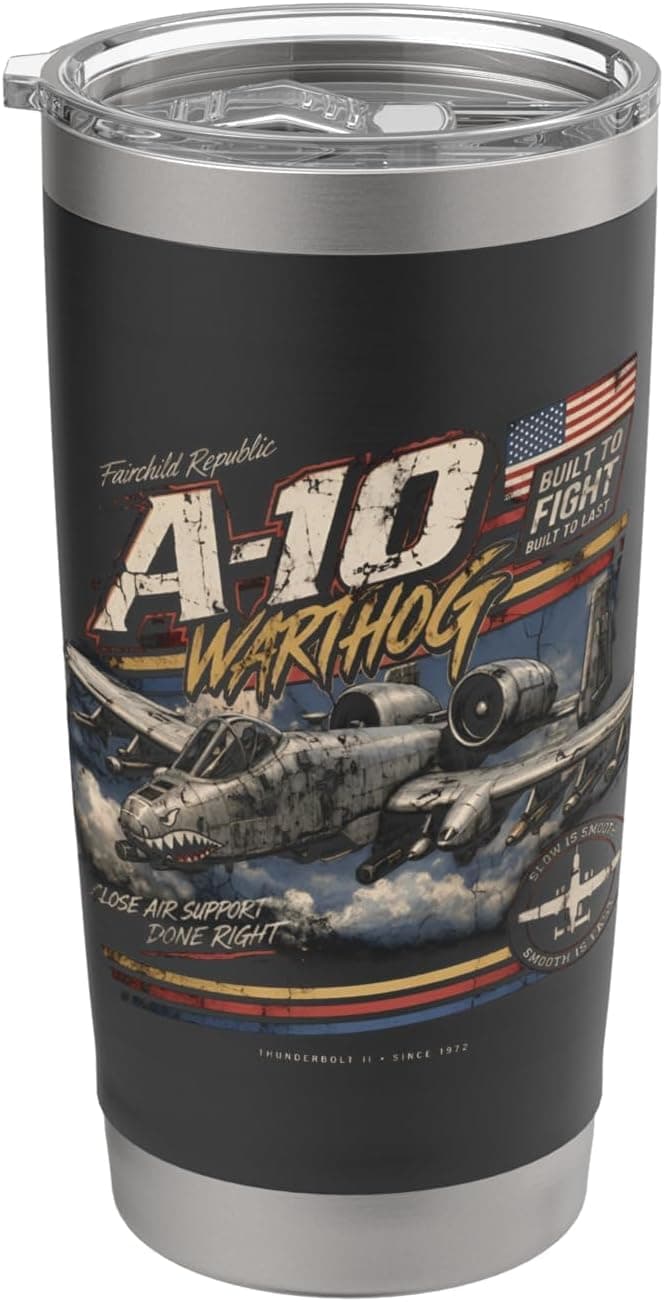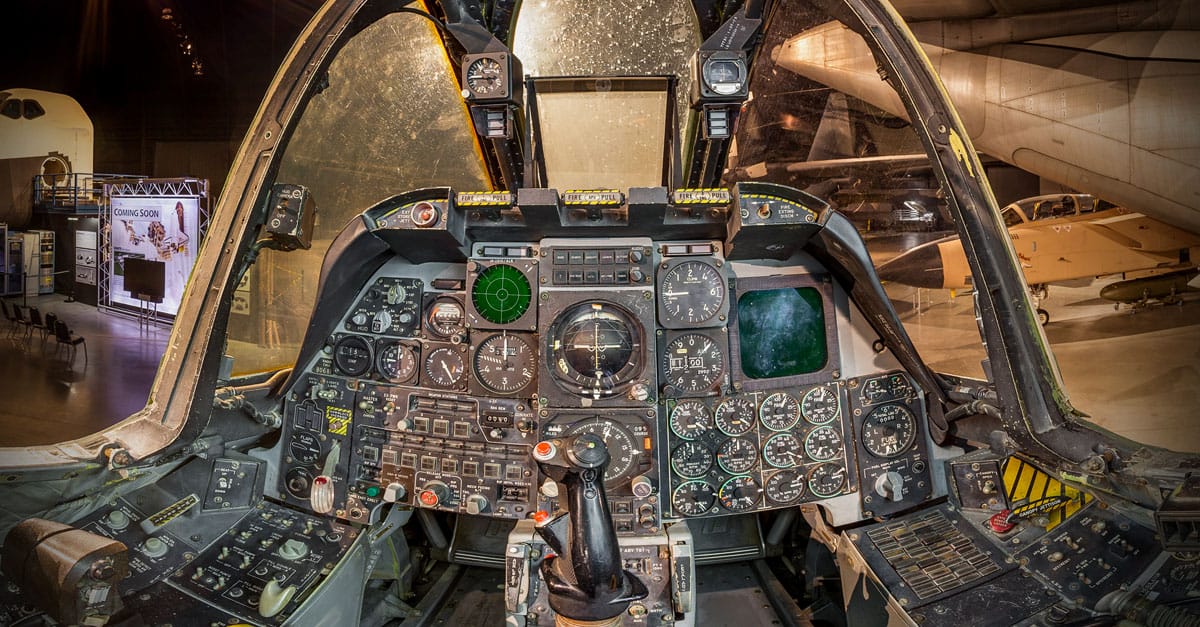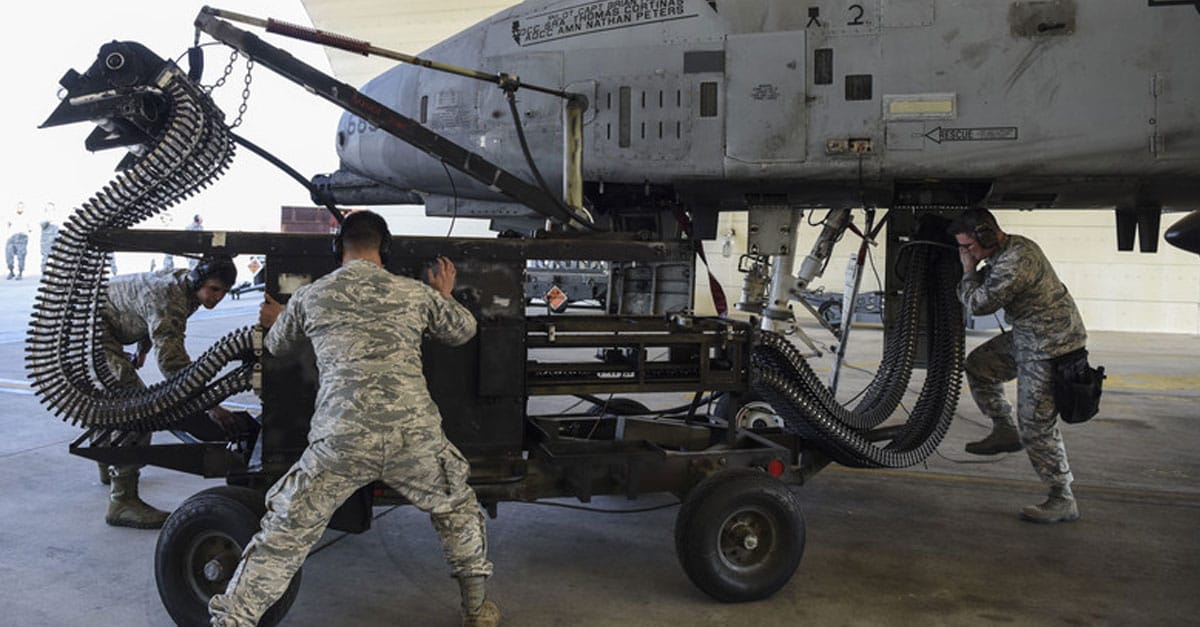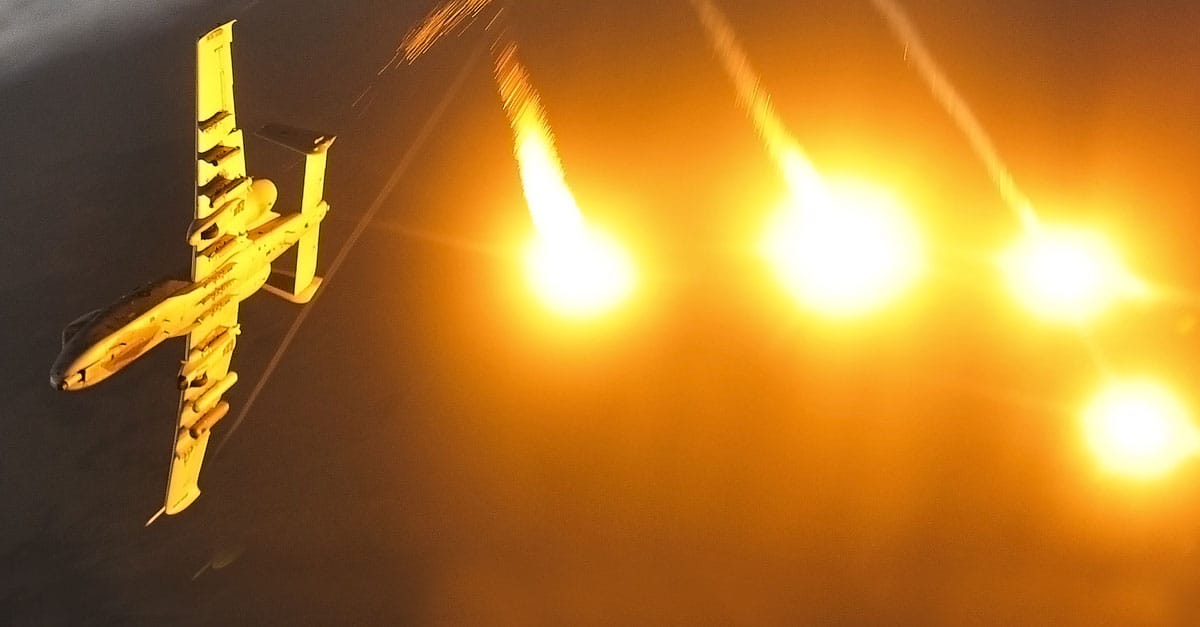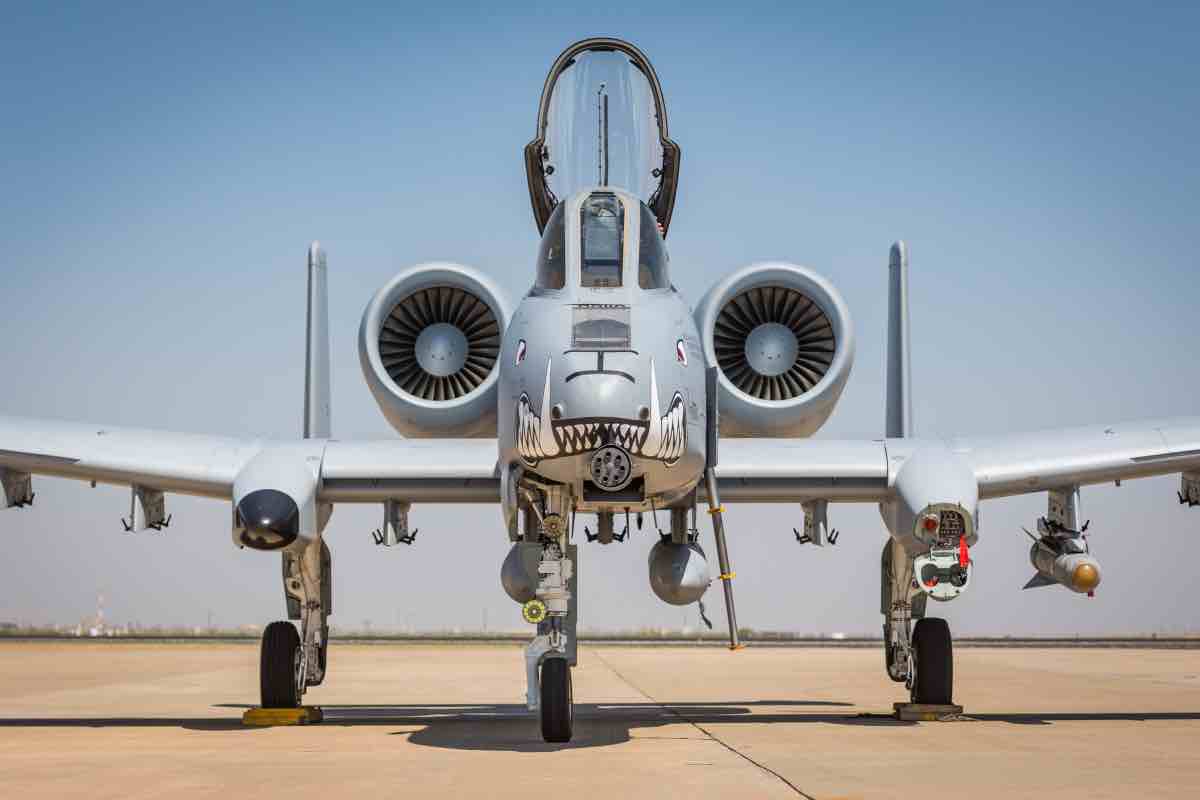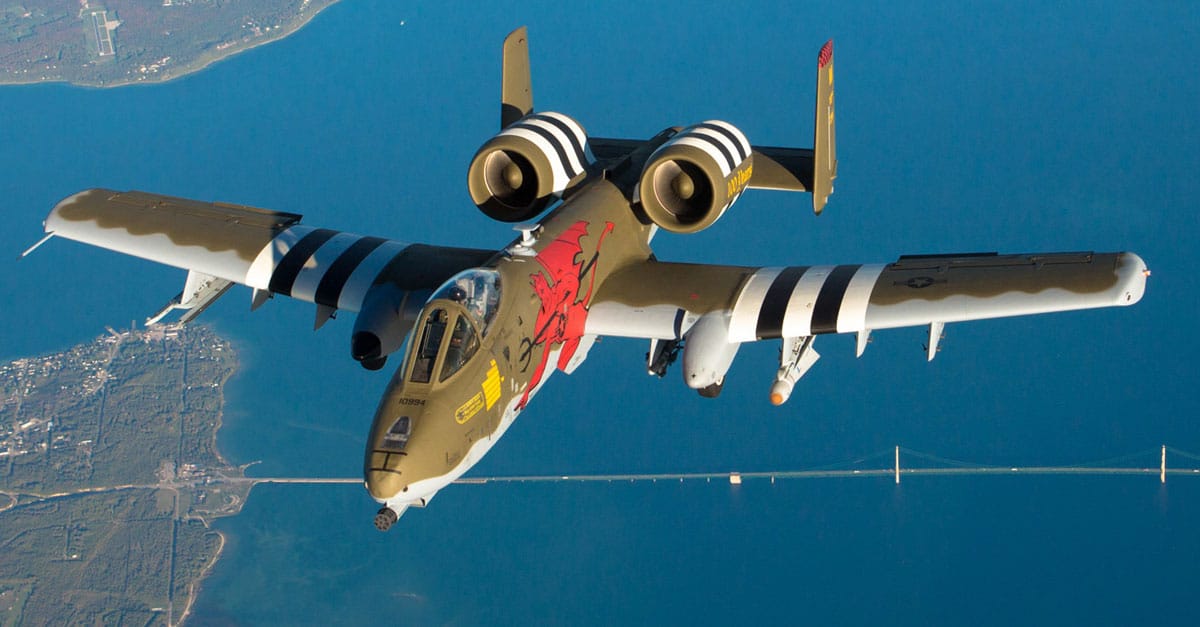

The A-10 Warthog. The official designation for this aircraft is the A-10 Thunderbolt II, named after its illustrious WWII predecessor the P-47 Thunderbolt. However, one interesting A-10 fact is that the nickname “Warthog” is so popular and well loved that it appears in official documents. This is a beloved airframe: a robust ground attack aircraft proven time and again in battle. And the stories behind it are just as interesting as its combat record.
The A-10 Warthog Was Designed to Meet the Changing Needs of War

The A-10 Warthog reflects the changing nature of warfare at the time. As the Vietnam conflict developed, it became apparent that the U.S. Military needed a new generation of ground-attack aircraft. These birds must be faster and more robust to deliver firepower to the battlefield while evading enemy fire. The U.S. Army solution was the development of a new generation of attack helicopter, beginning with the AH-1 Cobra and culminating years later with the AH-64 Apache. The Air Force had another idea, and looked for a fixed wing solution. The existing prop-driven attack planes were woefully ill suited, so they took things in a new direction. Enter: The A-10 Warthog.
Fairchild Republic Answered The Required Actions Directive

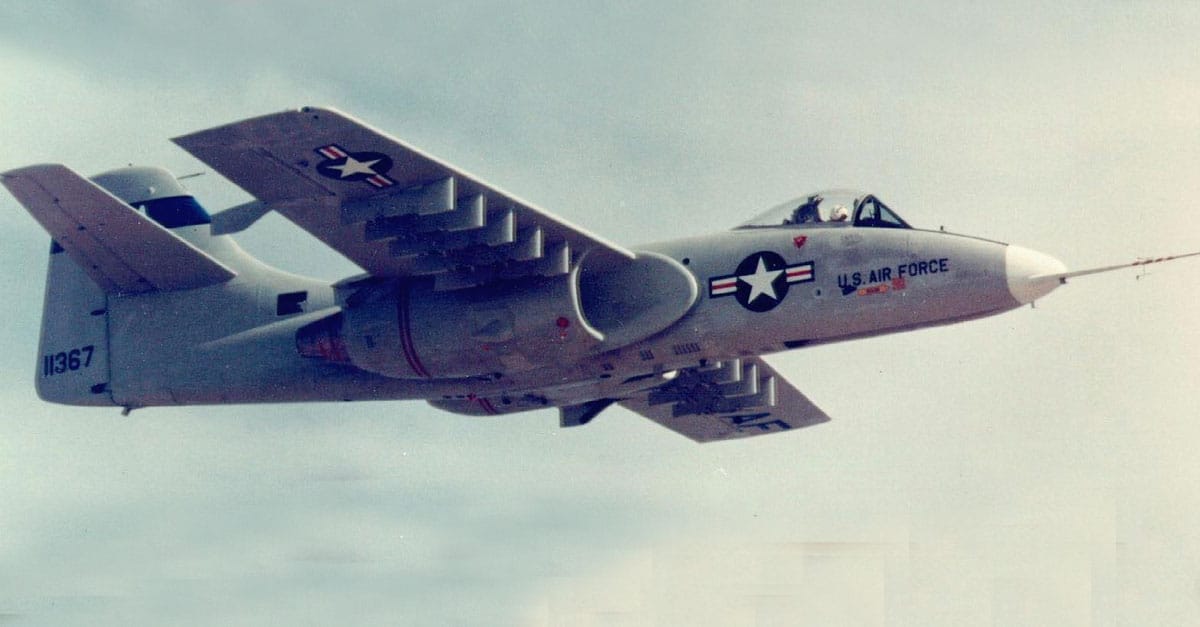
In 1966 the U.S. Air Force issued a Requirements Action Directive, outlining its needs for a ground attack aircraft and inviting manufacturers to submit a potential design. The requirements were simple but challenging to fulfill. The new aircraft needed to be inexpensive, robust, with payload of 16,000 lbs, a takeoff runway distance of 4,000 feet or less, a long loiter time, excellent low-speed maneuverability and extreme survivability. A company named Fairchild Republic answered the call, and began working on prototypes that would become the A-10 Warthog.
The First Flight Ran Into a Few Glitches
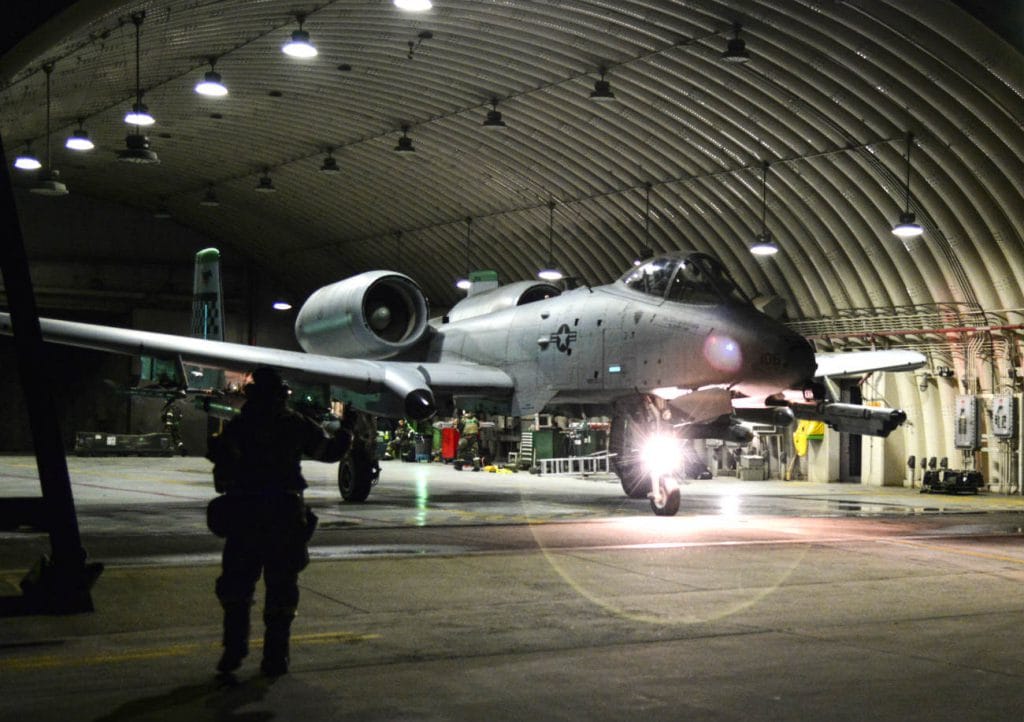
While the A-10 is renown for durability, the first adoption of the aircraft did have a few problems. Davis-Monthan Air Force Base, Ariz. received the first-ever production A-10 in October 1975. When production began in full in 1976, initial fatigue testing failed to meet the new 8,000 hour standard. However, further testing by the engineers at Fairchild Republic found that they needed to reinforce the airframe in order to fix the issue. This was relatively minor. After the correction, 715 airplanes were ordered at the rate of 15 aircraft per month.