
IED
An Improvised Explosive Device is a homemade bomb constructed from military or commercial explosives, designed to damage or destroy vehicles and personnel, widely used by insurgents and terrorist groups.
Improvised Explosive Devices (IEDs) are makeshift bombs built from available materials and used primarily by insurgent and terrorist groups against conventional military forces. They can range from simple pipe bombs to sophisticated explosively formed penetrators (EFPs) capable of piercing the armor of military vehicles. IEDs have been the single most lethal weapon faced by U.S. and coalition forces in Iraq and Afghanistan, responsible for approximately 60% of all coalition casualties in those conflicts.
IEDs can be triggered by pressure plates, command wires, radio signals, infrared beams, or cell phone signals. Their construction varies enormously, from surplus artillery shells buried beside a road to complex arrays of linked charges designed to defeat mine-resistant vehicles. The adaptability and low cost of IEDs, often built for less than $100, make them extremely difficult to counter, as each countermeasure developed by the military prompts a new design from the bomb maker.
The IED threat drove massive investment in force protection, including the rapid fielding of Mine Resistant Ambush Protected (MRAP) vehicles, the development of electronic jamming systems to block radio-triggered detonators, and the creation of the Joint IED Defeat Organization (now the Joint Improvised-Threat Defeat Organization). The lessons of the IED campaign have permanently changed vehicle design and route clearance procedures for military forces worldwide.
Related Terms
RPG(Rocket-Propelled Grenade)
A Rocket-Propelled Grenade is a shoulder-fired, unguided anti-tank weapon that launches a rocket-propelled shaped-charge warhead capable of penetrating armored vehicles.
Counterinsurgency
Military, paramilitary, political, economic, and civic actions taken by a government to defeat an insurgency, emphasizing winning the support of the local population.
Related Articles
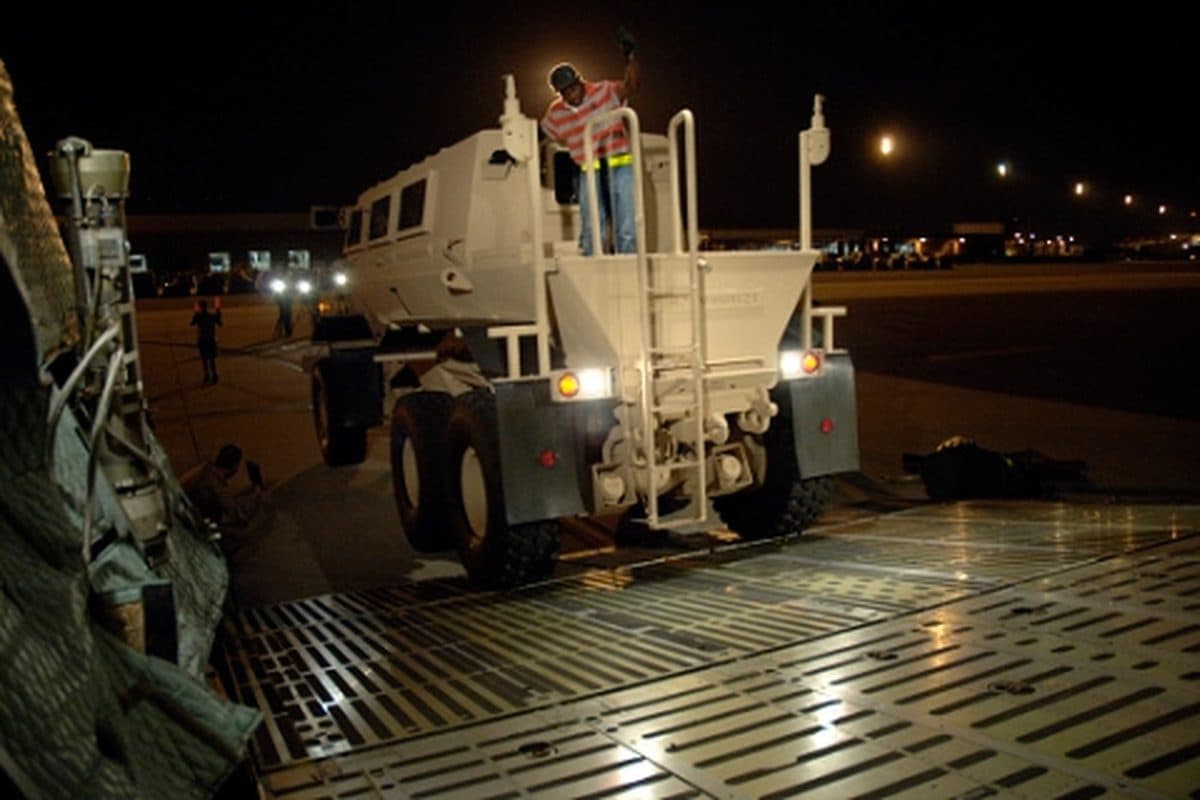
How Australia's Bushmaster Protected Troops From 100+ IED Strikes With Zero Fatalities
100+ IED blasts. Zero crew killed. The Bushmaster Protected Mobility Vehicle's V-shaped hull deflected blast energy away from the crew compartment with such consistency that every single soldier inside survived. Here's how a 15-ton Australian vehicle became one of the most effective troop protection platforms ever deployed to combat.