
Masking
A tactical technique where military vehicles use terrain features like hills, buildings, or tree lines to hide from enemy observation and fire while maintaining the ability to move or engage.
Masking is the tactical art of using terrain to conceal military vehicles and positions from enemy detection. A tank crew that positions its vehicle behind a ridge, exposing only the turret and gun to engage targets while the hull remains protected behind the crest, is using a hull-down position, one of the most basic and effective forms of masking. Helicopters use terrain masking extensively, flying in valleys and behind ridgelines to avoid radar detection and anti-aircraft fire.
Effective masking requires detailed knowledge of the terrain and an understanding of the enemy's observation capabilities. A position that provides masking from ground-level observation may be fully exposed to aerial surveillance or overhead thermal imaging. Modern digital terrain maps and GPS allow commanders to plan routes and positions that exploit terrain masking against specific threat systems.
The principle of masking extends beyond physical terrain. Electronic masking involves using terrain features to block radar signals, while smoke screens and obscurants create temporary visual masks. Attack helicopters are specifically trained in terrain masking techniques, popping up from behind terrain to engage targets with missiles before ducking back into cover, a tactic that was central to Cold War anti-armor doctrine and remains relevant today.
Related Terms
Shoot-and-Scoot
A tactic in which a mobile weapons platform fires briefly and then immediately moves to avoid counter-battery fire or retaliatory strikes.
Combined Arms
A tactical approach that integrates different combat arms, infantry, armor, artillery, engineers, and aviation, so that each element compensates for the vulnerabilities of the others.
Related Articles
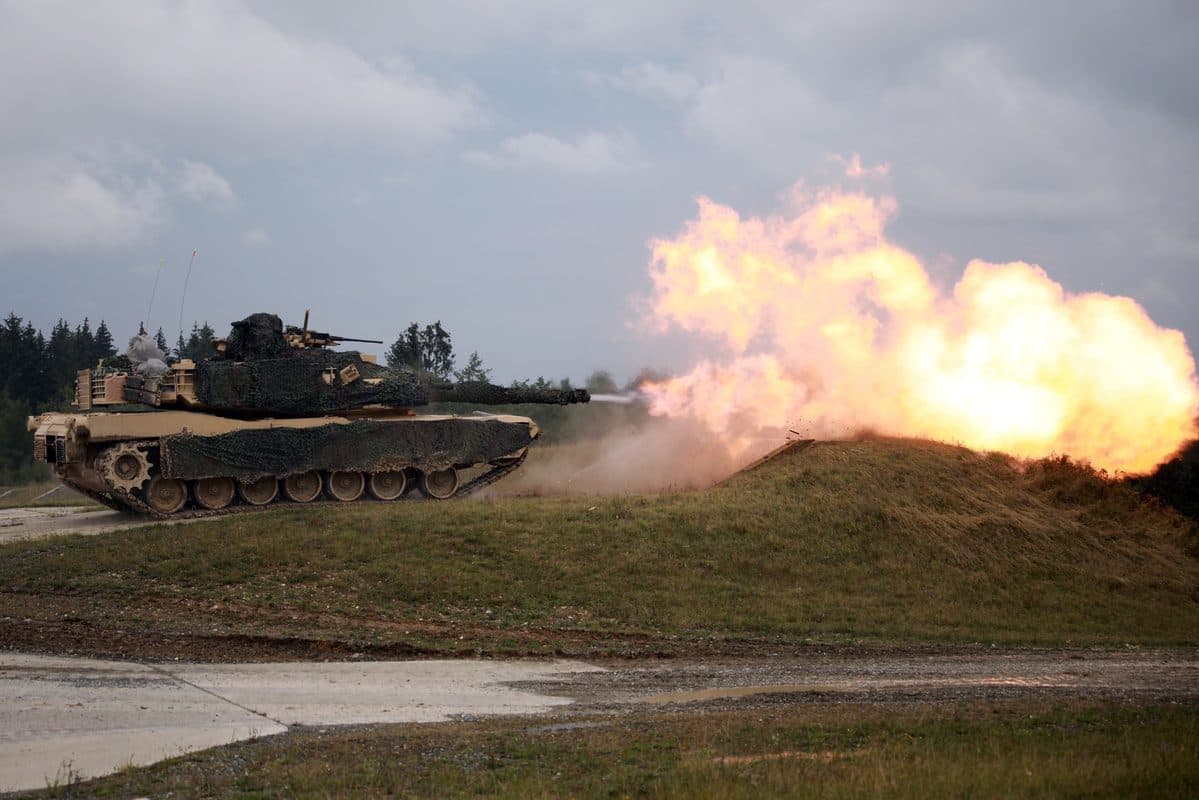
10 Best Tanks in the World (2026): Ranked After Real Combat Data from Ukraine
The Leopard 2A7 takes the top spot. The T-90M drops. The M1 Abrams gets a reality check from Ukraine. Three years of real combat data have reshuffled these rankings. Here's what changed and why.