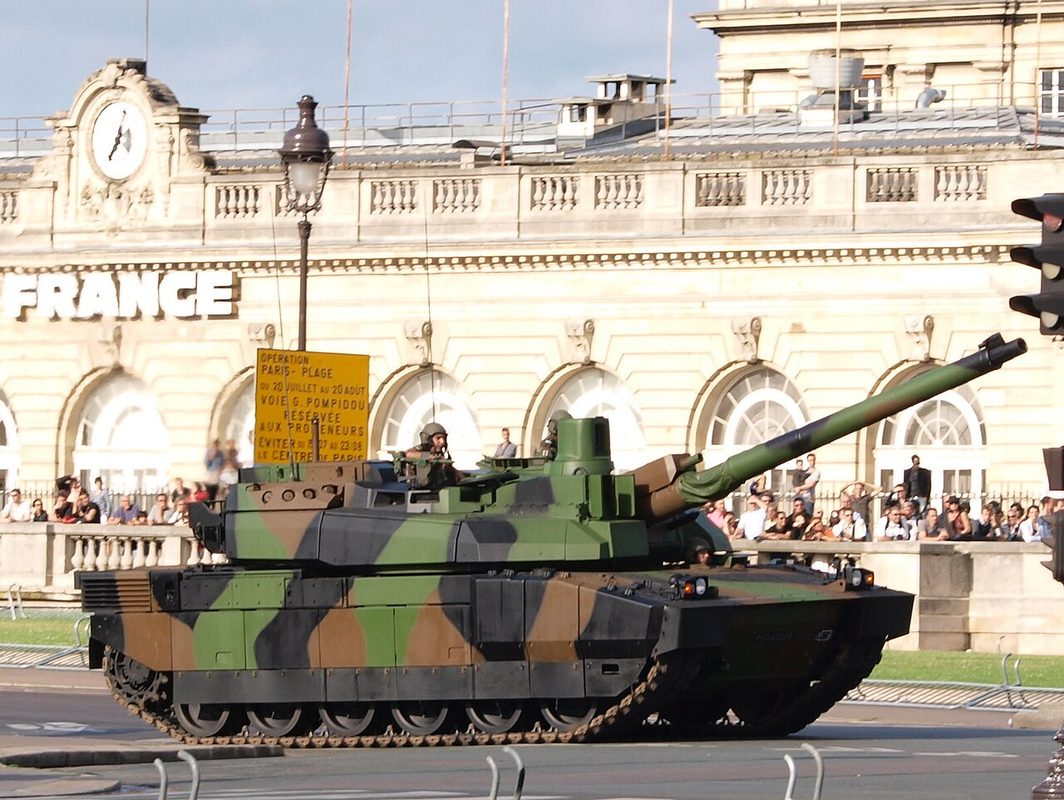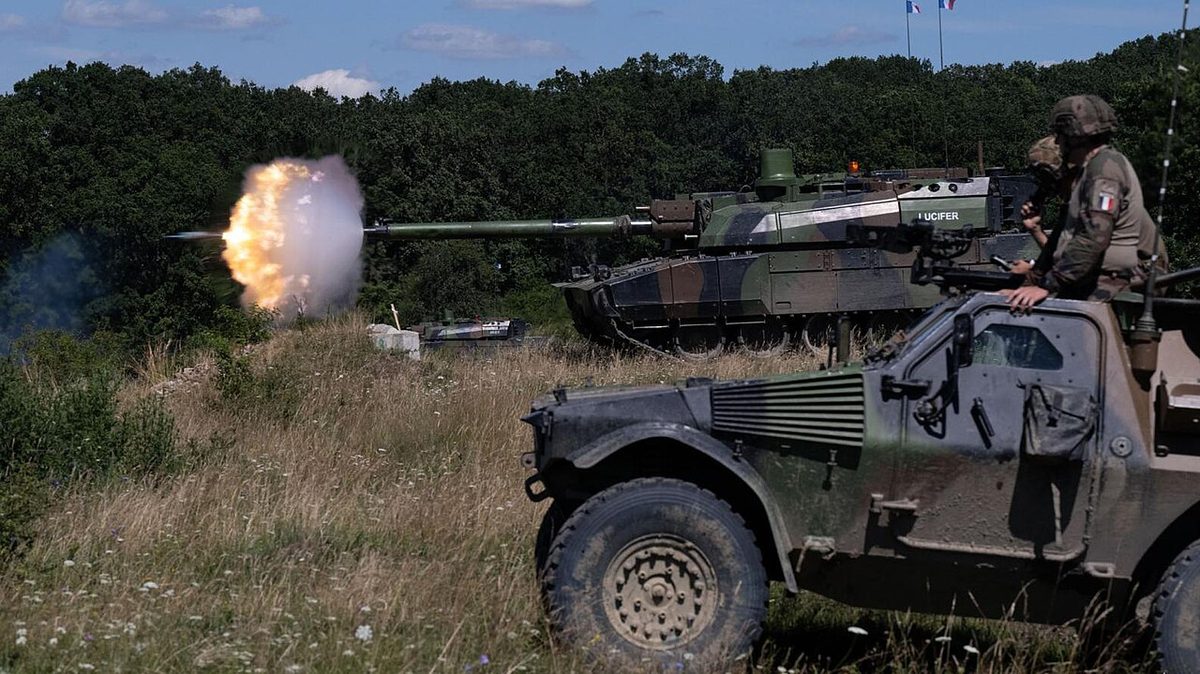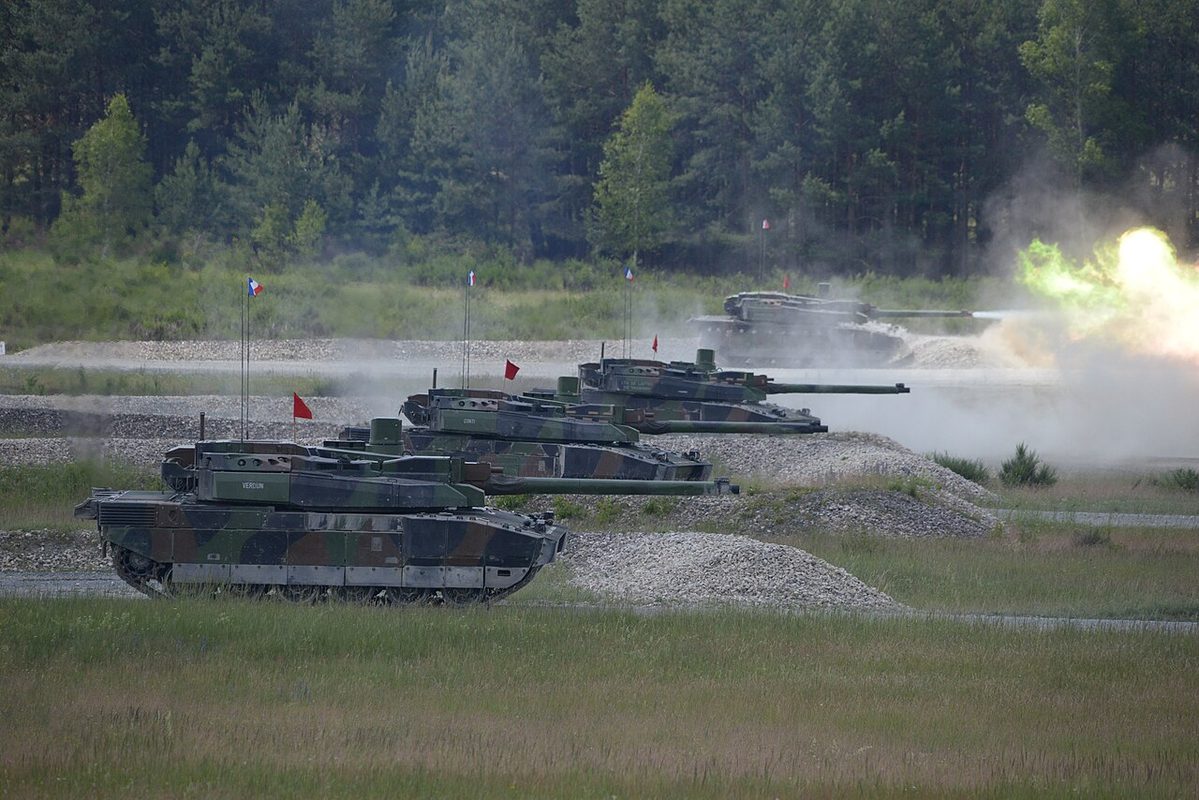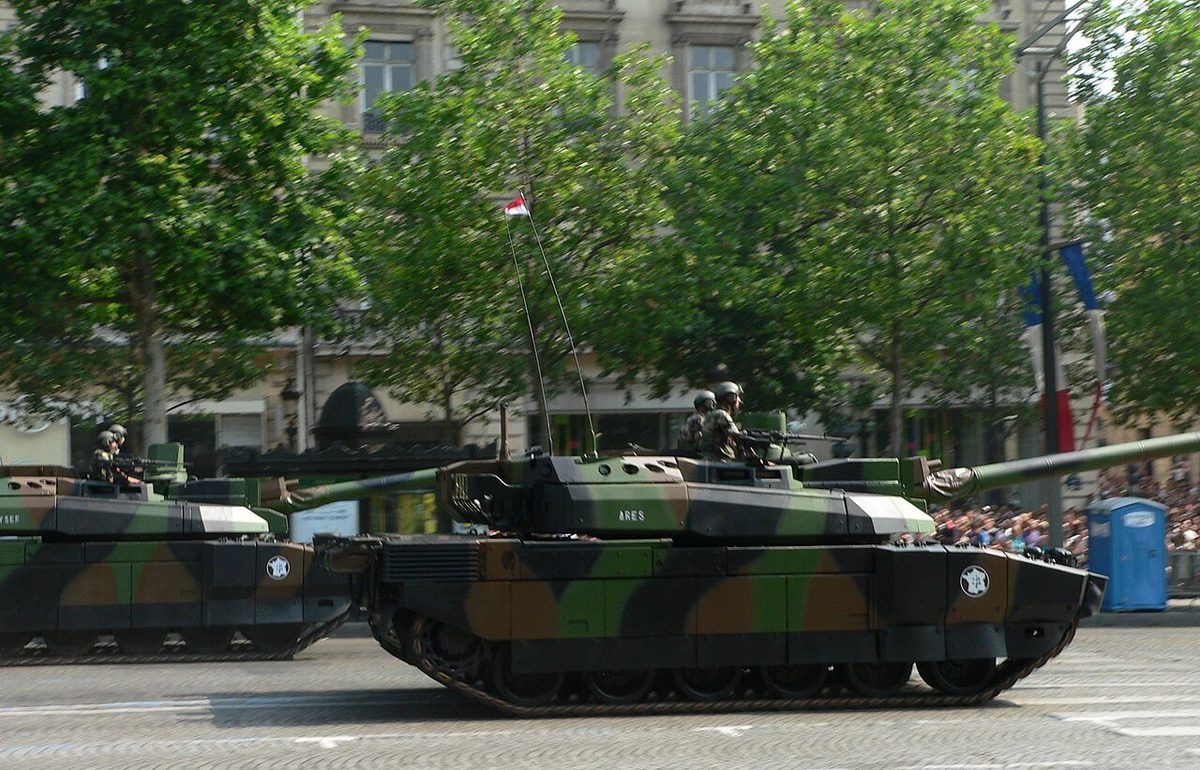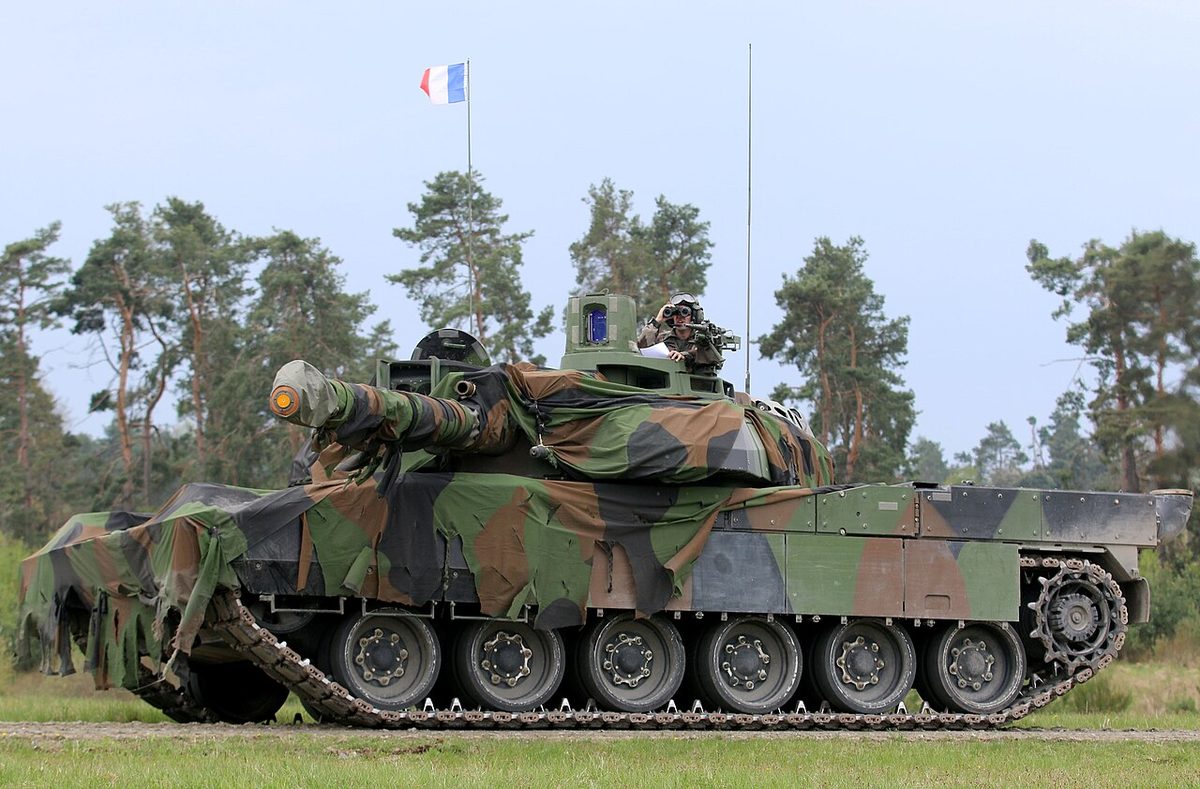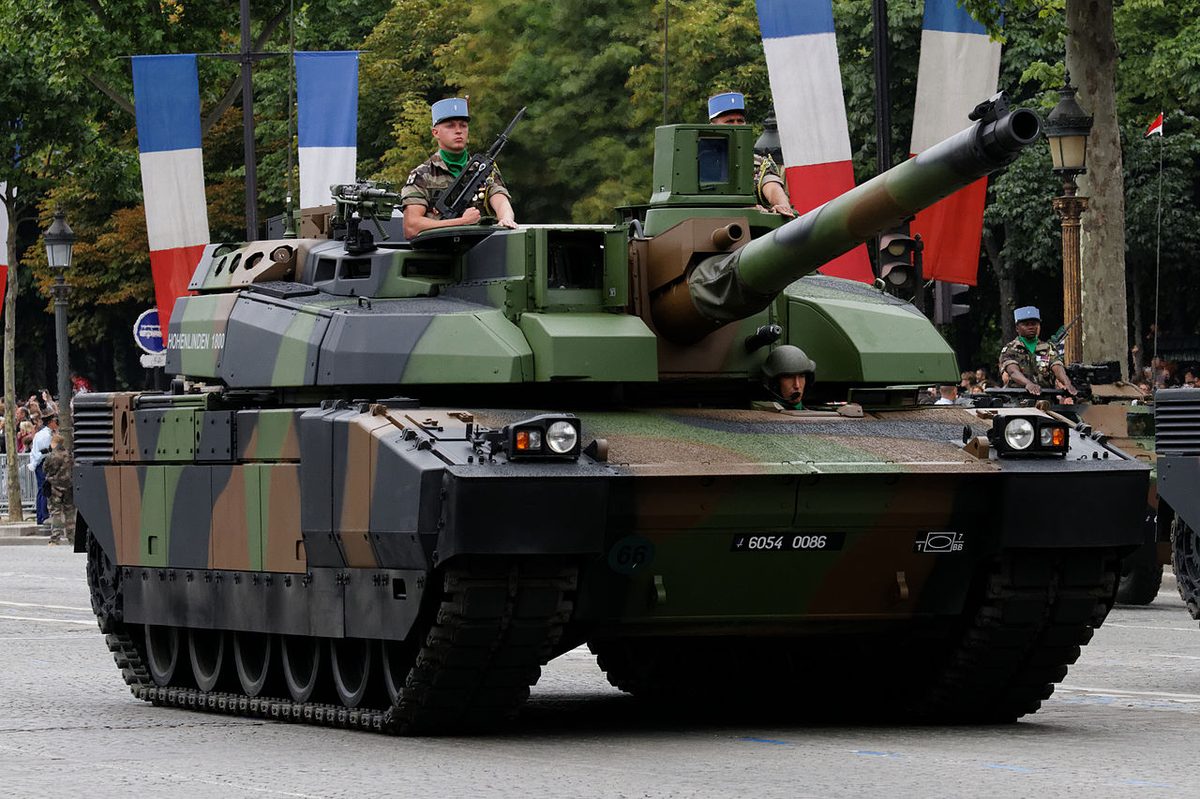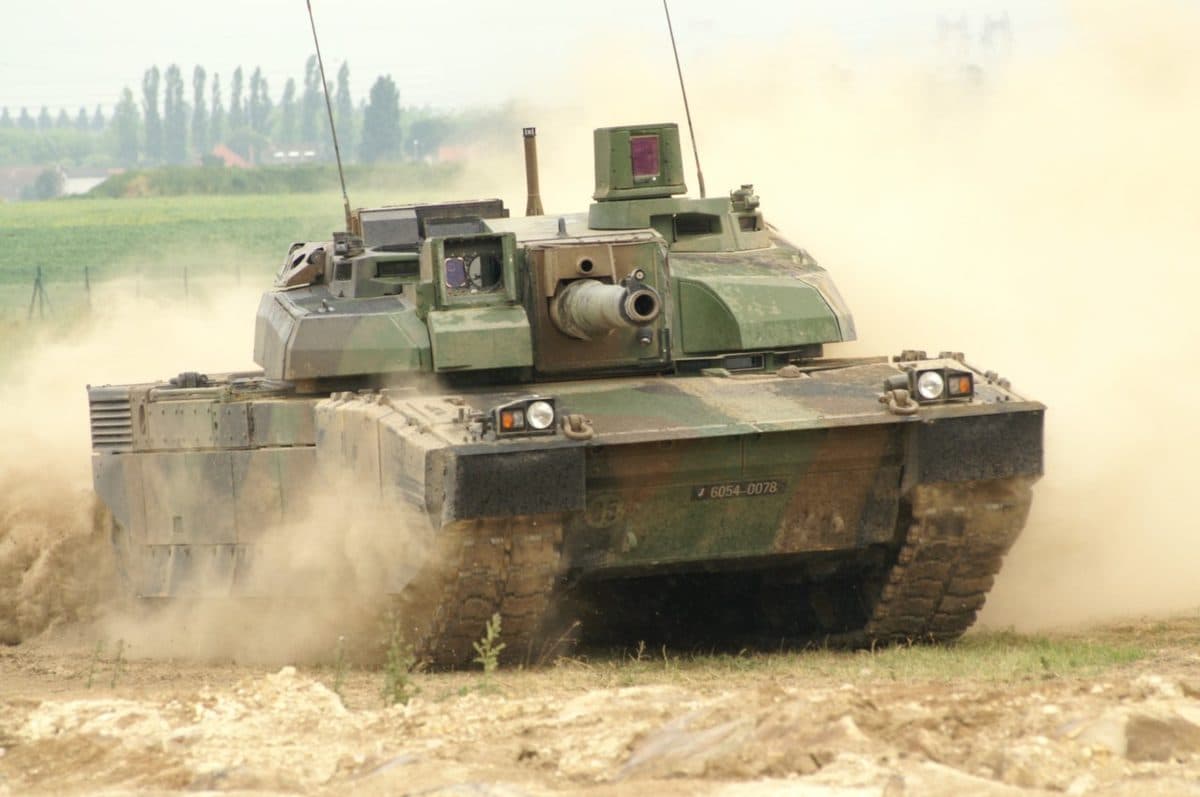

The AMX Leclerc is the odd one out among Western main battle tanks. While the M1 Abrams weighs 73 tons and the Leopard 2 tips the scales at 67 tons, the Leclerc comes in at just 57 tonnes, a full 15 tons lighter than its American counterpart. It uses an autoloader instead of a human loader, reducing the crew from four to three. Its engine is a compact diesel-electric hybrid powerplant unlike anything found in any other tank. And despite being lighter, smaller, and crewed by fewer people than its NATO peers, the Leclerc matches or exceeds their performance in nearly every measurable category. France designed a tank that rejected the "heavier is better" philosophy, and built something genuinely different.
Why France Went Light
The Leclerc's design philosophy reflects France's strategic circumstances. Unlike the United States, which designed the Abrams to fight massive Soviet armored formations on the plains of Central Europe, France needed a tank that could be deployed globally. France maintains military commitments across Africa, the Middle East, and the Pacific. A 73-ton tank is extraordinarily difficult to transport by air, struggles with bridges rated for lighter loads, and consumes fuel at rates that strain logistics in austere environments. The Leclerc was designed from the outset to be transportable, light enough to deploy by strategic airlift, agile enough to operate on roads and bridges that heavier tanks would destroy.
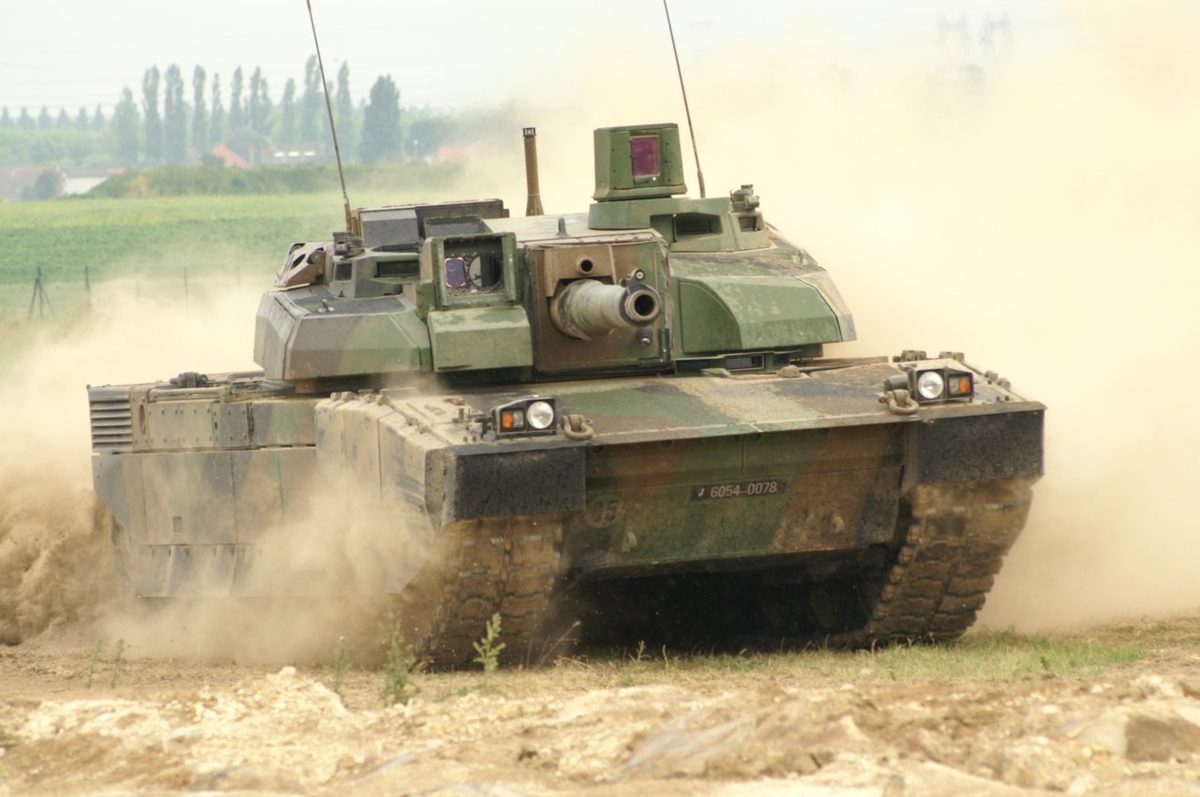
This emphasis on deployability was not a compromise, it was a requirement. The French Army's doctrine emphasizes rapid reaction and expeditionary operations, not static defense of fixed positions. A tank that can arrive in theater quickly and move rapidly across varied terrain is more useful to France than a heavier tank that takes weeks to ship and can only operate on prepared routes.