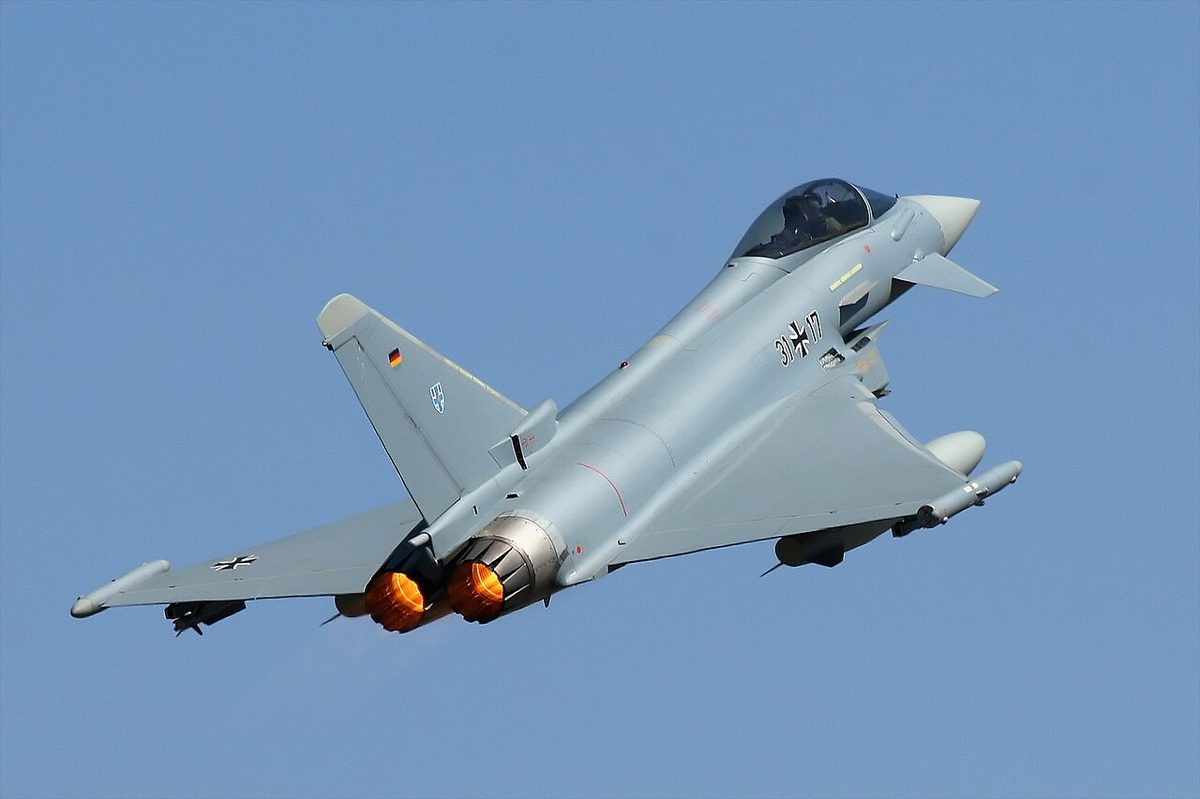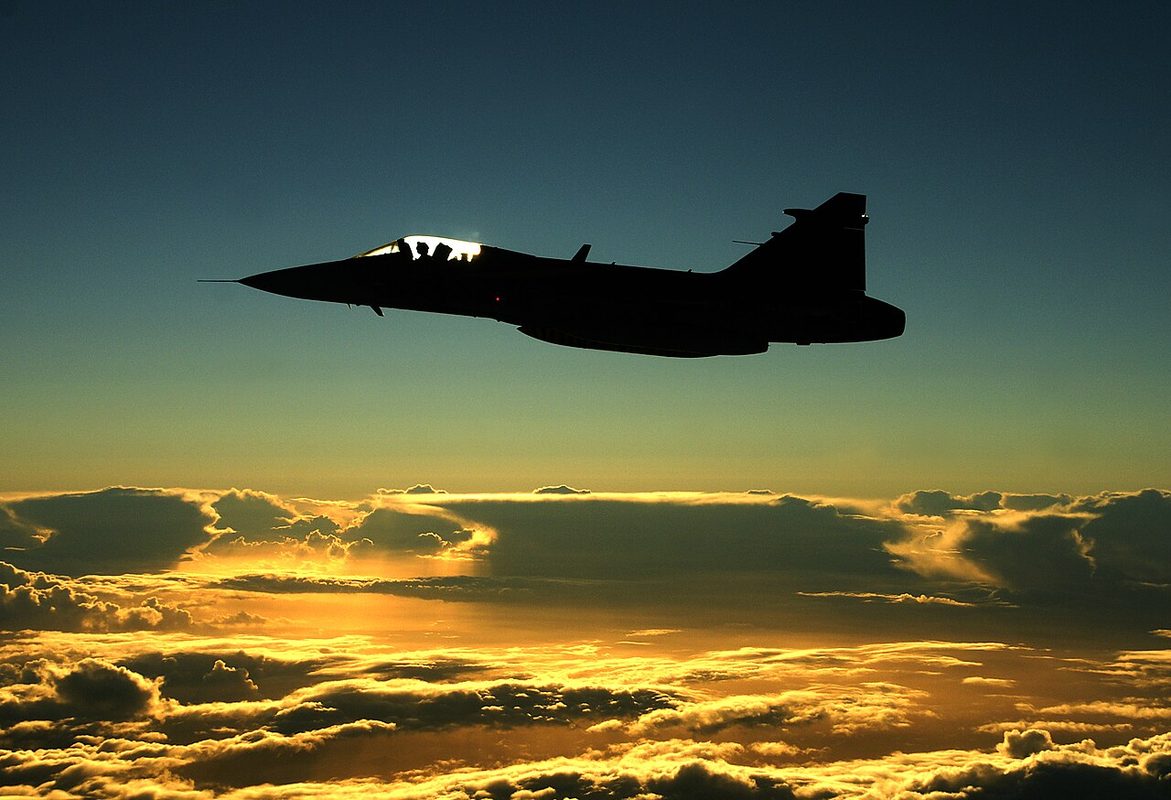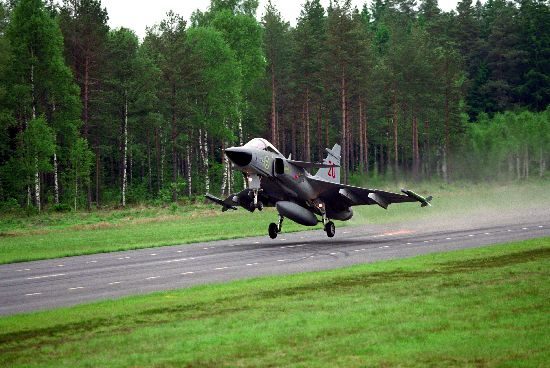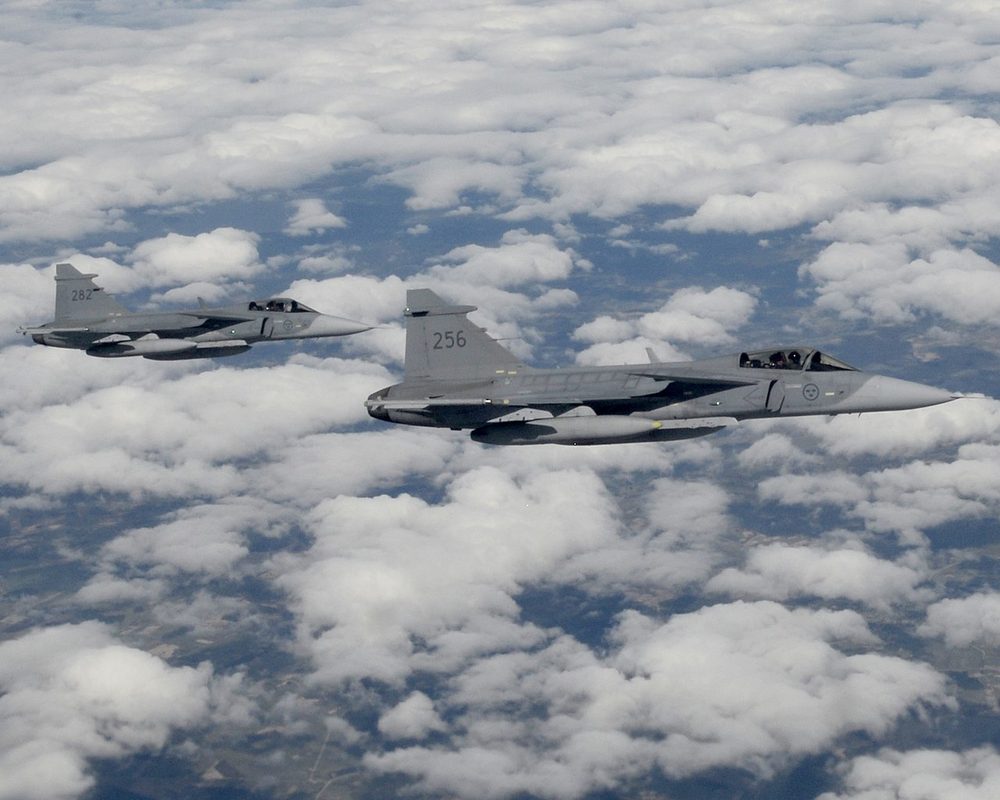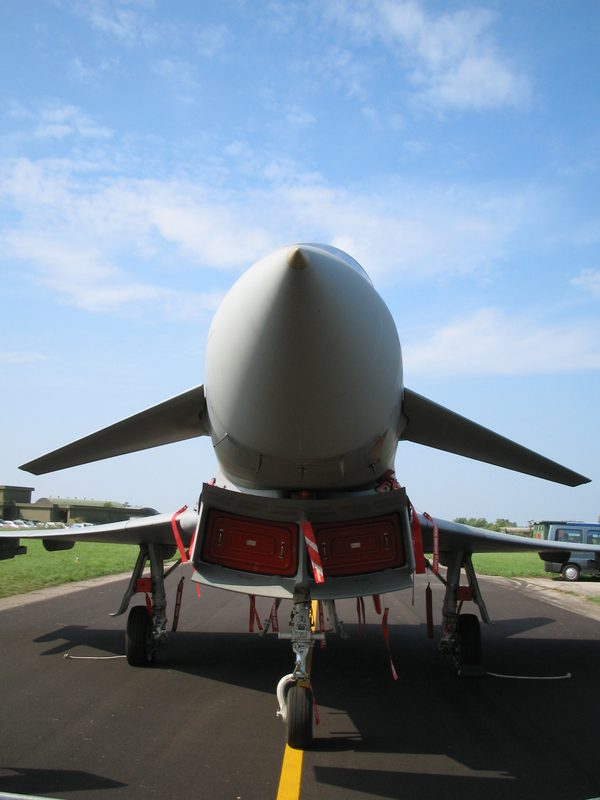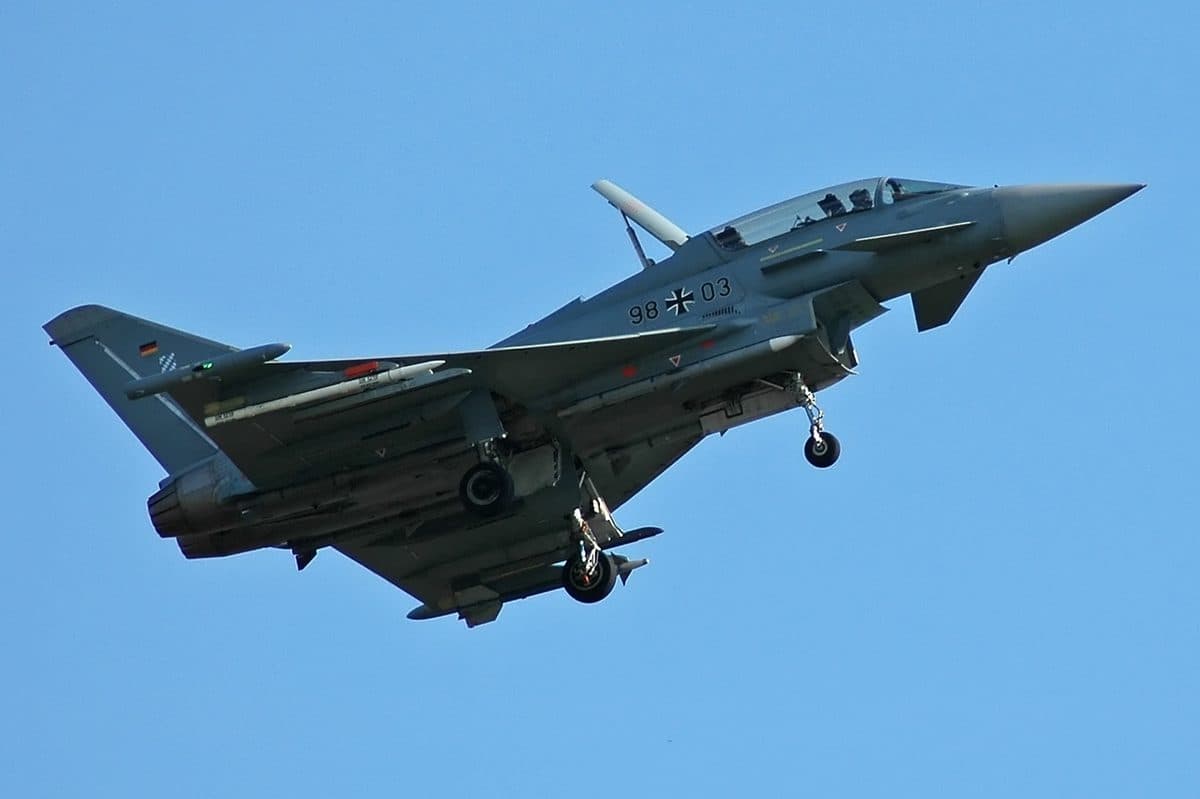

When a nation decides to buy a new fighter jet, two European options dominate the conversation alongside the American F-35: the Eurofighter Typhoon and the Saab JAS 39 Gripen. On paper, they look like they shouldn't even be in the same competition. The Typhoon is a large, twin-engine, air superiority fighter that can supercruise, sustain supersonic flight without afterburner. The Gripen is a small, single-engine multirole fighter designed to operate from highways, be maintained by conscript mechanics, and cost a fraction of its competitors. Yet they compete head-to-head for contracts around the world, and the choice between them reveals fundamental questions about what air power is for and how much a nation can afford to spend on it.
Two Philosophies, One Mission
The Typhoon was born from the Cold War. In the 1980s, Britain, Germany, Italy, and Spain launched a joint program to build a fighter that could counter the Soviet Union's latest air superiority threats, the Su-27 Flanker and MiG-29 Fulcrum. The requirement was unambiguous: the new fighter had to achieve air dominance. It needed to outperform everything the Soviets had in the air-to-air arena. Ground attack was an afterthought, the Typhoon was designed as an air superiority fighter first, with multirole capabilities added later.
The Gripen was born from Swedish neutrality. Sweden, sandwiched between NATO and the Warsaw Pact, needed a fighter that could defend its airspace independently, without relying on allied support, massive logistics infrastructure, or permanent airbases that would be destroyed in the first hours of a Soviet attack. The Gripen had to be cheap enough to buy in large numbers, simple enough to maintain with conscript ground crews, and rugged enough to operate from dispersed highway strips cleared of snow by civilian plows. It had to be a genuine multirole aircraft from day one: fighter, attack aircraft, and reconnaissance platform in a single airframe.
These different origins produced fundamentally different aircraft.