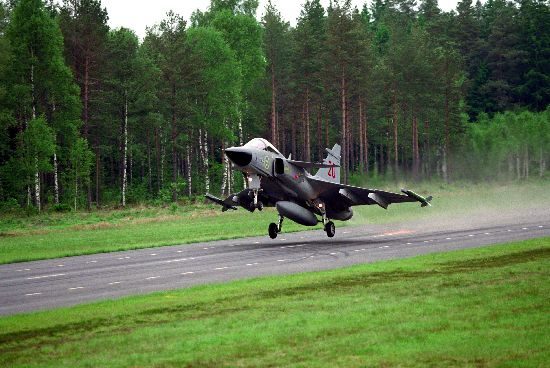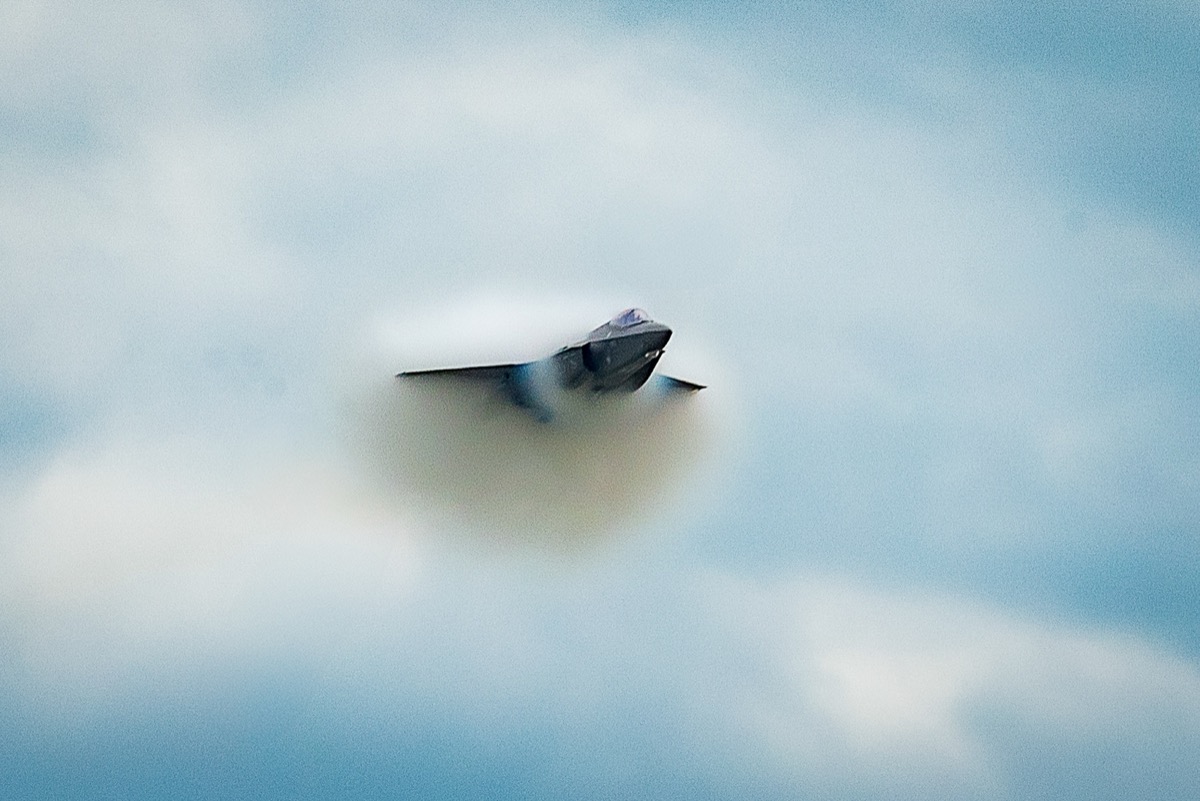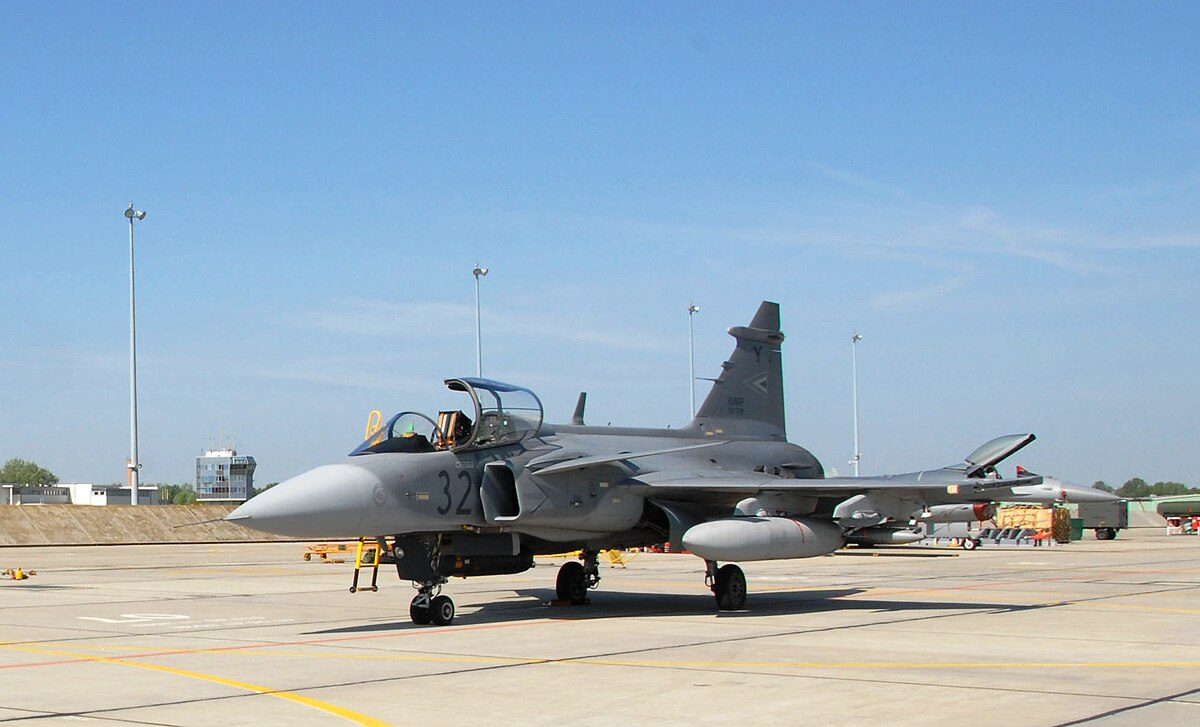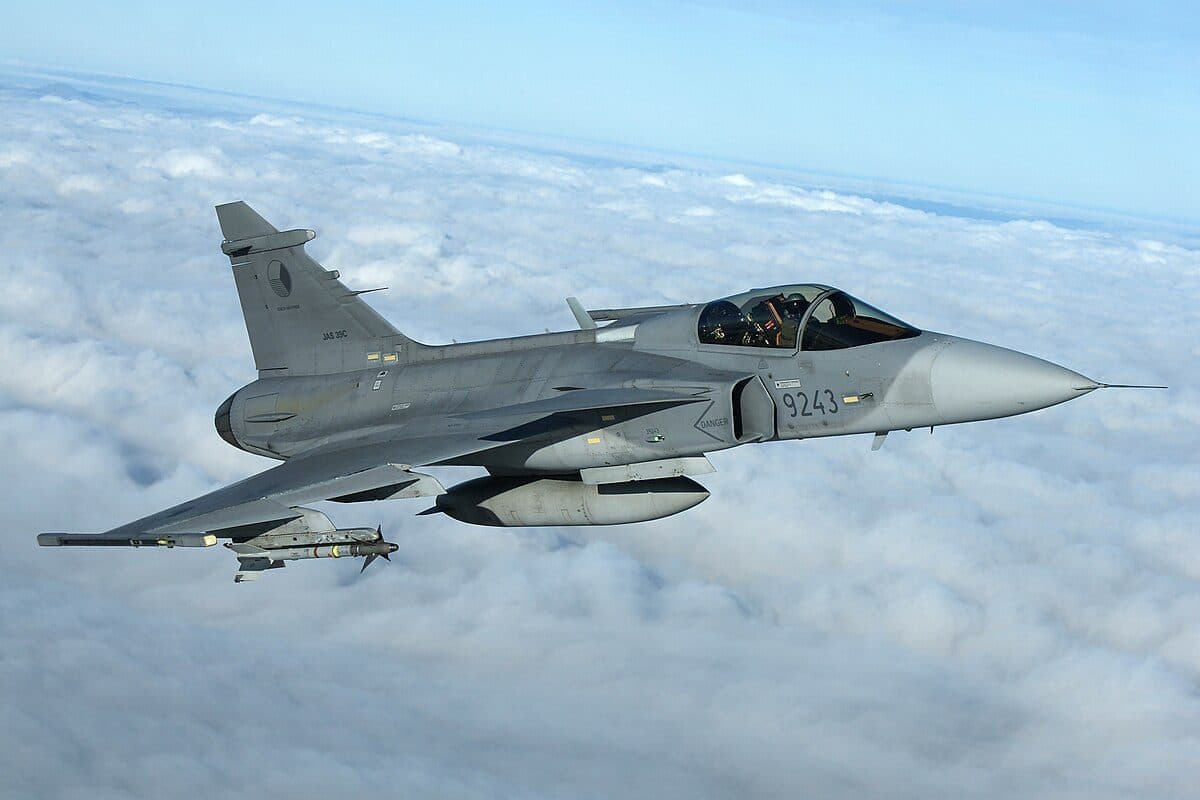

Brazil chose the Gripen. So did Thailand. In April 2025, Colombia signed a contract with Saab for an undisclosed number of Gripen E fighters, becoming the latest country to pick the Swedish jet over the F-35 Lightning II, the most expensive and arguably most capable fighter ever built. Meanwhile, Canada, a founding F-35 partner nation that had committed to buying 88 F-35As, began publicly questioning the deal after Trump-era tariffs turned the aircraft's multinational supply chain from a selling point into a vulnerability. The Gripen E is not stealthier than the F-35. It is not faster, does not carry more weapons, and cannot match the F-35's sensor fusion architecture. But it keeps winning export competitions. Understanding why requires looking at fighter procurement the way the buyer does, not the way the manufacturer does.
The Export Scoreboard
The F-35 has been an extraordinary commercial success by any historical standard. More than 3,600 aircraft are on order across 18 partner and customer nations, and the production line at Lockheed Martin's Fort Worth plant delivers roughly 150 aircraft per year. By sheer numbers, no Western fighter program since the F-16 has achieved this scale.
But the Gripen keeps appearing in competitions where the F-35 should dominate, and winning. Brazil selected the Gripen E in 2014 over the F/A-18E/F Super Hornet and the Dassault Rafale (the F-35 was not offered but was considered a benchmark). Brazil ordered 36 aircraft with options for more. Thailand selected the Gripen C/D in 2008 and has been operating it since. Colombia's April 2025 Gripen selection was notable because the country had also been offered the F-16V and the KAI FA-50, the Gripen won against a field that included an American option backed by U.S. foreign military sales support.
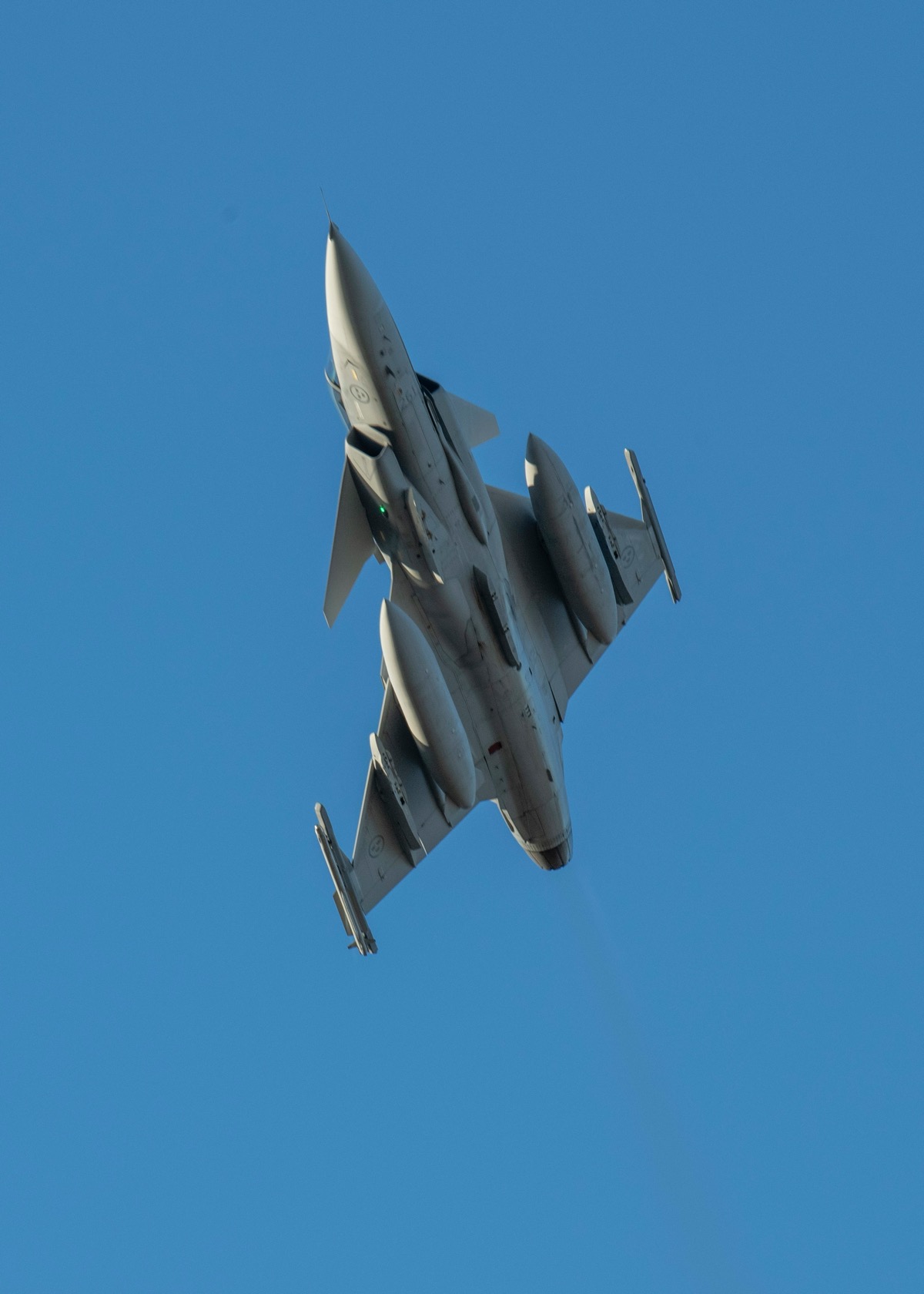
The pattern is consistent: countries that cannot afford, or do not want, the political entanglements, maintenance infrastructure, and lifecycle costs of the F-35 keep finding that the Gripen offers enough capability at a price they can sustain. These are not irrational decisions. They are rational calculations by governments that define "best fighter" differently than the Pentagon does.