Daniel Mercer writes about military history with a focus on the 20th century, including World War II, the Cold War, and Vietnam. His work looks at how decisions made decades ago still influence doctrine, planning, and assumptions today.
Military organizations don't set out to invent consumer products. They're trying to solve urgent operational problems: moving troops, communicating securely, keeping soldiers alive, and destroying enemy equipment. But the intensity of that focus, combined with enormous budgets and the pressure of wartime urgency, has repeatedly produced technologies that nobody expected to find civilian applications. Some of history's most transformative inventions emerged not from deliberate consumer research, but from military programs solving completely different problems.
What makes these stories fascinating isn't just that the military invented useful things. It's how they happened. Engineers working on radar noticed their chocolate bars melting. Scientists trying to build better aircraft adhesives created an impossibly strong glue by accident. Researchers developing a network that could survive nuclear war inadvertently built the foundation for global communication. In each case, the breakthrough came from pursuing one goal and stumbling into something completely different.
This pattern isn't coincidental. Military research operates under conditions that civilian research rarely experiences: effectively unlimited budgets for priority projects, intense time pressure during wartime, tolerance for unconventional approaches, and massive testing infrastructure. These conditions create environments where unexpected discoveries actually get noticed and pursued, rather than being dismissed as failed experiments.
The following twelve examples represent documented cases where military research programs produced technologies with major civilian impact, often by accident, sometimes by happy coincidence, and occasionally through deliberate technology transfer. They reveal how military innovation actually works and why the line between defense research and consumer technology has always been blurrier than most people realize.
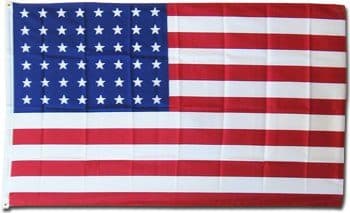
A reproduction 48-star American flag representing the version that flew from 1912 to 1959, covering both World Wars, Korea, and the early Cold War. Polyester construction with brass grommets.
During World War II, the U.S. military faced a practical problem: ammunition cases needed to be sealed against moisture and weather, but soldiers also needed to open them quickly under fire. Johnson & Johnson developed a solution in 1942: a waterproof cloth tape with a rubber-based adhesive that could be torn by hand and resisted water. The tape was colored olive drab to match military equipment.
Soldiers immediately discovered the tape was useful for far more than ammunition cases. They used it to repair jeeps, secure equipment, patch tents, and fix almost anything that moved. The material's combination of strength, flexibility, water resistance, and easy tearing made it an all-purpose field repair solution. GIs called it "duck tape" because water rolled off it like water off a duck's back.
After the war, manufacturers recognized the civilian potential. They changed the color from olive drab to silver and marketed it for HVAC ductwork, hence "duct tape." The product became a hardware store staple, though ironically, studies have shown it performs poorly on actual air ducts. The military's need for a quick, waterproof field repair solution had accidentally created one of the most versatile consumer products ever made.
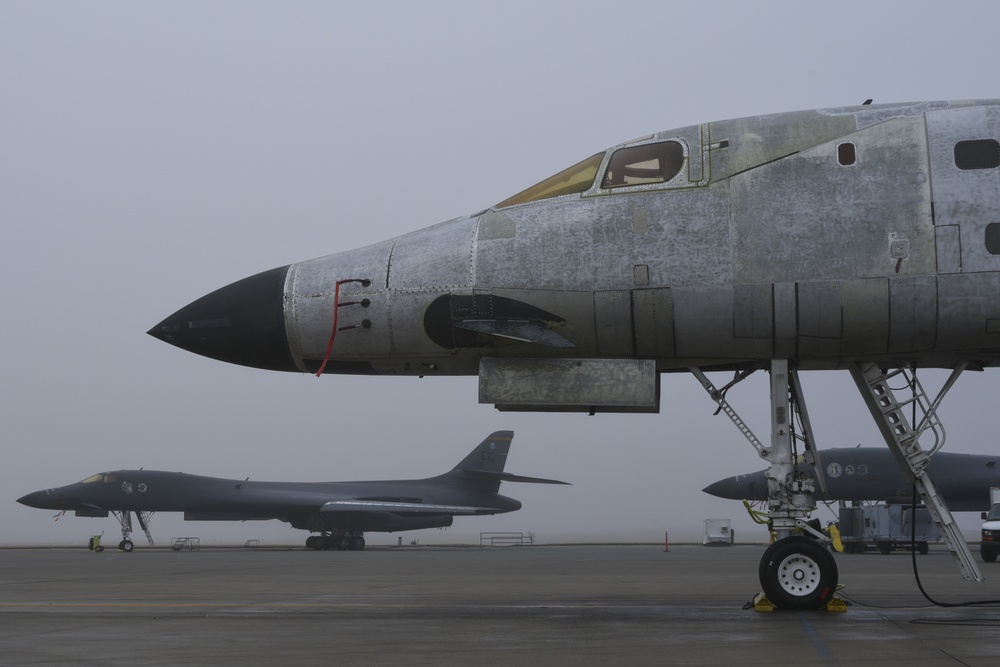
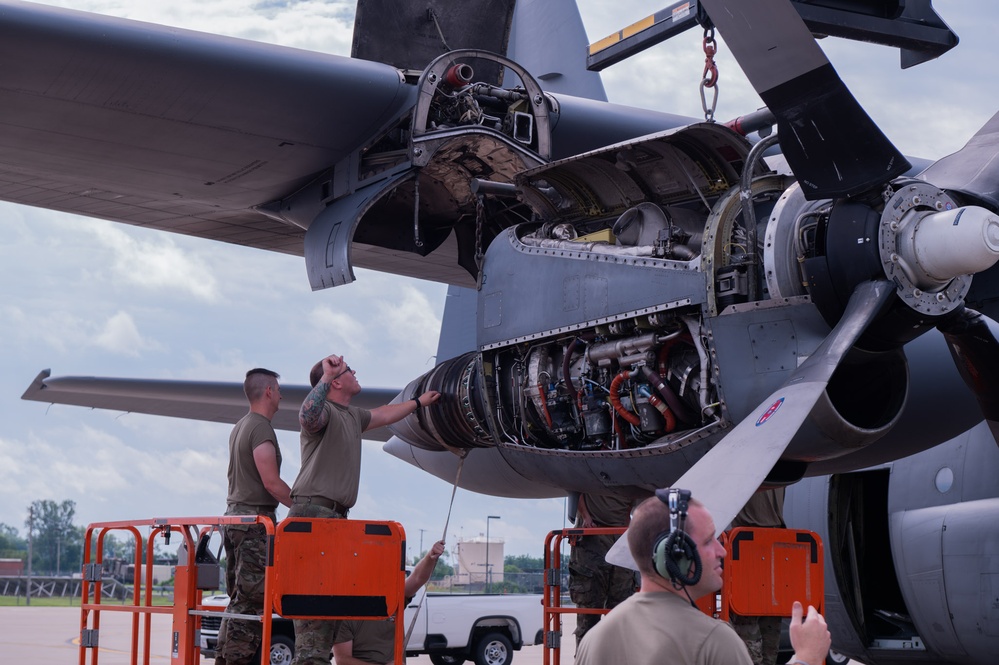
Military laboratories have been the birthplace of numerous technologies now found in everyday civilian life (U.S. Department of Defense photo)
2. The Internet: Surviving Nuclear War to Connecting Everyone
In the early 1960s, the Defense Advanced Research Projects Agency (DARPA) worried about a specific problem: how could military communications survive a nuclear attack? Traditional networks relied on central hubs; destroy the hub, destroy the network. Researchers proposed a radically different approach: a decentralized network where data could route around damaged sections.
The resulting network, ARPANET, launched in 1969 connecting four university computers. Its key innovation was "packet switching," breaking messages into small pieces that could travel different routes and reassemble at the destination. The system was resilient by design. There was no central point to destroy. If one route failed, data found another path.
Nobody involved anticipated what this would become. ARPANET was designed for a few dozen military and academic computers, not billions of devices. The open protocols developed for research sharing (particularly TCP/IP, adopted as the standard in 1983) created a platform anyone could build upon. By the time the military transitioned to its own networks in 1990, the research project had evolved into the foundation for global communication, commerce, and culture.
3. The Microwave Oven: Radar Waves and Melting Chocolate
In 1945, Raytheon engineer Percy Spencer was testing a magnetron (the device that generates microwave radiation for radar systems) when he noticed something odd. The chocolate bar in his pocket had melted. Rather than dismissing this as an annoyance, Spencer was curious. He placed popcorn kernels near the magnetron. They popped. He tried an egg. It exploded.
Spencer realized that microwave radiation could heat food from the inside out, far faster than conventional ovens. Raytheon patented the technology in 1945 and released the first commercial microwave oven in 1947. Called the "Radarange," it stood nearly six feet tall, weighed 750 pounds, and cost $5,000 (over $60,000 in today's dollars). It was designed for restaurants and industrial kitchens.
Miniaturization took decades. The first countertop microwave appeared in 1967, but prices remained high until the 1980s. Today, over 90% of American households own a microwave oven, all because a radar engineer paid attention when his candy bar melted. The military's massive investment in radar during World War II had accidentally funded the development of an entirely new cooking technology.
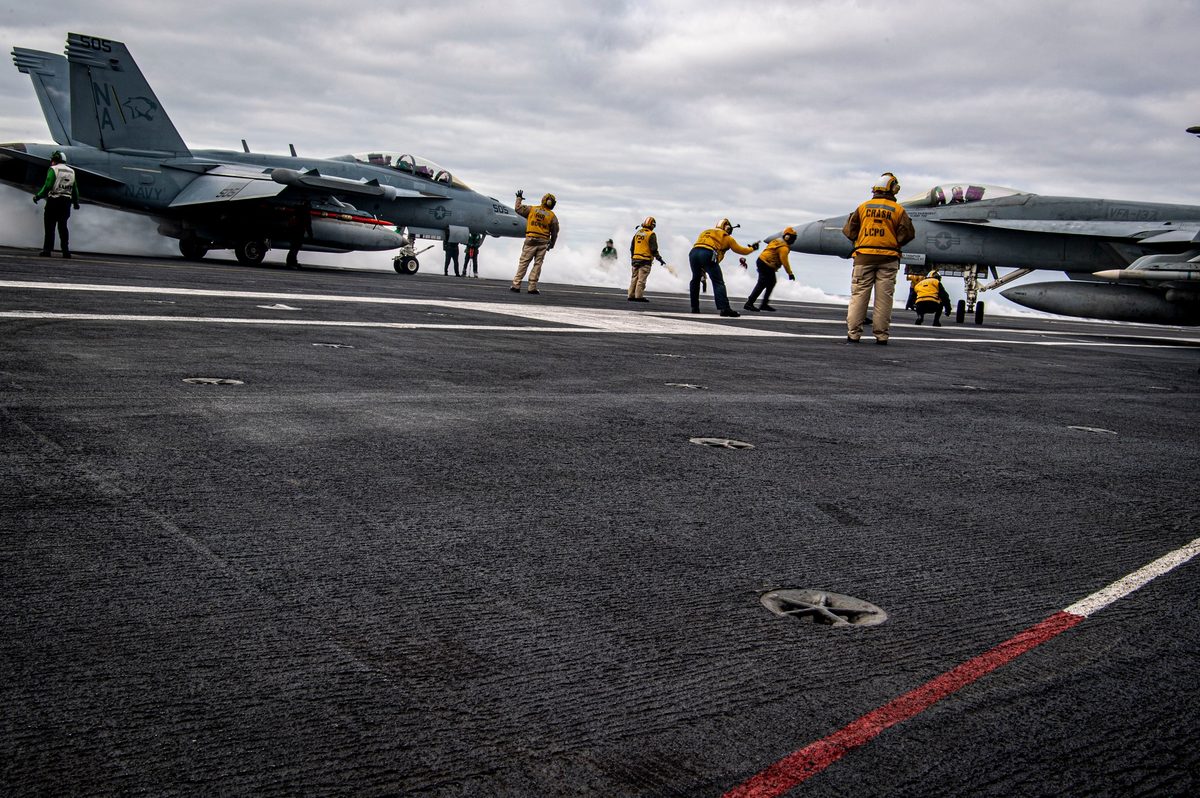
Naval research facilities have contributed numerous technologies to civilian life, from radar-derived cooking to satellite navigation (U.S. Navy photo)
4. GPS: Military Navigation to Civilian Ubiquity
The Global Positioning System began in 1973 as a Department of Defense project to provide precise positioning for military forces worldwide. The concept was simple: a constellation of satellites broadcasting synchronized time signals that receivers could use to calculate their exact location. The execution was enormously complex, requiring atomic clocks in space and decades of satellite launches.
A 1000-piece puzzle featuring detailed illustrations of WW2-era fighter and bomber aircraft from multiple nations, each labeled with name and specifications. The finished puzzle measures 26.5 x 19.25 inches.
GPS was designed purely for military use: guiding missiles, positioning troops, coordinating naval operations. Civilian access wasn't part of the plan. That changed in 1983 when Korean Air Lines Flight 007 strayed into Soviet airspace and was shot down, killing 269 people. The tragedy highlighted the danger of poor civilian navigation. President Reagan announced that GPS would be made available for civilian use once the system was complete.
Even then, the military intentionally degraded the civilian signal's accuracy through "Selective Availability" to prevent enemies from using it for targeting. In 2000, President Clinton ordered Selective Availability turned off, making the full precision available to everyone. Within a decade, GPS transformed navigation, logistics, and eventually enabled ride-sharing, delivery tracking, and billions of location-based applications nobody anticipated.
5. Super Glue: The Accidental Adhesive
In 1942, Eastman Kodak researcher Harry Coover was trying to develop clear plastic gun sights for the military. He experimented with a family of chemicals called cyanoacrylates and quickly discovered a problem: these compounds stuck to absolutely everything they touched. The material was useless for gun sights. Coover set it aside and moved on.
Nine years later, Coover was working on heat-resistant jet canopy coatings when a colleague rediscovered cyanoacrylate. This time, Coover recognized the potential. A drop of liquid that bonded almost anything in seconds had obvious commercial applications. Eastman Kodak introduced "Eastman 910" in 1958, later marketed as Super Glue.
The military found its own uses beyond what Coover initially imagined. During the Vietnam War, medics used cyanoacrylate sprays to seal wounds and stop bleeding in the field. The practice was not FDA-approved, but credited with saving lives. Medical-grade versions are now standard in hospitals. The adhesive that was too sticky for gun sights became one of the most useful consumer and medical products ever developed.
6. The Jeep: Battlefield Utility to Civilian Icon
In 1940, the U.S. Army issued a seemingly impossible specification: a light reconnaissance vehicle with four-wheel drive, capable of carrying a machine gun and three soldiers, weighing under 1,300 pounds, and able to be produced in massive quantities. Three companies submitted prototypes. The winning design, primarily from Willys-Overland, became the ubiquitous "jeep" that carried American forces through World War II.
Nobody designed the jeep for civilian use. It was stripped-down, uncomfortable, and purely utilitarian. But soldiers loved it. General Eisenhower called it one of the tools that won the war. Soldiers dreamed of taking jeeps home after the conflict. Willys recognized this and released the civilian CJ (Civilian Jeep) in 1945, marketed for farm and industrial use rather than recreation.
The rest happened organically. People discovered that a vehicle designed to cross battlefields could also access remote hunting spots, ranches, and wilderness areas. The jeep created the entire category of recreational off-road vehicles. Today, Jeep is a billion-dollar brand, and the entire SUV category traces its lineage to a hasty wartime requirement for a light, rugged vehicle that could go anywhere.
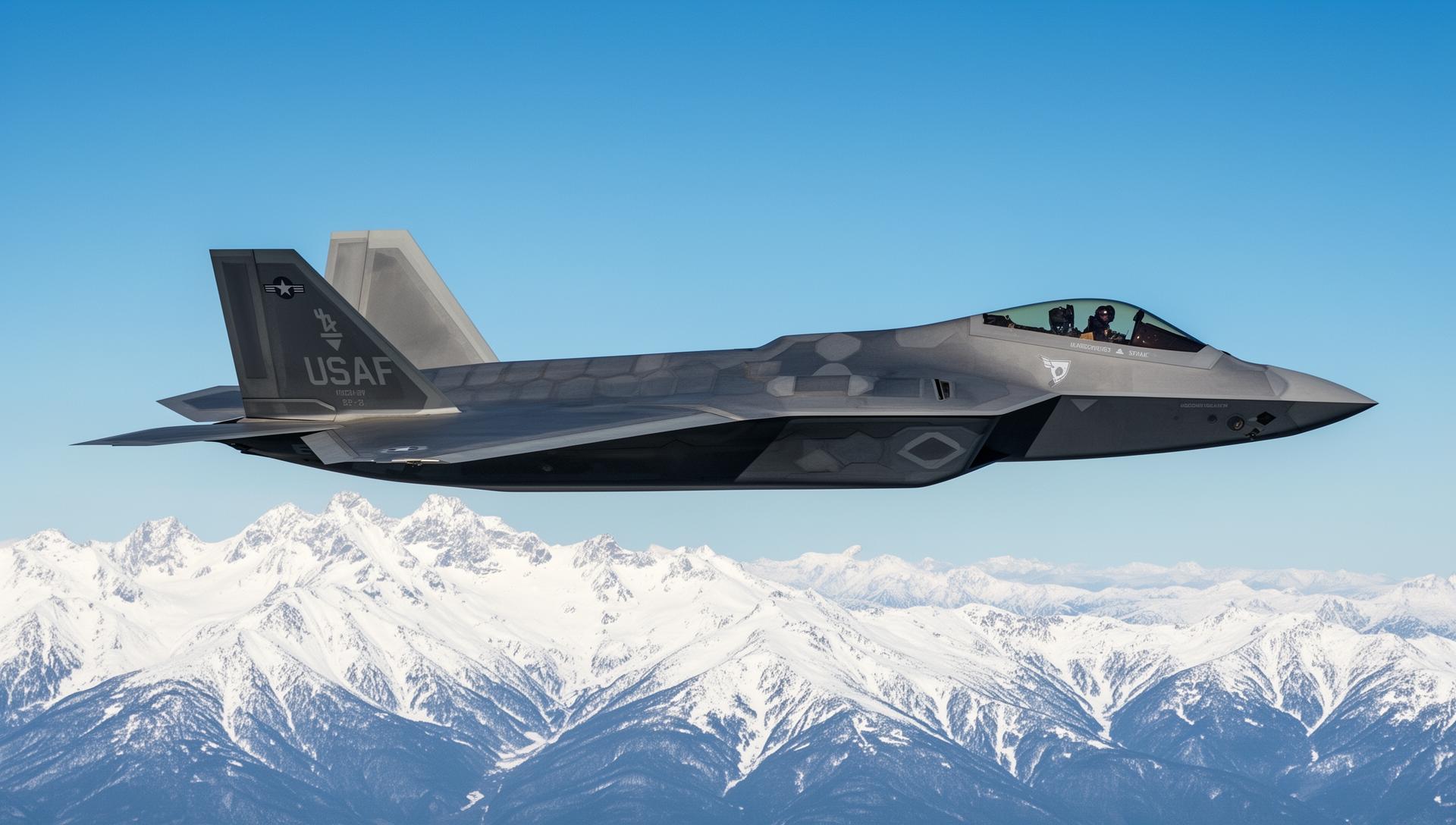
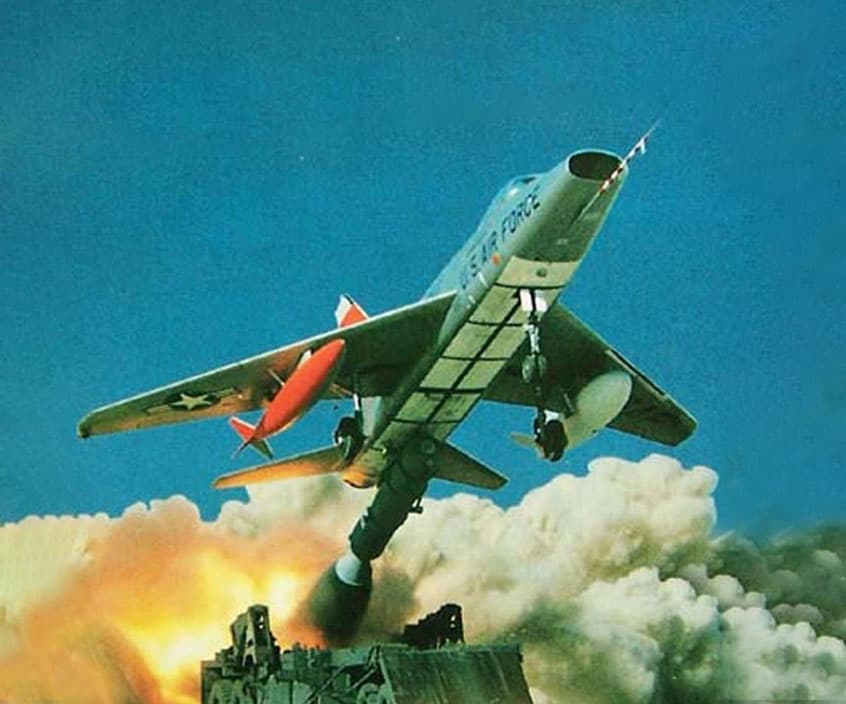
Military testing facilities have been the proving grounds for technologies that later transformed civilian life (U.S. Air Force photo)
7. Freeze-Dried Food: Preserving Blood Plasma to Coffee
During World War II, the military desperately needed a way to preserve blood plasma for battlefield transfusions. Fresh plasma spoiled quickly, and refrigeration was impossible in combat zones. Researchers developed "lyophilization," a process of freezing plasma, then removing water through vacuum sublimation. The resulting dried plasma could be stored at room temperature for months and reconstituted with sterile water.
The technique worked brilliantly for blood products, but wartime researchers noticed it preserved food too. Freeze-dried rations weighed a fraction of fresh food, lasted indefinitely without refrigeration, and retained more nutrients and flavor than traditional dehydration. The military began developing freeze-dried rations, though the technology remained too expensive for widespread use.
The space program accelerated civilian adoption. NASA needed lightweight, shelf-stable foods for astronauts, and freeze-drying was perfect. The technology gradually became cheap enough for consumer products like instant coffee, backpacking meals, and emergency food supplies. The military's need to preserve blood plasma had accidentally created an entirely new method of food preservation that now appears in every grocery store.
8. The EpiPen: Nerve Agent Treatment to Allergy Response
During the Cold War, the military invested heavily in treatments for chemical warfare agents. Nerve agents like sarin and VX kill by disrupting the nervous system, and soldiers needed a way to self-administer antidotes quickly during an attack. In the 1970s, Survival Technology Inc. developed an auto-injector that could be used through clothing with one hand, designed for atropine injection during chemical attacks.
The same auto-injector technology proved perfect for another emergency: severe allergic reactions. Anaphylaxis can kill within minutes, and people experiencing it often can't draw medication into a syringe or find a vein. The military's auto-injector design was adapted for epinephrine and marketed as the EpiPen, introduced in 1987.
Today, millions of people with severe allergies carry EpiPens. The device has saved countless lives by making it possible for anyone, including the person experiencing the reaction, to administer a precisely dosed injection in seconds. The technology that was designed to save soldiers from nerve gas attacks now saves children from bee stings and peanut allergies.
9. Digital Photography: Spy Satellites to Smartphones
In the 1960s, the U.S. intelligence community faced a problem with spy satellites. Film-based cameras worked well for taking photos, but getting the film back to Earth required dropping capsules that had to be recovered before they sank in the ocean or fell into enemy hands. The process was slow, expensive, and risky.
The solution was electronic imaging. Charge-coupled devices (CCDs) could capture images electronically and transmit them directly to ground stations. The technology was classified and remained exclusive to intelligence agencies and NASA for years. But the fundamental research into converting light into digital signals eventually made its way to consumer products.
The first consumer digital cameras appeared in the 1990s, descended from technology originally developed for reconnaissance satellites. Today, every smartphone contains a digital camera more powerful than early satellite sensors. The intelligence community's need to transmit spy photos from space accelerated the development of technology that now allows billions of people to take and instantly share photographs.
Military testing in extreme environments has produced materials and technologies with unexpected civilian applications (U.S. Department of Defense photo)
10. Synthetic Rubber: Japanese Occupation to Tire Technology
Before World War II, almost all rubber came from Southeast Asian plantations, 90% of which fell under Japanese control after 1942. The United States suddenly faced a catastrophic shortage of a material essential for tires, hoses, gaskets, and countless military applications. Without rubber, the war effort would grind to a halt.
The government launched an emergency program to develop synthetic alternatives. Within four years, American chemical companies built 51 synthetic rubber plants, increasing production from virtually nothing to nearly a million tons annually. The breakthrough involved polymerizing butadiene with styrene, creating a material that could substitute for natural rubber in most applications.
After the war, the synthetic rubber industry didn't disappear. Manufacturers discovered that different synthetic formulations offered advantages over natural rubber for specific uses, including better heat resistance, improved wear characteristics, or resistance to chemicals. Today, about 70% of the rubber used worldwide is synthetic, a direct legacy of the desperate wartime crash program. The military's need for strategic independence inadvertently created an entire industry.
A minute-by-minute reconstruction of the 1993 Battle of Mogadishu, where a 30-minute special operations raid turned into a 15-hour street battle. Based on interviews with over 100 participants from both sides.
11. Aviator Sunglasses: High-Altitude Flying to Fashion Icon
In the 1930s, pilots flying at high altitudes reported headaches and nausea from intense sunlight. The thin atmosphere filtered less UV radiation, and early cockpit designs offered little shade. Lieutenant General John MacCready approached Bausch & Lomb to develop protective eyewear specifically for pilots: sunglasses that could block harmful rays while maintaining clear vision.
The resulting design, introduced in 1936, featured a large teardrop-shaped lens that protected from light coming from all angles, including above, where conventional glasses offered no protection. The slightly convex shape and thin metal frame minimized distortion while staying lightweight enough for extended wear. The military issued them standard to Army Air Corps pilots.
After World War II, Bausch & Lomb marketed the same design to civilians under the "Ray-Ban" brand, short for "ban rays." General Douglas MacArthur was photographed wearing them throughout the Pacific campaign, cementing their masculine, heroic image. The functional pilot's tool became a fashion statement that has remained popular for nearly ninety years, with the original military design essentially unchanged.
12. Cargo Pants: Paratroopers to Fashion Staple
During World War II, British paratroopers needed to carry equipment but couldn't use standard infantry packs - jumping from aircraft required a streamlined profile. The solution was trousers with large, expandable pockets on the thighs. Soldiers could carry maps, ammunition, first aid supplies, and rations without bulky external gear.
American forces adopted similar designs, and by the end of the war, the cargo pocket had become standard military fashion. The utility was obvious - more storage without additional equipment. But nobody expected the style to transfer to civilian life. Military clothing had always looked military; civilians wore civilian clothes.
That changed in the 1990s when fashion designers began incorporating military aesthetics into civilian clothing. Cargo pants became a fashion staple - first as practical outdoor wear, then as casual fashion, and eventually as a recurring trend that returns every few years. The paratrooper's functional solution for carrying equipment during combat jumps became something teenage boys wore to shopping malls.
Today's military research continues the tradition of producing technologies that eventually find civilian applications (U.S. Department of Defense photo)
Why Military Innovation Keeps Spilling Into Civilian Life
The pattern running through these twelve examples isn't coincidence. Military research operates under conditions that favor unexpected discoveries: massive budgets, tolerance for unconventional approaches, pressure-cooker timelines, and infrastructure for testing ideas at scale. When Percy Spencer noticed his chocolate bar melting, he worked in a laboratory with the resources to investigate rather than dismiss the observation. When DARPA funded a decentralized network, they could afford to let researchers explore ideas that seemed impractical.
There's also a selection effect. Military organizations pursue thousands of research programs. Most fail or produce narrow results. The ones we remember are the ones that accidentally changed the world. For every microwave oven, there were hundreds of radar projects that produced nothing beyond better radar. For every internet, there were countless communication experiments that went nowhere.
But the willingness to experiment - to fund strange ideas and tolerate weird results - creates conditions where breakthroughs can happen. The same institutional culture that funded pigeon-guided missiles also funded the research that became GPS. You don't get the successes without also funding the failures.
Today, military research continues producing technologies with potential civilian applications - from advanced materials to autonomous systems to medical treatments. Somewhere, right now, a researcher is probably noticing an unexpected result in a defense program that will eventually change how civilians live. The next duct tape or GPS might be sitting in a classified laboratory, waiting for someone to recognize what it could become.
Key Takeaways
•Military research operates under conditions - big budgets, urgency, tolerance for failure - that favor unexpected discoveries.
•Many transformative civilian technologies (internet, GPS, microwave ovens) emerged accidentally from unrelated military programs.
•The same institutional willingness to experiment that produces strange failures also enables breakthrough successes.
•Technology transfer from military to civilian use often takes decades and requires someone to recognize non-obvious applications.
•The line between military and civilian technology has always been blurrier than most people realize.
•Modern military research continues producing technologies likely to transform civilian life in unexpected ways.