Michael Trent covers military aircraft, weapons systems, and defense technology with an emphasis on cost, maintenance, and real-world performance. He focuses less on specifications and more on how systems hold up once they are deployed, maintained, and operated at scale.
Last updated March 10, 2026 with current pricing and market availability.
In 1991, Arnold Schwarzenegger paid $800,000 to ship a 50-ton M47 Patton tank from Austria to California. He'd driven the exact same vehicle during his mandatory military service at age 18, and he wanted it back. Today, the Terminator star regularly uses it to crush things for charity. He's not alone. Thousands of civilians across the United States and Europe own military tanks, and the market is bigger than you'd think.
Here's the part that surprises most people: owning a tank is legal in all 50 U.S. states. The federal government doesn't regulate the vehicle itself, only the weapons it carries. Demilitarize the main gun (a straightforward process), and your tank is no different from a tractor in the eyes of the law. Prices range from about $15,000 for a nimble British reconnaissance vehicle to north of $2.5 million for a rare WWII German Panzer.
We've tracked the civilian tank market for years, and 2026 is a fascinating time to buy. WWII-era armor continues to appreciate as fewer vehicles change hands. Cold War surplus that once sold for the price of a used sedan has climbed steadily. And the global security situation, particularly the draw-down of European stockpiles for Ukraine, has thinned out inventories of models like the Leopard 1 that were once plentiful. (For context on where these vehicles sit in the broader history of armored warfare, see our guide to the evolution of modern armor.) Below are 20 military tanks you can actually buy as a civilian, what they'll cost you, and exactly how to make it happen.
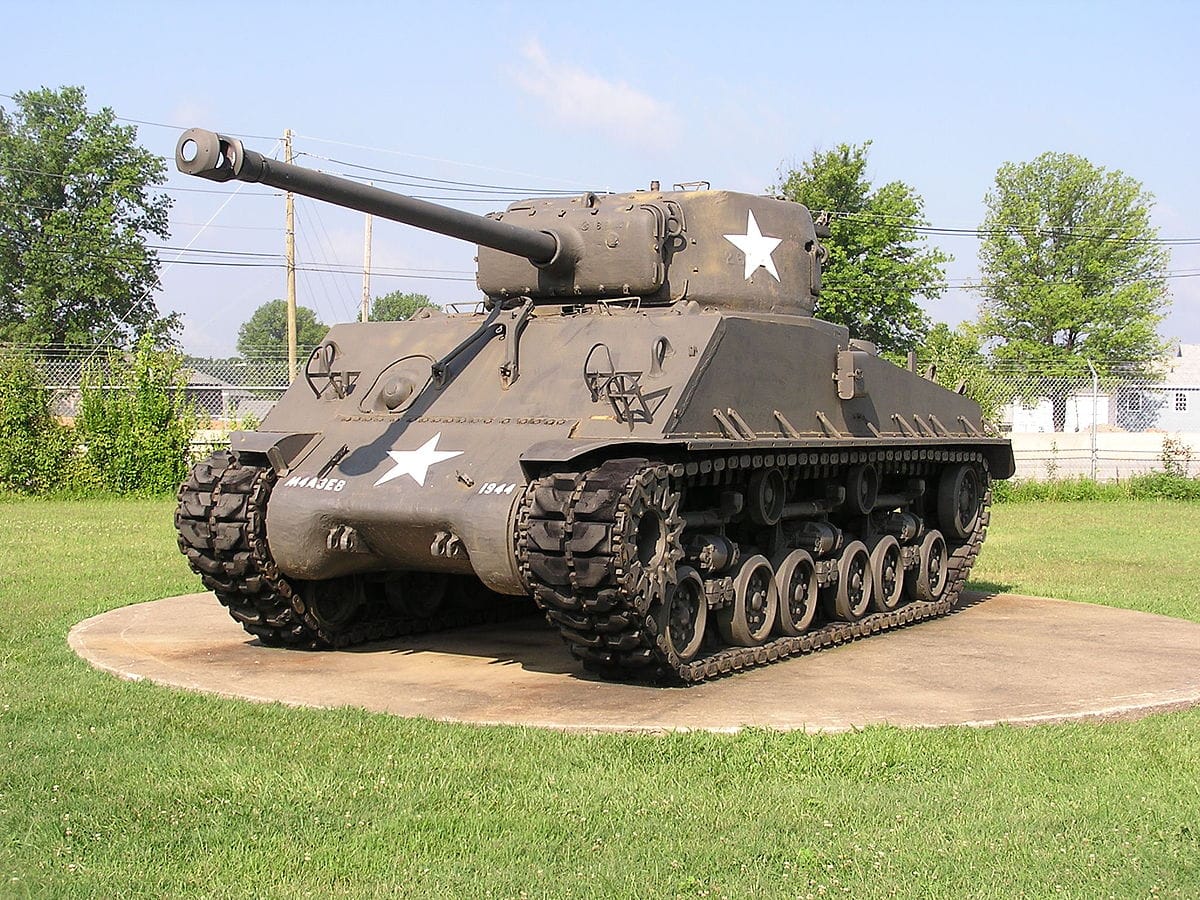
When most people picture a tank, they picture the M4 Sherman. There's a good reason for that. Nearly 50,000 were built during World War II, second only to the Soviet T-34 in total production, and they fought in every theater of the war. (The Sherman is also a centerpiece of our look at unique tanks throughout history.) The Sherman wasn't the most heavily armored or the hardest-hitting tank on the battlefield, but it was reliable, easy to maintain, and America built so many of them that they overwhelmed the opposition through sheer numbers.
Today, the Sherman is the blue-chip investment of the civilian tank market. A running example in good condition will set you back $250,000 to $500,000 or more, depending on the variant. The M4A3 with the 76mm gun commands the highest premiums. Fully restored museum-quality Shermans with documented combat histories have crossed the $1 million mark at auction. Even non-running project tanks start around $50,000. If you want the experience without the commitment, DriveTanks in Uvalde, Texas charges $1,850 to drive one and $1,200 per round if you want to fire the main gun.
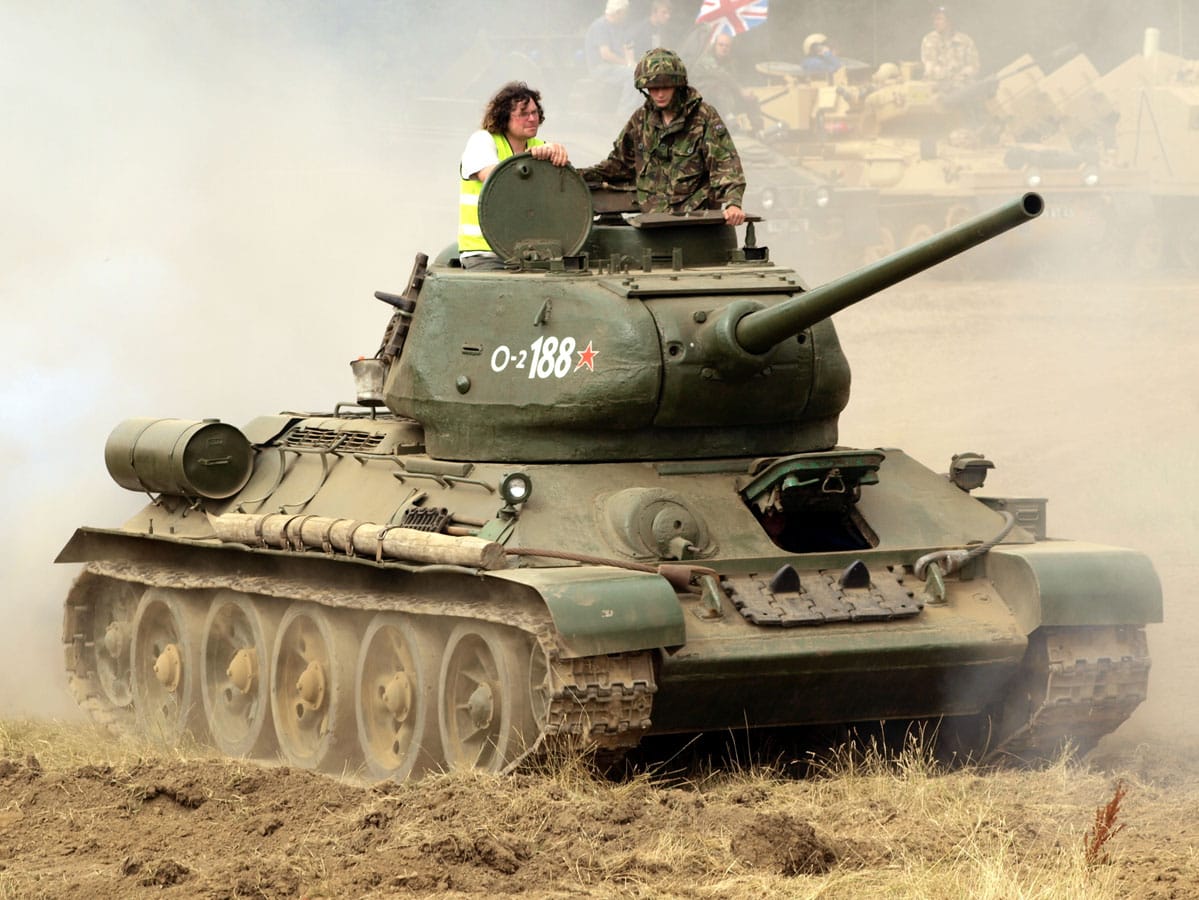
The T-34 is arguably the most important tank in history. Over 84,000 were built, more than any other tank during WWII, and it fundamentally changed the way Germany fought on the Eastern Front. When the Wehrmacht first encountered the T-34 in 1941, they were stunned. Its sloped armor deflected shells that would have penetrated contemporary German and Allied designs. The T-34-85 variant, introduced in 1944, upgraded the turret to house an 85mm ZiS-S-53 gun specifically to counter heavier German armor like the Panther and Tiger, and added room for a fifth crew member.
For civilians, the T-34-85 represents one of the better values in the WWII tank market. Running examples go for $80,000 to $100,000, a fraction of what a Sherman commands. That said, prices have climbed sharply. Fifteen years ago, you could pick one up for $10,000. The supply of privately held T-34s has thinned as more have been acquired by museums and memorial sites. Most available examples come through Eastern European dealers like Mortar Investments in Prague, who specialize in refurbishing Soviet-era armor for the civilian market.
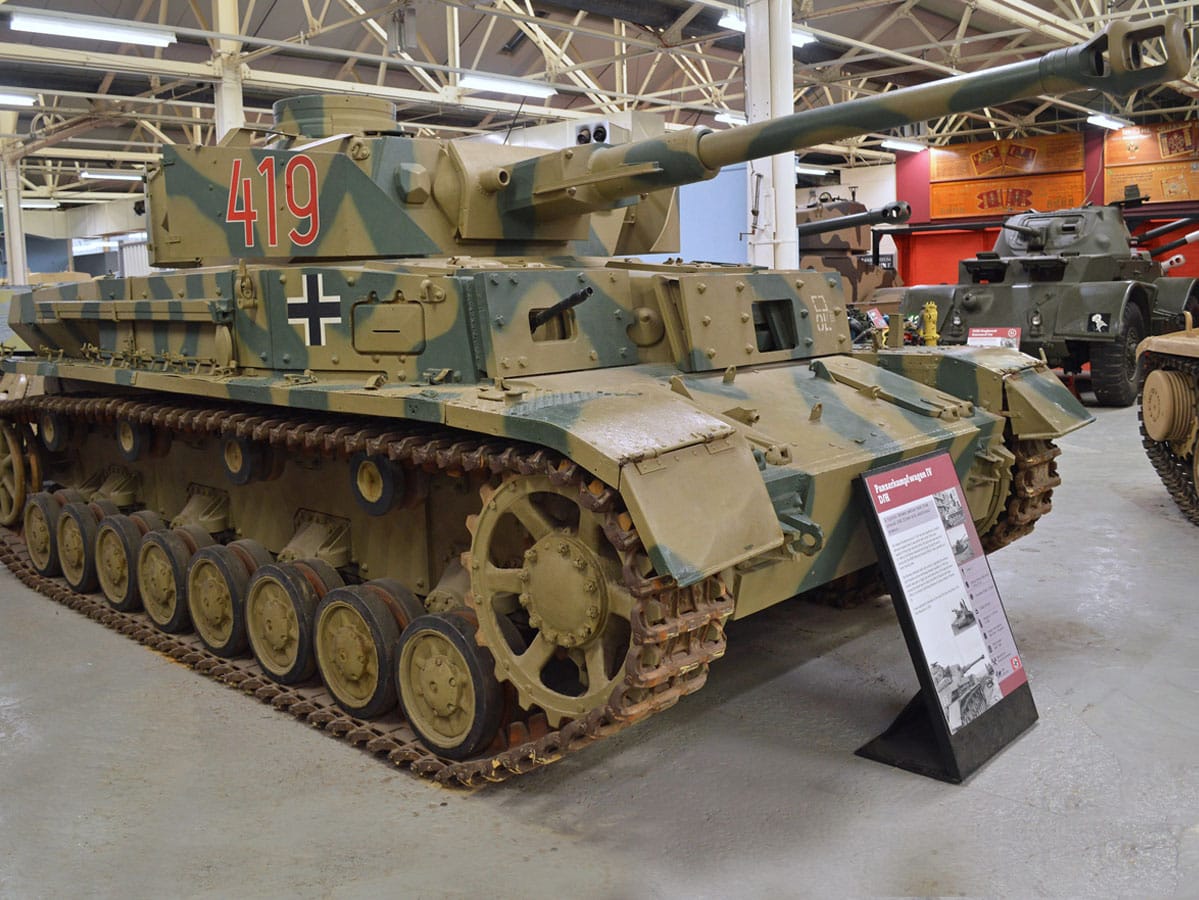
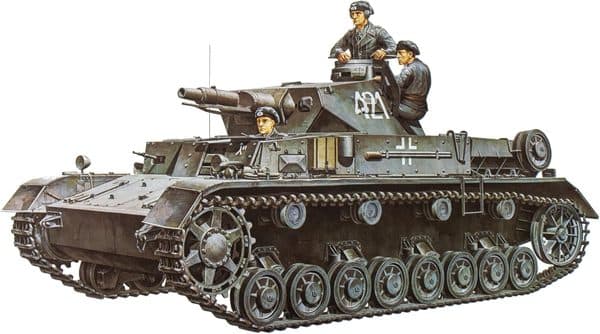
Panzer IV
Estimated price: $2.4 – $2.6 million
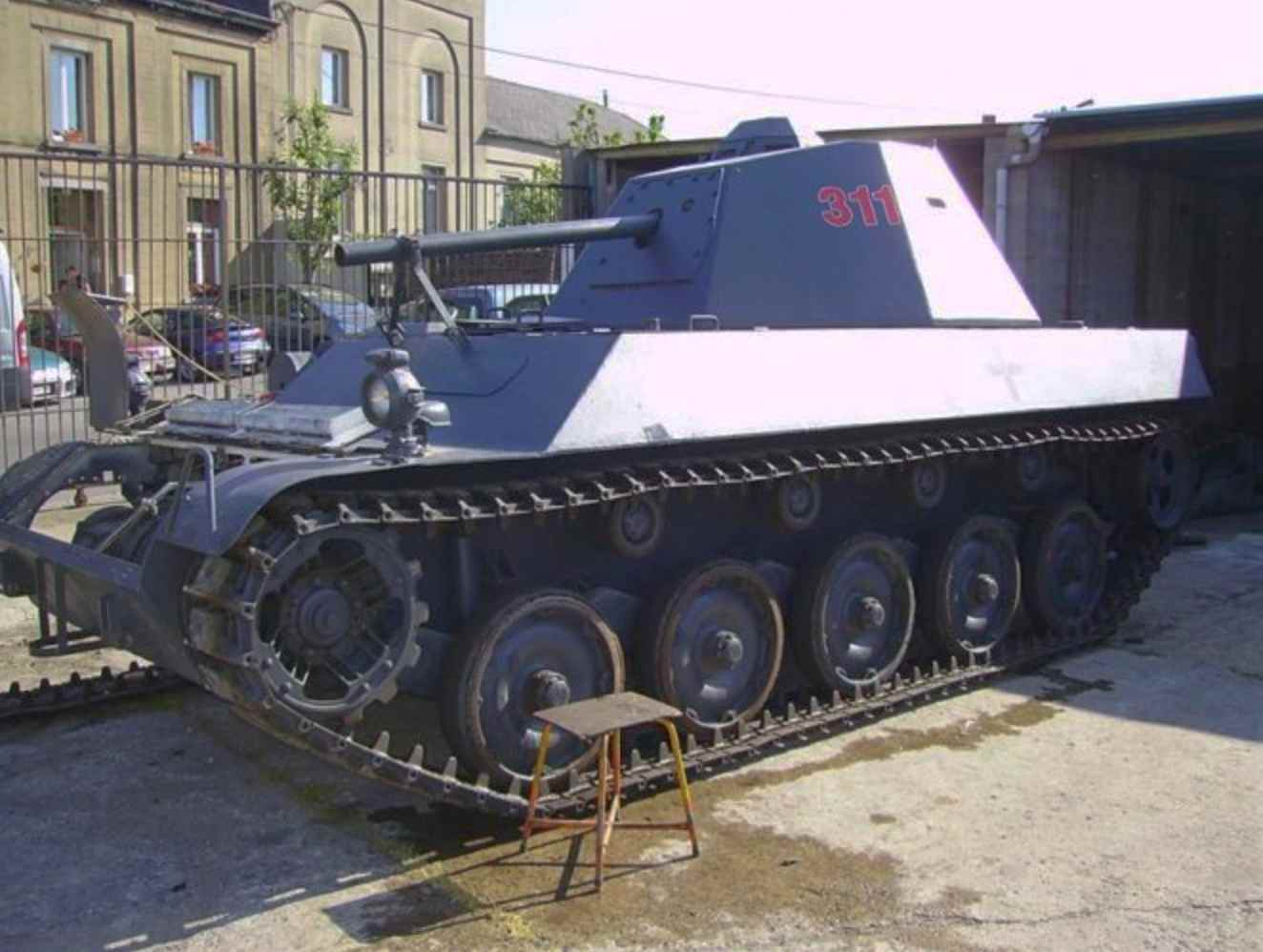
If you want to own a piece of WWII history that will turn every head at any military vehicle gathering on the planet, there is nothing quite like a Panzer IV. The Panzerkampfwagen IV was the backbone of Germany's armored forces throughout the war. Development began in the mid-1930s, and approximately 8,500 units were built. It saw combat in every theater Germany fought in, receiving continuous upgrades that ranged from a short-barreled 75mm gun designed for infantry support to a long-barreled variant that could go toe-to-toe with Allied armor.
The problem? Almost none survive in private hands. Most of the remaining Panzer IVs are in museums. When RM Sotheby's auctioned one from the legendary Jacques Littlefield Collection in 2014 (a vehicle captured by Israel from Syria during the 1967 Six-Day War), the pre-auction estimate was $2.4 to $2.6 million. That price has almost certainly climbed since. If you have the resources, finding a Panzer IV for sale is less about money and more about patience, connections, and luck.
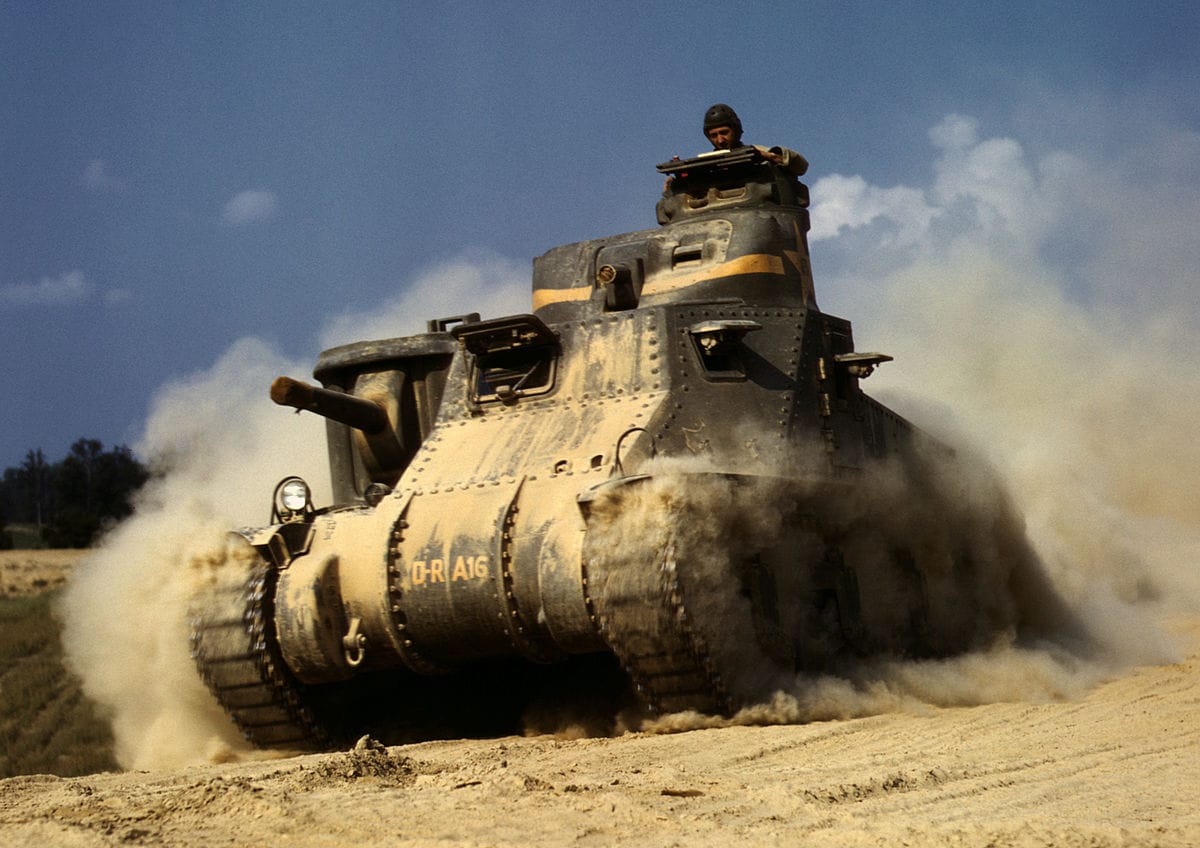
M3 General Lee
Price range: $125,000 – $200,000
The M3 Lee is the middle child of American WWII armor. It was better than the M2 it replaced, but overshadowed by the M4 Sherman that followed. Built in the late 1930s and early 1940s as a stopgap while the Sherman was being developed, the M3 had an unusual dual-gun design: a 75mm gun mounted in the hull sponson and a 37mm gun in the turret. It was a compromise born of urgency. America needed tanks fast, and the industry hadn't yet figured out how to mount a 75mm gun in a fully rotating turret.
The M3 served with distinction in North Africa, where British forces (who called their version the "Grant") used it effectively against Rommel's Afrika Korps. It was the first Allied tank with a gun capable of matching German armor. Many surviving M3s ended up in Australia, where they were sold as surplus in the 1950s and 1960s, and some were even converted into earthmoving equipment. Today, an M3 Lee in running condition will cost approximately $125,000 to $200,000, making it one of the more accessible WWII medium tanks on the market.
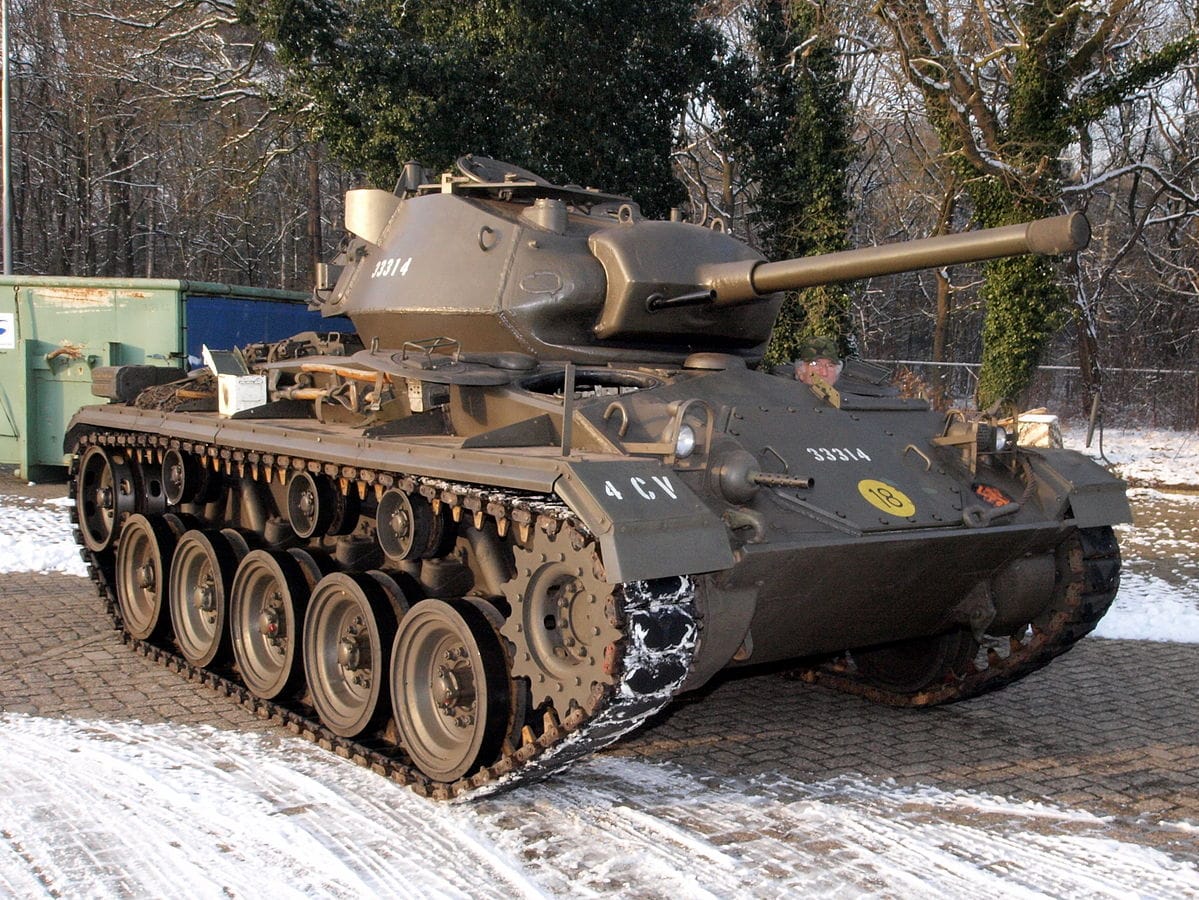
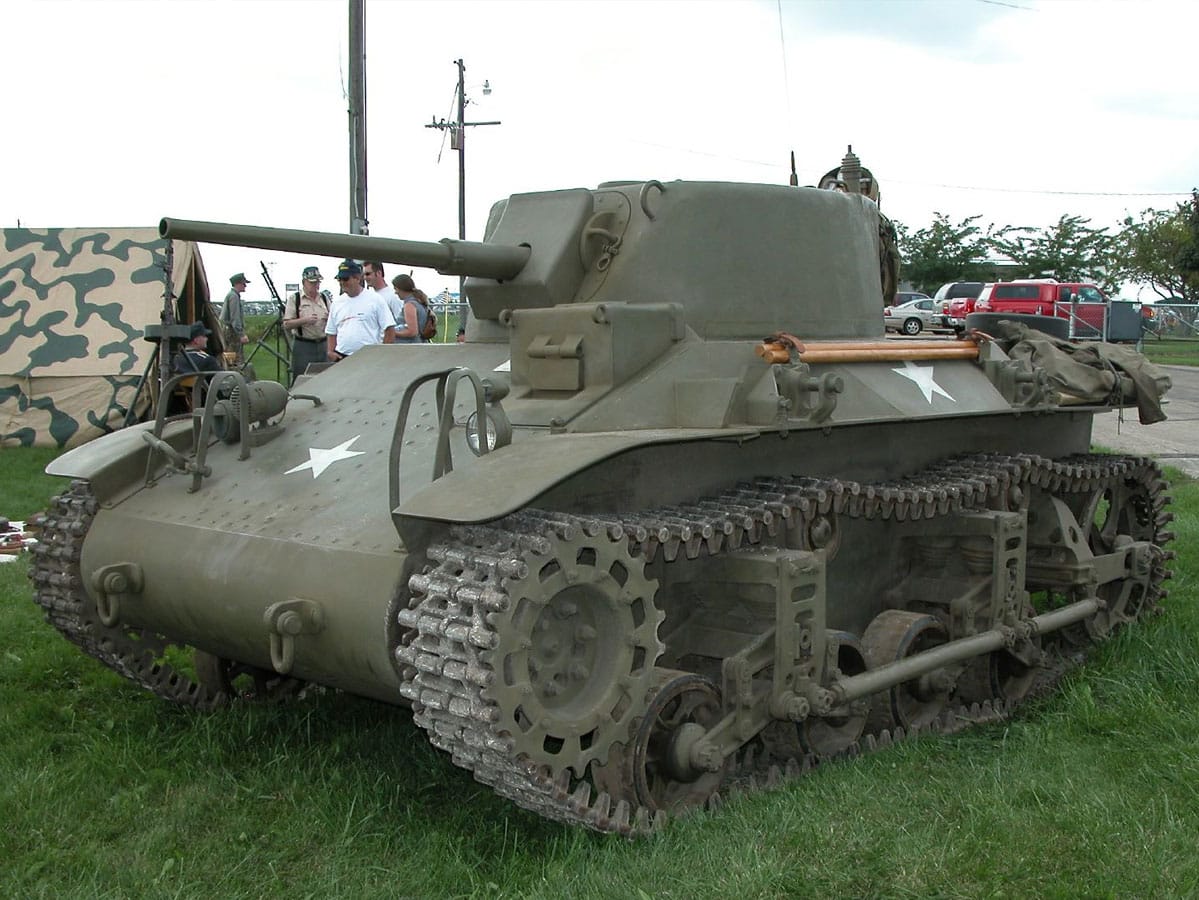
M24 Chaffee
Price range: $275,000 – $375,000
The M24 Chaffee was the answer to a serious problem. The M3 and M5 Stuart light tanks that preceded it were fast but dangerously undergunned, and their 37mm cannons couldn't penetrate the armor of virtually anything the Germans fielded by 1943. The M24 fixed that with a potent 75mm gun, the same caliber as the Sherman's main armament, packed into a chassis that weighed just 20 tons. It was the most heavily armed light tank of the war.
The Chaffee arrived late, entering service in December 1944, but it made an immediate impact. Crews loved it. It was fast, maneuverable, and could actually fight back against enemy armor. After WWII, it served in Korea and was exported to dozens of allied nations. Some remained in active service into the 1990s. Today, the M24 commands a premium of $275,000 to $375,000 in running condition. Its reputation as one of the finest light tanks ever built has kept demand high among collectors.
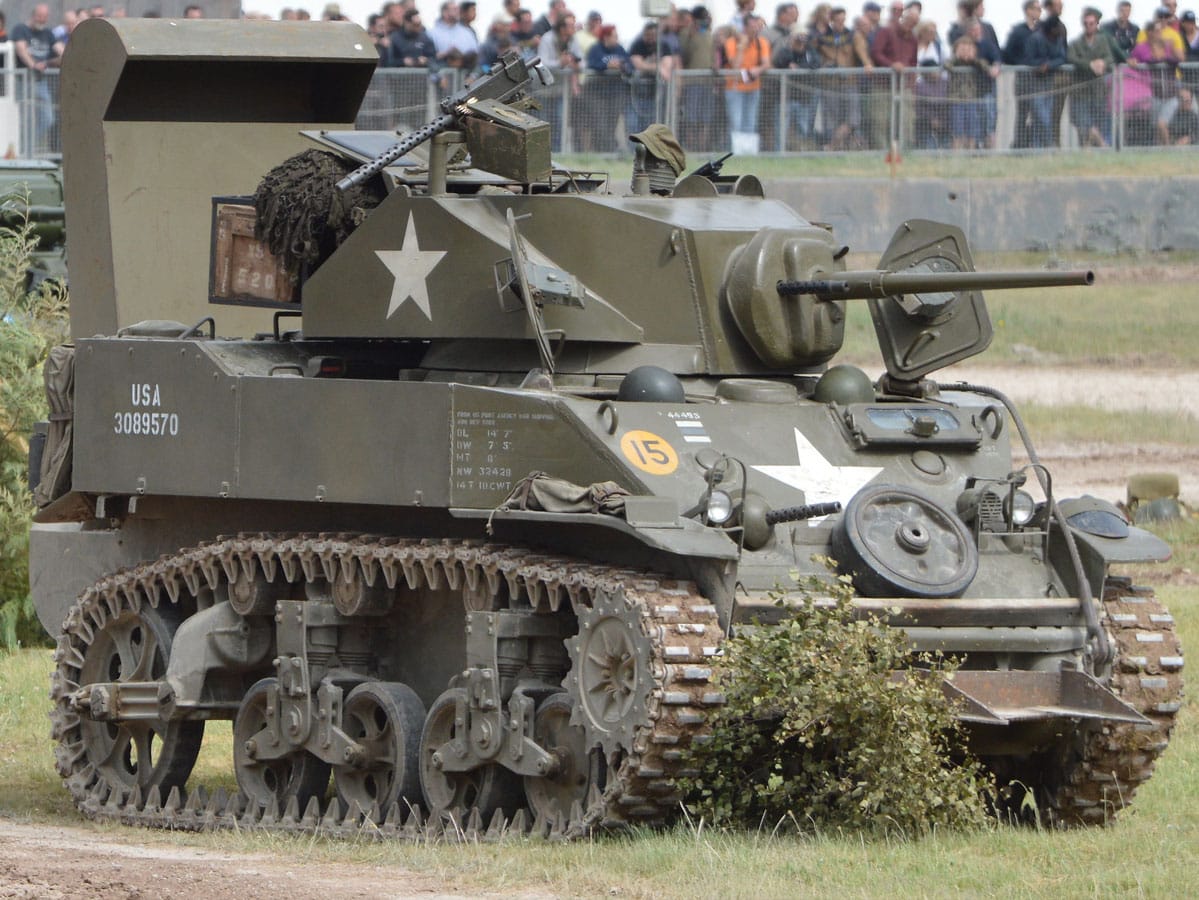
M5A1 Stuart
Price range: $125,000 – $290,000
The Stuart family of light tanks has a complicated but fascinating lineage. The original M3 Stuart was America's first mass-produced tank to see combat in WWII. It was fast and reliable, but its Continental radial aircraft engine was in high demand for actual aircraft. The M5 variant solved this by swapping in twin Cadillac V8 automobile engines (yes, Cadillac engines in a tank), which proved more reliable and far less prone to catching fire than the aviation powerplant they replaced.
The M5A1 specifically inherited the improved turret from the M3A3, giving it better visibility and fighting capability. Stuarts fought in virtually every theater of the war. They excelled in the Pacific, where their speed and relatively light weight were advantages in jungle terrain. In Europe, they were outclassed by heavier German tanks but remained invaluable for reconnaissance and infantry support. A Rock Island Auction sale brought $287,500 for an M5A1, though project-condition examples can be found for around $125,000.
M22 Locust
Estimated price: $200,000+ (if you can find one)
The M22 Locust was one of the most audacious ideas of WWII: a tank light enough to be carried by a glider and dropped behind enemy lines with airborne troops. Development began in 1941 at Britain's request, and the concept was wild. Strap a 7.4-ton tank underneath a Hamilcar glider and fly it into combat. Only 830 were built before production ended in 1945.
The Locust's combat record was brief and troubled. During Operation Varsity in March 1945, the largest airborne operation in history, eight Locusts were deployed. Several were damaged on landing, a German self-propelled gun destroyed one, and only two reached their rendezvous point. The tank's Achilles heel was its armor: paper-thin by 1945 standards, it couldn't survive direct engagement with anything heavier than small arms. The British declared it obsolete by 1946. Today, only about five M22 Locusts are known to survive worldwide. If one ever surfaces on the private market, it would be a once-in-a-generation acquisition.
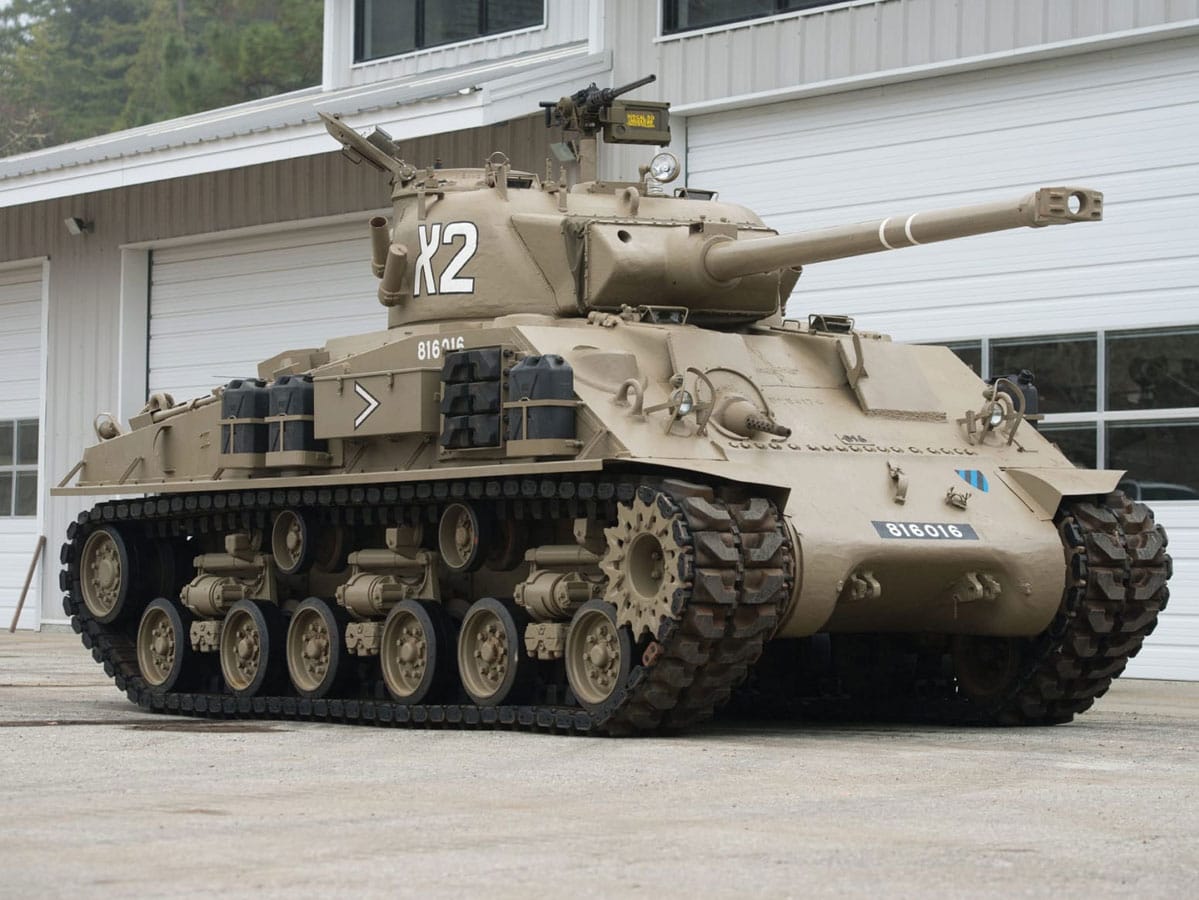
M-50 Israeli Sherman (Super Sherman)
Price range: $300,000 – $400,000
Israel took the American M4 Sherman and made it better, significantly better. The M-50, nicknamed the "Super Sherman," was a heavily modified variant that served with the Israel Defense Forces from the 1950s through the 1970s. The most critical upgrade was replacing the original American gun with a French-made CN 75-50 high-velocity 75mm cannon, a weapon far more capable of penetrating the Soviet-supplied armor fielded by Israel's adversaries.
The Super Sherman wasn't just an upgrade. It was a testament to Israeli ingenuity in making the most of limited resources. These tanks fought in the 1956 Suez Crisis, played a significant role in the 1967 Six-Day War, and served as reserve units during the 1973 Yom Kippur War. After retirement from IDF service, Israel transferred some to the South Lebanese Army. The M-50's unique history and the relatively small number produced make it a prized collector's item. Expect to pay $300,000 to $400,000, a premium over standard Shermans driven by their rarity and the compelling story behind them.
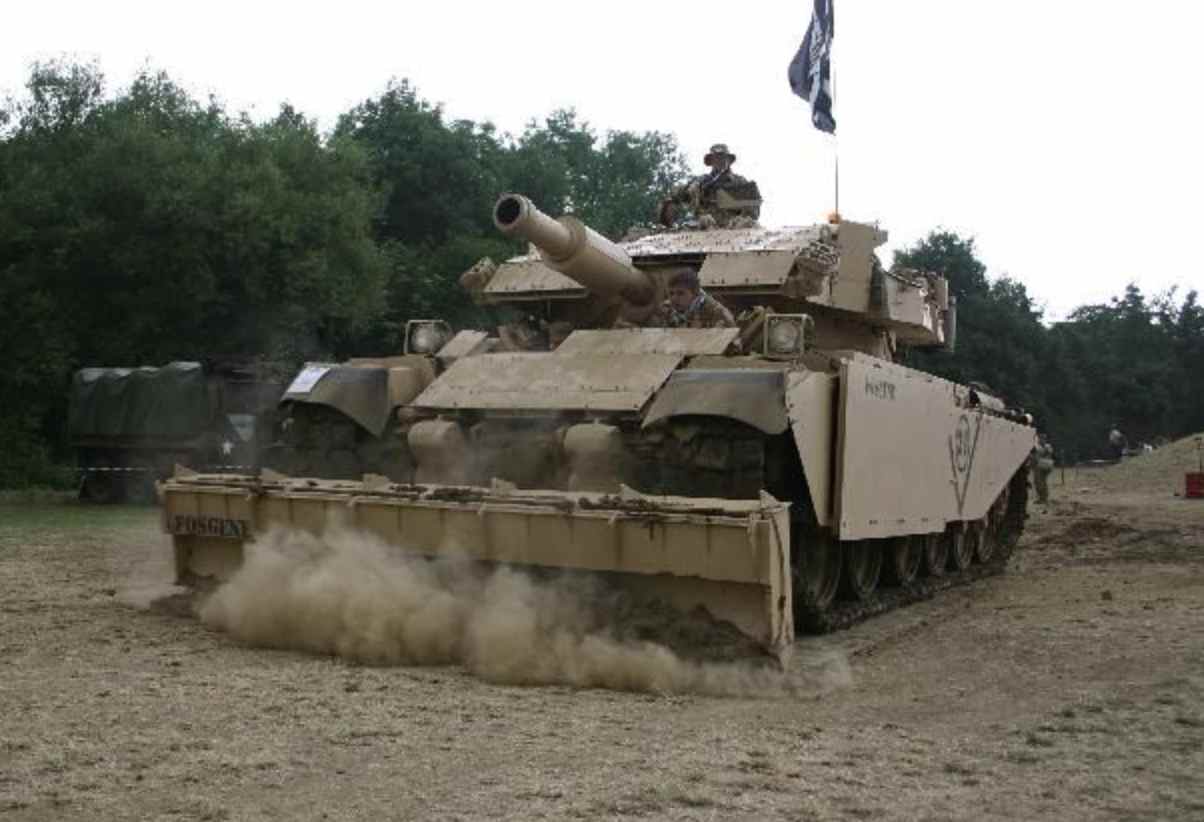
The Centurion didn't just define the concept of the "main battle tank." It arguably invented it. Designed during WWII and entering service in 1945, the Centurion was the first tank to successfully balance firepower, protection, and mobility in a single design, a breakthrough covered in our look at the top 20 modern battle tanks. It was so good that it remained in front-line service with various nations into the 1990s. The AVRE (Armoured Vehicle Royal Engineers) variant was a specialized engineering tank fitted with a massive 165mm L9A1 demolition gun capable of hurling a 64-pound demolition charge up to 2,000 yards.
Under the hood, the Centurion AVRE is powered by a Rolls-Royce Meteor, a detuned version of the legendary Merlin engine that powered the Spitfire. The Mk IV variant produces 650 horsepower from its 27-liter V12 and pushes the 52-ton vehicle to a top speed of 21 mph. It also carries a .30-caliber Browning machine gun and smoke dischargers. One notable example was famously restored on Channel 4's Salvage Squad and is now in private hands. Prices range from $150,000 to $300,000 depending on variant and condition, with most sales handled through specialist UK dealers.
Chieftain Mk10
Price range: $25,000 – $85,000
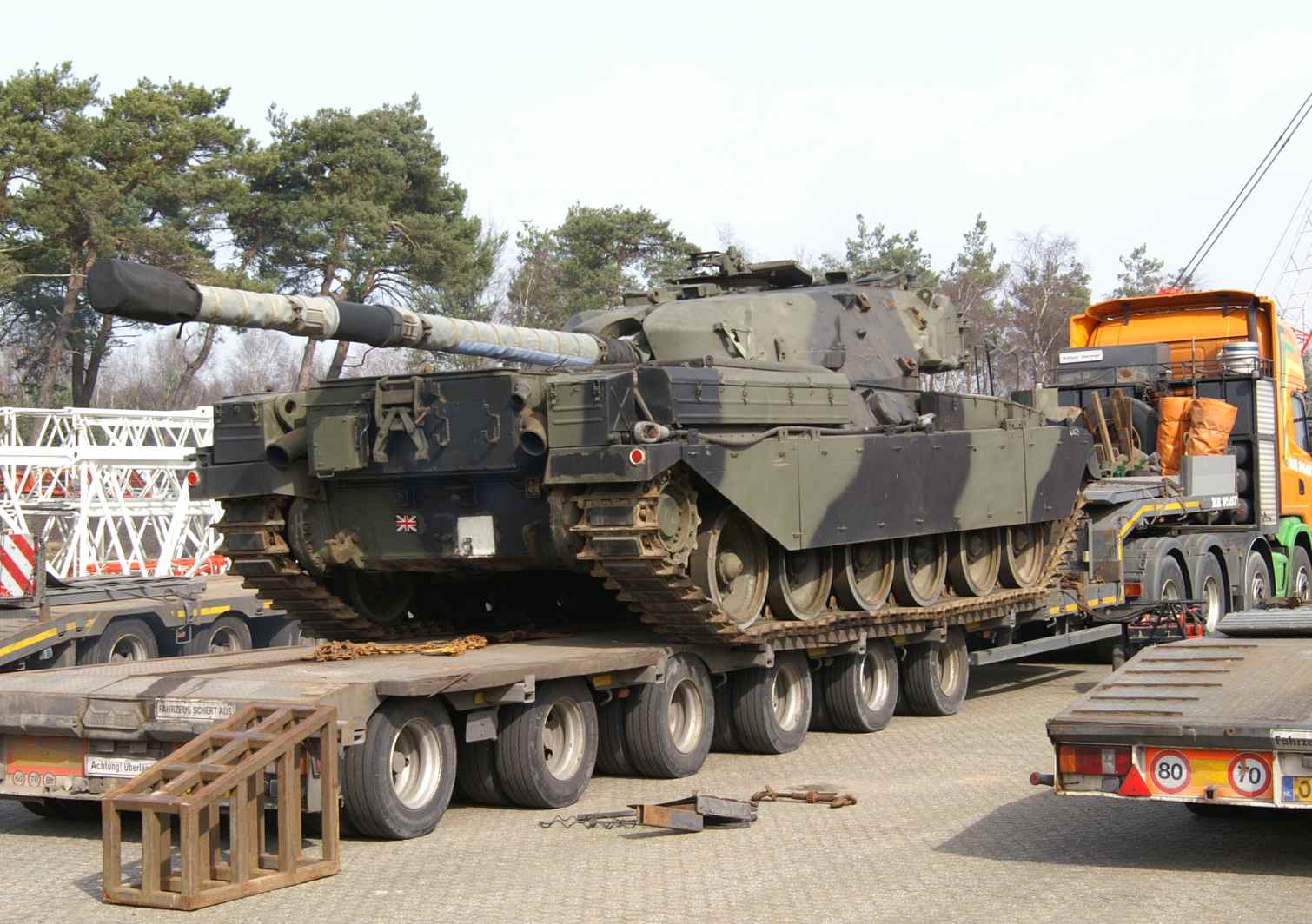
If the Centurion invented the main battle tank concept, the Chieftain perfected it for the Cold War era. Entering production in the mid-1960s, the Chieftain represented a generational leap over its predecessor: faster, more heavily armed, and designed to outlast the Centurion's maintenance intervals. Its 120mm L11A5 rifled gun was the most powerful tank gun in NATO service at the time, and its Chobham-style armor provided protection that wouldn't be matched by other Western tanks for years.
The Chieftain served as Britain's front-line MBT from 1966 to 1995 and was exported to Iran, Jordan, Kuwait, and Oman. For the civilian buyer, it represents outstanding value. The UK Ministry of Defence released substantial quantities of surplus Chieftains, and specialist dealers like Tanks-A-Lot in Northamptonshire regularly stock them. A non-running Chieftain needing work can be found for as little as $25,000. Fully functional examples with all systems operational run $60,000 to $85,000, an astonishing amount of tank for the money.
T-54 Main Battle Tank
Price range: $55,000 – $100,000
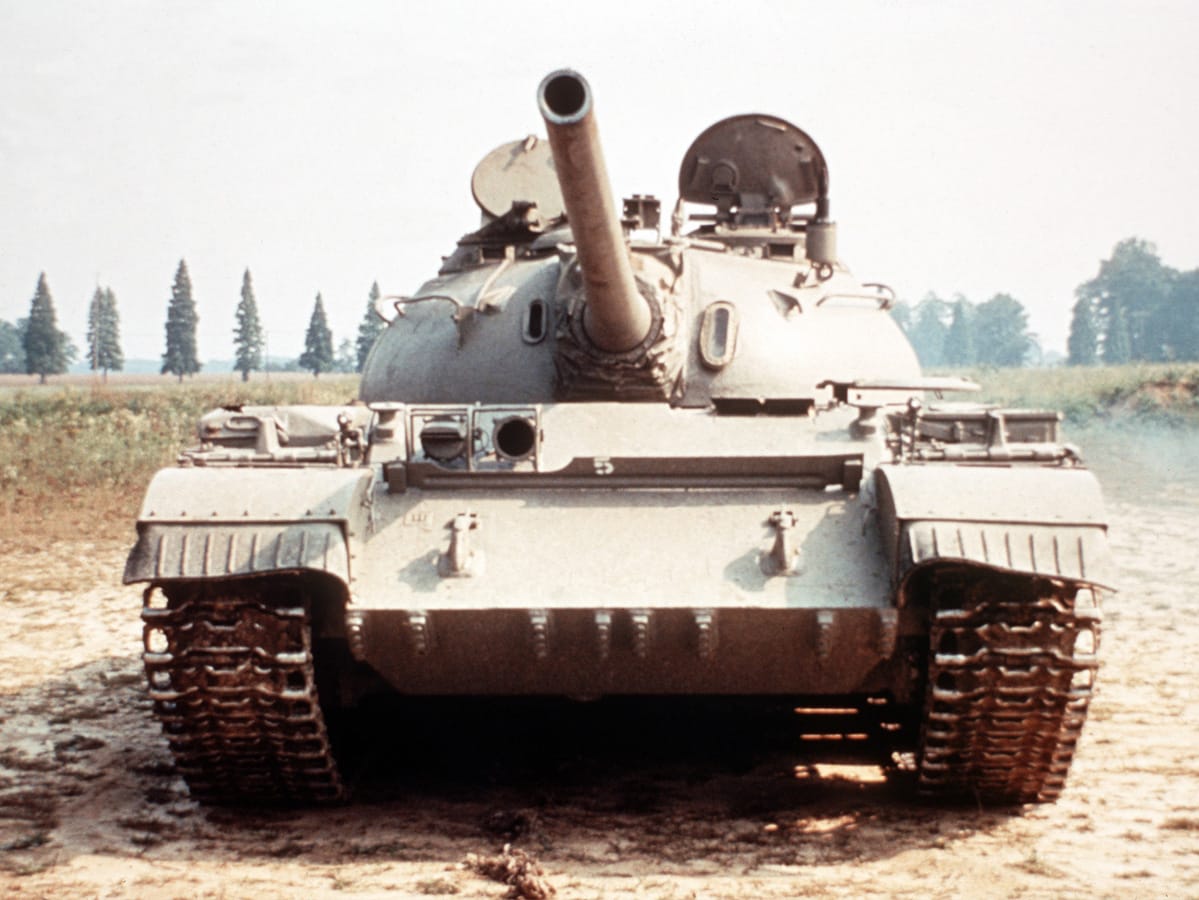
The T-54 holds a remarkable distinction: it is the most-produced tank in history. Between 1946 and 1982, the Soviet Union and its allies built somewhere between 86,000 and 100,000 units. That staggering number made the T-54 and its close cousin the T-55 the backbone of virtually every Soviet-aligned military on the planet. From Vietnam to the Middle East to Africa, the T-54 saw more combat across more continents than arguably any other armored vehicle ever built.
The T-54's D-10T 100mm rifled gun was a serious weapon, and the tank itself was deliberately designed to be simple, rugged, and operable with minimal training. Its direct descendant, the T-72, would later face off against Western armor in devastating fashion. See our M1 Abrams vs. T-72 comparison for how that played out. The trade-off was crew comfort. The interior is famously cramped compared to Western tanks. For the civilian market, the T-54/T-55 family offers Cold War authenticity at a reasonable price. Running examples go for $55,000 to $100,000. Mortar Investments in Prague lists refurbished T-55 AM2 variants starting around $50,000. Importing one to the U.S. adds $15,000 to $25,000 for export paperwork, demilitarization, and shipping.
FV214 Conqueror
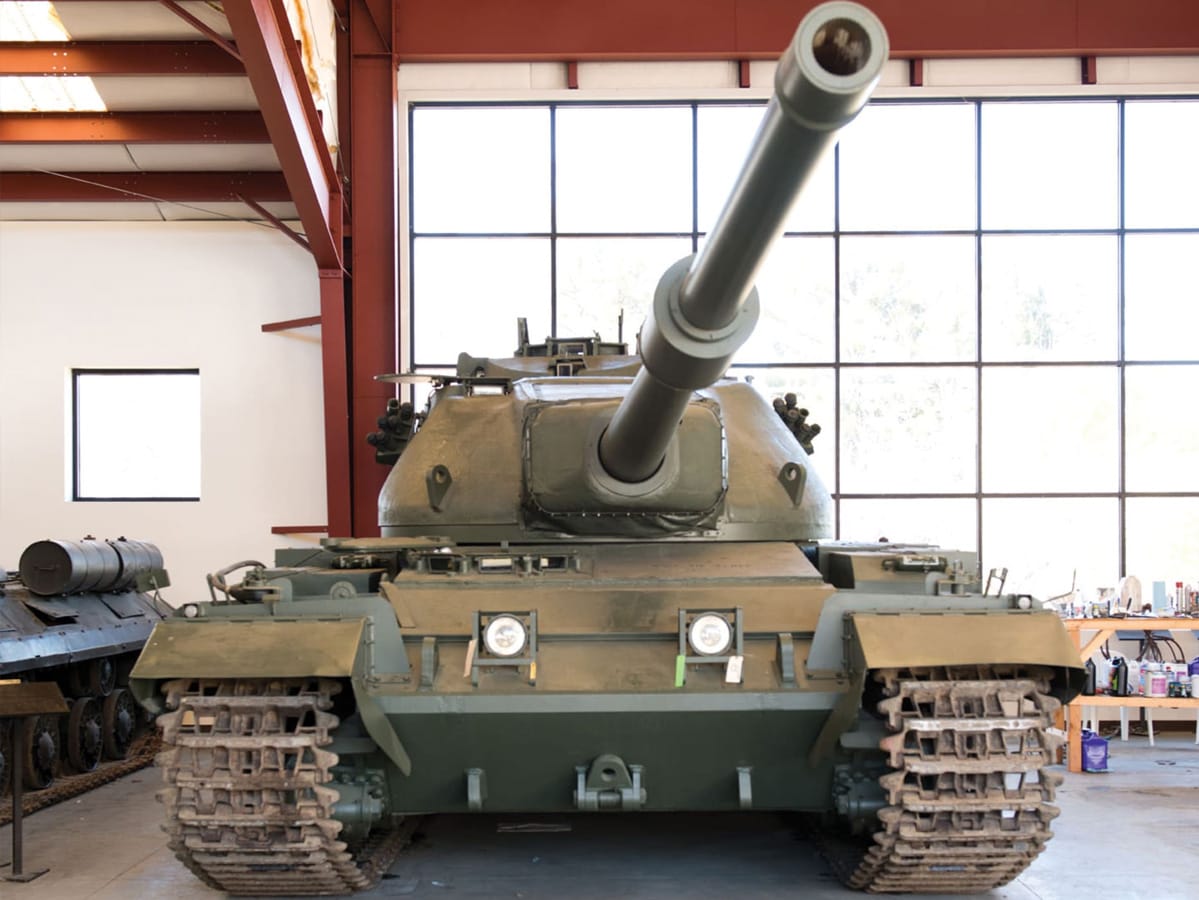
Price range: $150,000 – $225,000
Britain developed the Conqueror for one specific purpose: to kill Soviet heavy tanks. Development began in 1944 as the Allies realized they needed something capable of going head-to-head with vehicles like the IS-3 that the Red Army was fielding. The result was a 65-ton monster armed with an L1 120mm rifled gun, the biggest tank gun in NATO service at the time, and two 7.62mm machine guns.
The Conqueror introduced a feature that was revolutionary for the 1950s: a "hunter-killer" capability that allowed the commander to independently traverse the turret and acquire targets separately from the gunner. This is standard on modern MBTs but was cutting-edge technology when the Conqueror entered service in West Germany in 1955. The downside? All that armor and firepower made it mechanically unreliable. Its weight crushed roads and bridges, and its top speed was painfully slow. It served until 1966 before being replaced by the more balanced Chieftain. Only 185 were built, making the Conqueror rare on the civilian market. Expect $150,000 to $225,000 when one surfaces.
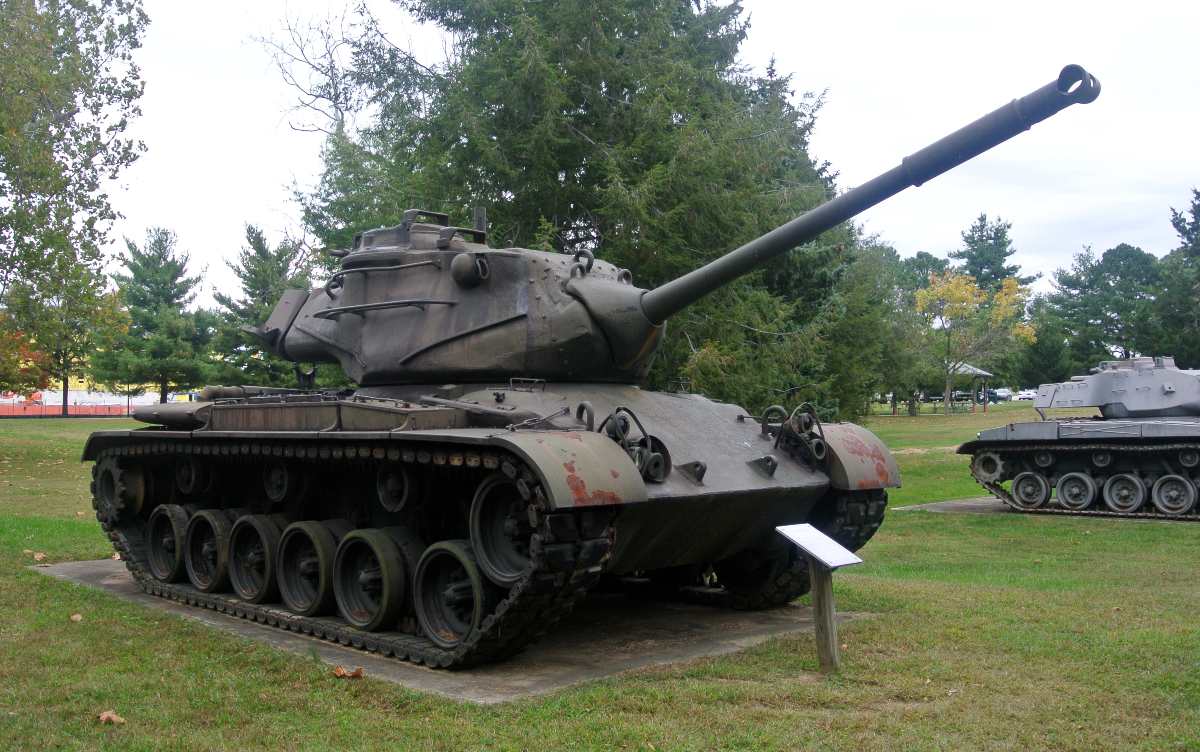
Patton M47: Arnold's Tank
Price range: $65,000 – $120,000
The M47 Patton might be the most famous privately owned tank in the world, thanks entirely to Arnold Schwarzenegger. When Schwarzenegger was drafted into the Austrian Army at 18, he was assigned to an M47 crew. The story goes that he secretly stashed weights inside the tank and lifted between training exercises, fueling his bodybuilding career while the army fed him protein-heavy meals. Years later, after becoming a Hollywood star, he tracked down his exact vehicle. The Austrian Army had buried it during decommissioning. They dug it up, restored it, and Schwarzenegger paid to ship it to the United States.
Beyond the celebrity connection, the M47 was an important transitional tank. Built off the M26 Pershing chassis, it served as America's primary main battle tank during the critical early years of the Cold War before being replaced by the M48 and eventually the M60, a lineage that leads directly to the M1 Abrams. It was exported to over 20 countries. For the civilian market, demilitarized M47s are available for $65,000 to $120,000, relatively affordable for a piece of Cold War history with one of the best origin stories in the tank world.
Leopard 1 Main Battle Tank
Price range: $225,000 – $550,000+
The Leopard 1 was NATO's defining Cold War tank. West Germany began developing it in the mid-1950s. It was the first indigenous German tank design since the end of WWII, built with NATO's explicit blessing because the Soviet threat was deemed too severe to keep Germany disarmed. Over 4,700 were manufactured, and the Leopard 1 served with the armed forces of more than a dozen countries.
The civilian market for Leopard 1s has shifted dramatically. Before 2022, surplus examples were relatively affordable, and some sold for the price of a used SUV. Then the war in Ukraine happened. European nations, with Germany chief among them, began drawing down their mothballed Leopard 1 stockpiles to supply Ukraine, and the civilian surplus evaporated almost overnight. Prices have climbed accordingly. DriveTanks currently lists a Leopard 1A5 for $550,000. Barrett-Jackson auctioned one at their Palm Beach 2024 event with no reserve. If you find one, expect $225,000 to $550,000 depending on variant and condition. (Its successor, the Leopard 2, remains one of the best main battle tanks in the world, but is not available to civilians.) The Leopard 1 has gone from a buyer's market to a seller's market in the space of just a few years.
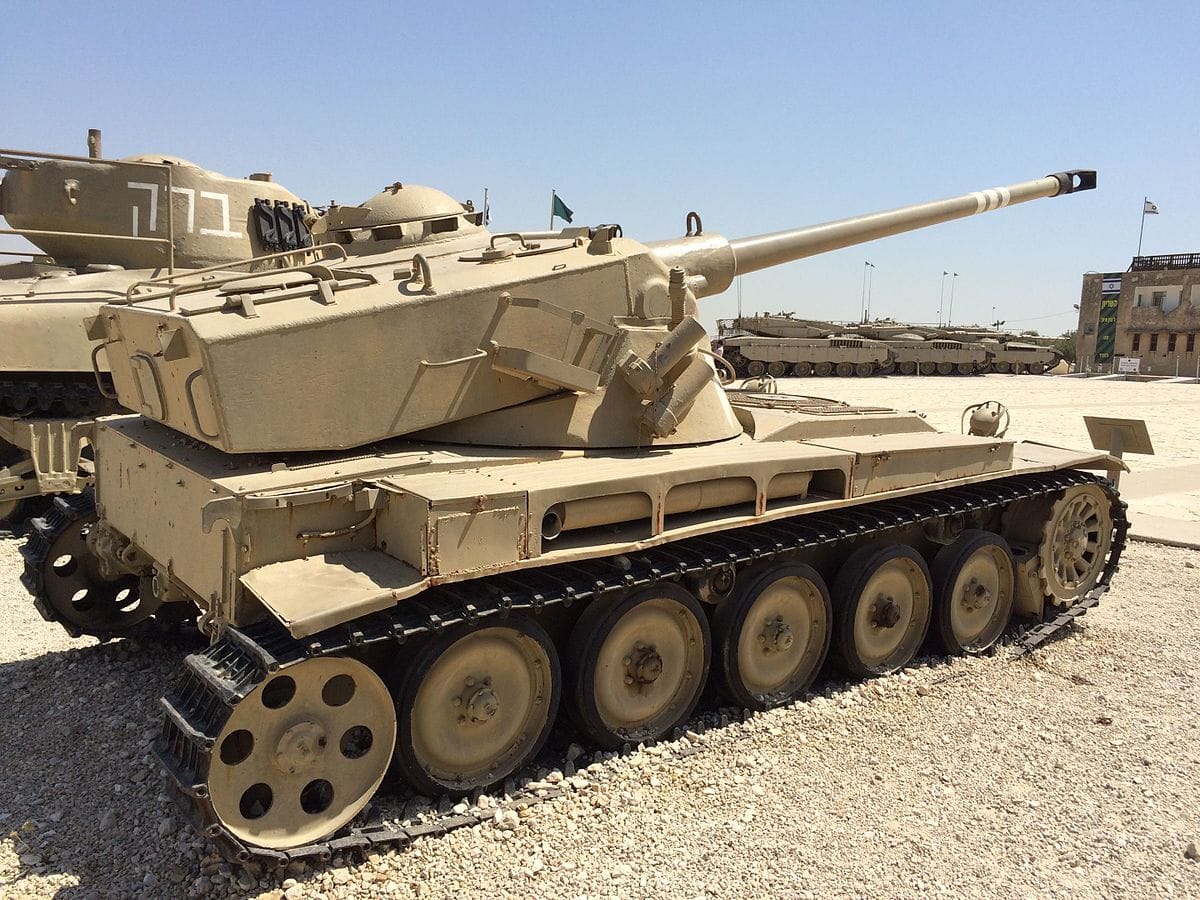
AMX-13 Light Tank
Price range: $40,000 – $75,000
The AMX-13 was a groundbreaker. It was the first production tank to successfully employ an oscillating turret, a design where the upper half of the turret tilts to elevate the gun while the lower half rotates. This sounds like a minor engineering detail, but it was a radical innovation that allowed the French to fit a powerful 75mm gun (and later a 90mm and even 105mm) into a tank that weighed just 15 tons. The concept influenced tank design worldwide for decades.
Over 7,700 AMX-13s were built between 1952 and 1987 across more than two dozen variants. They were exported to at least 25 countries and saw combat in the 1967 Six-Day War, the Indo-Pakistani Wars, and various conflicts in Southeast Asia and Latin America. Because so many were built and they saw relatively limited hard combat in Western service, a good number of quality AMX-13s survive. RM Sotheby's sold one from the Littlefield Collection for just $26,450 (a steal), though the general market sits around $40,000 to $75,000. At that price, you're getting a genuine Cold War tank for roughly what you'd pay for a well-equipped pickup truck.
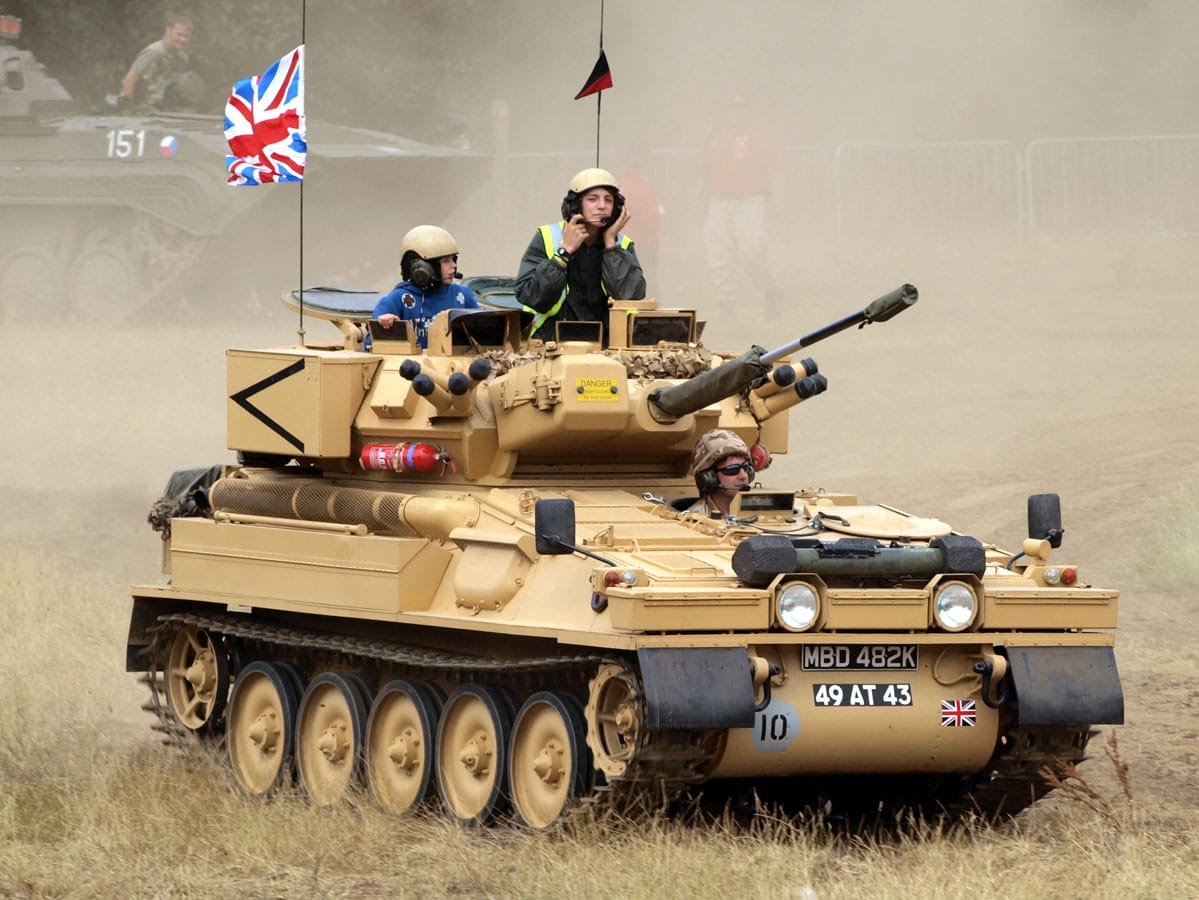
FV101 Scorpion: The World's Fastest Tank
Price range: $15,000 – $30,000
The FV101 Scorpion holds the Guinness World Record for the fastest production tank ever built. It can hit 51 mph (82 km/h), faster than most speed limits. It weighs just under 8 tons and was specifically designed to be air-portable. The British Army issued requirements for a new Combat Vehicle Reconnaissance (Tracked) in the late 1960s, and Alvis delivered a vehicle that was essentially a sports car with a 76mm gun.
The Scorpion is powered by a Jaguar J60 engine (yes, a Jaguar engine in a tank) and gets a relatively civilized 5 miles per gallon, positively economical by tank standards. Over 3,000 were built, and the British MoD released large quantities of surplus CVR(T) vehicles, which means the Scorpion is one of the most affordable tracked armored vehicles on the civilian market. You can buy one for $15,000 to $30,000. That makes the Scorpion the ideal entry point for anyone who has always dreamed of owning a tank but doesn't have Sherman money.
FV107 Scimitar
Price range: $40,000 – $55,000
The FV107 Scimitar is the Scorpion's close cousin, built on the same CVR(T) chassis with the same Jaguar engine and the same impressive speed. The key difference is armament: where the Scorpion mounts a 76mm gun, the Scimitar carries a 30mm RARDEN cannon. The RARDEN is a precision weapon designed for reconnaissance engagements, capable of defeating light armor and fortified positions at range.
The Scimitar has one distinction its older sibling doesn't: longevity. While the British Army retired the Scorpion in 1994, the Scimitar remained in active service well into the 2010s, seeing combat in the Falklands, the Gulf War, Bosnia, Iraq, and Afghanistan. That extended service life means fewer surplus units reached the civilian market, which is why the Scimitar commands a moderate premium over the Scorpion at $40,000 to $55,000. For private owners, the cannon is replaced with a dummy barrel. Both the Scimitar and Scorpion are available through specialist UK dealers and can be imported to the U.S. with relative ease due to their manageable size and weight.
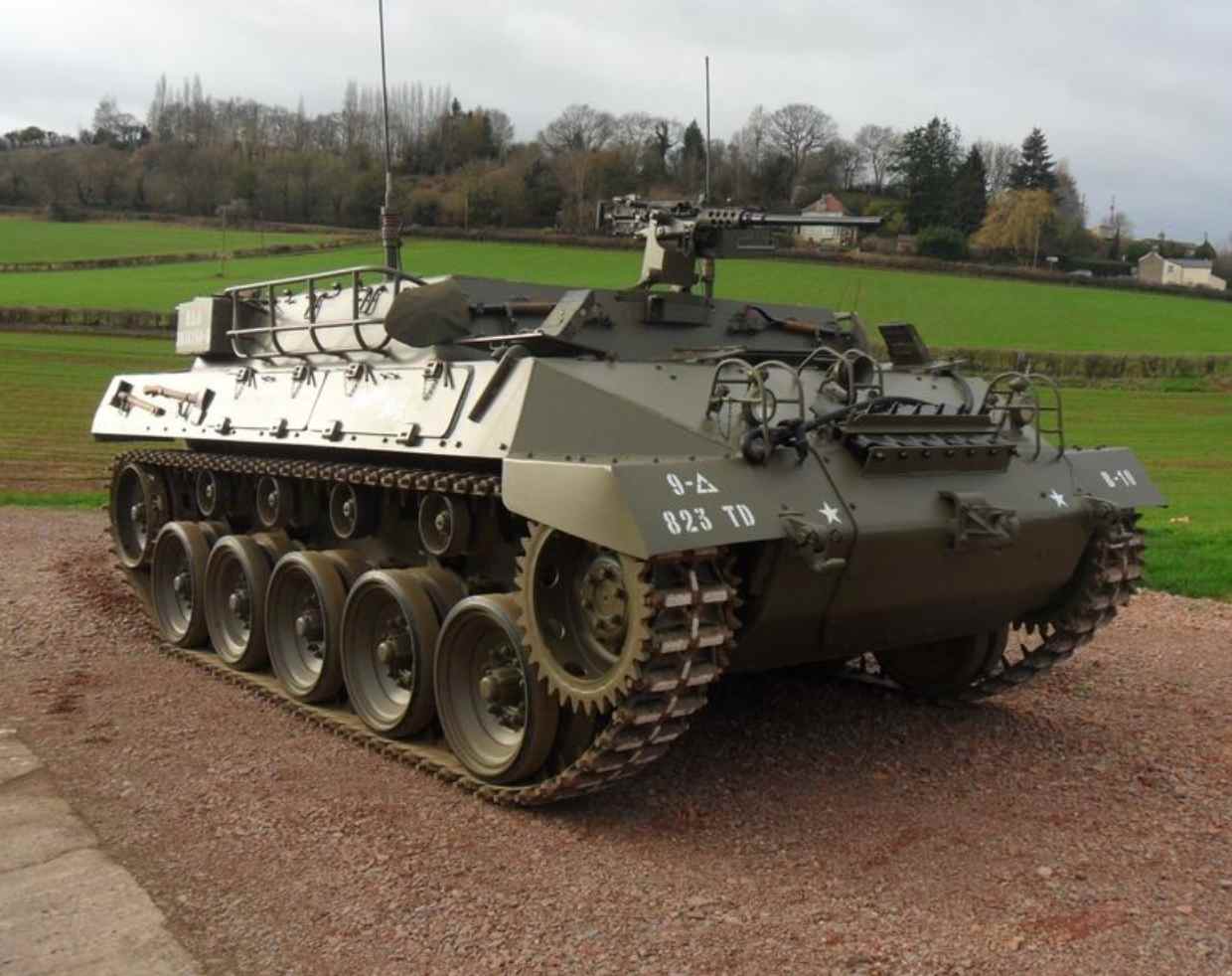
The M39 is one of the more unusual armored vehicles on this list. Built on the same chassis as the M18 Hellcat tank destroyer (one of the fastest tracked vehicles of WWII), the M39 was designed as a multi-role utility vehicle. It weighs over 33,000 pounds, can carry up to 8 passengers, and reaches a startling 50 mph thanks to its Continental R975-C4 radial gasoline engine. Only about 650 were ever produced.
That tiny production run is what makes the M39 special, and expensive. Very few survive in operational condition. The M39 served primarily in the Korean War, where its speed and versatility made it useful for everything from troop transport to ammunition resupply to casualty evacuation. Because it shares a chassis with the M18 Hellcat, a vehicle beloved by collectors and increasingly rare itself, the M39 has become a sought-after item. If one surfaces on the market, expect to pay $100,000 to $200,000 depending on condition. This is a tank (well, technically an armored utility vehicle) for the collector who wants something almost nobody else has.
FV4601 MBT-80: The Prototype
Price: undisclosed (one-of-a-kind)
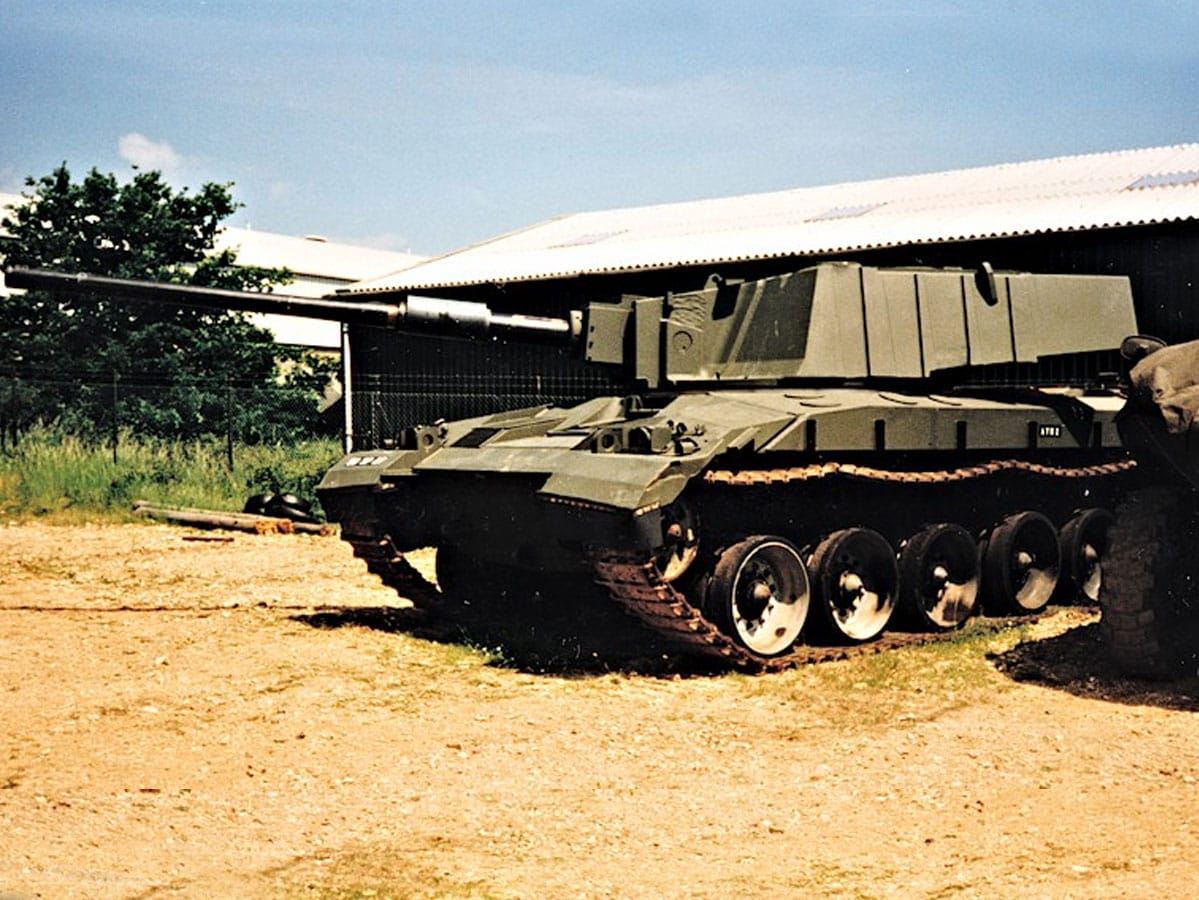
The FV4601 MBT-80 is the ultimate tank collector's curiosity. Designed in 1979 as Britain's next-generation main battle tank to replace the Chieftain, the MBT-80 never made it to production. The Challenger 1 received that honor instead. Only two prototypes were ever built: the Automotive Test Rig 1 (ATR1) and ATR2.
The ATR1 was constructed using components from the Shir-2 tank, itself derived from the Chieftain. A private collector purchased it for an undisclosed amount, and the seller was reportedly open to offers since the vehicle had been heavily stripped of its advanced systems. The ATR2 took a different approach entirely: an experimental hull that welded aluminum and steel together in an attempt to reduce weight. That prototype resides in the Bovington Tank Museum in Dorset, where it will almost certainly stay. If you own the ATR1, you own the only privately held example of a tank that was designed to be the most advanced in the world. There is no price comparison for something like that.
Mowag Pirat: The Holy Grail
Price: essentially priceless (only 11 ever built)
If any vehicle on this list qualifies as a unicorn, it's the Mowag Pirat. Only 11 were ever produced. They were prototypes designed for the Swiss Army in the 1960s, but the army ultimately selected the American M113 APC instead. What happened to those 11 vehicles is the stuff of military vehicle legend. One is confirmed in a museum in Thun, Switzerland. Another, reportedly the last operational example not in a museum, was painted blue and used as a prop in various European film productions.
The Pirat was designed as a light armored fighting vehicle weighing about 8 tons, with a crew of three and room for infantry. It was amphibious and could be armed with various turret configurations. If a privately held Mowag Pirat ever came to market, it would be a once-in-a-lifetime event for military vehicle collectors. There is simply no meaningful way to price something this rare. You can't comparison-shop when only 11 were made and most are accounted for. The Mowag Pirat represents the absolute pinnacle of military vehicle collecting, not because of combat history or firepower, but because of sheer, irreplaceable scarcity.
How to Buy a Military Tank in 2026
So you've decided to buy a tank. Here's exactly how the process works.
The legal side is simpler than you think. The federal government does not regulate tank ownership, only the weapons. A tank cannon with a bore greater than 0.50 inches is classified as a "Destructive Device" under the National Firearms Act. You have two options: file an ATF Form 4, pay a $200 tax stamp, and pass a background check to keep the gun functional, or, the far more common route, have the main gun permanently demilitarized by welding a steel plug into the breech. Once demilled, your tank requires no federal firearms paperwork at all. State laws vary: some states ban Destructive Devices outright (California, Illinois), while others are permissive (Texas, most southern and western states).
Where to find tanks for sale: The major dealers include Mortar Investments (Prague) for Soviet-era armor, Tanks-A-Lot (UK) with 150+ military vehicles in stock, and DriveTanks (Texas) for Western vehicles. Auction houses like RM Sotheby's, Rock Island Auction, and Barrett-Jackson occasionally feature tanks. Online, check Milweb, Tracks & Trade, and the SteelSoldiers forum (114,000+ members). GovPlanet runs weekly auctions of military surplus, though actual tanks are rare. You'll find mostly trucks and Humvees. (For non-tank options, see our guide to 25 military vehicles civilians can own.)
Budget beyond the sticker price. Shipping a tank domestically requires a specialized RGN trailer with permits for oversize/overweight loads. International shipping runs $15,000 to $50,000+. Storage costs $100 to $400/month at a specialized facility, or build your own concrete pad with overhead cover. Fuel consumption ranges from 5 MPG (Scorpion) to under 1 MPG (most MBTs). Insurance through specialists like Hagerty runs $500 to $5,000/year on an agreed-value policy. Track replacement costs $5,000 to $15,000 per set, and rubber track pads are required for road use. Annual maintenance runs $500 to $5,000 depending on how much you drive it.
Road legality: To drive your tank on public roads, you'll need rubber tracks (or rubber pads over steel tracks), headlights, brake lights, turn signals, mirrors, and a horn. Registration varies by state, and most classify tanks as specialty or historic military vehicles. A CDL may be required depending on weight. Check local bridge weight limits before planning your route.
Frequently Asked Questions
Is it legal to own a tank in the United States?
Yes. Owning a tank is legal in all 50 states. The federal government only regulates the weapons, not the vehicle itself. If the main gun is demilitarized (permanently disabled), no federal firearms paperwork is required. If you want a functional main gun, it's classified as a Destructive Device under the NFA, requiring an ATF Form 4 application, $200 tax stamp, and background check. Some states ban Destructive Devices, so check your state laws.
How much does a military tank cost?
Prices range enormously. An FV101 Scorpion, the fastest production tank ever built, can be had for as little as $15,000. A running M4 Sherman costs $250,000 to $500,000+. A rare WWII Panzer IV could exceed $2.5 million. For most buyers, the $50,000 to $150,000 range offers the widest selection of Cold War-era tanks in running condition.
Can you drive a tank on public roads?
Yes, with modifications. You'll need rubber tracks or rubber track pads (to prevent road damage), plus standard road-legal equipment: headlights, brake lights, turn signals, mirrors, and a horn. You'll need to register the vehicle with your state's DMV, and most states classify them as specialty or historic military vehicles. Some municipalities have weight limits that may restrict tank traffic on certain roads and bridges. A CDL endorsement may be required depending on the vehicle's weight.
What kind of gas mileage does a tank get?
Terrible. The FV101 Scorpion is the most fuel-efficient at around 5 MPG. Arnold Schwarzenegger's M47 Patton gets 2.3 MPG. Most main battle tanks (Leopard 1, Chieftain, T-55) average 0.5 to 1 MPG. An M1 Abrams (not available to civilians, for reference) gets 0.3 to 0.6 MPG. Fill-ups are an event: most tanks carry 100 to 300 gallons of fuel.
Do you need insurance for a tank?
Standard auto insurance won't cover a tank, but specialty insurers like Hagerty, Nationwide's classic vehicle division, and Armed Forces Insurance offer agreed-value policies for military vehicles. Premiums typically run $500 to $5,000 per year depending on the tank's value and how often you use it. Because tanks are rarely driven and extremely durable, premiums tend to be reasonable relative to the vehicle's value.
Where can you buy a military tank?
Major dealers include Mortar Investments (Prague, Czech Republic) for Soviet-era vehicles, Tanks-A-Lot (UK) for British surplus, and DriveTanks (Uvalde, Texas). Auction houses like RM Sotheby's, Rock Island Auction, and Barrett-Jackson occasionally feature tanks. Online marketplaces include Milweb, Tracks & Trade, Miltrade, and the SteelSoldiers forum. GovPlanet runs weekly auctions of U.S. military surplus, though tanks are rare.
What is the cheapest tank you can buy?
The most affordable tracked armored vehicles are British CVR(T) family vehicles like the FV101 Scorpion ($15,000 – $30,000) and the FV107 Scimitar ($40,000 – $55,000). If you're willing to consider armored personnel carriers, the FV432 can be found for under $10,000 and the M113 for $10,000 to $40,000. For a "real" tank with a large-caliber main gun, the Chieftain Mk10 starting around $25,000 for a project vehicle is hard to beat.
Has anyone found anything valuable hidden inside a tank?
Yes, and it's one of the greatest stories in military vehicle collecting. In 2017, Nick Mead, owner of Tanks-A-Lot in the UK, bought a Chinese Type 69 tank on eBay for $37,000. While disassembling it for restoration, his mechanic discovered five gold bars hidden inside the diesel fuel tanks. The gold weighed 68.5 pounds and was valued at approximately $2.4 million. It was believed to have been smuggled during the 1990-91 Gulf War when Iraqi soldiers looted Kuwait. Mead turned the gold over to police and received a receipt.