Michael Trent · Updated February 25, 2026 · 36 min read
Save
Share:
Explore1 of 27
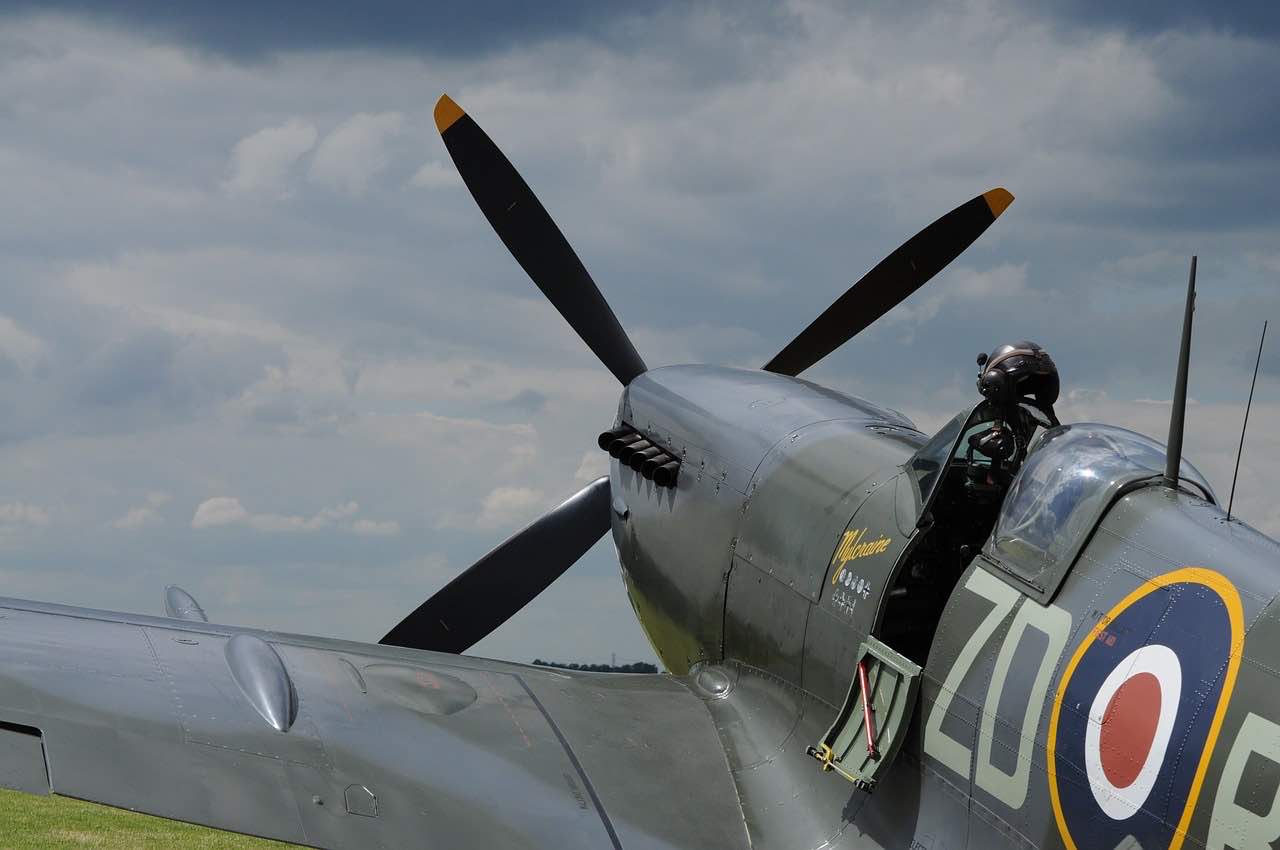
Supermarine Spitfire
Price range: $3.5 million – $7 million+ (airworthy) | $800,000 – $2.5 million (project/static)
If there is a single aircraft that can claim to have saved Western civilization, it's the Supermarine Spitfire. Designed by R.J. Mitchell and powered by the legendary Rolls-Royce Merlin engine, the Spitfire was the only British fighter produced continuously throughout World War II, and the most-produced British aircraft of the war. It earned its immortality during the Battle of Britain in 1940, where it dueled with Messerschmitt Bf 109s over the English Channel and helped prevent a German invasion. More than 20,000 were built across dozens of variants, from the early Mk I to the late-war Mk XIV with its Griffon engine and five-bladed propeller.
Today, the Spitfire is the crown jewel of the warbird world. Fewer than 60 remain airworthy worldwide, and every one of them is effectively irreplaceable. The most common flyable variants are the Mk IX and Mk XVI, which typically sell in the $3.5 to $5.5 million range. Rarer marks command extraordinary premiums, a Mk I would likely exceed $10 million if one came to market. Even non-flying restoration projects start at $800,000. The Merlin engine overhaul alone costs $150,000 to $250,000, and annual operating costs for a flying Spitfire run $50,000 to $100,000. Dealers like Platinum Fighter Sales in California and specialized UK brokers like Air Leasing Ltd handle most transactions. If you've ever dreamed of hearing that Merlin engine sing, this is the aircraft, but bring a very large checkbook.
Michael Trent covers military aircraft, weapons systems, and defense technology with an emphasis on cost, maintenance, and real-world performance. He focuses less on specifications and more on how systems hold up once they are deployed, maintained, and operated at scale.
In 2019, a restored Supermarine Spitfire sold at Christie's for over $5 million, and the buyer didn't even plan to fly it. The same year, a Texas businessman purchased a flyable MiG-29 Fulcrum for roughly the same price. Across the United States, hundreds of civilians own and operate everything from WWII-era prop fighters to Cold War supersonic jets. The warbird market has never been bigger, and 2026 is a fascinating time to get in.
Here's what surprises most people: it's completely legal to own a military fighter jet in the United States. The FAA registers former military aircraft under the Experimental/Exhibition category, which allows private owners to fly them at airshows, for personal enjoyment, and for crew training. All weapons systems must be permanently demilitarized before civilian registration, hardpoints welded, gun ports sealed, bomb racks removed. Once that's done, your MiG-21 is just another airplane in the eyes of the FAA. Prices range from under $100,000 for a WWII trainer to north of $5 million for a rare Spitfire or restored P-38 Lightning.
The warbird market in 2026 continues to run hot. WWII fighters have appreciated 50 to 100 percent over the past decade, with Spitfires and P-38 Lightnings leading the pack. The Cold War jet segment has exploded as affordable types like the L-39 Albatros and MiG-21 have brought a new generation of buyers into the fold. Meanwhile, geopolitical tensions have complicated the supply chain for Russian-origin aircraft and parts, thinning inventories of types that were once plentiful. Whether you're dreaming of a $100,000 T-6 Texan or a $5 million Spitfire, here are 24 military aircraft civilians can actually buy, what they cost, where to find them, and what it takes to own one.
Price range: $3.5 million – $7 million+ (airworthy) | $800,000 – $2.5 million (project/static)
If there is a single aircraft that can claim to have saved Western civilization, it's the Supermarine Spitfire. Designed by R.J. Mitchell and powered by the legendary Rolls-Royce Merlin engine, the Spitfire was the only British fighter produced continuously throughout World War II, and the most-produced British aircraft of the war. It earned its immortality during the Battle of Britain in 1940, where it dueled with Messerschmitt Bf 109s over the English Channel and helped prevent a German invasion. More than 20,000 were built across dozens of variants, from the early Mk I to the late-war Mk XIV with its Griffon engine and five-bladed propeller.
Today, the Spitfire is the crown jewel of the warbird world. Fewer than 60 remain airworthy worldwide, and every one of them is effectively irreplaceable. The most common flyable variants are the Mk IX and Mk XVI, which typically sell in the $3.5 to $5.5 million range. Rarer marks command extraordinary premiums, a Mk I would likely exceed $10 million if one came to market. Even non-flying restoration projects start at $800,000. The Merlin engine overhaul alone costs $150,000 to $250,000, and annual operating costs for a flying Spitfire run $50,000 to $100,000. Dealers like Platinum Fighter Sales in California and specialized UK brokers like Air Leasing Ltd handle most transactions. If you've ever dreamed of hearing that Merlin engine sing, this is the aircraft, but bring a very large checkbook.
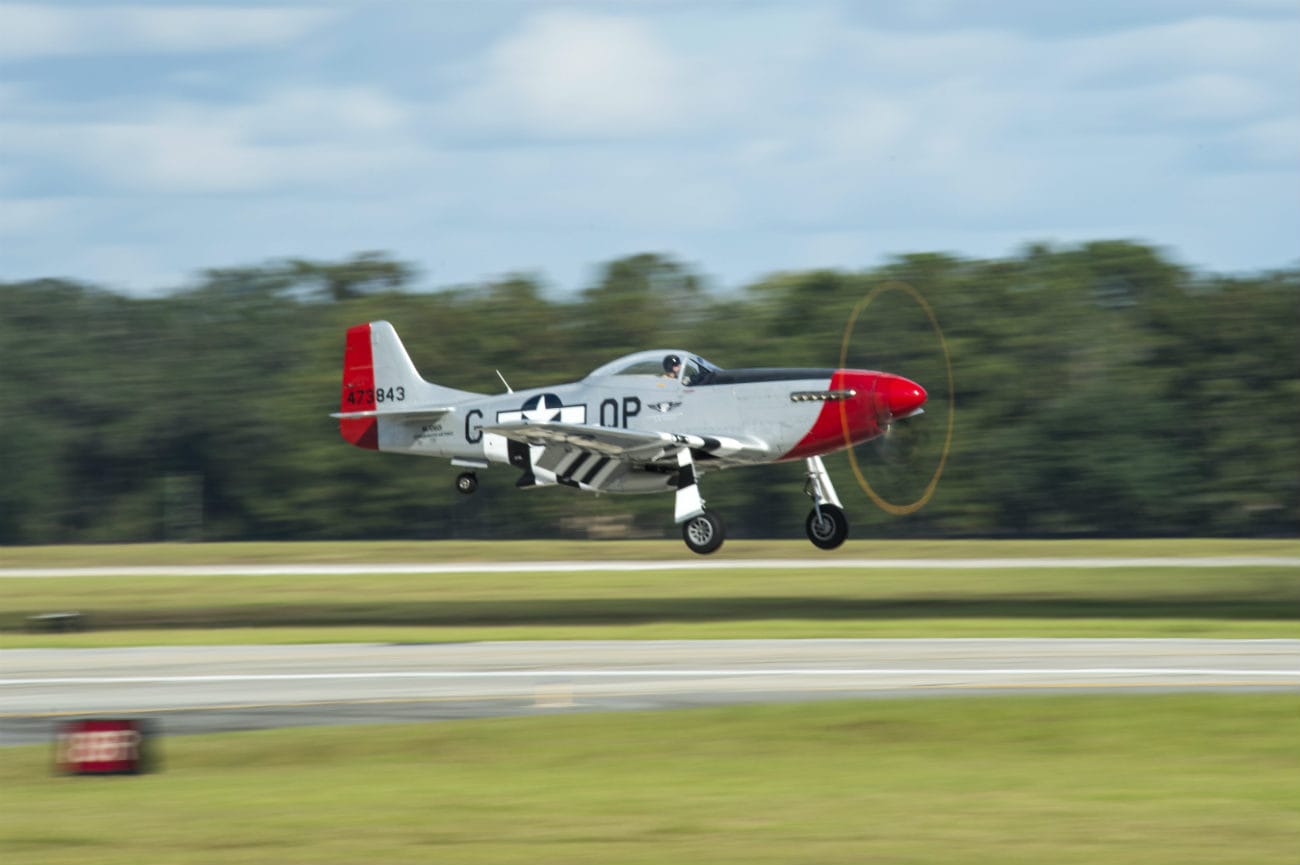
North American P-51 Mustang
Price range: $2.5 million – $4.5 million (airworthy) | $800,000 – $1.8 million (project)
The P-51 Mustang is the blue-chip investment of the warbird market, the aircraft everyone wants and the one with the most active resale. Originally designed for the British Royal Air Force, the Mustang transformed into the war's finest all-around fighter once Rolls-Royce swapped in their Merlin engine (built under license by Packard as the V-1650-7). That combination of American airframe and British powerplant gave the P-51D the range to escort B-17 bombers all the way to Berlin and back, which fundamentally changed the air war over Europe.
Approximately 150 P-51 Mustangs remain airworthy worldwide, making it the most liquid WWII fighter on the market. A well-maintained D-model in standard configuration sells for $2.5 to $3.5 million. Highly restored, low-airframe-time examples with documented combat histories push past $4 million. Race-modified Mustangs with Reno Air Race pedigree can exceed $4.5 million. Operating costs run roughly $2,000 to $3,500 per flight hour, with the Merlin engine overhaul being the single biggest expense at $150,000 to $250,000 every 500 to 800 hours. Platinum Fighter Sales in California moves more P-51s than anyone, but they also appear regularly on Controller.com and Trade-A-Plane. If you want the experience without the commitment, DriveTanks in Uvalde, Texas offers P-51 flight experiences starting at around $5,000.
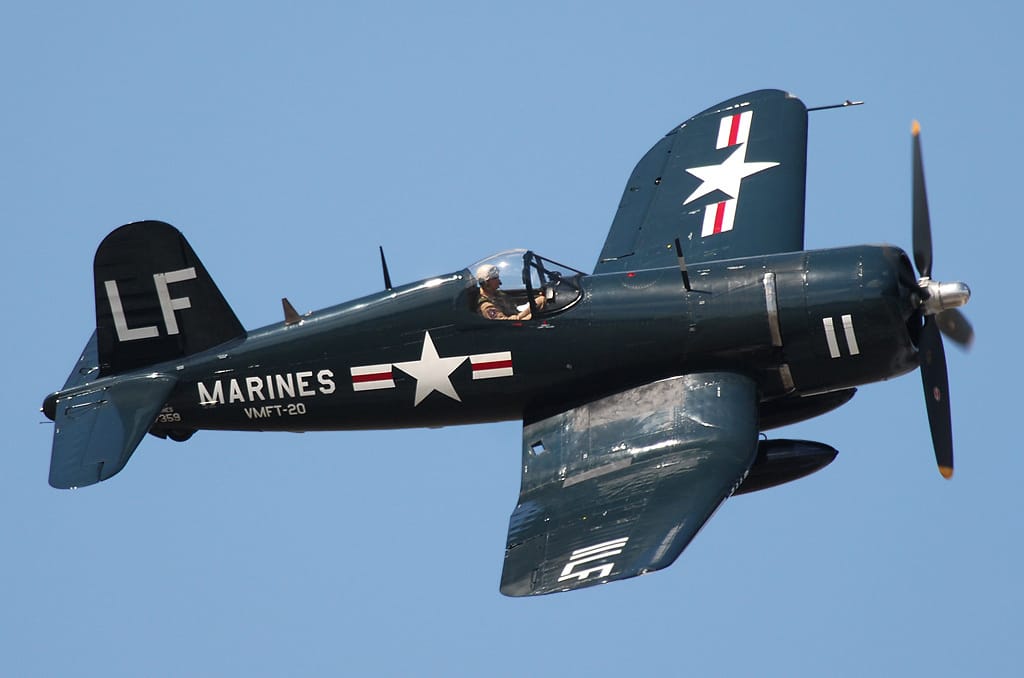
Vought F4U Corsair
Price range: $3 million – $5 million+ (airworthy) | $500,000 – $1.5 million (project)
You can spot a Corsair from a mile away, that distinctive inverted gull wing is one of the most recognizable silhouettes in aviation history. Built by Vought (and later by Goodyear and Brewster under license), the F4U Corsair was designed around the biggest propeller and the most powerful engine available at the time: the 2,000-horsepower Pratt & Whitney R-2800 Double Wasp. The result was the fastest carrier-based fighter of World War II, capable of over 400 mph. It earned an 11:1 kill ratio against the Japanese Zero in the Pacific theater, and Marine pilots like "Pappy" Boyington made it legendary.
Roughly 30 Corsairs remain airworthy today, and they command serious money. Airworthy FG-1D and F4U-4 models typically sell in the $3 to $4.5 million range. A recent FG-1D Goodyear-built example sold at auction for approximately $3.4 million. The R-2800 engine is a beast to maintain, overhauls cost $100,000 to $200,000, and the aircraft's complex systems (including that hydraulic wing-fold mechanism) mean annual maintenance runs high. About 50 Corsairs survive in the United States total, with many in museums. Finding one for sale requires patience, connections, and deep pockets. When they do appear, they rarely sit on the market long.
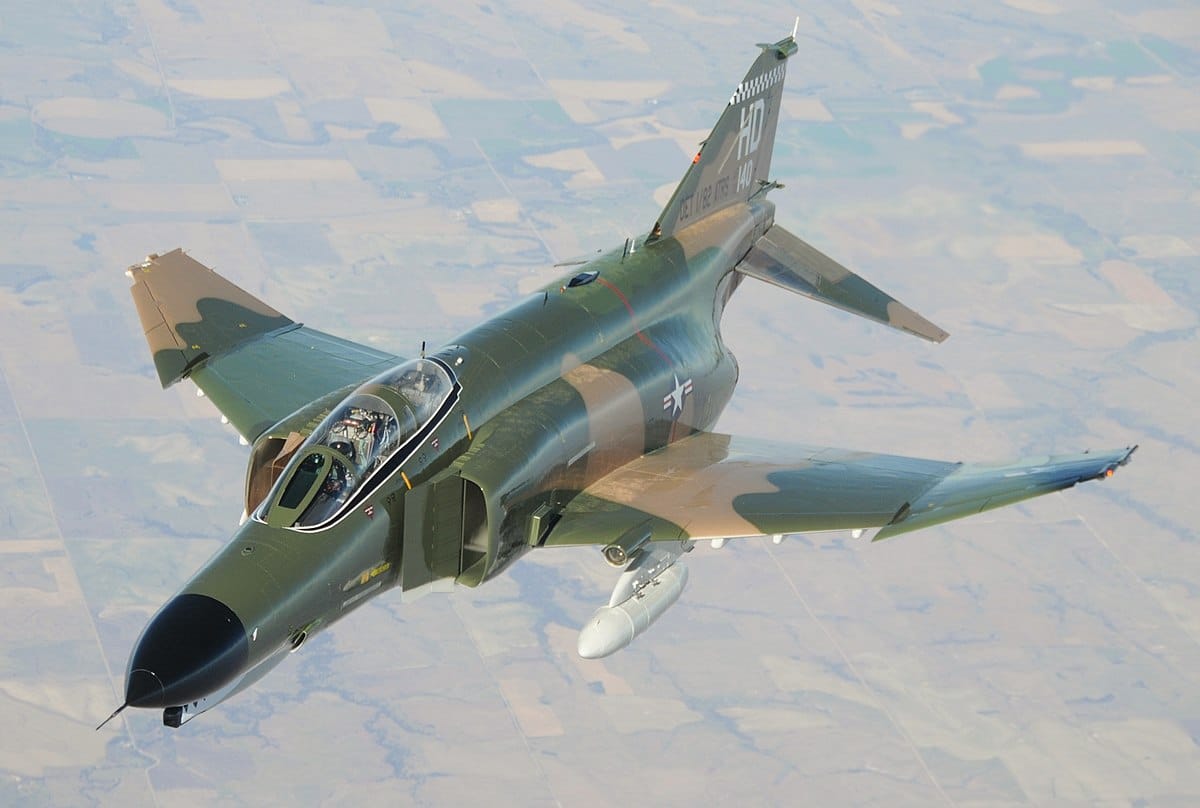
The F-4 Phantom II is one of the most iconic military aircraft ever built. This twin-engine, twin-seat supersonic interceptor entered service in 1960 and served with the U.S. Air Force, Navy, and Marine Corps, plus the air forces of eleven other nations. It could exceed Mach 2.2, carry over 18,000 pounds of ordnance, and fill roles from air superiority to ground attack to reconnaissance. The Phantom set 16 world records and saw extensive combat in Vietnam, where it became the defining fighter of the conflict.
Civilian ownership of a flyable F-4 is almost unheard of. The twin General Electric J79 engines burn roughly 350 gallons of Jet-A per hour per engine, and maintenance costs are staggering. Operating expenses exceed $15,000 per flight hour. A static display F-4, decommissioned and non-flyable, can be acquired for $50,000 to $250,000, and these are popular with museums and private collectors. If a rare flyable example were to appear on the market, expect a price tag around $3.5 to $4 million. One was listed at $3.95 million in recent years. For most collectors, the Phantom is a centerpiece static display rather than a weekend flyer, but it's hard to argue with the cool factor of having a genuine Vietnam-era supersonic fighter parked in your hangar.
Sukhoi SU-27
Price range: $2 million – $5 million (airworthy) | $200,000 – $500,000 (static)
Within the last two decades, the Soviet-era Sukhoi SU-27 became one of the few bonafide fourth-generation fighter jets available to civilians. Built to compete head-to-head with the American F-14 and F-15, the Flanker is enormous, over 10 feet longer and 5 feet wider than its Western rivals. Twin Saturn AL-31F turbofan engines deliver supermaneuverability, a top speed of Mach 2.35, and the ability to perform the famous "Pugachev's Cobra" maneuver. All ten weapons hardpoints are removed and classified radar technology is stripped for any civilian sale.
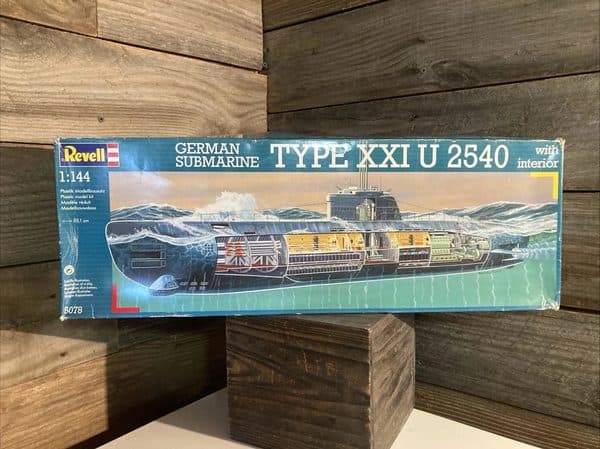
The Type XXI was the first submarine designed for sustained underwater operations rather than surface running with occasional dives. Cutaway hull sections reveal a full interior: torpedo room, control room, engine room, and crew quarters. 903 reviews at 4.4 stars.
Owning an SU-27 in 2026 is theoretically possible but practically challenging. Before 2022, a handful were acquired by Western private operators through deals with former Soviet states like Ukraine. Since Russia's invasion of Ukraine, sanctions and ITAR (International Traffic in Arms Regulations) restrictions have frozen the supply of Russian military aircraft and spare parts to Western buyers. If you can find one, expect to pay $2 to $5 million for an airworthy example with a spares package. The fuel is carried internally, making the stripped civilian version lighter and faster than the combat-loaded military configuration. Operating costs are astronomical, think $8,000 to $12,000 per flight hour, and finding qualified mechanics is its own challenge. This is not a beginner's warbird.
Mikoyan-Gurevich MiG-29
Price range: $2 million – $5 million (airworthy) | $150,000 – $400,000 (static)
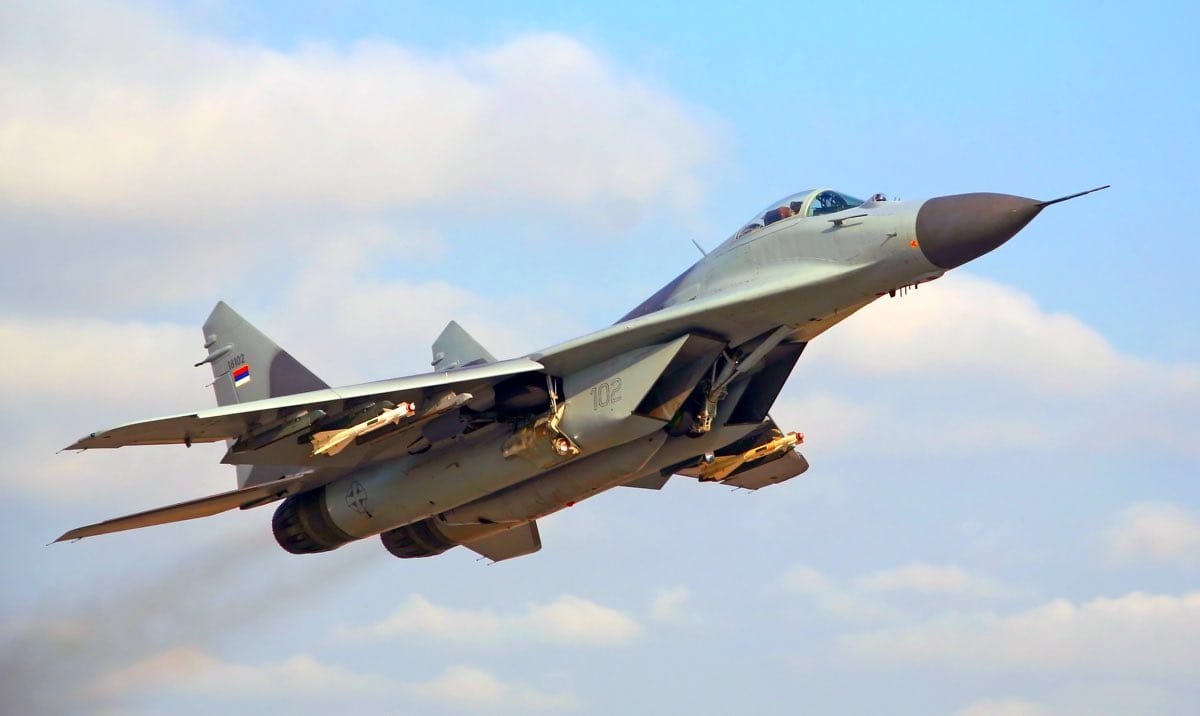
Like the Su-27, the MiG-29 Fulcrum was developed by the Soviet Union to counter American air superiority, specifically the F-16. At 57 feet long with a 37-foot wingspan, the MiG-29 is a large, powerful twin-engine fighter capable of Mach 2.25 at altitude. It was designed for air-to-air combat but proved effective in air-to-surface and precision targeting roles. When the Soviet Union dissolved, it left former member states with a surplus of the aircraft, and they were exported to over 30 nations, with India as the largest operator.
The United States actually purchased a small fleet of MiG-29s from Moldova in 1997, partly to evaluate their capabilities and partly to keep them out of Iran's hands. A few have made their way into private hands over the years. Don Kirlin famously operated a MiG-29UB (the two-seat trainer variant) out of Quincy, Illinois, making it one of the most exotic privately owned aircraft in America. Expect to pay $2 to $5 million for an airworthy example. Like the Su-27, the parts supply has been severely impacted by geopolitical sanctions since 2022. Operating costs run $8,000 to $12,000 per flight hour, and the twin Klimov RD-33 engines are expensive to maintain. Finding a MiG-29 for sale in 2026 requires patience and international connections.
Boeing B-29 Superfortress
Price: Essentially priceless, only two flyable examples exist in the world
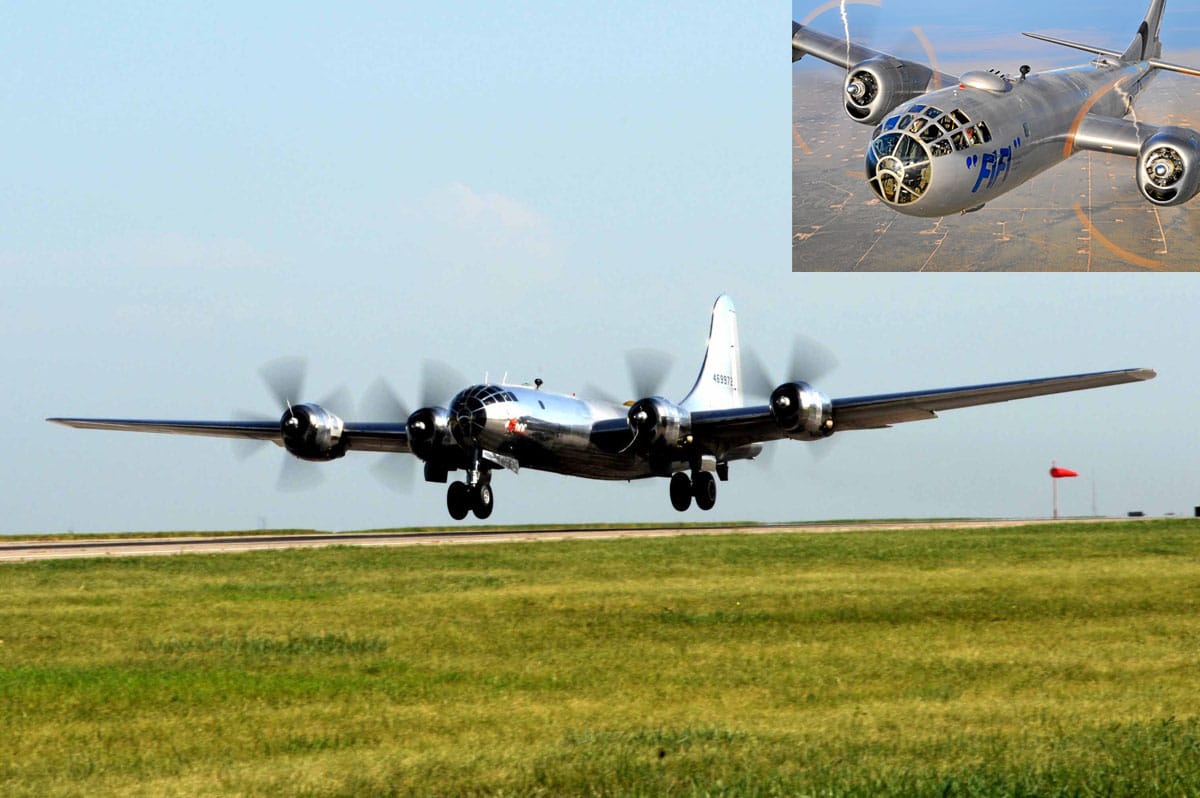
The B-29 Superfortress was the most advanced aircraft of World War II. Developed by Boeing in the early 1940s, it introduced innovations that were years ahead of their time: pressurized crew compartments connected by a tunnel through the bomb bay, remote-controlled gun turrets aimed by a centralized fire-control computer, and a range that could reach Japan from bases in the Mariana Islands. It was the heaviest production aircraft of the war. And it was, of course, the aircraft that dropped the atomic bombs on Hiroshima and Nagasaki.
Only two B-29s are flyable in the entire world. "FIFI," operated by the Commemorative Air Force, was the sole airworthy example from the 1970s until 2016, when "Doc" took to the skies for the first time since 1956 after a decades-long restoration effort. Both are owned by nonprofit organizations, and neither is for sale. If one were hypothetically available, aviation experts estimate it would command $15 to $25 million or more. Even non-flying B-29 airframes, partial fuselages and components, sell for $500,000 to $2 million when they surface. You're not going to buy a B-29, but you can fly aboard "Doc" or "FIFI" during their national tour seasons. It's the closest most people will ever get to this extraordinary aircraft.
North American B-25 Mitchell
Price range: $1.2 million – $2.5 million (airworthy) | $200,000 – $600,000 (project)
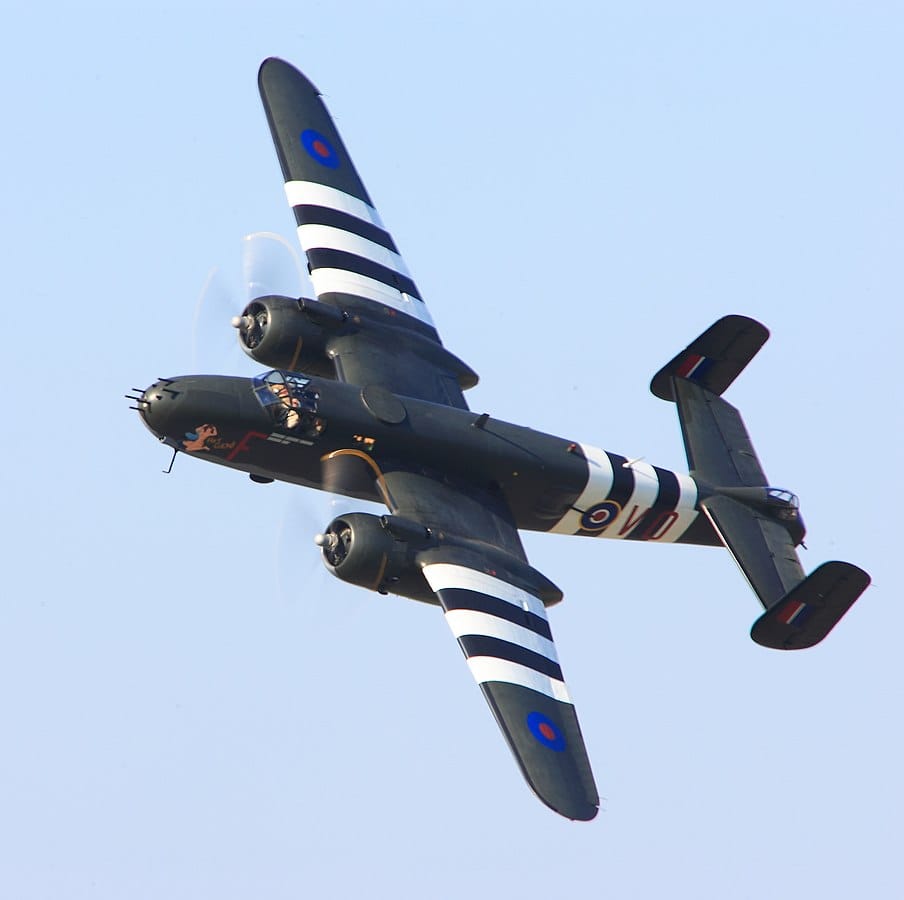
Named after Brigadier General William "Billy" Mitchell, the father of the U.S. Air Force, the B-25 is best known for the Doolittle Raid of April 1942, when 16 B-25Bs launched from the aircraft carrier USS Hornet to bomb Tokyo. It was a one-way mission that changed the psychological trajectory of the Pacific War. Beyond that legendary mission, the B-25 served as a high-level and low-level bomber, submarine hunter, photo reconnaissance platform, and even an improvised gunship. North American Aviation built nearly 10,000 of them between 1939 and 1945.
Roughly 35 B-25 Mitchells remain airworthy today, making it the most accessible WWII medium bomber on the market. A fully restored, flying example will cost $1.2 to $2.5 million, with the famous "Panchito" selling for approximately $1.4 million in recent years. Twin Wright R-2600 Cyclone engines make operating costs moderate for a WWII bomber at roughly $2,500 to $3,500 per flight hour. Project B-25s start around $200,000 but can easily consume another $500,000 to $1 million in restoration costs. The Commemorative Air Force and Warbird Heritage Foundation both operate B-25s that offer public rides, an excellent way to experience the aircraft before committing to a seven-figure purchase.
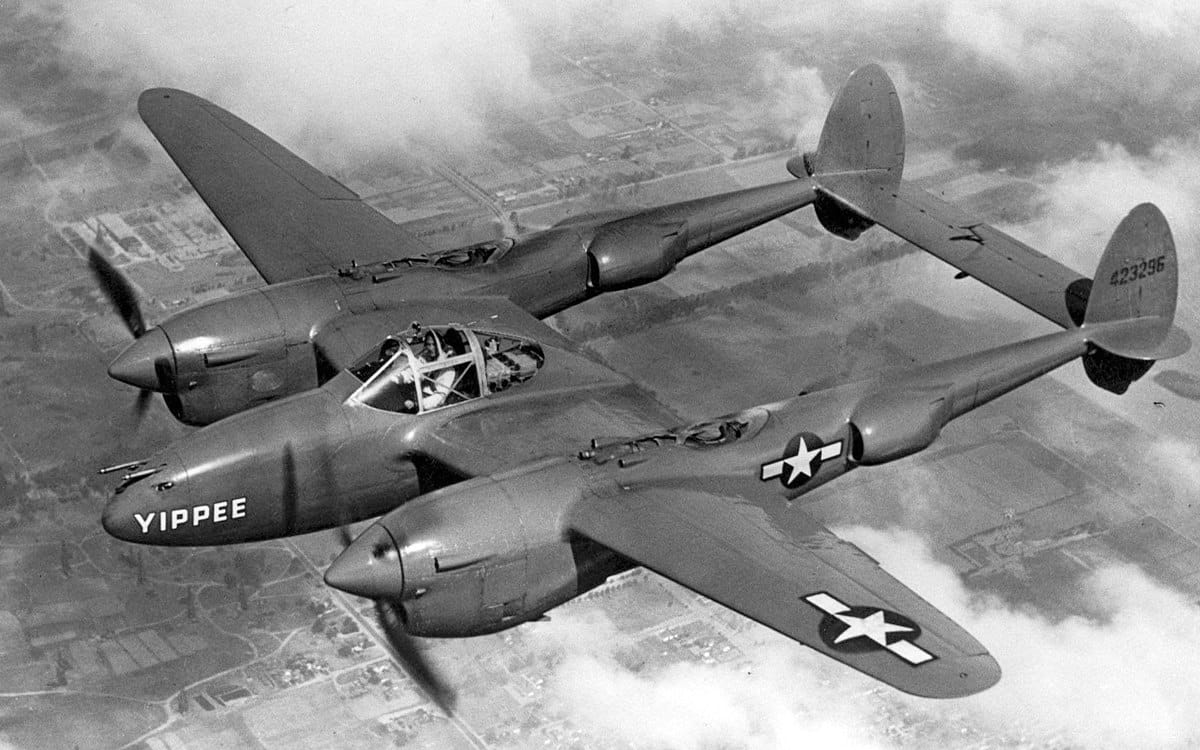
Lockheed P-38 Lightning
Price range: $4 million – $7 million+ (airworthy) | $1 million – $3 million (project)
The P-38 Lightning is one of the most distinctive aircraft ever designed. With its twin booms, twin Allison V-1710 engines, and central nacelle for the pilot, it looked like nothing else in the sky, and it flew like nothing else either. It was the only American fighter in continuous production from Pearl Harbor to V-J Day and served in every role imaginable: photo reconnaissance, interception, level bombing, ground attack, night fighting, dive bombing, and long-range escort. It was the aircraft that shot down Admiral Isoroku Yamamoto, the architect of Pearl Harbor, in 1943.
Fewer than 10 P-38 Lightnings remain airworthy in the world, making it one of the rarest and most valuable warbirds on the market. When one comes up for sale, which happens perhaps once every few years, it commands $4 to $7 million or more. "Glacier Girl," the P-38F recovered from beneath 268 feet of ice in Greenland in 1992, is one of the most famous. The twin-engine configuration means double the engine overhaul costs, and the unique tricycle landing gear and counter-rotating propellers require specialized maintenance knowledge. Non-flying projects start around $1 million, and a full restoration to airworthy status can cost another $2 to $4 million. This is the warbird collector's ultimate trophy.
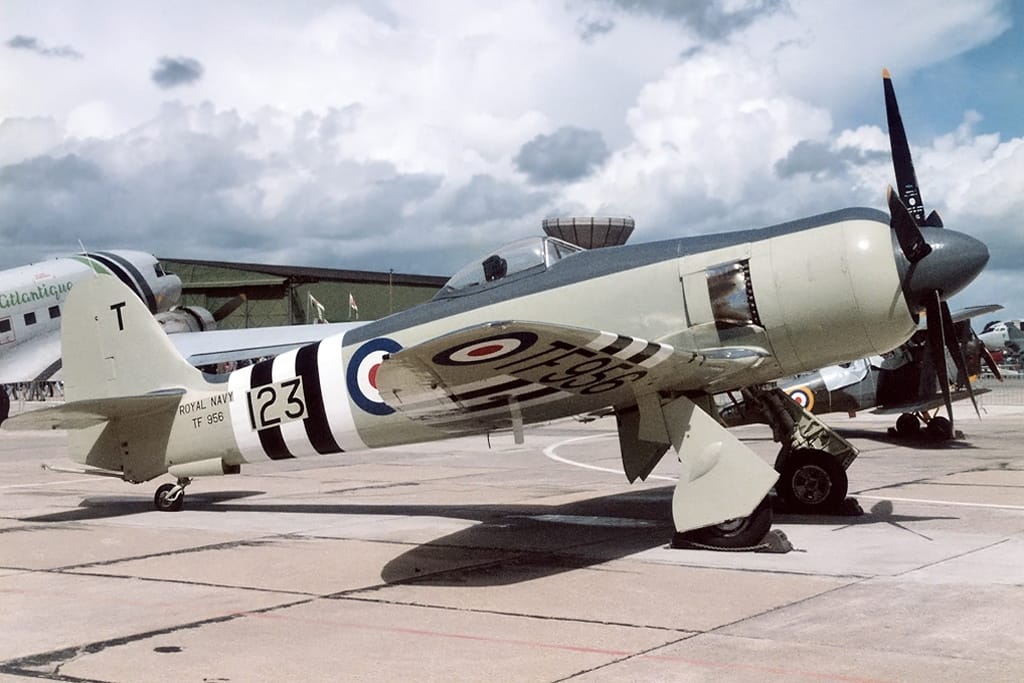
Hawker Sea Fury
Price range: $1.8 million – $3.5 million (airworthy) | $400,000 – $1 million (project)
The Hawker Sea Fury was the last propeller-driven fighter ever commissioned by the Royal Navy, and it might be the best one ever built. Designed during World War II, it arrived too late to see combat in that conflict but proved devastating in the Korean War, where a Sea Fury famously shot down a MiG-15 jet fighter in 1952, one of the few times a propeller-driven aircraft has killed a jet in combat. Powered by the massive 2,480-horsepower Bristol Centaurus radial engine, the Sea Fury could reach 460 mph, making it one of the fastest piston-engine fighters ever produced.
The Sea Fury is a legend at the Reno Air Races, where modified examples have competed in the Unlimited class for decades. "Dreadnought" and "Furias" have been among the fastest piston-powered aircraft in the world, reaching speeds over 500 mph on the race course. On the open market, an airworthy Sea Fury FB.11 sells for $1.8 to $3.5 million. A highly renovated example with the crown of "fastest Sea Fury ever" was priced at $750,000 in the past, though values have climbed substantially since. The Bristol Centaurus engine is powerful but parts-intensive, overhauls cost $100,000 to $180,000. Perhaps 15 to 20 remain airworthy worldwide.
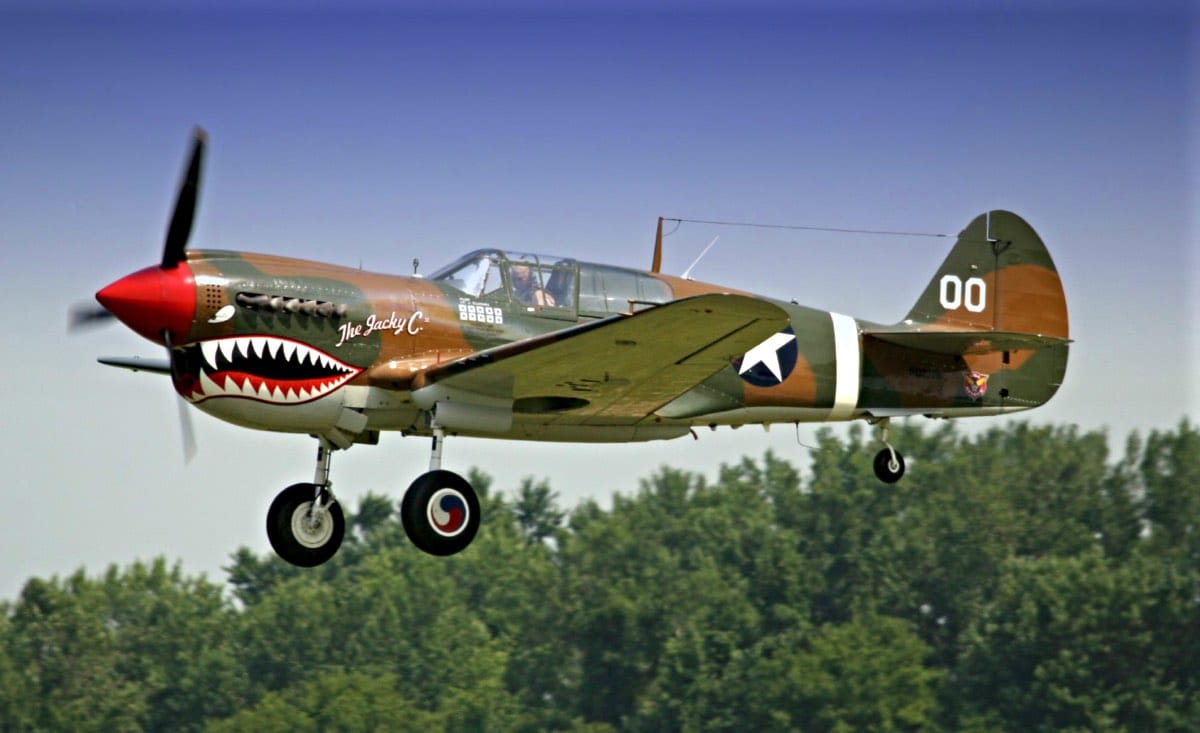
Curtiss P-40 Warhawk
Price range: $1.5 million – $3 million (airworthy) | $300,000 – $800,000 (project)
Thanks to the Flying Tigers' iconic shark-mouth nose art, the P-40 Warhawk is one of the most recognizable fighters of World War II. Also known as the Tomahawk, Kittyhawk, and a half-dozen other names depending on the variant and operator, the P-40 was one of the three most plentiful American fighters of the war. It wasn't the fastest, the highest-climbing, or the hardest-hitting, pilots often wished for something a little better. But it was tough, reliable, and available when America needed it most. The Allison V-1710 engine gave it adequate performance at low and medium altitudes where most of its fighting took place.
Today, the P-40 is a highly desirable warbird driven as much by its stunning looks as its historical significance. That shark-mouth paint scheme sells itself. Airworthy examples range from $1.5 to $3 million depending on the variant, the P-40N is the most common, while the P-40K is considerably rarer and commands a premium. Recovery projects from Russia and the Pacific continue to feed the restoration pipeline, keeping the market supplied. The Allison V-1710 engine has manageable parts availability, and overhauls run $80,000 to $150,000. This is one of the best-looking warbirds you can buy, and the ongoing recovery of wrecks means prices haven't climbed as steeply as Spitfires or P-38s.
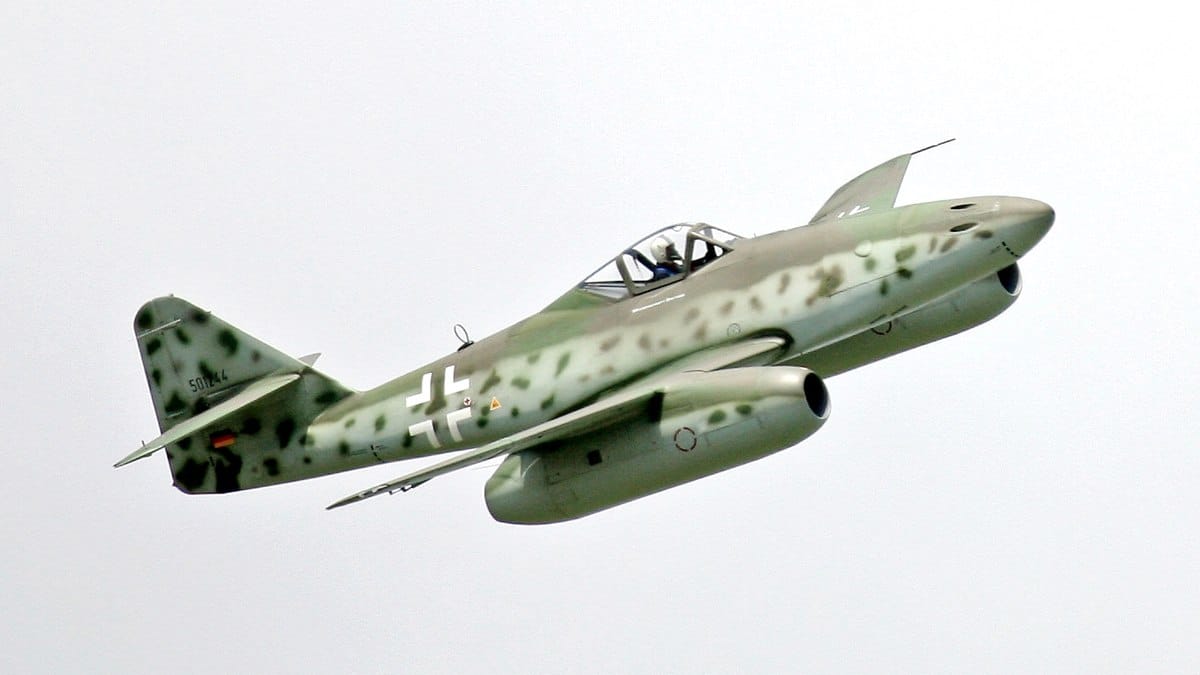
Messerschmitt Me 262
Price range: $2 million – $4 million (flyable replica) | $600,000+ (original components)
The Me 262 Schwalbe ("Swallow") holds one of the most significant titles in aviation history: the world's first operational jet-powered fighter. Entering Luftwaffe service in 1944, it was 100 mph faster than any Allied piston fighter, a terrifying advantage that came too late to change the war's outcome. Approximately 1,400 were built, but fuel shortages, Allied bombing of airfields, and pilot attrition meant fewer than 300 ever saw combat. After the war, captured Me 262s were studied extensively by the United States, and many design elements influenced the North American F-86 Sabre.
Almost no original Me 262s survive, and those that do are in museums. However, the Me 262 Project, founded by American aviator Stephen Snyder, produced roughly five flyable replicas using modern General Electric J85 turbojets in place of the unreliable original Junkers Jumo 004s. These replicas are visually authentic but far more reliable than the originals. When one comes to market, it commands $2 to $4 million. A replica sold in recent years for approximately $2.5 million. If you somehow acquired original Me 262 components, fuselage sections, engines, or instruments, they sell as collector's items starting at $600,000 and up. This is a museum-quality acquisition, not a weekend flyer.
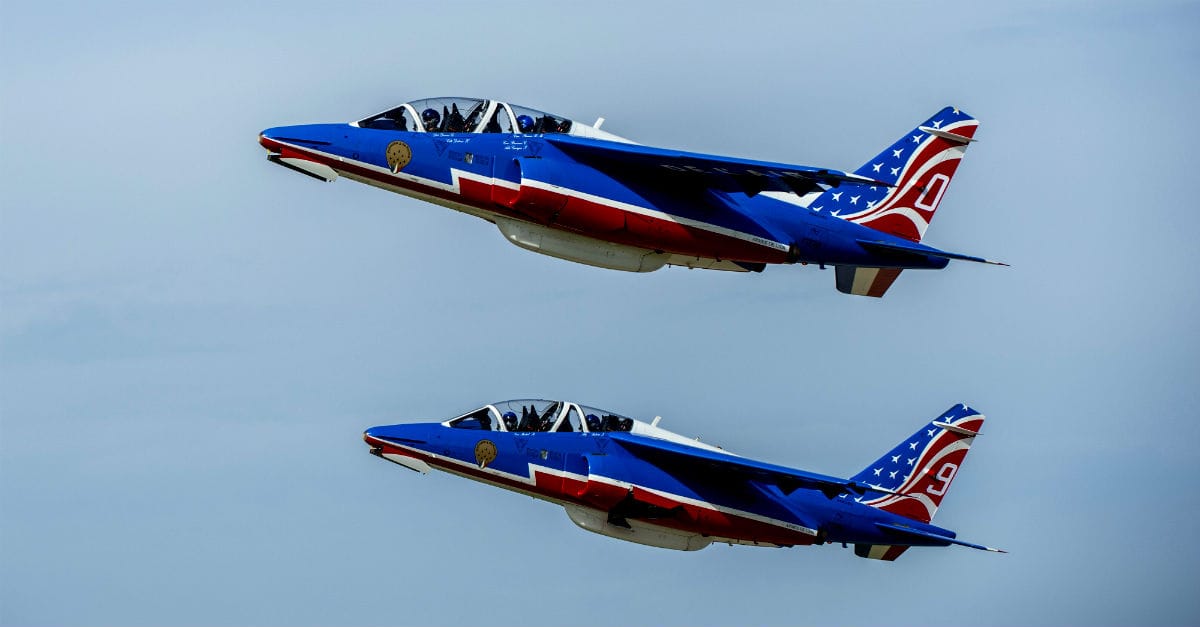
The Dassault/Dornier Alpha Jet was born from a joint French-German venture in the 1970s with a split personality. France wanted a training aircraft, the Alpha Jet E. Germany wanted a light-attack platform, the Alpha Jet A. Both countries got what they wanted, and the aircraft turned out to be excellent at both jobs. The French were so pleased with the E variant that it has served as the mount for the Patrouille de France aerobatic team ever since. Some French commanders reportedly complained it was almost "too forgiving" in its handling, making the transition to frontline fighters more difficult.
Germany began phasing out its Alpha Jets in the 1990s, selling much of its fleet to other militaries and some to private owners. The famous Flying Bulls aerobatic team acquired four and routinely flies them at airshows across Europe. On the civilian market, airworthy Alpha Jets sell for $500,000 to $1.2 million, a reasonable price for a genuine military jet with twin SNECMA/Turbomeca Larzac turbofan engines. Parts support remains good through European channels, and the aircraft's trainer heritage means it's more forgiving and easier to maintain than many jet warbirds. Operating costs run approximately $2,000 to $3,000 per flight hour. This is a serious jet at a semi-reasonable price.
The Hawker Hunter was the Royal Air Force's premier fighter jet of the 1950s, and it remains one of the most elegant jet aircraft ever designed. With its clean, swept-wing lines and the throaty roar of a Rolls-Royce Avon turbojet, the Hunter is a stunning sight at any airshow. Nearly 2,000 were built, and the aircraft was heavily exported, serving with air forces in Switzerland, Sweden, India, Jordan, and dozens of other nations. It transitioned from a pure air-superiority fighter into intelligence-gathering and fighter-bomber roles before retiring in 2014.
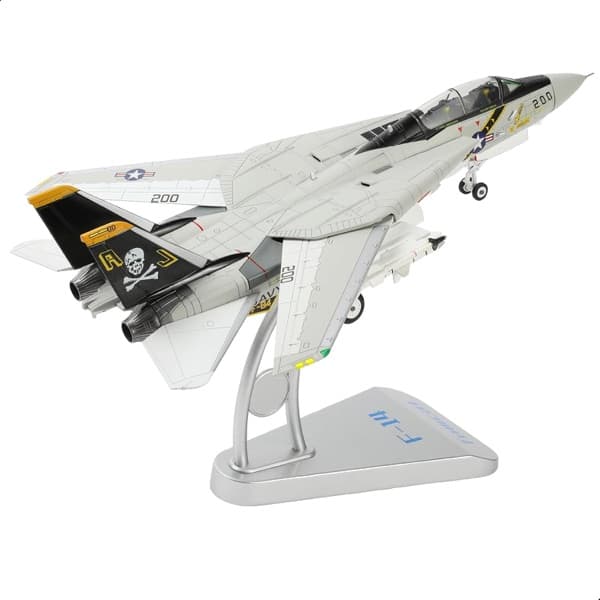
A 1:72 F-14A in the VF-84 Jolly Rogers high-visibility scheme. Features variable-sweep wings that actually move, removable Phoenix missiles, and a metal display stand.
The Hunter has a loyal following in the warbird community. Airworthy examples sell for $500,000 to $1.5 million, with the two-seat T-series trainers slightly more valuable due to their ability to carry a passenger. Swiss, British, and former Jordanian examples are the most common on the market. The Rolls-Royce Avon engine is well-supported and relatively economical for a military jet, though operating costs still run $3,000 to $6,000 per flight hour. Note that regulatory restrictions in the UK tightened after the tragic 2015 Shoreham airshow crash involving a Hunter. In the United States, the type continues to fly without additional restrictions. Most Hunters still in existence are owned by groups that perform aerial demonstrations or are contracted by militaries for aggressor training.
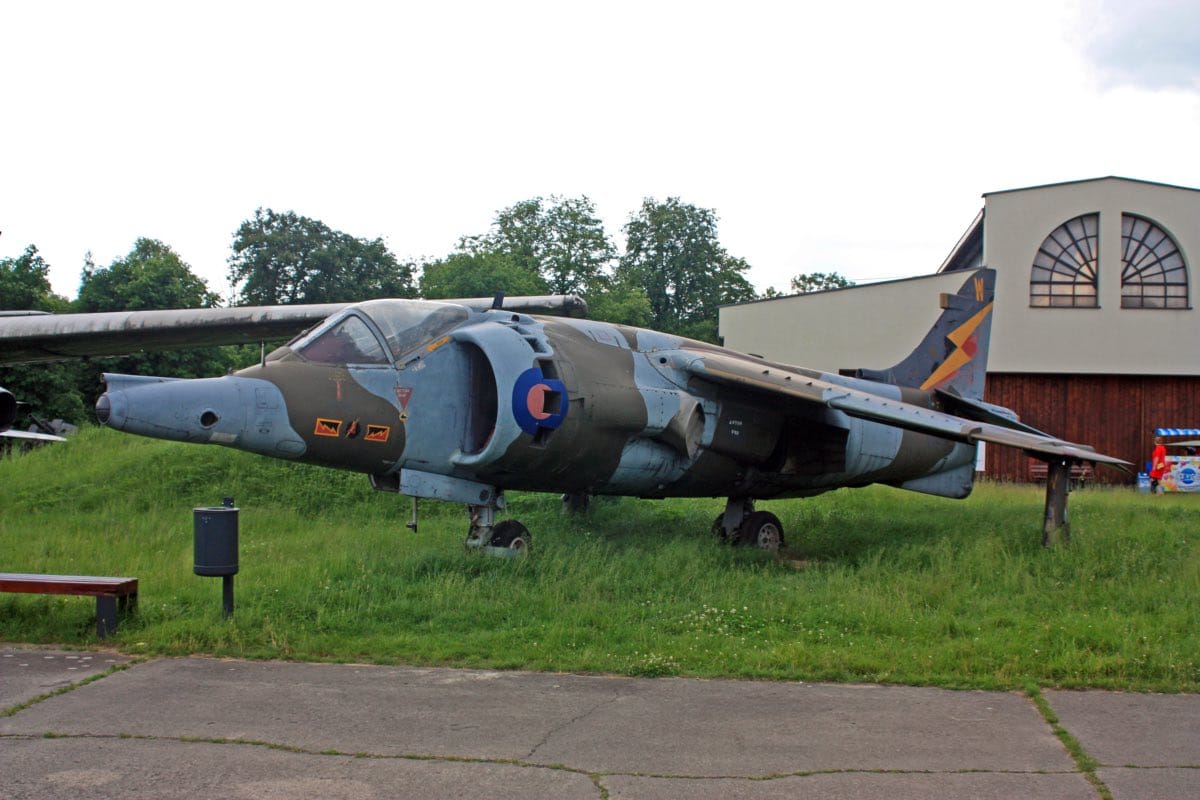
The Harrier is the stuff of aviation legend, the first successful vertical/short take-off and landing (V/STOL) jet fighter. Developed by Hawker Siddeley for the Royal Air Force in the 1960s, it could hover, take off vertically, and land on a forest clearing or a ship's deck without a runway. Four vectoring nozzles on the Rolls-Royce Pegasus turbofan engine directed thrust downward for vertical flight and rearward for conventional flight. The GR.3 variant was a single-seat, single-engine jet that proved devastatingly effective during the Falklands War in 1982.
Civilian Harrier ownership exists, barely. Art Nalls, a retired Marine Corps test pilot, made history by purchasing and operating the world's only privately owned Harrier (technically a Sea Harrier FA2). He flies it at airshows across the United States, demonstrating the hover capability that makes the aircraft so extraordinary. The Pegasus engine's complexity and the VTOL control system make maintenance an extreme undertaking, this is not an aircraft for a first-time warbird owner. Static display Harriers can be acquired for $100,000 to $300,000, but a flyable example is essentially a one-off market. If you're looking for the ultimate conversation piece in military aviation, there is nothing quite like a jump jet.
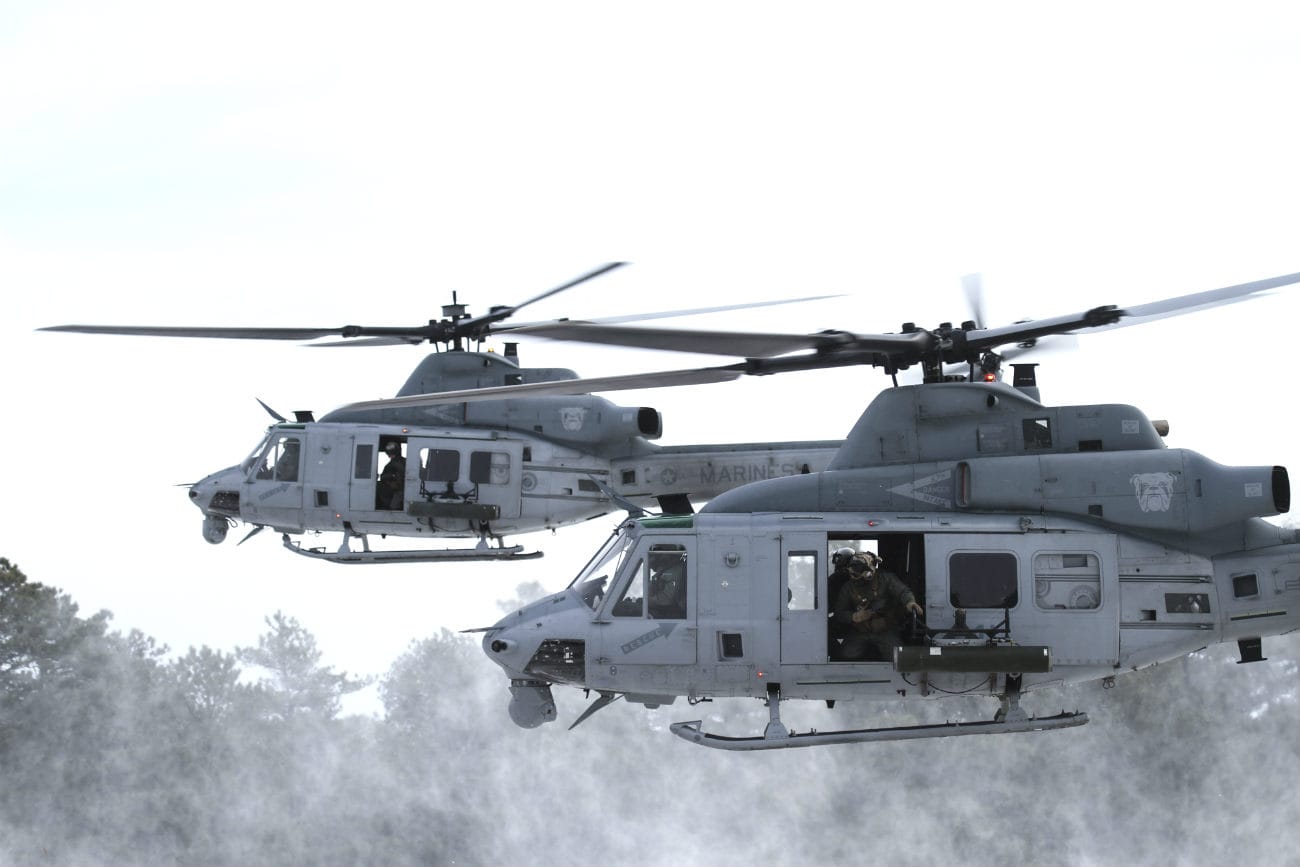
The sound of a UH-1 Huey's rotor blades is one of the most recognizable sounds in military history, the signature "whop-whop-whop" that defined the Vietnam War through movies, television, and first-hand accounts. Over 16,000 Hueys were built, and 40 countries still operate them today. They served in every conceivable role during Vietnam: medevac, troop transport, supply delivery, gunship, and command-and-control. The Bell UH-1 is the most widely used military helicopter in history.
It's also the most accessible military helicopter for civilian purchase. Airworthy UH-1H models, the most common variant, sell for $150,000 to $600,000, with price depending heavily on time since overhaul of the Lycoming T53 turboshaft engine. The T53 has a TBO (time between overhauls) of roughly 1,500 hours and costs $150,000 to $200,000 to overhaul. Annual operating costs run $800 to $1,200 per flight hour. The supply chain is excellent, parts are readily available from U.S. military surplus and former allied nations. A non-flying project Huey for static display starts as low as $25,000. This is the military aircraft that offers the most bang for the buck, and the one most likely to make your neighbors come running when you start it up.
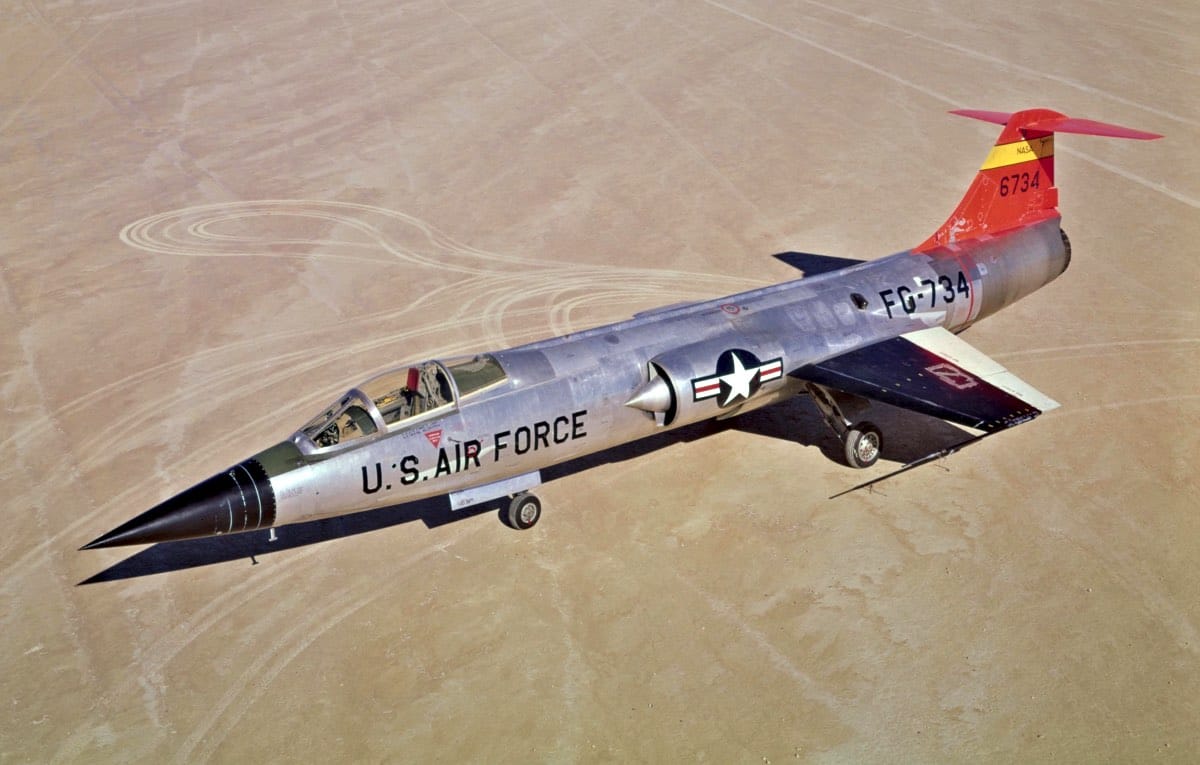
Lockheed F-104 Starfighter
Price range: $1 million – $2.5 million (airworthy) | $50,000 – $200,000 (static)
Nicknamed "the missile with a man in it," the Lockheed F-104 Starfighter is one of the most extreme aircraft ever to enter military service. Designed by the legendary Kelly Johnson, the same engineer behind the U-2 spy plane and the SR-71 Blackbird, the Starfighter had a fuselage like a bullet, wings so thin they needed leading-edge guards to prevent ground crew from cutting themselves, and a top speed of Mach 2. It served with the U.S., Italy, Germany, Turkey, Spain, and many other NATO nations for over 40 years.
The F-104 was also plagued with controversy, particularly in German service, where it earned the grim nickname "Widowmaker" after a series of accidents. Nonetheless, according to the FAA, there are about ten privately owned Starfighters in the United States. Three belong to Starfighters Inc. of Clearwater, Florida, which operates them as a civilian demonstration team and offers rides to the public. An airworthy F-104 commands $1 to $2.5 million. The General Electric J79 turbojet (the same engine used in the F-4 Phantom) burns roughly 750 gallons per hour, making this one of the most expensive military aircraft to operate per flight hour. This is the fighter pilot's fighter, raw, fast, and unforgiving.
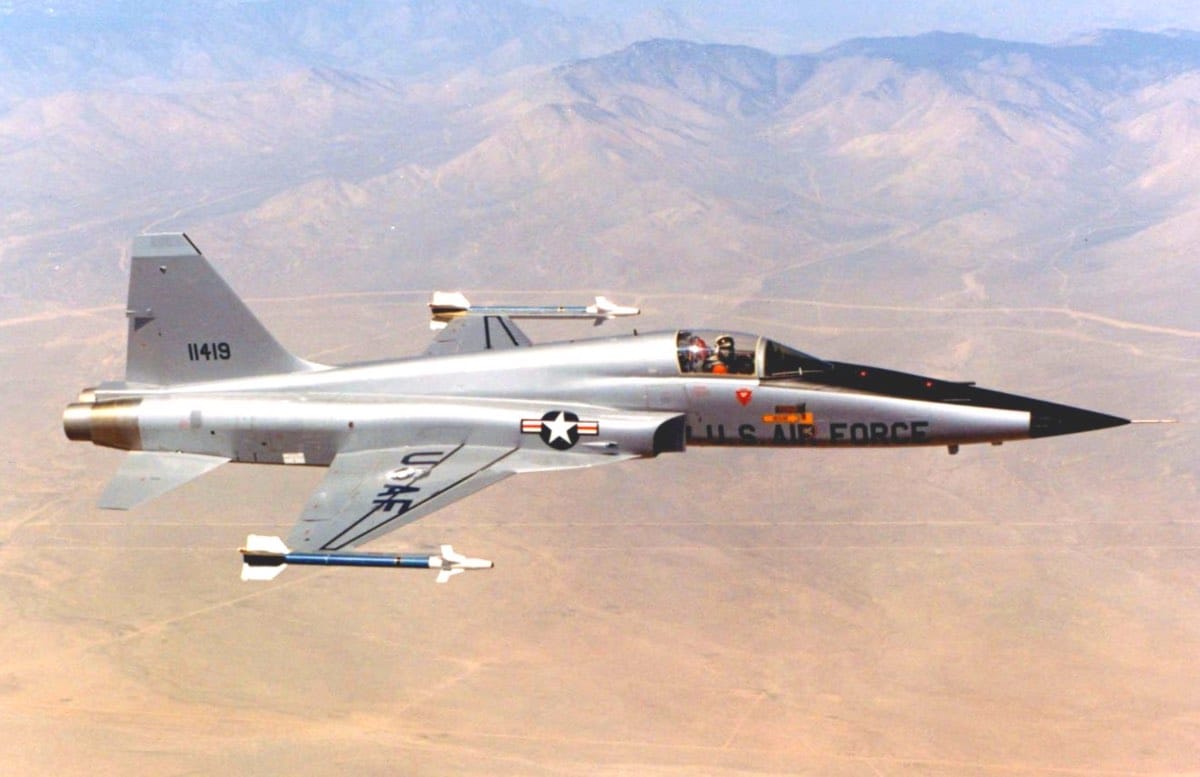
If you watched the original Top Gun, you saw the Northrop F-5. It played the role of the fictional "MiG-28" in the film, and in real life, the U.S. Navy and Air Force used F-5s extensively as aggressor aircraft to simulate Soviet fighters in dissimilar air combat training. The lightweight, supersonic F-5 was acknowledged for its simplicity, low maintenance costs, and effective air-to-air and air-to-ground capabilities. It was massively exported and became a staple of allied air forces worldwide. Some variants remain in U.S. military service as training aggressors to this day.
The F-5 is one of the more practical supersonic jet warbirds to own. Twin General Electric J85 engines are relatively economical for a supersonic fighter, and the aircraft was designed from the ground up to be easy to maintain. Airworthy examples sell for $500,000 to $1.5 million, with the E and F models being the most common. Parts availability is good thanks to the type's widespread use. Multiple private companies operate F-5 fleets for contract aggressor services. If you plan on owning AND flying one, you'll benefit from some time in a T-38 Talon, the training aircraft Northrop developed directly from the F-5 design. Operating costs run approximately $3,000 to $5,000 per flight hour.
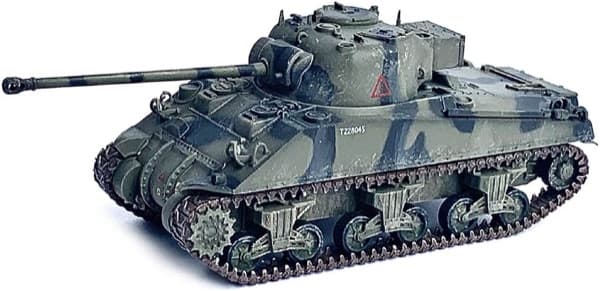
The British Sherman Firefly with the 17-pounder gun that could actually threaten German heavy armor. Dragon Armor's 1:72 line delivers sharp molding at budget-friendly prices.
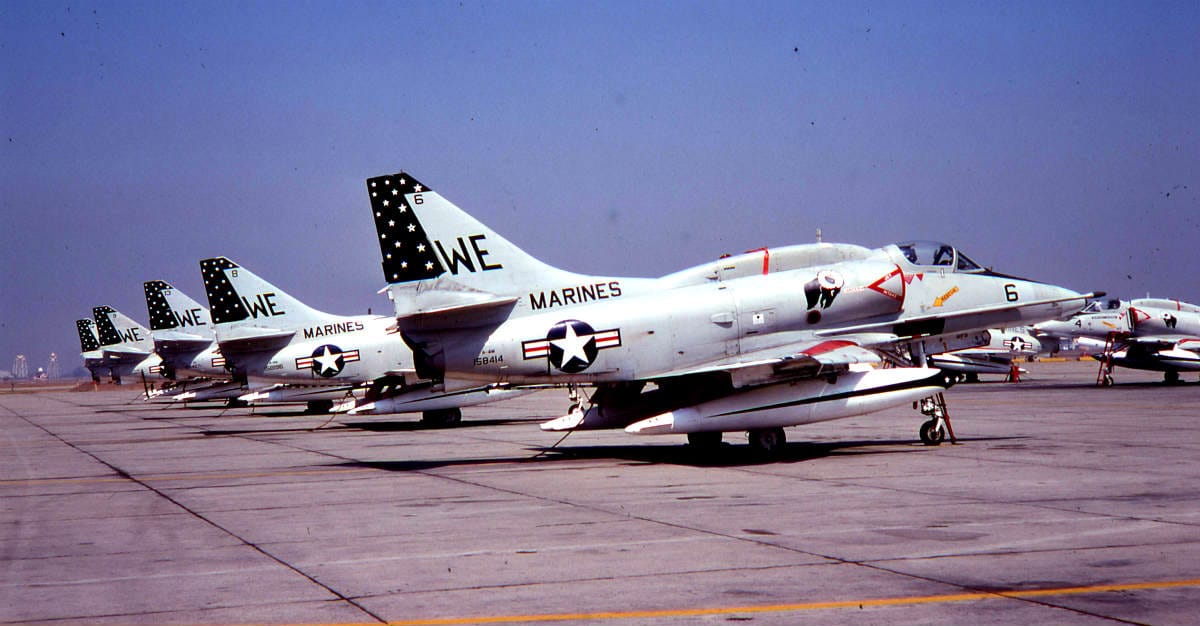
Chief designer Ed Heinemann of Douglas Aircraft was told to build a replacement for the A-1 Skyraider that weighed no more than 30,000 pounds. He delivered the A-4 Skyhawk at half that weight, 10,405 pounds empty. His aggressively compact design put avionics in the nose, the engine in the fuselage, and fuel in the wings. The Navy nicknamed it "Heinemann's Hot Rod." The Skyhawk became the backbone of Navy and Marine Corps light-attack squadrons from the mid-1950s through Vietnam, where it flew thousands of strike missions from carrier decks. It also pioneered the concept of "buddy" air-to-air refueling.
The A-4 has seen a second life as a contract aggressor aircraft. Companies like Draken International operate fleets of former New Zealand, Israeli, and Singaporean Skyhawks for adversary air training. On the private market, airworthy A-4s sell for $500,000 to $1.5 million. The Pratt & Whitney J52 engine has good parts availability and costs less to maintain than many military jet engines. Operating costs run approximately $3,000 to $5,000 per flight hour. Former operator nations continue to decommission A-4s, keeping supply flowing. For the private buyer who wants a genuine carrier-capable attack jet with a storied combat history, the Skyhawk is hard to beat.
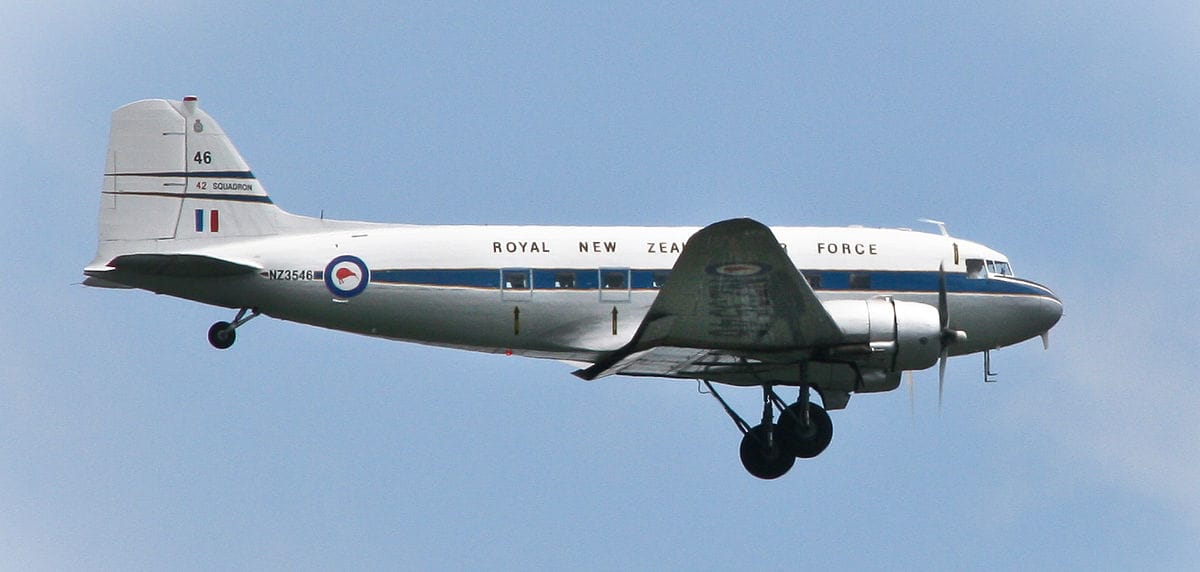
Douglas DC-3
Price range: $200,000 – $750,000 (airworthy, original radials) | $1.5 million – $3 million (turboprop conversion) | $50,000 – $150,000 (project)
The Douglas DC-3 might be the most important aircraft in aviation history. It didn't just change the airline industry, it created it. When the DC-3 entered service in 1936, it was the first airliner that could make money carrying passengers alone without relying on government airmail subsidies. It carried 21 to 32 passengers or 6,000 pounds of cargo with a range of 1,500 miles. During World War II, the military version, the C-47 Skytrain, became the backbone of Allied transport operations, dropping paratroopers over Normandy, flying the Hump over the Himalayas, and hauling supplies across every theater of the war.
Here is the most astonishing fact about the DC-3: some are still in commercial service in 2026, nearly 90 years after the first one rolled off the assembly line. Several hundred remain in flying condition worldwide, a testament to Douglas's legendary engineering. On the civilian market, an airworthy DC-3 with original Pratt & Whitney R-1830 Twin Wasp radial engines sells for $200,000 to $750,000. Basler BT-67 turboprop conversions, which replace the radials with modern Pratt & Whitney PT6A engines for vastly improved performance and reliability, command $1.5 to $3 million. Project DC-3s start around $50,000 but can absorb enormous restoration costs. If you want to own a piece of the aircraft that literally built modern aviation, there is no substitute.
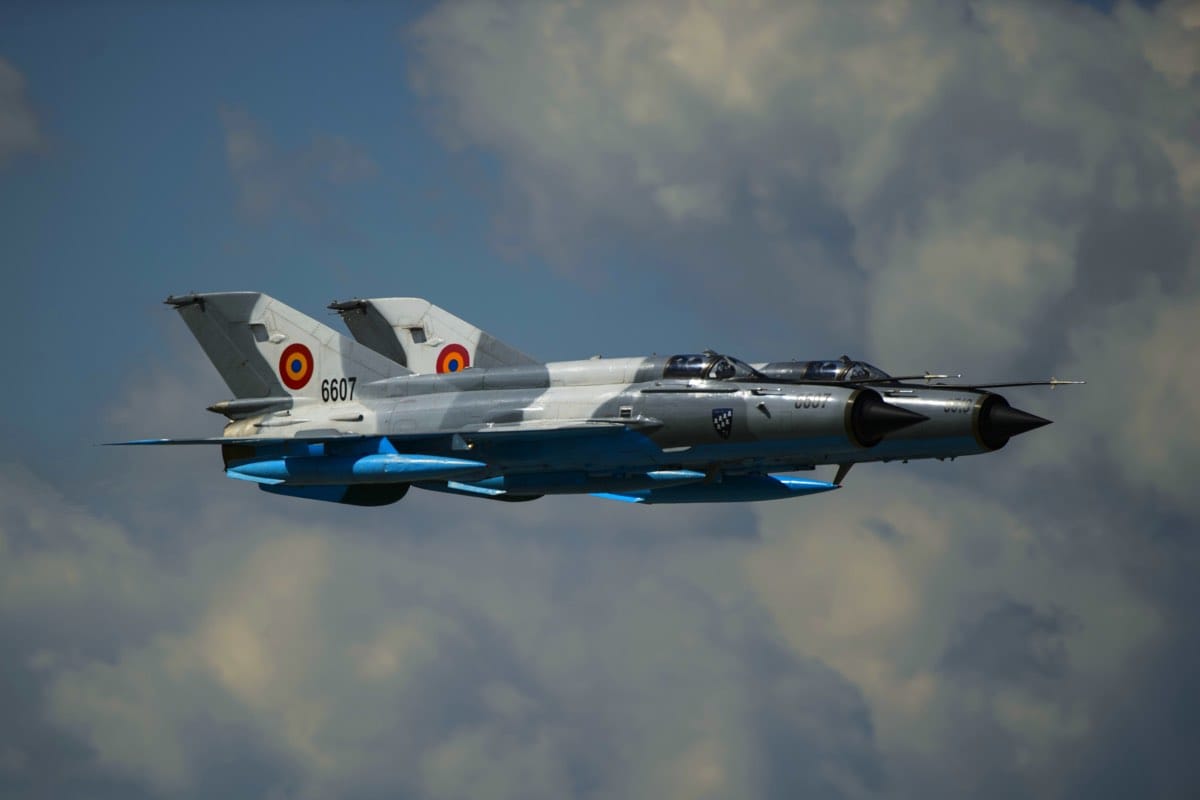
The MiG-21 holds a record that may never be broken: it is the most-produced supersonic aircraft in history. Over 11,000 were built by the Soviet Union and its allies across four decades, and the MiG-21 has seen combat in more conflicts than almost any other jet fighter, from Vietnam to the Indo-Pakistani Wars to the Gulf War and beyond. It was the first successful Soviet fighter capable of both interception and dogfighting. Its delta wing, single-engine simplicity, and Mach 2 speed made it a formidable opponent that NATO took very seriously.
For civilians, the MiG-21 represents the most affordable supersonic warbird on the market. Airworthy examples go for $300,000 to $800,000, a fraction of what Western supersonic fighters command. According to the FAA, dozens of MiG-21s are registered in the United States alone. Three in Portland, Oregon are operated by Premier Space Systems for sub-orbital atmospheric research. Most available examples come from former Eastern Bloc nations, India, or African air forces that have phased out the type. The Tumansky R-25 engine overhaul is the biggest expense, but overall the MiG-21 is surprisingly simple to maintain for a supersonic jet. Parts sourcing from the former Soviet supply chain has become more complicated since 2022, but stockpiles remain adequate for now.
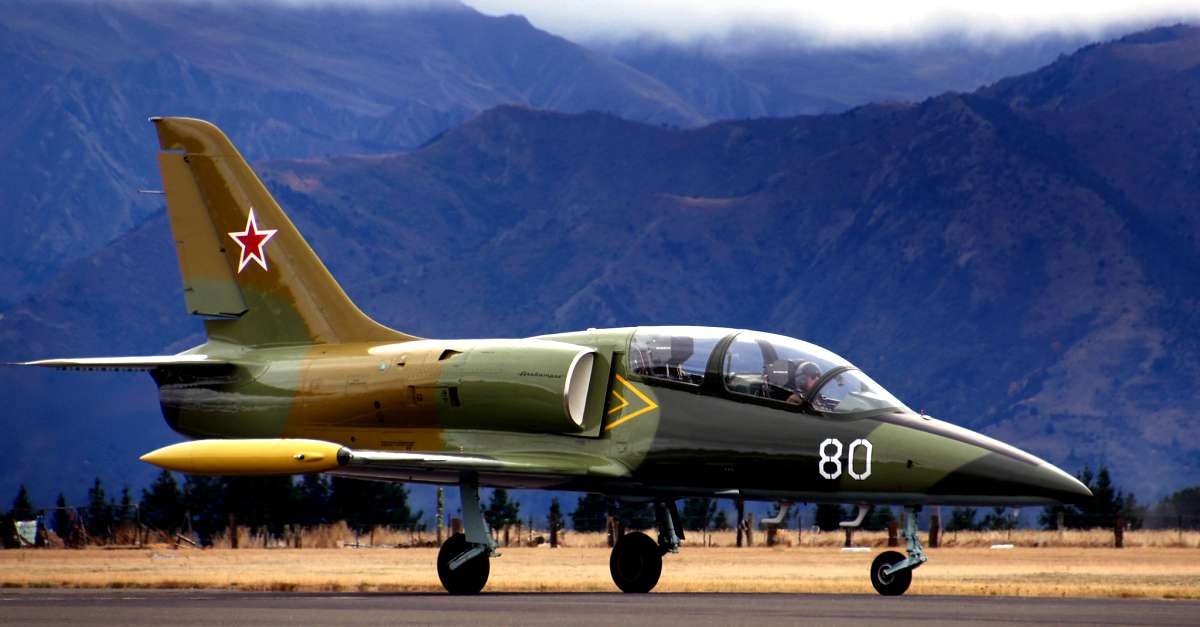
If there is a single aircraft responsible for the explosion of civilian jet warbird ownership, it's the Aero L-39 Albatros. Developed by Aero Vodochody in Czechoslovakia as a military trainer, it was the first second-generation jet trainer produced and went on to serve with over 30 air forces worldwide. Its sleek design, relative ease of maintenance, and forgiving handling made it the obvious choice for civilians who wanted to fly a jet without the extreme costs and complexity of a front-line fighter. Over 3,000 were built, ensuring a deep parts supply.
The L-39 is the "gateway drug" of jet warbird ownership, and for good reason. Hundreds are in private hands worldwide. Airworthy examples sell for $200,000 to $450,000, less than a new Cessna Citation. The Ivchenko-Progress AI-25TL turbofan engine is remarkably reliable and burns about 80 to 100 gallons per hour of Jet-A. Engine overhauls cost $80,000 to $120,000 every 1,000 to 1,500 hours. Total operating costs run approximately $1,000 to $1,500 per flight hour. There's a thriving L-39 community with type clubs, formation training programs, and a robust secondary market. If you've always wanted to fly a military jet and you have $250,000 to $300,000 to spend, this is where you start. The Czech engineering is solid, the community is welcoming, and the grin factor is off the charts.
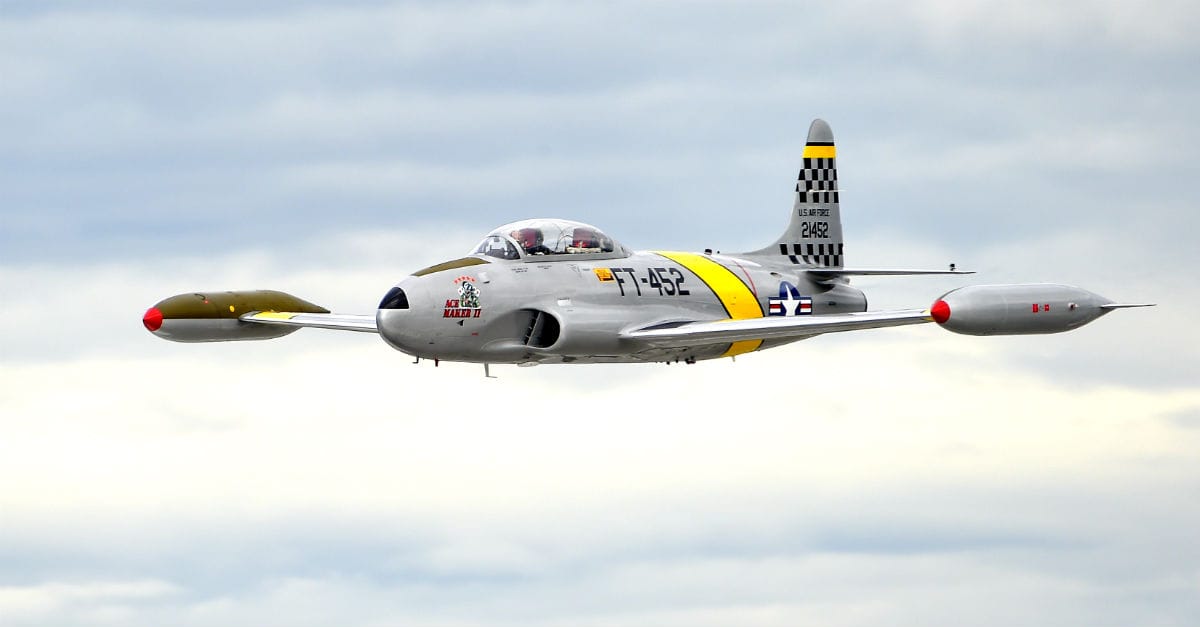
When the U.S. Air Force introduced the P-80 Shooting Star, America's first operational jet fighter, they quickly discovered a problem. The existing propeller-driven trainers weren't preparing pilots for turbojet-powered aircraft. So Lockheed elongated the P-80 fuselage, added a second tandem seat, and created the T-33 Shooting Star, the first USAF jet fighter training aircraft. Powered by the Allison J33-A-35 turbojet, the T-Bird went on to become one of the most important training aircraft in history. While only 1,700 P-80s were built, the T-33 proved massively scalable, with roughly 7,000 produced for dozens of nations.
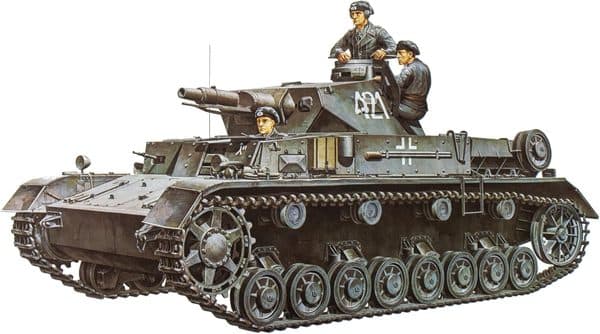
The Panzer IV was the workhorse of the German armored divisions, and Tamiya's 1/35 kit captures the Ausf. H variant with its characteristic Schurzen side skirts and long-barrel 75mm gun.
An estimated 50 T-33s remain in civilian hands worldwide. On the market, airworthy examples sell for $300,000 to $800,000, the wide range reflecting differences in engine time, airframe condition, and avionics. The Allison J33 engine is the biggest concern, as parts are becoming scarcer with each passing year. When engines come up for sale, smart owners buy them. Operating costs run approximately $1,500 to $2,500 per flight hour. The T-Bird has beautiful flying characteristics, smooth, stable, and predictable, which is exactly what you'd expect from a training aircraft. For the collector who wants a classic Korean War-era jet at a fraction of the cost of a fighter, the T-33 delivers.
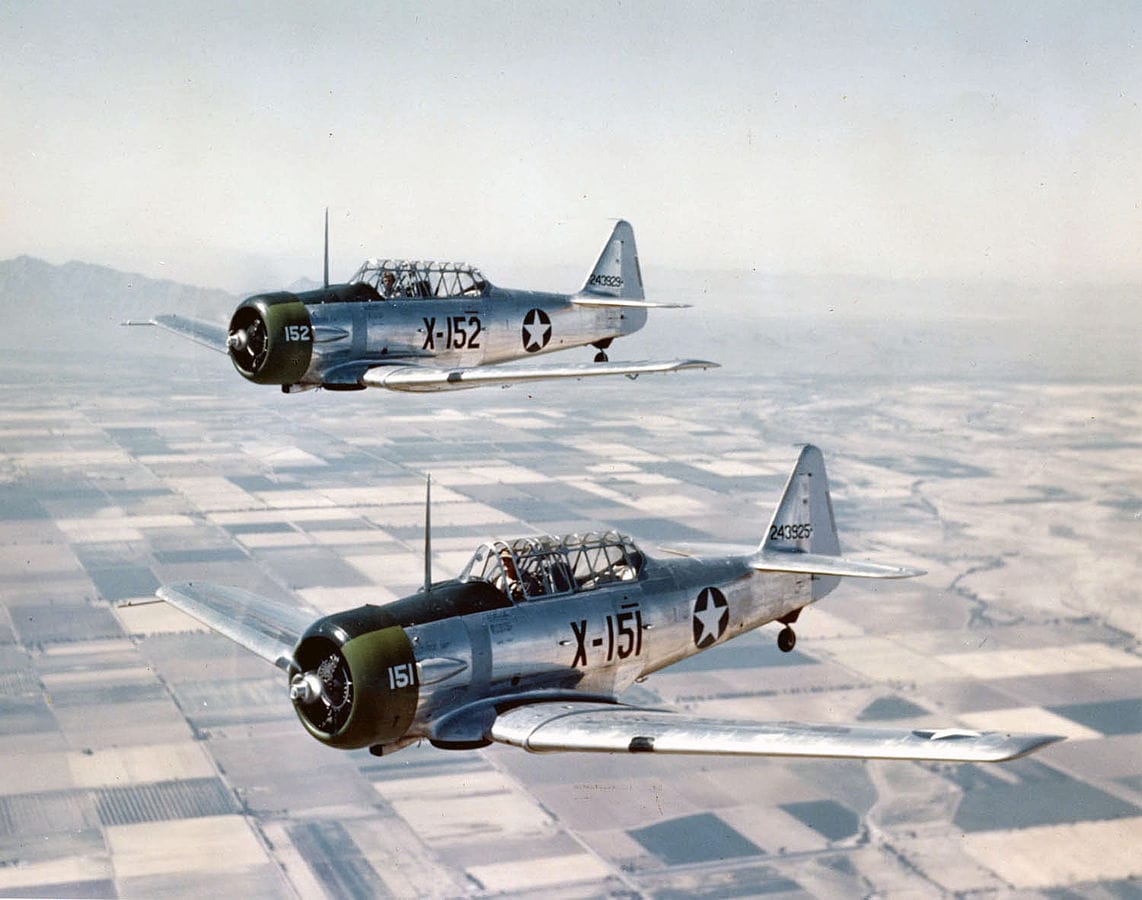
The T-6 Texan earned the nickname "The Pilot Maker", and it's not an exaggeration. Virtually every Allied pilot who flew in World War II spent time in the cockpit of a T-6 or one of its variants (the Navy called it the SNJ, the British Royal Air Force called it the Harvard). Over a 25-year period, the T-6 trained tens of thousands of pilots across 34 different countries. North American Aviation built 15,495 of them, making it one of the most-produced military aircraft in history. It served with distinction in WWII and the early days of Korea, where it was used as a forward air control aircraft marking targets with smoke rockets.
Today, the T-6 Texan is the most popular entry-level piston warbird in the world. Airworthy examples sell for $200,000 to $450,000, with highly restored examples in historically accurate paint schemes commanding the top of that range. The Pratt & Whitney R-1340 Wasp engine is one of the best-supported radial engines on the planet, with overhauls running $40,000 to $60,000 every 1,000 to 1,200 hours. Operating costs are roughly $300 to $500 per flight hour, quite manageable for a warbird. There's an active racing class at Reno, formation flying groups across the country, and a passionate community that makes T-6 ownership a genuine lifestyle. This is the warbird that turns enthusiasts into owners.
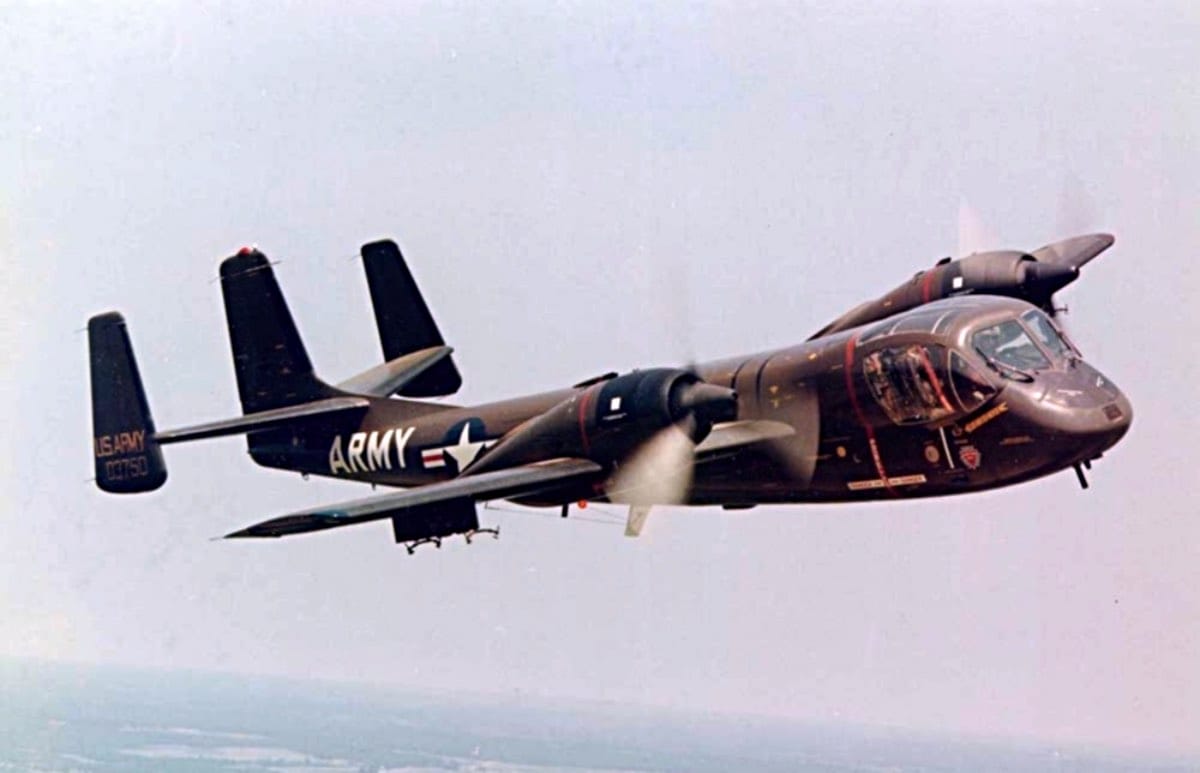
The Grumman OV-1 Mohawk is one of the most unusual and underappreciated military aircraft available to civilians. Developed in the 1950s as a replacement for the Cessna L-19 Bird Dog, the OV-1 was the first turboprop aircraft to serve in the U.S. Army. It was designed for all-weather observation and attack missions, and its capabilities were remarkable: aluminum-alloy armored floor and bulletproof windows for protection against ground fire, a large finned tail and wing-mounted engines for superior low-speed maneuverability, and at least one variant carried advanced side-looking airborne radar (SLAR) that could track targets no other aircraft could match at the time.
The OV-1 was retired from the U.S. Army in 1996 after decades of service in Vietnam and elsewhere. On the civilian market, it remains one of the more affordable and unusual military aircraft you can own. Airworthy examples sell for $150,000 to $300,000. The twin Lycoming T53 turboprop engines (the same basic engine family as the Huey) have excellent parts availability and well-understood maintenance requirements. The Mohawk's rugged construction and turboprop reliability make it one of the more practical warbirds to operate day-to-day. If you want something different from every other warbird at the fly-in, something that turns heads and starts conversations, the Mohawk is your aircraft.
How to Buy a Military Aircraft in 2026
The FAA is your starting point. All former military aircraft flown by civilians in the United States must hold an Experimental/Exhibition airworthiness certificate under 14 CFR 21.191(d). This allows the aircraft to be flown for exhibitions, airshows, crew training, and personal enjoyment. Operating limitations typically restrict the aircraft to a defined geographic area (often a 300-nautical-mile radius from its home base, expandable with FAA approval). You cannot carry passengers for hire or use the aircraft for commercial purposes. An annual condition inspection, similar to but distinct from the standard annual inspection for certified aircraft, is required each year.
Every weapon must be permanently demilitarized. This is non-negotiable. Gun ports are welded shut or sealed. Bomb racks and hardpoints are removed. Weapons pylons are taken off. Any classified systems, radar, electronic warfare equipment, encrypted communications, must be stripped. For imported aircraft, ITAR (International Traffic in Arms Regulations) may apply, requiring State Department licensing. Some aircraft types face additional restrictions based on their technology sensitivity. The demilitarization process is typically handled by the seller or an authorized broker before the aircraft changes hands.
Where to find military aircraft for sale. The major warbird dealers include Platinum Fighter Sales in Compton, California, the premier broker for WWII fighters, and Courtesy Aircraft Sales in Rockford, Illinois, which carries a broad warbird inventory including jets and piston types. For jet warbirds, Code 1 Aviation and Raptor Aviation specialize in L-39s, MiG-21s, F-5s, and A-4s. Online marketplaces like Controller.com, Trade-A-Plane, and Barnstormers.com all have warbird sections. For high-end fighters, auction houses like Bonhams and Sotheby's handle occasional aviation sales. International buyers looking for Soviet-era types should look to Eastern European dealers with established track records.
Budget well beyond the purchase price. Operating costs are where the real money goes, and this is where many first-time warbird buyers get a rude awakening. Jet-A fuel costs $5 to $8 per gallon, and a jet like the L-39 burns 80 to 100 gallons per hour, that's $400 to $800 per hour in fuel alone. An F-104 burns over 750 gallons per hour. Hangar rental runs $500 to $5,000 per month depending on location and aircraft size. Specialty warbird insurance costs $5,000 to $50,000 or more per year through underwriters like USAIG or Global Aerospace. Annual inspections cost $5,000 to $50,000 depending on the aircraft's complexity. And engine overhauls, the single biggest recurring expense, range from $40,000 for a Pratt & Whitney R-1340 (T-6) to $80,000 to $120,000 for an L-39's AI-25TL to $150,000 to $250,000 for a Rolls-Royce Merlin (P-51, Spitfire). A P-51 Mustang costs roughly $50,000 to $100,000 per year just to keep airworthy. A jet fighter costs considerably more.
Pilot qualifications matter, and insurance requirements are even stricter. For piston warbirds, the FAA requires a Private Pilot Certificate with appropriate ratings: tailwheel endorsement, high-performance endorsement (engines over 200hp), and complex endorsement (retractable gear, constant-speed prop). No type rating is needed for piston aircraft under 12,500 pounds. For jet warbirds, a type rating or FAA Letter of Authorization is required for all turbojet-powered aircraft. Here's the catch: insurance companies set their own minimums, and they're far more demanding than the FAA. For a P-51, insurers typically want 500 or more total hours, 100 or more tailwheel hours, and a formal checkout in type. For jets, they often require 500 or more jet hours, type-specific training, and annual recurrency flights. Organizations like the Fighter Pilot Experience and various jet warbird operators offer orientation and training programs for aspiring warbird owners.
Frequently Asked Questions
Is it legal to own a military fighter jet?
Yes. The FAA allows civilians to own and fly military aircraft, including fighter jets, under the Experimental/Exhibition category. All weapons and classified systems must be permanently removed, and the aircraft must hold a valid airworthiness certificate. There are no federal laws prohibiting private ownership of a demilitarized military aircraft.
How much does it cost to own a military aircraft?
Purchase prices range from under $100,000 for a WWII trainer to over $5 million for a rare Spitfire or P-38. But operating costs are the real expense. Expect to spend $300 to $500 per flight hour for a piston warbird like a T-6, $1,000 to $1,500 per hour for an L-39 jet, and $3,000 to $6,000 per hour for a fighter like a Hunter or F-5. Annual ownership costs, including hangar, insurance, inspections, and reserves, can run $20,000 to $100,000 or more depending on the aircraft.
Can you fly a military jet with a private pilot license?
Not by itself. The FAA requires a type rating or Letter of Authorization for all turbojet-powered aircraft. For piston warbirds, you need at minimum a Private Pilot Certificate with tailwheel, high-performance, and complex endorsements. Insurance companies typically require significantly more experience than the FAA minimums, often 500 or more total hours and specialized type training.
What is the cheapest military aircraft you can buy?
Flyable T-6 Texans and Stearmans start around $100,000 to $200,000, making them the most affordable military aircraft on the market. For jets, the L-39 Albatros starts around $200,000 for an airworthy example, less than a new Cessna Citation. Non-flying static display aircraft can be found for as little as $25,000 to $50,000.
Do you need to remove the weapons before buying?
All military aircraft sold to civilians must be fully demilitarized. Gun ports are sealed, bomb racks removed, hardpoints welded, and any classified systems stripped. This is typically done by the seller or broker before the sale. Importing military aircraft from foreign countries may also require State Department licensing under ITAR.
How much does jet fuel cost to fly a warbird?
Jet-A fuel costs approximately $5 to $8 per gallon in 2026. An L-39 Albatros burns about 80 to 100 gallons per hour, so fuel costs $400 to $800 per flight hour. A Hawker Hunter burns 200 to 300 gallons per hour. An F-104 Starfighter burns over 750 gallons per hour. Piston warbirds burn avgas (100LL), which costs $6 to $9 per gallon. A T-6 burns 30 to 40 gallons per hour, and a P-51 Mustang burns 60 to 75 gallons per hour.
Where is the best place to buy a warbird?
The major dealers include Platinum Fighter Sales (Compton, CA) for WWII fighters, Courtesy Aircraft Sales (Rockford, IL) for broad inventory, and Code 1 Aviation for jets. Online marketplaces like Controller.com, Trade-A-Plane, and Barnstormers.com list warbirds regularly. Auction houses like Bonhams handle high-end sales. Airshows like EAA AirVenture Oshkosh and Sun 'n Fun are excellent places to network with sellers and inspect aircraft in person.
What is the most expensive military aircraft ever sold to a civilian?
Supermarine Spitfires hold the record among warbirds, with exceptional examples selling for $5 to $7 million or more. Restored P-51 Mustangs regularly command $3 to $4.5 million, and P-38 Lightnings have sold for over $5 million. The rarest warbird of all, a flyable Spitfire Mk I, would likely exceed $10 million if one ever came to market, but none currently exist in private hands.