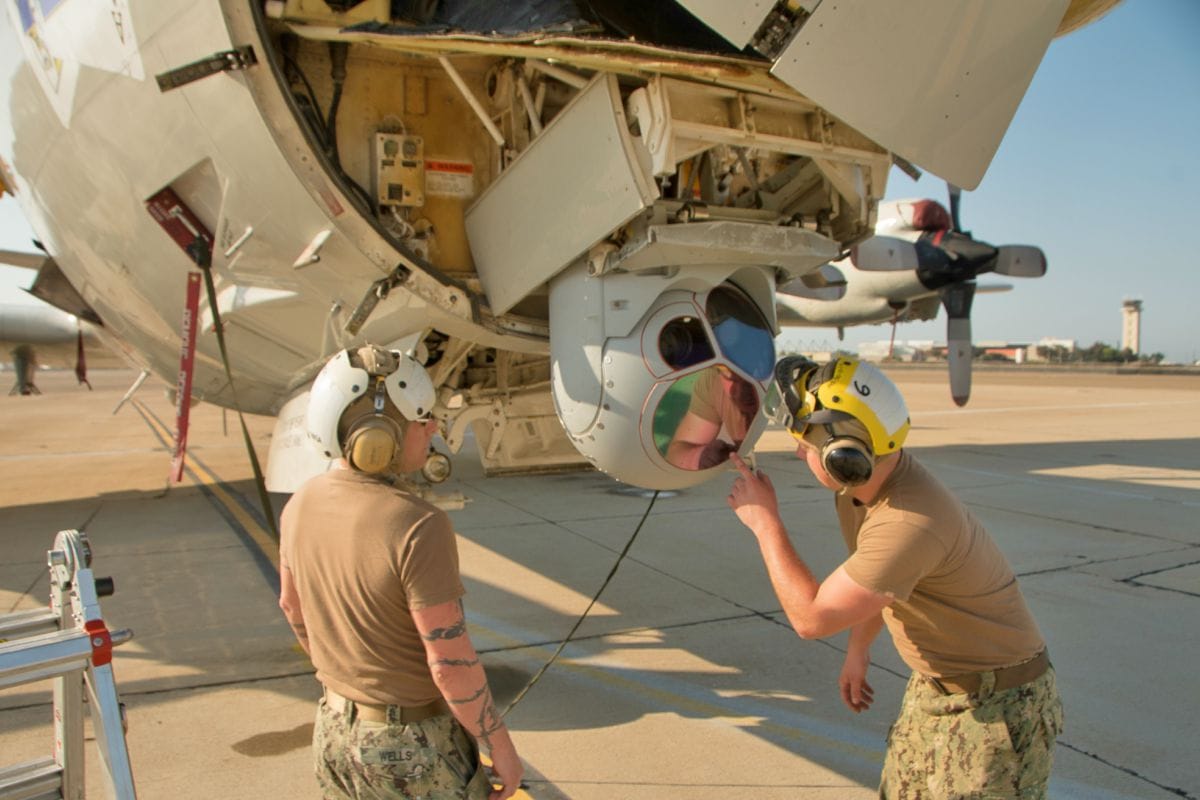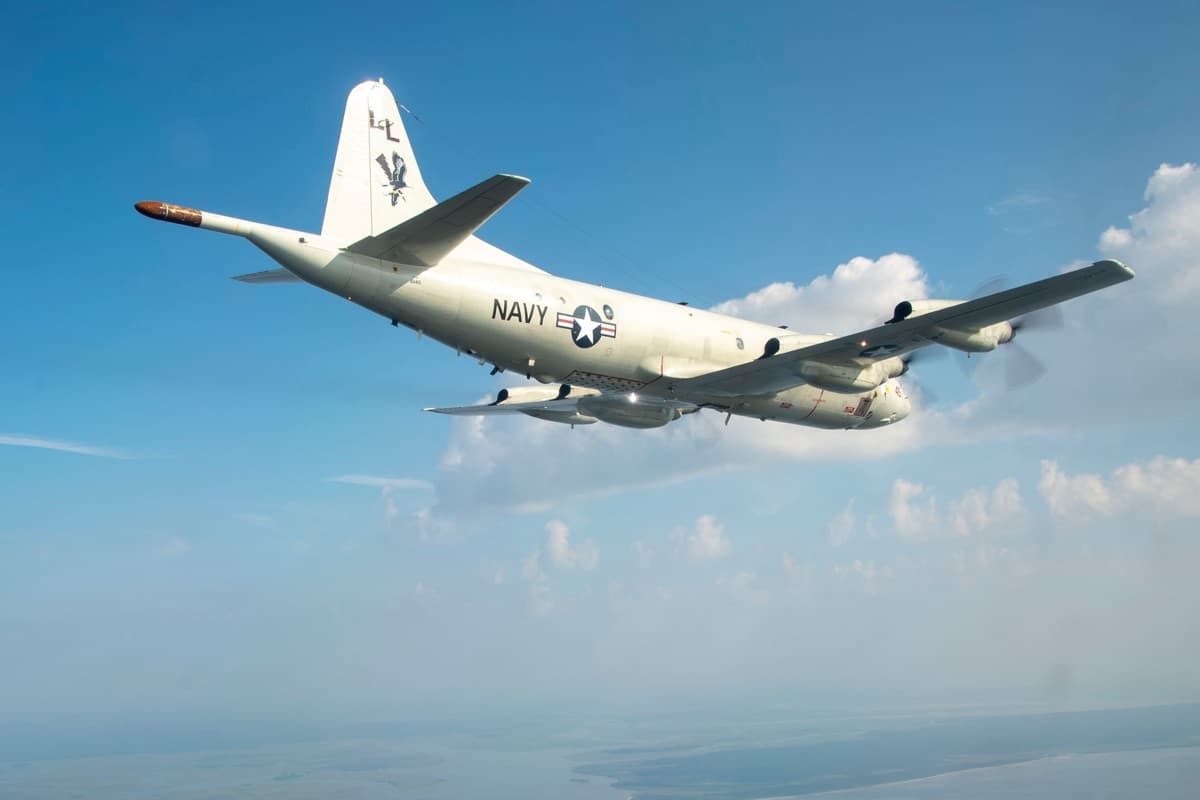

A thoroughbred, a workhorse, a mainstay, a cornerstone, a pillar – whatever phrase you prefer to describe something as hard-working and long-lasting can be applied to the P-3 Orion. The P-3 is an anti-submarine and maritime surveillance aircraft used by the Navy for over five decades. The aircraft was introduced in the early 1960’s and after a long and illustrious life, it is being phased out of active duty. The P-8 Poseidon is taking over as the Navy’s go-to maritime surveillance aircraft.
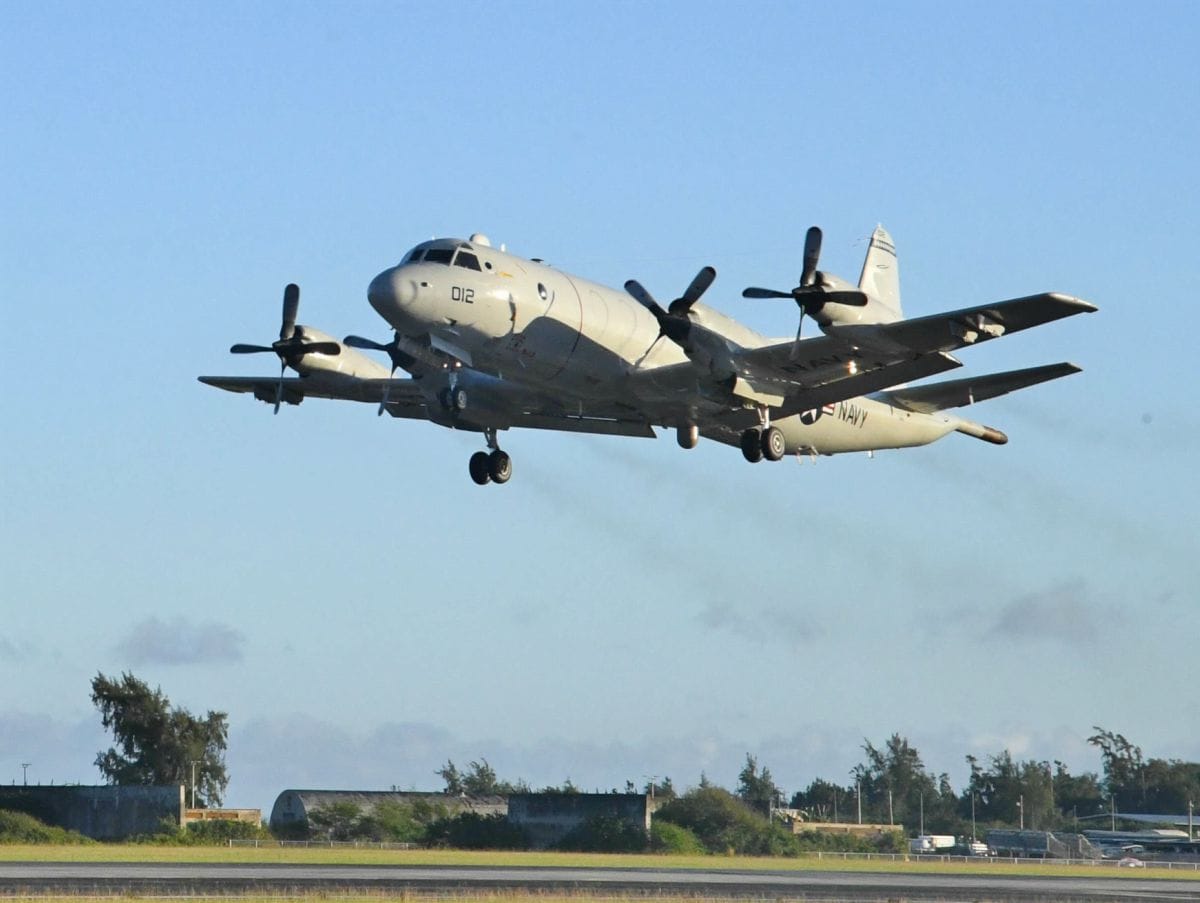
History
Submarine technology quickly heightened during the Cold War. Because of this, many countries around the world feared a nuclear attack could come from a submarine. This concern prompted the MIlitary to upgrade its maritime surveillance and anti-submarine efforts. The P-2 Neptune, the predecessor to the P-3, simply did not have the technological capabilities needed to keep up with submarine production.
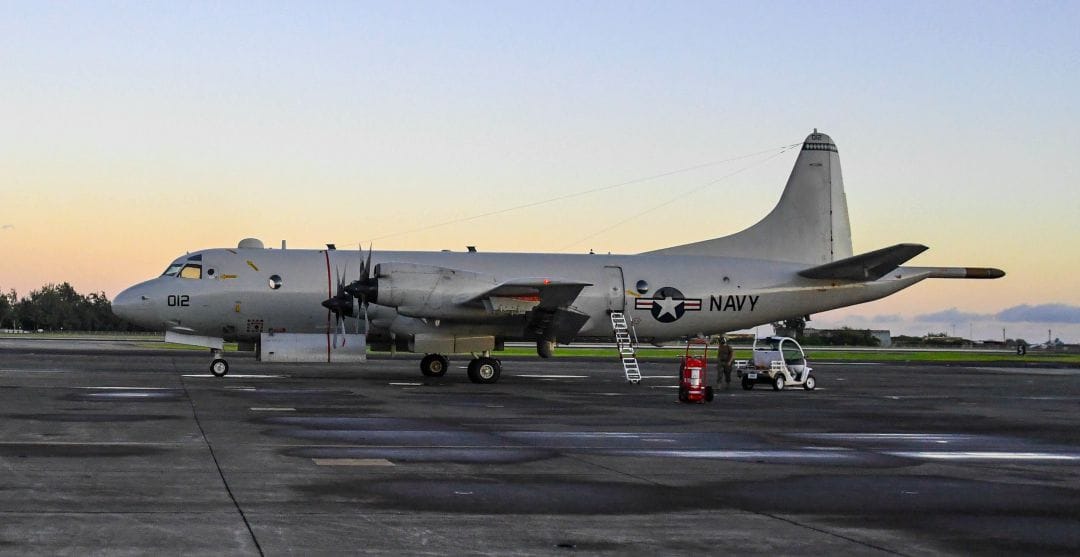
An aircraft with longer endurance, greater range, and better weaponry was introduced in 1962; the P-3A Orion. Lockheed Corporation began production in 1957, using the L-188 commercial jet as the base of the P-3. Lockheed’s entire arsenal of maritime aircraft information up to that point – range and capability, antisubmarine warfare, electronic surveillance – all came together in the design and production of the P-3. This aircraft was designed and built to perform at its peak for decades to come.
P-3 Orion Capabilities
There are three versions of the P-3 Orion; the P-3A, the P-3B, and the P-3C. The P-3C was introduced in 1969 and became the most used and most produced version of the Orion. The modification to its computer display system was one major difference that set up the P-3C to be relevant for the next half-century. The P-3A and P-3B utilized an analog system. The P-3C introduced the first digital computer display screen in a maritime aircraft.