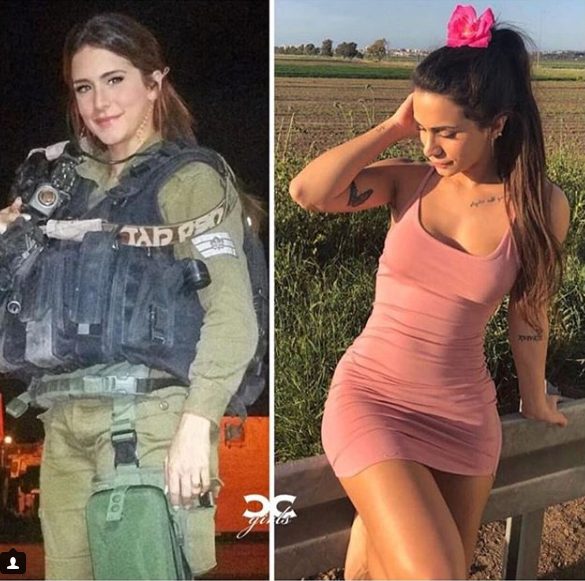
Skip to content
May 4:Kent State Massacre: National Guard Kills Four Student Protesters56yr ago

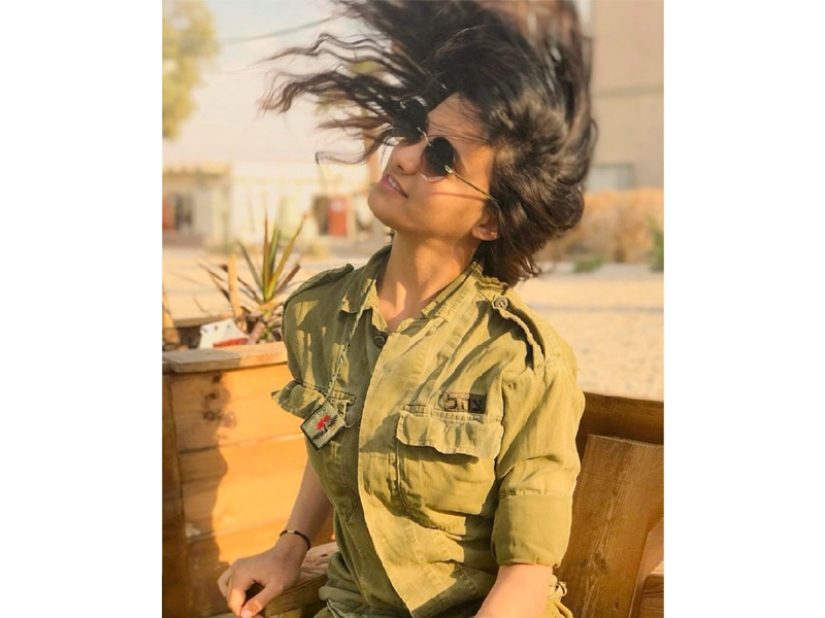
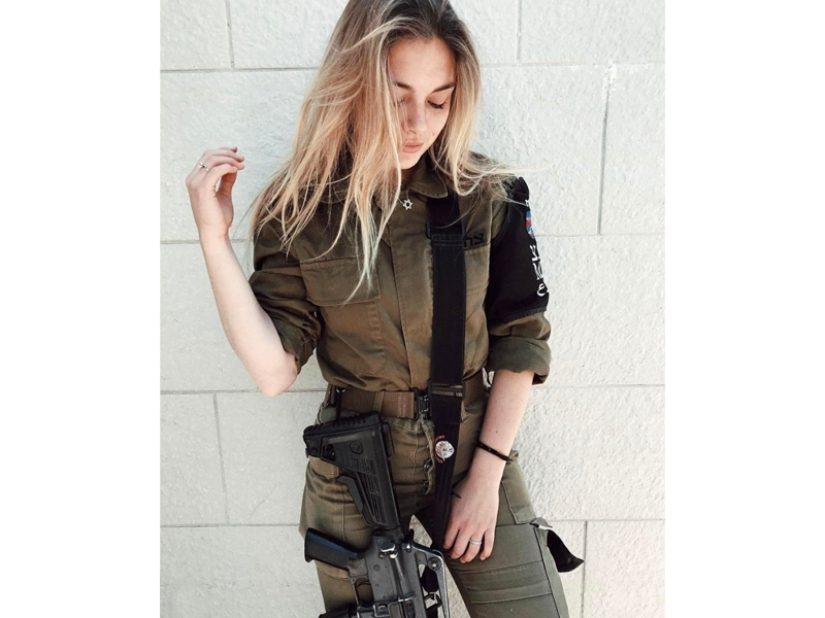
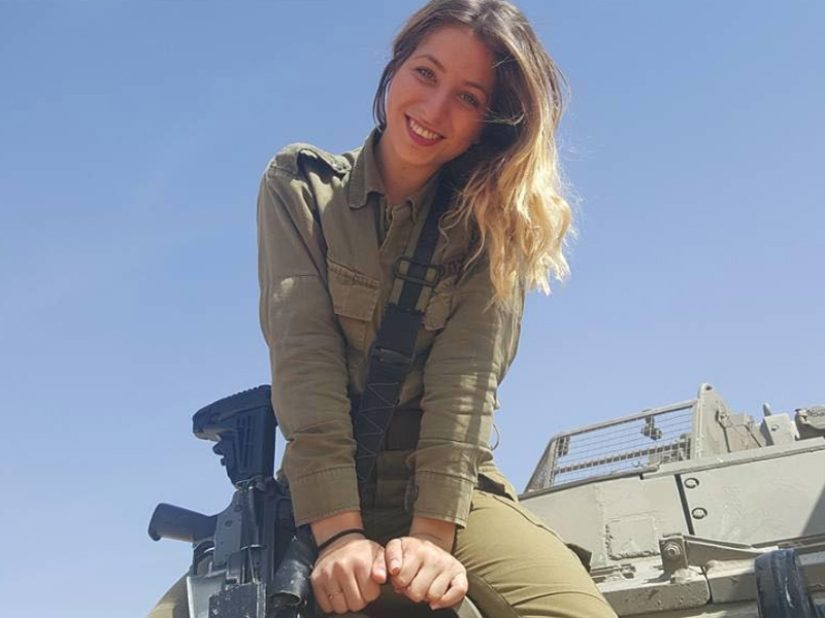
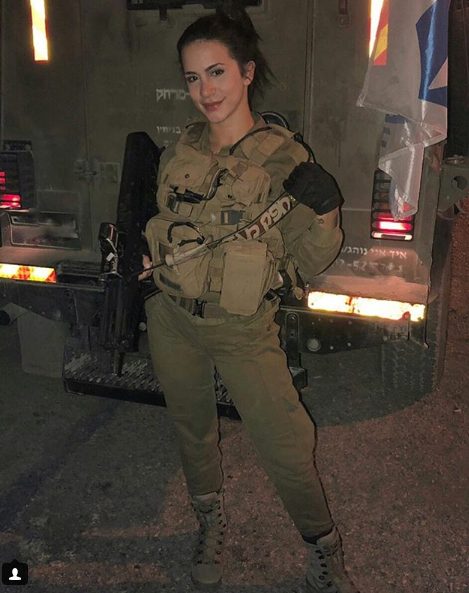
The Women Behind Israel's Most Elite Military Units

Charles Bash · · 41 min read
Save
Share:
Female IDF soldiers in uniform
Charles Bash
Charles Bash

Military Culture & Global Defense Writer

Charles Bash covers military culture, global defense forces, and the human side of armed services around the world. His work explores how militaries shape the lives of the men and women who serve in them.

Every Woman in Israel Must Serve 2 Years

Young Israeli woman reporting for military service

Israel is one of only three countries on Earth that requires women to serve in the military. When a woman turns 18, she doesn't just think about college applications or gap year plans, she reports for duty. The mandatory service period is 24 months, and it applies to nearly every Jewish and Druze woman in the country. It's not a suggestion. It's the law.

This policy has been in place since Israel's founding in 1948, making it one of the longest-running gender-integrated military conscription systems in the world. The result is a society where military service is a shared experience across genders, shaping everything from career trajectories to dating culture. For young Israeli women, putting on a uniform isn't extraordinary, it's simply what comes next after high school.

She Was 17 When She Got Her Draft Notice

Israeli woman receiving military draft documents

Before a young woman even finishes her final exams, a letter arrives in the mail, the Tzav Rishon, or "first order." It's the official summons to begin the military intake process, and it typically arrives around age 17. The process includes physical fitness tests, psychological evaluations, medical screenings, and a personal interview that determines which roles she's eligible for.

The intake day itself is an intense experience. Hundreds of teenagers file into military processing centers across the country, taking aptitude tests that will shape the next two years of their lives. High scorers get recruited into elite intelligence units, cybersecurity divisions, and officer tracks. The whole system is designed to match talent with need, and the competition for top placements is fierce, especially among women who increasingly push for combat and technical roles.

There's No Opting Out

Female IDF soldiers standing in formation

Unlike most countries where military service is voluntary, Israel gives its citizens very few ways to avoid the draft. Religious exemptions exist for ultra-Orthodox women, and medical disqualifications can remove some from the pool, but for the vast majority of young women, service is non-negotiable. Refusing to serve can result in military prison, and it happens more often than most people realize.

The social pressure is equally powerful. In Israeli culture, military service is a rite of passage that connects generations. Skipping it carries a stigma that follows you into college admissions, job interviews, and social circles for years. Employers routinely ask about military service on applications, and having a blank space where your unit should be raises immediate questions. For most women, the question isn't whether they'll serve, it's where.

Boot Camp Starts the Week After High School

Female recruits during IDF basic training exercises

There's no summer vacation between high school and the military. Most Israeli women report to basic training within weeks of their graduation ceremony. Boot camp runs between three weeks and four months depending on the assigned role, and it covers everything from weapons handling and first aid to military discipline and physical fitness training. The transition from civilian teenager to uniformed soldier happens fast.

Basic training bases are scattered across the country, from the coastal plains to the Negev Desert. Women sleep in barracks, wake before dawn, and spend their days running obstacle courses, learning military protocols, and building the kind of physical endurance that most workout programs only dream about. By the time boot camp ends, these women have been transformed, not just physically, but mentally. They carry themselves differently. They've earned it.

They Train Harder Than Most Male Soldiers Worldwide

IDF women completing intense physical training

Here's a stat that surprises people: female IDF soldiers in combat units meet physical fitness standards that exceed the requirements for male soldiers in most NATO countries. The IDF doesn't lower the bar for women in combat roles, they're expected to carry the same loads, run the same distances, and perform under the same conditions. The fitness training regimen is designed to push every recruit to their absolute limit.

This isn't just running and push-ups. Combat fitness includes loaded marches with 40+ pounds of gear, hand-to-hand combat drills rooted in Krav Maga, obstacle courses designed to simulate real battlefield conditions, and endurance tests in extreme heat. Women who volunteer for combat roles know exactly what they're signing up for, and the dropout rate proves it's no joke. Those who make it through earn respect that transcends gender, they're simply soldiers.

Women Have Fought for Israel Since Before It Was a Country

Female soldier representing Israel's long military tradition

Long before the State of Israel was officially declared in 1948, women were fighting in the underground militias that would eventually become the IDF. Organizations like the Haganah, Palmach, and Lehi all included women in combat and support roles during the pre-state period. During the 1948 War of Independence, women fought on the frontlines alongside men, defending newly established settlements and supply routes.

These early female fighters set a precedent that shaped Israeli military culture for decades. Women served as snipers, radio operators, weapons instructors, and intelligence gatherers during some of the most desperate battles in Israel's founding. Their contributions weren't footnotes, they were essential to survival. The modern IDF's integration of women into combat roles isn't a new experiment. It's a return to the country's roots.

The IDF Banned Women from Combat in 1950, Then Reversed It

Female IDF combat soldier on patrol

Just two years after women fought in the War of Independence, the newly formed IDF made a controversial decision: women were officially barred from combat roles. The reasoning was partly practical, casualty concerns, unit cohesion arguments, and political pressure from conservative factions. For the next five decades, women were limited to support roles like administration, instruction, and communications.

That changed dramatically in 2000 when the Knesset amended the Defense Service Law to allow women to volunteer for combat positions. The amendment didn't happen overnight, it took years of legal battles, public advocacy, and one landmark Supreme Court case to force the military's hand. Since then, the number of women in combat roles has increased more than tenfold. The ban lasted 50 years. The reversal has already proven it was overdue.

The First Female Fighter Pilot Earned Her Wings in 2001

Female IDF soldier representing women in elite military roles

In 2001, Roni Zuckerman became the first woman to complete the Israeli Air Force's legendary flight course and earn her fighter pilot wings. The IAF flight course is widely considered one of the most selective military training programs in the world, only about 10% of applicants make it through. Zuckerman didn't just pass. She excelled in a program that had been exclusively male for over 50 years.

Her achievement was more than personal, it blew open the doors for women across the IDF. If the most elite, most selective unit in the military couldn't justify excluding women, no unit could. Zuckerman became a symbol for an entire generation of young Israeli women who saw military career paths that had previously been invisible. Today, women serve in nearly every branch of the Air Force, from pilots to drone operators to defense technology engineers.

1 in 5 Combat Soldiers Is Now a Woman

Female combat soldiers in the IDF during field operations

As of 2024, women make up approximately 20% of all combat soldiers in the IDF, a number that would have been unthinkable just a decade ago. In 2012, only about 3% of combat soldiers were women. That tenfold increase didn't happen through lowered standards or quotas. It happened because the IDF opened the doors and women walked through them in record numbers.

The growth has been especially dramatic in mixed-gender battalions, where women now make up as much as two-thirds of some units. These aren't token positions or desk jobs with a combat label. Women in these roles patrol hostile borders, conduct arrest operations, and engage in firefights. The data from over two decades of integration shows what advocates always claimed: when given equal opportunity, women perform.

Women Now Command Infantry Battalions

Female IDF officer in a leadership role

It wasn't enough to let women serve in combat, they had to be allowed to lead. In recent years, women have broken through to command positions that were previously reserved exclusively for men. Female officers now lead infantry platoons, command combat companies, and hold senior positions across nearly every branch of the IDF. The glass ceiling in the Israeli military isn't just cracked, it's shattered.

These leadership roles require completing the IDF's notoriously demanding officer training course, where candidates are evaluated on tactical decision-making, physical endurance, and the ability to lead soldiers under extreme pressure. Women who earn these positions have proven themselves against the same standards as their male counterparts. The leadership training they receive translates directly into civilian careers, which is why IDF veteran women dominate boardrooms across Israel.

Israel's Supreme Court Changed Everything in 1995

Female soldier embodying IDF equality reforms

In 1995, a young woman named Alice Miller petitioned Israel's Supreme Court for the right to take the Air Force's pilot aptitude test. The military said no, not because she wasn't qualified, but because she was a woman. Miller fought back, and the court ruled in her favor, declaring that the IDF could not exclude women from any role based solely on gender. It was a legal earthquake.

The Miller decision didn't just open the pilot course to women, it established a legal precedent that eventually forced open every combat role in the military. The ruling became a cornerstone of gender equality in Israeli law, influencing everything from military policy to workplace discrimination cases. Miller herself didn't ultimately become a pilot, but the door she opened has been walked through by thousands of women since. One court case changed an entire military.

The Woman Who Started It All

Female IDF soldier honoring the legacy of women in service

Before Alice Miller went to court, before Roni Zuckerman earned her wings, there were the women who fought in silence. Figures like Netiva Ben-Yehuda, who commanded a Palmach platoon at age 20 during the 1948 war, or Yael Rom, who became the first woman to graduate from IDF officer school. These pioneers didn't have social media or legal precedents, they had determination and a willingness to be first.

Their stories were often buried or minimized in official histories, but they laid the groundwork for everything that followed. The push for women empowerment in the IDF wasn't a sudden policy shift, it was a decades-long campaign fought by individual women who refused to accept limitations. Every female combat soldier serving today walks a path that these women carved out, often at great personal cost and with zero recognition.

Yes, They Bring Rifles to the Beach

Off-duty IDF woman carrying her service rifle

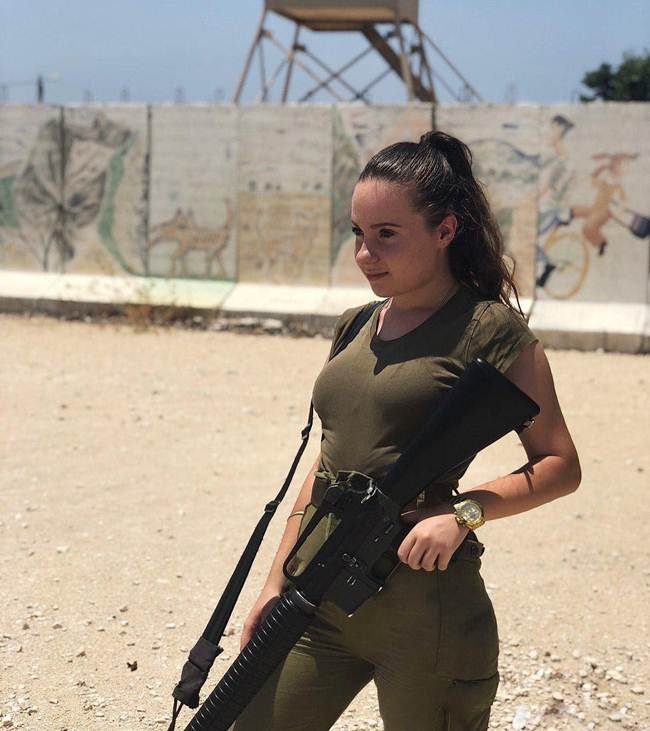
If you've ever scrolled through photos of Israel and seen young women in bikinis carrying M16 rifles, you weren't looking at a movie set. IDF soldiers are often required to carry their assigned weapon at all times, including on weekend leave. That means rifles on buses, rifles at restaurants, and yes, rifles at the beach. It's one of the most distinctly Israeli images in the world.

The policy exists because Israel is a small country surrounded by security threats, and soldiers may need to respond at a moment's notice. But it also creates some genuinely surreal moments. Imagine finishing a workout at the gym, grabbing coffee with friends, and heading to the Mediterranean coast, all with a military rifle slung over your shoulder. For Israeli women, this juxtaposition of normal life and military readiness isn't strange. It's just Tuesday.

The Uniform Is Surprisingly Fashionable

Stylish female IDF soldier in uniform

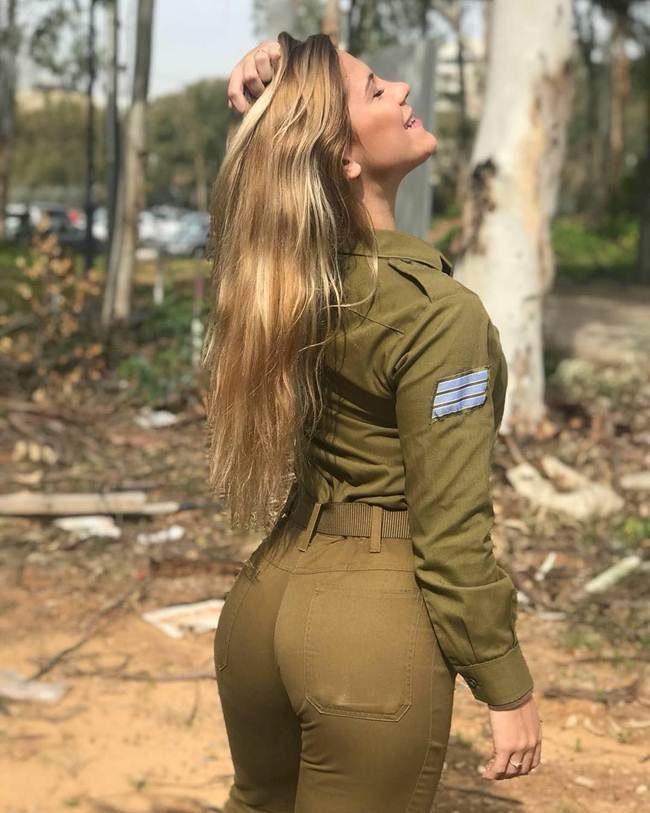
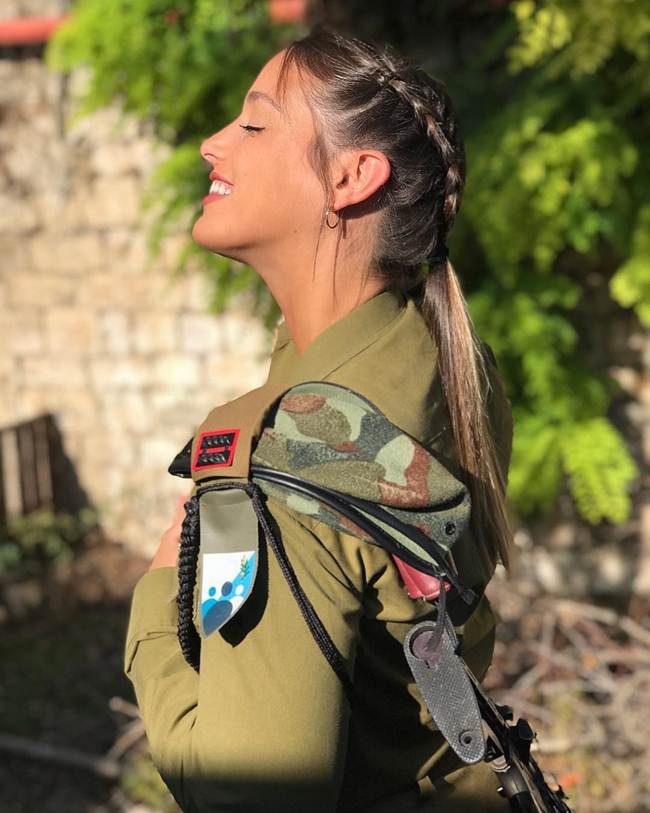
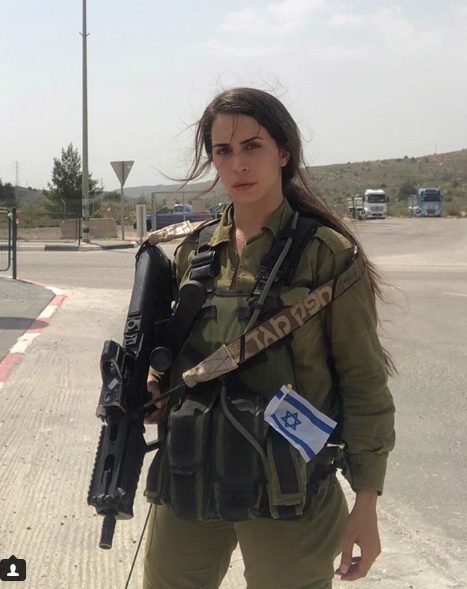
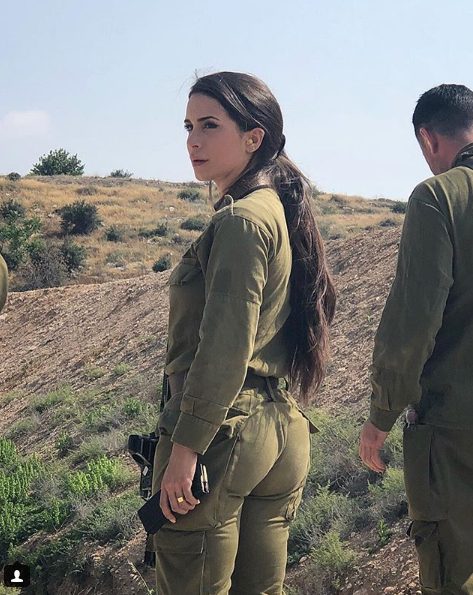
IDF uniforms aren't exactly designed by fashion houses, but Israeli women have turned them into something of a style statement. The standard olive drab uniform gets personalized with rolled sleeves, tailored fits, and carefully chosen accessories within regulation. Different units have distinctive berets, maroon for paratroopers, green for infantry, orange for search and rescue, and soldiers wear them with unmistakable pride.

The phenomenon has caught international attention, with fashion magazines and travel blogs regularly featuring the aesthetics of the IDF's female soldiers. It's become part of Israel's cultural identity, the idea that strength and style aren't mutually exclusive. Some soldiers have turned their military style into post-service fashion careers, launching tactical gear brands and fitness apparel lines that blend military functionality with civilian fashion sensibility.

Their Instagram Accounts Have Millions of Followers

Female IDF soldier in a photogenic military setting

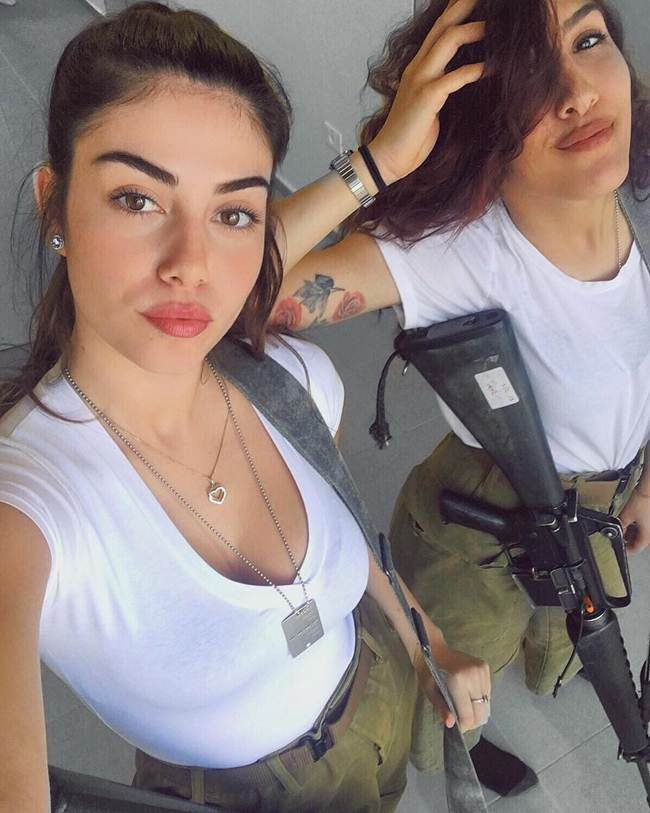
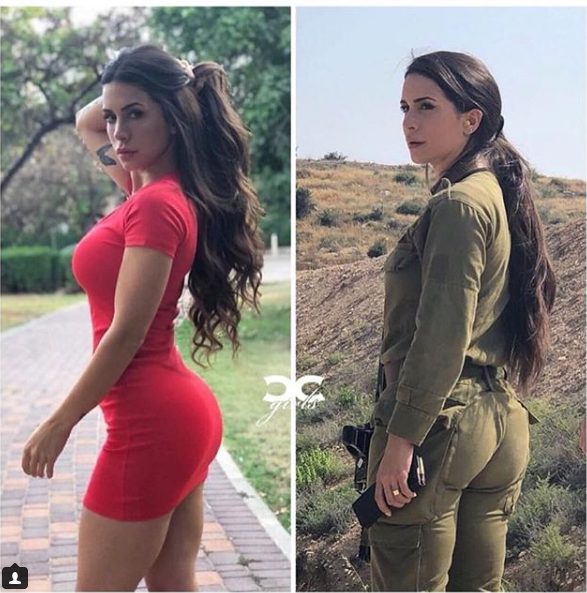
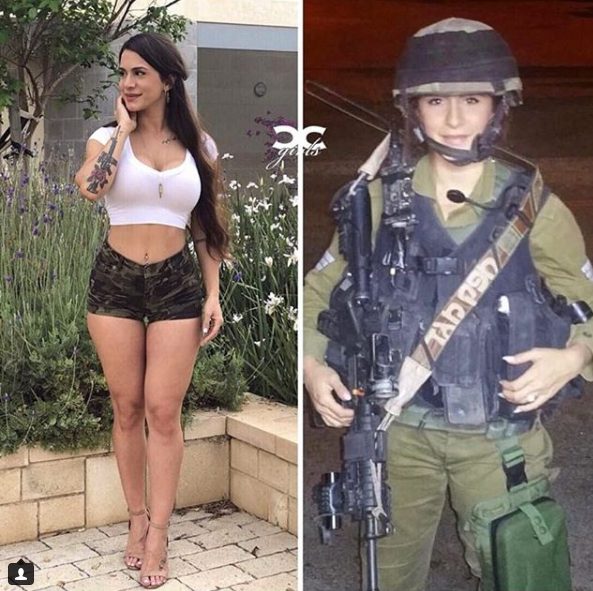
The IDF might be the most Instagram-famous military in the world, and women are the driving force behind that. Accounts featuring female soldiers, both official IDF channels and personal profiles, regularly pull millions of followers from around the globe. The images are striking: young, fit women in combat gear against desert backdrops, training with weapons, or just hanging out on base between missions.

This social media presence has created a fascinating feedback loop. International interest in IDF women drives tourism to Israel, boosts interest in study abroad programs, and has made military service a point of national pride on a global stage. Critics argue it's militainment that trivializes service, but supporters say it shows a side of women empowerment that most people never see, real women doing extraordinarily demanding jobs and looking confident while doing it.

Military Service Is the Ultimate Gap Year

Young female IDF soldier gaining life experience

While their peers in other countries are backpacking through Europe or starting college, Israeli women are learning leadership, discipline, and technical skills that most people don't acquire until well into their careers. The two-year mandatory service functions as an intense, fully immersive gap year that builds character in ways no study abroad program can match. You don't just learn about the world, you learn what you're capable of.

Many young women from abroad have recognized this, with programs like Mahal allowing foreign volunteers to serve in the IDF. It's become an alternative to the traditional gap year Israel experience, instead of touring historical sites, participants undergo military training and serve alongside Israeli soldiers. The experience produces a level of maturity, resilience, and self-awareness that universities and employers notice immediately on applications.

Everyone Serves, Models, Athletes, Tech CEOs

Female IDF soldier representing diverse backgrounds in service

Mandatory service means exactly that, everyone. Gal Gadot served as a combat fitness instructor before becoming Wonder Woman. Bar Refaeli's draft controversy made international headlines. Tech founders, Olympic athletes, and runway models all share the same basic training experience. In Israel, your military service is the great equalizer. It doesn't matter who your parents are or what you plan to do afterward.

This creates a unique social fabric where a future software CEO trained alongside a future restaurant owner, and both can swap boot camp stories over dinner. The connections made during military service form networks that drive Israeli business, politics, and culture for decades. It's one reason Israel produces more startups per capita than almost any other country, the military creates bonds and skills that translate directly into entrepreneurial partnerships.

The Pay Is About $400 a Month

Female IDF soldier during daily military duties

Nobody joins the IDF for the paycheck. Conscripted soldiers earn roughly 400 to 900 shekels per month, that's about $100 to $250 USD, depending on the role. Combat soldiers earn more than support roles, and officers get a modest bump, but even at the top of the enlisted pay scale, it's barely enough to cover phone bills and the occasional night out during weekend leave.

What soldiers get in return isn't monetary, it's experiential. The military covers housing, food, transportation, and healthcare during service. More importantly, veterans receive significant benefits after discharge, including grants for college tuition, preferential access to government housing programs, and a post-service savings fund that can amount to tens of thousands of shekels. The real compensation comes later, when those two years of service open doors that money can't buy.

Dating in the IDF Is Complicated

Female IDF soldiers socializing on base

Put thousands of 18-to-21-year-olds together in high-stress, physically demanding environments, and romance is inevitable. The IDF is one of the world's largest co-ed military forces, and the social dynamics are as complex as you'd expect. Regulations prohibit relationships between commanders and subordinates, but peer relationships are common, and the gossip networks on military bases make small-town rumor mills look amateur.

The unique intensity of military service creates bonds that run deeper than typical college relationships. Couples who meet during service share experiences that civilians can't fully understand, the exhaustion, the fear, the inside jokes from 3 AM guard duty. Many of these relationships become marriages. In fact, a significant percentage of Israeli couples first meet during their military service. It turns out that shared hardship is a powerful foundation for connection.

Most Serve Close to Home

Female IDF soldier heading home on weekend leave

Israel is roughly the size of New Jersey, which means that no military base is ever truly far from home. Most soldiers are assigned to bases within a few hours of their families, and the IDF's weekend leave system means that the majority of non-combat soldiers head home every Thursday night and return Sunday morning. Israel's work week runs Sunday through Thursday, so Friday-Saturday is the weekend break.

This proximity to home creates a military experience that feels very different from American or European service, where deployments might take you thousands of miles away. Israeli women maintain their friendships, family connections, and social lives throughout their service. It's common to see groups of uniformed soldiers at shopping malls, restaurants, and train stations every Thursday evening, rifles and all, heading home for the weekend. Military life and civilian life aren't separate worlds here, they overlap constantly.

Mixed-Gender Battalions Changed Modern Warfare

Female soldiers in a mixed-gender IDF combat unit

The IDF's mixed-gender combat battalions, Caracal, Bardelas, and the Lions of Jordan Valley, have become global case studies in military gender integration. These units patrol some of Israel's most dangerous border areas, conducting operations that range from counter-infiltration to drug interdiction. Women typically make up 60-70% of these battalions, and they serve in every role from rifleman to squad leader.

What makes these units remarkable isn't just that they include women, it's that they perform at the same level as all-male units. Independent assessments have shown that mixed-gender battalions meet or exceed operational benchmarks in border security missions. Military planners from the United States, United Kingdom, and other NATO countries have studied these units extensively. Israel's experiment in gender-integrated combat isn't just working, it's reshaping how the world thinks about who can fight.

They Operate Iron Dome, The World's Best Missile Shield

Female soldier working with advanced defense technology

Iron Dome is the most battle-tested missile defense system in history, with an interception rate exceeding 90%. Each battery requires operators who can identify incoming threats, calculate intercept trajectories, and authorize launches in seconds. Many of those operators are women, and they've been at the controls during some of the most intense rocket barrages Israel has ever faced.

The defense technology behind Iron Dome is extraordinarily complex, but the human element is what makes it work under pressure. Female operators in Air Defense Command undergo months of specialized training in radar systems, threat analysis, and real-time decision-making. When rockets are incoming, there's no time for hesitation. These women have protected millions of Israeli civilians, and their composure under fire has earned them recognition as some of the most skilled operators in modern military history.

Unit 8200 Graduates Run Silicon Valley

Female IDF soldier in a technology-focused role

Unit 8200 is the IDF's legendary signals intelligence unit, and it's become the most powerful tech talent pipeline on the planet. Graduates have founded or led companies like Waze, Check Point, and CyberArk. The unit specializes in cybersecurity, data analysis, and electronic intelligence, skills that translate directly into the most lucrative careers in the tech industry. And women make up a significant and growing portion of its ranks.

Being selected for 8200 is like getting accepted to Harvard, MIT, and a startup accelerator simultaneously. Soldiers in the unit work on classified cybersecurity projects that deal with real nation-state threats, not theoretical exercises. By the time they discharge at 20 or 21, these women have more hands-on experience in cybersecurity and data science than most graduate students. It's no wonder that tech recruiters from Silicon Valley to Tel Aviv actively compete for 8200 veterans.

They Drive 65-Ton Merkava Tanks

Female IDF soldier with armored vehicles

The Merkava is Israel's main battle tank, a 65-ton beast of armor, firepower, and engineering that's widely considered one of the best tanks in the world. For decades, the Armored Corps was an all-male bastion. That changed when women were approved to serve as tank crew members, and the first female tank operators proved that driving and maintaining a Merkava has nothing to do with gender and everything to do with skill.

Operating a Merkava requires mastering complex mechanical systems, coordinating with a four-person crew in a cramped, sweltering interior, and making split-second tactical decisions during live maneuvers. Female tank crew members undergo the same armored warfare training as their male counterparts, including live-fire exercises and grueling desert operations. The integration hasn't been without pushback, but the performance data speaks for itself.

Some Guard the Border With Egypt at 3 AM

Female IDF border patrol soldier on duty

Israel's southern border with Egypt stretches across 150 miles of remote desert terrain, and it requires round-the-clock surveillance. Women in combat border patrol units pull overnight shifts in some of the most isolated outposts in the country, watching for infiltration attempts, smuggling operations, and terrorist incursions. At 3 AM in the Negev Desert, with temperatures dropping and the nearest town miles away, there's no room for anything but total focus.

These border assignments are among the most physically and psychologically demanding in the IDF. Soldiers live in austere conditions, patrol for hours on foot and in vehicles, and must remain alert during long stretches of monotony punctuated by moments of genuine danger. The women who serve in these units develop a level of mental toughness that's hard to replicate in any other environment. It's not glamorous. It's not Instagram-worthy at 3 AM. But it's real soldiering.

Navy Women Patrol on Missile Boats

Female IDF naval soldier on duty

Israel's Navy operates a fleet of missile boats, patrol vessels, and submarines that protect the country's Mediterranean and Red Sea coastlines. Women serve across the naval fleet in roles ranging from navigation officers to combat information center operators. The Sa'ar-class missile boats they patrol on are fast, heavily armed, and operate in some of the most contested waters in the Middle East.

Naval service presents unique challenges that go beyond typical military training. Sailors spend days or weeks at sea, working in confined spaces with small crews where every person must perform multiple functions. Women in the Navy undergo specialized training in maritime warfare, ship systems, and naval tactics. The physical demands are different from ground combat, less about raw endurance and more about technical proficiency and the ability to function effectively in a floating, rolling combat platform 24 hours a day.

Drone Operators Can See Everything

Female IDF soldier operating advanced defense technology

The IDF operates one of the world's most advanced fleets of unmanned aerial vehicles, and women are at the controls of many of them. From small tactical drones that provide real-time battlefield intelligence to large strategic platforms that can loiter over target areas for hours, female operators manage the eyes in the sky that give the IDF its massive information advantage. It's one of the fastest-growing fields in defense technology.

Drone operation requires a unique psychological profile, operators must make life-and-death decisions while sitting in an air-conditioned control room, watching events unfold on screens from thousands of feet above. Women in UAV units undergo extensive training in remote piloting, intelligence analysis, and the legal and ethical frameworks governing drone warfare. The skills these women develop, pattern recognition, real-time analysis, calm under pressure, are exactly what cybersecurity firms and tech companies pay premium salaries for after service.

Combat Medics Save Lives Under Fire

Female IDF combat medic during training

Combat medics in the IDF don't wait in field hospitals, they advance with the frontline troops, providing emergency medical care under fire. Women serve as combat medics across multiple units, carrying medical kits alongside their weapons and body armor. Their training covers everything from treating gunshot wounds and blast injuries to performing emergency procedures in environments where a hospital is hours away.

The combat medic role requires a rare combination of medical knowledge, physical stamina, and the ability to stay calm when people around you are hurt and the bullets haven't stopped flying. Female combat medics in the IDF have saved countless lives in operations along every one of Israel's borders. Many go on to careers in medicine after their service, carrying with them a level of trauma care experience that most doctors don't encounter until well into their residencies.

They Jump Out of Planes

Female IDF paratrooper in training gear

The IDF Paratroopers Brigade, identified by their distinctive maroon berets, is one of the most storied units in Israeli military history. Women now serve in paratrooper units, completing the same jump training, advanced infantry courses, and physically punishing selection processes as male paratroopers. Jumping out of a C-130 aircraft at 1,200 feet is the same experience regardless of gender, terrifying, exhilarating, and unforgettable.

Airborne training in the IDF includes static line jumps, combat jumps with full equipment loads, and advanced tactical insertions. Female paratroopers must meet the same physical standards, the same loaded marches, the same combat drills, the same sleep deprivation exercises. The paratroopers' final march, a brutal multiday trek that ends at the Western Wall in Jerusalem, is the same distance for everyone. Women who earn the maroon beret have earned it the only way it can be earned, the hard way.

Krav Maga Was Invented for Them

Female IDF soldier demonstrating hand-to-hand combat skills

Krav Maga, the Israeli martial art that's now taught in gyms worldwide, was originally developed for military self defense. What most people don't know is that it was designed specifically to be effective regardless of the fighter's size or strength, making it ideal for women. The system focuses on real-world threat neutralization: disarming attackers, defending against grabs and chokes, and using an opponent's momentum against them.

Every IDF soldier, male and female, receives Krav Maga training during their service. But for women in combat roles, the training goes far deeper, advanced techniques, weapons defense, and scenario-based drills that simulate the specific threats they might face. The self defense skills learned in the IDF stay with these women for life. It's one reason that Krav Maga studios have exploded globally, veterans who leave the military often become instructors, bringing authentic IDF combat techniques to civilian fitness training communities worldwide.

IDF Fitness Standards Would Break Most Gym Bros

Female IDF soldiers during rigorous fitness training

Let's talk numbers. Female combat soldiers in the IDF are expected to complete loaded marches of 20+ kilometers with 30% of their body weight, perform dozens of push-ups and sit-ups in timed tests, run 2 kilometers in under 10 minutes, and maintain this level of fitness throughout their entire service. The workout program isn't a six-week bootcamp challenge, it's a two-year lifestyle that breaks and rebuilds the body.

Compare that to what most civilian fitness training programs demand, and the gap is staggering. IDF combat fitness includes functional movements designed for real-world military application: carrying wounded soldiers, climbing walls with full gear, sprinting between cover positions, and fighting hand-to-hand after running for miles. The women who pass these fitness standards aren't just in shape, they're operating at an athletic level that most recreational gym-goers will never reach.

The 2-Mile Run Must Be Under 10:30

Female IDF soldier running during a fitness assessment

The IDF's physical fitness test includes a 2-kilometer run (about 1.25 miles) that female combat soldiers must complete in a specific time window, and the standards for top-tier combat units push toward the 8-minute mark for the full 2K. Extended fitness tests for some roles include a 3-kilometer run under 14 minutes. These aren't casual jogs. They're full-speed, maximum-effort sprints that happen after a full day of training.

But running is just one piece of the puzzle. The complete fitness assessment includes pull-ups, push-ups, sit-ups, a back strength test, and a loaded stretcher carry. Every component is scored, and total scores determine eligibility for combat roles, officer selection, and special unit placement. Women who want to serve in elite units need scores that put them in the top percentile of all soldiers, male or female. The fitness training required to hit these marks takes months of dedicated preparation before enlistment even begins.

They Learn to Shoot Before They Learn to Drive

Female IDF soldier during weapons training

In Israel, the minimum driving age is 17, but military service begins at 18, and weapons training starts in the first weeks of basic. Many young women find themselves qualifying on the M16 rifle or Tavor assault rifle before they've ever had a driver's license. The IDF takes marksmanship seriously: every soldier, regardless of role, must demonstrate basic proficiency with their assigned weapon.

For women in combat roles, weapons training goes far beyond basic qualification. Advanced marksmanship courses include shooting while moving, engaging targets at various distances, night shooting with and without optics, and firing from vehicles. The progression from "I've never held a weapon" to "I can hit a target at 300 meters under stress" happens remarkably fast in the IDF's training pipeline. It's a transformation that still surprises the women themselves, and their families back home.

Officer School Is Harder Than Any College

Female IDF officer candidate during leadership training

Bahad 1, the IDF's Officer Training School, is where the military's future leaders are forged, and it's considered one of the most demanding leadership training programs in the world. The course runs approximately four months and pushes candidates to their absolute physical, mental, and emotional limits. Sleep deprivation, complex tactical exercises, leadership under impossible time pressure, and constant evaluation create an environment designed to reveal who can truly lead.

Women who complete Bahad 1 earn the rank of Second Lieutenant and the authority to command soldiers in any situation. The leadership training covers everything from combat tactics and military law to conflict resolution and ethical decision-making. What makes it harder than college isn't just the physical demands, it's the weight of knowing that the people you lead will depend on your decisions in life-or-death situations. That kind of leadership training simply doesn't exist in the civilian world.

Mental Toughness Training Is the Real Challenge

Female IDF soldier demonstrating focus and determination

Ask any female combat veteran what the hardest part of IDF service was, and most won't mention the running or the shooting. They'll talk about the mental game. The IDF's psychological preparation program is designed to build resilience under conditions that would break most people, sustained sleep deprivation, isolation exercises, simulated captivity scenarios, and decision-making tests administered when the body is already exhausted.

This mental toughness training is where many candidates wash out. The physical fitness can be built over time, but the psychological demands of military service, especially in a country facing real and constant security threats, require a fundamentally different kind of strength. Women who make it through describe a shift in how they see themselves and the world. Problems that seemed insurmountable before service become manageable. Stress that would paralyze a civilian becomes background noise. The mental transformation is permanent.

Navigation Exercises Happen at Night, Alone

Female IDF soldier on a nighttime navigation exercise

One of the most dreaded exercises in IDF combat training is solo night navigation. A soldier is dropped in unfamiliar terrain, often the hills of the Galilee or the valleys of the Negev, with a map, a compass, and a set of coordinates to reach. No GPS. No phone. No partner. Just darkness, rough terrain, and the knowledge that instructors are watching and grading every decision.

These navigation exercises test more than orienteering skills. They measure how a soldier handles fear, isolation, and uncertainty, the exact conditions they'll face in real operations. Women in combat units complete the same navigation courses as men, covering the same distances over the same terrain in the same darkness. It's during these solitary nighttime marches that many women discover a level of inner strength they didn't know existed. There's no one to help you at 2 AM in the desert. You help yourself.

They Train in the Negev Desert at 120 Degrees

Female IDF soldiers training in desert conditions

The Negev Desert covers more than half of Israel's landmass, and it's where some of the military's most grueling training takes place. Summer temperatures regularly exceed 110°F (43°C), and in some training areas, they push past 120°F. Female combat soldiers train in these conditions for weeks at a time, learning to operate, fight, and survive in heat that can cause heatstroke in minutes if you don't know what you're doing.

Desert training isn't about suffering for its own sake, Israel's borders cross some of the most arid terrain in the Middle East, and soldiers must be prepared to fight in these environments. Women in desert units learn water discipline, heat casualty prevention, desert navigation, and how to maintain weapon systems when sand gets into everything. The experience builds a physical and mental toughness that's visible long after service ends. You can always spot a Negev veteran, they're the ones who laugh when civilians complain about the heat.

Combat Fitness Instructors Design Brutal Workouts

Female IDF fitness instructor leading training

The IDF has a dedicated corps of combat fitness instructors whose sole job is to design and lead the workout programs that keep soldiers combat-ready. Women serve as fitness instructors across the military, and they're known for creating training regimens that are creative, punishing, and remarkably effective. These aren't personal trainers who count your reps, they're soldiers who push entire units to their physical limits.

The fitness training programs designed by these instructors blend cardiovascular endurance, strength training, flexibility, and combat-specific functional movements into sessions that leave even the fittest soldiers gasping. Instructors must complete their own intensive course and maintain peak physical condition throughout their service, they can't ask soldiers to do anything they can't demonstrate themselves. It's a role that commands enormous respect, and it's one reason that IDF veterans dominate the fitness industry after discharge.

The Final March Is 75 Miles in 3 Days
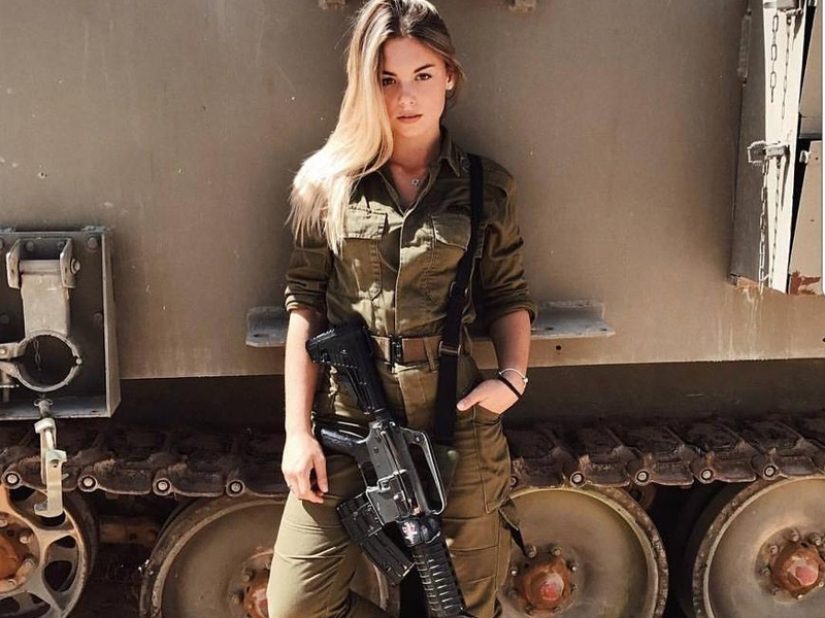
Female IDF soldiers on a grueling endurance march

Every combat unit in the IDF has a masa kumta, a final beret march that serves as the culminating event of basic training. For some units, this means marching 40 to 120 kilometers (roughly 25 to 75 miles) over two to three days, carrying full combat gear, weapons, and stretchers loaded with sandbags. It's a tradition that has remained virtually unchanged for decades, and it's the same distance for women as it is for men.

The final march is as much a psychological test as a physical one. By the second day, every muscle screams for relief and blisters have turned feet into raw wounds. Soldiers push through on willpower, unit cohesion, and the knowledge that the beret waiting at the finish line represents something that can never be taken away. Women who complete the march describe it as the most difficult and most meaningful physical achievement of their lives, harder than any workout program, marathon, or civilian endurance event they'll ever face.

Graduation Ceremony at the Western Wall
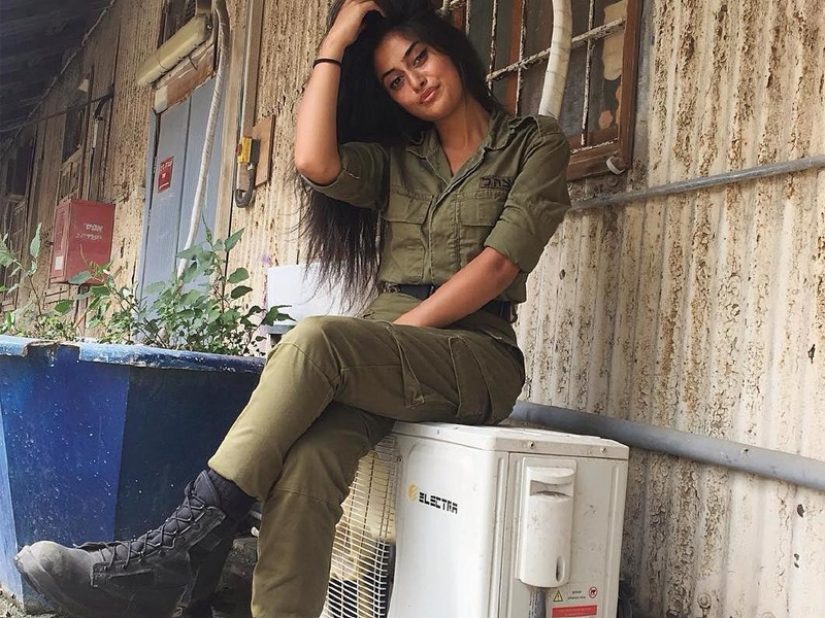
Female IDF soldiers at a military ceremony in Jerusalem

Many IDF units hold their graduation and beret ceremonies at the Western Wall in Jerusalem, one of the holiest sites in Judaism and among the most emotionally charged locations in the world. For the women who've spent months in grueling training, receiving their beret at the Wall is an experience that connects personal achievement with thousands of years of history. Families travel from across the country to watch their daughters become soldiers.

The ceremony typically takes place at night, with the ancient stones of the Wall illuminated behind rows of newly minted soldiers. It's a moment where individual struggle meets collective identity, these women have earned their place in a military that stretches back to the country's founding. Tears are common. So is an overwhelming sense of pride. For many, this ceremony marks the transition from girl to woman, from civilian to defender. It's the moment everything changes.

Most Women Travel the World After Service
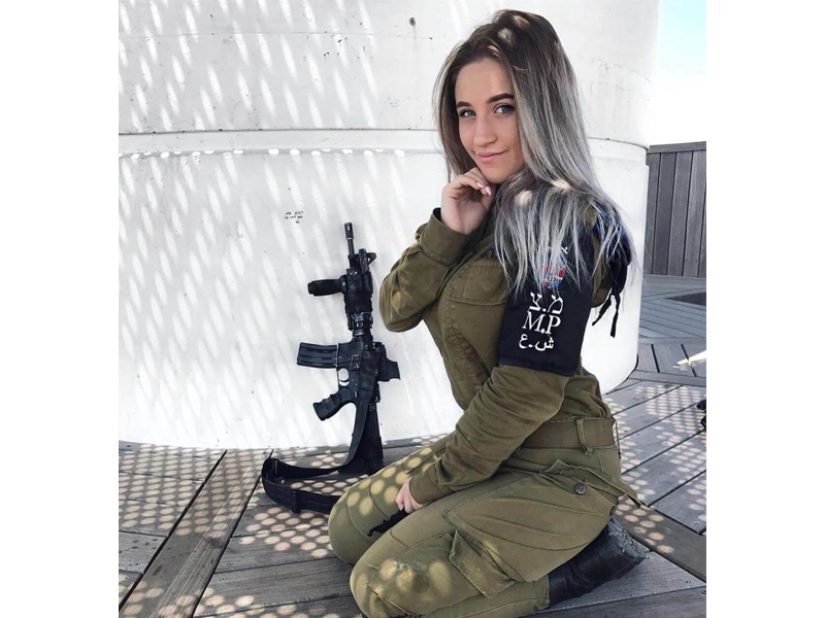
Former IDF woman embracing post-service travel

When Israeli women finish their military service, they don't immediately start college or careers. They travel, and they travel big. The post-IDF trip is a deeply ingrained cultural tradition, with popular destinations including South America, Southeast Asia, India, and Australia. After two years of discipline, structure, and stress, the urge to explore is overwhelming. Entire hostels in Thailand and Peru are essentially filled with recently discharged Israeli soldiers.

This Israel travel tradition creates a global network of young veterans who share an unbreakable bond. They find each other in hostels from Cusco to Chiang Mai, swapping military stories and travel tips in Hebrew. The trips often last three to six months, funded by the post-service savings that accumulated during their time in uniform. It's a decompression period that the culture understands as essential, a chance to process the intensity of service before moving on to the next chapter of civilian life.

Military Experience Gets You Into Top Universities

Former IDF woman transitioning to university education

Israeli universities start receiving students who are 21 or 22, years older than freshmen in most countries, and admissions committees know exactly why. Military service isn't just accepted on college applications; it's expected, and the skills developed during service give veterans a significant edge. Women who served in intelligence, cybersecurity, or leadership roles are actively recruited by top programs in engineering, computer science, and business.

The advantage extends beyond Israeli institutions. Universities worldwide, including top programs in the US and Europe, increasingly recognize IDF service as equivalent to years of professional experience. Admissions essays about leading soldiers under fire or managing defense technology systems carry a weight that summer internships can't match. For women who served in elite units, the combination of military experience and the maturity that comes with it opens doors to the most competitive college programs on the planet.

Silicon Valley Actively Recruits IDF Veterans

Former IDF woman building a career in technology

It's no secret that the tech industry has a pipeline running directly from IDF intelligence and cybersecurity units to Silicon Valley boardrooms. Companies like Google, Microsoft, and Amazon actively recruit Israeli veterans, and the competition for graduates from units like 8200 is fierce. Women from these units arrive with hands-on experience in areas that most tech employees only read about, real-world cybersecurity threats, large-scale data analysis, and classified defense technology projects.

The military career-to-tech career pipeline has made Israel the second-largest tech ecosystem in the world after the United States, and women are increasingly at the center of it. Female IDF veterans have founded cybersecurity companies valued in the billions, led engineering teams at major tech firms, and become venture capitalists funding the next generation of startups. The skills that made them effective soldiers, analytical thinking, leadership under pressure, and technical expertise, make them devastating in the private sector.

Gal Gadot Was a Combat Fitness Instructor

Female IDF fitness instructor in action

Before she was Wonder Woman, before the red carpets and blockbuster films, Gal Gadot was a 20-year-old combat fitness instructor in the IDF. She served her mandatory two years and spent her service designing and leading workout programs for combat soldiers. When she later won the Miss Israel pageant and was cast by Hollywood, she credited her military service with giving her the discipline and physical confidence that defined her career.

Gadot isn't shy about her service, she's spoken publicly about how the IDF shaped her work ethic, her physical capabilities, and her understanding of what women can achieve. She's far from the only celebrity to have served. The list of famous IDF alumni includes supermodels, tech billionaires, Olympic medalists, and international diplomats. In Israel, military service isn't something celebrities hide, it's something they reference with pride. It's the shared experience that grounds every Israeli, regardless of what comes after.

Many Return as Career Officers

Female IDF career officer in a professional role

While most women complete their mandatory two years and move on, a growing number are choosing to stay and build a full military career. Career officers in the IDF sign on for additional years of service, taking on increasingly senior leadership positions, specializing in fields like intelligence, operations planning, or defense technology, and earning salaries that become competitive with the private sector at higher ranks.

For women who thrive in the military environment, the career path offers something the civilian world often doesn't, rapid advancement based purely on merit, genuine life-or-death responsibility at a young age, and the knowledge that your work directly protects your country. Female career officers now serve as brigadier generals, lead major operations, and shape military policy. The military career path that was once closed to women is now one of the most compelling professional options available to them.

Most Women Travel the World After Service
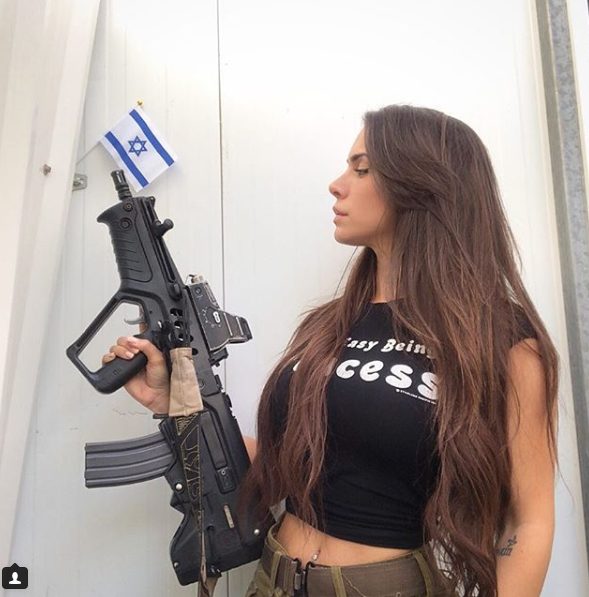
Former IDF woman backpacking through South America after military service

The moment an Israeli woman finishes her military service, the entire world opens up. The post-army trip, known as "the big trip", is one of Israel's most defining cultural traditions. Tens of thousands of recently discharged soldiers flood airports every year, heading to South America, Southeast Asia, India, and Australia on extended backpacking journeys that last anywhere from three months to a full year. Israel travel culture is unlike anything else on the planet.

These aren't casual vacations. After two years of 5 AM wake-ups, weapons drills, and operating under constant pressure, former soldiers crave the kind of radical freedom that only long-term travel provides. Hostels across Peru, Thailand, and Nepal have Hebrew signs on their walls because the post-IDF crowd is that significant. The trips serve as a decompression valve, a chance to process the intensity of military service before transitioning into university or the workforce. It's a rite of passage built on top of a rite of passage, and it produces some of the most resilient, worldly young women on Earth.

Military Experience Gets You Into Top Universities
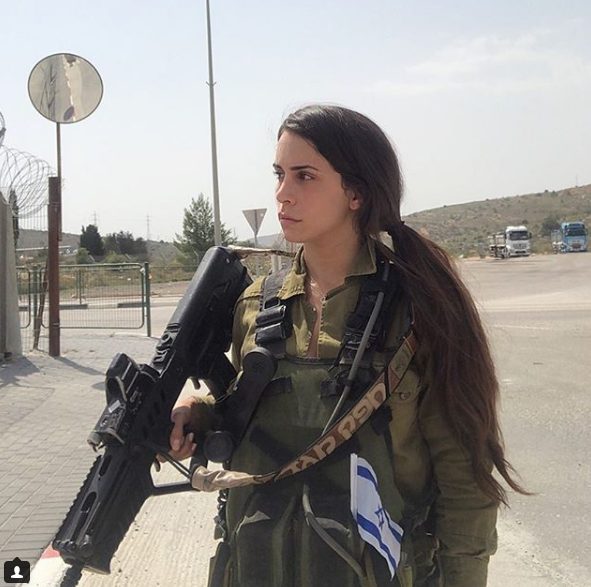
Former IDF woman studying at a prestigious university campus

When Israeli women finally sit down in a college lecture hall, they're typically 21 or 22 years old, and they carry an edge that no standardized test can measure. University admissions committees in Israel and abroad treat IDF service as serious professional experience, and women who served in intelligence, cybersecurity, or combat leadership roles are aggressively recruited by elite programs in engineering, computer science, law, and medicine. The military advantage in college admissions is real and measurable.

Top universities in the United States and Europe have caught on too. Admissions essays describing real-world intelligence operations, leadership under live-fire conditions, or managing classified defense technology projects carry a gravity that summer internships and volunteer trips simply cannot replicate. Programs at MIT, Stanford, Harvard, and the Technion actively seek IDF veterans because they arrive with maturity, discipline, and problem-solving skills forged under extraordinary pressure. For women coming out of elite units, the college application process isn't a hurdle, it's a formality.

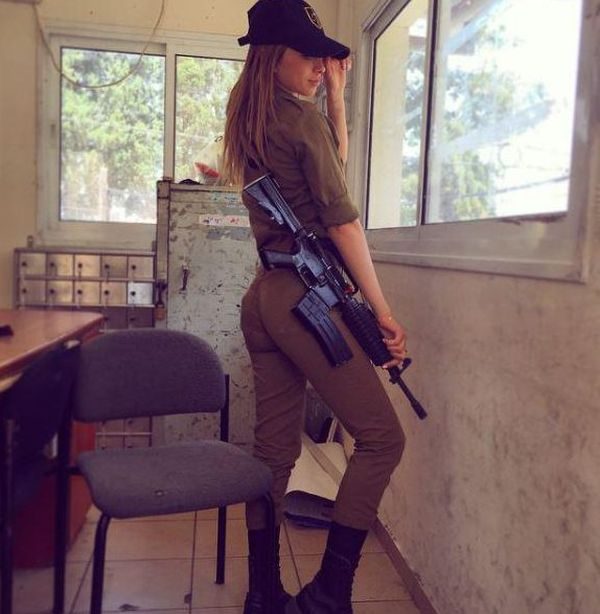
Silicon Valley Actively Recruits IDF Veterans

Former IDF woman working in a high-tech cybersecurity environment

There's a direct pipeline running from IDF intelligence units to the most powerful technology companies on Earth, and women are increasingly at the center of it. Google, Apple, Microsoft, Amazon, and Meta all maintain active recruitment channels targeting graduates of units like 8200, Israel's legendary signals intelligence division. These veterans arrive in Silicon Valley with hands-on cybersecurity experience, data analysis skills, and classified technology backgrounds that most civilian engineers spend decades trying to acquire.

The cybersecurity careers available to female IDF veterans are staggering in both scope and compensation. Women from Unit 8200 and similar divisions have founded billion-dollar cybersecurity startups, led engineering divisions at Fortune 500 companies, and become venture capitalists funding the next generation of defense technology firms. Israel produces more tech startups per capita than any country except the United States, and the military-to-tech pipeline is the engine driving that output. For women who served in technical roles, the IDF isn't just a military obligation, it's the most valuable career accelerator on the planet.

Gal Gadot Was a Combat Fitness Instructor

Young Israeli woman demonstrating strength and confidence in military training

Before she became Hollywood's most iconic female superhero, Gal Gadot spent two years as a combat fitness instructor in the Israel Defense Forces. She wasn't a celebrity getting a honorary pass through service, she was a working soldier who designed and led grueling workout programs for combat troops. The discipline, physical confidence, and mental toughness she developed during service became the foundation for everything that followed, from winning Miss Israel to landing the role of Wonder Woman.

Gadot has spoken openly about how the IDF shaped her career and her identity. But she's far from the only famous name on the roster. Supermodels Bar Refaeli (who controversially avoided service) and Esti Ginzburg both served. Tech billionaires, Olympic athletes, and international diplomats trace their professional DNA back to the IDF. In Israel, celebrities who served don't hide it, they lead with it. Military service is the great equalizer in Israeli society, and it produces women who carry themselves with a confidence that Hollywood directors, fashion photographers, and tech recruiters can spot instantly.

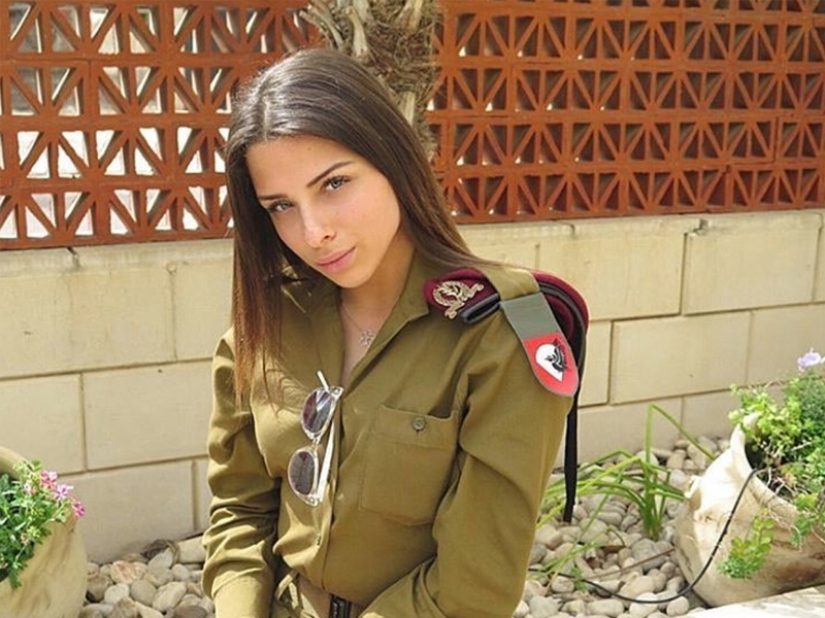
Only 3 Countries Require Women to Serve

Female soldiers representing nations with mandatory women's military service

Out of nearly 200 countries on Earth, only three require women to serve in their armed forces: Israel, Norway, and Sweden. Israel has been doing it since 1948, longer than either of the Scandinavian nations, which adopted gender-neutral conscription only in the last decade. The comparison reveals just how far ahead Israel has been in integrating women into military service, and how rare this policy remains on the global stage.

Norway introduced mandatory military service for women in 2015, and Sweden followed in 2017. But neither country faces the kind of persistent security threats that make Israel's conscription model a matter of national survival rather than progressive policy. Israeli women don't serve because of a political statement, they serve because a country of 9 million surrounded by complex geopolitical realities needs every capable citizen contributing to its defense. The result is a military culture where women serving alongside men isn't an experiment or a social program. It's been the standard operating procedure for nearly eight decades.

The US Military Is Watching Closely

Female soldiers in a professional military briefing environment

When the United States opened all combat roles to women in 2016, Pentagon planners didn't start from scratch, they studied the IDF. Israel's decades of experience integrating women into combat units, border defense, intelligence, and military leadership provided the most comprehensive real-world dataset available. US military delegations have visited IDF bases, observed mixed-gender combat units in action, and published studies analyzing how Israel manages everything from physical standards to unit cohesion.

The lessons extend beyond the United States. NATO countries including Canada, Germany, Australia, and the United Kingdom have all examined the Israeli model as they expand women's roles in their own armed forces. What makes Israel's approach uniquely valuable is the scale of data, with nearly every woman in the country serving, the IDF has amassed decades of evidence on how gender integration affects combat readiness, unit performance, and operational outcomes. Other militaries study Israel because no one else has been running this experiment as long or as broadly.

Social Media Made Them World Famous

IDF woman whose confident presence captivated social media audiences worldwide

Before Instagram, the world had only a vague awareness that Israeli women served in the military. Social media changed everything. Viral photos of female IDF soldiers, in uniform, on bases, during training exercises, began circulating in the early 2010s and generated millions of shares, likes, and comments across every platform. Overnight, the women of the IDF became one of the most searched and shared military topics on the internet, turning a national security policy into a global fascination.

The impact goes deeper than viral photos. Social media visibility has driven a broader conversation about women empowerment in military contexts, challenging outdated stereotypes about what women in uniform look like, what they're capable of, and what roles they deserve. Female IDF soldiers have built massive personal followings, launched fitness brands, modeling careers, and advocacy platforms, all rooted in the authenticity of real military service. The combination of discipline, strength, and confidence that the IDF cultivates translates perfectly to the visual language of social media, and the world took notice.

They Protect 9 Million People on a Landmass Smaller Than New Jersey

Female IDF soldier standing watch over Israeli terrain

Here's the statistic that puts everything in perspective: Israel is roughly 8,500 square miles, smaller than the state of New Jersey, and home to approximately 9 million people. Every border is a potential security concern. Every major city is within range of threats that most nations never have to consider. The women who serve in the IDF aren't protecting a vast empire with oceans as buffers, they're defending a tiny, densely populated country where the margin for error is essentially zero.

This geographic reality shapes everything about IDF service. Response times are measured in minutes, not hours. A soldier stationed in the north can be redeployed to the south in a few hours of driving. The intimacy of the country's size means that every soldier, male or female, understands that the people they're protecting include their own families, their own neighborhoods, their own high schools. When a 19-year-old woman stands guard at a border checkpoint or monitors a radar screen, the stakes aren't abstract. They're deeply, unavoidably personal.

Every Woman You Just Saw Served Her Country Before Turning 21

Young IDF women standing together with pride and purpose after completing military service

Let that sink in. Every woman featured in this article, every soldier running desert marches, every intelligence analyst breaking codes, every combat medic saving lives, every officer leading troops, completed her military service before most people finish college. At an age when many young women around the world are deciding on a major or figuring out their first apartment, Israeli women have already led soldiers, operated advanced defense technology, and carried the weight of national security on their shoulders.

That's the real story behind the uniforms and the viral photos. These aren't models playing dress-up or influencers posing for content. They're women who answered a call that most of the world's population will never receive, and they answered it before they could legally buy a drink in the United States. The strength, confidence, and poise you see in their faces wasn't manufactured in a gym or curated for a camera. It was forged in boot camps, on border patrols, in desert heat, and through sleepless nights defending a country they love. That's not beauty for attention. That's beauty earned.

Share this article

Share:

Recommended

Ace of The Skies: Can You Identify These Military Aircraft Throughout The Years?
Test Yourself

Ace of The Skies: Can You Identify These Military Aircraft Throughout The Years?

Can you identify these aircraft?

Take the Quiz

On This Day in Military History

January 1

Emancipation Proclamation Takes Effect (1863)

President Abraham Lincoln's Emancipation Proclamation went into effect, declaring "all persons held as slaves" in Confederate states "are, and henceforward shall be free." The executive order transformed the Civil War from a struggle to preserve the Union into a war for human freedom, authorized the enlistment of Black soldiers, and ensured that the Confederacy would never win diplomatic recognition from Britain or France.

1942, Declaration by United Nations Signed

1776, Continental Army Raises the Grand Union Flag

1945, Luftwaffe Launches Operation Bodenplatte

See all 10 events on January 1

Get Military News & History in Your Inbox

Join thousands of readers receiving our weekly digest of military technology, history, and analysis.

Test Your Knowledge