Skip to content
May 3:British Recapture of Rangoon: The Burma Campaign Ends81yr ago

50 Most Elite Special Forces Units in the World, Ranked

Charles Bash · · 43 min read
Save
Share:
Special operations forces operators in tactical gear
Charles Bash
Charles Bash

Military Culture & Global Defense Writer

Charles Bash covers military culture, global defense forces, and the human side of armed services around the world. His work explores how militaries shape the lives of the men and women who serve in them.

#50: Swedish SOG: Scandinavia's Silent Professionals

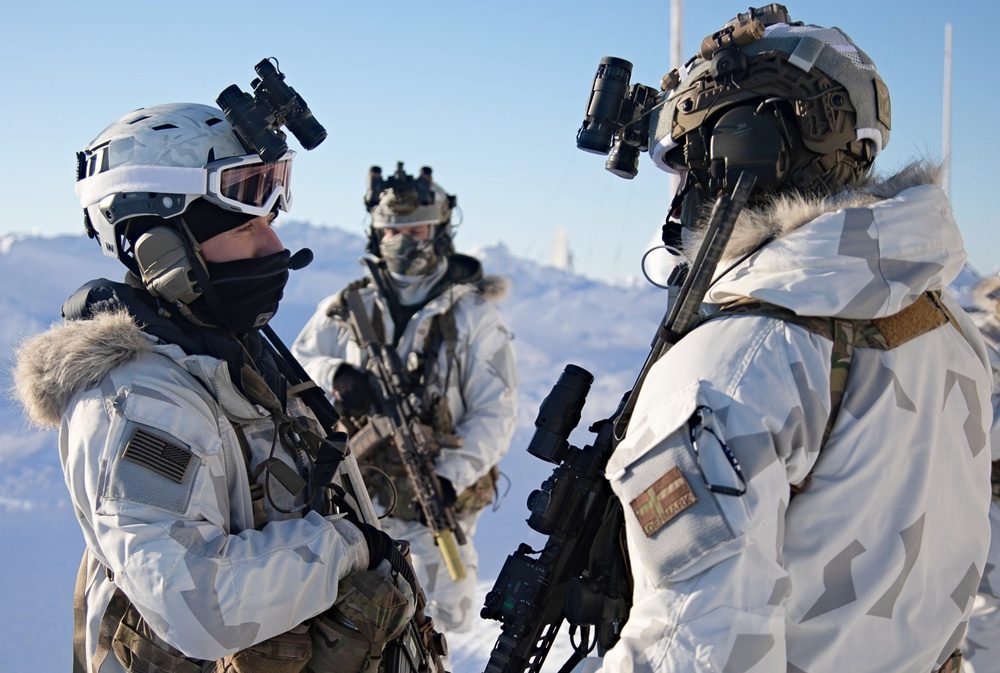
Swedish SOG special operations group operators during Arctic training exercise

Sweden's Särskilda Operationsgruppen maintains one of the most punishing selection courses in Northern Europe, conducted in sub-zero Arctic conditions where candidates endure sleep deprivation, forced marches through deep snow, and underwater navigation beneath frozen lakes. Fewer than 15 percent of applicants survive the full pipeline, which emphasizes cold-weather warfare, advanced reconnaissance, and direct action behind enemy lines.

What makes the SOG uniquely dangerous is Sweden's decades-long tradition of neutrality-backed military training. These operators have quietly deployed alongside NATO special operations forces in Afghanistan and across Africa, building an operational resume that belies Sweden's peaceful international reputation. Their specialty in Arctic and sub-Arctic environments, including expertise in skiing, snowmobile-based infiltration, and survival in temperatures reaching minus 40 degrees, gives them tactical capabilities that few other units on earth can match in northern theater defense technology scenarios.

#49: Portuguese DAE: NATO's Atlantic Frogmen

Portuguese DAE special forces naval divers during maritime operations

Portugal's Destacamento de Ações Especiais runs a selection course with a washout rate exceeding 80 percent, built around grueling ocean swims in the frigid Atlantic, underwater demolition drills, and combat diving at depths that would terrify most recreational divers. The DAE traces its lineage to Portugal's colonial-era commando traditions forged during decades of overseas military campaigns in Africa.

Operating primarily in the maritime domain, DAE operators specialize in ship-boarding operations, underwater sabotage, and coastal reconnaissance, the kind of specialized military training that makes them indispensable to NATO's southern flank. They've participated in counter-piracy operations off the Horn of Africa and joint exercises with U.S. Navy SEALs and British SBS, consistently earning respect from tier-one operators who train alongside them. For a small nation's military, the DAE punches astronomically above its weight in the world of naval special warfare.

#48: Austrian Jagdkommando: The Alpine Warriors Most People Have Never Heard Of

Austrian Jagdkommando special forces operators during mountain warfare training

Austria's Jagdkommando selection is legendary among European special forces communities. Candidates face a multi-phase pipeline that includes high-altitude mountain warfare, extreme cold weather survival, and a final exercise where they're hunted through the Alps by tracker teams for days with virtually no food or equipment. The graduation rate hovers around 10 percent.

Founded in 1963, the Jagdkommando has evolved from a Cold War stay-behind force into a modern special operations unit that deploys globally under UN and EU mandates. Their mountain warfare capabilities are considered among the finest in the world. Austrian operators can scale vertical rock faces, operate in avalanche zones, and execute direct action missions at altitudes where most soldiers can barely function. They've deployed to Chad, Lebanon, and Afghanistan, bringing alpine military training expertise that makes them invaluable coalition partners in any mountainous theater of operations.

#47: Philippine NAVSOG: The Pacific's Hardest Naval Commandos

Philippine NAVSOG naval special operations group operators in tactical gear

The Philippine Naval Special Operations Group runs a selection course so brutal that it's drawn comparisons to BUD/S. Candidates endure weeks of near-drowning drills, jungle survival with minimal rations, and combat swimming in shark-infested waters of the Philippine archipelago. NAVSOG operators have been in continuous combat operations against Abu Sayyaf terrorists and other insurgent groups for over two decades.

What sets NAVSOG apart is real-world combat experience that most Western special forces units can only simulate in training. These operators conduct ship interdictions, jungle raids, and hostage rescues in one of the most complex maritime environments on Earth, the 7,641-island Philippine archipelago. During the 2017 Battle of Marawi, NAVSOG teams fought house-to-house against ISIS-affiliated militants for five months straight, proving their tactical gear proficiency and close-quarters battle skills under sustained combat conditions that would test any unit on this list.

#46: Brazilian GRUMEC: South America's Elite Combat Divers

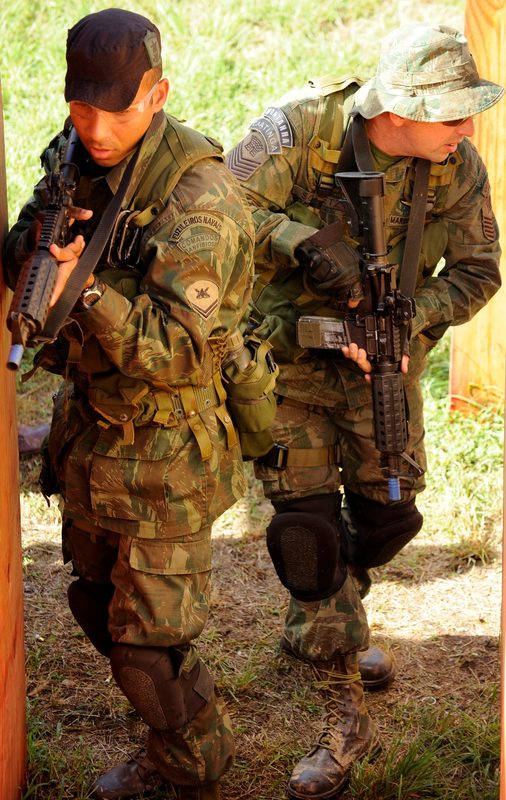
Brazilian GRUMEC combat divers during underwater special operations training

Brazil's Grupamento de Mergulhadores de Combate puts candidates through a selection process modeled after the U.S. Navy SEALs' BUD/S, but conducted in tropical waters teeming with piranhas, caimans, and venomous snakes. The attrition rate regularly exceeds 90 percent. GRUMEC operators are qualified combat divers, military freefall parachutists, and jungle warfare specialists rolled into one.

GRUMEC secured its reputation during high-profile security operations at the 2014 World Cup and 2016 Rio Olympics, where teams provided underwater counter-terrorism coverage and maritime interdiction capabilities. Their unique combination of jungle and maritime special forces training (honed in the Amazon basin and along Brazil's 7,500-kilometer coastline) creates operators equally comfortable conducting ship-boarding operations and deep-jungle direct action missions. In the realm of defense technology and special operations, GRUMEC represents the gold standard for Latin American military forces.

#45: China's Snow Leopard Commando Unit: Beijing's Counter-Terror Tip of the Spear

Chinese Snow Leopard Commando Unit operators in tactical formation during training

China's Snow Leopard Commando Unit operates under the People's Armed Police and runs a selection course where candidates endure live-fire stress inoculation, extreme martial arts testing, and operations in simulated chemical and biological warfare environments. The unit was specifically created in 2002 to handle counter-terrorism operations and VIP protection for major international events hosted by China.

Snow Leopard operators provided security during the 2008 Beijing Olympics and have deployed to protect Chinese interests in high-threat environments across Central Asia and Africa. Their military training pipeline emphasizes CQB, explosive breaching, and rapid helicopter insertion, skills directly comparable to Western tier-one units. What intelligence analysts find most concerning is the unit's rumored size: while most elite special forces units maintain a few hundred operators, the Snow Leopard Commando Unit reportedly fields over 1,000, giving Beijing a counter-terrorism capacity that dwarfs anything in the Western special operations community.

#44. Japanese Special Forces Group: The Samurai Tradition Goes Tier-One

Japan Special Forces Group JGSDF operators during counter-terrorism exercise

Japan's Special Forces Group was only established in 2004, making it one of the youngest elite units on this list, but its selection and training pipeline was built from scratch with direct mentorship from U.S. Delta Force and British SAS instructors. Candidates face a grueling multi-month assessment that tests physical endurance, psychological resilience, and tactical decision-making under extreme stress.

The SFGp was created in direct response to the growing North Korean missile threat and regional instability in the Pacific. Operators specialize in counter-terrorism, hostage rescue, and special reconnaissance, with a particular emphasis on maritime interdiction and island defense scenarios that reflect Japan's unique geographic military challenges. They train extensively with U.S. special operations forces at JSOC facilities, and their tactical gear and weapons loadout mirror American tier-one standards. For a unit less than 25 years old, the SFGp has built a reputation that far exceeds its operational history.

#43: Singapore Commandos: The City-State's Disproportionate Special Forces

Singapore Special Operations Force commandos during urban warfare training exercise

Singapore's Commando Formation selection is deliberately designed to be one of the toughest in Southeast Asia. Candidates endure a 9-month pipeline that includes jungle warfare in Malaysian rainforest, urban combat exercises in purpose-built kill houses, and amphibious operations across the Strait of Malacca. The wash-out rate consistently exceeds 80 percent.

For a nation smaller than New York City, Singapore maintains a special operations capability that regularly impresses larger allies during multinational exercises. Commando operators have trained with U.S. Green Berets, Australian SASR, and Israeli special forces, building interoperability that punches far above Singapore's geographic weight class. Their specialization in urban warfare and maritime counter-terrorism reflects the strategic reality of defending one of the world's busiest shipping chokepoints. The unit's defense technology investment, including access to some of the most advanced military equipment in the region, gives each operator a force-multiplier effect that compensates for Singapore's small population.

#42: Special Reconnaissance Regiment: Britain's Intelligence-Gathering Ghost Unit

British Special Reconnaissance Regiment operators during covert surveillance operations

The SRR was formed in 2005 from the ashes of 14 Intelligence Company, the British Army's ultra-secret surveillance unit that operated throughout the Northern Ireland Troubles. Selection is drawn from across the British Armed Forces, and the process is deliberately shrouded in secrecy, though it's known to emphasize surveillance tradecraft, covert infiltration, and the ability to operate in plain clothes for extended periods in hostile environments.

What makes the SRR unique on this list is its mission set: while most special forces units are built around direct action, the SRR specializes in close-target reconnaissance and human intelligence gathering in denied areas. Their operators have conducted surveillance missions in Iraq, Afghanistan, and reportedly across the Middle East and Africa, often spending weeks embedded in hostile populations gathering intelligence that enables SAS and SBS strike operations. In the world of special forces training, the SRR represents the cerebral end of the spectrum, operators who win wars with information rather than firepower.

#41: Spanish GEO: Europe's Most Combat-Tested Police Tactical Unit

Spanish GEO Grupo Especial de Operaciones operators during tactical assault training

Spain's Grupo Especial de Operaciones runs a selection course with a failure rate exceeding 85 percent. Candidates endure extreme physical testing, high-stress hostage rescue simulations, and psychological evaluations designed to identify operators who can make lethal-force decisions in milliseconds. The GEO was forged during Spain's darkest counter-terrorism era, battling ETA Basque separatists through the 1980s and 1990s.

The GEO has conducted more real-world hostage rescues and counter-terrorism operations than almost any similar European unit, their operational tempo during the ETA campaign gave operators combat experience that training alone can never replicate. They've since deployed internationally with Spanish military forces and provided counter-terrorism support during major international events. Their tactical gear loadout and training methodology have been adopted by several Latin American special operations units, making the GEO an exporter of counter-terrorism doctrine across the Spanish-speaking military world.

#40: South Korean UDT/SEAL: The Peninsula's Underwater Warriors

South Korean Navy UDT SEAL operators during maritime special warfare training

South Korea's UDT/SEAL teams run a BUD/S-inspired selection that includes a Korean "Hell Week," five days of near-continuous physical punishment in frigid Korean waters, with candidates regularly pulled from the ocean suffering hypothermia. The attrition rate approaches 90 percent. Graduates are combat divers, military parachutists, and experts in the kind of maritime infiltration that the Korean Peninsula's extensive coastline demands.

These operators gained global attention in 2011 when they stormed the chemical tanker Samho Jewelry in the Arabian Sea, rescuing 21 hostages from Somali pirates and killing 8 of 13 pirates in a textbook maritime counter-terrorism operation broadcast worldwide. The unit maintains constant readiness for North Korean provocations, training for underwater demolition of coastal defenses, beach reconnaissance, and special reconnaissance missions along the DMZ. Their military training pipeline and operational readiness reflect the existential threat that drives South Korean defense technology investment.

#39: Italian COMSUBIN: The Frogmen Who Invented Naval Special Warfare

Italian COMSUBIN special forces frogmen during naval special operations

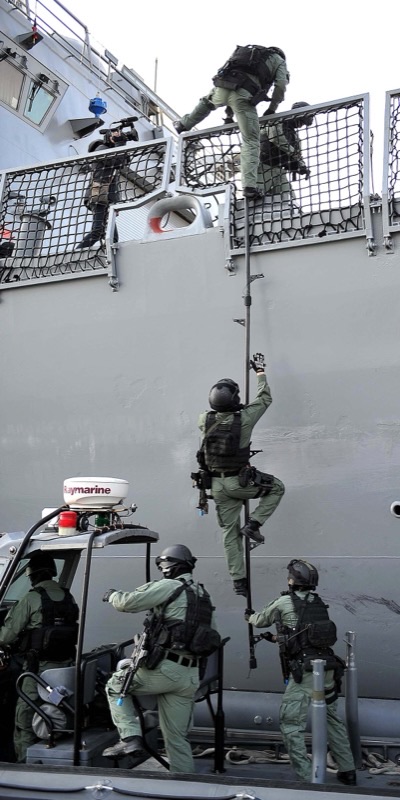
Italy's COMSUBIN traces its lineage directly to the legendary Decima MAS frogmen of World War II, the men who rode manned torpedoes into Alexandria harbor in 1941 and sank two British battleships. Modern COMSUBIN selection is one of the longest in the world: the complete pipeline takes over two years, including combat diving qualifications that require operators to function at depths exceeding 100 meters using closed-circuit rebreathers.

COMSUBIN operators are the inheritors of a naval special warfare tradition older than any other on this list. They specialize in underwater sabotage, maritime counter-terrorism, and ship-boarding operations in the Mediterranean, a theater they've owned for nearly a century. The unit has deployed with NATO forces in the Persian Gulf, participated in counter-piracy operations off Somalia, and maintains a hostage rescue capability that Italian authorities have used in multiple real-world operations. Their defense technology in underwater delivery vehicles and diver propulsion systems remains among the most advanced in any navy worldwide.

#38: Italian 9th Regiment Col Moschin: The Parachute Assault Force

Italian 9th Parachute Assault Regiment Col Moschin special forces operators

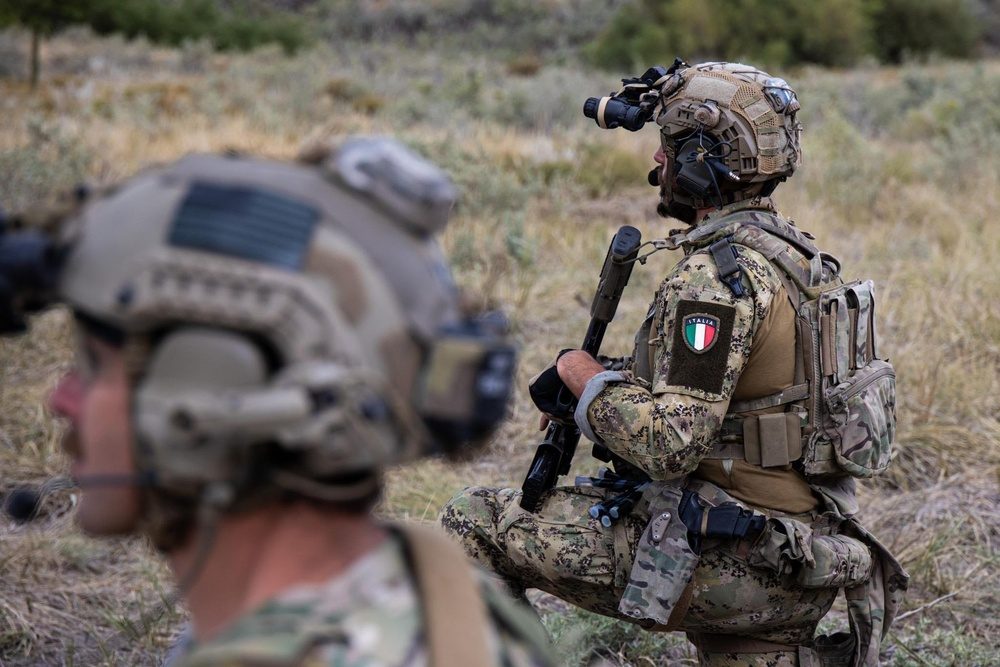
The 9th Parachute Assault Regiment "Col Moschin" runs Italy's most demanding military selection. A multi-phase pipeline that includes high-altitude freefall, demolitions, and a resistance-to-interrogation phase so realistic that Italian military oversight has periodically investigated it. Fewer than 15 percent of already-qualified paratroopers who attempt selection are awarded the coveted incursore badge.

Col Moschin operators have deployed extensively in Iraq and Afghanistan, where they conducted direct action raids alongside U.S. and British tier-one units within the JSOC task force structure. Their specialty in sabotage, deep reconnaissance, and unconventional warfare traces back to Italian special forces traditions from World War II. The regiment maintains a unique capability in mountain warfare and CBRN operations, reflecting Italy's geographic vulnerability and NATO role. In the hierarchy of European special forces training programs, Col Moschin consistently ranks among the top tier.

#37: Netherlands Korps Commandotroepen: The Dutch Operators Who Punch Above Their Weight

Dutch KCT Korps Commandotroepen operators during special operations training

The Netherlands' Korps Commandotroepen runs a selection course called the Elementary Commando Opleiding, a brutal multi-week assessment where candidates are pushed past physical and mental breaking points through forced marches, extended sleep deprivation, and realistic combat scenarios. The pass rate fluctuates between 10 and 20 percent of already-qualified soldiers.

The KCT has quietly built one of the most impressive operational resumes in European special forces. Dutch operators deployed to Afghanistan as part of Task Force Uruzgan, conducting over 1,000 special operations missions in Uruzgan province between 2006 and 2010. They've worked directly alongside SAS, Delta Force, and DEVGRU within JSOC task forces, earning a seat at the table that most NATO special forces units would envy. Their military training emphasizes versatility. KCT operators are qualified in mountain warfare, desert operations, jungle warfare, and Arctic combat, making them deployable to virtually any environment on Earth.

#36: Turkish OKK: Ankara's Special Forces Command

Turkish Özel Kuvvetler Komutanlığı special forces operators in tactical gear

Turkey's Özel Kuvvetler Komutanlığı selection draws from the Turkish military's toughest units and runs candidates through a pipeline that includes mountain warfare in the Taurus range, winter survival training, and extensive counter-insurgency scenarios modeled on Turkey's decades of real-world combat experience against PKK militants. The selection failure rate exceeds 80 percent.

OKK operators have been in near-continuous combat operations since the 1980s, fighting Kurdish insurgents in southeastern Turkey, northern Iraq, and northern Syria. This level of sustained real-world combat experience gives OKK a tactical edge that peacetime training alone cannot produce. During Turkey's 2016 Operation Euphrates Shield and 2018 Operation Olive Branch in Syria, OKK teams spearheaded ground operations alongside conventional forces. Their military training in unconventional warfare, direct action, and counter-insurgency reflects decades of hard-won lessons that make them one of NATO's most combat-experienced special operations forces.

#35: Turkish SAT: The Mediterranean's Most Dangerous Frogmen

Turkish Navy SAT underwater offence commandos during maritime training exercise

Turkey's Su Altı Taarruz team, literally "Underwater Assault," runs a 50-week selection and training pipeline that's one of the longest continuous special forces courses in NATO. Candidates face open-ocean swimming trials in the Black Sea and Mediterranean, closed-circuit dive qualifications, and demolitions training that weeds out all but the most mentally and physically resilient sailors.

SAT frogmen specialize in underwater demolitions, maritime counter-terrorism, and ship-boarding operations across Turkey's massive 8,300-kilometer coastline, the longest of any NATO nation. They've conducted real-world maritime interdiction operations in the Mediterranean and Aegean seas, and regularly train with U.S. Navy SEALs during joint exercises. Their tactical gear and underwater delivery systems represent Turkey's growing investment in indigenous defense technology, and their operational partnership with Turkish OKK creates a combined special operations capability that covers both land and sea domains across Ankara's expansive sphere of influence.

#34. Belgian Special Forces Group: Small Nation, Outsized Capability

Belgian Special Forces Group operators during special operations exercise

Belgium's Special Forces Group selection is deliberately modeled on the British SAS, a multi-phase assessment that tests endurance, navigation, tactical problem-solving, and psychological resilience across varied terrain. The pass rate hovers around 15 percent, and the complete operator pipeline takes approximately two years from initial selection to full operational capability.

What earns the Belgian SFG a spot on this list is their outsized role in NATO special operations relative to Belgium's modest military budget. Belgian operators have deployed to Afghanistan, Mali, and across the Sahel, often operating alongside French and American special forces in some of the world's most austere environments. Their specialty in desert warfare and counter-insurgency operations in West Africa has made them a go-to coalition partner for France's Operation Barkhane and its successor missions. In the world of special forces training, the Belgian SFG proves that operational excellence doesn't require a superpower defense budget.

#33: New Zealand SAS: The South Pacific's Most Decorated Warriors

New Zealand SAS special air service operators during military operations

New Zealand's 1st NZSAS Regiment runs a selection course directly descended from the British SAS tradition, a punishing multi-week assessment in the mountains and rainforests of New Zealand's rugged terrain that eliminates over 85 percent of candidates. The unit was established in 1955 and has built a reputation that far exceeds New Zealand's tiny military footprint.

NZSAS operators earned global recognition in Afghanistan, where they were awarded a U.S. Presidential Unit Citation, one of the highest honors the American military can bestow on a foreign unit, for sustained combat operations in Kabul province. Corporal Willie Apiata earned the Victoria Cross for carrying a wounded comrade across open ground under Taliban fire, cementing the NZSAS reputation for extraordinary valor. For a unit drawn from a nation of just five million people, their military training standards and combat achievements place them firmly among the world's elite special operations forces.

#32. South African Special Forces: The Recces Who Fought Across a Continent

South African Special Forces Recce operators during bush warfare operations

South Africa's Special Forces, the legendary Recces, run one of the most physically devastating selection courses on Earth. Candidates endure weeks of forced marches through the African bush, river crossings in crocodile-infested waters, and a final survival phase where they must live off the land in hostile terrain with virtually no equipment. The pass rate historically sits below 10 percent.

The Recces forged their reputation during the South African Border War (1966-1990), conducting deep-penetration raids hundreds of kilometers behind enemy lines in Angola, Mozambique, and Namibia. Operations like the legendary Cassinga raid, a 250-kilometer airborne assault into Angola, demonstrated the kind of audacious long-range military training and operational capability that earned them comparison to the Rhodesian SAS and British SAS. Today's South African Special Forces maintain those bush warfare traditions while adding modern counter-terrorism and hostage rescue capabilities, making them Africa's undisputed premier special operations force.

#31: NSG Black Cats: India's Counter-Terrorism Shield

Indian National Security Guard Black Cat commandos in tactical formation

India's National Security Guard earned the "Black Cats" nickname from their distinctive black tactical gear and cat-like stealth during operations. Selection draws from India's best army and police personnel, and the training pipeline includes CQB, hostage rescue, explosive ordnance disposal, and VIP protection, all compressed into an intensely demanding program designed to produce operators ready for the full spectrum of counter-terrorism scenarios.

The NSG's defining moment came during the 2008 Mumbai attacks, when Black Cat commandos stormed the Taj Mahal Palace Hotel and Nariman House to neutralize Pakistani Lashkar-e-Taiba terrorists who had massacred civilians across the city. The operation lasted nearly 60 hours and was broadcast live worldwide, putting the NSG under a level of public scrutiny that few special forces units have ever faced during a real-world operation. The hard lessons of Mumbai, including delayed deployment and coordination challenges, drove a massive overhaul of India's counter-terrorism defense technology and rapid-response protocols.

#30: U.S. Air Force Pararescuemen: The World's Most Dangerous Combat Medics

U.S. Air Force Pararescue Jumpers PJs during combat rescue training

The Pararescue pipeline is the longest special operations training program in the U.S. military, over two years of continuous training that includes combat diving, military freefall, emergency trauma medicine, mountain warfare, and survival school. The attrition rate from initial selection to graduation exceeds 80 percent, making PJs statistically harder to produce than Navy SEALs.

PJs operate under a unique motto, "That Others May Live," and their primary mission is combat search and rescue in the most hostile environments imaginable. During Operation Red Wings in Afghanistan, PJ teams inserted into enemy territory under fire to recover fallen SEALs and Rangers. In Iraq, PJs conducted hundreds of casualty evacuation missions under direct fire, saving lives that would have been lost without their unique combination of trauma medicine and special forces training. They are the only Department of Defense personnel specifically trained and equipped to perform both conventional and unconventional rescue operations across every domain (air, land, and sea) making them one of the most versatile military career paths in special operations.

#29: Pakistan SSG: The Mountain Warriors of South Asia

Pakistan SSG Special Service Group commandos during mountain warfare training

Pakistan's Special Service Group runs a nine-month selection course that begins with a 36-mile march in 12 hours carrying full combat load, and gets harder from there. Candidates endure mountain warfare training in the Himalayas, desert survival in Balochistan, and a brutal close-quarters battle phase. The SSG has been in near-continuous combat operations along the Afghan border since 2001.

SSG commandos have conducted thousands of real-world operations against Taliban and al-Qaeda fighters in Pakistan's tribal areas, terrain so mountainous and hostile that it defeated the Soviet army next door. During Operation Zarb-e-Azb in North Waziristan, SSG teams spearheaded the offensive that cleared entrenched militant positions across some of the most difficult military terrain on Earth. They've also conducted hostage rescue operations, including the dramatic recovery of kidnapped civilians from militant compounds deep in tribal territory. Their mountain warfare military training is considered among the best in the world, forged by geography and decades of actual combat.

#28. Indian Para Special Forces: A Billion People's Best Warriors

Indian Parachute Regiment Special Forces paratroopers during airborne operations

India's Parachute Regiment Special Forces draws from one of the world's largest military establishments, selecting only the most exceptional soldiers for a grueling pipeline that includes a 90-day probation followed by advanced training in high-altitude warfare, jungle combat, desert operations, and amphibious missions. The selection rate from the Indian Army's already-elite parachute battalions sits below 20 percent.

Para SF operators have seen extensive combat along the Line of Control in Kashmir, conducting surgical strikes across the border into Pakistan-controlled territory, operations that made international headlines in 2016 when India publicly acknowledged cross-border special forces raids for the first time. They've also deployed to counter-insurgency operations in India's northeast and conducted operations in Sri Lanka during the IPKF deployment. Their military training in high-altitude warfare above 15,000 feet, fighting in conditions where oxygen deprivation alone can incapacitate, gives them capabilities that few special forces units on Earth can match.

#27: Indian MARCOS: The Maritime Commandos Who Board Ships in Pirate Waters

Indian Navy MARCOS commandos conducting ship boarding maritime operations

India's Marine Commandos run a selection pipeline so demanding that it takes approximately two and a half years to produce a fully qualified MARCOS operator, one of the longest training programs of any naval special forces unit worldwide. Candidates must pass combat swimming qualifications, military freefall, and a resistance-to-interrogation phase that has drawn comparisons to SERE training.

MARCOS operators gained global attention during the 2008 Mumbai attacks, when they were among the first special forces to respond, clearing the Trident-Oberoi Hotel of terrorists in a multi-day operation. They've since conducted real-world counter-piracy operations in the Arabian Sea, boarding hijacked vessels and neutralizing Somali pirates in operations that demonstrated their ship-assault tactical capabilities. In 2024, MARCOS operators boarded the hijacked bulk carrier MV Ruen, rescuing the crew and capturing the pirates in a textbook maritime counter-terrorism operation that showcased their defense technology and tactical gear proficiency.

#26: Danish Jægerkorpset: The Vikings of Modern Special Warfare

Danish Jægerkorpset special forces operators during reconnaissance patrol

Denmark's Jægerkorpset, the Hunter Corps, runs a selection process called Patruljeagerkursus that has a historical pass rate below 10 percent. Candidates face extended navigation exercises across Denmark's terrain, sleep deprivation phases lasting over a week, and resistance-to-interrogation scenarios designed to break even seasoned soldiers. The unit traces its lineage to 1785, making it one of the oldest special forces traditions in the world.

Jægerkorpset operators deployed to Afghanistan as Task Force K-Bar alongside U.S. special operations forces and earned a U.S. Navy Presidential Unit Citation for combat operations in 2001-2002, one of only a handful of foreign units ever recognized with this honor. They specialize in long-range reconnaissance, direct action, and Arctic warfare, reflecting Denmark's NATO commitment to northern European defense. Their military training in Greenland's Arctic environment gives them cold-weather capabilities rivaling any Nordic special forces unit, and their combat record in Afghanistan's Helmand Province proved these aren't ceremonial skills.

#25: Norwegian Forsvarets Spesialkommando: The Arctic Warfare Specialists

Norwegian FSK Forsvarets Spesialkommando operators during Arctic training exercise

Norway's Forsvarets Spesialkommando draws its operators from an already-elite pool, every Norwegian male serves mandatory military service, meaning FSK selection begins with a conscript population that's already received basic military training. The FSK selection is one of Europe's most demanding, conducted in Norway's brutal Arctic terrain where candidates face extreme cold, mountain navigation, and combat scenarios at the edge of human endurance.

FSK operators deployed to Afghanistan as part of Task Force 51, working directly with JSOC tier-one units on some of the most sensitive operations of the war. Their specialty in Arctic and mountain warfare isn't just a training exercise, it's a strategic imperative driven by Norway's 196-kilometer border with Russia. FSK operators regularly train for scenarios involving the defense of Norway's northern coast and Arctic territories, making them one of the few special forces units on Earth whose primary military career mission directly involves potential confrontation with a nuclear-armed adversary's conventional forces.

#24: South Korean 707th Special Mission Battalion: The DMZ's Last Line of Defense

South Korean 707th Special Mission Battalion operators during winter warfare training

South Korea's 707th Special Mission Battalion was created in direct response to North Korea's special forces threat, Pyongyang maintains the world's largest special operations force at over 200,000 personnel. The 707th selection draws from South Korea's best soldiers and pushes them through a counter-terrorism and direct action pipeline designed to produce operators capable of neutralizing North Korean infiltration teams and conducting cross-border operations.

The 707th demonstrated its capabilities during the 1988 Seoul Olympics security mission, the unit's original raison d'être following the 1972 Munich massacre. They maintain constant readiness for North Korean provocations along the DMZ, training for scenarios including tunnel infiltration, coastal defense against submarine-launched commando raids, and hostage rescue operations. Their military training in winter warfare, conducted in Korean temperatures that plunge below minus 20 degrees Celsius, reflects the peninsula's harsh operational environment. The 707th's tactical gear and defense technology mirror Western tier-one standards, courtesy of decades of training partnership with U.S. special operations forces.

#23: Unit 669: Israel's Combat Rescue Force

Israeli Unit 669 combat rescue operators during airborne medical evacuation exercise

Israel's Unit 669 is the Israel Air Force's dedicated combat search and rescue unit, operators who parachute, fast-rope, or dive into active combat zones to extract downed pilots and wounded soldiers. Selection demands that candidates excel at military freefall, combat diving, trauma medicine, and direct action, making Unit 669 operators among the most multi-disciplinary special forces personnel in any military worldwide.

Unit 669 has been in continuous operation during every major Israeli military engagement, extracting casualties under fire from Lebanon, Gaza, and across the region. During the 2006 Lebanon War, Unit 669 teams conducted dozens of combat rescues under Hezbollah fire, recovering downed helicopter crews and wounded ground forces from deep inside hostile territory. Their military training pipeline produces what is essentially a combat paramedic-commando hybrid, operators who can fight their way to a casualty, stabilize them under fire, and evacuate them by air, land, or sea. No other nation's rescue force combines this breadth of special forces training with this intensity of real-world combat experience.

#22: Vympel: Russia's Most Secretive Sabotage Unit

Russian Vympel special forces FSB operators during tactical training

Vympel, originally created by the KGB in 1981, was designed for a single terrifying mission: infiltrating foreign countries during wartime to sabotage nuclear installations, military command centers, and critical infrastructure. Selection is drawn from Russia's intelligence and military elite, and the training pipeline emphasizes language skills, clandestine operations, demolitions, and the ability to operate alone or in small teams deep behind enemy lines for extended periods.

During the Soviet era, Vympel operators trained to infiltrate NATO countries and destroy nuclear weapons storage sites in the opening hours of World War III. They saw real combat during the October 1993 Russian constitutional crisis and the Chechen Wars, where they conducted hostage rescue and direct action operations. Today operating under the FSB's Special Purpose Center alongside Alpha Group, Vympel's mission has expanded to include counter-terrorism and protection of Russia's own nuclear facilities. Their defense technology access and operational capabilities remain among the most closely guarded secrets in Russian intelligence.

#21: Shaldag Unit: Israel's Precision Air Strike Directors

Israeli Shaldag Unit special forces operators during precision strike operations

Israel's Shaldag Unit, named after the kingfisher bird, is the Israel Air Force's elite special operations unit specializing in precision target designation behind enemy lines. Selection draws from Israel's mandatory military service pool, and the training pipeline takes approximately 20 months, producing operators who can infiltrate deep into hostile territory and designate targets for precision airstrikes with laser-guided munitions.

Shaldag operators have played decisive roles in nearly every major Israeli military operation of the past three decades, though most missions remain classified. What's publicly known includes their participation in Operation Orchard, the 2007 Israeli airstrike that destroyed Syria's covert nuclear reactor, where Shaldag teams reportedly provided ground-level targeting data for the strike aircraft. Their military training combines commando-level ground combat skills with advanced tactical air control capabilities, creating a hybrid operator who fights on the ground while commanding devastating airpower overhead. In the realm of defense technology and precision strike warfare, Shaldag represents the cutting edge.

#20: MARSOC Marine Raiders: The Devil Dogs of Special Operations

MARSOC Marine Raiders operators during combat training exercise

MARSOC's Individual Training Course is a grueling 9-month pipeline that transforms already-hardened Marines into special operations-capable operators, the selection phase alone eliminates over 50 percent of candidates, and the complete training program covers direct action, special reconnaissance, foreign internal defense, and unconventional warfare. Marine Raiders must master skills ranging from close-quarters battle to village stability operations.

MARSOC was activated in 2006 and has since deployed extensively to Afghanistan, Iraq, and across Africa and the Pacific. Marine Raiders bring something unique to the special operations community: the institutional aggression and expeditionary mindset of the Marine Corps combined with the surgical precision of special operations training. During operations in Helmand Province, Afghanistan, MARSOC teams conducted village stability operations that combined direct action raids with relationship-building, a military career specialty that neither pure trigger-pullers nor pure diplomats could achieve. The Raiders inherit the legacy of the WWII Marine Raiders who conducted the famous Makin Island raid, and their modern tactical gear and defense technology reflect that storied heritage.

#19: 75th Ranger Regiment: America's Premier Raid Force

75th Ranger Regiment operators conducting combat operations at night

The 75th Ranger Regiment is the largest special operations force in the U.S. military, over 3,600 Rangers organized into three battalions plus a Special Troops Battalion. Ranger Assessment and Selection Program (RASP) eliminates approximately 60 percent of candidates through an 8-week gauntlet of physical punishment, sleep deprivation, and tactical evaluations that separate Rangers from ordinary infantry soldiers.

Rangers have kicked down more doors in combat than any other unit in U.S. special operations history. They spearheaded the invasion of Afghanistan with the assault on Objective Rhino, conducted the dramatic daylight raid in Mogadishu (immortalized in Black Hawk Down), jumped into Grenada and Panama, and have deployed continuously since 2001, executing hundreds of raids per deployment cycle in Iraq and Afghanistan. The Ranger Regiment serves as the feeder force for Delta Force, meaning the most talented Rangers are recruited into America's most elite unit. Their military training pipeline produces the finest conventional raid force on Earth, disciplined, aggressive, and capable of massing overwhelming combat power on target.

#18: Commandos Marine: France's Naval Tip of the Spear

French Commandos Marine operators during maritime special operations

France's Commandos Marine trace their lineage to Free French commandos who trained with British Royal Marines during World War II. The modern selection course, called the stage commando, pushes candidates through maritime operations, jungle warfare, mountain combat, and a demolitions phase that's considered one of the most demanding in European special forces training. Organized into six specialized companies, each Commando unit maintains its own area of expertise.

Commandos Marine have deployed across Africa's Sahel region, the Indian Ocean, and the Middle East, conducting real-world operations that most European special forces units only train for. During the French intervention in Mali in 2013, Commandos Marine teams spearheaded the assault against entrenched jihadist positions, conducting helicopter-borne raids and vehicle interdictions across vast stretches of desert. Their operational partnership with France's 1er RPIMa creates a two-headed special operations capability, Commandos Marine handling the maritime and expeditionary domain while RPIMa handles the land-centric missions. Together, they give France one of the most capable special operations establishments in NATO.

#17: 1er RPIMa: France's SAS-Descended Strike Force

French 1er RPIMa special forces parachute regiment operators on formation

France's 1st Marine Infantry Parachute Regiment, 1er RPIMa, is the direct descendant of the Free French SAS squadrons that fought alongside British SAS in World War II. Their motto "Qui ose gagne" (Who dares wins) is the French translation of the SAS motto, and their selection process reflects that heritage: a multi-phase assessment that includes long-range navigation, survival exercises, and resistance-to-interrogation training designed to identify operators who can function independently behind enemy lines.

1er RPIMa forms the backbone of France's Commandement des Opérations Spéciales and has been in near-continuous deployment across Africa for decades, fighting in Chad, Côte d'Ivoire, Mali, Burkina Faso, and across the Sahel region. These are not peacekeeping deployments. French special forces have conducted direct action raids, hostage rescues, and targeted strikes against terrorist leadership throughout West and Central Africa. Their operational tempo rivals that of JSOC, and their military training pipeline produces operators who are equally comfortable in desert, jungle, and urban environments. 1er RPIMa is arguably the most combat-experienced special forces regiment in Europe.

#16: Spetsnaz GRU: Russia's Military Intelligence Commandos

Russian Spetsnaz GRU special forces operators during military training

Russia's GRU Spetsnaz, the special forces of military intelligence, run a selection and training program built around a philosophy of extreme brutality. Candidates endure hand-to-hand combat testing where broken bones are expected, live-fire exercises with minimal safety margins, and survival training in Siberian conditions that would hospitalize most Western soldiers. The complete pipeline produces operators hardened to a degree that alarms Western intelligence analysts.

GRU Spetsnaz units have operated in virtually every conflict Russia has engaged in since the Soviet invasion of Afghanistan in 1979, including both Chechen wars, the 2008 Georgia war, the annexation of Crimea, and ongoing operations in Ukraine and Syria. During the opening of the Crimea operation in 2014, Spetsnaz units in unmarked uniforms (the famous "little green men") seized key infrastructure with surgical precision before conventional forces arrived. Their military training emphasizes deep reconnaissance, sabotage, and unconventional warfare, the kind of deniable operations that blur the line between military and intelligence work. In terms of sheer combat experience, few special forces units on Earth have been more consistently engaged in real-world operations.

#15: Alpha Group: Russia's Premier Counter-Terrorism Force

Russian Alpha Group FSB special forces operators in tactical gear

Alpha Group, officially Special Purpose Unit A of the FSB, is the heir to the Soviet KGB's most elite counter-terrorism team. Selection is drawn from Russia's intelligence and military communities, and the training pipeline produces operators specializing in hostage rescue, VIP protection, and direct action against high-value targets. Founded in 1974 by KGB Chairman Yuri Andropov, Alpha's early mission was to storm hijacked aircraft and neutralize terrorist threats to the Soviet state.

Alpha Group's operational history reads like a textbook of both triumph and tragedy. They stormed the Beslan school in 2004 and the Dubrovka theater in 2002, operations that achieved their tactical objectives but at devastating civilian cost, sparking debates about Russian counter-terrorism doctrine that continue today. Alpha operators spearheaded the Soviet assault on the Tajbeg Palace during the 1979 invasion of Afghanistan, killing Afghan President Amin in an operation that launched a decade-long war. Their defense technology and weapons access is virtually unlimited within the Russian security apparatus, and their operators are among the most experienced counter-terrorism specialists in the world, for better and for worse.

#14: U.S. Army Green Berets: The Unconventional Warfare Masters

U.S. Army Green Berets Special Forces soldiers during tactical training

The Green Beret pipeline is one of the most intellectually demanding in special operations. The Special Forces Qualification Course takes 53 to 95 weeks depending on specialty, and every operator must become fluent in a foreign language, master unconventional warfare doctrine, and qualify in their chosen specialty (weapons, engineering, medical, or communications). The selection phase at Camp Mackall eliminates approximately 65 percent of already-qualified soldiers.

Green Berets wrote the book on unconventional warfare, literally. U.S. Army Special Forces were designed from inception to infiltrate behind enemy lines, organize indigenous resistance forces, and wage guerrilla warfare against a numerically superior enemy. In Afghanistan, a handful of Green Beret A-Teams partnered with Northern Alliance fighters and toppled the Taliban regime in weeks, arguably the most successful unconventional warfare campaign since World War II. They've since operated in over 70 countries simultaneously, training partner forces and building security capacity. The Green Beret military career represents the ultimate force multiplier: one 12-man team can transform an entire indigenous fighting force into a lethal military capability.

#13: U.S. Navy SEALs: The Most Famous Special Forces Brand on Earth

U.S. Navy SEAL operators during special warfare combat training

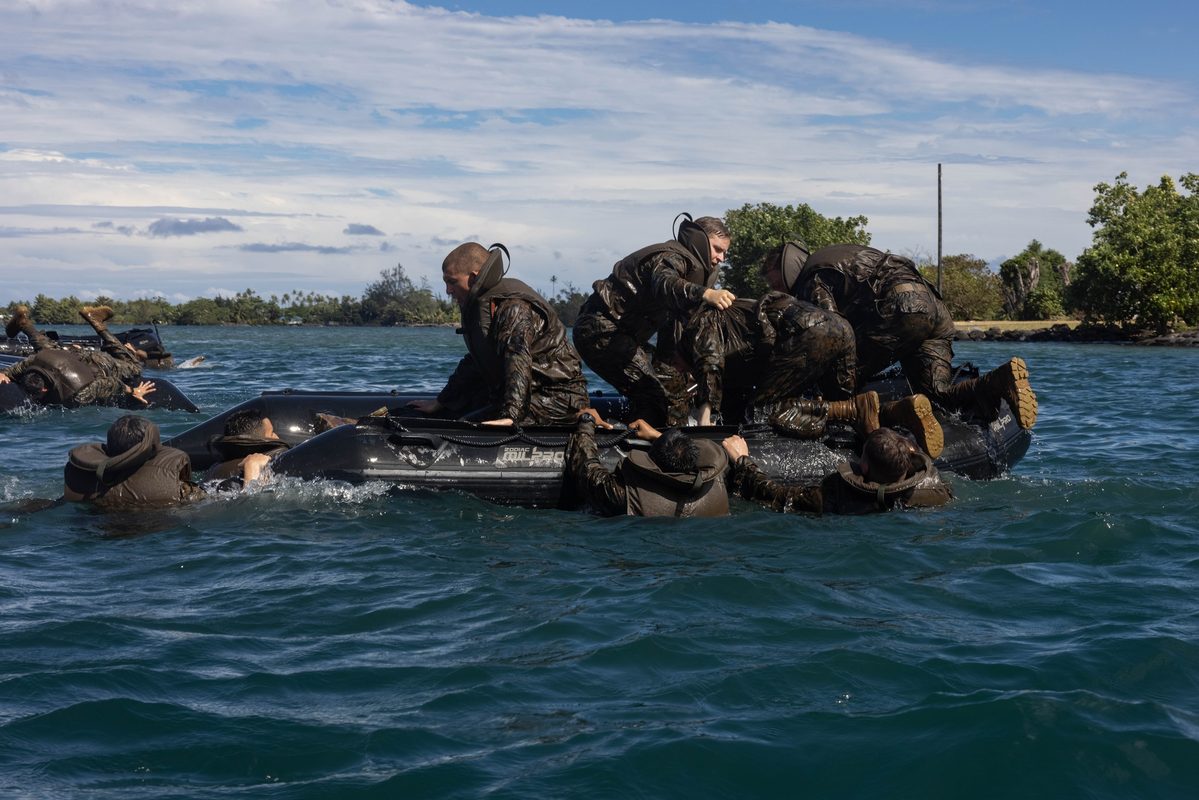
BUD/S, Basic Underwater Demolition/SEAL training, has a Hell Week that's become the global benchmark for special forces selection brutality. Candidates endure five and a half days of continuous physical punishment with a maximum of four hours total sleep, paddling rubber boats through freezing Pacific surf while instructors hammer them with psychological pressure. Approximately 75 to 80 percent of each class quits or is medically dropped.

Navy SEALs have conducted some of the most famous special operations in history, from the bin Laden raid to the rescue of Captain Phillips to the elimination of al-Qaeda leadership across multiple continents. The SEAL Teams maintain global presence across eight numbered teams plus support elements, deploying to virtually every maritime theater on Earth. Their military training produces operators equally capable of conducting ship-boarding operations in the Persian Gulf, desert raids in Iraq, and mountain warfare in Afghanistan. The SEAL brand has become synonymous with elite military service, though that fame has created friction with the traditionally secretive special operations community. Regardless of publicity debates, the SEALs' tactical gear proficiency and combat record remain among the most impressive of any special operations force worldwide.

#12: KSK: Germany's Answer to the Hostage Crisis That Changed Everything

German KSK Kommando Spezialkräfte operators during special forces training

Germany's Kommando Spezialkräfte was born from humiliation, during the 1994 Rwandan genocide, German citizens were trapped and Berlin had no special forces unit capable of extracting them, relying instead on Belgian and French forces. The KSK was created in 1996, and its selection process was built from the ground up with input from U.S. Delta Force, British SAS, and Israeli special forces instructors. Fewer than 10 percent of candidates survive the full selection.

KSK operators have deployed to Afghanistan as part of ISAF, conducting sensitive special operations missions alongside JSOC task forces that remain largely classified. Their military training emphasizes the full spectrum of special operations: direct action, special reconnaissance, hostage rescue, and unconventional warfare. The KSK's Fernspäher (long-range reconnaissance) heritage gives them exceptional skills in deep penetration operations, while their counter-terrorism capability has been tested during multiple domestic threat scenarios. For a unit just three decades old, the KSK has established itself among Europe's top-tier special forces, backed by Germany's substantial defense technology investment and industrial capacity.

#11: GSG 9: The Counter-Terrorism Unit Born at Mogadishu

German GSG 9 counter-terrorism operators during tactical assault training

GSG 9 was created in the aftermath of the 1972 Munich Olympics massacre, when German police proved tragically unequipped to handle the Black September terrorist attack that killed 11 Israeli athletes. Selection draws from Germany's federal police, and the multi-month assessment produces operators who specialize in hostage rescue, high-risk arrests, and maritime counter-terrorism at a level that rivals military special forces units.

GSG 9's defining moment came in 1977 during Operation Feuerzauber, the storming of Lufthansa Flight 181 at Mogadishu airport. The unit's operators breached the aircraft, killed or captured all four hijackers, and rescued all 86 hostages in a textbook counter-terrorism operation that established GSG 9's global reputation overnight. Since then, they've conducted thousands of domestic operations against organized crime, terrorism suspects, and hostage situations, maintaining a success rate that's the envy of counter-terrorism units worldwide. Their tactical gear and training methodology have influenced police tactical units across Europe, and their defense technology investment reflects Germany's commitment to never again being caught unprepared.

#10: Australian SASR: The Operators Who Own the Pacific Rim

Australian SASR Special Air Service Regiment operators during patrol

Australia's Special Air Service Regiment runs a 21-day selection course in the rugged Australian bush that eliminates approximately 85 percent of candidates, and that's just the gateway. The full SASR operator pipeline takes over 18 months and includes advanced skills training in freefall parachuting, combat diving, demolitions, and the long-range reconnaissance that is the SASR's signature capability.

Australian SASR operators have fought in every major Western military engagement since Vietnam, building a combat record that dollar-for-dollar rivals any special forces unit on Earth. In Afghanistan, SASR teams operated within the JSOC task force structure, conducting kill/capture missions alongside Delta Force and DEVGRU against high-value targets. Multiple SASR operators have been awarded the Victoria Cross for Afghanistan, Australia's highest military honor, for acts of extraordinary valor under fire. Their military training emphasis on desert, jungle, and maritime operations reflects Australia's strategic geography, and their defense technology access through the U.S.-Australia alliance gives them tier-one capability across the Indo-Pacific theater.

#9: GIGN: France's Hostage Rescue Artists

French GIGN Groupe d'Intervention operators during tactical training exercise

France's Groupe d'Intervention de la Gendarmerie Nationale selects from the Gendarmerie's already-elite ranks and puts candidates through a 14-month training pipeline that combines military-grade combat skills with law enforcement precision. The GIGN has conducted over 1,800 operations since its founding in 1974, maintaining a hostage survival rate above 95 percent, a statistic that no other counter-terrorism unit in the world can match at that operational volume.

GIGN's most legendary operation was the 1994 storming of Air France Flight 8969 at Marseille airport, when Algerian GIA terrorists planned to crash the fully fueled Airbus into the Eiffel Tower, seven years before 9/11. GIGN operators breached the aircraft and killed all four terrorists in a 20-minute assault that saved 170 passengers and potentially thousands in Paris. They've since deployed globally, providing counter-terrorism support in Djibouti, protecting French embassies across Africa, and conducting high-risk arrests of terrorist suspects across France. Their tactical gear loadout and entry techniques have been studied and copied by counter-terrorism units worldwide, making the GIGN arguably the world's most influential hostage rescue force.

#8: Polish GROM: Eastern Europe's Tier-One Powerhouse
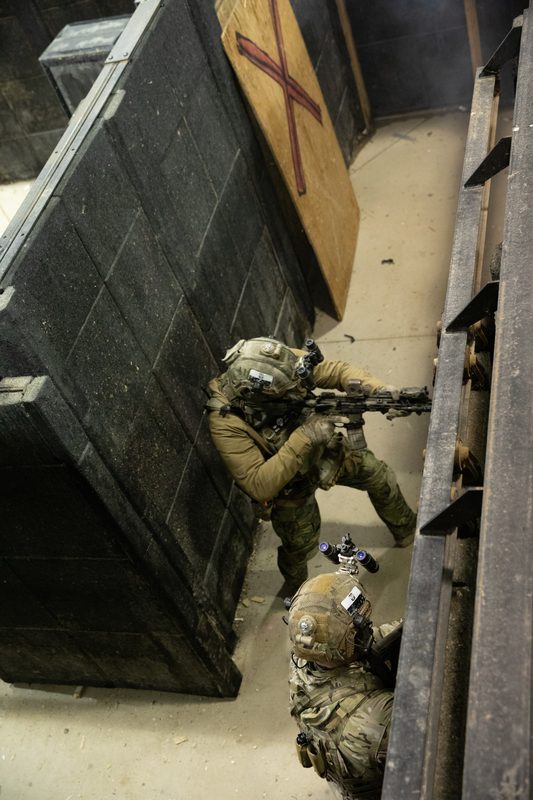
Polish GROM special forces operators during military training with Navy SEALs

Poland's Grupa Reagowania Operacyjno-Manewrowego (GROM, meaning "thunder") runs a selection process with a failure rate exceeding 90 percent. The unit was created in 1990, and its founding commander deliberately modeled the selection and training pipeline after Delta Force and the SAS, with direct input from operators in both units. GROM candidates face physical assessments, psychological evaluations, and combat scenarios that rival any tier-one selection course on Earth.

GROM operators earned their tier-one reputation in Iraq, where they conducted joint operations with JSOC task forces that remain among the most highly classified missions of the war. During the initial invasion in 2003, GROM teams seized Iraqi oil platforms in the Persian Gulf in a joint operation with U.S. Navy SEALs, a mission critical to preventing Saddam from destroying Iraq's oil infrastructure. They've since deployed to Afghanistan and across the globe, consistently earning praise from American and British special forces commanders as world-class operators. Their military training pipeline and defense technology investment have made GROM a model for other Eastern European nations building special operations capabilities from scratch.

#7: JTF2: Canada's Ghost Unit
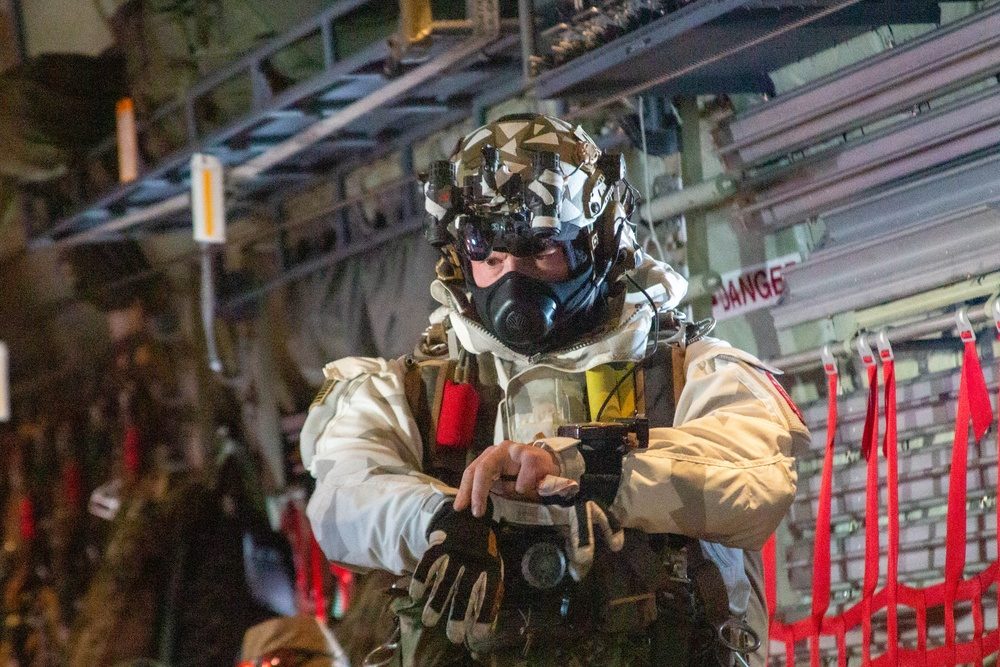
Canadian JTF2 Joint Task Force 2 special forces operators during training

Canada's Joint Task Force 2 is so secretive that the Canadian government didn't officially acknowledge its existence until 1993, and even today, virtually nothing about JTF2 operations, selection criteria, or unit strength is publicly disclosed. What's known is that selection draws from across the Canadian Armed Forces and the failure rate is among the highest in the world. Identities of JTF2 operators are permanently classified.

JTF2 earned its tier-one classification from JSOC, placing it alongside Delta Force, DEVGRU, and the SAS in the most exclusive club in special operations. In Afghanistan, JTF2 operators worked directly within the JSOC task force conducting kill/capture missions against high-value targets, and reportedly achieved the longest confirmed sniper kill in history at the time (later surpassed by a JTF2-trained Canadian sniper in 2017 at 3,540 meters). Their military training is built around counter-terrorism, direct action, and special reconnaissance, with a particular emphasis on Arctic warfare reflecting Canada's northern defense responsibilities. JTF2's combination of JSOC-tier capability and near-total operational secrecy makes them one of the most enigmatic special forces units on Earth.

#6: British SBS: The Royal Navy's Shadow Warriors
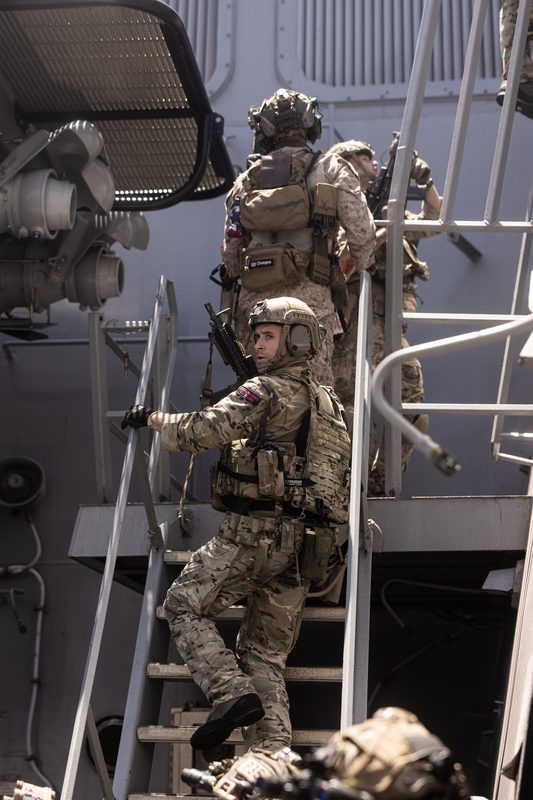
British Special Boat Service SBS operators during maritime special operations

The Special Boat Service selection is identical to SAS selection, the same brutal endurance marches across the Brecon Beacons, the same resistance-to-interrogation phase, the same punishing continuation training. But SBS candidates then face additional maritime-specific training including combat diving, submarine operations, and small-boat handling in conditions that would capsize most sailors. The combined failure rate approaches 90 percent.

The SBS has quietly conducted some of the most daring special operations in British military history, including maritime counter-terrorism operations, ship-boarding in the Persian Gulf, and direct action raids in Afghanistan and Iraq that remain largely classified. During the 2000 Sierra Leone hostage crisis, SBS operators were among the forces that rescued British soldiers held by the West Side Boys militia. In Afghanistan, SBS teams operated within the same JSOC task force structure as SAS, Delta, and DEVGRU, earning a reputation for exceptional capability in the maritime domain that even the SEALs respect. Their military training produces what many consider the world's finest maritime special operations force, operators who can insert from submarines, conduct ship assaults, and fight ashore with equal proficiency.

#5: Shayetet 13: Israel's Naval Commandos Who Strike From the Sea
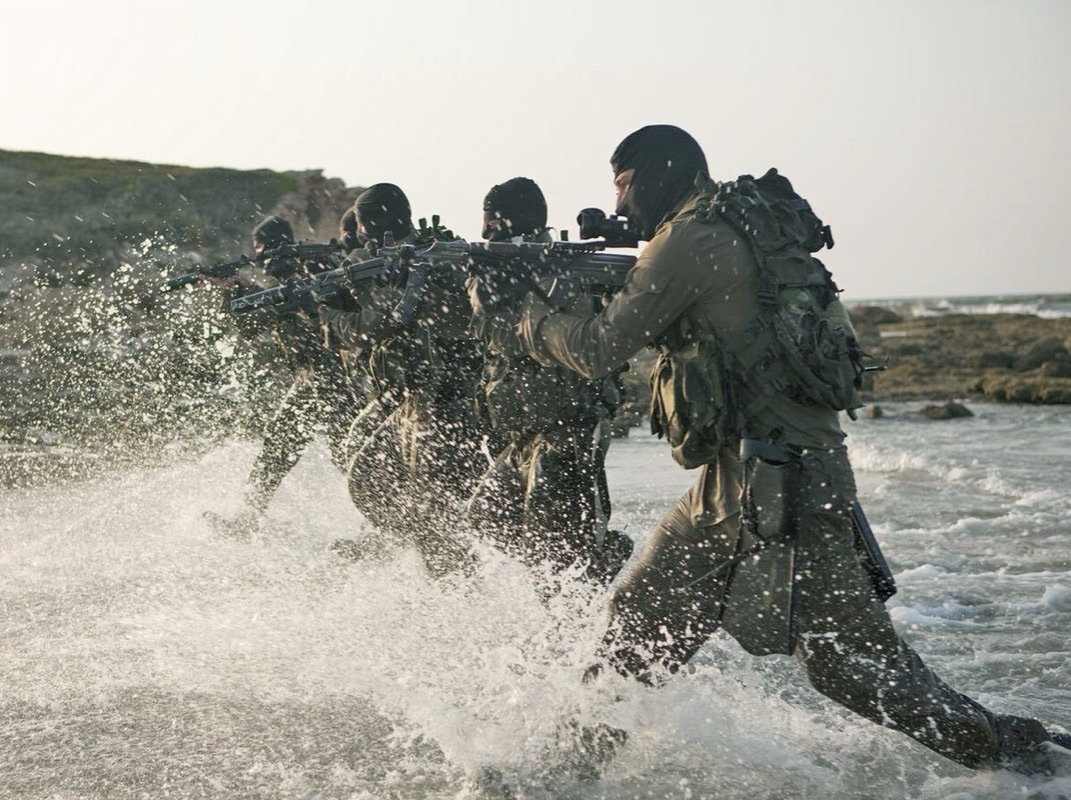
Israeli Shayetet 13 naval commando operators during maritime training exercise

Shayetet 13's selection course is approximately 20 months long, one of the most extended training pipelines of any naval special forces unit in the world. Candidates face combat diving, military freefall, close-quarters battle, and maritime counter-terrorism phases designed to produce operators who can fight on land, at sea, and underwater with equal lethality. The attrition rate from initial volunteers to qualified operators exceeds 90 percent.

Shayetet 13 has conducted some of the most audacious naval special operations in modern history. In 1973, operators raided Beirut in Operation Spring of Youth, assassinating three senior PLO leaders in their apartments. A mission that required inserting from the sea, navigating urban terrain in disguise, and extracting under fire. They've since conducted countless ship interdictions, underwater demolitions, and coastal raids across the Mediterranean and beyond. During recent operations in Gaza, Shayetet 13 teams conducted maritime and ground assaults. Their defense technology in underwater delivery systems and diver propulsion vehicles is considered among the most advanced of any naval commando force, and their combat record in sustained real-world operations places them among the world's most battle-proven special forces units.

#4: Sayeret Matkal: Israel's Ultimate Deep-Penetration Force
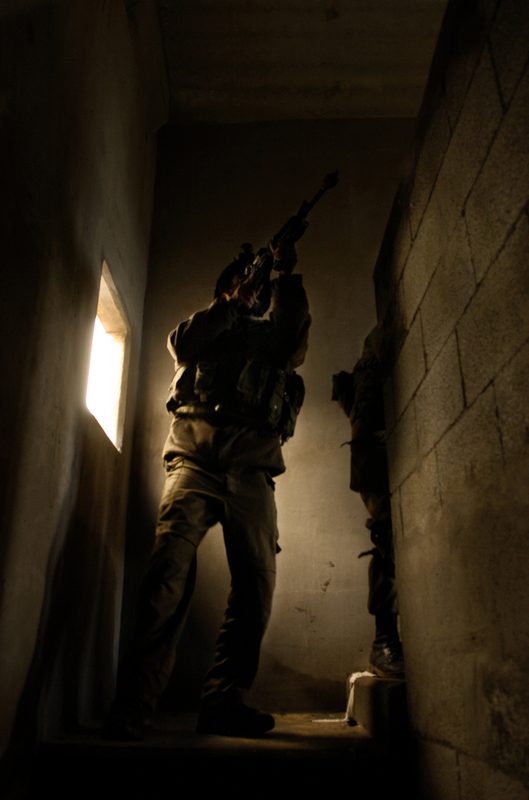
Israeli Sayeret Matkal special forces operators during reconnaissance operations

Sayeret Matkal, "The Unit," is Israel's most elite special reconnaissance and direct action force, modeled directly on the British SAS. Selection is drawn from Israel's mandatory conscription pool, but only the most exceptional candidates are identified through a secretive scouting process. The training pipeline takes approximately 20 months and produces operators specializing in deep-penetration reconnaissance, hostage rescue, and intelligence gathering behind enemy lines.

Sayeret Matkal's operational resume is staggering. Operation Thunderbolt at Entebbe in 1976, the rescue of 102 hostages from a hijacked airliner in Uganda, 4,000 kilometers from Israel, is widely considered the most daring hostage rescue in military history. They've conducted cross-border intelligence operations, assassinations, and prisoner snatches that have shaped the course of Middle Eastern military history. Three Israeli prime ministers (Netanyahu, Barak, and Olmert) served in Sayeret Matkal, reflecting the unit's extraordinary status within Israeli society. Their military training produces operators who are among the most independently capable in the world, each one expected to operate in small teams deep behind enemy lines with minimal support and maximum initiative.

#3: DEVGRU (SEAL Team 6): The Unit That Killed bin Laden
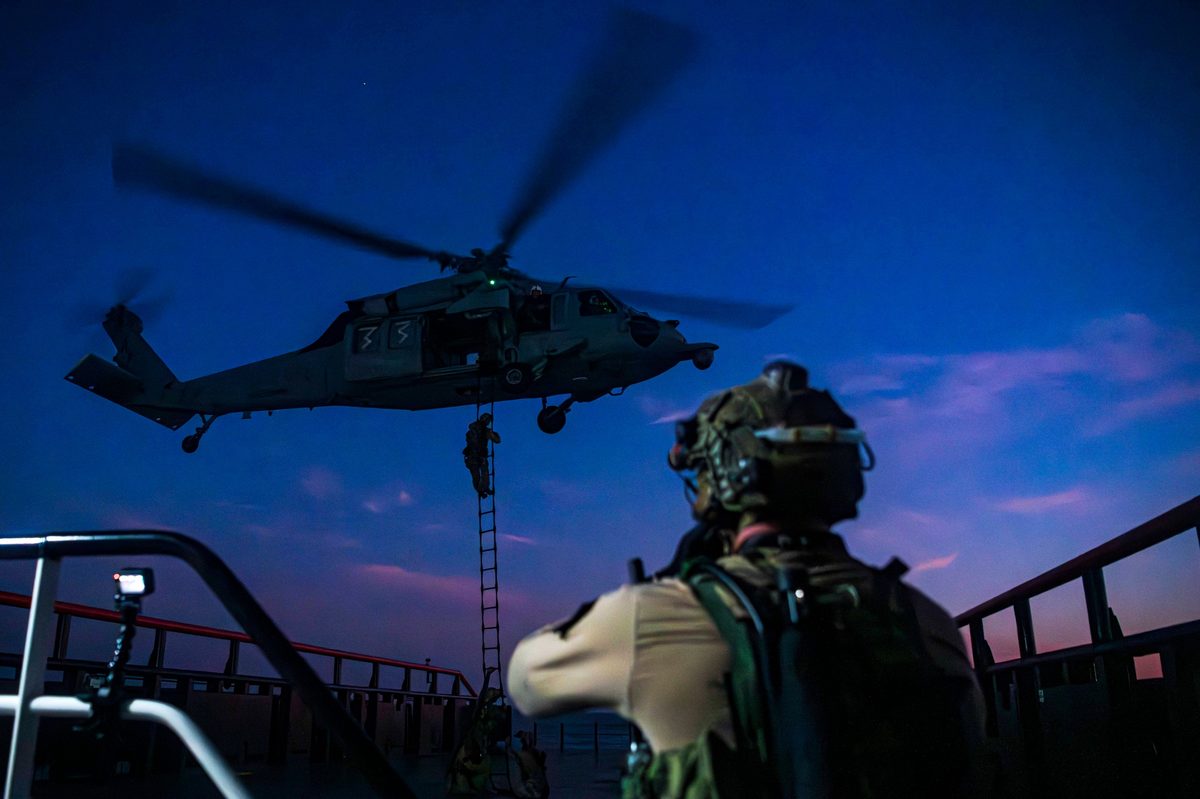
DEVGRU SEAL Team 6 naval special warfare operators during tactical training

DEVGRU (the Naval Special Warfare Development Group, formerly SEAL Team 6) selects from an already-elite pool of experienced Navy SEALs through a process called Green Team. Only the top SEALs are invited to attempt selection, and even among these seasoned operators, a significant percentage fails to meet DEVGRU's extraordinary standards. The complete pipeline transforms proven SEALs into tier-one operators capable of executing the most sensitive and complex special operations on Earth.

DEVGRU conducted the most famous special operation of the 21st century. Operation Neptune Spear, the May 2, 2011 raid on Abbottabad, Pakistan that killed Osama bin Laden. But that mission was just one night in an operational history spanning decades of classified kills, captures, and hostage rescues that form the backbone of America's counter-terrorism campaign. DEVGRU operators have deployed to every active theater, conducting ship-boarding operations in the Persian Gulf, direct action raids in Iraq and Afghanistan, and hostage rescues in Somalia and across Africa. Their tactical gear and defense technology access is virtually unlimited, they field prototype weapons, experimental equipment, and intelligence capabilities that don't officially exist. In the hierarchy of global special operations, DEVGRU occupies one of the three seats at the very top.

#2: British SAS: The Original Special Forces
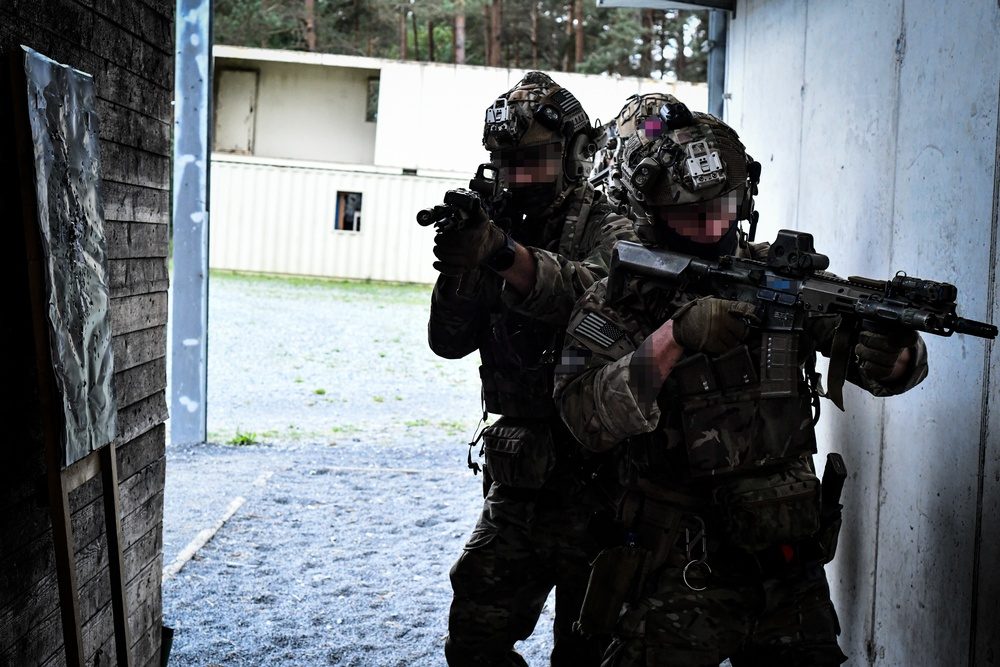
British SAS Special Air Service Regiment operators

The 22 Special Air Service Regiment's selection course has been imitated by virtually every special forces unit on this list: but never truly replicated. Candidates face the infamous Fan Dance march across the Brecon Beacons in Wales, a weeks-long navigation phase carrying crushing weight across brutal terrain, and a resistance-to-interrogation phase that's been investigated by human rights organizations. The pass rate hovers between 10 and 15 percent of candidates who are already among the British military's fittest soldiers.

The SAS literally invented modern special forces warfare. Founded by David Stirling in the North African desert in 1941, the Regiment has been in continuous operation for over 80 years, longer than any other special forces unit on Earth. Operation Nimrod, the 1980 Iranian Embassy siege in London, was broadcast live on television and established the SAS as the gold standard for hostage rescue worldwide. They've since operated in the Falklands, Northern Ireland, Iraq, Afghanistan, Syria, and dozens of classified theaters, mentoring and inspiring every unit ranked below them on this list. The SAS selection, training methodology, and operational philosophy form the DNA of modern special operations, and their military training pipeline continues to produce operators that even Delta Force and DEVGRU operators regard as peers. "Who Dares Wins" isn't just a motto, it's the founding principle of an entire military discipline.

#1: Delta Force: The Apex Predator of Special Operations
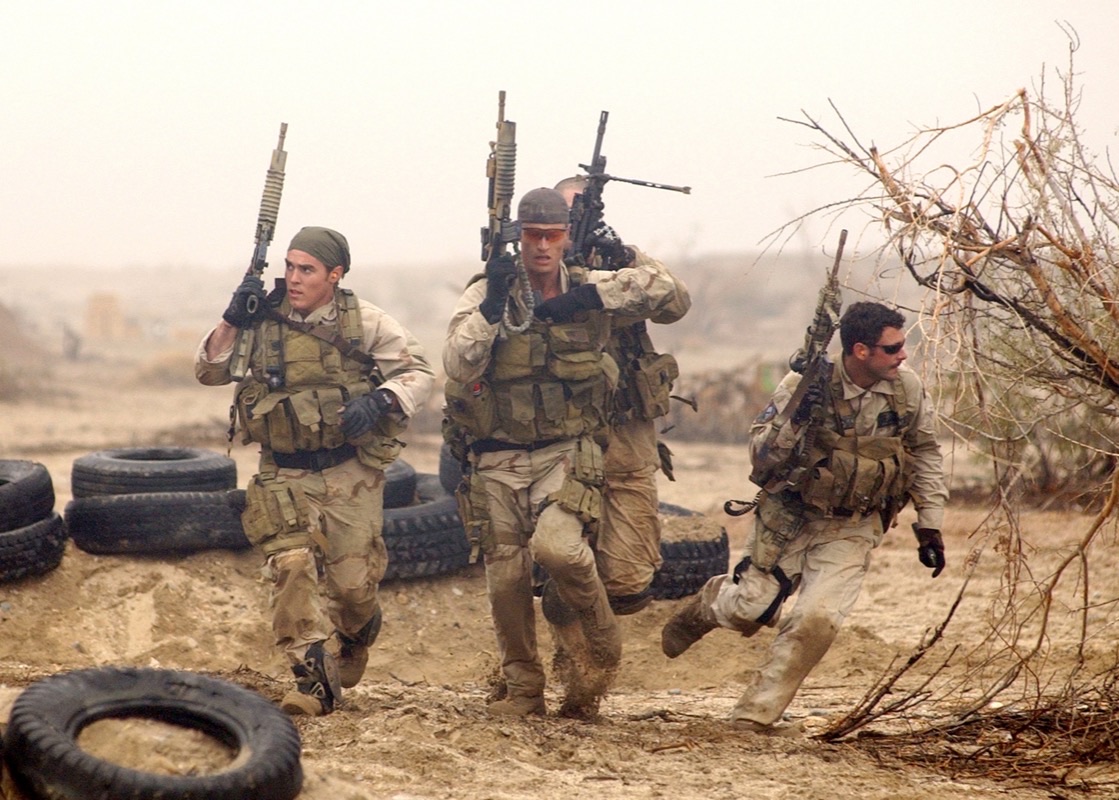
U.S. Army Delta Force 1st SFOD-D special operations operators in tactical gear

Delta Force, officially the 1st Special Forces Operational Detachment-Delta, also known as the Combat Applications Group, runs a selection process so secret that even its location and duration are classified. What's known is that candidates are recruited from across the U.S. Army's most elite units, primarily the 75th Ranger Regiment and Special Forces Groups, and face an assessment that tests physical endurance, mental resilience, marksmanship, and independent decision-making to standards that exceed any other special forces selection on Earth. The pass rate is rumored to be below 10 percent of an already-elite candidate pool.

Delta Force has been America's primary counter-terrorism and direct action unit since Colonel Charlie Beckwith founded it in 1977, modeling it after the British SAS. From the failed Iran hostage rescue at Desert One through the Battle of Mogadishu, the invasion of Afghanistan, the relentless kill/capture campaigns in Iraq, and the ongoing global counter-terrorism mission, Delta operators have conducted more classified special operations than any unit in history. They have virtually unlimited access to defense technology, experimental weapons, and intelligence assets, operating with a budget and bureaucratic freedom that no other unit on this list can match. Delta's military training pipeline produces the most versatile operators in the world: equally capable of executing a precision hostage rescue, conducting a long-range reconnaissance patrol, or eliminating a high-value target in any environment on Earth. When the world's most dangerous missions arise and failure is not an option, Delta Force gets the call. That is why they sit at number one.

Share this article

Share:

Recommended

Ace of The Skies: Can You Identify These Military Aircraft Throughout The Years?
Test Yourself

Ace of The Skies: Can You Identify These Military Aircraft Throughout The Years?

Can you identify these aircraft?

Take the Quiz

On This Day in Military History

January 13

Vistula-Oder Offensive Reaches Full Fury (1945)

The Soviet Vistula-Oder Offensive, the largest military operation of World War II, reached its full destructive power as 2.2 million Soviet soldiers smashed through German defenses across a 300-mile front in Poland. In what became the fastest sustained advance by any army in the war, Soviet forces would cover 300 miles in 23 days, destroying Army Group A and reaching the Oder River, just 40 miles from Berlin.
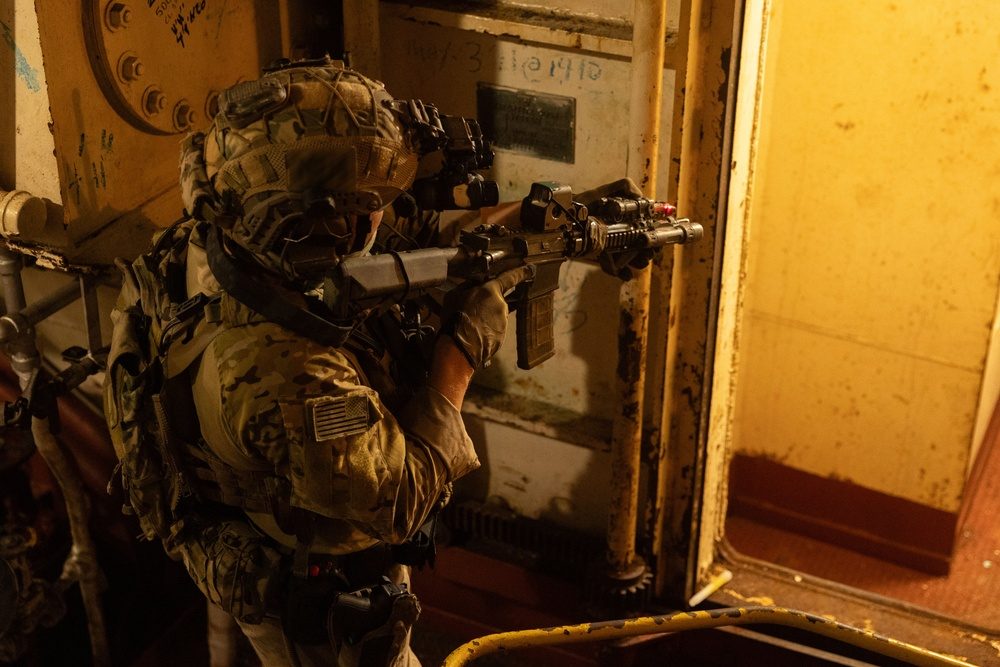
1943, Soviet Forces Break Through at Stalingrad, Operation Ring Begins

See all 10 events on January 13

Get Military News & History in Your Inbox

Join thousands of readers receiving our weekly digest of military technology, history, and analysis.

Test Your Knowledge