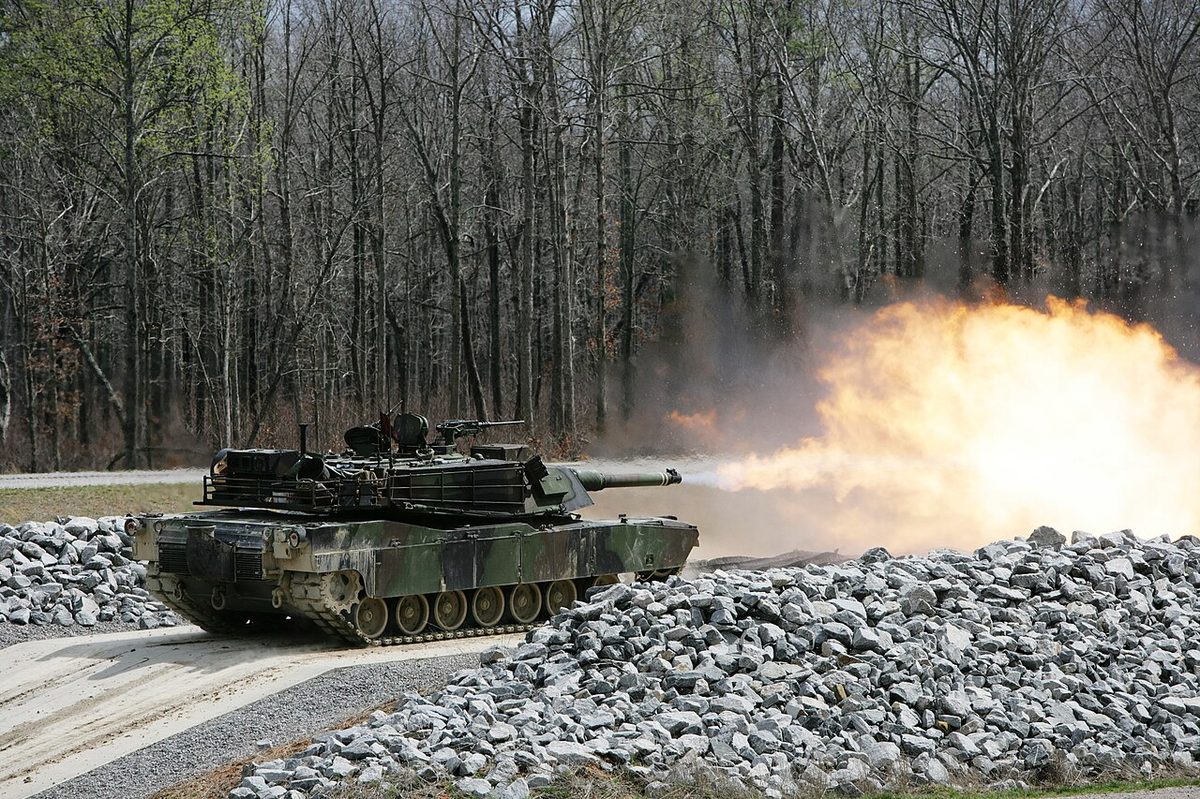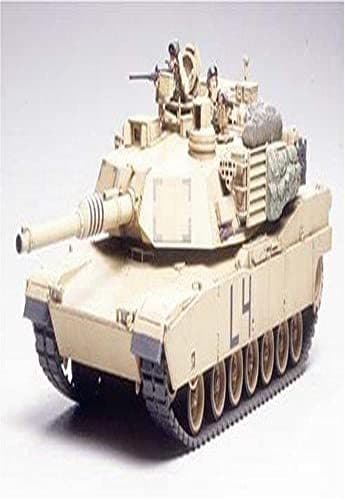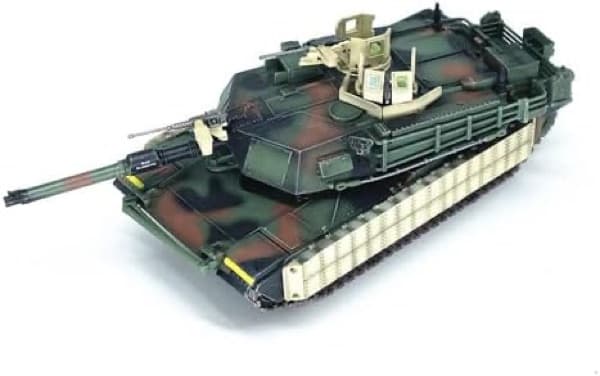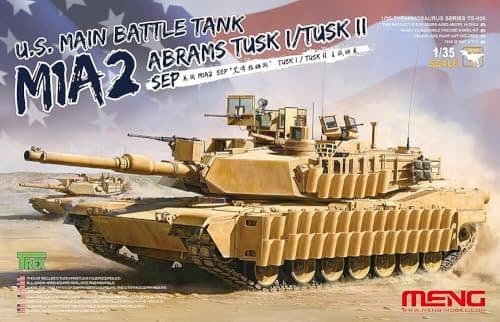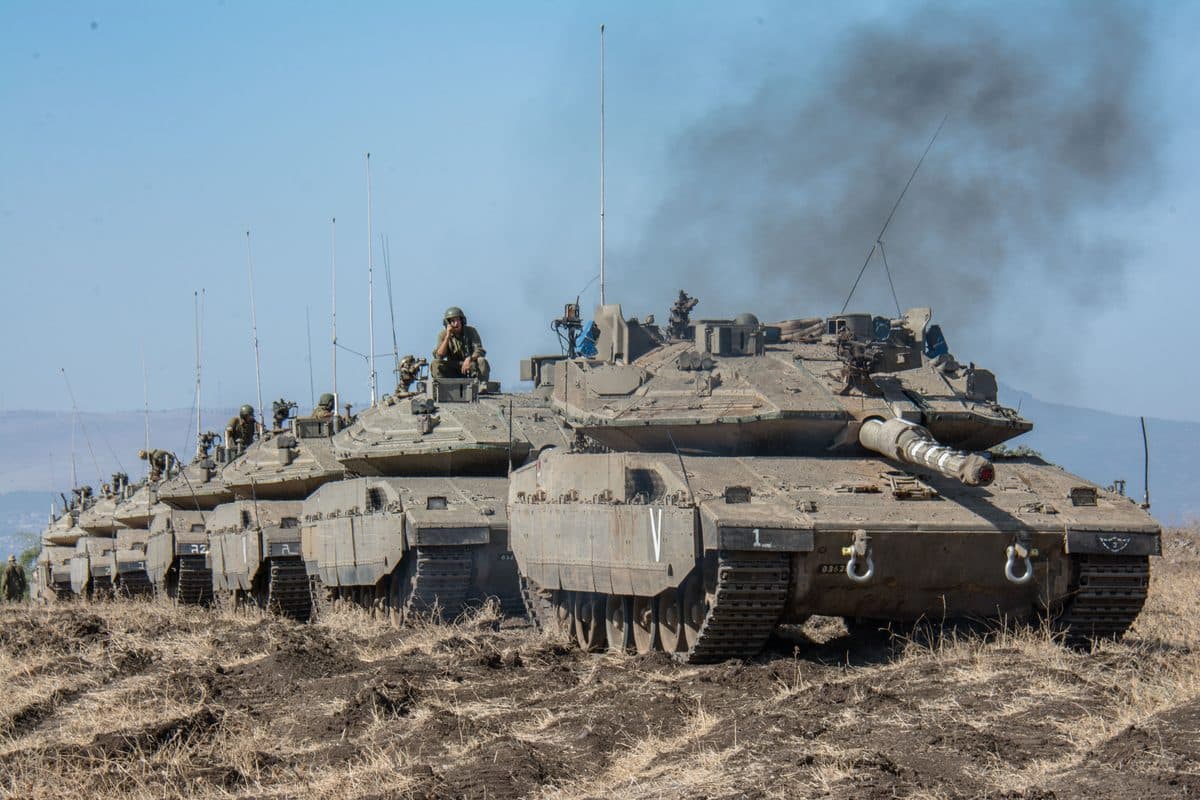

The M1 Abrams and the Merkava Mk 4 are two of the most capable main battle tanks in the world. Both carry 120mm smoothbore guns. Both are protected by advanced composite armor. Both have been tested in real combat. But they were designed around fundamentally different philosophies, products of different strategic requirements, different geographies, and different national experiences with armored warfare. The Abrams was built for the vast, open battlefields of Central Europe, where speed and firepower would decide engagements measured in kilometers. The Merkava was built for Israel's compact, threat-saturated landscape, where bringing the crew home alive was the single most important design requirement. Their differences are not about which tank is better. They are about what each nation needed its tank to do.
The Abrams: Speed, Firepower, and Shock
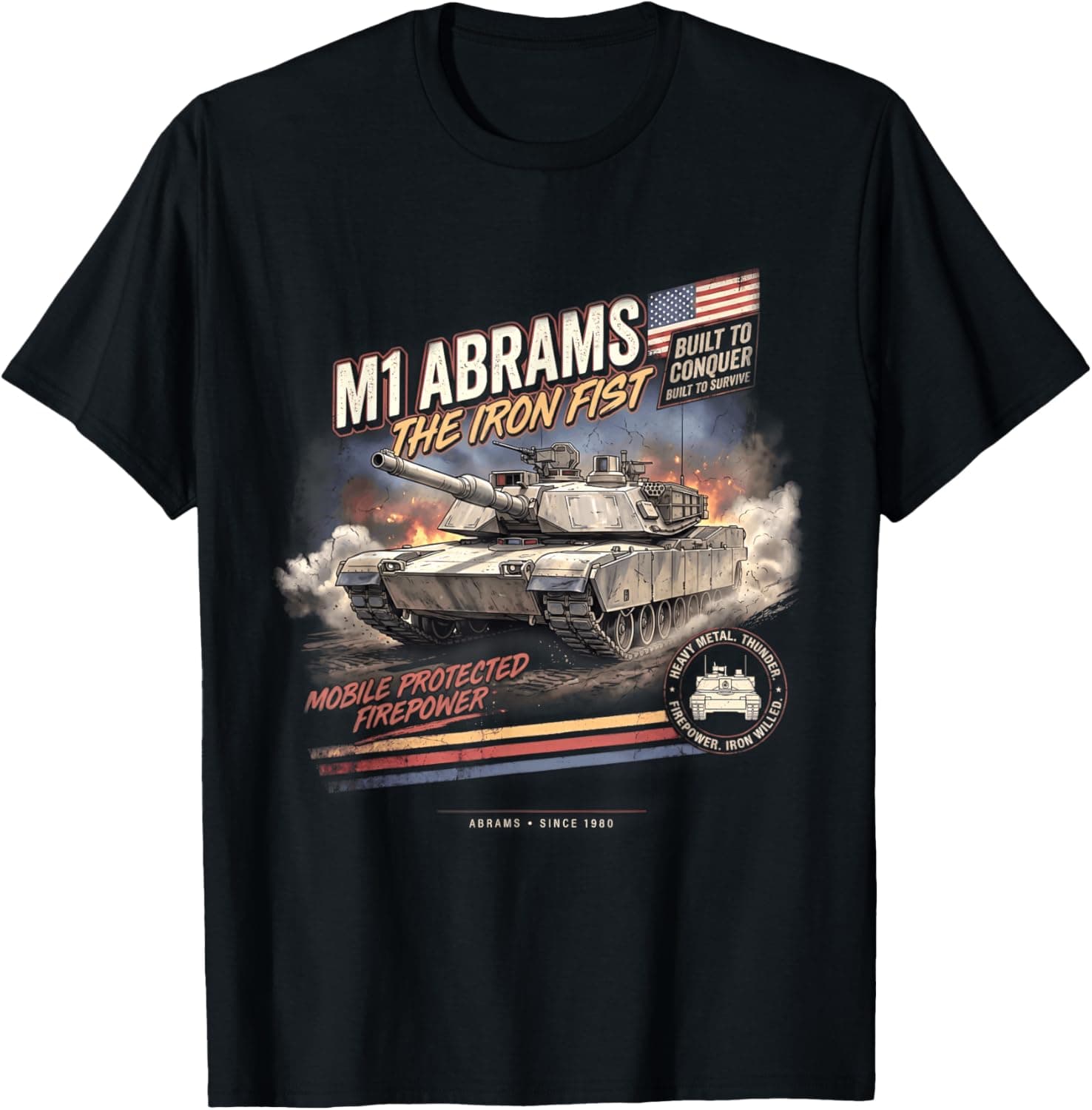
The M1 Abrams entered service in 1980, designed to counter the massive Soviet tank armies that NATO expected to pour through the Fulda Gap in Central Europe. The design priorities were clear: the tank needed to be fast enough to maneuver on the battlefield, accurate enough to hit targets at extreme range, and tough enough to survive hits from Soviet 125mm guns.
The Abrams is powered by a Honeywell AGT-1500 gas turbine engine, the same type of engine used in helicopters. The turbine produces 1,500 horsepower and gives the 68-ton tank a top speed of approximately 42 mph on roads and outstanding acceleration. The gas turbine is quieter than a diesel at idle, runs on virtually any fuel (diesel, jet fuel, gasoline), and provides smooth, responsive power delivery. The downside is fuel consumption, the Abrams drinks fuel at a prodigious rate, creating a significant logistics burden.
The engine is mounted in the rear of the hull in a conventional layout. This places the engine and transmission behind the crew compartment, with the heaviest armor concentrated on the front of the hull and turret, facing the expected direction of enemy fire. The Abrams' Chobham-derived composite armor (later upgraded with depleted uranium inserts on the M1A1HA and M1A2 variants) provides exceptional protection against kinetic energy penetrators and shaped charge warheads.