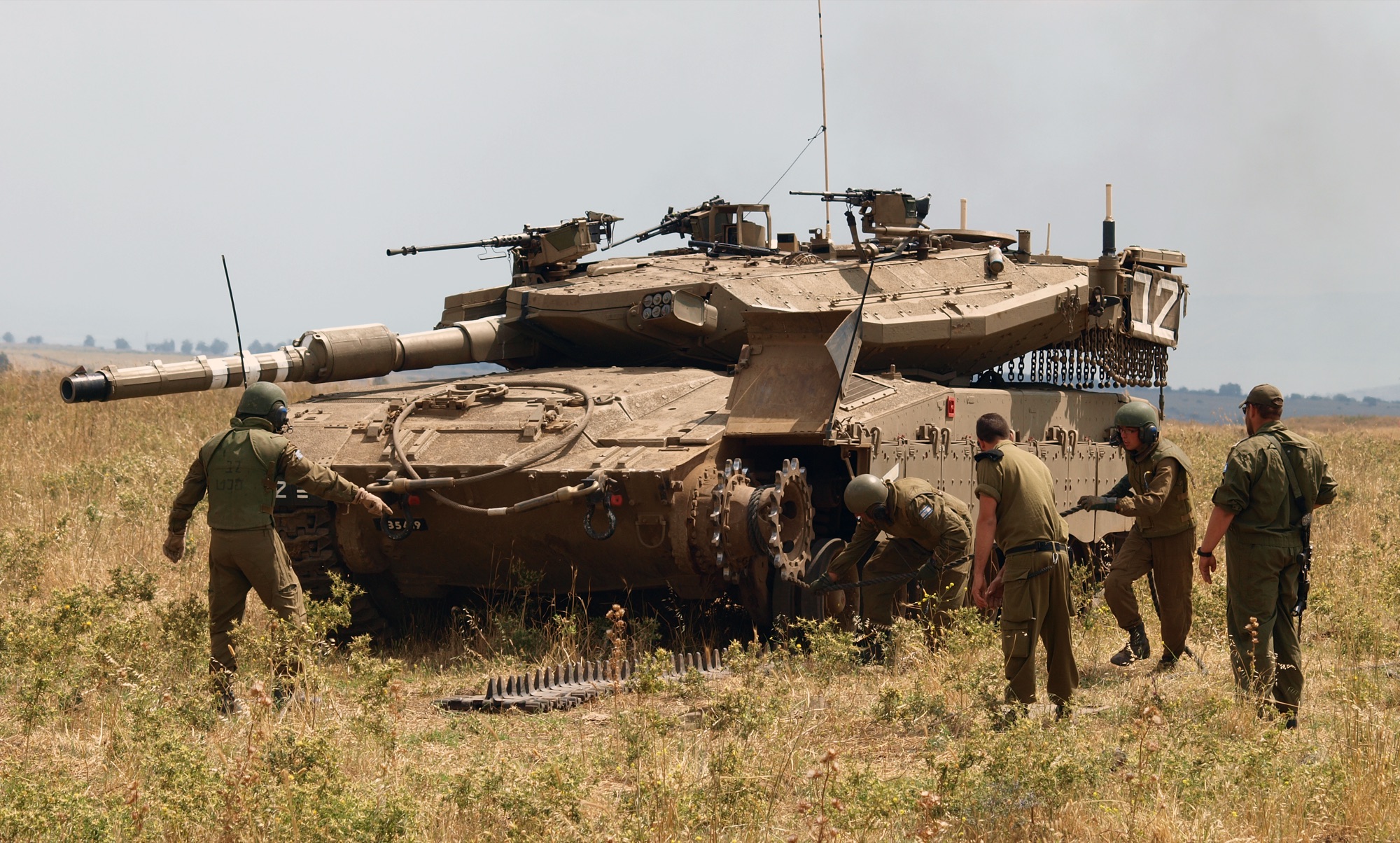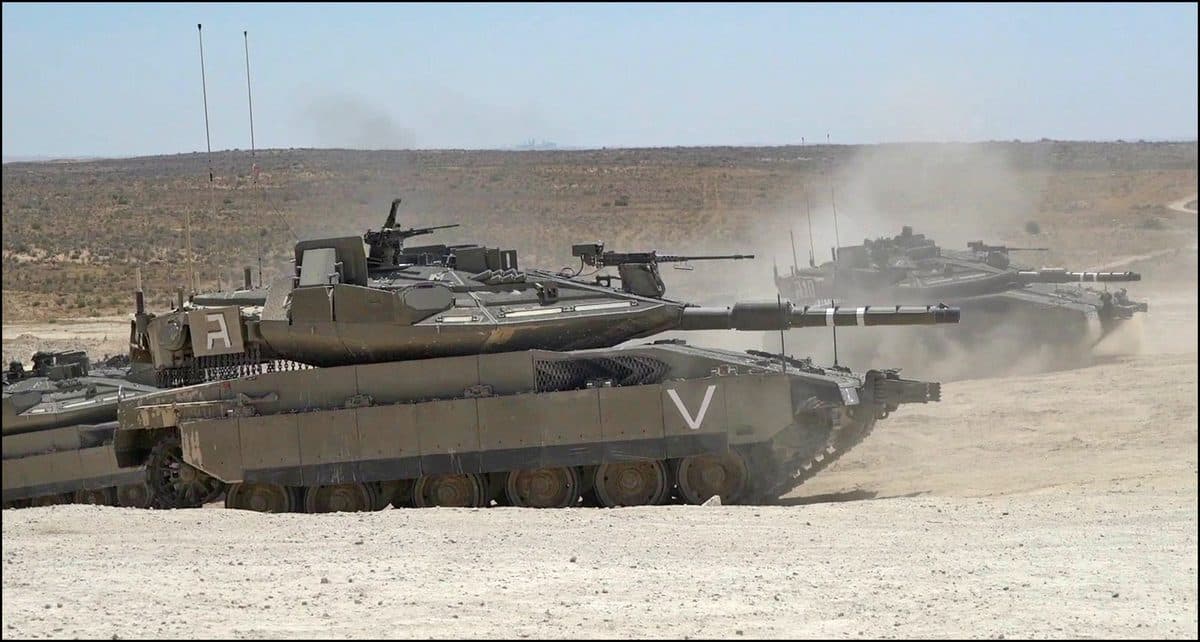

Every tank designer makes tradeoffs. Speed versus armor. Firepower versus weight. Mobility versus protection. The Israeli Merkava makes one tradeoff that no other main battle tank in the world makes: it puts the engine in the front. Every other modern MBT, the M1 Abrams, the Leopard 2, the T-90, and the K2 Black Panther, puts the engine in the rear. The Merkava puts 1,500 horsepower of diesel engine between the crew and the enemy, using the powerplant as an additional layer of protection. That single design choice tells you everything about what the Merkava was built for: keeping Israeli tank crews alive. In a nation of nine million people, every soldier matters. The tank was designed by a general who knew that from personal experience, and four generations later, the Merkava remains the most crew-centric tank ever built.
Israel Tal and the Birth of the Merkava
Major General Israel Tal, known as "Talik," was one of the most accomplished armored commanders in Israeli military history. He commanded the armored division that broke through Egyptian defenses in the Sinai during the 1967 Six-Day War and served as a senior armor commander during the 1973 Yom Kippur War, where Israel suffered devastating tank losses against Egyptian anti-tank missiles. Those losses shaped Tal's conviction that crew survivability must be the overriding design priority for any tank Israel built.
The Merkava program was born from necessity as much as vision. In the 1960s, Israel attempted to purchase Chieftain tanks from Britain, one of the most capable tanks in the world at the time. The deal fell through under British political pressure, and Israel was left dependent on modified American M48 and M60 Pattons and captured Soviet T-55s. Tal convinced the Israeli government that the country needed to develop its own indigenous tank, one designed specifically for Israel's unique operational requirements.
Development began in 1970, and the Merkava Mk 1 entered service in 1979. The name, "Merkava" means "chariot" in Hebrew, connected the tank to biblical military tradition. But there was nothing archaic about the design. The front-mounted engine, the heavily sloped composite armor, and the rear compartment that could carry infantry or evacuate wounded were revolutionary concepts that reflected Tal's insistence on putting crew survival first.