
Hot Racking
A berthing arrangement aboard submarines and other crowded vessels where two or three sailors share the same bunk, sleeping in shifts so the bed is never cold.
Hot racking is the practice of assigning multiple sailors to the same sleeping berth, with each person using the bunk during their off-duty period while the other is on watch. The term comes from the fact that the mattress is still warm from the previous occupant when the next sailor climbs in. On submarines, where every cubic foot of space is at a premium, hot racking has historically been a standard practice, particularly on older boats with fewer bunks than crew members.
On early nuclear submarines, three sailors might share a single bunk on an eight-hour rotation. As submarine designs have evolved, the ratio has improved. The Virginia-class attack submarine provides enough bunks for its crew of approximately 135, though hot racking may still occur when additional personnel, special operations forces, intelligence specialists, or riders, embark for specific missions.
Hot racking is widely disliked by submariners for obvious reasons of comfort and hygiene, and the Navy has worked to eliminate it where possible. The Columbia-class ballistic missile submarine is designed with sufficient berths for its crew to avoid hot racking entirely, reflecting the recognition that crew quality of life directly affects retention and operational effectiveness during long deployments.
Related Terms
Related Articles
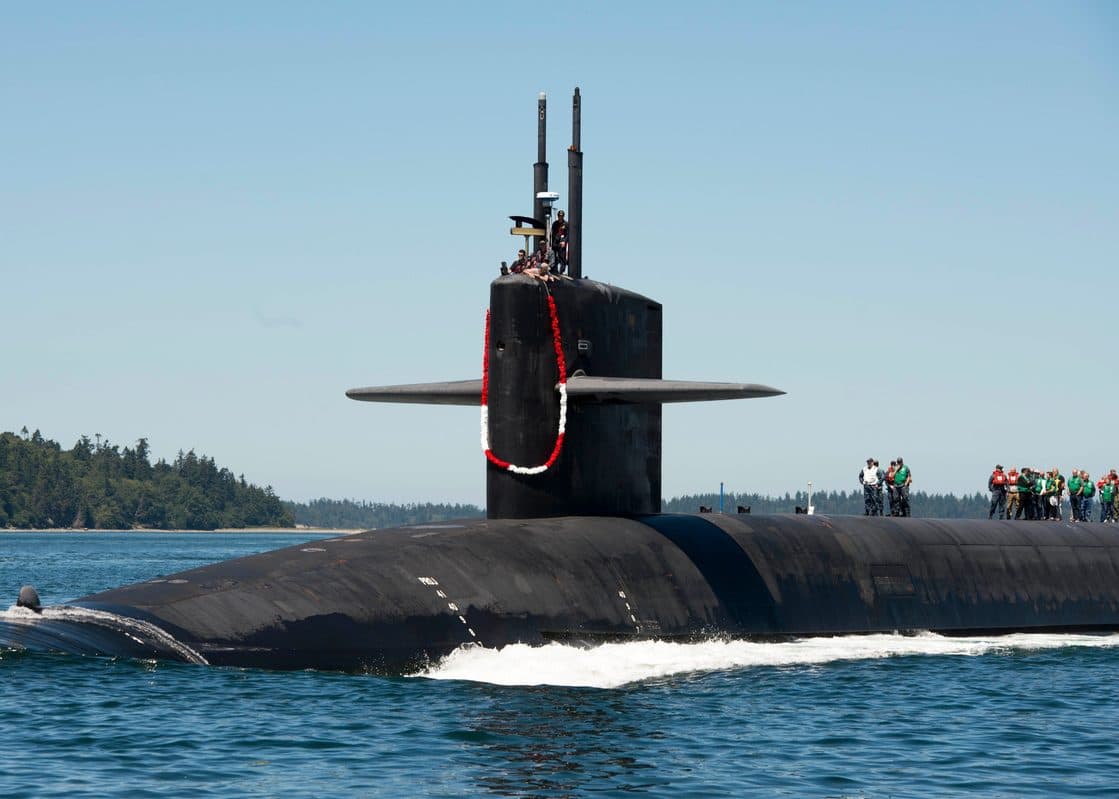
What 90 Days on a Nuclear Submarine Actually Feels Like, Told by the Crews Who Do It
No sunlight. No phone calls. No fresh air for 90 days. Life aboard a nuclear submarine is the most isolated existence in the U.S. military, and the crews who do it wouldn't trade it for anything. Here's what it's actually like.

The Virginia-Class Submarine: America's Most Advanced Attack Sub
The Virginia class replaced the legendary Seawolf as the backbone of America's submarine fleet. It carries Tomahawk cruise missiles, deploys Navy SEALs, hunts enemy submarines, and, in its latest Block V configuration, adds a Virginia Payload Module that quadruples its strike capacity.