
SEAD
Suppression of Enemy Air Defenses
Suppression of Enemy Air Defenses involves attacking or disrupting enemy air defense systems to allow friendly aircraft to operate with reduced risk in contested airspace.
Suppression of Enemy Air Defenses (SEAD) is the mission of neutralizing, destroying, or temporarily degrading enemy air defense systems to create windows of access for friendly strike aircraft. SEAD typically uses a combination of anti-radiation missiles that home in on radar emissions, standoff jamming to blind enemy sensors, and decoys to confuse air defense operators into revealing their positions.
The U.S. military pioneered modern SEAD tactics during the Vietnam War with the "Wild Weasel" program, using F-105 and later F-4 aircraft equipped with radar-warning receivers and AGM-45 Shrike anti-radiation missiles to hunt and destroy North Vietnamese SAM sites. The concept has evolved through Desert Storm, where SEAD operations systematically dismantled Iraq's integrated air defense network, establishing a template that has been refined in every subsequent air campaign.
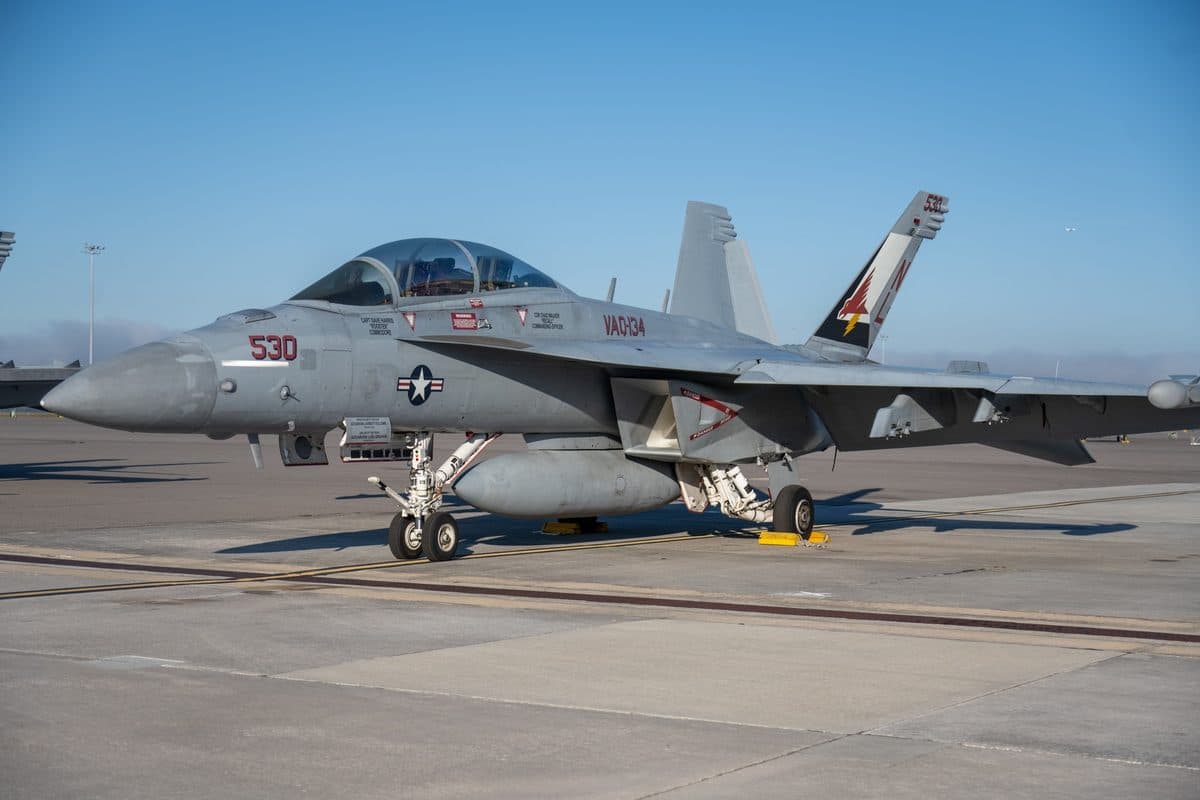
Modern SEAD depends on dedicated platforms like the EA-18G Growler electronic warfare aircraft, anti-radiation missiles like the AGM-88 HARM and its successor the AARGM-ER, and increasingly on cyber and electronic warfare effects that can disable air defense networks without kinetic attack. The growing sophistication of integrated air defense systems, particularly Russia's S-400 and China's HQ-9, has made SEAD one of the most challenging and critical missions in modern air warfare.
Related Terms
DEAD(Destruction of Enemy Air Defenses)
Destruction of Enemy Air Defenses goes beyond SEAD by seeking to permanently destroy air defense systems rather than temporarily suppress them.
ECM(Electronic Countermeasures)
Electronic Countermeasures are actions taken to deny, degrade, or exploit an adversary's use of the electromagnetic spectrum, including jamming radar and communications.
Air Superiority
The degree of control over the airspace that allows friendly air and surface forces to operate without prohibitive interference from enemy air power.
Related Articles
How Electronic Warfare Shuts Down an Entire Air Defense Network Without Firing a Shot
Before a single bomb is dropped, electronic warfare has already blinded the enemy. How jammers, anti-radiation missiles, and deception turn integrated air defense networks into expensive collections of blind radar dishes.