
Air Superiority
The degree of control over the airspace that allows friendly air and surface forces to operate without prohibitive interference from enemy air power.
Air superiority is the condition in which friendly forces have sufficient control of the airspace to conduct operations without effective opposition from enemy aircraft or air defenses. It exists on a spectrum: local air superiority means control over a specific area for a limited time, while air supremacy means the enemy air force is incapable of effective interference anywhere in the theater.
Achieving air superiority has been the first objective of almost every major military campaign since World War II. Without it, ground and naval forces are exposed to air attack, logistics become vulnerable, and the ability to gather intelligence is severely degraded. The Gulf War demonstrated the concept vividly, as coalition air forces destroyed Iraq's air defenses and air force within days, enabling virtually unopposed ground operations.
Modern air superiority depends not just on fighter aircraft but on the integrated operation of stealth platforms, electronic warfare, SEAD/DEAD missions, space-based surveillance, and networked command systems. The F-22 Raptor was designed specifically as an air superiority fighter, combining stealth, supercruise, and advanced sensors to dominate any airspace it enters.
Related Terms
SEAD(Suppression of Enemy Air Defenses)
Suppression of Enemy Air Defenses involves attacking or disrupting enemy air defense systems to allow friendly aircraft to operate with reduced risk in contested airspace.
BVR(Beyond Visual Range)
Beyond Visual Range describes air combat engagements conducted at distances where pilots cannot see the opposing aircraft, relying instead on radar and long-range missiles.
Stealth Technology
Design principles and materials that reduce an aircraft's radar, infrared, visual, and acoustic signatures to make it difficult or impossible for enemy sensors to detect.
Related Articles
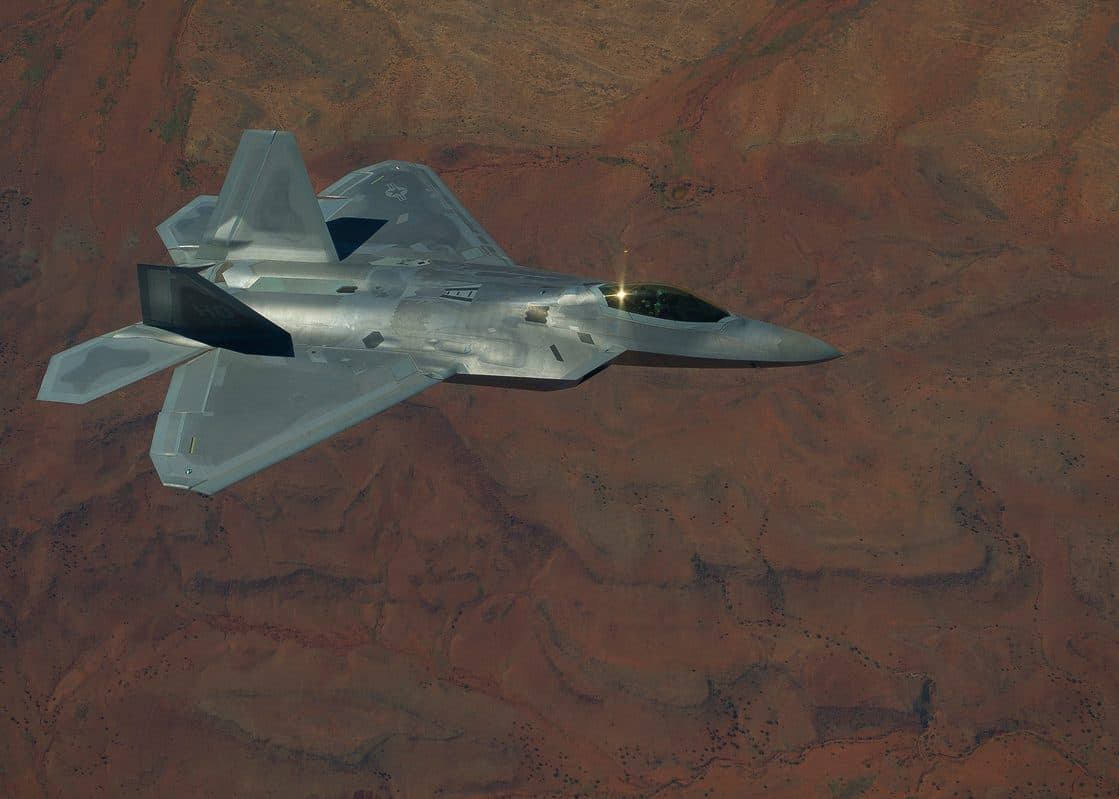
The F-22 Raptor's Kill Ratio Is Absurd. Here's the Classified Tactics Behind It.
The F-22 Raptor posted a widely reported 241-2 kill ratio at Northern Edge 2006, and the two losses weren't even Raptors. From supercruise missile physics to passive sensor fusion, here's why those numbers aren't propaganda, and what they mean for modern air combat.
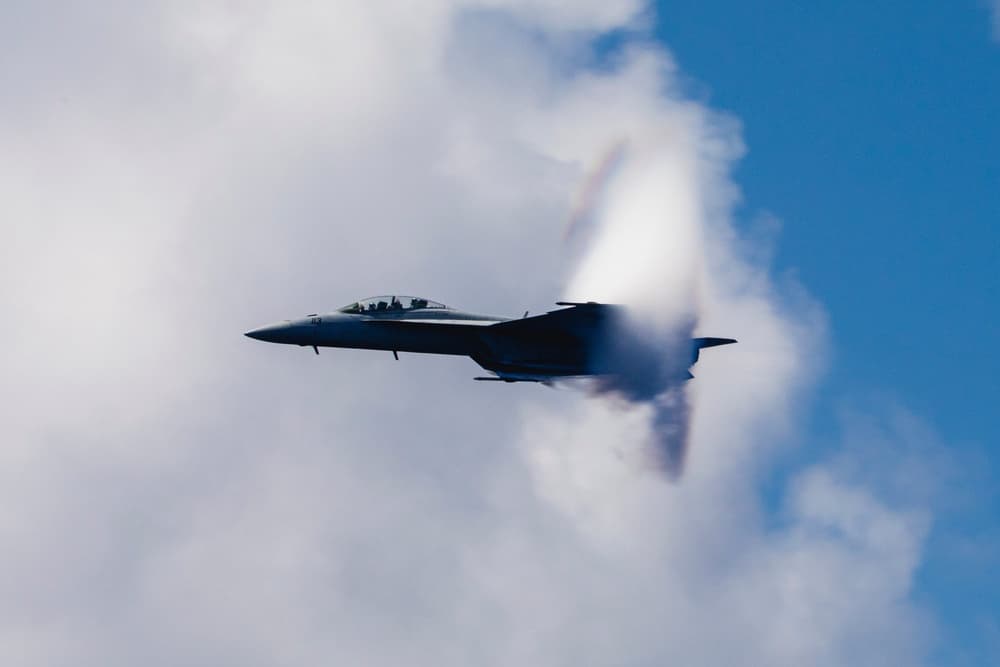
Why Speed Still Matters in Air Combat
How speed's role has evolved from dogfighting to modern beyond-visual-range combat.