
Stealth Technology
Design principles and materials that reduce an aircraft's radar, infrared, visual, and acoustic signatures to make it difficult or impossible for enemy sensors to detect.
Stealth technology encompasses the design features, materials, and techniques used to reduce a military platform's signatures across the electromagnetic spectrum, making it harder for enemy sensors to detect, track, and engage. While commonly associated with radar, true stealth addresses multiple signature types: radar cross section, infrared emission, visual profile, acoustic noise, and even electromagnetic emissions from the platform's own systems.
Radar stealth is achieved primarily through shaping, aligning surfaces to deflect radar energy away from the receiver rather than back toward it, and radar-absorbent materials (RAM) that convert radar energy into heat. The F-117 Nighthawk, the first operational stealth aircraft, used faceted surfaces to redirect radar returns. Later designs like the B-2 Spirit and F-22 Raptor use curved surfaces that achieve the same effect more efficiently while improving aerodynamic performance.
Stealth is not invisibility. Every stealth aircraft has some radar cross section, and under certain conditions, particular radar frequencies, angles, or ranges, it can be detected. The goal is to reduce detection range sufficiently that the stealth aircraft can accomplish its mission before the enemy can organize an effective response. This advantage has proven decisive in combat, from the F-117's unopposed strikes in Desert Storm to the F-22's air superiority missions in the Middle East.
Related Terms
RCS(Radar Cross Section)
Radar Cross Section is a measure of how detectable an object is by radar, expressed in square meters. A smaller RCS means the object is harder to detect.
Fly-by-Wire
A flight control system that replaces mechanical linkages between the pilot's controls and the aircraft's control surfaces with electronic signals processed by flight computers.
Sensor Fusion
The integration of data from multiple sensors, radar, infrared, electronic warfare, datalinks, into a single unified tactical picture that provides greater situational awareness than any individual sensor alone.
Related Articles
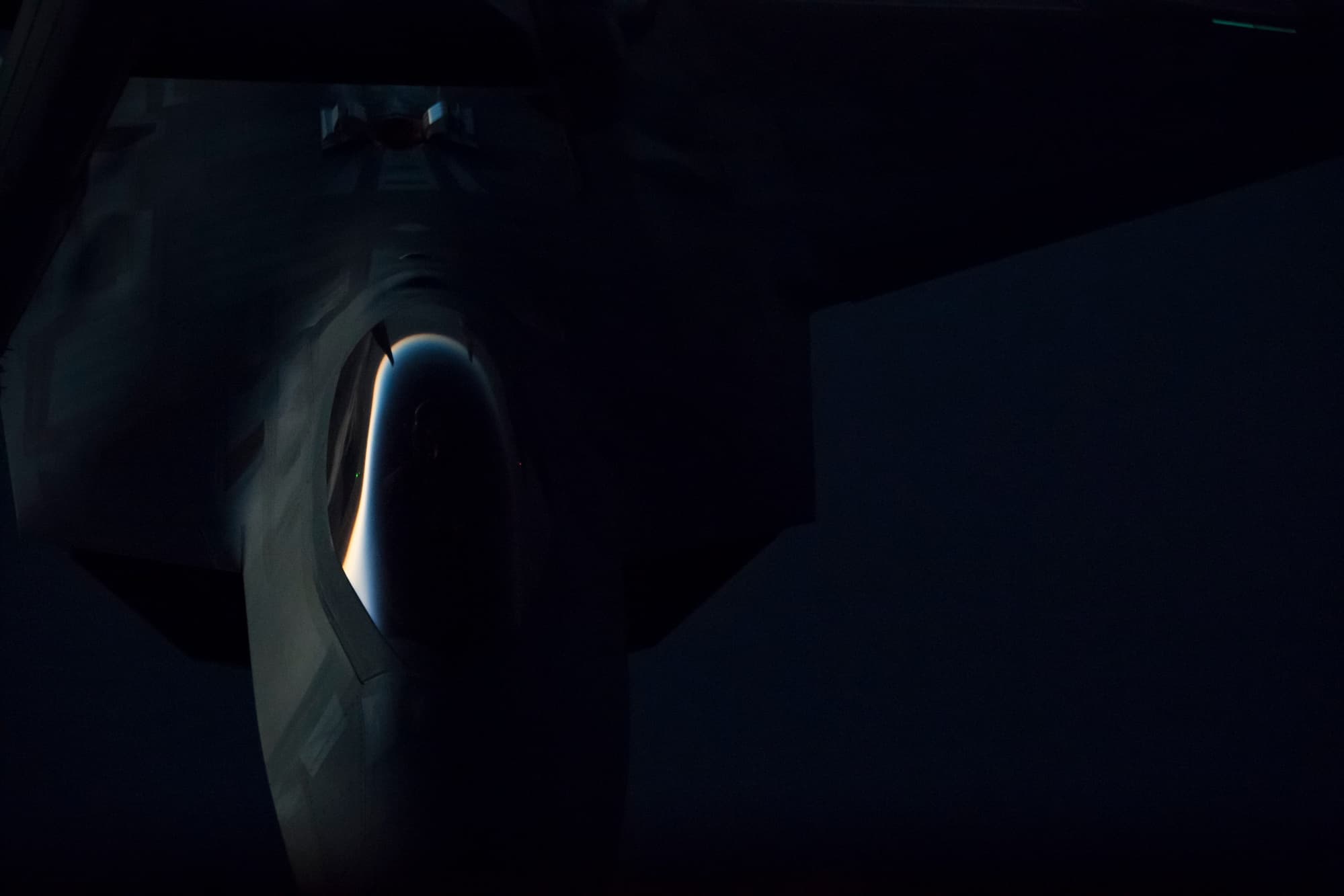
How Stealth Technology Actually Works: Shaping, Coatings, and the Physics of Invisibility
Stealth aircraft are not invisible. They are engineered to reflect radar energy away from the receiver using precise shaping, radar-absorbent materials, and careful detail management. Here is the physics behind how it actually works.
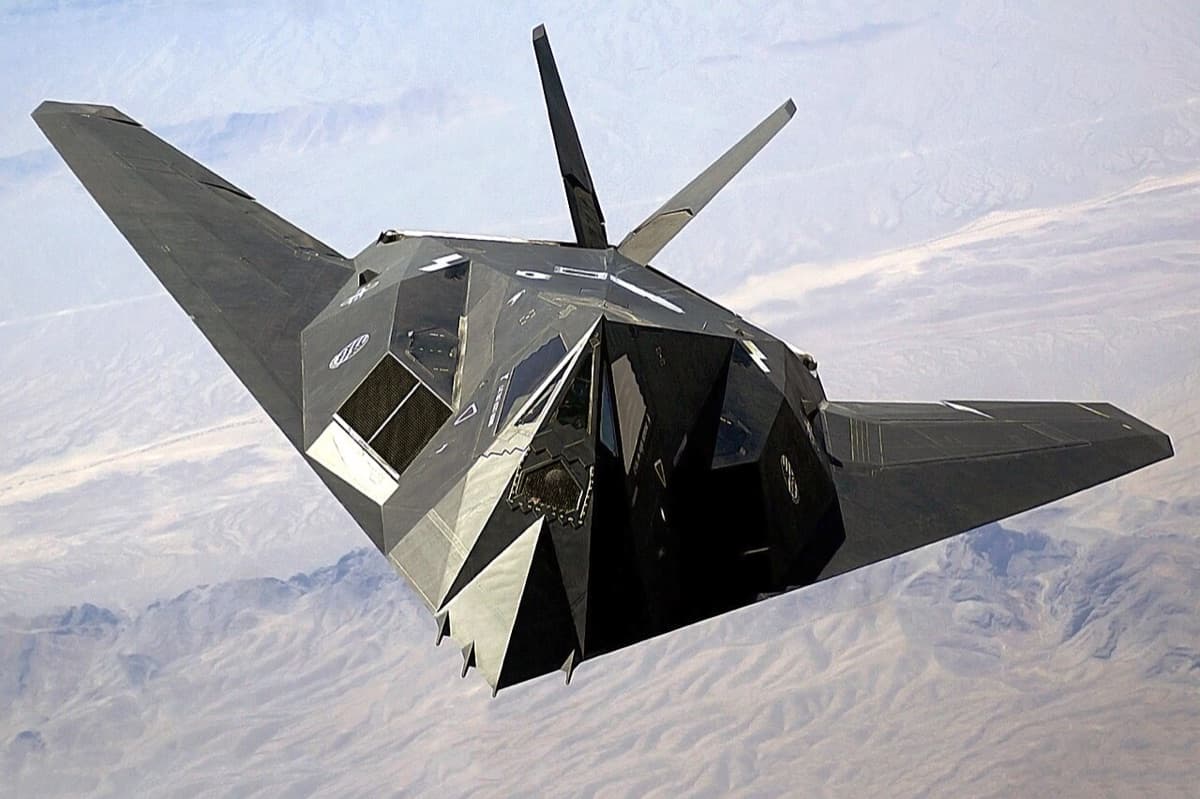
How Stealth Really Works: The Engineering Behind Radar Cross Sections Smaller Than a Golf Ball
An F-22 Raptor has the radar signature of a marble. A B-52 has the radar signature of a barn. The difference comes down to five engineering disciplines: shaping, materials, inlet masking, exhaust design, and the limits of 1970s computing power that explain why the F-117 looks nothing like the B-2.